
An 8-day Lemosho Route climb in September on Mount Kilimanjaro offers excellent weather conditions with dry days and clear skies, making it a prime month for ascending Africa’s highest peak. This extended itinerary provides superior acclimatization, significantly increasing summit success rates. Expect temperatures to range from warm at the base to freezing at higher altitudes, with minimal rainfall. This route is highly recommended for its scenic beauty and gradual ascent profile, perfect for trekkers aiming for a comfortable and successful summit experience in 2026 or 2027.
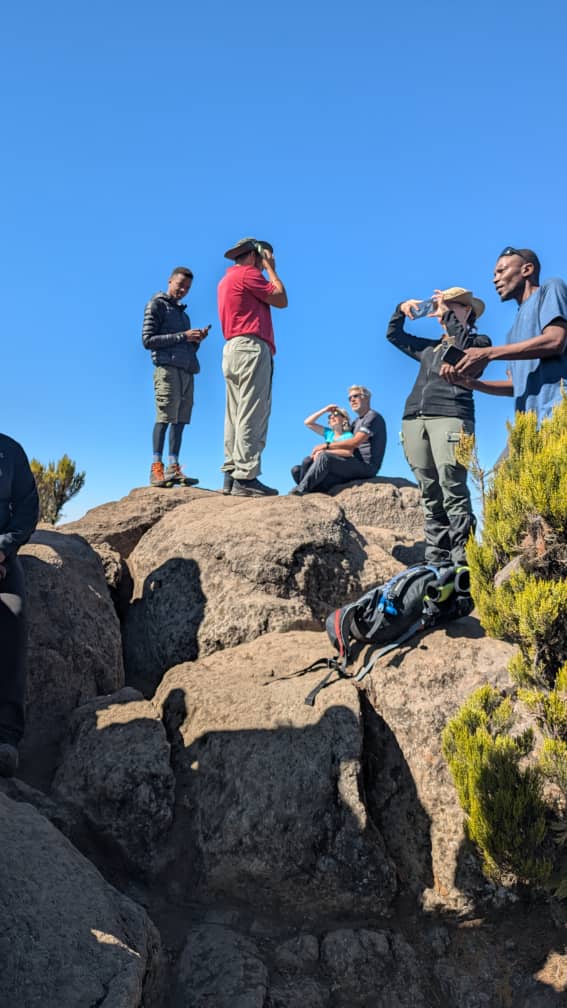


Why Choose the 8-Day Lemosho Route for Your September Kilimanjaro Climb in 2026-2027?
Mount Kilimanjaro, an iconic stratovolcano in Tanzania, calls to adventurers worldwide. For those planning their ascent in the popular month of September, the 8-day Lemosho Route stands out as an exceptional choice. This particular itinerary is celebrated for its high success rates, stunning scenery, and optimal acclimatization profile, making it a favorite for trekkers seeking a challenging yet rewarding experience. September, located within Kilimanjaro’s dry season, offers some of the most stable weather conditions of the year, further enhancing the appeal of this route and duration for your 2026 or 2027 expedition.
The Lemosho Route, known for its gradual ascent, begins on the western side of Kilimanjaro, near the Zambian border, and winds its way across the mountain’s diverse landscapes before joining the popular Machame Route for the final push to the summit. The 8-day variation of Lemosho provides that crucial extra day for acclimatization, a vital factor in reaching Uhuru Peak comfortably and safely. This longer duration allows your body to adapt more effectively to the increasing altitude, reducing the risk of altitude sickness and improving overall enjoyment of the trek. For trekkers considering a climb in 2026 or 2027, September presents a window of opportunity for clear views and manageable trekking conditions, making the 8-day Lemosho an ideal selection.
September on Kilimanjaro: Weather and Conditions for 2026-2027
September marks the tail end of Kilimanjaro’s dry season, often considered one of the best months for climbing. The weather is typically characterized by clear skies, abundant sunshine, and minimal precipitation. This offers trekkers unparalleled opportunities for impressive panoramic views from the summit and along the various stages of the Lemosho Route. While generally dry, occasional brief showers can occur, particularly in the rainforest zone at lower elevations, but these are usually short-lived.
Temperatures on Kilimanjaro vary dramatically with altitude and time of day. At the base camp areas in September, expect pleasant daytime temperatures, perhaps ranging from 20-25°C (68-77°F). As you ascend through the moorland and alpine desert zones, daytime temperatures will drop significantly, typically between 10-15°C (50-59°F). Nighttime temperatures, especially in the higher camps like Barranco, Karanga, and Barafu, can plummet to below freezing, often reaching -5°C to -10°C (23-14°F), and even colder on summit night. The summit itself, Uhuru Peak, will consistently be well below freezing, with wind chill making it feel much colder.
The atmospheric conditions in September are generally stable. Humidity is low, which can make the air feel drier. Visibility is usually excellent, allowing for stunning vistas of Mount Meru and the surrounding plains. The trails are typically in good condition, free from the mud and slippery conditions that can plague the rainy seasons. For your 2026 or 2027 climb, booking for September means you are aligning with a period known for its favorable trekking environment, maximizing your chances for a successful and enjoyable summit bid.
Why the 8-Day Lemosho Route is Superior for Acclimatization
Acclimatization is arguably the most critical factor for a successful Kilimanjaro climb. Altitude sickness, or Acute Mountain Sickness (AMS), can affect anyone, regardless of fitness level, when ascending too quickly. The 8-day Lemosho Route is specifically designed to promote slow and steady ascent, allowing your body ample time to adjust to the decreasing oxygen levels. Unlike shorter routes that rush the climb, the 8-day Lemosho incorporates rest days and slower daily ascents, particularly in the initial stages.
The Lemosho Route’s unique path, starting on the western side and gradually moving east, covers a significant distance across the mountain. This extended trek allows for a more natural and effective acclimatization process. The route’s gradual increase in altitude, combined with the longer overall duration, means you spend more time at intermediate altitudes, enabling your body to produce more red blood cells to carry oxygen. This slower pace reduces the physiological stress on your system, significantly minimizing the risk of AMS and enhancing your ability to enjoy the journey and summit.
For trekkers planning their Kilimanjaro adventure for 2026 or 2027, choosing the 8-day Lemosho route is a strategic decision for maximizing summit success. It offers a balance between experiencing the mountain’s beauty and ensuring your body is well-prepared for the extreme altitude of Uhuru Peak. This route structure is consistently recommended by experienced guides and mountaineers for its proven effectiveness in facilitating proper acclimatization.
Detailed 8-Day Lemosho Route Itinerary for September Climbs
The 8-day Lemosho Route itinerary is carefully crafted to provide the best balance of scenic beauty, gradual ascent, and acclimatization. While exact timings and camp locations can vary slightly based on operator and specific conditions, the general flow remains consistent. Here’s a typical breakdown for a September 2026 or 2027 climb:
Day 1: Londorossi Gate to Mti Mkubwa Camp
Distance: Approximately 6 km (3.7 miles)
Trekking Time: 2-3 hours
Altitude Gain: 1,740m to 2,100m (5,710ft to 6,890ft)
Environment: Rainforest
Your adventure begins at the Londorossi Gate (2,100m / 6,890ft). After completing park formalities, you’ll take a short drive to the trail start point. The initial trek is relatively short and gentle, leading you through the lush rainforest. This is your first introduction to Kilimanjaro’s ecosystem, characterized by vibrant flora and the possibility of spotting local wildlife. The goal today is simply to start moving and get your body accustomed to trekking. Mti Mkubwa Camp (Big Tree Camp) is your destination for the night.
Day 2: Mti Mkubwa Camp to Shira 1 Camp
Distance: Approximately 10 km (6.2 miles)
Trekking Time: 4-5 hours
Altitude Gain: 2,100m to 3,500m (6,890ft to 11,480ft)
Environment: Rainforest to Moorland
Today’s trek takes you out of the rainforest and into the moorland zone. The path becomes steeper in places, and you’ll notice a significant increase in altitude. The landscape opens up, offering expansive views. You’ll traverse rolling hills and cross streams. Shira 1 Camp is situated on the Shira Plateau, a vast, ancient lava-flow caldera. The views from the plateau, especially towards Mount Meru, are spectacular. Camping at this altitude (3,500m / 11,480ft) is crucial for acclimatization.
Day 3: Shira 1 Camp to Shira 2 Camp and then to Lava Tower
Distance: Approximately 10 km (6.2 miles)
Trekking Time: 5-6 hours
Altitude Gain: 3,500m to 3,850m (11,480ft to 12,630ft)
Environment: Moorland
This day involves a significant altitude gain and is designed to further aid acclimatization. You’ll trek across the Shira Plateau towards Shira 2 Camp (3,850m / 12,630ft). The terrain remains moorland. From Shira 2, the route continues towards the Lava Tower (4,600m / 15,090ft), a prominent volcanic rock formation. After a brief stop to admire the unique landscape and take photos, you will descend to your campsite for the night, often near Shira 2 Camp or a designated spot at a slightly lower elevation to aid overnight recovery. This ‘climb high, sleep low’ principle is key for acclimatization.
Day 4: Shira Hut/Camp to Barranco Camp
Distance: Approximately 10 km (6.2 miles)
Trekking Time: 6-7 hours
Altitude Gain: From approximately 3,850m to 3,950m (12,630ft to 12,960ft), with a significant high point at Lava Tower (4,600m / 15,090ft) before descending.
Environment: Moorland to Alpine Desert
This is a challenging yet rewarding day. You’ll ascend towards the Lava Tower (4,600m / 15,090ft), reaching the highest point of the Lemosho route so far. This high-altitude exposure is crucial for acclimatization. After spending some time at Lava Tower, you’ll descend into the Barranco Valley, a dramatic landscape of giant senecios and lobelias, to reach Barranco Camp (3,950m / 12,960ft). The descent helps your body adjust overnight. The views of the Southern Circuit and Kibo massif are stunning from here.
Day 5: Barranco Camp to Karanga Camp
Distance: Approximately 5 km (3.1 miles)
Trekking Time: 3-4 hours
Altitude Gain: 3,950m to 4,200m (12,960ft to 13,780ft)
Environment: Alpine Desert
Today’s trek is shorter in distance but involves a significant climb up the infamous Barranco Wall. This is a scramble rather than a technical climb, requiring careful footwork and use of hands, but it’s manageable for most trekkers with guides assisting. The views from the top of the wall are phenomenal. After descending the wall, you’ll continue through the alpine desert landscape to Karanga Camp, situated at 4,200m (13,780ft). This camp offers spectacular views of the summit cone.
Day 6: Karanga Camp to Barafu Camp
Distance: Approximately 4 km (2.5 miles)
Trekking Time: 3-4 hours
Altitude Gain: 4,200m to 4,650m (13,780ft to 15,250ft)
Environment: Alpine Desert
This day involves a steady ascent across a barren alpine desert landscape towards Barafu Camp, the base camp for your summit attempt. The terrain is rocky and exposed. Barafu Camp (4,650m / 15,250ft) is situated on a rocky ridge. You’ll arrive in the early afternoon, allowing ample time for rest, hydration, and preparation for the summit night. It is crucial to eat well and hydrate thoroughly today. The goal is to conserve energy for the challenging climb ahead.
Day 7: Summit Night and Day – Barafu Camp to Uhuru Peak and down to Mweka Camp
Distance: Approximately 5 km (3.1 miles) ascent, 12 km (7.5 miles) descent
Trekking Time: 7-8 hours ascent, 4-5 hours descent to Barafu, then 3-4 hours descent to Mweka Camp
Altitude Gain: 4,650m to 5,895m (15,250ft to 19,341ft) and back down to 3,100m (10,170ft)
Environment: Arctic Zone to Alpine Desert to Rainforest
This is the most demanding day. You’ll begin your ascent around midnight to 1 am, trekking in the dark with headlamps. The climb is steep and slow, moving pole pole (slowly, slowly). You’ll pass Stella Point (5,750m / 18,865ft) on the crater rim and then continue for another hour to Uhuru Peak (5,895m / 19,341ft), the roof of Africa. Witnessing the sunrise from the summit is an unforgettable experience. After celebrating your achievement and taking photos, you’ll descend back to Barafu Camp for a short rest and then continue descending all the way to Mweka Camp (3,100m / 10,170ft) in the upper rainforest zone. This long descent is essential to get below the altitude that causes sickness.
Day 8: Mweka Camp to Mweka Gate
Distance: Approximately 10 km (6.2 miles)
Trekking Time: 3-4 hours
Altitude Gain: 3,100m down to 1,640m (10,170ft to 5,380ft)
Environment: Rainforest
Your final day on the mountain. You’ll descend through the dense rainforest, often a welcome change from the barren alpine zones. The path can be muddy, so good waterproof gear is essential. You’ll reach Mweka Gate (1,640m / 5,380ft), where you’ll be greeted by your climbing team and receive your summit certificates. From here, you’ll take a vehicle back to your hotel in Moshi or Arusha, ready to celebrate your incredible achievement.
Packing Essentials for Your September 8-Day Lemosho Climb
Packing correctly is vital for comfort and safety on Kilimanjaro, especially during September’s variable conditions. Layering is key. You’ll need gear for warm rainforest hikes and extreme cold on the summit. Top Guide Adventures provides comprehensive packing lists, but here are the essentials:
- Footwear: Broken-in waterproof hiking boots, camp shoes/sandals, comfortable trekking socks (wool or synthetic).
- Clothing: Moisture-wicking base layers (tops and bottoms), fleece mid-layers, insulated waterproof and windproof outer jacket (down or synthetic), waterproof trousers, warm hat, gloves (liner and outer), sun hat, gaiters.
- Sleep System: Warm sleeping bag (rated to -15°C / 0°F or lower), sleeping bag liner.
- Backpack: Daypack (30-40 liters) for essentials, large duffel bag or backpack (80-100 liters) for porters.
- Hydration & Nutrition: Water bottles or hydration reservoir (at least 3 liters capacity), water purification tablets or filter, high-energy snacks.
- Health & Safety: Personal first-aid kit, sunscreen (SPF 30+), lip balm with SPF, insect repellent, hand sanitizer, toiletries, headlamp with spare batteries, sunglasses, trekking poles.
- Documents & Money: Passport, visa, flight details, travel insurance, cash for tips and personal expenses.
- Optional: Camera, power bank, book, journal.
For your 2026 or 2027 climb, ensure all gear is in good condition. Consider renting bulky items like sleeping bags and down jackets from reputable local operators to save on packing space and cost.
The Role of Guides and Porters on the 8-Day Lemosho Route
Your success and safety on Kilimanjaro are heavily reliant on your support crew: your guides, cooks, and porters. On the 8-day Lemosho Route, these individuals are not just staff; they are your lifeline, your motivators, and your guardians. Top Guide Adventures prides itself on employing highly experienced, certified guides who are trained in wilderness first aid and altitude sickness management. They are experts in route navigation, weather prediction, and ensuring the well-being of every climber.
Porters carry the bulk of your gear, from tents and food to sleeping bags and extra clothing, allowing you to focus on trekking. Cooks prepare nutritious meals designed to provide energy and sustenance throughout the climb. The camaraderie and support from this team are invaluable, especially during challenging moments. For September 2026 or 2027 expeditions, understanding the roles and importance of this team will enhance your appreciation for the entire Kilimanjaro experience.
Tipping is customary and a significant part of the crew’s income. While specific amounts can vary, a general guideline is provided by tour operators like Top Guide Adventures. It’s usually distributed among the guides, assistant guides, cooks, and porters. Your lead guide will typically facilitate this process towards the end of the trek.
Training and Physical Preparation for Kilimanjaro
While Kilimanjaro is not a technical climb, it requires significant physical endurance. The key is cardiovascular fitness and leg strength. Your training should focus on:
- Cardiovascular Exercise: Aim for at least 3-4 sessions per week, including hiking, running, cycling, or swimming. Focus on activities that can be sustained for several hours.
- Hiking with a Pack: Simulate trek conditions by hiking with a weighted backpack (5-10 kg / 10-20 lbs) on varied terrain, including hills and stairs.
- Strength Training: Focus on leg muscles (squats, lunges, calf raises) and core strength.
- Mental Preparation: Understand that the climb will be challenging, especially summit night. Mental resilience is as important as physical fitness.
Start your training program at least 2-3 months before your 8-day Lemosho Route climb in September 2026 or 2027. Proper preparation will significantly improve your comfort and chances of reaching the summit.
Altitude Sickness: Prevention and Management
Altitude sickness is the primary concern for Kilimanjaro climbers. The 8-day Lemosho Route is designed to mitigate this risk, but awareness and proactive measures are essential.
- Ascend Slowly: The 8-day itinerary provides this crucial slow ascent.
- Stay Hydrated: Drink plenty of water (3-4 liters per day) to help your body acclimatize.
- Avoid Alcohol and Smoking: These hinder acclimatization.
- Eat Well: Maintain a good intake of carbohydrates.
- Listen to Your Body: Report any symptoms (headache, nausea, dizziness) to your guide immediately.
- Medication: Discuss Diamox (acetazolamide) with your doctor. It can help prevent or alleviate AMS symptoms.
Your guides are trained to monitor for signs of altitude sickness and will make decisions regarding your safety, including descent if necessary. For your 2026-2027 climb, always communicate openly with your guide about how you are feeling.
Choosing the Right Operator for Your 8-Day Lemosho Climb in 2026-2027
Selecting a reputable tour operator is paramount for a safe and enjoyable Kilimanjaro experience. Top Guide Adventures is a leading Tanzanian company committed to providing exceptional service, ethical treatment of porters, and expert guiding. When choosing an operator for your 8-day Lemosho Route climb in September 2026 or 2027, consider:
- Safety Record and Guide Qualifications: Ensure they employ certified guides with extensive experience and first-aid training.
- Porter Welfare: Ethical treatment and fair wages for porters are non-negotiable. Look for companies that adhere to KPAP (Kilimanjaro Porters Assistance Project) standards.
- Itinerary and Acclimatization: The 8-day Lemosho is a good standard, but check that the itinerary prioritizes slow ascent.
- Group Size: Smaller groups often offer a more personalized experience.
- Inclusions and Exclusions: Understand what is covered in the price (e.g., park fees, meals, accommodation, transfers, emergency oxygen).
- Reviews and Reputation: Check independent review sites like TripAdvisor.
Top Guide Adventures offers comprehensive packages for the 8-day Lemosho Route, ensuring a well-supported and memorable climb. We focus on client safety, quality equipment, and the best possible trekking experience for your 2026 or 2027 adventure.
Cost Considerations for an 8-Day Lemosho Climb in 2026-2027
The cost of an 8-day Lemosho Route climb can vary significantly based on the operator, inclusions, and group size. Factors influencing the price include:
- Park Fees: These are fixed by the Tanzanian government and constitute a substantial portion of the cost.
- Operator’s Overhead: This includes guide salaries, porter wages, food, equipment, transport, and support staff.
- Quality of Service: Higher-quality operators often invest more in experienced guides, better food, and ensuring porter welfare, which reflects in the price.
- Group vs. Private Climb: Private climbs are more expensive per person than joining a group.
For a reputable operator like Top Guide Adventures, you can expect prices for an 8-day Lemosho climb in 2026-2027 to range from approximately $2,000 to $3,500 USD per person for a group climb. Private climbs would be higher. This typically includes:
- Park entry fees
- All meals during the trek
- Accommodation in tents
- Experienced, licensed guides
- Porters and cooks
- Campsite fees
- Boiled water
- Portable toilet
- Transfer from/to Kilimanjaro Airport (JRO) and your hotel
- Crate of bottled water
Important: Always confirm exactly what is included. Exclusions often are:
- Flights to/from Tanzania
- Visa fees
- Travel insurance (mandatory)
- Personal gear (clothing, sleeping bag, boots)
- Tips for guides, porters, and cooks
- Lunches and dinners in hotels before and after the climb
- Optional activities
When budgeting for your 2026 or 2027 climb, factor in tips, which can add several hundred dollars per climber. For a personalized quote and detailed breakdown, contacting Top Guide Adventures directly is recommended.
Why September is Ideal for the 8-Day Lemosho Route
September is consistently ranked among the best months to climb Kilimanjaro for several reasons, especially for the 8-day Lemosho Route:
- Dry Weather: It falls within the dry season, meaning less rain and higher chances of clear skies, providing spectacular views.
- Moderate Temperatures: While cold at altitude, the daytime temperatures are often more pleasant than in the peak of the dry season (January-February), and the nights, though freezing, are typically clear and crisp.
- Lower Humidity: The air is drier, making the climb feel less strenuous for some.
- Excellent Visibility: September offers some of the best visibility for panoramic views of Kilimanjaro’s glaciers and the surrounding landscape.
- Crowd Levels: While popular, September is generally less crowded than the peak months of July and August or the post-rainy season months of January and February. This means a more serene trekking experience on the trails and at campsites.
For your 2026 or 2027 expedition, choosing September means you’re opting for a month that balances excellent weather with manageable crowds, maximizing your chances for a successful and enjoyable 8-day Lemosho Route climb.
Comparing the 8-Day Lemosho with Other Routes in September
While the 8-day Lemosho Route is highly recommended, it’s useful to understand how it compares to other routes, especially if you are flexible with your choice for a September 2026 or 2027 climb:
- Machame Route: Often considered the most popular route, it’s also known for good acclimatization, typically offered in 6 or 7 days. The 8-day Lemosho offers a more gradual ascent and starts from a less crowded area, providing a more exclusive experience initially.
- Marangu Route: Known as the “Coca-Cola” route, it’s the only one with hut accommodation. It’s also the shortest (5-6 days), offering poor acclimatization and thus lower success rates. For September, the 8-day Lemosho is vastly superior in terms of acclimatization and scenery.
- Shira Route: Similar to Lemosho but starts at a higher altitude, meaning less time in the rainforest and potentially faster ascent, which can be harder on acclimatization. The 8-day Lemosho’s lower starting point is beneficial.
- Rongai Route: Approaches from the north, offering a drier alternative if there’s a chance of rain lingering from the shoulder season. It’s generally less scenic than Lemosho. The 8-day Lemosho provides a more diverse and visually stunning journey.
- Northern Circuit: The longest route (9-10 days), offering the best acclimatization and highest success rates. If time is not a constraint and you desire the ultimate acclimatization, the Northern Circuit is an option, but the 8-day Lemosho is a very strong contender for a balance of duration and acclimatization.
For a September climb in 2026 or 2027, the 8-day Lemosho Route offers a superb combination of stunning scenery, excellent acclimatization, and favorable weather, making it a top choice for most trekkers.
Making Your Booking for a September 2026-2027 Climb
Booking your 8-day Lemosho Route climb in September well in advance is highly recommended, especially for popular dates in 2026 and 2027. This ensures availability for your preferred dates and allows you ample time for preparation and training. Top Guide Adventures specializes in organizing Kilimanjaro expeditions and provides personalized support throughout the booking process.
To secure your spot or to get a detailed, no-obligation quote tailored to your needs for a September 2026 or 2027 climb, please reach out to us:
Contact Top Guide Adventures:
- WhatsApp: +255616946642
- Email: topguideadventures@gmail.com
- Backup Email: info@topguideadventures.com
Our team is ready to answer all your questions, assist with itinerary planning, and ensure your Kilimanjaro adventure is everything you dreamed of. We look forward to helping you conquer Uhuru Peak in 2026 or 2027!
Frequently Asked Questions about the 8-Day Lemosho Route in September
What are the typical temperatures on Kilimanjaro in September for an 8-day Lemosho climb?
Temperatures vary significantly with altitude. Expect 20-25°C (68-77°F) at lower elevations during the day, dropping to 10-15°C (50-59°F) in the moorlands. Nights at higher camps and on summit night can be well below freezing, ranging from -5°C to -10°C (23-14°F) or colder, especially with wind chill. Proper layering is essential for your 2026-2027 climb.
Is the 8-day Lemosho Route difficult in September?
The 8-day Lemosho Route is considered a moderately difficult trek. The difficulty primarily stems from the altitude and the sustained physical effort required. The 8-day duration provides excellent acclimatization, which significantly aids in managing the altitude. Summit night is the most challenging part, requiring endurance and mental fortitude. September’s generally good weather conditions make the trek more manageable than during the rainy seasons.
What is the summit success rate for the 8-day Lemosho Route in September?
The 8-day Lemosho Route boasts one of the highest summit success rates on Kilimanjaro, often cited between 80-90%. This is due to its gradual ascent, excellent acclimatization profile, and the favorable weather conditions in September. Choosing this route and duration for your 2026 or 2027 climb significantly enhances your chances of reaching Uhuru Peak.
Do I need to book my 8-day Lemosho climb for September 2026 or 2027 far in advance?
Yes, it is highly recommended to book your 8-day Lemosho Route climb for September 2026 or 2027 at least 6-12 months in advance. September is a popular month due to the favorable weather, and operators, guides, and park permits can fill up quickly. Early booking ensures your preferred dates and operator availability.
What kind of food can I expect on the 8-day Lemosho Route in September?
Your meals are prepared by experienced cooks and are designed to be nutritious and energizing. Expect a variety of dishes, including porridge, eggs, pancakes for breakfast; soup, rice dishes, pasta, chicken, or beef with vegetables for lunch and dinner; and snacks like biscuits, fruit, and chocolate. Hot drinks and plenty of purified water are always available. For your 2026-2027 climb, the quality and variety of food are key to maintaining energy levels.
Is travel insurance mandatory for the 8-day Lemosho Route climb?
Yes, comprehensive travel insurance is mandatory for all Kilimanjaro climbs, including the 8-day Lemosho Route. Your insurance must cover emergency evacuation from high altitude (helicopter rescue), medical expenses, and trip cancellation/interruption. Ensure your policy explicitly states coverage for trekking up to 6,000 meters (19,700 feet). This is crucial for any trek planned for 2026 or 2027.
What is the best way to prepare for the altitude on the 8-day Lemosho Route in September?
The best preparation involves a combination of physical fitness and following the acclimatization principles on the mountain. Train your cardiovascular system and leg muscles extensively before your trip. On the mountain, ascend slowly (‘pole pole’), stay well-hydrated, avoid alcohol and smoking, eat well, and get adequate rest. Discuss altitude medication like Diamox with your doctor. The 8-day Lemosho itinerary itself is designed for optimal acclimatization, making it a strong choice for managing altitude for your 2026-2027 climb.
An 8-day Lemosho Route climb in September offers an exceptional opportunity to experience the majesty of Mount Kilimanjaro. With its proven acclimatization benefits, stunning diverse landscapes, and the advantage of clear, dry weather, this route is a top recommendation for trekkers aiming for success and an unforgettable adventure in 2026 or 2027. Top Guide Adventures is dedicated to making your Kilimanjaro dream a reality, providing expert guidance and unwavering support every step of the way. Don’t hesitate to reach out to us to start planning your journey!
Check Availability for 8-Day Lemosho Route Climb In September: Your Expert Guide For 2026-2027
Ready to compare dates, prices, and the best option for your group? Send the package name and travel month so the team can reply with a clear quote, availability, and what is included.
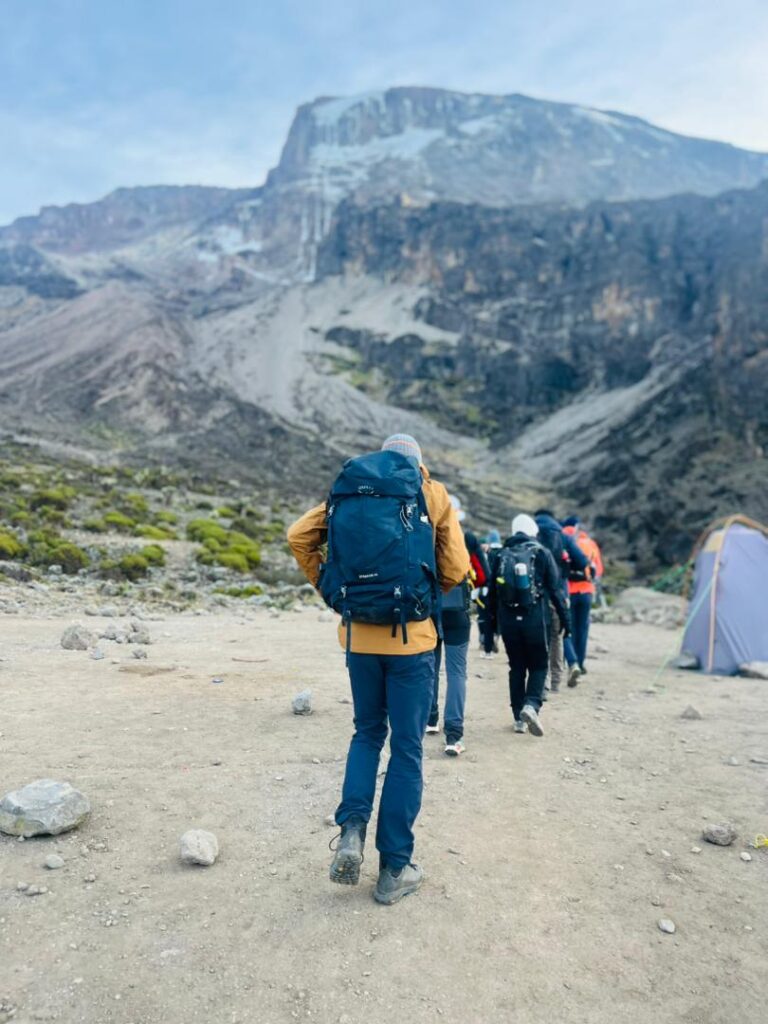
8-Day Lemosho Route Kilimanjaro Climb In October : Your Expert Guide 2026-2027
An in-depth guide to climbing Kilimanjaro via the 8-day Lemosho Route in October, detailing weather, itinerary, preparation, and what to expect in 2026-2027. Perfect for trekkers seeking...
View package details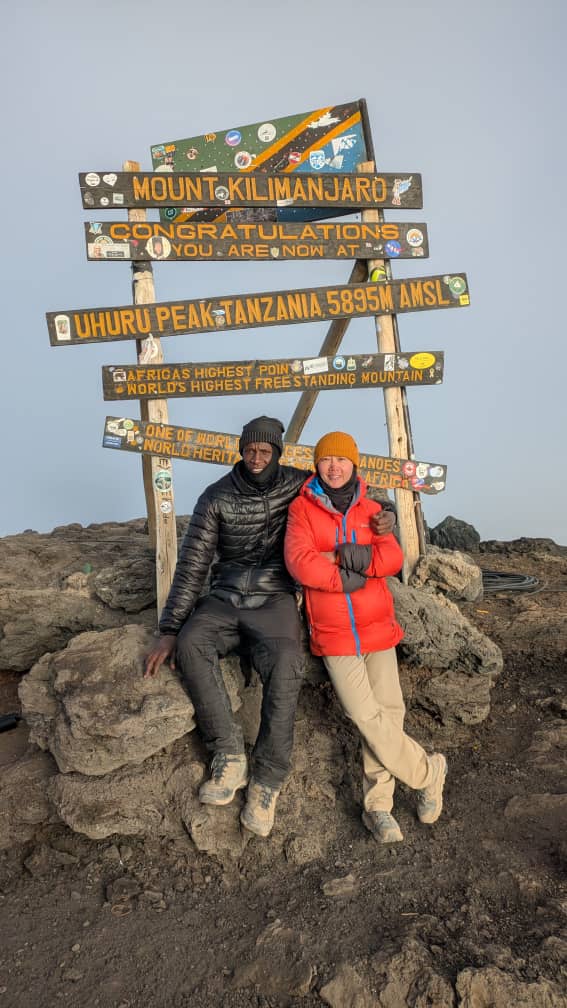
7-Day Machame Route Climb In September 2026-2027
7-Day Machame Route Climb in September is explained with current 2026-2027 planning, price, itinerary and booking information.
View package details
8-Day Lemosho Route Kilimanjaro Climb In August 2026-2027
8-Day Lemosho Route Kilimanjaro Climb in August is explained with current 2026-2027 planning, price, itinerary and booking information.
View package details8-Day Lemosho Route Climb In February 2026-2027
8-Day Lemosho Route Climb in February is explained with current 2026-2027 planning, price, itinerary and booking information.
View package details
8-Day Lemosho Route Kilimanjaro Climb In January | Top Guide Adventures
An in-depth guide to the 8-day Lemosho Route Kilimanjaro climb during January, detailing the itinerary, weather, costs, and preparation needed for a successful trek in 2026-2027. Expert...
View package details
8-Day Lemosho Route Kilimanjaro Climb In December | Top Guide Adventures
Discover the magic of an 8-day Lemosho Route Kilimanjaro climb in December. This guide details what to expect regarding weather, acclimatization, and preparation for your 2026-2027...
View package details
8-Day Lemosho Route Kilimanjaro Climb In November | Top Guide Adventures
The 8-day Lemosho Route offers a high success rate and stunning scenery for your Kilimanjaro climb in November. This guide covers everything from weather to packing for your 2026-2027...
View package details7-Day Rongai Route Kilimanjaro Climb In October : Your Expert Guide 2026-2027
Your comprehensive guide to the 7-Day Rongai Route Kilimanjaro climb in October, detailing itineraries, what to expect, and essential preparation for 2026-2027 climbs.
View package details
7-Day Machame Route Kilimanjaro Climb In October : Your Ultimate Guide
Discover everything you need to know for a 7-day Machame Route Kilimanjaro climb in October, including weather, packing, itinerary, and preparation for your 2026-2027 adventure.
View package details
9-Day Northern Circuit Climb In September : Your Ultimate Guide 2026-2027
The 9-day Northern Circuit (also known as the Lemosho route extension) is Kilimanjaro's longest and most scenic trek, offering the highest success rates due to its gradual ascent and...
View package details
7-Day Machame Route Kilimanjaro Climb In August: Your Expert Guide 2026-2027
The 7-day Machame Route Kilimanjaro climb in August offers excellent weather for reaching Uhuru Peak. This guide provides essential details for your 2026-2027 adventure, covering itinerary...
View package details7-Day Rongai Route Kilimanjaro Climb In May: Your Ultimate Guide 2026-2027
Your comprehensive guide to conquering Kilimanjaro via the Rongai Route in May over 7 days. Learn about the itinerary, what to pack, acclimatization, and why May is a great month for this...
View package detailsNo related package matches those filters. Clear one or more filters to see the other topic-matched options.



