
A 7-day Machame Route Kilimanjaro climb in October offers a fantastic opportunity for a successful summit due to generally favorable weather conditions, including drier days and clearer skies before the short rains begin. This duration provides a good balance for acclimatization, increasing your chances of reaching Uhuru Peak. Expect moderate temperatures, though nights will be cold, and be prepared for varying conditions as you ascend. October is a popular month, so booking your 2026 or 2027 expedition well in advance is advisable.
Why Choose the 7-Day Machame Route for Your Kilimanjaro Expedition in October
The Machame Route stands out as one of the most popular and scenic paths to the roof of Africa. Its popularity stems from its excellent acclimatization profile, which significantly contributes to higher success rates, especially when trekked over 7 days. October falls within a prime trekking season on Kilimanjaro, offering a sweet spot between the drier summer months and the wetter winter period. This means you’re likely to encounter fewer clouds, clearer views of the surrounding landscape, and a more comfortable trekking experience before the short rains typically start in late November.
Choosing the 7-day itinerary for the Machame Route is often considered the optimal duration. It allows for a more gradual ascent, giving your body adequate time to adjust to the increasing altitude. This slower pace is crucial for preventing altitude sickness and maximizing your chances of standing on Uhuru Peak. While a 6-day option exists, the extra day on the 7-day Machame Route provides a more relaxed pace and an additional opportunity for acclimatization, particularly on the challenging days towards the summit. For those planning their trek in October 2026 or October 2027, this route and duration present a compelling combination of scenery, acclimatization, and weather.
Understanding October Weather on Kilimanjaro
October on Kilimanjaro is a transitional month. It marks the end of the main dry season and the beginning of the short rainy season, which usually starts around late November. This means that while you can expect a good amount of sunshine and clear days, there’s also a possibility of afternoon showers, especially towards the end of the month. The weather patterns can be unpredictable, but generally, October offers a more favorable climate than the peak rainy seasons.
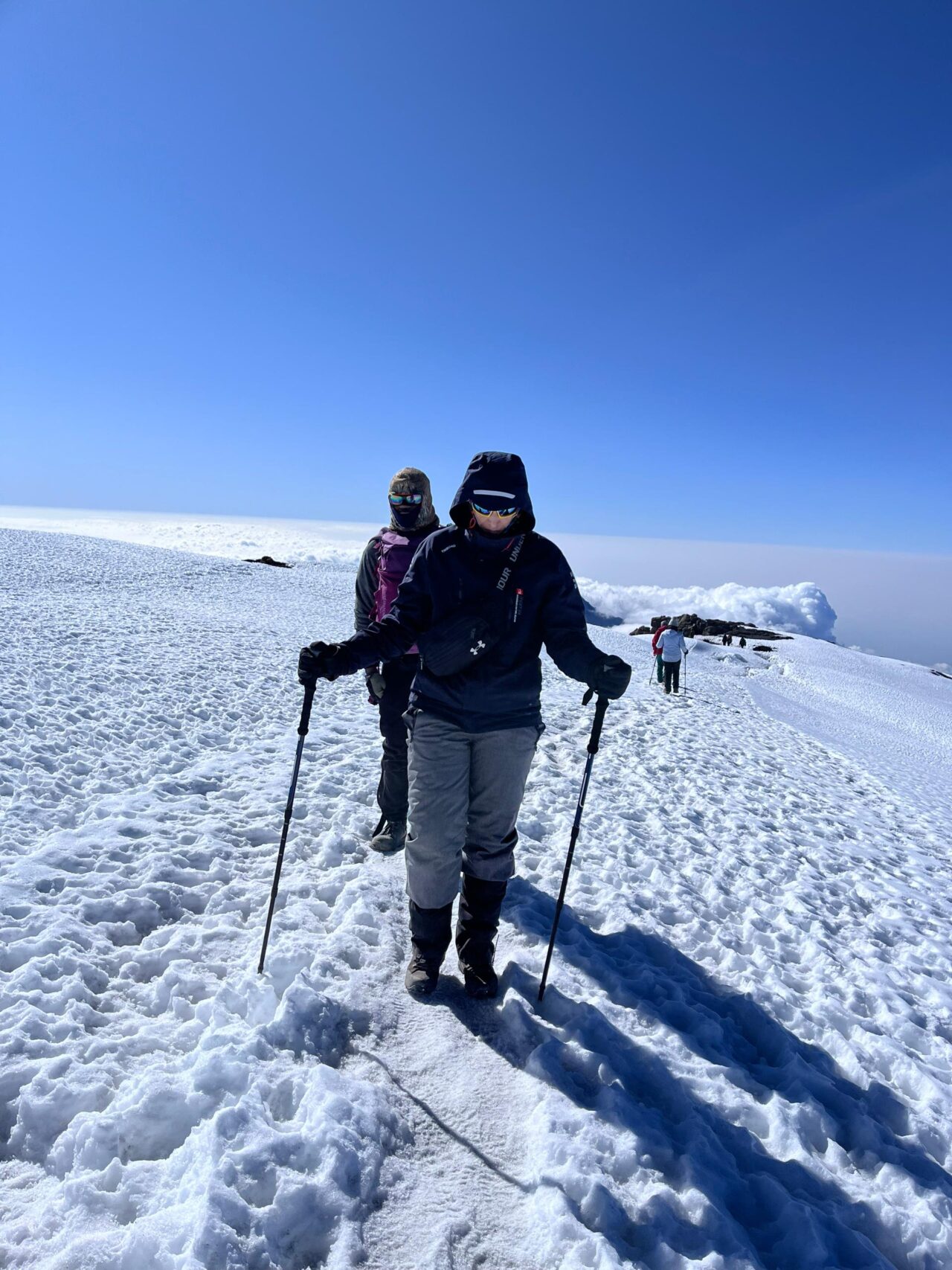
Temperatures: Temperatures vary drastically with altitude. At the base, expect warm, tropical conditions (around 20-25°C or 68-77°F). As you ascend through the rainforest and moorland zones, temperatures will drop significantly. In the alpine desert, daytime highs might be around 10-15°C (50-59°F), but nighttime temperatures can plummet below freezing, especially at higher camps like Barafu. On summit night, expect temperatures to be between -7°C and -20°C (19°F and -4°F), with wind chill making it feel even colder.
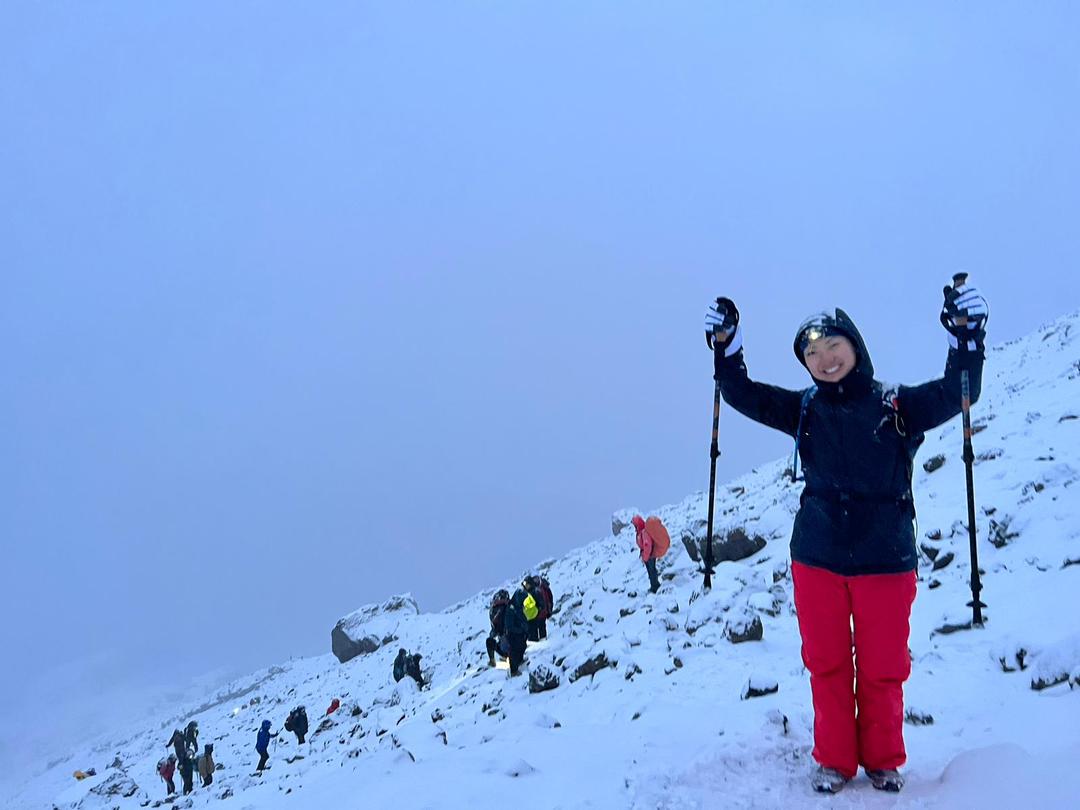
Rainfall: While October is generally drier than the rainy seasons, occasional showers are possible. These are more likely to occur in the afternoons. The higher you climb, the less likely you are to experience significant rainfall, as the upper reaches of the mountain are often drier but colder. Snow is also possible at higher altitudes, particularly on summit night.
Visibility: October often provides excellent visibility. The drier conditions mean clearer skies, offering spectacular panoramic views of Mount Kilimanjaro’s volcanic cones, the Great Rift Valley, and, on exceptionally clear days, even Mount Meru in the distance. This is a significant advantage for appreciating the diverse landscapes along the Machame Route.
Wind: Expect wind, especially at higher altitudes and on the exposed summit ridge. Wind can significantly lower the perceived temperature, making windproof gear essential. The summit day can be particularly windy.
For your 7-day Machame Route Kilimanjaro climb in October 2026 or 2027, packing layers is paramount. Be prepared for sunshine, rain, and extreme cold. The unpredictable nature of mountain weather means you should always be ready for anything.
The 7-Day Machame Route Itinerary: A Detailed Breakdown
The 7-day Machame Route itinerary is designed to provide excellent acclimatization, a crucial factor for summit success. This route is often called the “Whiskey Route” due to its steeper ascent and descent, but it offers stunning scenery and a high success rate when done over 7 days. Here’s a typical breakdown:
Day 1: Machame Gate to Machame Camp
Distance: 11 km (7 miles)
Time: 5-7 hours trekking
Zone: Rainforest
Your adventure begins at Machame Gate (1,800m / 5,905ft). After completing park formalities and meeting your guides, you’ll start your trek through the dense rainforest. The trail is often muddy, especially in October, so waterproof boots and gaiters are recommended. You’ll ascend steadily, with opportunities to spot colobus monkeys and various bird species. Machame Camp is situated at the edge of the forest line at 3,000m (9,842ft).
Day 2: Machame Camp to Shira Camp
Distance: 5 km (3 miles)
Time: 4-6 hours trekking
Zone: Rainforest, Moorland
Today’s trek takes you out of the rainforest and into the moorland zone. The path becomes steeper in places, with rocky sections. You’ll gain significant altitude, and the views start to open up. Shira Camp is located on a high-altitude plateau at 3,850m (12,631ft). The plateau offers spectacular views, and you might experience your first real cold night here. The short distance allows for a slower pace and better acclimatization.
Day 3: Shira Camp to Barranco Camp
Distance: 10 km (6 miles)
Time: 6-8 hours trekking
Zone: Moorland, Alpine Desert
This is a day of dramatic scenery and acclimatization. You’ll traverse the Shira Plateau, heading east towards Kilimanjaro’s central cone. The route involves crossing several streams and climbing over rocky ridges. You’ll reach an altitude of about 4,600m (15,091ft) before descending to Barranco Camp (3,950m / 12,959ft). This descent is crucial for acclimatization, as you sleep at a lower altitude than your highest point of the day. Barranco Camp is famous for the imposing Barranco Wall.
Day 4: Barranco Camp to Karanga Camp
Distance: 5 km (3 miles)
Time: 4-5 hours trekking
Zone: Alpine Desert
Today’s highlight is climbing the Barranco Wall, a challenging but rewarding scramble that takes about 1-2 hours. While steep, it’s not technically difficult and is usually done without ropes. After conquering the wall, the path continues with ups and downs through the alpine desert, offering stunning views of the surrounding peaks and Kilimanjaro’s southern glaciers. You’ll descend slightly to Karanga Camp, located at 4,000m (13,123ft), which sits in a valley.
Day 5: Karanga Camp to Barafu Camp
Distance: 4 km (2.5 miles)
Time: 3-5 hours trekking
Zone: Alpine Desert
This is another day focused on acclimatization and preparing for the summit push. The trail is shorter but involves a steady ascent over rocky terrain. You’ll reach Barafu Camp (4,650m / 15,256ft), which is situated on a narrow, exposed ridge. This camp serves as the base for your summit attempt. You’ll have an early dinner and rest as much as possible before the midnight start to the summit.
Day 6: Barafu Camp to Uhuru Peak and Descent to Mweka Camp
Distance: 13 km (8 miles) total (5 km ascent, 8 km descent)
Time: 7-8 hours ascent, 4-5 hours descent
Zone: Arctic
The summit night begins around midnight. You’ll ascend steeply over scree and volcanic scree. The air is thin, and the temperature is extremely cold. Reaching Stella Point (5,756m / 18,885ft) at sunrise is a magical experience. From Stella Point, you’ll continue for another hour along the crater rim to Uhuru Peak (5,895m / 19,341ft), the highest point in Africa. After celebrating your achievement, you’ll begin the long descent, passing Barafu Camp and continuing down to Mweka Camp (3,100m / 10,170ft) in the moorland/rainforest zone. This is a physically demanding day.
Day 7: Mweka Camp to Mweka Gate
Distance: 10 km (6 miles)
Time: 3-5 hours trekking
Zone: Rainforest
Your final day on the mountain involves a relatively easy descent through the rainforest. The trail can be muddy, so take care. You’ll reach Mweka Gate (1,640m / 5,380ft), where you’ll receive your summit certificates. A vehicle will be waiting to transfer you back to your hotel in Moshi or Arusha. Congratulations on completing your 7-day Machame Route Kilimanjaro climb in October 2026 or 2027!
Acclimatization: The Key to Summit Success
Acclimatization is the process by which your body adjusts to lower oxygen levels at higher altitudes. Altitude sickness (Acute Mountain Sickness – AMS) is a serious concern on Kilimanjaro, and the Machame Route, especially the 7-day itinerary, is designed to mitigate this risk. The principle of “climb high, sleep low” is fundamental to acclimatization, and the Machame Route effectively incorporates this.
How the 7-Day Machame Route Aids Acclimatization:
- Gradual Ascent: The 7-day itinerary provides a more leisurely pace compared to shorter treks. This allows your body more time to adapt to the thinning air with each successive day’s climb.
- “Climb High, Sleep Low”: On Day 3, you ascend to over 4,600m (15,091ft) before descending to sleep at Barranco Camp (3,950m / 12,959ft). This critical acclimatization strategy allows your body to acclimatize at higher altitudes during the day and then recover at a slightly lower altitude overnight, which is far more effective than simply ascending consistently.
- Longer Summit Day Preparation: The itinerary positions you at Barafu Camp (4,650m / 15,256ft) on Day 5, allowing for rest and hydration before the demanding summit push that begins late on Day 5 or early on Day 6.
Tips for Better Acclimatization:
- Ascend Slowly: Follow your guide’s pace. “Pole pole” (slowly, slowly) is the mantra on Kilimanjaro.
- Stay Hydrated: Drink plenty of water (3-4 liters per day). Dehydration can mimic symptoms of altitude sickness.
- Eat Well: Maintain a good intake of carbohydrates, which provide energy at altitude.
- Avoid Alcohol and Smoking: These hinder acclimatization.
- Inform Your Guide: Communicate any symptoms of AMS immediately. Headaches, nausea, dizziness, and fatigue are common. Your guide is trained to assess and manage these symptoms.
- Consider Diamox (Acetazolamide): Consult your doctor about prescription medication like Diamox, which can aid acclimatization. It’s not a substitute for proper ascent and hydration but can be beneficial for some individuals.
For your October 2026 or October 2027 7-day Machame Route Kilimanjaro climb, prioritizing acclimatization is the single most important factor for a safe and successful summit attempt.
Essential Gear for Your October Climb
Packing correctly is vital for comfort and safety on Kilimanjaro, especially in October, where you can experience a wide range of weather conditions. Layering is key. Here’s a comprehensive gear list:
Clothing Layers:
- Base Layers: Moisture-wicking thermal tops and bottoms (merino wool or synthetic). Bring 2-3 sets.
- Mid Layers: Fleece jackets or sweaters. A lightweight and a heavier option are ideal.
- Outer Layer (Insulation): A warm down or synthetic insulated jacket for evenings and summit night.
- Outer Layer (Shell): Waterproof and windproof jacket and trousers (Gore-Tex or similar). Essential for rain and wind protection.
Trekking Essentials:
- Trekking Trousers: Lightweight, quick-drying, and comfortable. Avoid jeans. Bring 1-2 pairs.
- Shorts: For warmer days in the lower rainforest zone.
- T-shirts: Moisture-wicking material. 3-4 for the lower slopes.
- Hiking Boots: Waterproof, broken-in, sturdy hiking boots with good ankle support. Crucial for foot comfort and safety.
- Camp Shoes: Comfortable trainers or sandals for evenings at camp.
- Socks: Several pairs of warm, moisture-wicking hiking socks (wool or synthetic). Avoid cotton. 5-6 pairs.
- Gloves: Warm, waterproof outer gloves and thinner liner gloves.
- Hat: Warm woolen hat or beanie that covers your ears.
- Sun Hat: Wide-brimmed hat or cap for sun protection during the day.
Head and Eye Protection:
- Sunglasses: High UV protection, essential for glare on snow and at altitude.
- Sunscreen: High SPF (30+), waterproof.
- Lip Balm: With SPF.
Sleeping Gear:
- Sleeping Bag: Rated to at least -10°C (15°F) or -20°C (-4°F) for colder temperatures, especially for summit night. Down or synthetic.
- Sleeping Bag Liner: Adds warmth and keeps your sleeping bag clean.
- Sleeping Pad: For added comfort and insulation (often provided by tour operators, but check).
Backpack and Bags:
- Duffel Bag: 80-100 liter capacity, waterproof, for your main luggage carried by porters.
- Daypack: 30-40 liter capacity, comfortable with a rain cover, for essentials you need during the day’s trek.
- Waterproof Bags/Dry Bags: To protect electronics, clothing, and valuables inside your duffel and daypack.
Hydration and Nutrition:
- Water Bottles/Bladder: Capacity for at least 3 liters. Insulated covers for bladders are recommended to prevent freezing.
- Water Purification Tablets/Filter: As a backup.
- Snacks: High-energy snacks like nuts, dried fruit, energy bars.
Health and Hygiene:
- Personal First-Aid Kit: Including blister treatment, pain relievers, antiseptic wipes, any personal medications.
- Headlamp: With extra batteries. Essential for summit night and around camp.
- Toiletries: Biodegradable soap, toothbrush, toothpaste, wet wipes.
- Hand Sanitizer.
- Quick-Dry Towel.
Optional but Recommended:
- Trekking Poles: Highly recommended for stability and reducing strain on knees, especially on descents.
- Camera: With extra batteries and memory cards.
- Power Bank: For charging electronics.
- Book/Journal: For downtime.
- Gaiters: To keep mud and scree out of your boots.
- Balaclava or Buff: For protecting your face from cold and wind.
For your 7-day Machame Route Kilimanjaro climb in October 2026 or 2027, ensure your gear is suitable for extreme temperature fluctuations and potential rain. Check with your tour operator, Top Guide Adventures, as they often provide detailed gear lists and can advise on rental items.
Preparing for Your Kilimanjaro Trek
Physical and mental preparation are crucial for a successful Kilimanjaro climb. While you don’t need to be an elite athlete, a good level of fitness will significantly enhance your experience and chances of summiting.
Physical Training:
- Cardiovascular Fitness: Focus on activities like hiking, running, cycling, or swimming for at least 3-4 times a week. Aim for sessions of 45-60 minutes.
- Hiking: The most relevant training. Go on long hikes (4-6 hours) with a weighted backpack, ideally on varied terrain including inclines and descents. Train on hills and stairs to simulate the mountain’s ascents.
- Strength Training: Focus on leg strength (squats, lunges) and core strength. This helps with stability and endurance.
- Altitude Training (Optional): If you live at high altitude, this is an advantage. If not, focus on consistent training and proper acclimatization on the mountain.
- Start Early: Begin your training at least 2-3 months before your climb.
Mental Preparation:
- Understand the Challenge: Kilimanjaro is a serious undertaking. Be prepared for physical discomfort, cold, and altitude effects.
- Set Realistic Expectations: Summiting is not guaranteed. Focus on the journey, the views, and the experience.
- Visualize Success: Imagine yourself reaching the summit and enjoying the moment.
- Be Flexible: Weather and personal condition can change plans. Stay positive and adaptable.
- Trust Your Guides: Your guides are experienced professionals. Listen to their advice and follow their instructions.
Health and Medical Considerations:
- Consult Your Doctor: Discuss your plans with your physician well in advance. Get a full physical check-up.
- Vaccinations: Ensure your routine vaccinations are up to date. Consult your doctor about recommended travel vaccinations for Tanzania.
- Travel Insurance: Mandatory for all Kilimanjaro climbs. Ensure it covers high-altitude trekking and emergency medical evacuation.
- Pre-existing Conditions: If you have any heart, lung, or other chronic conditions, discuss them thoroughly with your doctor.
Preparing for your 7-day Machame Route Kilimanjaro climb in October 2026 or October 2027 should encompass both your physical conditioning and your mental readiness. A well-prepared trekker is a safer and happier trekker.
Choosing a Tour Operator for Your Kilimanjaro Climb
Selecting the right tour operator is paramount for a safe, enjoyable, and successful Kilimanjaro climb. Top Guide Adventures is a highly trusted local company with extensive experience in organizing Kilimanjaro treks, including the 7-day Machame Route climb in October.
Why choose Top Guide Adventures?
- Local Expertise: As a Tanzanian company, we have deep-rooted knowledge of Kilimanjaro, its routes, weather patterns, and the local culture. Our guides and support staff are highly trained and experienced.
- Safety First: Your safety is our top priority. We adhere to strict safety protocols, carry comprehensive first-aid kits, and have oxygen systems available. Our guides are certified in Wilderness First Aid and CPR.
- Quality Equipment: We provide high-quality camping gear, including tents, sleeping mats, and dining equipment, ensuring your comfort on the mountain.
- Ethical Porter Treatment: We are committed to the fair treatment and ethical treatment of our porters, ensuring they are well-fed, appropriately clothed, and respected. We are members of KPAP (Kilimanjaro Porters Assistance Project) or follow similar stringent guidelines.
- Excellent Acclimatization Strategy: Our itineraries, particularly the 7-day Machame Route, are designed with optimal acclimatization in mind to maximize your summit success chances.
- Personalized Service: We pride ourselves on offering personal attention, care, and dedicated support to every client, from initial inquiry to post-climb celebrations.
- Comprehensive Inclusions: Our packages typically include park fees, crew salaries, meals on the mountain, camping equipment, and transfers. We provide clear details on what is included and excluded.
What to look for in a Kilimanjaro tour operator:
- Safety Record and Procedures: Do they carry oxygen? Are guides trained in first aid?
- Itinerary Length: Longer itineraries (7 days for Machame) generally offer better acclimatization and higher success rates.
- Crew Welfare: How are porters treated? Look for operators affiliated with porter welfare organizations.
- Inclusions and Exclusions: Understand exactly what your trek price covers (park fees, salaries, food, gear, transfers).
- Reviews and Reputation: Check independent reviews on platforms like TripAdvisor.
When planning your 7-day Machame Route Kilimanjaro climb in October 2026 or October 2027, partnering with a reputable and experienced operator like Top Guide Adventures ensures a well-organized and safe expedition. You can reach us for inquiries and bookings via WhatsApp at +255616946642 or email at topguideadventures@gmail.com. Our backup email is info@topguideadventures.com.
Cost of a 7-Day Machame Route Climb in October
The cost of a 7-day Machame Route Kilimanjaro climb in October can vary significantly depending on the tour operator, the quality of service, and what is included in the package. As October falls within a popular trekking season, prices might be slightly higher than in the shoulder or low seasons.
Generally, you can expect the price range for a reputable operator offering the 7-day Machame Route to be between $1,500 and $3,000 USD per person. This range reflects differences in:
- Group Size: Private climbs are more expensive than joining a group.
- Inclusions: Some operators include more meals, gear rentals, or pre/post-climb accommodation in their packages than others.
- Crew Wages and Welfare: Operators committed to fair wages and good treatment for their guides and porters may have slightly higher prices but offer a more ethical trekking experience.
- Quality of Equipment: Higher-quality tents, sleeping mats, and food can influence the price.
- Safety Measures: Operators providing extra safety equipment like portable oxygen systems might charge more.
Typical Inclusions in a 7-Day Machame Route Package:
- Kilimanjaro National Park entry fees, camping fees, and rescue fees.
- Salaries for your guides, cook, and porters.
- All meals on the mountain (breakfast, lunch, dinner).
- Boiled drinking water.
- Camping equipment (tents, mess tent, toilet tent).
- Climbing permits.
- Transfers to and from the mountain gate.
- Accommodation in a hotel before and after the climb (sometimes included, check the package).
Common Exclusions:
- International flights.
- Visa fees.
- Travel and medical insurance (mandatory).
- Tips for guides, porters, and cook (a significant part of their income).
- Personal gear (sleeping bag, trekking poles, clothing).
- Snacks and personal drinks.
- Helmets and gaiters (sometimes).
- A pre/post-climb hotel stay (if not specified).
Budgeting for Tips: Tipping is customary and expected. A common guideline is around $20-25 USD per day for the lead guide, $15-20 USD for assistant guides, $10-15 USD for the cook, and $8-10 USD per day for each porter. This is paid directly to the crew at the end of the trek. For a 7-day climb, this can add up to several hundred dollars per person.
When comparing prices for your 7-day Machame Route Kilimanjaro climb in October 2026 or 2027, ensure you are comparing like-for-like inclusions and prioritizing safety and ethical treatment of the crew. Top Guide Adventures offers competitive pricing with a strong emphasis on quality and client satisfaction. Contact us for a detailed quote tailored to your needs.
The Machame Route vs. Other Kilimanjaro Routes
While the 7-day Machame Route is an excellent choice, understanding how it compares to other popular Kilimanjaro routes can help solidify your decision. Each route offers a unique experience in terms of scenery, acclimatization, and difficulty.
Machame Route (7 days):
- Pros: Excellent acclimatization profile, high success rates, stunning varied scenery (rainforest to arctic desert), relatively challenging but rewarding.
- Cons: Can be crowded due to popularity, descent is on the same path as ascent (Mweka trail), steeper than some other routes.
- Best for: Trekkers seeking good acclimatization and beautiful views, with a moderate to good fitness level.
Marangu Route (6 or 7 days):
- Pros: “Coca-Cola Route,” most established, offers dormitory-style accommodation in huts (unique among routes), less strenuous ascent profile.
- Cons: Poorer acclimatization profile (especially the 6-day option), less scenic as ascent and descent are on the same path, lower success rates.
- Best for: Budget travelers, those seeking basic comforts of huts, and those who prefer a less physically demanding route (though still challenging due to altitude).
Lemosho Route (7 or 8 days):
- Pros: Very scenic, starts in the lush western rainforest, excellent acclimatization profile (especially 8-day), less crowded in the initial days.
- Cons: More expensive due to longer duration and logistical complexity of starting in the west.
- Best for: Trekkers prioritizing scenery, a quieter start, and excellent acclimatization.
Shira Route (7 or 8 days):
- Pros: Similar to Lemosho but starts at a higher altitude on the Shira Plateau, offering immediate stunning views.
- Cons: Starts at a higher altitude, which can be challenging for acclimatization for some, more expensive.
- Best for: Fit trekkers who want immediate high-altitude scenery and good acclimatization.
Northern Circuit (9 or 10 days):
- Pros: Highest success rates due to its length and excellent acclimatization, circumnavigates the mountain offering diverse and continuous views, least crowded.
- Cons: Most expensive and longest duration.
- Best for: Those who want the highest chance of success, have ample time, and seek a more remote and comprehensive Kilimanjaro experience.
Rongai Route (6 or 7 days):
- Pros: Approaches from the drier northern side, making it a good option during the rainy seasons (though October is generally good), less crowded, good acclimatization on the 7-day option.
- Cons: Scenery is less varied than Machame or Lemosho, descent is on the Marangu route.
- Best for: Trekkers looking for a less crowded route or those climbing during potentially wetter months.
For a 7-day Machame Route Kilimanjaro climb in October, you get a fantastic balance. It offers superior acclimatization and success rates compared to the Marangu route, is more budget-friendly than Lemosho or Northern Circuit, and provides a challenging yet manageable trek that fits well within a typical vacation timeframe.
Summit Night: The Ultimate Challenge
Summit night on Kilimanjaro is undoubtedly the most demanding part of the trek. It requires immense physical and mental fortitude. The 7-day Machame Route culminates in this challenging ascent from Barafu Camp.
The Ascent:
- Start Time: Typically around midnight to 1 AM.
- Conditions: Extreme cold (well below freezing), thin air, steep, loose scree slopes.
- Pace: “Pole pole” is more critical than ever. You’ll be walking in a single file line, often with headlamps illuminating the path ahead and behind.
- Breathing: Focus on deep, steady breaths. Rest steps are vital – pause briefly every few minutes to catch your breath and conserve energy.
- Hydration: Sip water regularly, even if you don’t feel thirsty. Your body loses fluids rapidly through respiration at altitude.
- Headlamp: Essential for visibility. Ensure yours is bright and you have spare batteries.
Reaching Stella Point:
- This is the first major milestone, reached after 3-4 hours of climbing.
- You’ll arrive at the crater rim, often just as the sun begins to rise, painting the sky with spectacular colors.
- The views from Stella Point are already impressive, overlooking the vast plains below.
The Final Push to Uhuru Peak:
- From Stella Point, it’s another 45-60 minutes along the crater rim to Uhuru Peak (5,895m / 19,341ft).
- This section is less steep but still at extreme altitude, and the wind can be fierce.
- Reaching Uhuru Peak is the culmination of your efforts. Take photos, soak in the incredible achievement, and enjoy the panoramic views of the glaciers and the curvature of the Earth.
The Descent:
- The descent is almost as challenging as the ascent, though often perceived as easier due to the relief of having summited.
- Walking downhill on loose scree for hours can be tough on the knees and quads. Trekking poles are invaluable here.
- You’ll descend back to Barafu Camp for a brief rest and some food before continuing down to Mweka Camp (3,100m / 10,170ft). This final descent to Mweka Camp is a long day, often 12-15 hours of total trekking.
Summit night is a test of endurance and mental strength. Proper preparation, good acclimatization on the 7-day Machame Route, and unwavering determination are key. For your October 2026 or October 2027 climb, be mentally prepared for this significant challenge.
Post-Climb Celebration and Recovery
After successfully completing your 7-day Machame Route Kilimanjaro climb in October, you’ll likely be exhausted but exhilarated. The days following your descent are for recovery, celebration, and reflecting on your incredible achievement.
Immediate Post-Climb:
- Return to Hotel: Top Guide Adventures will arrange your transfer back to your hotel in Moshi or Arusha. You’ll likely want a long, hot shower and a comfortable bed.
- Celebratory Meal: Enjoy a well-deserved meal. Many trekkers opt for local Tanzanian cuisine or international dishes they’ve been craving.
- Rest: Your body will need time to recover. Prioritize sleep and allow yourself to relax.
Recovering on the Mountain:
- Hydration and Nutrition: Continue to drink plenty of fluids and eat nourishing meals to help your body repair itself.
- Gentle Movement: Light walking or stretching can help prevent stiffness, but avoid strenuous activity for the first day or two.
- Massage: If available, a gentle massage can aid muscle recovery.
Celebrating Your Achievement:
- Summit Certificates: You’ll receive your official Kilimanjaro National Park summit certificates at Mweka Gate. These are tangible proof of your accomplishment.
- Sharing Your Story: Take time to share your experiences and photos with friends and family.
- Optional Extensions: Many travelers combine their Kilimanjaro climb with a safari in the Serengeti or Ngorongoro Crater, or a relaxing beach holiday in Zanzibar. Top Guide Adventures can help arrange these extensions to your October 2026 or October 2027 adventure.
Your 7-day Machame Route Kilimanjaro climb is a significant achievement. Allow yourself proper time to recover and celebrate. We are proud to help you mark this milestone. Feel free to reach out to us for any post-climb assistance or to plan your next Tanzanian adventure.
Booking Your 7-Day Machame Route Climb for October 2026/2027
Booking your 7-day Machame Route Kilimanjaro climb in October 2026 or October 2027 with Top Guide Adventures is a straightforward process. We are dedicated to providing exceptional service from your initial inquiry through to your triumphant return from the summit.
Why Book with Top Guide Adventures?
- Expert Local Guides: Our guides are not only skilled mountaineers but also passionate about sharing their knowledge of Kilimanjaro and Tanzanian culture.
- Safety and Reliability: We are a fully licensed and insured tour operator with a proven track record of safe and successful climbs.
- Ethical Operations: We are committed to fair wages and excellent working conditions for our entire team, including porters and cooks.
- Tailored Experiences: While we offer standard itineraries, we can also customize trips to suit your specific needs and preferences.
How to Book:
- Contact Us: Reach out via WhatsApp at +255616946642, email at topguideadventures@gmail.com, or our backup email info@topguideadventures.com.
- Inquire: Let us know you’re interested in a 7-day Machame Route Kilimanjaro climb for October 2026 or October 2027. We can provide detailed itineraries, pricing, and answer all your questions.
- Confirmation: Once you’ve decided, we’ll send you a booking form and require a deposit to secure your dates and Kilimanjaro permits.
- Preparation: We will then provide you with comprehensive pre-departure information, including gear lists, training advice, and travel recommendations.
Booking Considerations for October 2026/2027:
- Early Booking: October is a popular month. To secure your preferred dates and ensure availability, especially for private climbs, we recommend booking at least 6-9 months in advance.
- Permits: Kilimanjaro permits are limited and can sell out, particularly for peak seasons. Early booking guarantees your spot.
Don’t miss the opportunity to experience the magic of Kilimanjaro via the Machame Route in October. Let Top Guide Adventures be your trusted partner for an unforgettable journey. We look forward to helping you conquer Africa’s highest peak!
Explore more about group departures and shared tours: Tanzania Group Safari Tours
Check Machame Route specific group departures: Machame Route Group Departures
Follow us for inspiration and updates: Instagram @top_guide_adventures
Read client testimonials: TripAdvisor Reviews
Visit our main website: Top Guide Adventures
Check Availability for 7-Day Machame Route Kilimanjaro Climb In October : Your Ultimate Guide
Ready to compare dates, prices, and the best option for your group? Send the package name and travel month so the team can reply with a clear quote, availability, and what is included.
7-Day Rongai Route Kilimanjaro Climb In October : Your Expert Guide 2026-2027
Your comprehensive guide to the 7-Day Rongai Route Kilimanjaro climb in October, detailing itineraries, what to expect, and essential preparation for 2026-2027 climbs.
View package details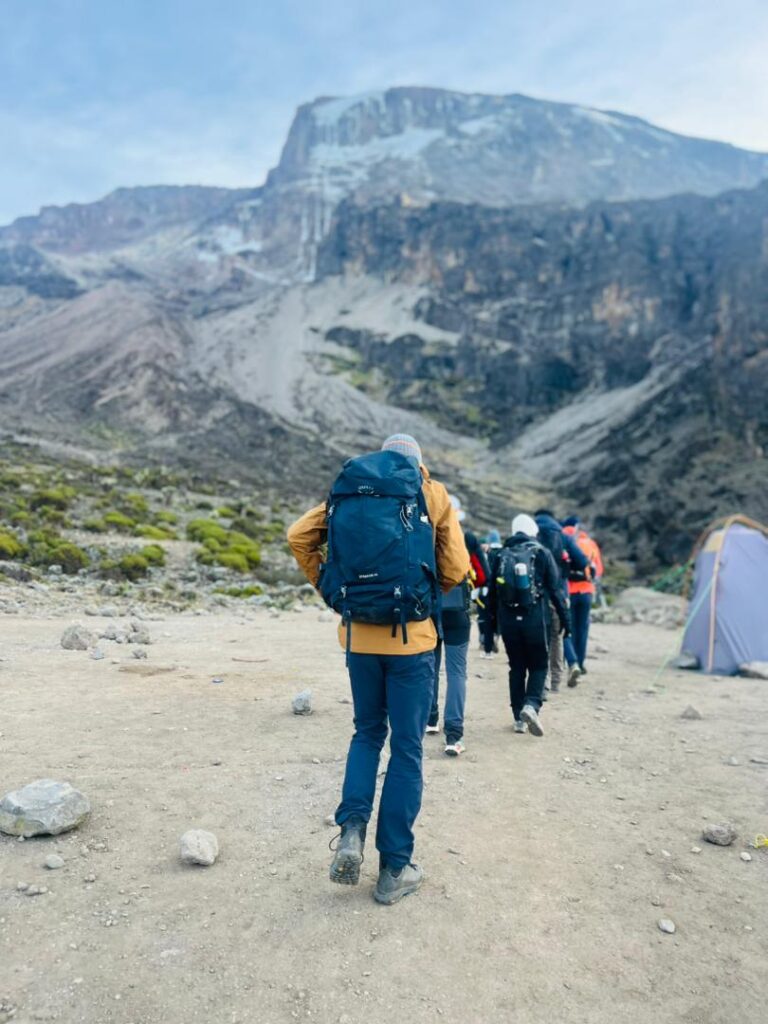
8-Day Lemosho Route Kilimanjaro Climb In October : Your Expert Guide 2026-2027
An in-depth guide to climbing Kilimanjaro via the 8-day Lemosho Route in October, detailing weather, itinerary, preparation, and what to expect in 2026-2027. Perfect for trekkers seeking...
View package details
7-Day Machame Route Kilimanjaro Climb In August: Your Expert Guide 2026-2027
The 7-day Machame Route Kilimanjaro climb in August offers excellent weather for reaching Uhuru Peak. This guide provides essential details for your 2026-2027 adventure, covering itinerary...
View package details
Your 7-Day Machame Route Kilimanjaro Climb In December : Expert Guide
A comprehensive guide to undertaking a 7-day Machame Route Kilimanjaro climb during December. Learn about the conditions, best practices, and what to expect for your 2026-2027 adventure.
View package details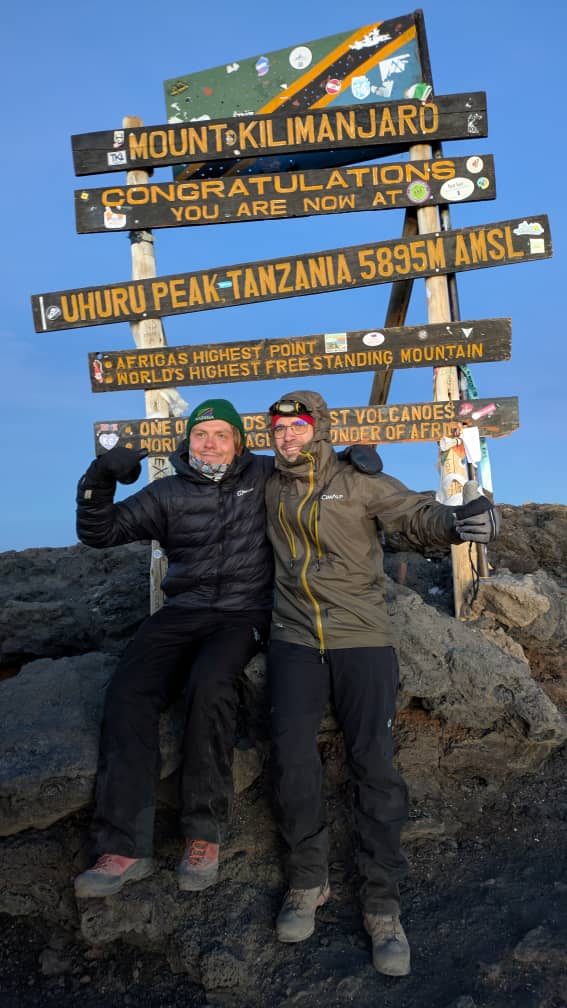
7-Day Machame Route Kilimanjaro Climb In November 2026-2027
start a 7-day Machame Route Kilimanjaro climb in November. This guide details the itinerary, weather, what to pack, costs, and why November is a great month for this challenging yet...
View package details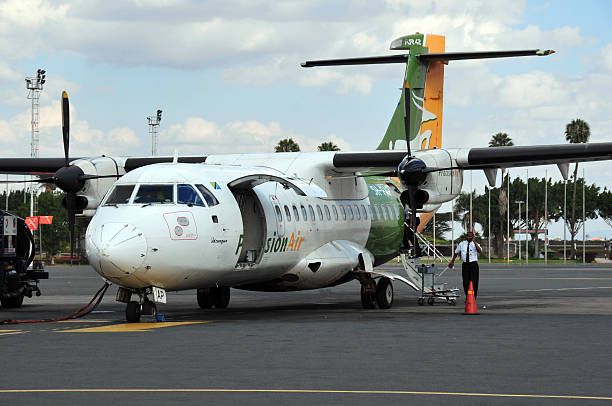
8-Day Lemosho Route Kilimanjaro Climb In August 2026-2027
8-Day Lemosho Route Kilimanjaro Climb in August is explained with current 2026-2027 planning, price, itinerary and booking information.
View package details
Kilimanjaro Climbing In October : Weather, Routes, And Planning 2026-2027
Planning a Kilimanjaro climb for October 2027? This guide details the excellent weather conditions, compares the most suitable routes like Machame and Lemosho, and provides essential...
View package details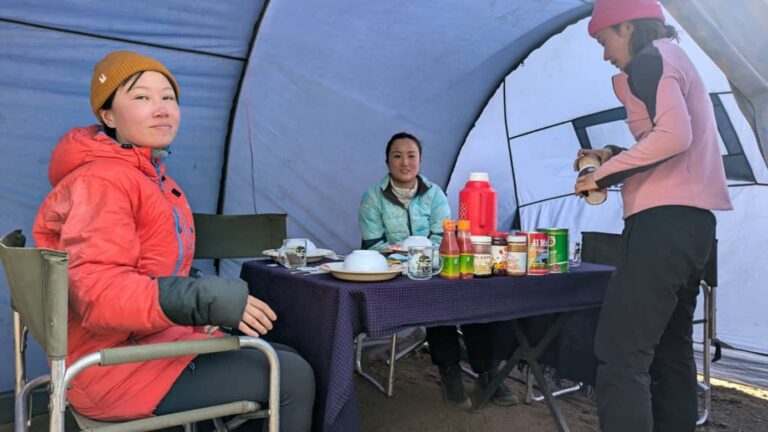
7-Day Rongai Route Kilimanjaro Climb In May: Your Ultimate Guide 2026-2027
Your comprehensive guide to conquering Kilimanjaro via the Rongai Route in May over 7 days. Learn about the itinerary, what to pack, acclimatization, and why May is a great month for this...
View package details7-Day Rongai Route Kilimanjaro Climb In April: Your Expert Guide For 2026-2027
The 7-Day Rongai Route offers a unique and often drier approach to climbing Kilimanjaro, especially beneficial in April. This guide provides an in-depth look at the itinerary, essential...
View package details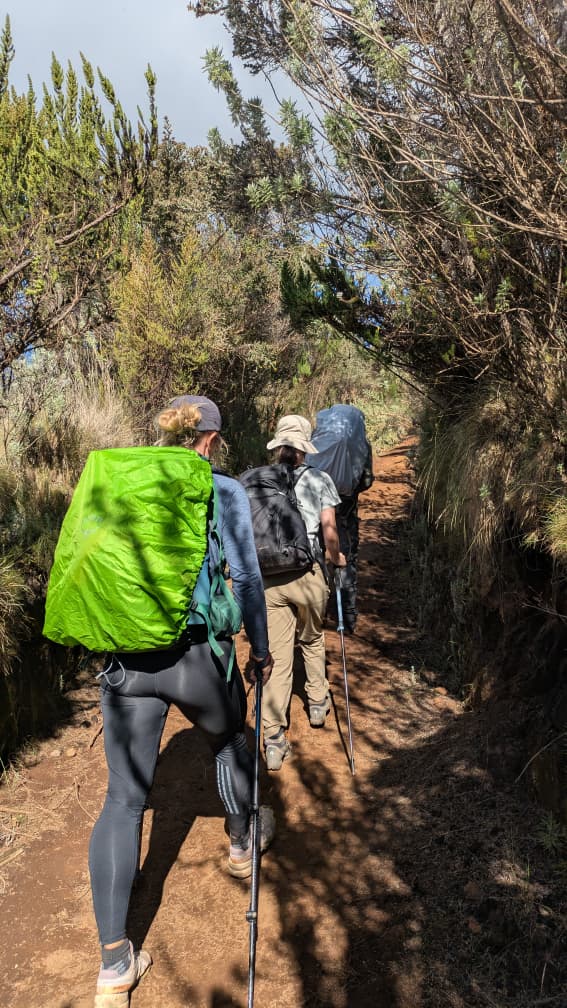
8-Day Lemosho Route Kilimanjaro Climb In January | Top Guide Adventures
An in-depth guide to the 8-day Lemosho Route Kilimanjaro climb during January, detailing the itinerary, weather, costs, and preparation needed for a successful trek in 2026-2027. Expert...
View package details
8-Day Lemosho Route Kilimanjaro Climb In December | Top Guide Adventures
Discover the magic of an 8-day Lemosho Route Kilimanjaro climb in December. This guide details what to expect regarding weather, acclimatization, and preparation for your 2026-2027...
View package details8-Day Lemosho Route Kilimanjaro Climb In November | Top Guide Adventures
The 8-day Lemosho Route offers a high success rate and stunning scenery for your Kilimanjaro climb in November. This guide covers everything from weather to packing for your 2026-2027...
View package detailsNo related package matches those filters. Clear one or more filters to see the other topic-matched options.



