
A 7-day Rongai Route Kilimanjaro climb in October offers a fantastic opportunity to reach Uhuru Peak, combining a lower traffic experience with a good success rate, especially when planned with a reputable operator like Top Guide Adventures for 2026-2027. October typically presents favorable weather conditions with clear skies and moderate temperatures, making it a prime month for trekking. The Rongai Route, starting from the north, provides a unique perspective and often less crowded trails compared to other routes.
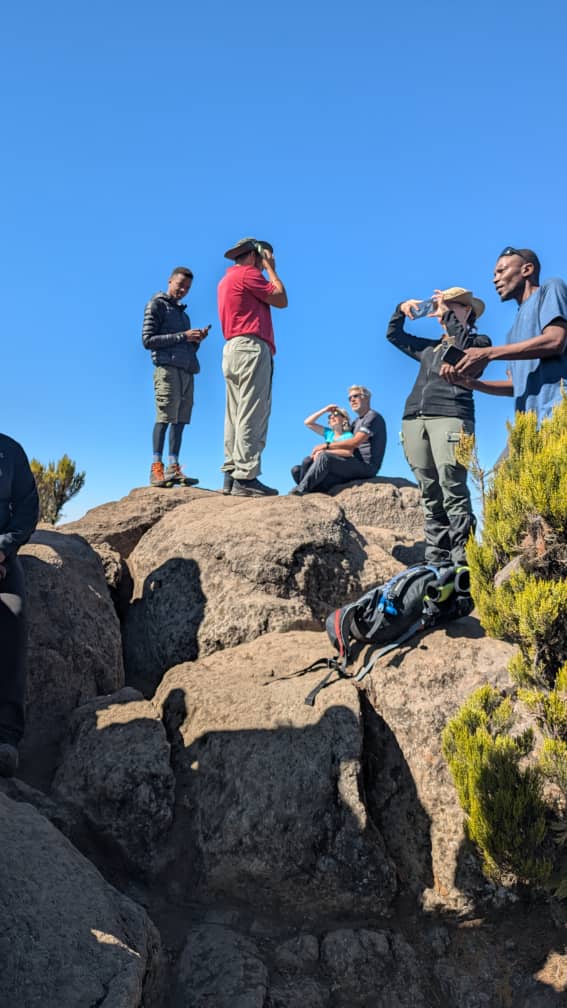


The 7-Day Rongai Route: An Ideal Choice for October Climbs
Choosing the right route and timing for your Kilimanjaro ascent is crucial for both enjoyment and success. The 7-day Rongai Route stands out as a popular and effective option, particularly for those planning their climb in October. This route, originating from the semi-arid plains of Kenya and entering Tanzania on the northern side of Kilimanjaro, offers a distinct experience. Unlike routes starting from the south, Rongai presents a gentler, more gradual ascent, which is highly beneficial for acclimatization. October, falling within the drier season, typically boasts clear skies, minimal rainfall, and pleasant temperatures, making it an excellent month for this challenging yet rewarding trek. For trekkers aiming for 2026 or 2027, understanding the nuances of the 7-day Rongai itinerary is key to a successful expedition.
Top Guide Adventures specializes in crafting memorable Kilimanjaro experiences, and our 7-day Rongai Route package is designed to maximize your chances of summiting while ensuring your comfort and safety. We understand that a Kilimanjaro climb is more than just a physical challenge; it’s a journey that requires careful planning, expert guidance, and unwavering support. This guide will provide an in-depth look at what you can expect from a 7-day Rongai Route climb in October, covering everything from the daily itinerary to essential preparation tips for your 2026-2027 adventure.
Why Choose the Rongai Route for Your Kilimanjaro Adventure?
The Rongai Route is often favored for its unique characteristics that contribute to a higher success rate and a more enjoyable trekking experience. Here’s why it’s a top contender:
- Gradual Acclimatization: Starting from the north, the Rongai Route ascends gradually, passing through various ecological zones at a comfortable pace. This slow and steady climb is vital for your body to adjust to the increasing altitude, significantly reducing the risk of altitude sickness.
- Lower Crowds: Compared to more popular southern routes like Machame or Marangu, Rongai sees fewer trekkers. This means a more peaceful and personal experience on the mountain, allowing you to connect more deeply with the environment and your fellow climbers.
- Scenic Variety: The route begins in the drier northern plains, offering a unique landscape before ascending into the montane forest, moorland, alpine desert, and finally the arctic zone. The views, especially on the approach, are distinct and often spectacular.
- Reliable Weather in October: October is generally one of the best months to climb Kilimanjaro. It falls within the second dry season, offering stable weather, clear skies, and good visibility. While mountain weather is unpredictable, October usually provides a favorable window, making the 7-day Rongai Route climb particularly appealing for this month.
- High Success Rate (with 7 Days): While longer Rongai itineraries (8 or 9 days) are often recommended for optimal acclimatization, the 7-day version provides a good balance between time efficiency and acclimatization, especially for trekkers who have some prior experience with high-altitude trekking or are in excellent physical condition. It’s designed to get you to the summit effectively.
The 7-Day Rongai Route Itinerary: A Day-by-Day Breakdown
A 7-day itinerary on the Rongai Route is structured to balance the ascent, acclimatization, and descent. While variations exist, a typical 7-day Rongai climb with Top Guide Adventures looks like this, designed for optimal experience in October 2026-2027:
Day 1: Marangu Gate to Simba Camp
Starting Point: Marangu Gate (1,860m / 6,100ft)
End Point: Simba Camp (2,600m / 8,500ft)
Trekking Time: 3-4 hours
Distance: 7 km / 4.3 miles
Habitat: Rainforest
Your Kilimanjaro adventure begins at Marangu Gate, where you’ll complete registration formalities. After meeting your guide and porters, you’ll drive to the Rongai start point. The trek commences through lush rainforest, a vibrant ecosystem teeming with diverse flora and fauna. Keep an eye out for colobus monkeys and various bird species. The trail is relatively gentle, leading you to Simba Camp, your first overnight stop. The camp is situated on the edge of the forest reserve, offering a first glimpse of the mountain’s grandeur.
Day 2: Simba Camp to Kikelewa Caves
Starting Point: Simba Camp (2,600m / 8,500ft)
End Point: Kikelewa Caves (3,600m / 11,800ft)
Trekking Time: 6-7 hours
Distance: 13 km / 8 miles
Habitat: Rainforest to Moorland
Today’s trek takes you higher, transitioning from the rainforest into the moorland zone. The landscape opens up, offering expansive views of the surrounding plains and, on a clear day, Mount Meru. The path can be steeper in sections. You’ll trek past the Second Caves, continuing towards Kikelewa Caves. This campsite is strategically located for its scenic beauty and proximity to the next day’s ascent. The air is noticeably cooler, and the vegetation changes dramatically, with giant heathers and senecios becoming prominent.
Day 3: Kikelewa Caves to Mawenzi Tarn
Starting Point: Kikelewa Caves (3,600m / 11,800ft)
End Point: Mawenzi Tarn (4,330m / 14,200ft)
Trekking Time: 4-5 hours
Distance: 7 km / 4.3 miles
Habitat: Moorland to Alpine Desert
This is a shorter but more challenging day in terms of altitude gain. You’ll ascend through a starkly beautiful alpine desert landscape. The terrain becomes more rugged, and the altitude starts to be felt more acutely. The highlight of the day is reaching Mawenzi Tarn, a stunning campsite situated in a cirque below the imposing spires of Mawenzi Peak, Kilimanjaro’s second-highest summit. The views here are spectacular, offering a dramatic panorama of the mountain’s eastern face.
Day 4: Mawenzi Tarn to Kibo Camp
Starting Point: Mawenzi Tarn (4,330m / 14,200ft)
End Point: Kibo Camp (4,720m / 15,500ft)
Trekking Time: 4-5 hours
Distance: 7 km / 4.3 miles
Habitat: Alpine Desert
Today, you’ll traverse the saddle between Mawenzi and Kibo, Kilimanjaro’s main summit cone. This is a significant day as you reach higher altitudes. The landscape is barren and windswept, resembling an arctic desert. You’ll gradually ascend to Kibo Camp, located at the base of the Kibo summit cone. This camp is crucial as it serves as your staging point for the summit attempt. You’ll rest, hydrate, and prepare for the challenging night ahead. The air is thin, and the temperatures drop significantly.
Day 5: Summit Night and Descent to Horombo Camp
Starting Point: Kibo Camp (4,720m / 15,500ft)
End Point: Uhuru Peak (5,895m / 19,341ft), then descend to Horombo Camp (3,720m / 12,200ft)
Trekking Time: 10-12 hours (summit bid)
Distance: 6 km / 3.7 miles (ascent) + 16 km / 9.9 miles (descent)
Habitat: Arctic Zone to Alpine Desert and Moorland
This is the most demanding day of your 7-day Rongai Route climb. You’ll start your ascent around midnight, trekking in the dark with headlamps. The path is steep and challenging, often on scree. Key points include Gilman’s Point (5,681m / 18,638ft) and Stella Point (5,756m / 18,885ft) before reaching Uhuru Peak, the roof of Africa. After celebrating your achievement, you’ll begin the long descent, passing Kibo Camp and continuing down to Horombo Camp in the moorland zone. This descent is crucial for acclimatization, and reaching Horombo provides a well-deserved rest.
Day 6: Horombo Camp to Marangu Gate
Starting Point: Horombo Camp (3,720m / 12,200ft)
End Point: Marangu Gate (1,860m / 6,100ft)
Trekking Time: 5-7 hours
Distance: 20 km / 12.4 miles
Habitat: Moorland to Rainforest
After breakfast, you’ll begin your final descent. The trek down is through the same ecological zones as your ascent, but the scenery often appears different on the way down. You’ll pass Mandara Huts before reaching Marangu Gate. Here, you’ll have a certificate ceremony to commemorate your successful climb. A vehicle will be waiting to transfer you back to your hotel in Moshi or Arusha, where you can relax and celebrate your incredible achievement. This is a significant distance, so pace yourself and enjoy the final views.
Day 7: Departure
Depending on your flight schedule, you may have time for some last-minute souvenir shopping or a relaxed breakfast before heading to Kilimanjaro International Airport (JRO) for your departure, or continuing your journey in Tanzania.
October Weather on Kilimanjaro: What to Expect
October is considered part of the second dry season on Kilimanjaro, which generally runs from late September to early November. This period offers some of the most favorable weather conditions for climbing the mountain. For your 7-day Rongai Route climb in October 2026 or 2027, you can anticipate:
- Clear Skies: October typically provides excellent visibility. You can expect stunning panoramic views of the surrounding landscape and Kibo’s summit, especially during the early stages of your trek and on summit night.
- Moderate Temperatures: While temperatures vary significantly with altitude, October generally offers moderate daytime temperatures in the lower and middle elevations. However, summit night and the upper reaches of the mountain will be extremely cold, often dropping well below freezing (typically -10°C to -20°C / 14°F to -4°F, including wind chill).
- Low Rainfall: Rainfall is minimal during October. This means fewer muddy trails and a lower chance of being caught in heavy downpours, making the trek more comfortable and safer. However, occasional light showers are always possible at any time of year.
- Wind: The higher altitudes, particularly the saddle and summit, can be windy. This is a factor to prepare for, as wind chill can dramatically lower the perceived temperature.
While October is a prime month, it’s essential to remember that Kilimanjaro’s weather is notoriously unpredictable. Even during the dry season, conditions can change rapidly. Therefore, packing appropriate gear for all types of weather, from warm sunshine to freezing temperatures and potential wind, is paramount for a successful 7-day Rongai Route climb.
Success Rates on the 7-Day Rongai Route in October
Success rates on Kilimanjaro are influenced by numerous factors, including the chosen route, duration, individual fitness, acclimatization, and the quality of the guiding company. The 7-day Rongai Route is considered to have a reasonably good success rate, often cited between 70-85% for well-prepared climbers with reputable operators.
For an October climb, the favorable weather conditions can positively impact success rates. Clear skies and less rain mean trekkers are less likely to be delayed or deterred by poor conditions, especially on summit night. However, it’s crucial to understand that the 7-day itinerary is on the shorter side for Kilimanjaro. While it offers a good balance, longer routes (like an 8-day Rongai) generally provide superior acclimatization and thus higher success rates.
Key factors influencing success on a 7-day Rongai Route in October 2026-2027 include:
- Physical Fitness: Excellent cardiovascular fitness and strength training are essential.
- Acclimatization: Adhering to the “pole pole” (slowly, slowly) pace, staying hydrated, and listening to your body are critical.
- Mental Preparedness: The summit night is physically and mentally demanding. A positive attitude and determination are vital.
- Guide’s Expertise: Experienced guides monitor your health closely, adjust the pace, and make crucial decisions regarding your safety. Top Guide Adventures prides itself on its highly trained and experienced guides.
- Gear: Proper, high-quality gear ensures comfort and protection from the elements, which directly impacts performance and morale.
While the 7-day Rongai Route is efficient, trekkers considering it should be realistic about the challenges and ensure they are well-prepared physically and mentally. For those prioritizing acclimatization above all else, an 8-day Rongai itinerary might be a better choice, though the 7-day version remains a very popular and viable option for many.
Preparing for Your 7-Day Rongai Route Climb in October
Successful preparation for a 7-day Rongai Route Kilimanjaro climb in October involves several key areas:
Physical Training:
- Cardiovascular Fitness: Engage in regular aerobic activities like hiking, running, cycling, or swimming for at least 3-5 times a week. Focus on endurance.
- Strength Training: Strengthen your legs, core, and back. Squats, lunges, and step-ups are particularly beneficial.
- Hiking Practice: Undertake long hikes (4-6 hours) with a weighted backpack, ideally on varied terrain, to simulate mountain conditions. Practice hiking uphill and downhill.
- Altitude Acclimatization (if possible): If you live at altitude, this is a significant advantage. If not, consider spending a night or two at a moderate altitude (e.g., 2,000-3,000m) before your climb, if feasible.
Gear and Packing:
- Layering System: Pack moisture-wicking base layers, insulating mid-layers (fleece, down jacket), and a waterproof/windproof outer shell.
- Footwear: High-quality, broken-in waterproof hiking boots are essential. Bring extra socks (wool or synthetic).
- Headwear: A warm hat, sun hat, and balaclava or neck gaiter are necessary for sun protection and warmth.
- Handwear: Warm gloves or mittens, plus liner gloves, are crucial.
- Sleeping Bag: A 4-season sleeping bag rated to at least -15°C (0°F) is recommended for October.
- Headlamp: A reliable headlamp with extra batteries is vital for summit night.
- Sun Protection: High SPF sunscreen, sunglasses, and lip balm.
- Hydration: Water bottles or a hydration reservoir (ensure it won’t freeze). Water purification tablets or a filter.
- Personal Items: High-energy snacks, personal toiletries, basic first-aid kit, and any personal medications.
- Trekking Poles: Highly recommended for stability and reducing strain on joints.
Health and Medical:
- Consult Your Doctor: Discuss your climb with your physician, especially if you have any pre-existing medical conditions.
- Vaccinations: Ensure your routine vaccinations are up to date. Consult a travel clinic for advice on recommended vaccinations for Tanzania.
- Altitude Sickness Medication: Discuss Diamox (acetazolamide) with your doctor. It can aid acclimatization but is not a substitute for proper ascent and hydration.
- Travel Insurance: Ensure your insurance covers high-altitude trekking and medical evacuation.
Logistics and Documentation:
- Passport and Visas: Ensure your passport is valid for at least six months beyond your stay and has sufficient blank pages. Obtain a Tanzanian visa if required.
- Flight Bookings: Book flights to Kilimanjaro International Airport (JRO).
- Travel Insurance: Confirm your policy details and emergency contact information.
- Currency: Have some USD for tips and smaller purchases upon arrival. Local currency (Tanzanian Shilling) can be obtained later.
What Top Guide Adventures Includes in Your 7-Day Rongai Route Package
When you book your 7-day Rongai Route Kilimanjaro climb with Top Guide Adventures for 2026 or 2027, you can expect comprehensive support designed for a successful and comfortable trek. Our packages are built on years of experience and a deep understanding of what trekkers need on the mountain.
Typical Inclusions:
- Professional Guides: Experienced, licensed guides certified in wilderness first aid.
- Support Crew: A dedicated team of porters to carry your main luggage and camp equipment.
- Cook: A skilled cook to prepare delicious and nutritious meals throughout the trek.
- Accommodation: Camping equipment (tents, sleeping mats) and meals on the mountain.
- Park Fees: All Kilimanjaro National Park entry fees, camping fees, and rescue fees.
- Transfers: Airport transfers and transport from Moshi/Arusha to the trailhead and back.
- Accommodation (Pre & Post Climb): Typically includes 1-2 nights’ accommodation in a hotel before and after the climb (check specific package details).
- Water: Boiled or purified drinking water provided daily on the mountain.
- Government Taxes: All applicable taxes.
What’s Typically Excluded:
- International Flights: Flights to and from Kilimanjaro International Airport (JRO).
- Visas: Tanzanian visa fees.
- Travel Insurance: Comprehensive travel and medical evacuation insurance.
- Personal Gear: Sleeping bag, hiking boots, clothing, and personal equipment.
- Tips: Gratuities for guides, porters, and cooks (a significant portion of crew income).
- Personal Expenses: Drinks (other than water), laundry, souvenirs, and snacks.
- Optional Extras: Day room at hotel, tips for hotel staff.
We believe in transparency. For detailed pricing and specific inclusions for your 2026-2027 7-day Rongai Route climb, please contact us directly. We are happy to provide a personalized quote.
Comparing the 7-Day Rongai Route with Other Options in October
While the 7-day Rongai Route is an excellent choice for October, it’s beneficial to compare it with other popular routes, especially considering the same month.
7-Day Rongai Route vs. Other Routes in October:
- vs. Machame Route (7-Day): Machame is more popular and generally busier. It offers excellent acclimatization and high success rates due to its “climb high, sleep low” profile. However, it can be more crowded, especially in October. Rongai offers a more solitary experience.
- vs. Lemosho Route (7-Day or 8-Day): Lemosho is known for its stunning scenery and high success rates, often considered one of the most beautiful routes. It’s longer than the 7-day Rongai, typically 7 or 8 days. If time is a constraint and you prefer a less crowded experience with good acclimatization, Rongai is a strong contender. Lemosho can be more expensive due to its longer duration and logistics.
- vs. Marangu Route (5-Day or 7-Day): Marangu is the “Coca-Cola” route, offering hut accommodation, which some prefer. However, its direct ascent profile leads to lower acclimatization and success rates compared to Rongai or Machame, even on the 7-day option. Rongai’s camping and gradual ascent are generally superior for acclimatization.
- vs. Shira Route (8-Day): Shira is similar to Lemosho but starts at a higher altitude. It’s a beautiful but challenging route, usually requiring 8 days or more, making it less suitable if you’re set on a 7-day timeframe.
- vs. Northern Circuit (9-Day): The longest and arguably best route for acclimatization and success rates, offering a full circuit. It’s ideal for those with more time and a higher budget, providing the most relaxed pace.
For an October climb, the 7-day Rongai Route offers a unique blend of good weather, fewer crowds, and effective acclimatization for a shorter timeframe. Its northern approach provides a different perspective and often a more peaceful journey compared to the busier southern routes.
Altitude Sickness: Prevention and Management on the Rongai Route
Altitude sickness, or Acute Mountain Sickness (AMS), is the most common ailment faced by Kilimanjaro climbers. Understanding its causes, symptoms, and prevention is critical for a safe and successful 7-day Rongai Route climb in October 2026-2027.
What is AMS?
AMS occurs when your body doesn’t have enough time to adjust to the lower oxygen levels at higher altitudes. The 7-day Rongai Route, while generally good for acclimatization, still requires careful management due to its relatively rapid ascent.
Symptoms of AMS:
- Headache (most common symptom)
- Nausea and vomiting
- Dizziness or lightheadedness
- Fatigue and weakness
- Loss of appetite
- Difficulty sleeping
- Shortness of breath (even at rest)
In severe cases, AMS can progress to life-threatening conditions like High Altitude Cerebral Edema (HACE) or High Altitude Pulmonary Edema (HAPE). HACE symptoms include confusion, loss of coordination (ataxia), and drowsiness. HAPE symptoms include severe shortness of breath, coughing up frothy sputum, and chest tightness.
Prevention Strategies:
- Ascend Slowly: This is the golden rule. The 7-day Rongai Route’s gradual start is beneficial. Always “pole pole” (slowly, slowly).
- Hydrate: Drink plenty of water (3-4 liters per day). Avoid alcohol and caffeine, which can dehydrate you.
- Eat Well: Maintain a good intake of carbohydrates. Your guide will ensure nutritious meals are provided.
- Avoid Overexertion: Listen to your body and don’t push yourself too hard, especially on the first few days.
- Medication (Consult Your Doctor): Acetazolamide (Diamox) can help speed up acclimatization. It’s not a cure but a preventative measure. Discuss dosage and potential side effects with your doctor well before your trip.
Management:
If you experience symptoms of AMS:
- Inform Your Guide Immediately: Never hide your symptoms. Your guide is trained to assess your condition.
- Do Not Ascend Further: If symptoms are mild, rest at your current altitude. If they worsen or you feel unwell, the only cure is to descend.
- Descent is Key: Even a small descent of 300-500 meters (1,000-1,600 ft) can significantly alleviate symptoms.
- Medical Attention: In case of severe symptoms, immediate evacuation and medical attention are required. This is where good travel insurance and a reliable tour operator like Top Guide Adventures are essential.
By understanding AMS and following best practices, you can significantly increase your chances of a safe and successful climb on the 7-day Rongai Route in October.
The Role of Guides and Porters on Your Rongai Climb
The team of guides and porters is the backbone of any Kilimanjaro expedition. For your 7-day Rongai Route climb in October 2026-2027, understanding their roles and importance is key.
Your Guides:
- Expertise: Kilimanjaro guides are highly experienced professionals. They know the mountain intimately, including its trails, weather patterns, and potential hazards.
- Safety First: Their primary responsibility is your safety. They are trained in first aid, recognize the signs of altitude sickness, and make critical decisions regarding the pace and well-being of the group.
- Pace Management: Guides ensure the group adheres to the “pole pole” principle, crucial for acclimatization. They set the pace and encourage trekkers.
- Logistics: They manage the daily itinerary, coordinate with the support crew, and ensure all necessary park procedures are followed.
- Motivation: Guides are also motivators, offering encouragement and support, especially during challenging moments like summit night.
Your Porters:
- Carrying the Load: Porters carry the bulk of your equipment, including tents, food, sleeping bags, and personal luggage (within weight limits). This allows you to trek with a lighter daypack.
- Camp Setup: They are responsible for setting up camp each day, including pitching tents, preparing the dining tent, and ensuring the campsite is organized.
- Physical Prowess: Porters are incredibly strong and capable, navigating the mountain with heavy loads efficiently and safely.
- Cultural Ambassadors: They represent the local culture and are an integral part of the Kilimanjaro trekking community.
Your Cook:
A dedicated cook prepares all meals on the mountain, from breakfast to dinner. They work with fresh ingredients and create surprisingly varied and delicious menus, considering the dietary needs and energy requirements of trekkers. This ensures you are well-nourished throughout your 7-day Rongai Route adventure.
Top Guide Adventures is committed to ethical treatment and fair wages for all our crew members. We believe that a well-supported and motivated team leads to a better experience for our clients. Tipping is customary and greatly appreciated by the crew, forming a significant part of their income. We provide guidelines on tipping amounts to ensure fair compensation.
Packing Essentials for an October Kilimanjaro Climb: A Deeper Look
Choosing the right gear is paramount for comfort and safety on your 7-day Rongai Route Kilimanjaro climb, especially in October. The mountain’s weather can shift dramatically, requiring a versatile packing list. Here’s a more detailed breakdown:
Clothing Layers:
- Base Layers: 2-3 sets of moisture-wicking thermal underwear (merino wool or synthetic). These draw sweat away from your skin.
- Mid Layers: 2-3 fleece jackets or sweaters. These provide insulation. A lightweight down or synthetic insulated jacket is also highly recommended for colder evenings and summit night.
- Outer Layer (Shell): A high-quality waterproof and windproof jacket (e.g., Gore-Tex) with a hood, and matching waterproof trousers. This protects you from rain and wind.
Trekking Apparel:
- Hiking Trousers: 2-3 pairs of comfortable, quick-drying hiking trousers (convertible pants are versatile). Avoid jeans.
- T-shirts: 3-4 moisture-wicking t-shirts (synthetic or merino wool).
- Long-sleeved Shirts: 1-2 for sun protection and warmth.
Footwear:
- Hiking Boots: Sturdy, waterproof, mid-to-high cut hiking boots that are well broken-in. Essential for ankle support and protection on rocky terrain.
- Camp Shoes: Comfortable trainers or sandals for wearing around camp.
- Socks: 5-7 pairs of wool or synthetic hiking socks. Bring liner socks to prevent blisters.
- Gaiters: Recommended to keep mud, scree, and snow out of your boots.
Headwear and Handwear:
- Warm Hat: A wool or fleece hat that covers your ears.
- Sun Hat: A wide-brimmed hat for sun protection during the day.
- Balaclava/Neck Gaiter: Essential for protecting your face and neck from wind and cold, especially on summit night.
- Gloves: 1 pair of waterproof and windproof outer gloves or mittens. 1 pair of thinner fleece or wool liner gloves.
Sleeping Gear:
- Sleeping Bag: A 4-season bag rated to at least -15°C (0°F) or lower. Top Guide Adventures can often arrange rentals if needed.
- Sleeping Bag Liner: Adds warmth and keeps your sleeping bag clean.
- Inflatable Pillow (Optional): For added comfort.
Trekking Equipment:
- Backpack: A comfortable daypack (30-40 liters) for carrying essentials like water, snacks, camera, and extra layers.
- Duffel Bag: A large, waterproof duffel bag (80-100 liters) for porters to carry your main gear.
- Trekking Poles: Highly recommended for stability, reducing knee strain, and improving balance on ascents and descents.
- Headlamp: With extra batteries. Essential for summit night and moving around camp in the dark.
Personal Items:
- Water Bottles/Reservoir: At least 2-3 liters capacity. Ensure reservoirs have insulated tubes to prevent freezing.
- Sunscreen: High SPF (30-50+).
- Lip Balm: With SPF.
- Sunglasses: High UV protection.
- Toiletries: Biodegradable soap, toothbrush, toothpaste, wet wipes, hand sanitizer.
- Personal First-Aid Kit: Include blister treatment, pain relievers, antiseptic wipes, bandages, and any personal medications.
- Camera: With extra batteries and memory cards.
- Snacks: High-energy snacks like energy bars, nuts, dried fruit, and chocolate.
- Book/Journal: For downtime.
- Power Bank: To recharge electronics.
- Passport/Documents: Keep in a waterproof bag.
- Cash: For tips and personal expenses.
Optional Items:
- Binoculars
- Small towel
- Gaiters
Always check with Top Guide Adventures for any specific recommendations or items they provide. Packing smart ensures you are prepared for the diverse conditions you’ll encounter on your 7-day Rongai Route climb in October 2026-2027.
Food and Hydration on the Mountain
Proper nutrition and hydration are fundamental to maintaining energy levels and preventing altitude sickness on Kilimanjaro. Top Guide Adventures places a strong emphasis on providing high-quality meals and ensuring trekkers stay well-hydrated throughout the 7-day Rongai Route climb.
Meals Provided:
- Breakfast: Typically includes porridge, eggs, sausages, toast, fruit, and hot beverages like tea and coffee.
- Lunch: Often a packed lunch to enjoy on the trail, consisting of sandwiches, boiled eggs, fruit, biscuits, and juice. Sometimes, a hot lunch is prepared at the campsite if the itinerary allows.
- Dinner: A hearty, multi-course meal usually starts with soup, followed by a main course (e.g., rice with chicken/beef/vegetables, pasta dishes, stews), and concludes with dessert.
- Snacks: Biscuits, popcorn, nuts, and fruit are often provided at mealtimes or given to you by your guide to carry for the day.
Dietary Requirements:
Top Guide Adventures can cater to most dietary needs, including vegetarian, vegan, gluten-free, and allergies. Please inform us of any specific requirements well in advance of your 7-day Rongai Route climb in October 2026-2027 so our cooks can prepare accordingly.
Hydration:
- Water Source: Water is sourced from mountain streams and then purified either by boiling or using water filters/tablets.
- Quantity: Aim to drink 3-4 liters of fluid per day. Your guides will ensure you have access to safe drinking water at all times.
- Other Fluids: Herbal teas, hot chocolate, and electrolyte drinks (which you can bring yourself) are also beneficial.
- Avoid Alcohol and Caffeine: These can contribute to dehydration and hinder acclimatization.
Maintaining adequate hydration is crucial. Dehydration can exacerbate symptoms of altitude sickness and reduce your physical performance. Listen to your body and drink consistently throughout the day, even if you don’t feel thirsty.
Booking Your 7-Day Rongai Route Kilimanjaro Climb in October 2026-2027
Planning your Kilimanjaro adventure is an exciting process, and choosing the right partner is essential. Top Guide Adventures is dedicated to providing exceptional service and support for your 7-day Rongai Route climb in October 2026-2027.
Why Book with Top Guide Adventures?
- Local Expertise: As a trusted Tanzanian tour operator, we have in-depth knowledge of Kilimanjaro and the surrounding region.
- Experienced Crew: We work with highly trained and professional guides, porters, and cooks who are passionate about their roles.
- Safety Focus: Your safety is our top priority. We adhere to strict safety protocols and ensure our crew is well-equipped.
- Personalized Service: We offer dedicated support from your initial inquiry through to your return home, ensuring a tailored experience.
- Ethical Practices: We are committed to fair treatment and ethical working conditions for our entire mountain crew.
- Proven Track Record: We have a history of successful climbs and satisfied clients, reflected in reviews on platforms like TripAdvisor.
How to Book:
To inquire about availability for your 7-day Rongai Route Kilimanjaro climb in October 2026 or 2027, or to receive a personalized quote, please reach out to us:
- WhatsApp: +255616946642
- Email: topguideadventures@gmail.com
- Backup Email: info@topguideadventures.com
We recommend booking your 7-day Rongai Route climb for October 2026 or 2027 at least 6-12 months in advance, especially if you have specific date preferences, as October is a popular month. This allows ample time for training, gear preparation, and logistical arrangements.
Let Top Guide Adventures be your partner in conquering Kilimanjaro. We look forward to helping you achieve your summit dreams on the magnificent Rongai Route!
Check Availability for 7-Day Rongai Route Kilimanjaro Climb In October : Your Expert Guide…
Ready to compare dates, prices, and the best option for your group? Send the package name and travel month so the team can reply with a clear quote, availability, and what is included.
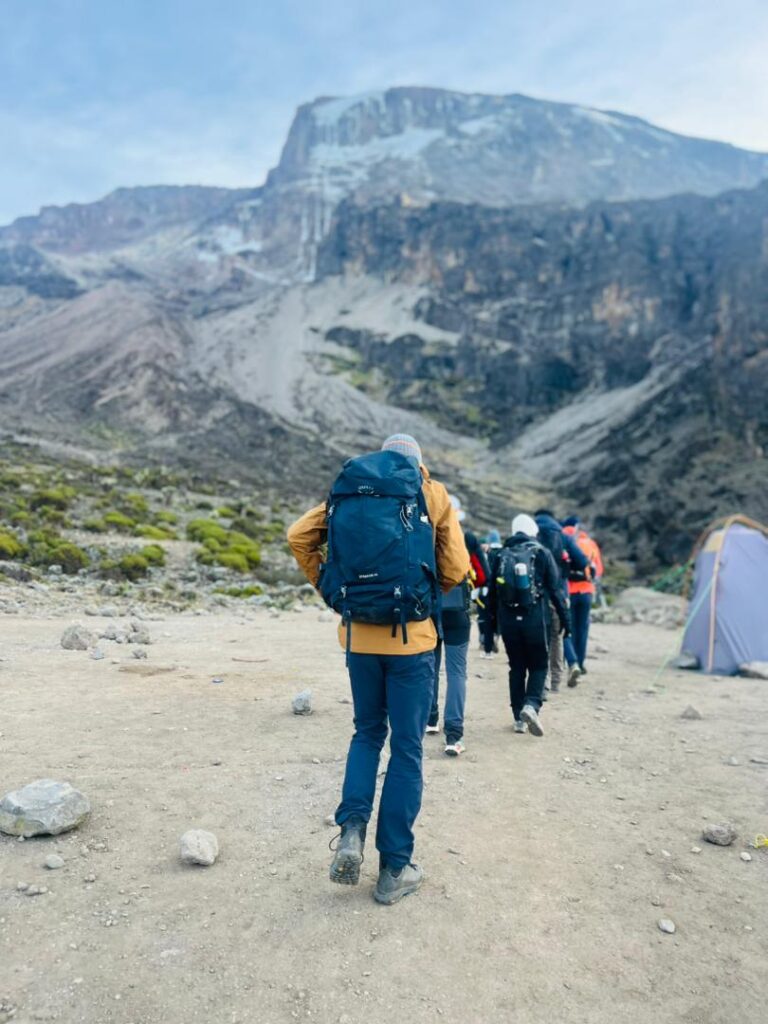
8-Day Lemosho Route Kilimanjaro Climb In October : Your Expert Guide 2026-2027
An in-depth guide to climbing Kilimanjaro via the 8-day Lemosho Route in October, detailing weather, itinerary, preparation, and what to expect in 2026-2027. Perfect for trekkers seeking...
View package details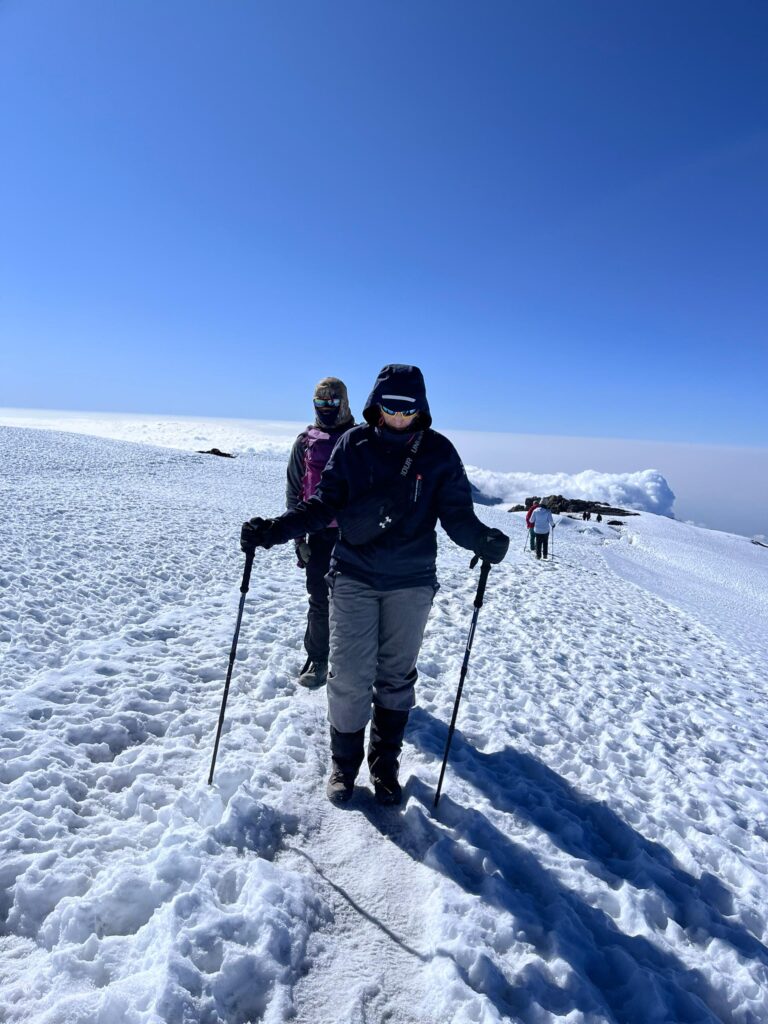
7-Day Machame Route Kilimanjaro Climb In October : Your Ultimate Guide
Discover everything you need to know for a 7-day Machame Route Kilimanjaro climb in October, including weather, packing, itinerary, and preparation for your 2026-2027 adventure.
View package details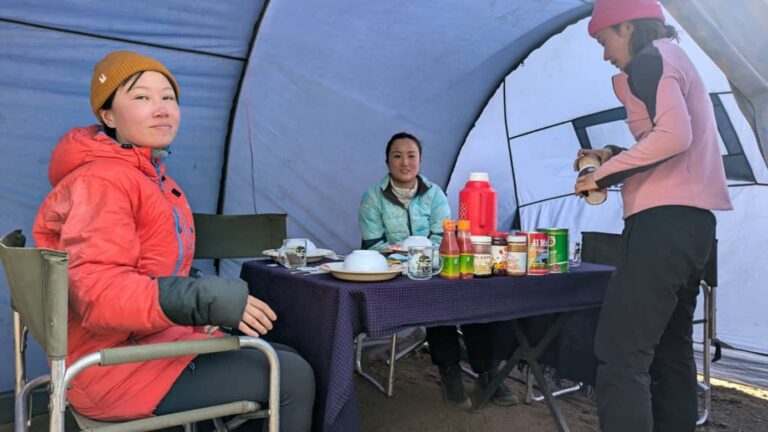
7-Day Rongai Route Kilimanjaro Climb In May: Your Ultimate Guide 2026-2027
Your comprehensive guide to conquering Kilimanjaro via the Rongai Route in May over 7 days. Learn about the itinerary, what to pack, acclimatization, and why May is a great month for this...
View package details7-Day Rongai Route Kilimanjaro Climb In April: Your Expert Guide For 2026-2027
The 7-Day Rongai Route offers a unique and often drier approach to climbing Kilimanjaro, especially beneficial in April. This guide provides an in-depth look at the itinerary, essential...
View package details
7-Day Rongai Route Kilimanjaro Climb In November 2026-2027
A detailed 2026-2027 guide to 7-Day Rongai Route Kilimanjaro Climb in November, with clear planning and booking information for travelers.
View package details
8-Day Lemosho Route Kilimanjaro Climb In August 2026-2027
8-Day Lemosho Route Kilimanjaro Climb in August is explained with current 2026-2027 planning, price, itinerary and booking information.
View package details
7-Day Machame Route Kilimanjaro Climb In August: Your Expert Guide 2026-2027
The 7-day Machame Route Kilimanjaro climb in August offers excellent weather for reaching Uhuru Peak. This guide provides essential details for your 2026-2027 adventure, covering itinerary...
View package detailsKilimanjaro Climbing In October : Weather, Routes, And Planning 2026-2027
Planning a Kilimanjaro climb for October 2027? This guide details the excellent weather conditions, compares the most suitable routes like Machame and Lemosho, and provides essential...
View package details
8-Day Lemosho Route Kilimanjaro Climb In January | Top Guide Adventures
An in-depth guide to the 8-day Lemosho Route Kilimanjaro climb during January, detailing the itinerary, weather, costs, and preparation needed for a successful trek in 2026-2027. Expert...
View package details
8-Day Lemosho Route Kilimanjaro Climb In December | Top Guide Adventures
Discover the magic of an 8-day Lemosho Route Kilimanjaro climb in December. This guide details what to expect regarding weather, acclimatization, and preparation for your 2026-2027...
View package details
Your 7-Day Machame Route Kilimanjaro Climb In December : Expert Guide
A comprehensive guide to undertaking a 7-day Machame Route Kilimanjaro climb during December. Learn about the conditions, best practices, and what to expect for your 2026-2027 adventure.
View package details
7-Day Machame Route Kilimanjaro Climb In November 2026-2027
start a 7-day Machame Route Kilimanjaro climb in November. This guide details the itinerary, weather, what to pack, costs, and why November is a great month for this challenging yet...
View package detailsNo related package matches those filters. Clear one or more filters to see the other topic-matched options.



