
For a November Kilimanjaro climb, your waterproof gear list must prioritize a high-quality, breathable waterproof jacket and trousers, waterproof hiking boots, waterproof gaiters, and a reliable waterproof backpack cover. These items are crucial for managing the frequent, often heavy, rain showers common during this shoulder season, ensuring comfort and safety on your 2026 or 2027 ascent.
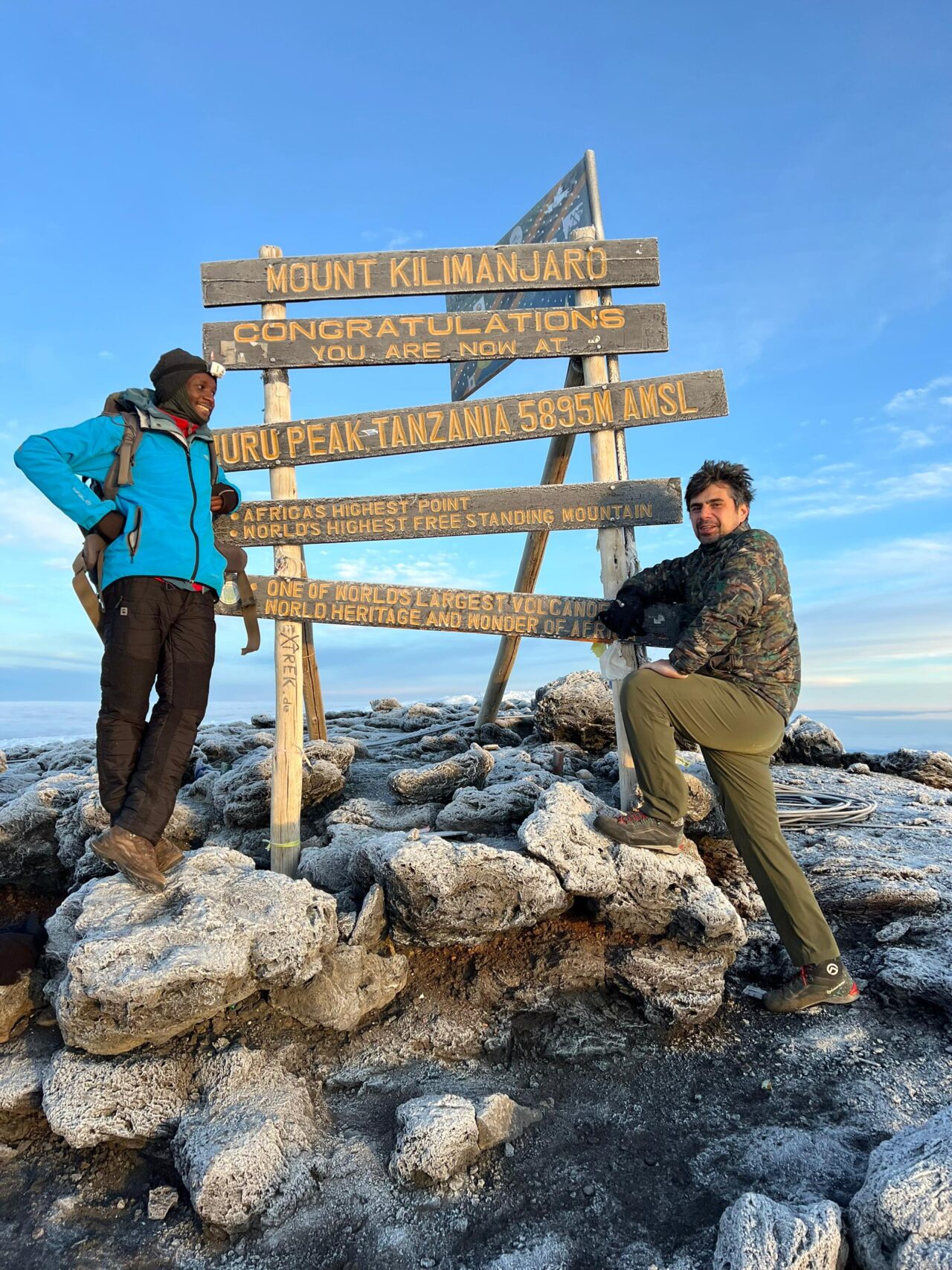
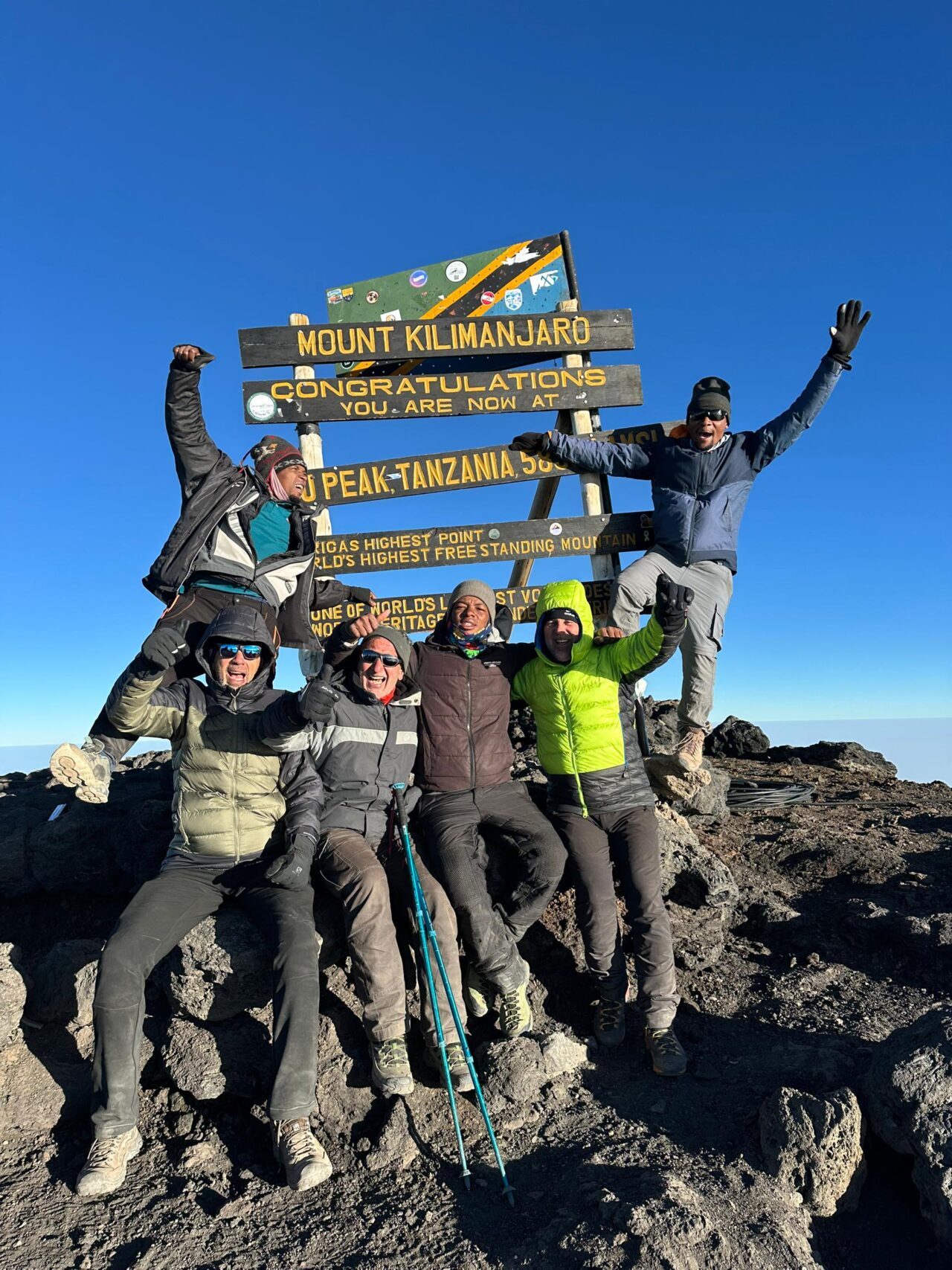
Navigating Kilimanjaro in November: Weather and Essential Waterproof Gear for 2026-2027
Kilimanjaro in November presents a unique trekking experience. As the second rainy season, the short rains, typically begins to taper off, transitioning towards the drier December and January period. This means you can expect a mix of weather conditions: sunshine, cloud cover, and, importantly, rain. For trekkers planning their 2026 or 2027 climb, understanding and packing the right waterproof gear is not just about comfort; it’s about safety and the overall success of your expedition. Top Guide Adventures emphasizes that being prepared for wet conditions significantly enhances your enjoyment and resilience on the mountain.
This guide provides an exhaustive breakdown of the waterproof gear you’ll need, focusing on items that will keep you dry and protected from the elements as you ascend Kilimanjaro. We’ll cover everything from your outer shell to the smaller but vital accessories, ensuring you’re ready for whatever November weather the mountain throws at you.
Why Waterproof Gear is Paramount for Your November Kilimanjaro Expedition
Kilimanjaro’s altitude and microclimates mean weather can change rapidly and dramatically. November, while generally seeing less rain than the main rainy seasons (March-May), still experiences significant precipitation, especially on the lower slopes and during the transitional period. Rain can range from light drizzles to heavy downpours. Without adequate waterproof protection, you risk:
- Hypothermia: Getting wet rapidly cools your body, leading to a dangerous drop in core temperature, even in relatively mild conditions.
- Discomfort and Morale: Constantly being damp is unpleasant and can significantly lower your spirits, impacting your determination.
- Chafing and Skin Irritation: Wet clothing rubbing against the skin can cause painful chafing, especially on long trekking days.
- Damage to Equipment: Electronics and other sensitive gear can be ruined by moisture if not properly protected.
- Reduced Visibility and Traction: Heavy rain can impair visibility and make trails slippery, increasing the risk of falls.
Investing in good quality waterproof gear for your November Kilimanjaro climb in 2026 or 2027 is an investment in your well-being and the overall success of your trek. Top Guide Adventures recommends focusing on breathable, waterproof materials that allow moisture vapor to escape while keeping liquid water out.
The Core of Your Waterproof System: Jacket and Trousers
Your waterproof jacket and trousers are your primary defense against rain. For Kilimanjaro, especially in November, these are non-negotiable items.
Waterproof Jacket: The Ultimate Rain Shield
This is arguably the most critical piece of waterproof gear. For a November Kilimanjaro trek, you need a jacket that offers robust protection but also allows your body to breathe.
- Material: Look for jackets made from waterproof and breathable fabrics like Gore-Tex, eVent, or similar proprietary technologies. These materials have a waterproof membrane with microscopic pores that are too small for water droplets to penetrate but large enough for water vapor (sweat) to escape.
- Features:
- Hood: A fully adjustable, helmet-compatible (though not strictly necessary for Kilimanjaro trekking, it offers better coverage) hood with a stiffened brim is essential to keep rain off your face and out of your eyes.
- Sealed Seams: All seams must be taped or sealed to prevent water ingress.
- Zippers: Water-resistant or storm-flapped zippers are crucial. Pit zips (underarm zippers) are highly beneficial for ventilation during strenuous uphill sections, allowing you to release heat and moisture without compromising the outer shell’s integrity.
- Adjustability: Cuffs with Velcro or snap closures and an adjustable hem drawcord help seal out drafts and rain.
- Pockets: While not the primary function, a few well-placed, zippered pockets can be useful for small items. Ensure they have storm flaps.
- Weight and Packability: Choose a jacket that isn’t excessively heavy but offers durable protection. It should pack down reasonably small to fit into your daypack.
- Layering: Your waterproof jacket is the outer layer. You’ll wear insulating layers (like fleece or down) underneath. Ensure the jacket is roomy enough to accommodate these layers comfortably without restricting movement.
Recommendation for 2026-2027 Climbs: A 2.5-layer or 3-layer waterproof jacket is ideal. While a 3-layer offers superior durability and breathability, a good 2.5-layer can be lighter and more budget-friendly if chosen wisely. Avoid simple water-resistant jackets; you need full waterproofing.
Waterproof Trousers: Protecting Your Lower Half
Just as important as the jacket, waterproof trousers keep your legs dry, preventing discomfort and heat loss. For November, these are indispensable.
- Material: Similar to the jacket, opt for breathable waterproof fabrics. The same brands and technologies apply.
- Features:
- Full-Length Zips: Zips along the entire length of the legs are extremely useful. They allow you to put the trousers on or take them off without removing your boots, which is invaluable when the weather changes suddenly or when setting up camp.
- Ankle Adjustments: Velcro or snap closures at the ankles help cinch the trousers over your boots, preventing water from seeping in and keeping mud out.
- Reinforcements: Some trousers have reinforced panels on the inner ankles to protect against crampon snags (though crampons are rarely needed in November, this adds durability).
- Fit: Ensure the trousers are not too tight. You need to be able to wear them comfortably over your base layers and trekking trousers.
- Breathability: Again, breathability is key. You’ll be sweating as you climb, and you don’t want to feel like you’re wearing a sauna.
Recommendation for 2026-2027 Climbs: Full-length side zips make a significant difference in practicality. Look for trousers that are lightweight but tough enough for mountain conditions.
Top Guide Adventures Tip:
When selecting your waterproof jacket and trousers for a November Kilimanjaro climb, try them on with the layers you intend to wear underneath. Ensure there’s no restriction of movement, especially around the shoulders and hips. Breathability ratings are important, but also consider the effectiveness of pit zips and leg vents for active temperature regulation.
Footwear: Keeping Your Feet Dry and Protected
Your feet are your most crucial tools on Kilimanjaro. Keeping them dry and comfortable is paramount, and waterproof footwear is essential for November treks.
Waterproof Hiking Boots: The Foundation of Your Trek
These are your primary defense against wet ground, puddles, and stream crossings. For a November Kilimanjaro expedition, waterproof boots are non-negotiable.
- Waterproofing: Look for boots with a waterproof membrane (like Gore-Tex or similar) integrated into the construction. This is usually a lining within the boot.
- Material: Full-grain leather offers excellent durability and water resistance, often combined with a waterproof membrane. Synthetic materials can be lighter and dry faster but may offer less long-term durability.
- Ankle Support: Mid- or high-cut boots provide crucial ankle support, which is vital on uneven, rocky terrain and helps prevent injuries.
- Sole: A sturdy, lugged sole (like Vibram) provides excellent grip on slippery, muddy, or rocky surfaces common in November.
- Fit: This is the MOST important factor. Boots should fit perfectly. Try them on with the socks you intend to wear. There should be no heel lift, and you should have enough room in the toe box to wiggle your toes comfortably, especially when descending (your toes tend to push forward).
- Break-in Period: Never wear brand-new boots on Kilimanjaro. Ensure you break them in thoroughly on shorter hikes beforehand to prevent blisters and discomfort.
Recommendation for 2026-2027 Climbs: Invest in high-quality, waterproof, mid-to-high cut hiking boots. They are an essential piece of gear for any Kilimanjaro trek, especially in potentially wet November conditions.
Waterproof Gaiters: Extra Protection for Your Lower Legs and Boots
Gaiters are fabric coverings that wrap around your lower legs and the tops of your boots. They are highly recommended for November treks.
- Purpose: They prevent water, mud, snow (less likely in November but possible at higher altitudes), and scree from entering the top of your boots. They also help keep mud and water off your trousers.
- Material: Look for waterproof and breathable materials. Many are made from Gore-Tex or similar membranes, often with more robust fabrics on the lower sections.
- Fit: They should fit snugly around your calf and have an adjustable strap or drawstring at the top. A lace hook at the bottom helps secure them to your boot laces.
- Length: Full-length gaiters are best for mountain trekking.
Recommendation for 2026-2027 Climbs: For a November Kilimanjaro climb, gaiters are a wise addition. They add a significant layer of protection against wet conditions and keep your lower legs cleaner and drier.
Socks: The Unsung Heroes of Foot Comfort
While not strictly waterproof themselves, your socks play a crucial role in managing moisture and preventing blisters, especially when combined with waterproof boots.
- Material: Opt for synthetic blends or merino wool. Avoid cotton at all costs, as it absorbs moisture and stays wet, leading to blisters and cold feet.
- Wicking Properties: Good socks will wick sweat away from your skin to the outer layers.
- Thickness: Bring a variety of thicknesses. Thicker socks offer more cushioning and warmth for colder sections, while thinner socks can be better for warmer lower slopes or if your boots feel a bit snug.
- Quantity: Pack plenty of pairs. You should aim to change your socks at least once a day, or more if they become damp. Drying socks overnight can be challenging in wet conditions.
Recommendation for 2026-2027 Climbs: Bring at least 5-7 pairs of good quality wool or synthetic hiking socks. Consider liner socks as well, which can help wick away moisture and reduce friction.
Protecting Your Gear: Waterproof Bags and Covers
Even with waterproof outer layers, keeping your backpack and its contents dry is vital, especially for electronics and sleeping gear.
Waterproof Backpack Cover: The First Line of Defense for Your Pack
Most trekking backpacks are water-resistant, not waterproof. A dedicated rain cover is essential for November climbs.
- Sizing: Ensure the cover is sized appropriately for your backpack (e.g., 50-70 liters). A well-fitting cover won’t blow around in the wind and offers better protection.
- Material: Made from durable, waterproof nylon or similar material.
- Attachment: It should have an elasticated edge and often a drawstring or clip to secure it firmly to the pack.
- Packability: Most covers pack down into their own small pouch.
Recommendation for 2026-2027 Climbs: Don’t rely solely on the backpack’s material. A dedicated, well-fitting waterproof backpack cover is a must-have for November treks.
Dry Bags: Ultimate Protection for Valuables and Gear
For the ultimate protection of critical items like your sleeping bag, spare clothes, electronics, and first-aid kit, dry bags are indispensable.
- Types:
- Roll-top Dry Bags: These are the most common and effective. You stuff your gear inside, roll the top down several times, and then clip the ends together.
- Waterproof Compression Sacks: These offer both waterproofing and volume reduction, ideal for bulky items like sleeping bags.
- Material: Lightweight, durable, waterproof fabrics like coated nylon or TPU.
- Sizes: Bring a variety of sizes. You might use a large one for your sleeping bag, medium ones for spare clothing, and smaller ones for electronics and toiletries.
- Color Coding: Using different colored dry bags can help you quickly identify the contents without opening them.
Recommendation for 2026-2027 Climbs: Pack several dry bags of varying sizes. Use the largest for your sleeping bag and others for essential clothing layers, electronics, and important documents. Place these inside your main backpack, which is then covered by the rain cover.
Waterproof Phone/Camera Case
Protecting your electronics is crucial. A small, waterproof case for your phone or camera ensures you can capture memories even in heavy rain.
- Functionality: Ensure the case allows you to operate touchscreens and take photos easily.
- Lanyard: A lanyard is useful for keeping it accessible and preventing drops.
Other Waterproofing Considerations for November Kilimanjaro
Beyond the core waterproof gear, several other items and considerations contribute to staying dry and comfortable.
Waterproof Gloves or Mittens
As you ascend, temperatures drop, and wet hands can quickly become painfully cold. Waterproof gloves are essential.
- Type: Consider a two-part system: a waterproof outer shell and a warmer liner (fleece or insulated). This allows for flexibility.
- Dexterity: Ensure the outer gloves offer some dexterity for tasks like adjusting gear or using trekking poles.
- Wrist Cuffs: Long cuffs that can be pulled over or tucked under your jacket sleeves help seal out rain and wind.
Recommendation for 2026-2027 Climbs: Bring at least one pair of waterproof and insulated gloves. Consider a lighter pair of liner gloves as well for milder conditions or dexterity.
Waterproof Daypack
While a rain cover is essential for your main pack, some trekkers prefer a fully waterproof daypack for carrying essentials like water, snacks, camera, and rain gear during the day’s hike.
- Material: Often made from coated fabrics with roll-top closures.
- Capacity: Typically 20-35 liters, suitable for daily necessities.
Recommendation: If your budget allows and you prefer the assurance of a completely waterproof main compartment for your daily essentials, a waterproof daypack is a good option. Otherwise, a standard daypack with a reliable rain cover and internal dry bags is sufficient.
Waterproof Bags for Toiletries and Electronics
Beyond the main dry bags, consider smaller, dedicated waterproof pouches for items like your phone, camera, power bank, and essential toiletries. This adds an extra layer of protection and organization.
Choosing the Right Fabrics and Technologies
Understanding waterproof fabric technology is key to making informed purchasing decisions for your November Kilimanjaro gear.
- Gore-Tex: A well-known brand offering various levels of waterproofing and breathability (e.g., Gore-Tex Pro, Gore-Tex Active). It’s reliable but can be expensive.
- eVent: Known for excellent breathability, often considered more breathable than Gore-Tex in some applications.
- Proprietary Technologies: Many brands (like The North Face, Patagonia, Columbia) have their own waterproof-breathable membranes (e.g., HyVent, H2No). These can offer excellent performance and value.
- DWR (Durable Water Repellent) Coating: This is the first line of defense on the fabric’s outer surface. It causes water to bead up and roll off. DWR wears off over time and needs to be reapplied. Even with a DWR coating, if the fabric gets saturated, its breathability is reduced.
- Waterproof Rating: Look for hydrostatic head ratings (e.g., >10,000mm or >20,000mm) for jackets and trousers, indicating their resistance to water pressure. For breathability, look for MVTR (Moisture Vapor Transmission Rate) ratings (e.g., >15,000 g/m²/24hr).
For 2026-2027: Focus on jackets and trousers with a hydrostatic head of at least 15,000mm and a good MVTR. Even lower-rated gear can work if well-maintained and layered correctly, but higher specs offer better performance in sustained rain.
Layering Strategy: How Waterproof Gear Integrates
Your waterproof gear is the outer shell of your layering system. Effective layering is crucial for managing temperature and moisture on Kilimanjaro.
- Base Layer: Wicks moisture away from your skin (merino wool or synthetic).
- Mid Layer(s): Provide insulation (fleece jacket, down jacket). You might use one or two mid-layers depending on the temperature.
- Outer Layer (Waterproof Shell): Protects against wind and rain. This is your waterproof jacket and trousers.
Key Principle: The goal is to stay dry from both external precipitation and internal perspiration. Your waterproof shell should be breathable enough to allow sweat vapor to escape. If you start overheating, vent your layers (open pit zips, take off a mid-layer) *before* you sweat excessively.
Top Guide Adventures Practical Advice:
When it starts raining on your November Kilimanjaro climb, put on your waterproof jacket and trousers *before* you get soaked. It’s much harder to warm up and dry out than to stay dry in the first place. Also, remember to take off insulating layers if you start feeling warm on ascents, allowing your waterproof shell to manage moisture effectively.
Packing Your Waterproof Gear for Kilimanjaro
How you pack your waterproof gear is as important as having it.
- Daypack: Keep your waterproof jacket and trousers easily accessible in your daypack. You never know when you’ll need them. Also, pack a few dry bags for snacks, camera, and water.
- Main Duffel Bag: Use large, heavy-duty dry bags for your sleeping bag, spare clothes, and anything you need to keep absolutely dry in your main duffel, which will be carried by porters.
- Organization: Use smaller dry bags or zip-top bags for toiletries, electronics, first-aid items, and documents.
Specific Recommendations for November 2026-2027 Treks
When planning for your November Kilimanjaro climb in the upcoming years, consider these specific points:
- Layering for Variable Conditions: November can see significant temperature swings from the hot, humid base to the freezing summit and back. Your waterproof gear must work with your insulating layers. A lighter, more breathable waterproof jacket might be preferable to a heavy-duty expedition shell if you prioritize active ventilation.
- Footwear Durability: Muddy trails are common. Ensure your boots have good grip and are thoroughly waterproofed. Consider gaiters essential for keeping mud and water out of your boots.
- Pack Protection: The rain can be persistent. A high-quality backpack rain cover combined with internal dry bags offers the best protection for your belongings.
- Budget Considerations: High-end waterproof gear can be expensive. If budget is a concern for your 2026 or 2027 trek, look for reputable mid-range brands that offer good waterproofing and breathability. Second-hand gear can also be an option, but inspect it thoroughly for wear and tear on seams and zippers.
Gear Checklist Summary for November Kilimanjaro Waterproofing
Here’s a consolidated list focusing on waterproof items essential for your November Kilimanjaro adventure:
Essential Waterproof Gear:
- Waterproof and Breathable Jacket: Taped seams, adjustable hood, pit zips.
- Waterproof and Breathable Trousers: Full-length side zips recommended.
- Waterproof Hiking Boots: Mid-to-high cut, well broken-in.
- Waterproof Gaiters: To protect boots and lower legs.
- Waterproof Backpack Cover: Sized for your main pack.
- Dry Bags: Various sizes for sleeping bag, clothes, electronics.
- Waterproof Gloves/Mittens: Insulated, waterproof outer shell.
- Waterproof Phone/Camera Case: For electronics protection.
Supporting Items:
- Moisture-wicking socks (merino wool or synthetic).
- Warm mid-layers (fleece, down jacket).
- Base layers (synthetic or merino wool).
- Warm hat and gloves (liner gloves).
- Sun hat and sunglasses (sun is still strong).
- Trekking poles (highly recommended for stability and reducing impact).
Maintaining Your Waterproof Gear
To ensure your gear performs optimally throughout your November Kilimanjaro trek in 2026 or 2027, proper maintenance is key.
- Cleaning: Wash waterproof garments according to manufacturer instructions, usually with specialized technical washes. Avoid fabric softeners and detergents, which can clog the membrane pores and damage the DWR coating.
- Re-proofing: The DWR coating on your jacket and trousers will wear off over time. You can reapply it using spray-on or wash-in treatments available from outdoor gear retailers. This is crucial for maintaining water repellency and breathability.
- Drying: Always dry your waterproof gear thoroughly before storing it. Air drying is best; avoid direct heat sources like radiators or tumble dryers on high heat, which can damage the fabric and coatings.
- Repairs: Small tears or holes can often be repaired with waterproof repair tape or patches. Address any damage promptly to prevent leaks.
Choosing Your Route and Timing in November
While this article focuses on gear, remember that route choice also impacts your experience. For November, routes like Machame, Lemosho, and Marangu are popular. Top Guide Adventures can advise on the best route for your fitness and preferences, considering the typical November weather patterns. The goal is always to maximize your chances of success and enjoyment.
Why Choose Top Guide Adventures for Your 2026-2027 Kilimanjaro Climb?
Planning a Kilimanjaro climb is a significant undertaking. At Top Guide Adventures, we are dedicated to providing a safe, enjoyable, and memorable experience for every climber. Our experienced guides are intimately familiar with Kilimanjaro’s mountain environment, including the nuances of climbing in months like November. We offer:
- Expert Guidance: Our team provides comprehensive pre-climb support, including detailed gear advice tailored to the season.
- Quality Equipment: We provide high-quality tents, sleeping mats, and ensure our porters and guides are well-equipped.
- Safety First: We prioritize your safety with experienced guides, oxygen monitoring, and emergency protocols.
- Personalized Service: We cater to individual needs and ensure a supportive atmosphere throughout your journey.
For your November Kilimanjaro climb in 2026 or 2027, let Top Guide Adventures handle the logistics while you focus on preparing and enjoying the adventure. We are committed to making your dream of summiting Kilimanjaro a reality.
Ready to plan your unforgettable Kilimanjaro adventure? Contact us today for a personalized quote and expert advice. Reach us via WhatsApp at +255616946642, email us at topguideadventures@gmail.com, or our backup email info@topguideadventures.com. Let’s make your 2026-2027 Kilimanjaro climb a success!
Check Availability for November Kilimanjaro Waterproof Gear List For Climbs 2026-2027
Ready to compare dates, prices, and the best option for your group? Send the package name and travel month so the team can reply with a clear quote, availability, and what is included.
December Kilimanjaro Packing Checklist: Essential Gear For Climbs 2026-2027
Prepare for your December Kilimanjaro climb with our comprehensive packing checklist. This guide covers essential gear, clothing, and tips for conquering Africa's highest peak in the dry...
View package details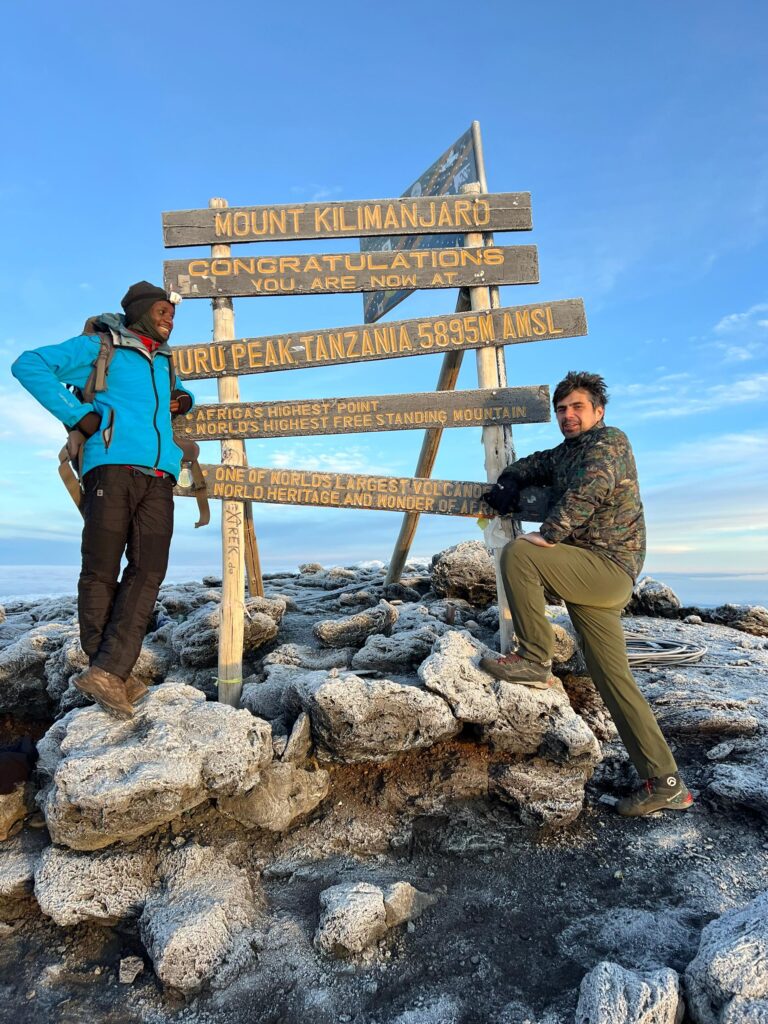
November Kilimanjaro Acclimatization-Focused Trek Guide
Discover essential strategies for a successful November Kilimanjaro climb, emphasizing acclimatization. This guide covers route selection, preparation, and what to expect during the...
View package details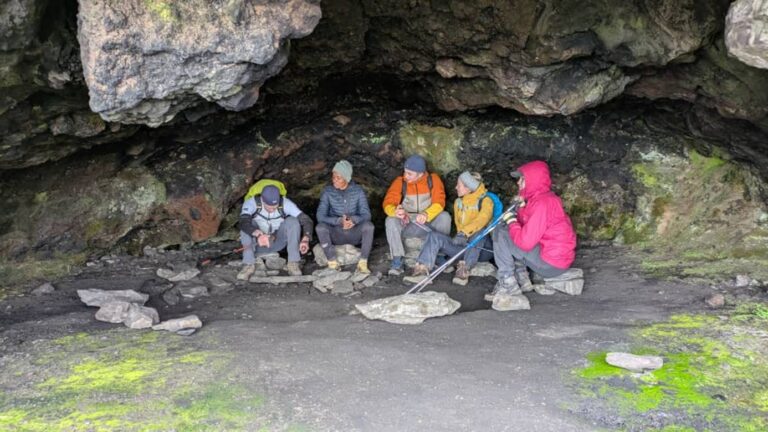
November Kilimanjaro Photography In The Short Rains: Your Ultimate Guide
Discover the unique photographic opportunities of climbing Kilimanjaro in November during the Short Rains. This guide covers optimal light, dramatic skies, vibrant landscapes, and essential...
View package details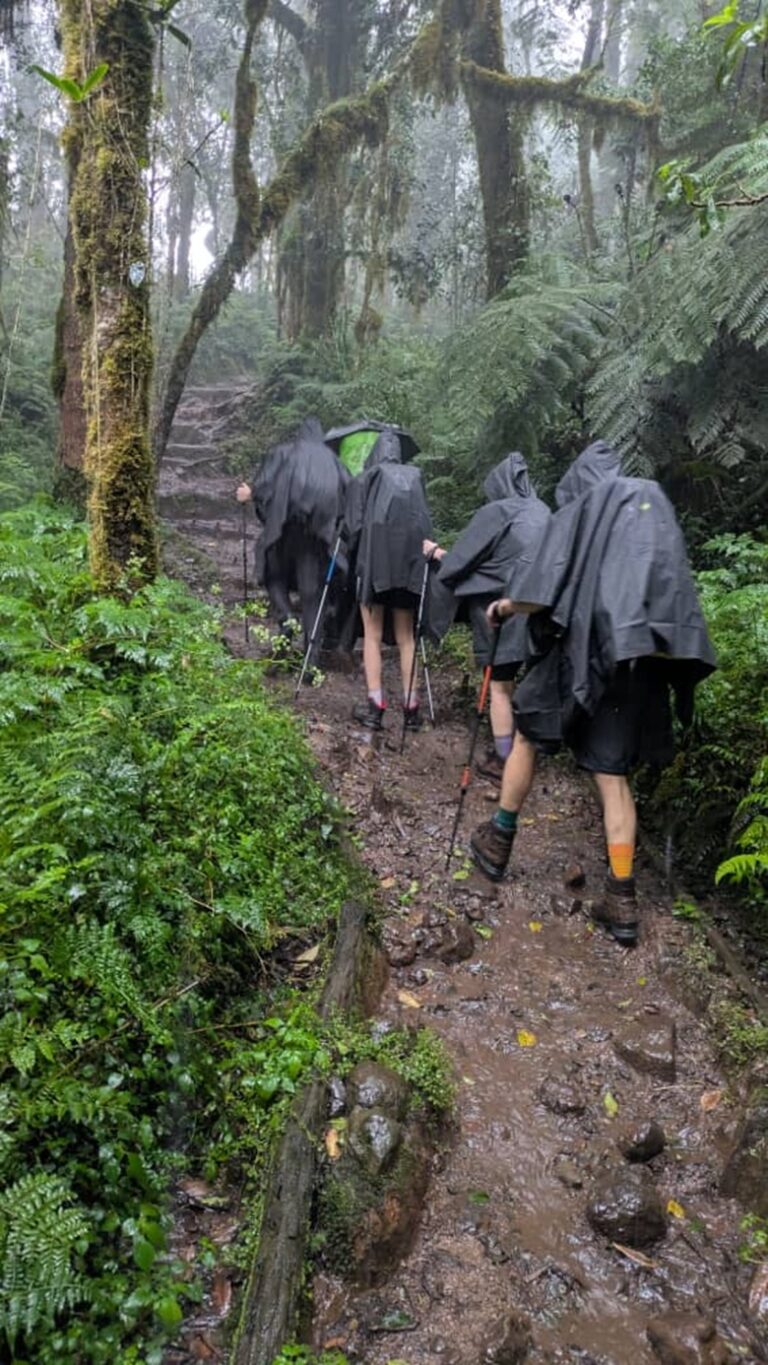
What To Pack For Kilimanjaro In May : Your Essential Gear Guide 2026-2027
Packing for Kilimanjaro in May requires careful consideration of its transitional weather. This guide covers everything you need, from base layers to waterproofs, ensuring a comfortable and...
View package details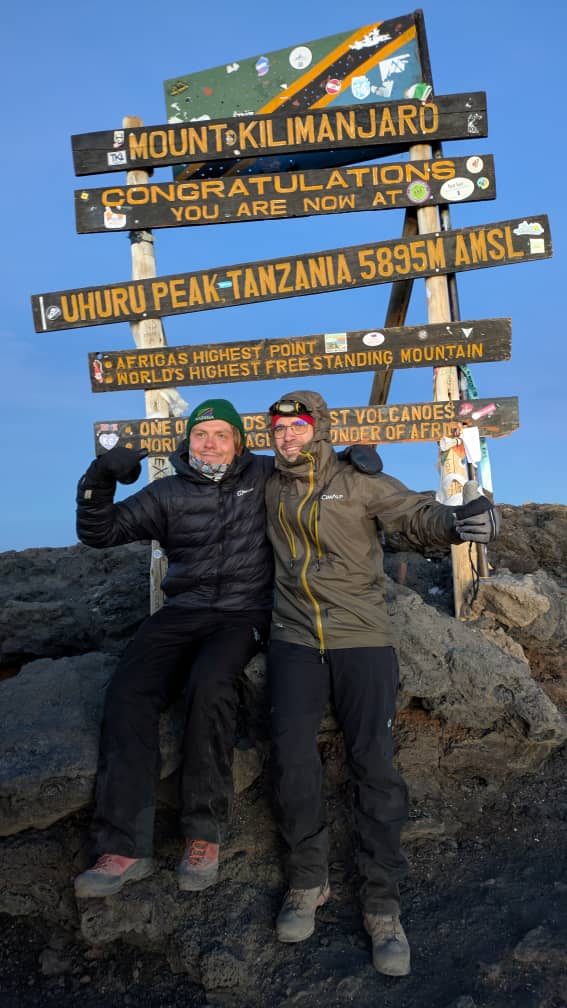
November Kilimanjaro Climb With Flexible Dates: Your Guide 2026-2027
Climbing Kilimanjaro in November offers a unique experience with fewer crowds and stunning landscapes. This guide provides detailed information on flexible date options for your 2026-2027...
View package details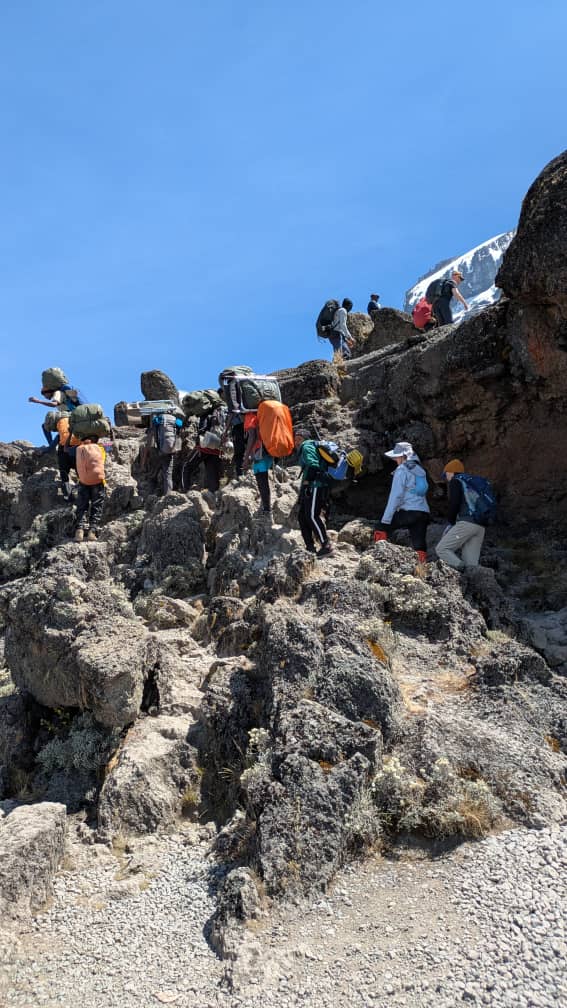
November Kilimanjaro Thanksgiving Holiday Package | Top Guide Adventures
Plan your Kilimanjaro climb this Thanksgiving with Top Guide Adventures. Our November packages offer a unique blend of challenge and celebration, ensuring an unforgettable mountain...
View package details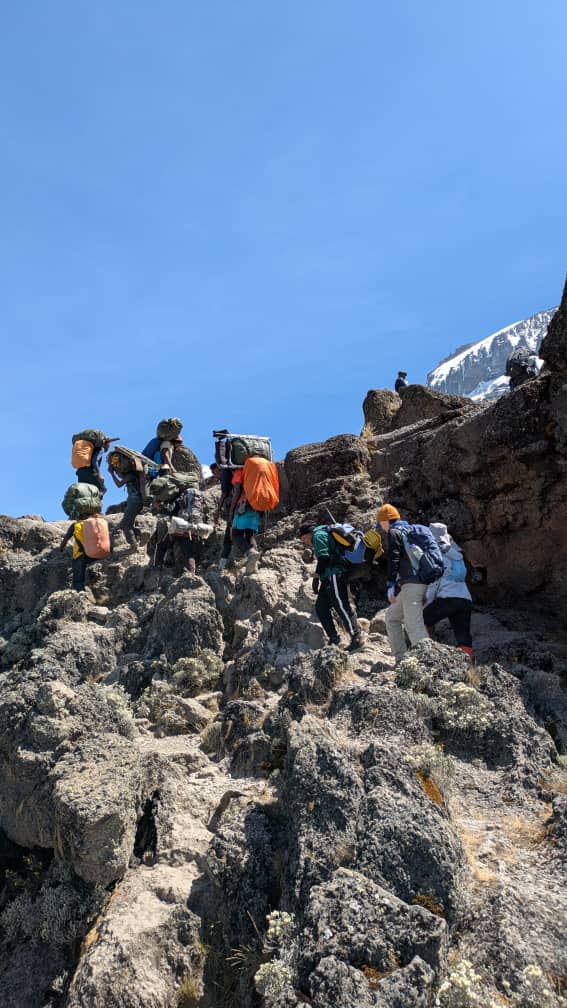
November Kilimanjaro Luxury Private Expedition | Top Guide Adventures
Experience the ultimate Kilimanjaro climb with a luxury private expedition in November 2026 or 2027. Top Guide Adventures offers tailored itineraries, premium services, and expert guidance...
View package details
November Kilimanjaro Trail Conditions: Your Essential Guide 2026-2027
Climbing Kilimanjaro in November offers a unique experience with cooler temperatures, a higher chance of rain in the early days, and significantly fewer trekkers. This guide details trail...
View package details
November Kilimanjaro Summit Night Weather: What To Expect And How To Prepare
Climbing Kilimanjaro in November? This guide details the summit night weather, including temperature ranges, wind chill, precipitation chances, and crucial preparation tips for a successful...
View package detailsHow Rainy Is Kilimanjaro In November? Your Complete Guide 2026-2027
Kilimanjaro in November generally experiences moderate rainfall as it marks the end of the short rainy season. While not the driest month, it's often a good time for trekkers seeking fewer...
View package details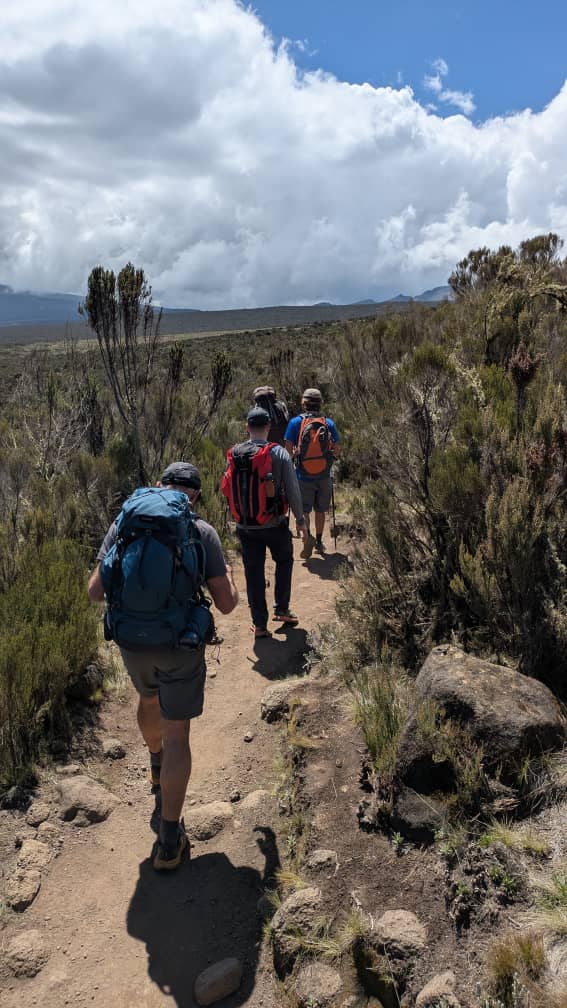
Can You Climb Kilimanjaro In November? 2026-2027
Can You Climb Kilimanjaro in November? is explained with current 2026-2027 planning, price, itinerary and booking information.
View package details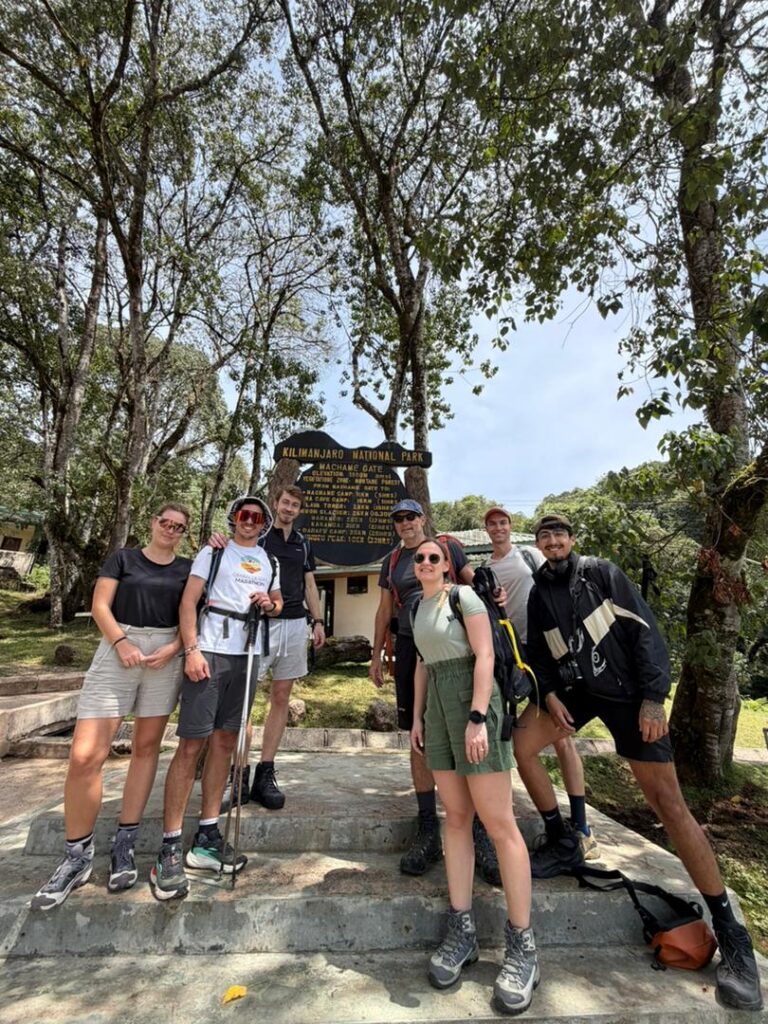
November Kilimanjaro Climbing Cost And Discounts For 2026-2027
Planning a Kilimanjaro climb in November 2026 or 2027? This comprehensive guide details the expected costs, factors influencing pricing, and available discounts. Learn how to budget...
View package detailsNo related package matches those filters. Clear one or more filters to see the other topic-matched options.



