
Packing for Kilimanjaro in May means preparing for a mix of conditions, as it marks the tail end of the ‘long rains’ season. You’ll need robust waterproof gear, warm layers for cold nights and summit attempts, and breathable clothing for the lower, warmer sections. Essential items include a waterproof and windproof outer shell, insulated mid-layers, thermal base layers, sturdy hiking boots, a warm hat, gloves, and a reliable sleeping bag. Expect temperatures to range significantly, from potentially warm and humid at the start to well below freezing at the summit, with a high chance of rain and fog, especially in the initial stages of your 2026-2027 climb.

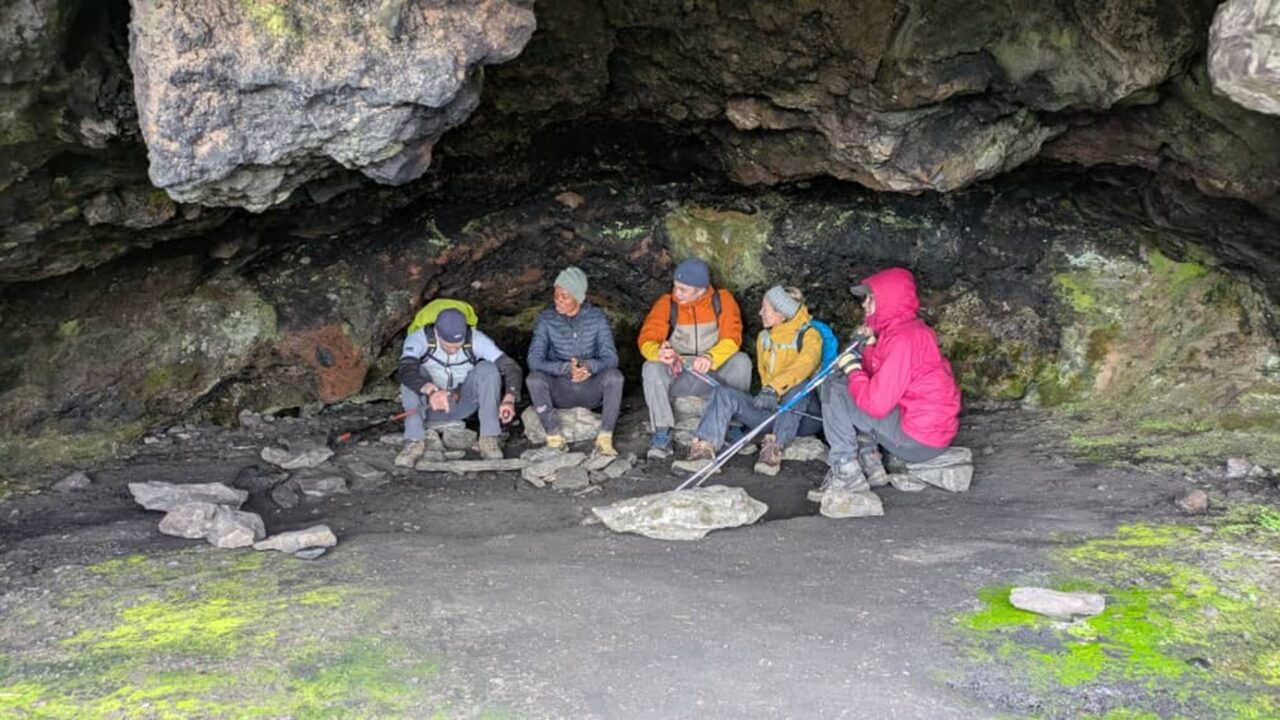

Understanding Kilimanjaro Weather in May 2026-2027
May on Kilimanjaro is a fascinating month. It sits at the cusp of two major weather patterns. Traditionally, it’s considered part of the ‘long rains’ season, which typically runs from March through May. However, by May, the intensity of the rains often begins to subside, giving way to clearer skies in the latter half of the month. This means you should still anticipate significant rainfall, particularly on the lower slopes and in the rainforest zone. The humidity can be high, making the air feel heavy and the trekking challenging.
As you ascend, the weather patterns shift dramatically. The higher you climb, the colder it gets, and the less predictable the conditions become. May can still bring cloud cover and fog, obscuring the spectacular views that Kilimanjaro is famous for. However, there’s also a good chance of encountering crisp, clear days, especially at higher altitudes. The key takeaway for your May 2026-2027 Kilimanjaro packing list is to be prepared for variability – from tropical downpours to freezing summit conditions.
Temperature Ranges by Altitude
To pack effectively, it’s crucial to understand how temperatures fluctuate with altitude:
- Mweka Gate (1,640m / 5,380ft) to Mandara Huts (2,700m / 8,860ft): Expect daytime temperatures between 20°C to 27°C (68°F to 81°F). Nights can drop to around 10°C to 15°C (50°F to 59°F). This is the rainforest zone, so expect humidity and rain.
- Horombo Huts (3,700m / 12,140ft) to Kibo Hut (4,700m / 15,400ft): Temperatures here are significantly cooler, ranging from 5°C to 15°C (41°F to 59°F) during the day. Nights can plummet to -5°C to 5°C (23°F to 41°F). You’ll be in the moorland and alpine desert zones.
- Summit (Uhuru Peak, 5,895m / 19,341ft): The summit push is an extreme environment. Temperatures typically range from -10°C to -20°C (14°F to -4°F), and can feel much colder with wind chill, especially in May.
Precipitation and Wind in May
May is one of the wetter months. While the heaviest rains might be easing, expect frequent showers, sometimes prolonged. These are often heavy but may not last all day. Higher up, precipitation can fall as sleet or snow, particularly near the crater rim and summit. Wind can be a significant factor, especially at higher altitudes and during the summit night. It can dramatically increase the ‘feels like’ temperature, making windproof layers absolutely critical for your 2026-2027 climb.
The Core Kilimanjaro Packing List for May
Your packing strategy for Kilimanjaro in May should focus on layering. This allows you to adapt to the drastic temperature changes and varying weather conditions you’ll encounter. Top Guide Adventures recommends a system of:
- Base Layers: Wicking moisture away from your skin.
- Mid Layers: Providing insulation.
- Outer Layers: Protecting you from wind and rain.
Here’s a detailed breakdown:
1. Footwear: The Foundation of Your Climb
Your feet are your most important asset on Kilimanjaro. Investing in good quality, broken-in footwear is non-negotiable for a successful and comfortable climb in May 2026-2027.
- Hiking Boots:
- Type: Mid-to-high cut, waterproof, breathable hiking boots. These should offer good ankle support, crucial for uneven terrain and preventing injuries. They must be well broken-in before your trip to avoid blisters.
- Why: The trails can be muddy and slippery in May, especially on the lower sections. Waterproofing is essential. Good ankle support is vital on rocky, uneven paths.
- Recommendation: Look for brands known for durability and comfort. Consider Gore-Tex or similar waterproof membranes.
- Camp Shoes / Sandals:
- Type: Lightweight, comfortable shoes for use around camp. Crocs, sturdy sandals, or comfortable trainers work well.
- Why: To give your feet a break from the boots. Essential for keeping your boots dry overnight and in camp.
- Hiking Socks:
- Quantity: 4-6 pairs.
- Type: Wool or synthetic hiking socks. Avoid cotton at all costs. Different thicknesses can be useful – lighter for lower, warmer sections, and thicker for higher, colder altitudes.
- Why: Good socks wick moisture, prevent blisters, and provide cushioning. May’s damp conditions make moisture-wicking even more critical.
- Liner Socks (Optional):
- Quantity: 2-3 pairs.
- Type: Thin, moisture-wicking liner socks.
- Why: Can help prevent blisters by reducing friction, especially when worn under thicker hiking socks.
- Gaiters:
- Quantity: 1 pair.
- Type: Waterproof and breathable gaiters.
- Why: Essential for May to keep mud, water, stones, and dust out of your boots. They significantly improve comfort and prevent irritation.
2. Clothing: Layering is Key for May’s Varied Conditions
Your clothing system needs to be versatile enough to handle everything from humid rainforest to freezing summit temperatures. Think layers, layers, layers.
Base Layers (Against the Skin)
- Thermal Tops:
- Quantity: 2-3 long-sleeved tops.
- Type: Merino wool or synthetic material (polyester, polypropylene).
- Why: These wick sweat away from your skin, keeping you dry and warm. Merino wool is naturally odor-resistant, which is a huge plus on multi-day treks. May’s dampness makes effective wicking paramount.
- Thermal Bottoms:
- Quantity: 2-3 pairs.
- Type: Merino wool or synthetic material.
- Why: For warmth during colder periods and at night. You might not need them all day in May’s lower sections, but they are vital for evenings and higher altitudes.
Mid Layers (Insulation)
- Fleece Jacket/Pullover:
- Quantity: 1-2 (e.g., a lighter 100-weight fleece and a warmer 200-weight fleece).
- Type: Polartec or similar synthetic fleece.
- Why: Excellent warmth-to-weight ratio and breathability. Can be worn alone in cooler conditions or layered over base layers.
- Insulated Jacket (Down or Synthetic):
- Quantity: 1.
- Type: A puffy jacket filled with down or synthetic insulation. A hood is highly recommended.
- Why: This is your primary warmth layer for evenings and summit night. Down offers superior warmth and compressibility, but synthetic performs better if it gets wet (though May’s rain makes waterproofing crucial for all layers).
Outer Layers (Protection)
- Waterproof and Windproof Jacket (Hardshell):
- Quantity: 1.
- Type: High-quality, breathable, waterproof jacket with a hood. Look for Gore-Tex or similar. Pit zips for ventilation are a major plus.
- Why: Absolutely essential for May. This jacket protects you from rain, wind, and cold. It needs to be robust enough for potentially harsh weather.
- Waterproof and Windproof Trousers (Hardshell):
- Quantity: 1 pair.
- Type: Full-length side zippers are highly recommended for easy on/off over boots.
- Why: Crucial for keeping your legs dry and protected from wind, especially during prolonged rain showers common in May.
- Hiking Trousers:
- Quantity: 2 pairs.
- Type: Quick-drying, comfortable hiking trousers. Avoid jeans or heavy cotton. Zip-off legs can offer versatility, though less useful in cold May weather.
- Why: For use in the lower, warmer sections and as a comfortable option in camp. Breathability and quick-drying properties are key.
Other Clothing Items
- T-shirts:
- Quantity: 3-4.
- Type: Moisture-wicking synthetic or merino wool.
- Why: For warmer days on the lower slopes.
- Polo Shirt (Optional):
- Quantity: 1-2.
- Type: Quick-drying material.
- Why: A comfortable option for warmer days or travel.
- Shorts (Optional):
- Quantity: 1 pair.
- Type: Hiking shorts.
- Why: Only useful for the very first day or two if temperatures are exceptionally high, but unlikely to be needed much in May.
- Underwear:
- Quantity: Sufficient for the trek duration (e.g., 7-10 pairs).
- Type: Moisture-wicking synthetic or merino wool.
- Why: Comfort and hygiene.
- Sports Bra (if applicable):
- Quantity: 2-3.
- Type: Moisture-wicking material.
- Why: For comfort and support.
3. Headwear and Handwear: Protecting Extremities
These small items make a huge difference in comfort and preventing heat loss, especially during the cold May nights and summit push.
- Warm Hat (Beanie):
- Quantity: 1-2.
- Type: Fleece or wool hat that covers your ears.
- Why: Essential for retaining body heat. You lose a significant amount of heat through your head.
- Sun Hat:
- Quantity: 1.
- Type: Wide-brimmed hat for sun protection.
- Why: Even in May, the sun at high altitudes is intense, and you can get sunburned.
- Balaclava or Buff/Neck Gaiter:
- Quantity: 1-2.
- Type: Fleece-lined buff or a balaclava.
- Why: Protects your face and neck from wind, sun, and cold. Essential for summit night. A buff is versatile and can be worn in many ways.
- Gloves:
- Quantity: 2-3 pairs.
- Type:
- 1 pair of lightweight, moisture-wicking liner gloves (e.g., fleece or wool).
- 1 pair of warm, waterproof and windproof outer gloves or mittens. Mittens are generally warmer than gloves.
- Why: Your hands can get very cold, especially on summit night. Waterproof outer gloves are critical for May’s potential rain and wind.
4. Sleeping Gear: Comfort in the Cold
While your tour operator usually provides sleeping mats, you’ll need your own sleeping bag and potentially a liner for warmth and hygiene.
- Sleeping Bag:
- Type: A 4-season or expedition-rated sleeping bag with a comfort rating of -15°C to -25°C (5°F to -13°F).
- Why: Temperatures at higher altitudes, especially during summit night in May, can be extremely cold. A lower temperature rating ensures you stay warm.
- Note: You can rent sleeping bags from Top Guide Adventures if you prefer not to bring your own, but ensure it meets the required temperature rating.
- Sleeping Bag Liner:
- Quantity: 1.
- Type: Silk or fleece liner.
- Why: Adds extra warmth (up to 5-10°C / 9-18°F) and keeps your sleeping bag cleaner. Fleece liners are warmer but bulkier.
- Inflatable Pillow (Optional):
- Quantity: 1.
- Why: For added comfort. A stuff sack filled with spare clothes can also work.
5. Backpacks and Bags: Carrying Your Gear
You’ll need a main duffel bag for your gear carried by porters, and a smaller daypack for items you need during the trek.
- Duffel Bag:
- Size: Approximately 80-100 liters.
- Type: Waterproof or water-resistant duffel bag. Porters will carry this. Ensure it’s durable.
- Why: Carries the bulk of your clothing, sleeping bag, and personal items. Must withstand being carried and potentially exposed to rain.
- Note: Top Guide Adventures can provide duffel bags for rent if needed.
- Daypack:
- Size: 30-40 liters.
- Type: Comfortable, well-fitting backpack with a supportive hip belt and chest strap. A rain cover for the daypack is essential for May.
- Why: You’ll carry this daily with essentials: water, snacks, extra layers, camera, sunscreen, rain gear, first-aid kit.
- Waterproof Dry Bags/Sacks:
- Quantity: Assorted sizes (e.g., 3-5).
- Why: Crucial for keeping essential items like your sleeping bag, spare clothes, and electronics dry inside your duffel bag, especially during May’s rainfall.
6. Hydration: Staying Watered on the Mountain
Proper hydration is vital for acclimatization and preventing altitude sickness. May’s conditions might make you feel less thirsty, but it’s crucial to drink consistently.
- Water Bottles:
- Quantity: 2-3 liters capacity (e.g., two 1-liter bottles or one 2-liter hydration reservoir).
- Type: Nalgene-type wide-mouth bottles are recommended as they are less likely to freeze than narrow-mouthed ones or hydration reservoirs at high altitudes. Insulated sleeves can help.
- Why: To carry your daily water supply.
- Hydration Reservoir (Optional):
- Capacity: 2-3 liters.
- Why: Offers convenient sipping. However, the tubes can freeze easily on summit night in May. If using, ensure you have an insulated tube or use it in conjunction with water bottles.
- Water Purification Tablets/Filter (Backup):
- Quantity: Sufficient for emergencies.
- Why: While your guides will provide boiled or purified water, it’s wise to have a backup method in case of issues.
7. Trekking Poles: Support and Stability
Trekking poles significantly reduce strain on your knees and ankles, especially on descents, and provide stability on slippery or uneven terrain common in May.
- Type: Adjustable, sturdy trekking poles.
- Why: They help with balance, reduce impact on joints, and can aid in navigating steep or muddy sections. Essential for stability in May’s conditions.
- Note: Ensure they are collapsible for easy packing.
8. Health and Safety: Essential First Aid and Personal Items
Being prepared for minor ailments and emergencies is crucial. Your guides will carry a comprehensive first-aid kit, but personal items are important.
- Personal First-Aid Kit:
- Contents: Assorted bandages, blister treatment (moleskin, Compeed), antiseptic wipes, pain relievers (ibuprofen, paracetamol), antihistamines, anti-diarrhea medication, any personal prescriptions, motion sickness medication, and rehydration salts.
- Why: For immediate treatment of minor injuries and common travel ailments.
- Sunscreen:
- SPF: SPF 30 or higher.
- Type: Broad-spectrum, water-resistant.
- Why: The sun is intensely strong at high altitudes, even if it’s cloudy in May. Protect exposed skin.
- Lip Balm with SPF:
- Quantity: 1-2.
- Why: To prevent sunburn and chapping of the lips.
- Insect Repellent:
- Type: Containing DEET or Picaridin.
- Why: Primarily for use in the lower, humid rainforest sections where mosquitoes can be present. Less of an issue at higher altitudes.
- Hand Sanitizer:
- Quantity: Small bottles.
- Why: For hygiene, especially before eating and after using the toilet, when facilities are basic.
- Toiletries:
- Items: Toothbrush, toothpaste, biodegradable soap, small quick-dry towel, wet wipes. Keep it minimal and travel-sized.
- Why: Personal hygiene. Wet wipes are particularly useful for freshening up.
- Prescription Medications:
- Quantity: Enough for the trip plus a few extra days.
- Why: Crucial to have any personal medications. Carry them in your daypack.
- Diamox (Acetazolamide) – Consult Your Doctor:
- Why: Some climbers use Diamox to help with acclimatization. Discuss this with your doctor before your trip.
9. Lighting: Seeing in the Dark
Essential for navigating camp at night, early morning starts, and the summit push.
- Headlamp:
- Quantity: 1 primary, 1 backup.
- Type: LED headlamp with adjustable brightness.
- Why: Hands-free lighting is invaluable. Essential for summit night and navigating camp after dark. May’s early darkness and potential fog make it indispensable.
- Spare Batteries:
- Quantity: Plenty for your headlamp and any other electronics.
- Why: Cold temperatures drain batteries faster. Always have backups.
10. Electronics and Accessories: Capturing Memories and Staying Powered
While Kilimanjaro is a digital detox for many, some items can enhance the experience.
- Camera:
- Type: Digital camera, smartphone camera, or action camera.
- Why: To capture the incredible scenery.
- Accessories: Extra batteries, memory cards, waterproof casing or bag.
- Power Bank/Portable Charger:
- Capacity: 10,000 mAh or higher recommended.
- Why: To recharge your phone, camera, or other small electronics. Power is limited on the mountain.
- Adapters and Converters:
- Type: If you need to charge devices in lodges or during travel.
- Why: Ensure you can keep your electronics powered.
- Book/E-reader (Optional):
- Why: For downtime in the evenings or during rest stops.
- Journal and Pen (Optional):
- Why: To record your thoughts and experiences.
11. Miscellaneous Essentials for Your May Climb
These items often get overlooked but are critical for comfort and safety.
- Sunglasses:
- Type: High UV protection, wraparound style preferred.
- Why: Essential for protecting your eyes from the intense sun and glare, especially at higher altitudes and on snow.
- Trekking Towel:
- Type: Small, quick-drying microfiber towel.
- Why: For personal hygiene and drying off after rain showers.
- Snacks:
- Quantity: Energy bars, nuts, dried fruit, chocolate.
- Why: While your guides provide meals, having personal snacks for energy boosts during the day is highly recommended. May’s cooler temperatures might increase your appetite.
- Duct Tape:
- Quantity: Small roll wrapped around a trekking pole or bottle.
- Why: Incredibly useful for quick repairs to gear (e.g., backpack straps, jacket tears).
- Ziploc Bags:
- Quantity: Assorted sizes.
- Why: For waterproofing electronics, organizing small items, and carrying out trash.
- Camp Towel/Small Rag:
- Why: Useful for wiping down your tent or sleeping mat.
- Whistle:
- Why: For emergencies, signaling your guide if you get separated.
- Passport and Visas:
- Why: Essential for travel into Tanzania. Keep copies separate.
- Cash (USD):
- Why: For tips to guides and porters, souvenirs, and personal expenses. Tanzania prefers USD for tourist services.
- Travel Insurance Documents:
- Why: Essential for any emergency medical evacuation or trip interruption.
Special Considerations for May 2026-2027
May is a transitional month, and while it can offer fewer crowds than peak seasons, it demands respect for its unpredictable weather. Here’s what to emphasize for your packing list:
- Waterproofing is Paramount: Invest in high-quality waterproof jackets and trousers. Ensure your backpack and duffel bag have good water resistance or use dry bags inside. May showers can be heavy and persistent.
- Layering for Temperature Swings: You’ll experience a vast range of temperatures. Your layering system (base, mid, outer) must be effective. Be prepared to add or remove layers frequently throughout the day.
- Summit Night Preparedness: The summit night in May can be extremely cold and windy, with potential for snow or ice. Ensure your sleeping bag is rated for very low temperatures, and your extremities (head, hands, feet) are well protected with warm, waterproof gear.
- Traction: Muddy trails are common. Good grip on your hiking boots and potentially the use of trekking poles will be crucial for stability.
- Visibility: Cloud cover and fog are frequent in May, especially at mid-altitudes. While this can obscure views, it also means you might encounter less sun exposure on some days. However, always pack sun protection.
What NOT to Pack for Kilimanjaro
To keep your pack weight manageable and avoid unnecessary bulk, consider leaving these items at home:
- Cotton Clothing: Cotton absorbs moisture and takes a long time to dry, leading to chafing and hypothermia. Stick to wool and synthetics.
- Jeans or Heavy Cotton Trousers: Heavy, slow to dry, and uncomfortable when wet.
- Valuables: Leave expensive jewelry or excessive amounts of cash at home.
- Too Many Changes of Clothes: You’ll be wearing layers. While having a clean base layer for sleeping is nice, you don’t need a full outfit change every day. Focus on functional, quick-drying items.
- Heavy Toiletries: Stick to travel-sized, essential items.
- Open-Toed Shoes (for trekking): Except for camp shoes, your feet need full protection.
- Brand New, Unworn Boots: Always break in your hiking boots thoroughly before the climb.
Renting vs. Buying Gear for Your 2026-2027 Climb
Deciding whether to buy or rent certain items can impact your budget and packing effort. Top Guide Adventures offers rentals for some key items:
- Sleeping Bags: Can be rented. Ensure you confirm the temperature rating meets requirements for May.
- Duffel Bags: Available for rent, saving you the hassle of transporting a large bag.
- Trekking Poles: Can often be rented, though many prefer to bring their own familiar pair.
- Waterproof Jackets/Trousers: While rentable, these are critical items. It’s often best to purchase your own high-quality, well-fitting waterproofs that you know you can rely on.
- Hiking Boots: Absolutely essential to buy and break in your own. Rental boots are rarely a good option for such a demanding trek.
Renting can be cost-effective for items you’ll only use once. However, for critical items like boots and waterproofs, investing in your own quality gear is highly recommended for comfort and safety during your May 2026-2027 Kilimanjaro expedition.
Packing Your Daypack: Daily Essentials
Your daypack is your mobile command center on the mountain. You’ll need easy access to these items throughout the hiking day:
- Water bottles or hydration reservoir (filled)
- Snacks
- Rain jacket and rain trousers (even if it looks clear)
- Warm mid-layer (fleece or light puffy jacket)
- Hat and gloves
- Sunscreen and lip balm
- Sunglasses
- Headlamp (for early starts or late finishes)
- Personal first-aid kit
- Hand sanitizer
- Camera and spare batteries/power bank
- Toiletries (small pack of wet wipes, tissues)
- Passport copy and some cash
- Trekking poles (if using)
- Any personal medications
Tips for Packing and Organizing
Smart packing makes a difference:
- Use Packing Cubes: Keep your clothes organized and compressed within your duffel bag.
- Roll, Don’t Fold: Rolling clothes saves space and reduces wrinkles.
- Waterproof Everything Important: Use dry bags for your sleeping bag, electronics, spare clothes, and anything you absolutely cannot have get wet.
- Label Your Bags: Clearly label your duffel bag with your name.
- Pack for Accessibility: Keep items you’ll need during the day (rain gear, extra layers, snacks) in your daypack. Keep items for evenings and sleeping (sleeping bag, clean base layers) easily accessible at the top of your duffel.
- Weight Distribution: Ensure your daypack is comfortable and balanced.
Final Preparations for Your May 2026-2027 Kilimanjaro Climb
Beyond your packing list, remember these final steps:
- Physical Fitness: Train consistently in the months leading up to your climb. Focus on cardiovascular fitness and strength training, especially for your legs and core.
- Acclimatization: Choose a longer route (e.g., 7 or 8 days) to allow your body to adjust to the altitude gradually. This is crucial for a successful summit bid, especially considering May’s potential for challenging conditions.
- Pre-Climb Briefing: Attend any pre-climb briefings offered by Top Guide Adventures. They will provide valuable insights into the trek, safety procedures, and what to expect.
- Mental Preparation: Kilimanjaro is a significant physical and mental challenge. Be prepared for tough days, cold weather, and early starts. A positive attitude is your best tool.
- Review Your Itinerary: Understand the daily distances, altitudes, and expected conditions for each stage of your chosen route for May 2026-2027.
Your Kilimanjaro adventure in May 2026-2027 promises a unique experience with fewer crowds and dramatic landscapes. By packing the right gear and preparing thoroughly, you’ll be well-equipped to face the mountain’s challenges and enjoy its rewards. For personalized advice and to arrange your unforgettable Kilimanjaro climb, contact Top Guide Adventures. We are committed to providing exceptional support and ensuring your journey is safe, comfortable, and memorable. Reach out to us via WhatsApp at +255616946642, email us at topguideadventures@gmail.com or info@topguideadventures.com.
Check Availability for What To Pack For Kilimanjaro In May : Your Essential Gear Guide 2026-2027
Ready to compare dates, prices, and the best option for your group? Send the package name and travel month so the team can reply with a clear quote, availability, and what is included.
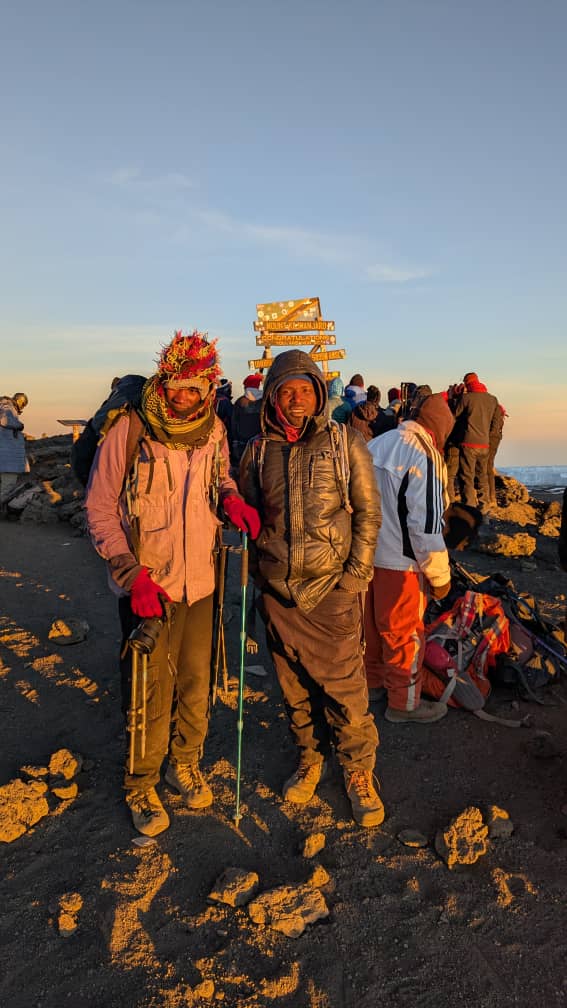
December Kilimanjaro Packing Checklist: Essential Gear For Climbs 2026-2027
Prepare for your December Kilimanjaro climb with our comprehensive packing checklist. This guide covers essential gear, clothing, and tips for conquering Africa's highest peak in the dry...
View package details
December Kilimanjaro Summit Temperature: What To Expect In 2026-2027
Planning a Kilimanjaro climb in December? Understand the extreme cold at the summit, essential gear, and how to prepare for the challenging conditions expected in 2026-2027.
View package details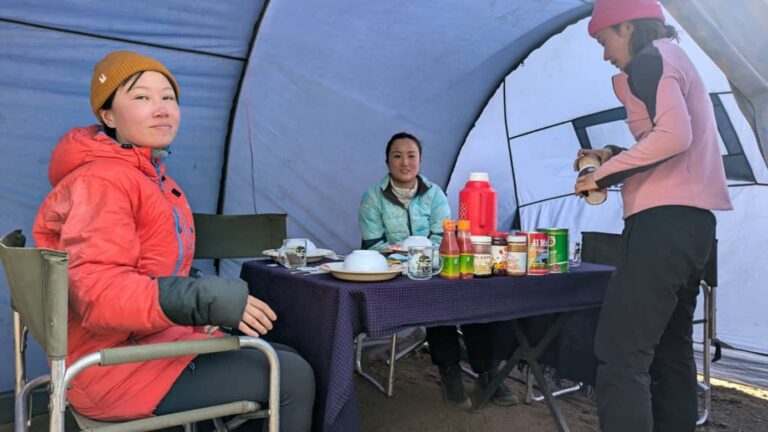
December Kilimanjaro And Zanzibar Christmas Package : Your Ultimate Holiday
Combine the thrill of climbing Mount Kilimanjaro with the relaxation of a Zanzibar Christmas. This guide details packages for December 2026 and 2027, offering adventure and festive cheer.
View package detailsDecember Kilimanjaro Family Holiday Package: Your Ultimate Adventure Guide
Explore Top Guide Adventures' December Kilimanjaro family holiday packages for 2026-2027. This comprehensive guide covers everything families need to know, from route selection and...
View package details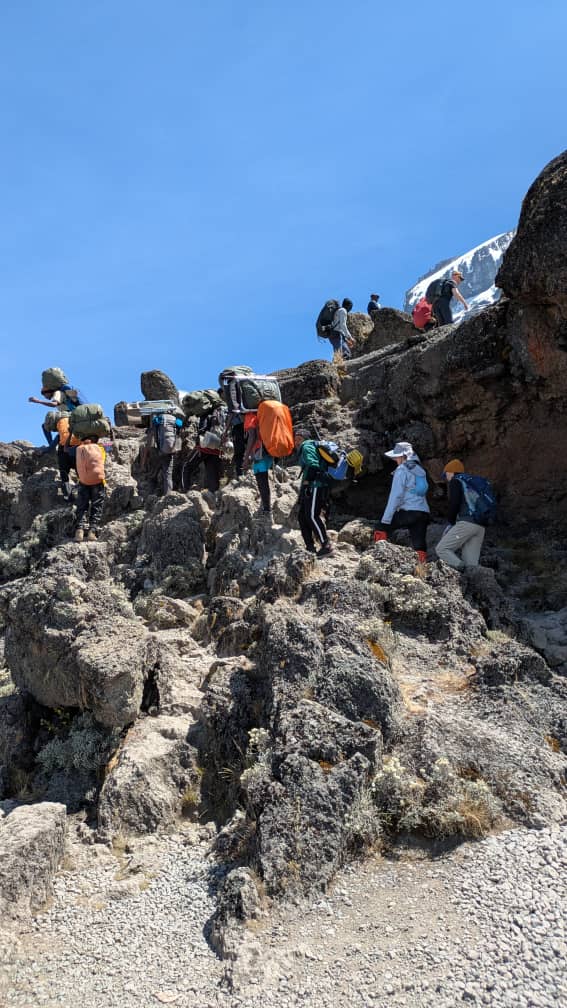
November Kilimanjaro Thanksgiving Holiday Package | Top Guide Adventures
Plan your Kilimanjaro climb this Thanksgiving with Top Guide Adventures. Our November packages offer a unique blend of challenge and celebration, ensuring an unforgettable mountain...
View package details
November Kilimanjaro Summit Night Weather: What To Expect And How To Prepare
Climbing Kilimanjaro in November? This guide details the summit night weather, including temperature ranges, wind chill, precipitation chances, and crucial preparation tips for a successful...
View package details
November Kilimanjaro And Safari Package: Your Ultimate Tanzania Adventure
Explore comprehensive details for a November Kilimanjaro and Safari package in Tanzania, covering the best routes, packing essentials, safari experiences, and planning tips for 2026-2027...
View package detailsNovember Kilimanjaro Private Climbing Package: Your Expert Guide For 2026-2027
Secure your November Kilimanjaro private climbing package for 2026-2027 with Top Guide Adventures. This comprehensive guide covers route options, weather expectations, essential...
View package details
March Kilimanjaro Solo Traveller Group: Your Ultimate Guide For 2026-2027
Planning to climb Kilimanjaro solo in March? This guide connects you with group departures specifically for solo travellers, covering routes, costs, preparation, and what to expect in...
View package details
November Kilimanjaro Acclimatization-Focused Trek Guide
Discover essential strategies for a successful November Kilimanjaro climb, emphasizing acclimatization. This guide covers route selection, preparation, and what to expect during the...
View package details
November Kilimanjaro Photography In The Short Rains: Your Ultimate Guide
Discover the unique photographic opportunities of climbing Kilimanjaro in November during the Short Rains. This guide covers optimal light, dramatic skies, vibrant landscapes, and essential...
View package details
May Kilimanjaro Climb For Solo Travellers: Your Expert Guide 2026-2027
Discover everything solo travellers need to know about climbing Kilimanjaro in May. This guide covers route selection, essential gear, training, safety, and typical costs for 2026-2027.
View package detailsNo related package matches those filters. Clear one or more filters to see the other topic-matched options.



