
Climbing Kilimanjaro in May as a solo traveller is an excellent choice, offering a good balance of weather and fewer crowds compared to peak seasons. You can expect stable conditions with moderate temperatures, clear skies, and less rainfall, making it ideal for acclimatization and enjoying the stunning scenery. Solo travellers will find camaraderie and support within group treks, with operators like Top Guide Adventures providing personal attention, safety, and a well-organized experience, ensuring your 2026 or 2027 adventure is successful and memorable.


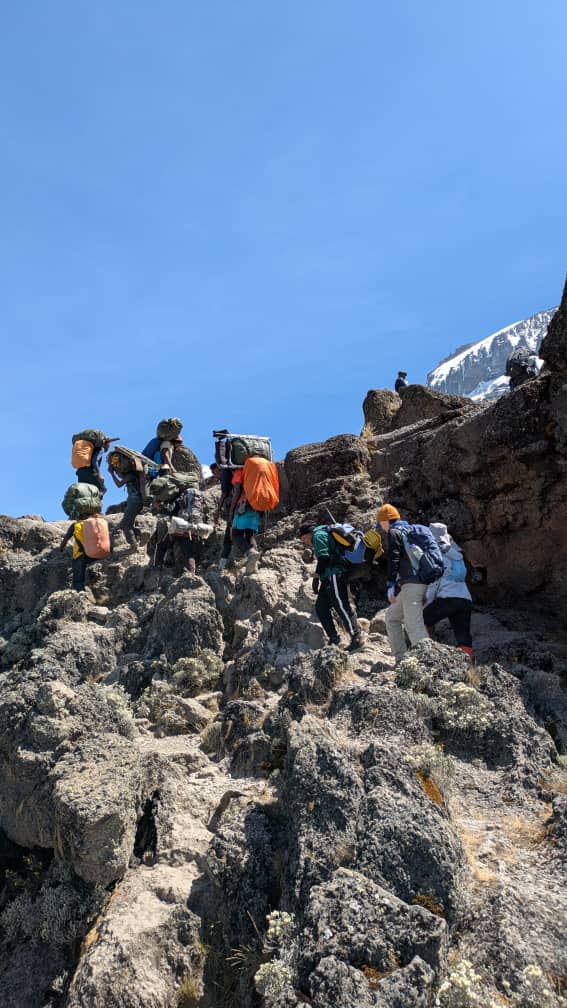
Why May is a Prime Month for Your Solo Kilimanjaro Climb
Choosing May for your Kilimanjaro expedition as a solo traveller presents a compelling set of advantages. While the peak seasons of January-March and June-October often see the most trekkers, May falls within the shoulder season, offering a sweet spot for those seeking a balance of good weather and a less crowded mountain experience. This can be particularly appealing for solo adventurers who might prefer a slightly more intimate connection with the environment and fellow trekkers without feeling isolated. For your 2026 or 2027 journey, understanding these nuances can significantly enhance your planning and overall experience.
The weather in May on Kilimanjaro is generally characterized by the end of the ‘long rains’ season. While there might be occasional showers early in the month, conditions typically improve significantly as May progresses. You can anticipate clear mornings and evenings, with a higher probability of sunny days. The landscape is often lush and vibrant after the rains, offering spectacular photographic opportunities. Temperatures remain moderate, ranging from pleasant warmth at the base to freezing conditions at the summit, which is typical for any month but manageable with the right gear.
For solo travellers, May offers a unique opportunity to join a group without the intense competition for spots or the feeling of being just another face in a massive crowd. This allows for more personal interaction with guides, porters, and fellow climbers, fostering a sense of community that is often a highlight of the Kilimanjaro experience. Operators like Top Guide Adventures excel at integrating solo travellers into cohesive groups, ensuring everyone feels supported and part of a team, regardless of whether they arrived alone.
Considering a Solo Kilimanjaro Trek in May 2026 or 2027? Key Preparations
Embarking on a Kilimanjaro climb alone requires diligent preparation. This isn’t just about booking a trip; it’s about ensuring you are physically, mentally, and logistically ready for a challenging ascent. For a May 2026 or 2027 climb, starting your preparations well in advance is crucial.
Physical Training: Building Your Endurance for the Summit
Kilimanjaro is not a technical climb, but its sheer altitude and duration demand excellent physical fitness. As a solo traveller, you won’t have a personal training partner, so a structured, self-driven fitness regime is essential. Focus on cardiovascular endurance and leg strength.
- Cardiovascular Fitness: Aim for at least 3-4 sessions per week. Activities like hiking (especially with a weighted backpack on varied terrain), running, cycling, and swimming are highly beneficial. Simulate the uphill climbs you’ll encounter by using stair climbers or hiking steep trails.
- Strength Training: Concentrate on lower body exercises like squats, lunges, and step-ups. Core strengthening is also vital for stability and endurance.
- Hiking Practice: Undertake long hikes, ideally on consecutive days, to mimic the trekking days on Kilimanjaro. Gradually increase the duration and elevation gain. Include hikes with a backpack weighing 5-10 kg to get accustomed to carrying your daypack.
- Altitude Acclimatization (Simulated): While difficult to fully simulate, consistent cardio training improves your body’s efficiency, which helps with altitude. Focus on building a strong aerobic base.
Start your training at least 3-6 months before your planned May 2026 or 2027 climb. Consistency is key. Listen to your body and avoid overtraining, which can lead to injuries.
Mental Preparation: The Solo Traveller’s Mindset
Climbing Kilimanjaro is as much a mental challenge as a physical one. As a solo traveller, you might face moments of introspection or doubt. Cultivating a resilient mindset is paramount.
- Positive Self-Talk: Develop strategies to combat negative thoughts during challenging moments. Remind yourself why you’re doing this and focus on small, achievable goals, like reaching the next waypoint.
- Embrace Discomfort: Understand that the climb will involve periods of physical discomfort, cold, and fatigue. Accepting this beforehand helps you manage it better when it arises.
- Flexibility and Adaptability: Plans can change on the mountain due to weather or individual health. Being mentally prepared to adapt to circumstances is crucial for a solo climber.
- Enjoy the Journey: While the summit is the goal, the experience of being on the mountain, the changing landscapes, and the camaraderie are equally important. Solo travellers can often connect more deeply with these aspects.
Essential Gear for a May Kilimanjaro Climb
Having the right gear is non-negotiable for a successful and comfortable Kilimanjaro climb, especially when travelling solo. May weather can be variable, so layering is critical. Top Guide Adventures provides a detailed gear list, but here are the essentials:
Layering System is Key
The key to staying comfortable on Kilimanjaro is a good layering system. You’ll start in warm conditions at the base and end in extreme cold near the summit.
- Base Layers: Moisture-wicking thermal tops and bottoms (merino wool or synthetic).
- Mid Layers: Fleece jackets or down vests for insulation.
- Outer Layer (Shell): Waterproof and windproof jacket and trousers. These are vital for protection against rain and wind, especially at higher altitudes.
- Insulation Layer: A warm, puffy down or synthetic jacket for summit night and cold evenings.
- Footwear: Broken-in, waterproof hiking boots with good ankle support. Bring several pairs of wool or synthetic hiking socks.
- Headwear: A warm beanie or wool hat, and a sun hat with a wide brim for daytime. A balaclava or neck gaiter is essential for summit night.
- Handwear: Waterproof gloves and warm liner gloves. Bring spares.
- Trekking Poles: Highly recommended to reduce strain on knees and improve balance.
- Headlamp: With extra batteries, essential for summit night and navigating camps.
- Sunglasses: High UV protection is crucial due to intense sun at altitude.
- Backpack: A comfortable daypack (30-40 litres) for carrying essentials like water, snacks, extra layers, and your camera.
- Sleeping Bag: A 4-season sleeping bag rated to at least -10°C (14°F) is recommended. Top Guide Adventures can often arrange rentals.
- Water Bottles/Hydration Reservoir: At least 3 litres capacity. Insulated covers are useful for May to prevent water from freezing.
Ensure all your gear is high-quality and tested before your May 2026 or 2027 trip. Top Guide Adventures can advise on specific brands and types of gear.
Choosing the Right Route for Your Solo Kilimanjaro Adventure in May
Kilimanjaro has several trekking routes, each with its own characteristics regarding scenery, difficulty, acclimatization profile, and crowd levels. For a solo traveller in May, route selection is crucial for maximizing success and enjoyment. While most routes are suitable, some offer better acclimatization, which is paramount for solo trekkers who need to self-monitor their condition effectively.
Popular Routes for Solo Travellers in May
- Machame Route: Often called the “Whiskey Route,” Machame is popular for its scenic beauty and excellent acclimatization profile (5-7 days). It’s known for its “climb high, sleep low” strategy. While popular, May is shoulder season, so it won’t be overly crowded. This route offers a good balance for solo travellers seeking a challenging but rewarding experience. Top Guide Adventures often runs Machame route group departures which are perfect for solo travellers.
- Lemosho Route: This is a longer route (7-8 days) starting in the west and offering some of the most stunning scenery. It has a superb acclimatization profile and is less crowded than Machame, making it a great option for solo travellers who want a more in-depth and quieter experience. The longer duration increases success rates significantly.
- Marangu Route: Known as the “Coca-Cola” or “Tourist” route, Marangu is the oldest and only route with dormitory-style accommodation. It’s the shortest (5 days) but has the poorest acclimatization profile, leading to lower success rates. It can be busier and less scenic than other routes. While feasible for solo travellers, the rapid ascent is not ideal for acclimatization.
- Northern Circuit: The longest route (9-10 days) circumnavigating the mountain. It offers the best acclimatization profile and the highest success rates. It’s also the least crowded, making it ideal for solo travellers seeking solitude and maximum acclimatization. The scenery is spectacular.
- Rongai Route: This route approaches from the north, making it a good option if you’re concerned about rain in May, as it’s in a rain shadow. It’s generally less crowded than Machame or Lemosho. It can be done in 6-7 days and offers a good acclimatization profile.
For May 2026 or 2027, routes like Lemosho (7-8 days), Machame (6-7 days), or the Northern Circuit (9-10 days) are highly recommended for solo travellers due to their superior acclimatization profiles and opportunities for a more rewarding trek.
Acclimatization is King
Higher success rates are directly linked to longer routes with better acclimatization profiles. For solo travellers, prioritizing acclimatization significantly increases your chances of reaching Uhuru Peak safely.
Duration Considerations for Solo Trekkers
While 5-day treks are available, they are generally not recommended, especially for solo travellers who may need more time to adjust to the altitude. A minimum of 6 days is advisable, with 7-8 days being optimal for most popular routes like Machame and Lemosho. The 9-10 day Northern Circuit offers the best chance of success and a more relaxed pace.
Safety and Support for Solo Travellers on Kilimanjaro in May
Safety is paramount for any Kilimanjaro climb, and for solo travellers, it takes on an even greater significance. Reputable tour operators like Top Guide Adventures build safety into every aspect of their operations, ensuring that even solo adventurers are well-protected and supported.
The Role of Your Guide and Support Crew
Your lead guide is your primary point of contact and decision-maker on the mountain. They are highly trained in wilderness first aid, altitude sickness recognition, and mountain rescue techniques. For solo travellers, the guide’s attentiveness is crucial.
- Constant Monitoring: Guides will monitor your vital signs (pulse, oxygen saturation) and ask about your well-being multiple times a day, especially during the ascent.
- Pacing: They will ensure you maintain a slow and steady pace (“pole pole”), which is vital for acclimatization and conserving energy.
- Decision-Making: In case of any health concerns, the guide has the authority to decide whether you should continue, descend, or require evacuation. This decision is always made with your safety as the top priority.
- Companionship: While you are a solo traveller, your guide and the entire crew are there to support you, offering encouragement and a friendly presence throughout the trek.
The entire support crew, including assistant guides, porters, and cooks, works together to ensure your safety and comfort. Porters carry the bulk of the gear, allowing you to focus on walking, while cooks provide nutritious meals to keep your energy levels up.
Altitude Sickness (AMS): Recognition and Management
Acute Mountain Sickness (AMS) is the most significant risk on Kilimanjaro. Understanding its symptoms and how to manage it is vital for solo travellers.
- Symptoms: Headache, nausea, dizziness, fatigue, loss of appetite, and difficulty sleeping are common early signs. More severe symptoms include shortness of breath, confusion, and loss of coordination.
- Prevention: The best prevention is slow ascent and proper acclimatization, which is why choosing a longer route is recommended for May 2026 or 2027 climbs. Staying well-hydrated and avoiding alcohol and strenuous activity on the first day are also important.
- Management: If symptoms arise, the first step is to stop ascending. If symptoms worsen or don’t improve with rest, descent is the only definitive treatment. Your guide will assess the situation and make the necessary recommendation. Solo travellers must be honest with their guides about how they are feeling.
- Medication: Acetazolamide (Diamox) can help speed up acclimatization but does not prevent AMS. Consult your doctor about taking it before your trip.
Communicate Honestly with Your Guide
As a solo traveller, your guide is your lifeline. Never downplay your symptoms. Be completely honest about how you are feeling, even if you feel embarrassed or feel you are letting the group down. Your safety is the absolute priority.
Emergency Procedures and Evacuation
Reputable operators have established emergency protocols. This includes:
- Communication: Guides carry satellite phones or radios for communication with base operations.
- Evacuation: In case of serious medical emergencies, evacuation is typically done via stretcher or, in some cases, a specialized rescue helicopter (at significant extra cost, often covered by travel insurance).
- Travel Insurance: Comprehensive travel insurance that covers high-altitude trekking and emergency medical evacuation is absolutely essential for solo travellers. Ensure it covers up to 6,000 meters.
Top Guide Adventures prioritizes the safety of all its clients, including solo travellers, ensuring that support and emergency plans are robust for your May 2026 or 2027 climb.
Understanding the Costs of a May Kilimanjaro Climb for Solo Travellers
The cost of climbing Kilimanjaro can vary significantly based on the route, duration, operator, and inclusions. For solo travellers in May, understanding these factors helps in budgeting for your 2026 or 2027 adventure.
What’s Typically Included in a Tour Package?
Most reputable tour operators, including Top Guide Adventures, offer all-inclusive packages that cover the majority of your expedition costs. Standard inclusions usually are:
- Park entrance fees, camping fees, and rescue fees (these are substantial).
- Experienced, licensed guides and assistant guides.
- Porters to carry group and personal gear (usually up to a certain weight limit per climber).
- All meals during the trek (breakfast, lunch, dinner).
- Boiled water for drinking and cooking.
- Accommodation in tents during the climb.
- Temporary shelters at designated campsites.
- Campsite equipment (tents, sleeping mats).
- Portable toilet facilities.
- Transfer from Moshi to the trailhead and back.
- Government taxes and levies.
What’s Typically Excluded?
Common exclusions that solo travellers need to budget for:
- Flights: International flights to Kilimanjaro International Airport (JRO).
- Visas: If required for your nationality.
- Travel Insurance: Mandatory for high-altitude trekking and evacuation.
- Tips for the Crew: This is a significant part of the crew’s income and is expected. Budget around $250-$350 per climber for the entire crew (guide, assistant guides, porters, cook).
- Personal Gear: Sleeping bag, trekking poles, waterproof clothing, etc. (rentals are often available).
- Meals and Drinks in Hotels: Before and after the climb in Moshi or Arusha.
- Personal Expenses: Souvenirs, laundry, additional snacks, or drinks.
- Optional Summit / Climbing Gear: Such as oxygen canisters (rarely needed with reputable operators).
Price Range for Solo Travellers (2026-2027 Estimates)
Prices can vary greatly. For a reputable operator offering quality service and good safety standards, you can expect the following price ranges for a 7-day trek for solo travellers:
Estimated Cost Range (per person for a 7-day trek):
- Budget Operators: $1,200 – $1,600 USD (often fewer inclusions, larger groups, less experienced crew).
- Mid-Range Operators (Recommended): $1,700 – $2,500 USD (good balance of inclusions, safety, and support, smaller groups). Top Guide Adventures typically falls into this category, offering excellent value.
- Luxury Operators: $2,800+ USD (higher comfort levels, smaller groups, premium services).
Note: These are estimates for 2026-2027. Prices can fluctuate based on park fee changes and operator policies. Longer routes (8-10 days) will naturally cost more due to additional days and fees.
When comparing prices, always look at what is included. Cheaper options might seem attractive but can compromise safety, crew welfare, or your overall experience. Top Guide Adventures is committed to ethical tourism, fair wages for its crew, and providing a safe, memorable Kilimanjaro climb for every client, including solo travellers.
Solo Travel Community and Camaraderie on the Mountain
One common concern for solo travellers is the potential for loneliness. However, the Kilimanjaro climb is uniquely suited for fostering a strong sense of community, even for those who start the journey alone.
Joining a Group Trek
The most common way for solo travellers to climb Kilimanjaro is by joining a group trek. Tour operators like Top Guide Adventures regularly schedule group departures. These groups are often a mix of solo travellers, couples, and friends. This setup provides immediate companionship and a shared goal.
- Shared Experience: You’ll share the daily challenges, the stunning views, and the campfire stories with people from diverse backgrounds, all united by the goal of reaching the summit.
- Mutual Support: Fellow trekkers often offer encouragement and support to one another, especially during difficult stretches or on summit night.
- Built-in Social Circle: Your guides and porters also form an integral part of this temporary mountain community, adding to the social dynamic.
For May 2026 or 2027, consider looking for group departures on routes like Machame or Lemosho. These departures are ideal for solo travellers wanting to connect with others.
Interactions with Guides and Porters
The crew plays a vital role in the social fabric of the climb. They are not just service providers; they are your companions for the week.
- Cultural Exchange: Engage with your guides and porters. Learn about their lives, culture, and experiences on the mountain. They are often eager to share stories and traditions.
- Respect and Friendship: Building a rapport with the crew leads to a more enriching experience. They are incredibly dedicated and will go out of their way to ensure your comfort and safety.
Top Guide Adventures prides itself on its well-trained, friendly, and professional crew, who are adept at making all clients, including solo adventurers, feel welcome and integrated.
Private Treks for Solo Travellers
If you prefer more solitude or have specific timing needs, a private trek is an option. This means the trek is organized exclusively for you, with your own guide and support crew. While more expensive than joining a group, it offers maximum flexibility and privacy.
Even on a private trek, the dynamic with your dedicated crew can be very positive. They are there to support you, share the experience, and ensure your journey is safe and enjoyable. For solo travellers who are highly independent but still value safety and expertise, a private trek booked through Top Guide Adventures for May 2026 or 2027 can be an excellent choice.
What to Expect on the Mountain in May: Daily Life
Understanding the daily rhythm of a Kilimanjaro climb will help you prepare mentally and practically for your May 2026 or 2027 expedition.
A Typical Day on the Trek
Your days on Kilimanjaro will follow a predictable yet varied pattern:
- Morning Wake-up: You’ll be woken up early, usually around 7:00 AM, with a cup of hot tea or coffee brought to your tent.
- Breakfast: A hearty breakfast follows, typically porridge, eggs, toast, or fruit, providing energy for the day’s trek.
- Packing Up: You’ll pack your daypack with essentials for the day, while porters pack the rest of your gear to be carried to the next camp.
- The Trek: The main trekking period usually lasts 4-7 hours, depending on the day’s distance and terrain. The pace is slow and steady. Your guide will lead, and you’ll often have an assistant guide walking with you.
- Lunch: A packed lunch is usually enjoyed en route, or sometimes at a scenic spot.
- Arrival at Camp: You’ll typically arrive at the next campsite by mid-afternoon.
- Camp Life: Upon arrival, your tent will be set up. You’ll have time to rest, have a wash (a bowl of hot water is provided), and enjoy afternoon tea with snacks.
- Dinner: A nutritious dinner is served in the mess tent, often a three-course meal.
- Evening Briefing: Your guide will brief you on the next day’s trek, including the route, expected duration, and weather conditions.
- Sleep: You’ll retire to your tent for the night, usually by 9:00 PM.
Food and Hydration on the Mountain
Good nutrition and hydration are critical for acclimatization and energy. The food provided by Top Guide Adventures is plentiful, varied, and designed to meet the high energy demands of trekking.
- Meals: Expect a mix of carbohydrate-rich foods like rice, pasta, potatoes, and bread, along with protein sources like chicken, beef, and lentils. Fresh fruits and vegetables are provided when available at lower altitudes.
- Hydration: You’ll be provided with plenty of boiled water. It’s crucial to drink 3-5 litres per day. You can also supplement with rehydration salts or electrolyte powders. For May 2026-2027, ensure your water bottles have insulated covers to prevent freezing, especially on summit night.
Campsite Facilities
Campsites on Kilimanjaro are basic but functional. You’ll sleep in sturdy tents, and a separate mess tent is often used for dining. A portable toilet is usually provided for the group, offering more privacy than basic pit latrines found at some public campsites.
Summit Night: The Ultimate Challenge
Summit night is the most demanding part of the climb. It typically begins around midnight after a few hours of sleep.
- Early Start: You’ll be woken with hot drinks and a light breakfast.
- Slow and Steady: The ascent is extremely slow, often taking 5-8 hours to reach the crater rim (Stella Point or Gilman’s Point).
- Extreme Cold: Temperatures can drop to -15°C or lower, with wind chill making it feel even colder. Proper layering, including your insulated jacket, gloves, and balaclava, is essential.
- Headlamp: Your headlamp will be your primary light source as you navigate the scree slopes in the dark.
- Crater Rim: Reaching the crater rim is a significant achievement. From here, it’s another hour or so to Uhuru Peak (5,895m / 19,341ft), the highest point in Africa.
- Descent: The descent is long and arduous, taking another 3-4 hours back to Barafu Camp or Mweka Camp. While physically tiring, it’s often mentally easier as you are heading down.
Solo travellers on summit night will receive dedicated attention from their guides, who will ensure they are keeping pace and managing the conditions.
Comparing Routes: Which is Best for Solo Travellers in May 2026-2027?
As discussed, route choice is critical. Let’s summarise the best options for solo travellers aiming for a May climb, focusing on acclimatization and overall experience.
Top Route Recommendations for Solo May Trekkers
- Lemosho Route (7-8 Days): Excellent acclimatization, stunning scenery, less crowded. Ideal for solo travellers seeking a high success rate and a beautiful journey.
- Northern Circuit (9-10 Days): The ultimate for acclimatization and success rates, offering the most comprehensive views and the fewest people. Best for those who want a more relaxed pace and maximum immersion.
- Machame Route (6-7 Days): Popular, good acclimatization, beautiful scenery. A great balance if you don’t have the time for the longer routes but still want a solid trek. May’s shoulder season makes it less crowded than peak times.
While Rongai offers rain shadow benefits, May’s weather is generally improving, making the western and northern routes more viable and scenic. Marangu, due to its poor acclimatization, is generally not recommended for solo travellers aiming for a high success rate.
Booking Your May Kilimanjaro Climb with Top Guide Adventures
Choosing the right tour operator is as important as choosing the right route, especially for solo travellers. Top Guide Adventures is a leading Tanzanian company committed to providing safe, ethical, and unforgettable Kilimanjaro expeditions.
Why Choose Top Guide Adventures for Your Solo Trek?
- Experience and Expertise: With years of experience, we understand the nuances of Kilimanjaro trekking and the specific needs of solo travellers.
- Safety First: We adhere to strict safety protocols, employ highly trained guides, and ensure adequate support crews.
- Ethical Operations: We are committed to fair wages and good working conditions for our guides and porters, ensuring a positive experience for everyone involved.
- Personalized Attention: We pride ourselves on offering personal attention and dedicated support to every client, ensuring solo travellers feel well-cared for from booking to summit.
- Excellent Value: We offer competitive pricing for high-quality services, making your May 2026 or 2027 climb an achievable dream.
How to Book and Get More Information
Ready to plan your May Kilimanjaro climb for 2026 or 2027? We make the booking process straightforward.
You can reach out to us directly for personalized advice and to discuss your specific requirements. We are happy to answer all your questions and help you select the perfect route and itinerary.
- WhatsApp: +255616946642
- Email: topguideadventures@gmail.com
- Backup Email: info@topguideadventures.com
We also offer a range of Tanzania safaris and other adventure tours, allowing you to combine your Kilimanjaro climb with other incredible experiences in Tanzania.
Don’t hesitate to contact us to start planning your unforgettable solo Kilimanjaro adventure for May 2026 or 2027. We look forward to helping you achieve your summit dreams!
Check Availability for May Kilimanjaro Climb For Solo Travellers: Your Expert Guide 2026-2027
Ready to compare dates, prices, and the best option for your group? Send the package name and travel month so the team can reply with a clear quote, availability, and what is included.

December Kilimanjaro Climb For Solo Travellers 2026-2027
December Kilimanjaro Climb for Solo Travellers is explained with current 2026-2027 planning, price, itinerary and booking information.
View package details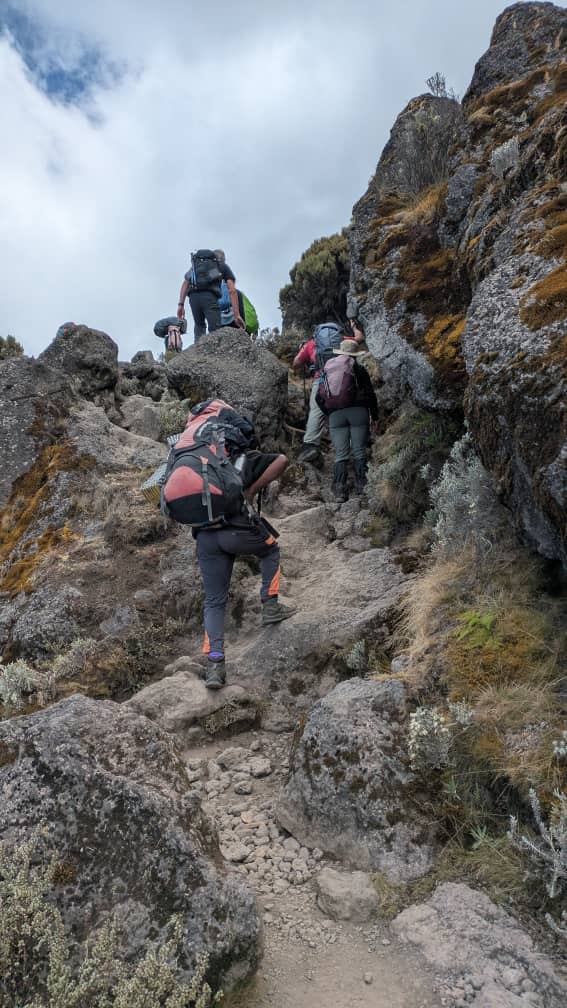
August Kilimanjaro Climb For Solo Travellers 2026-2027
August Kilimanjaro Climb for Solo Travellers is explained with current 2026-2027 planning, price, itinerary and booking information.
View package details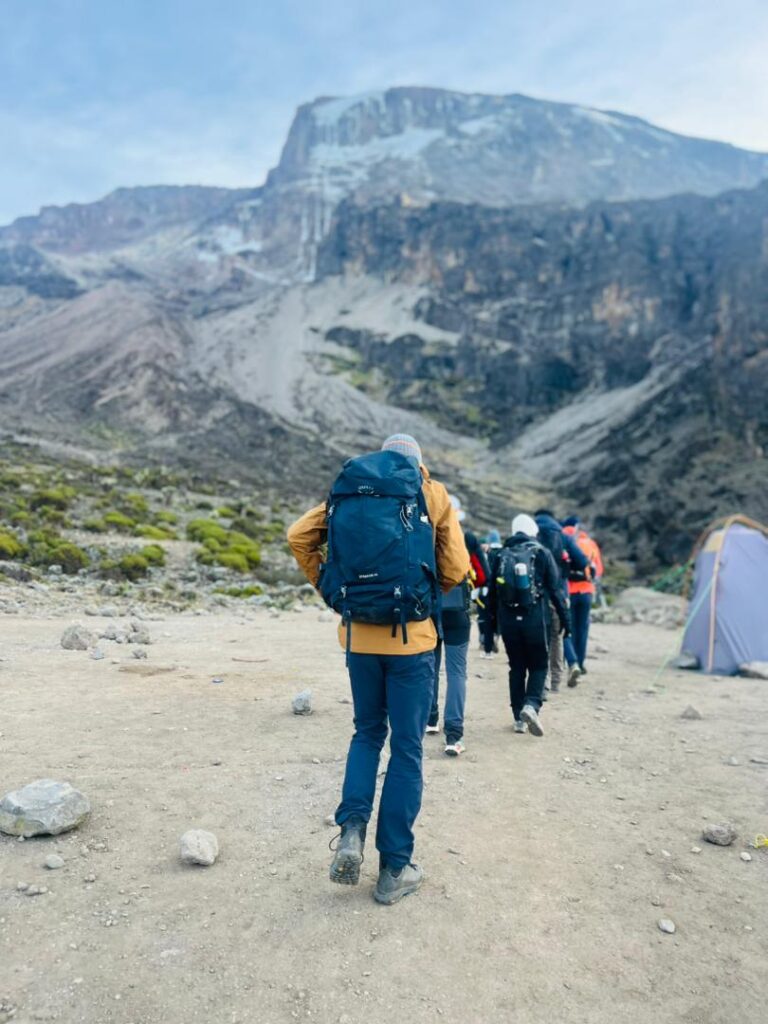
March Kilimanjaro Solo Traveller Group: Your Ultimate Guide For 2026-2027
Planning to climb Kilimanjaro solo in March? This guide connects you with group departures specifically for solo travellers, covering routes, costs, preparation, and what to expect in...
View package details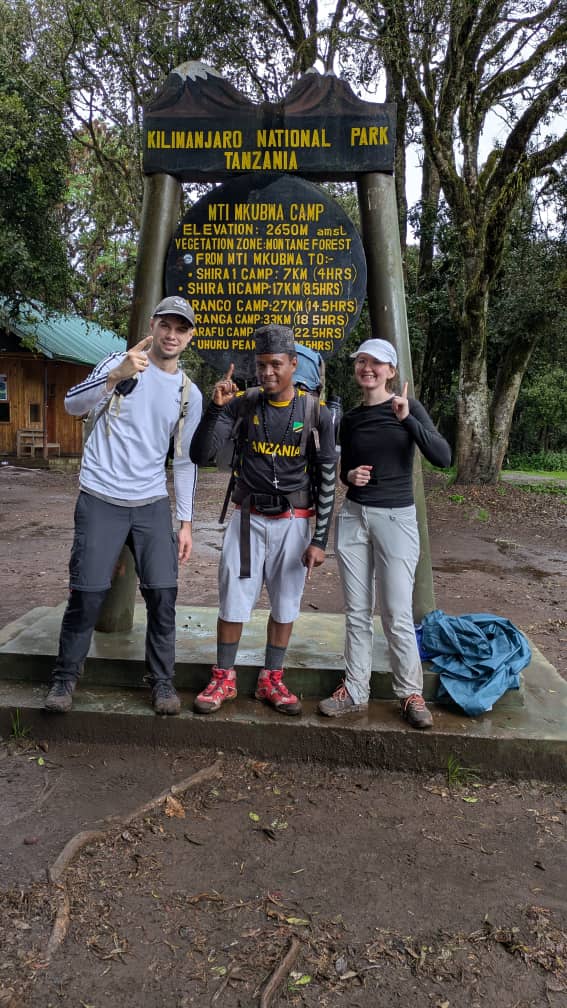
November Kilimanjaro Solo Traveller Expedition Guide
Discover everything you need to know for a successful November Kilimanjaro solo traveller expedition. Top Guide Adventures provides insights into routes, gear, acclimatization, and costs...
View package details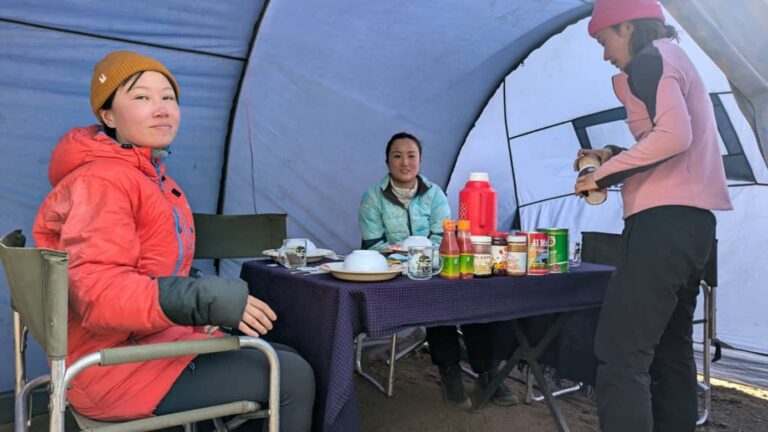
7-Day Rongai Route Kilimanjaro Climb In May: Your Ultimate Guide 2026-2027
Your comprehensive guide to conquering Kilimanjaro via the Rongai Route in May over 7 days. Learn about the itinerary, what to pack, acclimatization, and why May is a great month for this...
View package details7-Day Rongai Route Kilimanjaro Climb In April: Your Expert Guide For 2026-2027
The 7-Day Rongai Route offers a unique and often drier approach to climbing Kilimanjaro, especially beneficial in April. This guide provides an in-depth look at the itinerary, essential...
View package details
March Kilimanjaro Climb For Couples: Your Ultimate Guide 2026-2027
Planning a Kilimanjaro climb for couples in March? This guide covers everything from ideal routes and weather conditions to essential packing advice and booking considerations for your...
View package detailsDecember Kilimanjaro Last-Minute Holiday Deals For Climbs 2026-2027
Planning a Kilimanjaro climb in December 2026 or 2027? Discover last-minute holiday deals, essential tips for winter ascents, and how Top Guide Adventures can make your dream a reality.
View package details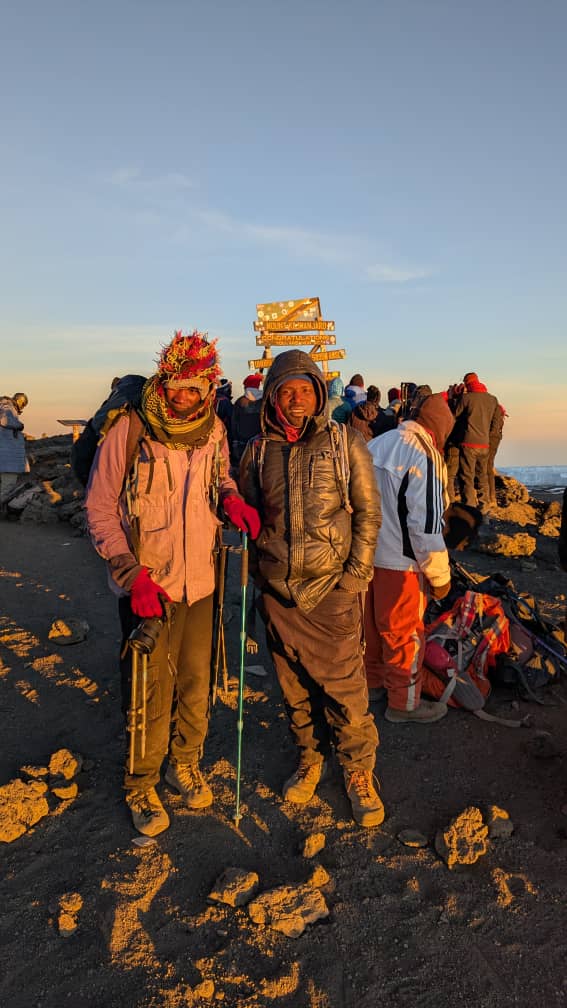
December Kilimanjaro Packing Checklist: Essential Gear For Climbs 2026-2027
Prepare for your December Kilimanjaro climb with our comprehensive packing checklist. This guide covers essential gear, clothing, and tips for conquering Africa's highest peak in the dry...
View package details
Is December A Good Month To Climb Kilimanjaro? Your Guide 2026-2027
December offers a unique window for Kilimanjaro climbs, balancing good weather with fewer crowds. This guide explores its advantages and considerations for 2026-2027.
View package details6-Day Marangu Route Kilimanjaro Climb In December 2026-2027
Discover everything you need to know for a 6-day Marangu Route Kilimanjaro climb during December 2026-2027. This guide covers weather expectations, essential gear, itinerary details...
View package details8-Day Lemosho Route Kilimanjaro Climb In December | Top Guide Adventures
Discover the magic of an 8-day Lemosho Route Kilimanjaro climb in December. This guide details what to expect regarding weather, acclimatization, and preparation for your 2026-2027...
View package detailsNo related package matches those filters. Clear one or more filters to see the other topic-matched options.



