
An August Kilimanjaro climb for solo travellers is an excellent choice, offering dry weather, clear skies, and cooler temperatures, making it ideal for the ascent. Solo travellers can expect well-established routes with other groups, enhancing safety and camaraderie, and should focus on choosing a reputable operator that facilitates solo trekkers, typically with options for private rooms or shared tents at a slightly higher cost, and prepare thoroughly for the altitude and physical demands. Expect peak season conditions with good visibility, making it a prime time for an unforgettable 2026 or 2027 adventure.
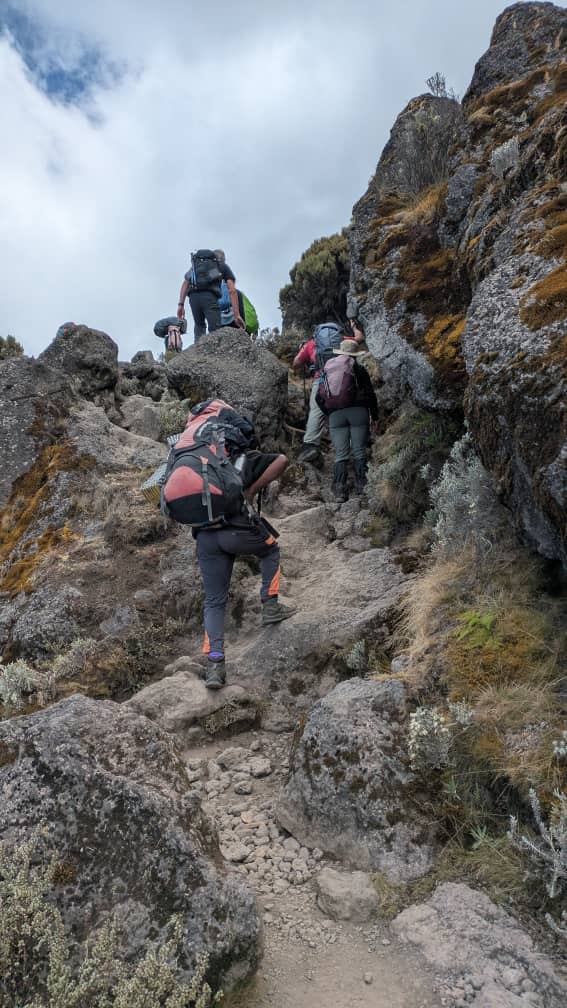

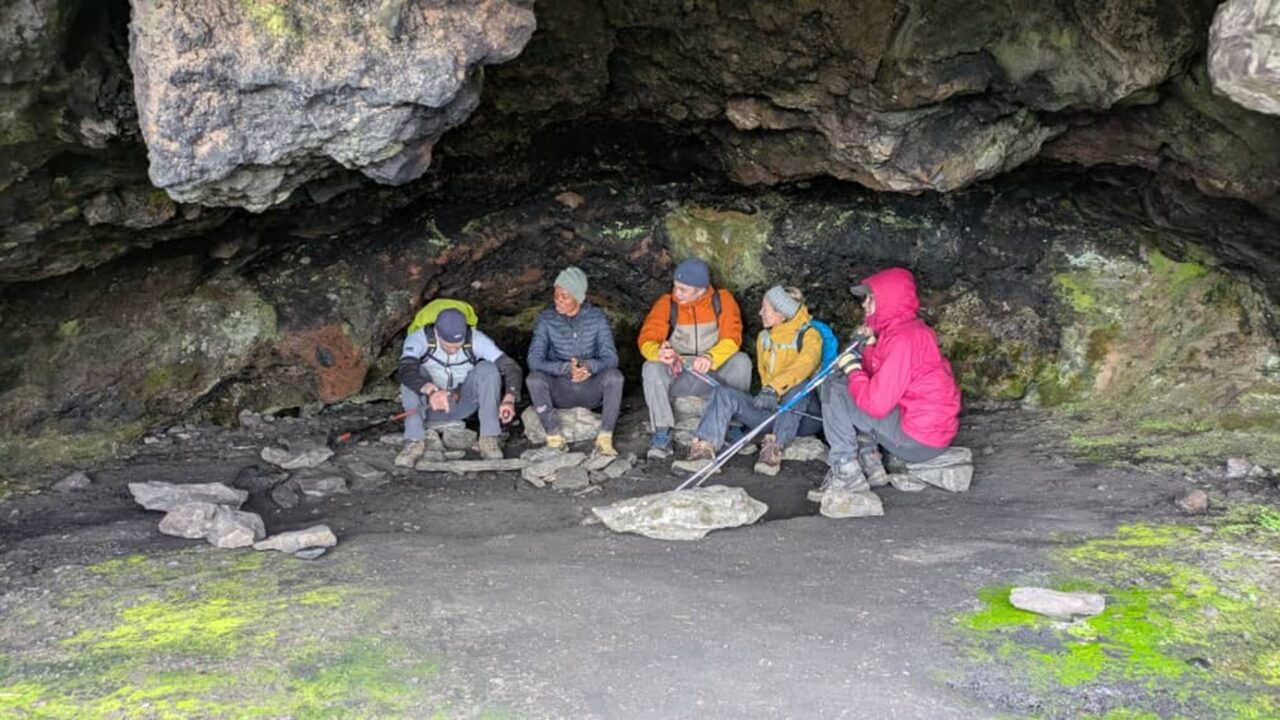
Why Choose August for Your Solo Kilimanjaro Climb?
Choosing the right time to climb Kilimanjaro is paramount for a successful and enjoyable experience, especially for solo travellers. August falls squarely within Kilimanjaro’s dry season, which generally runs from June to October. This period is characterized by minimal rainfall, offering some of the best trekking conditions on the mountain. For solo adventurers, this translates to clearer views from the summit and along the trails, significantly increasing your chances of witnessing the stunning panoramas that Kilimanjaro is famous for. The cooler temperatures, averaging between 15-25°C (59-77°F) at lower altitudes and dropping significantly as you ascend, can be more comfortable for sustained physical exertion compared to the hotter months.
The dry season also means better trail conditions underfoot, reducing the risk of slippery or muddy paths, which is a crucial safety factor for any trekker, and particularly for those climbing independently without a dedicated travel companion. Visibility is typically excellent, offering unparalleled photographic opportunities and a constant reminder of the magnificent landscapes you are traversing. For solo travellers, this clear weather enhances the sense of scale and beauty, making the journey feel even more epic. While August is part of the peak season, meaning more trekkers will be on the mountain, this can actually be an advantage for solo travellers. The presence of other groups provides a sense of security and opportunities to meet like-minded individuals from around the globe. It means you’re rarely truly alone on the trail, and there’s always a supportive atmosphere among trekkers and guides.
Solo Travel on Kilimanjaro: Safety and Camaraderie
One of the primary concerns for any solo traveller is safety. Kilimanjaro is a well-trodden mountain with a highly regulated climbing industry. Reputable tour operators, like Top Guide Adventures, adhere to strict safety protocols, employ experienced guides and porters, and carry essential medical equipment. Climbing with a group, even as a solo individual, significantly enhances safety. Your guide will monitor your health closely, and the presence of other trekkers means help is never too far away in case of an emergency. The social aspect is also a significant draw for many solo travellers. While you might start the trek alone, you’ll quickly become part of a temporary trekking family. Shared experiences, challenges overcome together, and the common goal of reaching Uhuru Peak foster strong bonds. Evenings spent in communal mess tents, sharing stories and laughter, are often highlights of the climb. This built-in community can make the solo experience feel less isolating and more enriching.
For those who prefer more privacy, many operators offer options such as private tents or single supplements for accommodation. However, many solo travellers find that sharing a tent with another solo trekker of the same gender can be a cost-effective and sociable option. It’s always advisable to discuss your preferences with your tour operator beforehand. Top Guide Adventures is particularly adept at managing solo travellers, ensuring they are well-integrated into a group that suits their pace and personality, while always prioritizing their safety and comfort. Our guides are trained to provide individual attention, even within a group setting, ensuring that every solo climber feels supported throughout their journey in 2026 and 2027.
Choosing the Right Route for Your August Solo Climb
Selecting the best route is crucial for a successful Kilimanjaro climb, especially for solo travellers who may have different priorities regarding acclimatization, scenery, and comfort. August’s dry weather makes most routes viable, but some offer distinct advantages for solo trekkers.
The Machame Route: A Popular Choice for Solo Travellers
The Machame Route is one of the most popular routes on Kilimanjaro, and for good reason. It’s known for its scenic beauty and excellent acclimatization profile, boasting a higher success rate than some other routes. For solo travellers, its popularity means you’re almost guaranteed to be part of a larger group, which enhances safety and the social aspect. The route ascends steeply but offers gradual acclimatization through a “climb high, sleep low” strategy. The 6-day Machame itinerary is common, but a 7-day option is highly recommended for better acclimatization, significantly boosting your chances of reaching the summit, especially for solo climbers who might not have regular training partners to gauge their fitness against.
The scenery on Machame is spectacular, traversing diverse ecological zones from rainforest to alpine desert and arctic summit. It offers stunning views of the Western Breach and the Great Barranco Wall. The 7-day Machame route, which we highly recommend for 2026 and 2027 climbs, provides an extra day for acclimatization, crucial for solo travellers who might not have had extensive high-altitude experience. This allows your body more time to adjust to the decreasing oxygen levels, reducing the risk of altitude sickness.
The Lemosho Route: Scenery and Acclimatization
The Lemosho Route is often considered the most scenic route. It starts on the western side of the mountain, offering a more remote and wild experience in the initial days. This route also provides excellent acclimatization, especially when taken over 7 or 8 days. While it might attract slightly fewer trekkers than Machame in the early stages, it converges with other popular routes later on, ensuring you’ll be part of a larger group by the time you reach the higher, more challenging sections. The longer duration of Lemosho (typically 7 or 8 days) is a significant advantage for solo travellers, as it allows for a slower, more controlled ascent and better adaptation to altitude.
The extra day on Lemosho means more time to appreciate the diverse landscapes, from lush forests to the stark beauty of the volcanic crater. For solo travellers who prioritize stunning views and a gentler acclimatization curve, Lemosho is an excellent, albeit slightly more expensive, option. Top Guide Adventures offers 7-day and 8-day Lemosho climbs, both ideal for solo adventurers looking for a memorable experience in 2026-2027.
The Marangu Route: The ‘Coca-Cola’ Route
The Marangu Route, often called the ‘Coca-Cola’ route, is the oldest and most established path up Kilimanjaro. It’s known for its unique accommodation in dormitory-style huts, which can be appealing to solo travellers looking for a bit more comfort than camping. It’s also the only route that ascends and descends the same path. While it’s a shorter route (typically 5 or 6 days), its steeper ascent profile means acclimatization is less optimal, leading to lower success rates compared to Machame or Lemosho. The 6-day Marangu option is better for acclimatization, but still not ideal.
For solo travellers, the hut accommodation offers a different social dynamic, potentially more communal than camping. However, the faster ascent and descent can increase the risk of altitude sickness. While Marangu is a viable option, especially if budget is a major concern (as it often has lower price points), we generally recommend Machame or Lemosho for solo travellers prioritizing success rates and acclimatization in 2026-2027.
Other Routes: Rongai and Northern Circuit
The Rongai Route approaches Kilimanjaro from the north, near the Kenyan border. It’s a good alternative during the rainy season, but in August, it’s also a solid option. It offers a different perspective and tends to be less crowded than Machame or Marangu. Acclimatization is decent, especially on the 7-day itinerary. For solo travellers seeking a less crowded experience initially, Rongai is worth considering.
The Northern Circuit is the longest route, typically taking 9 days. It circles the mountain, offering the best acclimatization profile and therefore the highest success rates. It’s also incredibly scenic, offering diverse views. While it is the most expensive route, for solo travellers who want the absolute best chance of summiting and the most in-depth experience, the Northern Circuit is unmatched. Its longer duration also means more time to bond with your guide and fellow trekkers, making it a fantastic choice for a truly memorable 2026 or 2027 climb.
Recommendation for Solo Travellers in August: For a balance of scenery, acclimatization, social opportunities, and a good chance of success, the 7-day Machame Route or the 7/8-day Lemosho Route are generally the top choices for solo travellers climbing in August. If budget and comfort are key, consider the 6-day Marangu, but be aware of the acclimatization challenges. For the ultimate experience and highest success rate, the 9-day Northern Circuit is unparalleled.
Preparing for Your August Kilimanjaro Climb as a Solo Traveller
Thorough preparation is key for any Kilimanjaro climb, but as a solo traveller, it’s even more important to be self-sufficient and well-informed. August’s conditions require specific considerations.
Physical Training and Fitness
Kilimanjaro is a strenuous trek, not a technical climb, but it demands significant cardiovascular fitness and endurance. Your training should focus on:
- Cardiovascular Endurance: Engage in activities like hiking (with a weighted backpack), running, cycling, or swimming at least 3-4 times a week for several months leading up to your climb.
- Strength Training: Focus on leg strength (squats, lunges) and core strength.
- Hiking Practice: The most crucial training is hiking on varied terrain, preferably with hills or mountains. Aim for long hikes (4-6 hours) on weekends, gradually increasing the duration and elevation gain. Practice hiking with the gear you intend to use, including your backpack and boots.
- Altitude Simulation (if possible): While not essential, using altitude training masks or visiting high-altitude areas can help prepare your body.
As a solo traveller, you need to be confident in your physical ability to handle the demands of the climb. Your training regimen should reflect the intensity and duration of a multi-day trek.
Acclimatization Strategies
Altitude sickness (Acute Mountain Sickness – AMS) is the biggest threat on Kilimanjaro. Proper acclimatization is vital. The best strategies include:
- Go Slowly (Pole Pole): This Swahili phrase means ‘slowly, slowly’. Your guides will emphasize this. Ascend gradually and avoid overexertion.
- Hydration: Drink plenty of water (3-5 litres per day). Dehydration can mimic AMS symptoms.
- Avoid Alcohol and Smoking: These substances hinder acclimatization.
- Ascend Gradually: Choose longer routes (7+ days) as discussed earlier.
- “Climb High, Sleep Low”: Most recommended routes incorporate this principle.
- Medication: Discuss Diamox (acetazolamide) with your doctor. It can help prevent or alleviate AMS symptoms.
For solo travellers, being proactive about acclimatization is essential. Listen to your body and communicate any symptoms to your guide immediately. Don’t try to “tough it out.”
Mental Preparation
Climbing Kilimanjaro is as much a mental challenge as a physical one. Solo travellers often have a strong sense of self-reliance, which is beneficial. However, be prepared for:
- Challenges: Cold, fatigue, altitude sickness, and the sheer duration of the trek can be mentally taxing.
- Patience: The pace is slow, and there will be periods of waiting.
- Positive Attitude: A can-do attitude is infectious and helps you and those around you.
- Teamwork: Even as a solo traveller, you are part of a team. Support your guides and porters, and be considerate of other trekkers.
Focus on the incredible experience and the achievement you are working towards. Visualizing success can be a powerful motivator.
Packing Essentials for an August Climb
August is dry but can be cold, especially at higher altitudes and on summit night. Layering is key. Here’s a breakdown:
- Base Layers: Moisture-wicking thermal tops and bottoms (merino wool or synthetic).
- Mid Layers: Fleece jackets or down vests for insulation.
- Outer Layer: Waterproof and windproof jacket and trousers (Gore-Tex or similar).
- Insulation Layer: A warm, insulated down jacket for evenings and summit night.
- Headwear: Warm beanie/woolen hat, sun hat with a wide brim, balaclava or neck gaiter for warmth and sun protection.
- Gloves: Thin liner gloves and warm, waterproof outer gloves or mittens.
- Footwear: Broken-in, waterproof hiking boots with good ankle support. Camp shoes or trainers for evenings. Several pairs of warm wool hiking socks.
- Backpack: A comfortable daypack (30-40 litres) for daily essentials. Your main duffel bag (80-100 litres) will be carried by porters.
- Sleeping Bag: A 4-season sleeping bag rated to at least -15°C (0°F).
- Headlamp: With extra batteries. Essential for summit night and around camp.
- Sun Protection: High SPF sunscreen, lip balm with SPF, sunglasses (Category 3 or 4).
- Personal Items: Toiletries (biodegradable), personal first-aid kit, water bottles or hydration reservoir (at least 3 litres capacity), water purification tablets or filter (though boiled water is usually provided), snacks (energy bars, nuts, dried fruit), camera, power bank.
- Documents: Passport, visa, travel insurance details, vaccination certificates, cash for tips.
Top Guide Adventures provides a comprehensive packing list to all clients, ensuring you don’t miss any crucial items for your 2026 or 2027 climb.
Understanding the Costs of an August Kilimanjaro Climb for Solo Travellers
The cost of climbing Kilimanjaro can vary significantly based on the route, duration, operator, and inclusions. For solo travellers, there are a few cost considerations:
Operator Choice and Inclusions
The biggest factor influencing price is the tour operator. Reputable companies like Top Guide Adventures invest in experienced guides, well-trained porters, quality equipment, safety measures (like oxygen cylinders and medical kits), and ethical treatment of their staff. Cheaper operators may cut corners on safety, equipment, or staff welfare, which can have serious consequences.
Typical Inclusions with Top Guide Adventures:
- Professional guides and crew (porters, cook).
- All park entrance fees, camping/hut fees, and rescue fees.
- All meals on the mountain (breakfast, lunch, dinner).
- Tents, sleeping mats, mess tent, table, chairs.
- Boiled drinking water.
- Airport transfers on arrival and departure.
- Accommodation in Moshi/Arusha before and after the climb (depending on package).
- Briefing and equipment check.
Solo Traveller Supplements
If you desire a private tent for yourself, most operators will charge a single supplement fee. This covers the cost of providing an extra tent. Alternatively, some operators, including Top Guide Adventures, can pair solo travellers of the same gender in a shared tent to help reduce costs and foster camaraderie. It’s essential to clarify these options and associated costs when booking for 2026 or 2027.
Route and Duration Impact
Longer routes with better acclimatization profiles (like Lemosho or Northern Circuit) generally cost more due to the increased number of days and staff required. Shorter routes (like Marangu) can be less expensive but come with higher altitude sickness risks.
Estimated Cost Range for 2026-2027
For a reputable operator like Top Guide Adventures, expect the cost for a standard 7-day climb (e.g., Machame or Lemosho) for a solo traveller to range approximately from $1,800 to $2,800 USD per person. This typically excludes flights, visas, travel insurance, personal gear rental, tips for the crew, and drinks/snacks on the mountain. Longer routes like the Northern Circuit could increase this to $2,500 – $3,500+ USD. Prices can fluctuate slightly between 2026 and 2027 due to inflation and park fee changes, so always request a detailed, up-to-date quote.
Tips for the Crew
Tipping is customary and highly appreciated on Kilimanjaro. It forms a significant part of the crew’s income. A general guideline for a 7-day climb is around $250-$350 USD per climber, distributed among the guides, assistant guides, cook, and porters. Your operator will provide specific tipping guidelines. Solo travellers are expected to tip the same amount as if they were part of a larger group.
Safety Protocols and Emergency Procedures
Safety is paramount on Kilimanjaro, and reputable operators have robust protocols in place. As a solo traveller, understanding these is crucial.
Guide Training and Responsibilities
Kilimanjaro guides are highly trained in first aid, high-altitude medicine, and mountain rescue. They are responsible for:
- Monitoring trekkers’ health and acclimatization status daily.
- Making critical decisions regarding descent if a trekker shows signs of severe altitude sickness.
- Carrying essential medical equipment, including a portable oxygen cylinder and a comprehensive first-aid kit.
- Ensuring the safety and well-being of the entire group.
Emergency Evacuation
In case of a serious medical emergency, evacuation procedures are in place. This typically involves:
- Assisted Descent: Guides and porters will help a sick climber descend on foot.
- Stretcher Evacuation: For more severe cases, a stretcher may be used.
- Medical Helicopter: For critical situations, a helicopter evacuation can be arranged (often covered by travel insurance).
- Gamow Bag (Portable Hyperbaric Chamber): Some operators carry this for treating severe AMS.
It is absolutely essential that all climbers have comprehensive travel insurance that covers high-altitude trekking and emergency medical evacuation up to at least $100,000 USD. Ensure your policy details are provided to your tour operator.
Communication on the Mountain
Mobile phone reception is extremely limited and unreliable on Kilimanjaro. Guides may have satellite phones or radios for emergencies, especially on longer routes or from certain vantage points. Your tour operator will have a base contact number for emergencies.
Solo Travel Considerations: Accommodation and Logistics
Top Guide Adventures specializes in creating comfortable and efficient logistics for solo travellers.
Accommodation on the Mountain
Most routes involve camping, with guides and porters setting up tents, a mess tent for meals, and toilet facilities. The Marangu route uses huts. For solo travellers:
- Private Tent: Available for an additional fee, offering maximum privacy.
- Shared Tent: Often paired with another solo traveller of the same gender. This is a great way to save money and make a friend.
- Mess Tent: This is the communal hub for meals and socializing, perfect for solo travellers to connect with others.
Pre- and Post-Climb Accommodation
Most packages include accommodation in Moshi or Arusha before and after your climb. This allows you time to rest, celebrate, and prepare. Solo travellers will typically have their own private room during this period, offering a comfortable base.
Transportation
Reputable operators like Top Guide Adventures include airport transfers to and from Kilimanjaro International Airport (JRO). Transport to the park gate and back to your hotel after the climb is also standard.
Making the Most of Your August Solo Kilimanjaro Experience
Climbing Kilimanjaro solo is a profound personal achievement. Here’s how to maximize the experience:
Embrace the Community
While you are a solo traveller, you are part of a group. Engage with your guides, porters, and fellow trekkers. Share stories, offer encouragement, and be open to new friendships. The bonds formed on the mountain are often strong and lasting.
Mindfulness and Reflection
The steady rhythm of trekking, the stunning scenery, and the challenge itself provide ample opportunity for reflection. Use the time to disconnect from daily life and connect with yourself and nature. The clear August skies offer incredible stargazing opportunities.
Capture the Memories
Bring a camera and plenty of memory cards/batteries. Documenting your journey, from the lush rainforests to the icy summit, will provide cherished memories. Consider a small notebook to jot down thoughts or observations.
Post-Climb Relaxation
After descending, take time to relax and recover. Consider extending your trip with a Tanzanian safari or a visit to Zanzibar. Top Guide Adventures can help arrange these extensions, providing a perfect complement to your Kilimanjaro achievement in 2026 or 2027.
Why Choose Top Guide Adventures for Your Solo Climb?
Top Guide Adventures is committed to providing exceptional experiences for all travellers, including solo adventurers. We understand the unique needs and concerns of solo climbers and strive to ensure a safe, enjoyable, and memorable journey.
- Experienced & Ethical Operations: We employ highly trained guides and porters, ensuring fair wages and good working conditions.
- Safety First: Our safety protocols are among the best, with well-maintained equipment and emergency procedures.
- Personalized Attention: Even within a group, we ensure solo travellers receive individual care and attention from their guides.
- Flexibility: We offer various routes and durations to suit different preferences and budgets, and can accommodate specific requests for solo travellers regarding accommodation.
- Proven Track Record: We have years of experience leading successful Kilimanjaro climbs for clients from around the world.
We are passionate about sharing the magic of Kilimanjaro and Tanzania. Whether you are planning your climb for August 2026 or August 2027, we are here to help you every step of the way.
Ready to Plan Your August Kilimanjaro Climb?
Climbing Kilimanjaro solo in August is an incredible undertaking. With the right preparation, a reputable operator, and a focus on safety and acclimatization, it promises to be an unforgettable adventure. Let Top Guide Adventures guide you to the Roof of Africa.
Contact us today to discuss your solo Kilimanjaro climb for 2026 or 2027. Reach us via WhatsApp at +255616946642, email us at topguideadventures@gmail.com, or our backup email info@topguideadventures.com. You can also explore our group departure dates for various routes at shared tours or specifically the Machame route at Machame route departures.
Don’t forget to check out our reviews on TripAdvisor and follow us on Instagram for inspiration.
“,
“faq_schema”: [
{
“question”: “Is August a good month for solo travellers to climb Kilimanjaro?”,
“answer”: “Yes, August is an excellent month for solo travellers to climb Kilimanjaro. It falls within the dry season, offering clear skies, cooler temperatures, and good trekking conditions. The trails are generally less muddy, and summit visibility is usually excellent, providing stunning views. As it’s peak season, you’ll likely encounter other groups, enhancing safety and offering opportunities for social interaction, which can be beneficial for solo travellers.”
},
{
“question”: “What is the best route for a solo traveller climbing Kilimanjaro in August?”,
“answer”: “For solo travellers in August, the 7-day Machame Route or the 7/8-day Lemosho Route are highly recommended. They offer a good balance of scenic beauty, excellent acclimatization profiles, and a high success rate. The popularity of Machame ensures a good group atmosphere, while Lemosho provides stunning, more remote initial stages. The 9-day Northern Circuit offers the best acclimatization and highest success rates, ideal for those prioritizing comfort and achievement. The 6-day Marangu is an option if hut accommodation is preferred, but its acclimatization is less ideal.”
},
{
“question”: “How safe is climbing Kilimanjaro alone?”,
“answer”: “Climbing Kilimanjaro solo with a reputable operator is very safe. Operators like Top Guide Adventures employ experienced, certified guides trained in first aid and high-altitude medicine. They monitor climbers closely, carry essential safety equipment (like oxygen), and have emergency evacuation plans. The presence of guides, porters, and other trekkers on popular routes significantly enhances safety for solo travellers.”
},
{
“question”: “What are the typical costs for a solo Kilimanjaro climb in August 2026-2027?”,
“answer”: “For a reputable operator like Top Guide Adventures, expect costs for a standard 7-day climb (e.g., Machame or Lemosho) for a solo traveller to range from approximately $1,800 to $2,800 USD per person. Longer routes like the Northern Circuit could cost $2,500 – $3,500+ USD. These prices typically include park fees, guides, porters, food, and camping equipment, but exclude flights, visas, insurance, gear rental, and tips. Solo travellers may incur a single supplement fee for a private tent, or can opt to share a tent with another solo climber of the same gender.”
},
{
“question”: “What should a solo traveller pack for an August Kilimanjaro climb?”,
“answer”: “Packing for an August Kilimanjaro climb requires layers for varying temperatures. Essentials include moisture-wicking base layers, insulating mid-layers (fleece), a waterproof/windproof outer shell, a warm down jacket for summit night, sturdy broken-in hiking boots, warm socks, waterproof gloves, a warm hat, sun hat, sunglasses, high SPF sunscreen, lip balm, a headlamp with extra batteries, a 4-season sleeping bag, and a daypack. Hydration is key, so carry at least 3 litres of water capacity. Top Guide Adventures provides a detailed packing list upon booking.”
},
{
“question”: “How does acclimatization work on Kilimanjaro, and is it different for solo travellers?”,
“answer”: “Acclimatization is crucial for everyone climbing Kilimanjaro, regardless of whether they are solo or in a group. The key principles are ascending slowly (‘pole pole’), staying hydrated, avoiding alcohol and smoking, and choosing longer routes (7+ days) that allow for gradual adaptation. Solo travellers should be particularly attentive to their body’s signals and communicate any symptoms of altitude sickness immediately to their guide. Reputable operators ensure all climbers, including solo ones, follow acclimatization best practices.”
}
]
}
“`
Check Availability for August Kilimanjaro Climb For Solo Travellers 2026-2027
Ready to compare dates, prices, and the best option for your group? Send the package name and travel month so the team can reply with a clear quote, availability, and what is included.

May Kilimanjaro Climb For Solo Travellers: Your Expert Guide 2026-2027
Discover everything solo travellers need to know about climbing Kilimanjaro in May. This guide covers route selection, essential gear, training, safety, and typical costs for 2026-2027.
View package details
December Kilimanjaro Climb For Solo Travellers 2026-2027
December Kilimanjaro Climb for Solo Travellers is explained with current 2026-2027 planning, price, itinerary and booking information.
View package details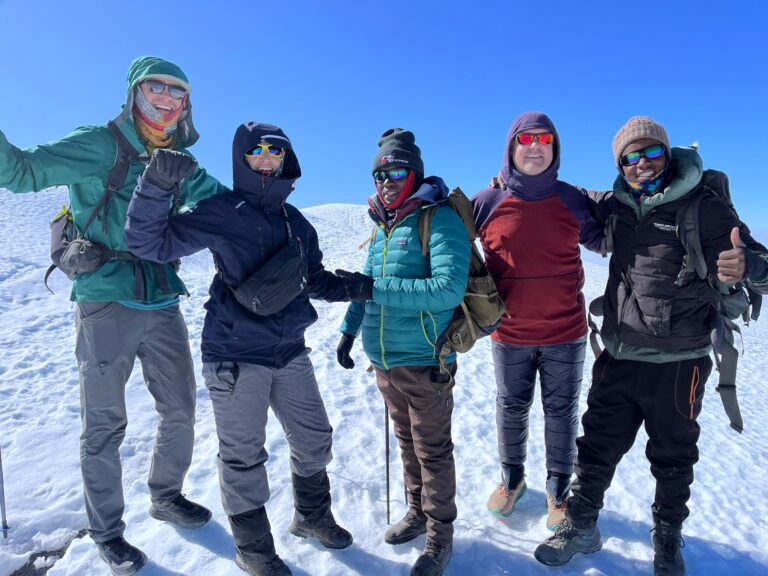
August Kilimanjaro Climb With River-Crossing Safari: Your Ultimate Tanzania
Combine the challenge of climbing Mount Kilimanjaro in August with the thrill of witnessing the Great Migration river crossings on a safari. This guide covers itineraries, routes, packing...
View package details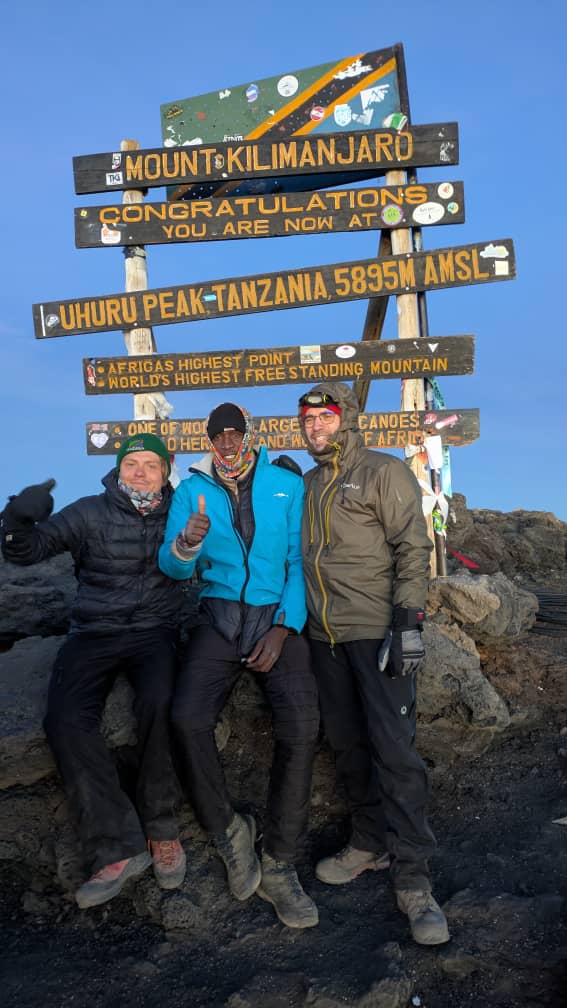
August Kilimanjaro Charity Challenge: Plan Your Climb 2026-2027
Planning an August Kilimanjaro Charity Challenge for 2026 or 2027 involves understanding routes, preparation, and the unique benefits of climbing for a cause. Top Guide Adventures offers...
View package detailsAugust Kilimanjaro Women’s Group Climb: Expert Planning For 2026-2027
This comprehensive guide details everything you need to know for an August Kilimanjaro Women’s Group Climb, covering route selection, training, gear, safety, and what to expect during your...
View package details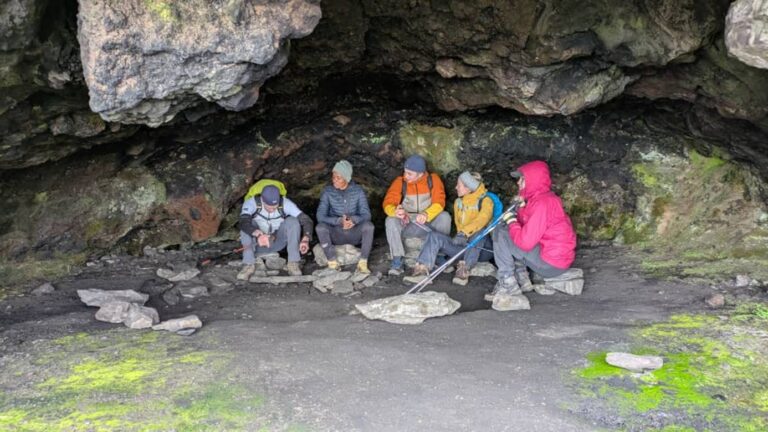
August Kilimanjaro Packing Checklist: Essential Gear For Your Climb 2026-2027
Prepare for your August Kilimanjaro ascent with this comprehensive packing checklist. Essential gear for varied weather, altitude, and comfort, ensuring a successful climb in 2026-2027.
View package detailsIs August The Best Month To Climb Kilimanjaro? 2026-2027
Is August the Best Month to Climb Kilimanjaro? is explained with current 2026-2027 planning, price, itinerary and booking information.
View package details
August Kilimanjaro Climb For University Groups: Your Guide 2026-2027
Discover everything university groups need to know for a successful August Kilimanjaro climb. This guide covers optimal routes, essential gear, training advice, safety protocols, and...
View package details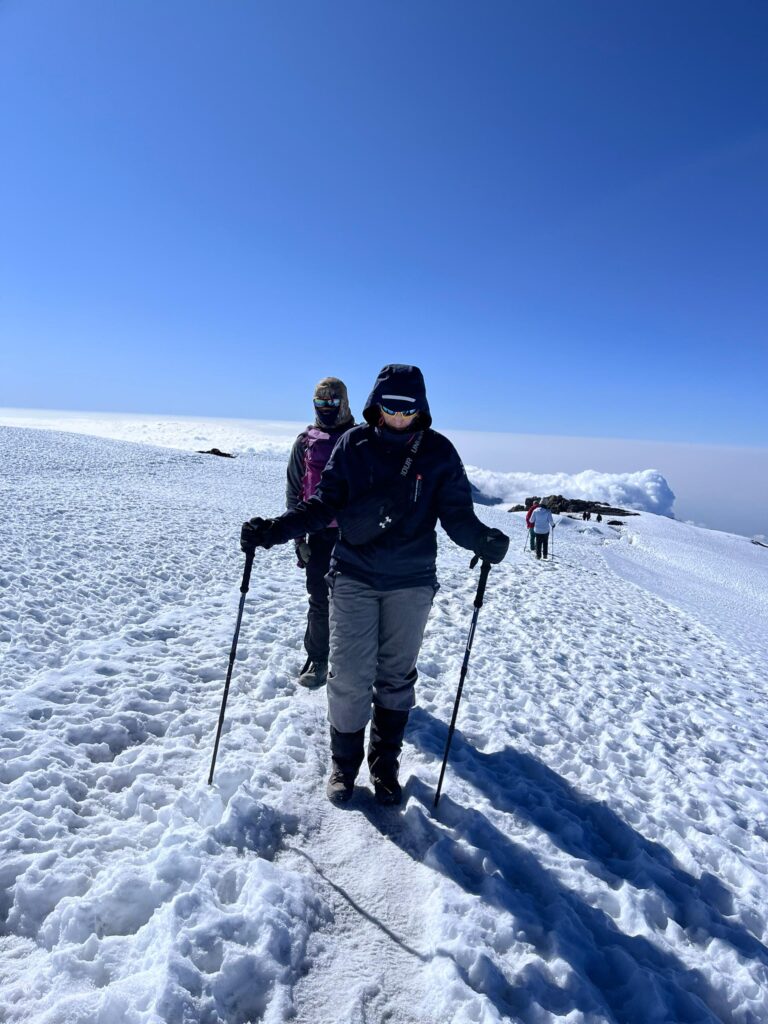
September Kilimanjaro Solo Traveller Group: Your Ultimate Guide For 2026-2027
Discover everything a solo traveler needs to know about joining a Kilimanjaro group climb in September 2026-2027. This guide covers routes, preparation, costs, and what to expect with Top...
View package details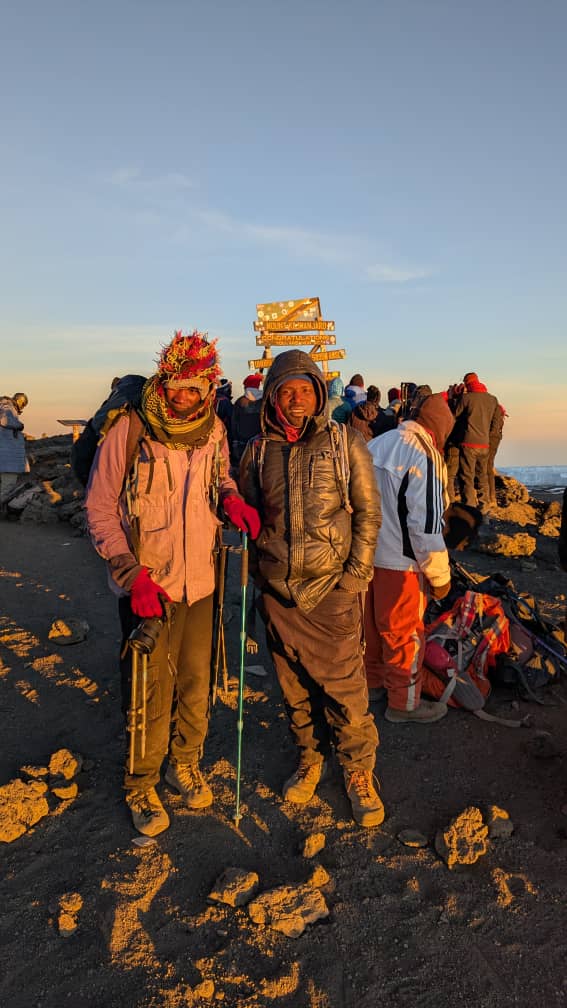
December Kilimanjaro Packing Checklist: Essential Gear For Climbs 2026-2027
Prepare for your December Kilimanjaro climb with our comprehensive packing checklist. This guide covers essential gear, clothing, and tips for conquering Africa's highest peak in the dry...
View package details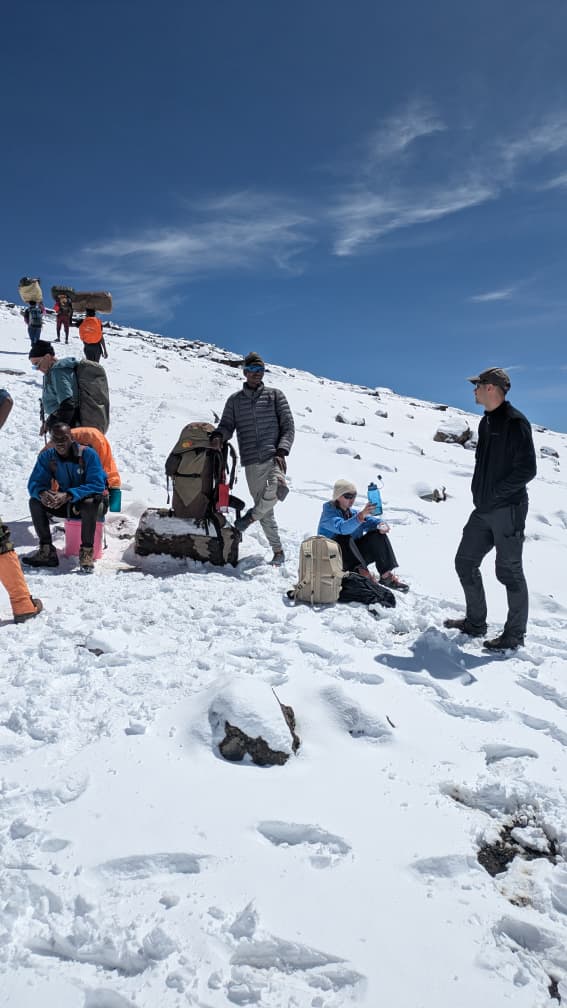
October Kilimanjaro Climb: Fewer Crowds, Great Weather 2026-2027
Planning an October Kilimanjaro climb offers a sweet spot with fewer trekkers and ideal weather conditions. Learn why October is a fantastic month for reaching Uhuru Peak and how to make...
View package details
October Kilimanjaro Waterproof Packing Guide For Climbs 2026-2027
Prepare for your October Kilimanjaro climb with this comprehensive waterproof packing guide. Essential gear and clothing advice for 2026-2027 expeditions.
View package detailsNo related package matches those filters. Clear one or more filters to see the other topic-matched options.



