
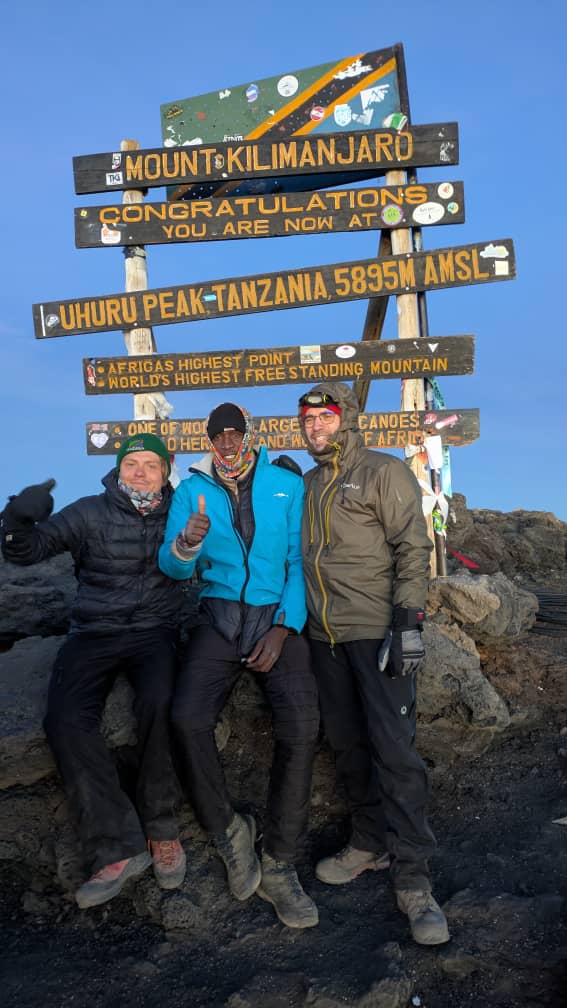
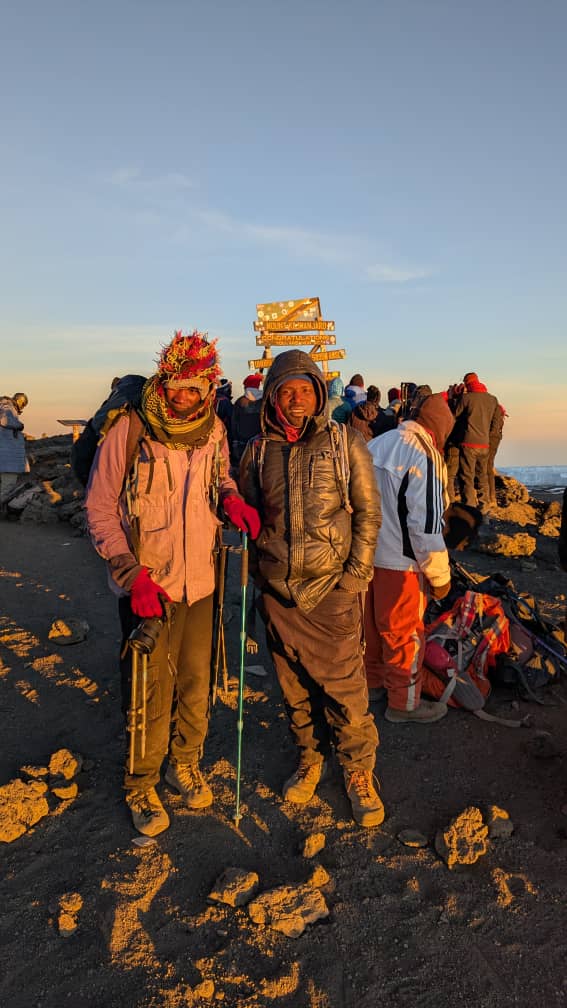
August is widely considered one of the best months to climb Kilimanjaro, offering a prime combination of dry weather and pleasant temperatures, making it an ideal time for trekkers planning their 2026 or 2027 ascent. While it’s a peak season with more trekkers on the mountain, the consistent dry conditions significantly increase the chances of a successful and enjoyable summit experience compared to the wetter months.

Why August Stands Out for Your Kilimanjaro Climb
When considering the optimal time to tackle Mount Kilimanjaro, August consistently emerges as a top contender for many trekkers. This isn’t by chance; it’s a result of predictable climatic patterns that favor high-altitude trekking. For those planning their expedition in the coming years, understanding these patterns is crucial for a successful and memorable climb. Top Guide Adventures has guided countless climbers to the summit, and our experience confirms that August provides a fantastic window of opportunity.
The primary reason August is so appealing is the prevailing weather. Kilimanjaro experiences two distinct dry seasons: January to March and June to October. August falls squarely within the longer, second dry season. This means significantly less rainfall on the mountain’s slopes, particularly at the higher altitudes where weather can change rapidly and dramatically. Reduced precipitation translates to clearer trails, better visibility, and a more comfortable trekking experience. Imagine fewer muddy paths, less risk of getting soaked on the ascent, and clearer views of the surrounding landscapes and the summit cone. This improved trekking environment is a major draw for climbers looking to maximize their chances of a smooth journey.
Beyond just dryness, August typically offers cooler temperatures. While Kilimanjaro is located near the equator, its immense altitude means temperatures can be surprisingly cold, especially at night and near the summit. August’s average temperatures during the day are often in the comfortable range for trekking, typically between 15-25°C (59-77°F) on the lower slopes, gradually dropping to below freezing point as you gain elevation, with summit night temperatures potentially reaching -15°C to -20°C (5°F to -4°F). The cooler, crisp air of August can be invigorating for the physical exertion of climbing, and while you’ll need appropriate gear for the cold, it’s generally more manageable than the heat that can be experienced in other seasons.
The combination of dry trails and moderate temperatures creates an environment where climbers can focus more on the ascent, the stunning scenery, and their personal journey, rather than battling challenging weather conditions. This makes August an excellent choice for both experienced trekkers and those attempting their first major mountain climb. For your 2026 or 2027 Kilimanjaro adventure, selecting August can significantly contribute to a positive and rewarding experience.
Kilimanjaro’s Climate Explained: Why August Excels
To truly appreciate why August is a prime month for climbing Kilimanjaro, it’s essential to understand the mountain’s unique microclimates and seasonal variations. Kilimanjaro is a colossal mountain, and its diverse ecosystems, from lush rainforests at the base to arctic conditions at the summit, mean that weather can differ significantly depending on altitude and location on the mountain. The prevailing weather patterns are influenced by the Intertropical Convergence Zone (ITCZ), which brings distinct wet and dry seasons.
The mountain experiences two main wet seasons: the long rains from March to May and the short rains from November to early December. During these periods, heavy rainfall, mist, and even snow at higher altitudes are common. These conditions can make trekking difficult, reduce visibility, increase the risk of landslides, and generally make the experience less pleasant. The trails become muddy and slippery, and the constant dampness can be challenging to manage.
Conversely, the dry seasons offer the most favorable conditions for climbing. The first dry season runs from January to March. This period is characterized by clear skies, good visibility, and relatively stable weather. It’s a popular time, but it can also be quite warm on the lower slopes due to its proximity to the equator and the intensity of the sun. The second, and generally longer, dry season spans from June to October. This is where August shines.
August’s Climatic Advantages:
- Low Rainfall: August falls within the peak of the second dry season. Rainfall is minimal, meaning you are far less likely to encounter rain, especially on the upper reaches of the mountain. This significantly improves trail conditions and overall comfort.
- Clear Skies & Visibility: With less atmospheric moisture, the skies are typically clearer. This provides impressive panoramic views of Kilimanjaro’s surrounding plains and neighboring mountains like Mount Meru. Crucially, it also offers excellent visibility of the summit path and surrounding glaciers, enhancing both the experience and safety.
- Moderate Temperatures: While still cold at altitude, August generally offers cooler and more predictable temperatures than the first dry season. The daytime temperatures on the mountain slopes are often comfortable for trekking, avoiding the potential for excessive heat that can occur in February or March. Nighttime temperatures will still be frigid, particularly above the tree line and on summit night, requiring proper cold-weather gear.
- Reduced Cloud Cover: Cloud cover tends to be less persistent in August, especially during the morning and early afternoon. This means more sunshine on the trails and fewer obscured views.
For trekkers planning their 2026 or 2027 Kilimanjaro climb, choosing August means aligning with the most stable and predictable weather patterns. While no month guarantees perfect weather on Kilimanjaro, August offers the highest probability of encountering favorable conditions. This predictability is invaluable for planning, packing, and setting realistic expectations for your trek.
August vs. Other Months: A Comparative Look
While August presents compelling advantages, it’s useful to compare it with other months to understand its relative strengths and weaknesses. Every month on Kilimanjaro has its unique characteristics, and the ‘best’ time can also depend on individual preferences regarding weather, crowds, and cost.
August vs. July and September (Peak Dry Season)
July and September are also part of the same long dry season as August. They share many of the same benefits: low rainfall, clear skies, and good visibility.
- Crowds: July and September can also be quite busy, though August often sees the highest number of trekkers. If you prefer slightly fewer people but still want excellent weather, late July or early September might be considered.
- Temperature: Temperatures are very similar across these three months. August can sometimes feel slightly cooler than July, but the difference is usually marginal.
- Overall: These three months are all excellent choices. August is often highlighted due to its central position within this prime window, offering a reliable balance of conditions.
August vs. January and February (First Dry Season)
January and February represent the first dry season and are also popular months.
- Weather: Generally dry and clear, similar to August. However, these months can be warmer on the lower slopes, which some trekkers find more challenging. There’s also a slightly higher chance of encountering very cold snaps or unexpected storms, though still low.
- Crowds: January can be busy, especially after the New Year holidays. February tends to be less crowded than August or January.
- Post-Rain Recovery: February often benefits from the lingering clear skies after the short rains of December and the preceding dry spell.
- Overall: Excellent alternatives to August if you prefer slightly fewer people (in February) or don’t mind potentially warmer lower slopes.
August vs. March and October (Shoulder Months)
March marks the end of the first dry season and the beginning of the long rains. October is the end of the second dry season and the start of the short rains.
- Weather: March can still offer good trekking in the first half, with improving conditions as the long rains approach. October is generally excellent, with clear skies and decreasing rainfall, making it a fantastic shoulder month. However, by late October, the short rains can begin, introducing more unpredictable weather.
- Crowds: These months typically see fewer trekkers than the peak dry seasons, offering a more serene experience.
- Overall: March and October are good options if you want to avoid the largest crowds and are willing to accept a slightly higher risk of encountering rain, especially towards the end of the month. October is often considered one of the best months, rivaling August in many aspects.
August vs. April, May, November, and December (Wet Seasons)
These months fall within the primary wet seasons (April-May and November-early December).
- Weather: Expect significant rainfall, mist, and poor visibility. Trails can be very muddy and challenging. Snowfall is more common at higher altitudes.
- Crowds: These are the least crowded months, offering the most solitude.
- Cost: Some operators may offer slightly lower prices during these times, though safety and operational concerns often mitigate significant discounts.
- Overall: Generally not recommended for climbing Kilimanjaro unless you are an experienced trekker prepared for difficult conditions and prioritize solitude above all else. The risk of summit delays or cancellations due to weather is considerably higher.
For most trekkers, especially those planning for 2026 or 2027 and prioritizing a successful and comfortable ascent, August remains a top choice. It offers the best balance of favorable weather conditions and manageable crowds. If solitude is your absolute priority, consider October, but be prepared for a slightly higher chance of rain as the month progresses. For those seeking slightly fewer people than August, July and September are very close contenders.
Key Takeaway for 2026-2027 Planning:
August provides the most reliable dry conditions and clear skies for climbing Kilimanjaro. While it is a peak season, the benefits for a successful trek often outweigh the presence of more people. If you are planning your climb for 2026 or 2027, booking your August spot early is highly recommended.
What to Expect When Climbing Kilimanjaro in August
Knowing that August is a great month is one thing; understanding the practical realities of trekking Kilimanjaro during this time is another. Here’s a breakdown of what you can expect:
Weather Specifics for August
As mentioned, August is characterized by dry weather. However, “dry” on Kilimanjaro doesn’t mean perfectly clear and warm every single day.
- Daytime: Expect sunny periods, especially in the mornings. Temperatures on the lower slopes (rainforest and moorland zones) can range from 15-25°C (59-77°F). As you ascend into the alpine desert and arctic zones, temperatures will drop significantly, often hovering around 0-10°C (32-50°F) during the day.
- Nighttime: Nights are cold, especially above the tree line. Temperatures can easily drop to -5°C to -10°C (23-14°F). Summit night is the coldest, with temperatures plummeting to -15°C to -20°C (-4°F to 4°F), sometimes even colder with wind chill.
- Wind: August can be windy, particularly at higher altitudes and on exposed ridges. Wind chill can make the already cold temperatures feel much colder.
- Precipitation: While minimal, occasional light showers or passing clouds are possible, especially in the afternoons or at specific microclimates on the mountain. However, prolonged, heavy rain is rare.
- Visibility: Generally excellent, offering stunning views. However, cloud build-up can occur, especially on the summit cone, and morning mist can sometimes linger in the valleys.
Crowds and Mountain Atmosphere
August is firmly within Kilimanjaro’s peak trekking season. This means you will encounter more people on the trails and at the campsites.
- Trail Congestion: Trails can be busy, particularly on popular routes like Machame and Marangu. You might find yourself walking in a line of trekkers, especially on sections with narrower paths or switchbacks.
- Campsite Buzz: Campsites will be more populated. While this can create a sense of camaraderie and shared experience among trekkers from around the world, it also means less solitude.
- Booking Early: Due to the high demand in August, it’s crucial to book your climb well in advance, especially if you are targeting specific dates in 2026 or 2027. Popular tour operators, like Top Guide Adventures, often fill their August slots months ahead of time.
- Logistics: Park authorities manage the flow of trekkers, but the increased numbers mean logistics run like a well-oiled machine. Expect efficient check-ins and well-organized operations from reputable companies.
What to Pack for an August Climb
Packing correctly is paramount for any Kilimanjaro climb, and August’s conditions require specific attention to cold-weather gear and layers.
- Layering System: This is key. You’ll need base layers (moisture-wicking), mid-layers (fleece or down jackets for insulation), and an outer layer (waterproof and windproof shell jacket and pants).
- Headwear: A warm, insulated hat that covers your ears is essential. A balaclava or neck gaiter is also vital for protecting your face from wind and cold, especially on summit night.
- Handwear: Bring both liner gloves and warm, waterproof, insulated gloves or mittens. It’s often recommended to have a spare pair.
- Footwear: Sturdy, broken-in hiking boots are non-negotiable. Bring warm, moisture-wicking socks (wool or synthetic) – several pairs. Consider camp booties or thick socks for sleeping.
- Sleeping Bag: A sleeping bag rated to at least -15°C (5°F) is strongly recommended for August.
- Sun Protection: Even in August, the sun is intense at altitude. Pack high SPF sunscreen, lip balm with SPF, sunglasses, and a wide-brimmed hat or cap for daytime.
- Hydration: Insulated water bottles or a hydration pack with an insulated hose are important to prevent water from freezing.
- Headlamp: Essential for navigating at night and for summit attempts. Bring spare batteries.
August Kilimanjaro Packing Essentials Summary:
- Waterproof & Windproof Outerwear
- Warm Insulated Mid-layers (Fleece/Down)
- Moisture-Wicking Base Layers
- Insulated Gloves & Liner Gloves
- Warm Hat & Balaclava
- Sturdy Hiking Boots & Warm Socks
- -15°C Rated Sleeping Bag
- Sunscreen, Lip Balm, Sunglasses
- Headlamp with Spare Batteries
- Insulated Water Bottles
Choosing the Right Route for an August Climb
Kilimanjaro offers several routes, each with its own characteristics, difficulty, scenery, and acclimatization profile. When climbing in August, the weather conditions on the mountain are generally favorable across all routes, but some routes might offer slightly better acclimatization or more scenic experiences during this dry period.
The primary goal for any route choice is to maximize acclimatization, as altitude sickness is the main reason for failed summits. Routes that offer a “climb high, sleep low” strategy and longer itineraries are generally preferred. August’s dry weather makes all these routes more accessible and enjoyable.
Popular Routes in August:
- Machame Route: Often called the “Whiskey Route,” it’s one of the most popular for good reason. It’s a scenic route with excellent acclimatization, taking 6-7 days. August’s clear skies mean you’ll enjoy stunning views throughout the trek. The higher number of trekkers means it can feel busy, but the scenery is unparalleled.
- Lemosho Route: Considered one of the most beautiful routes, Lemosho is a longer option (7-8 days) that offers superb acclimatization. It starts in the west and crosses the Shira Plateau, providing a more remote feel in its initial stages before merging with Machame. August’s dry conditions mean the often challenging Shira Plateau crossing will be more manageable.
- Northern Circuit: The longest route (9-10 days), offering the best acclimatization and highest summit success rates. It circles the mountain, providing a unique perspective. If you want the best chance of success and are willing to invest more time and money, the Northern Circuit in August offers incredible panoramic views in dry weather.
- Marangu Route: Known as the “Coca-Cola” route, it’s the oldest and shortest (5-6 days). It offers accommodation in huts rather than tents, which some prefer. However, its rapid ascent profile means poorer acclimatization, leading to lower success rates, especially for the shorter 5-day option. In August, the huts can be more crowded, and the views are not as expansive as on western routes.
- Rongai Route: This route approaches from the north, near the Kenyan border. It’s a good option if you want to avoid crowds and potentially encounter drier conditions, as the north side can sometimes receive less rain. It’s typically a 6-7 day climb. In August, it offers a quieter experience with good weather.
For an August climb, the Machame, Lemosho, and Northern Circuit routes are highly recommended for their superior acclimatization profiles, which are crucial for success regardless of the month. The Rongai route is a great alternative for those seeking fewer people. While the Marangu route is an option, its acclimatization challenges mean it’s generally less recommended for first-time climbers or those prioritizing summit success, even in August.
Route Duration & Acclimatization for August Climbs
| Route | Typical Duration (Days) | Acclimatization Profile | August Suitability |
|---|---|---|---|
| Machame | 6-7 | Good | Excellent (popular, scenic, good weather) |
| Lemosho | 7-8 | Very Good | Excellent (scenic, remote start, great views) |
| Northern Circuit | 9-10 | Best | Excellent (highest success rate, panoramic views) |
| Rongai | 6-7 | Good | Very Good (less crowded, good weather) |
| Marangu | 5-6 | Poor (shorter options) | Fair (hut accommodation, but lower success rate) |
Planning your 2026 or 2027 climb with a longer route like Lemosho or Northern Circuit in August significantly boosts your chances of summiting comfortably.
The Impact of Peak Season on Your Kilimanjaro Experience
Climbing Kilimanjaro in August means you are part of the peak season. While this guarantees excellent weather, it also brings certain considerations that can affect your overall experience. Understanding these factors allows for better preparation and expectation management.
Pros of Peak Season (August):
- Guaranteed Best Weather: As repeatedly emphasized, August offers the most reliable dry conditions and clear skies, maximizing your chances of a successful and enjoyable trek.
- Better Park Availability: While busy, the park authorities manage bookings efficiently. Booking in advance ensures your preferred dates and routes are available.
- Vibrant Mountain Atmosphere: Campsites are lively, and there’s a sense of shared adventure with trekkers from all over the world. This can be motivating and create a fun, communal environment.
- Experienced Guides and Support Staff: Tour operators often deploy their most experienced guides and porters during peak season, ensuring high-quality support.
Cons of Peak Season (August):
- Crowds: This is the most significant factor. Trails can be congested, especially on popular routes. Campsites are full, and summit night can feel like a procession.
- Higher Costs: Peak season often translates to higher prices for flights, accommodation in Moshi/Arusha, and sometimes even trek packages, as demand is at its highest. Booking early for 2026-2027 is essential to secure better rates and availability.
- Less Solitude: If you are seeking a deeply personal, solitary experience, August might not be the ideal month. You will be sharing the mountain with many others.
- Logistical Demands: While operators are experienced, the sheer volume of people puts a strain on park resources and logistics.
For many, the benefits of guaranteed good weather in August far outweigh the drawbacks of increased crowds. If you are planning a special trip for 2026 or 2027 and want to maximize your chances of success and enjoyment, August is a very strong choice. Companies like Top Guide Adventures are adept at managing peak season operations to ensure a smooth experience for their clients, even amidst the higher numbers.
Is August Truly the *Best* Month? Defining “Best” for You
The question of whether August is the *absolute best* month is subjective and depends on what you prioritize for your Kilimanjaro climb. While August consistently ranks high due to its weather, other months might be ‘best’ for different reasons.
- Best for Weather: August, July, September, and October. August is often singled out for its reliability.
- Best for Fewer Crowds: April, May, November (wet seasons, not recommended), but also Rongai in the dry season, or shoulder months like March and October.
- Best for Budget: Generally, the wet seasons (April-May, November) might offer slightly lower prices, but the trade-off in weather and safety is significant. Shoulder months can also offer good value.
- Best for Solitude: Truly solitary climbs are rare, but routes like Rongai or Northern Circuit, especially outside the absolute peak of August, can offer more peace.
For the majority of trekkers aiming for a successful and comfortable ascent, August offers the most compelling combination of factors. It provides the highest probability of clear skies, dry trails, and manageable temperatures, which are critical for a positive high-altitude trekking experience. If you are planning for 2026 or 2027 and this balance appeals to you, then yes, August is likely the best month for your Kilimanjaro climb.
Planning Your 2026-2027 August Climb with Top Guide Adventures
If you’ve decided that August is the month for your Kilimanjaro adventure in 2026 or 2027, planning early is key. Top Guide Adventures specializes in creating unforgettable Kilimanjaro experiences, offering personalized service and expert guidance.
Why Choose Top Guide Adventures for Your August Climb?
- Expertise: With years of experience guiding clients on Kilimanjaro, we understand the mountain intimately, including the nuances of climbing during peak season like August.
- Safety First: Our commitment to safety is paramount. We use experienced guides trained in high-altitude medicine, carry comprehensive medical kits, and ensure proper acclimatization protocols are followed.
- Tailored Itineraries: We offer various routes and durations, helping you choose the best fit for your fitness and goals. We can advise on the optimal route for an August climb to maximize your success.
- Quality Equipment: We provide high-quality tents, cooking equipment, and ensure our guides and porters are well-equipped and cared for.
- Personalized Service: We pride ourselves on offering dedicated support from your initial inquiry right through to your return from the mountain. We handle all the logistics, park fees, and permits.
Booking Your August 2026 or 2027 Climb:
August is a popular month, so we strongly advise booking your climb at least 6-12 months in advance to secure your preferred dates and routes. This allows us to arrange the best guides, porters, and logistics for your expedition.
To start planning your August Kilimanjaro climb for 2026 or 2027, or to discuss your options, please reach out to us:
WhatsApp: +255616946642
Email: topguideadventures@gmail.com
Backup Email: info@topguideadventures.com
We look forward to helping you achieve your dream of summiting Kilimanjaro in the best possible conditions. Let’s make your August Kilimanjaro climb a reality for 2026 or 2027!
For group departures and shared tours, explore our options: Tanzania Safari Group Departures. You can also find specific Machame Route departures here: Machame Route Group Departures.
Follow us on Instagram for inspiring travel stories and updates: @Top_Guide_Adventures.
See what our clients say about their adventures: TripAdvisor Reviews.
Visit our main website for more information on all our services: Top Guide Adventures Tanzania.
For more on Tanzania’s incredible offerings, check out our blog: Tanzania Safari Tours Blog.
“,
“faq_schema”: [
{
“question”: “What is the weather like on Kilimanjaro in August?”,
“answer”: “August falls within Kilimanjaro’s long dry season, offering predominantly clear skies, minimal rainfall, and cooler temperatures. Daytime temperatures can range from 15-25°C (59-77°F) on lower slopes, dropping significantly at higher altitudes, with summit night potentially reaching -15°C to -20°C (-4°F to 4°F). Wind can be a factor, making it feel colder.”
},
{
“question”: “Is August a crowded month to climb Kilimanjaro?”,
“answer”: “Yes, August is considered peak season for Kilimanjaro climbs due to the excellent weather. This means you can expect more trekkers on the trails and at campsites compared to other times of the year. Booking your climb well in advance for 2026 or 2027 is highly recommended.”
},
{
“question”: “What are the best routes for an August climb?”,
“answer”: “For an August climb, routes with better acclimatization profiles are recommended. The Machame, Lemosho, and Northern Circuit routes are excellent choices due to their longer durations and ‘climb high, sleep low’ strategies. The Rongai route is also a good option for potentially fewer crowds.”
},
{
“question”: “Do I need special gear for climbing Kilimanjaro in August?”,
“answer”: “Absolutely. While the weather is dry, August still involves extreme altitude and cold temperatures, especially at night and on summit day. You’ll need a robust layering system, including waterproof/windproof outer shells, warm insulation (fleece/down), thermal base layers, warm gloves, a balaclava, a warm hat, and a sleeping bag rated to at least -15°C (5°F).”
},
{
“question”: “What are the chances of summit success in August?”,
“answer”: “The chances of summit success in August are generally high due to the favorable dry weather and clear visibility. Proper acclimatization, choosing a longer route, being physically fit, and using a reputable guide company like Top Guide Adventures are crucial factors that further increase your success rate.”
},
{
“question”: “Should I book my August 2026 or 2027 Kilimanjaro climb now?”,
“answer”: “Yes, it is highly advisable to book your August 2026 or 2027 Kilimanjaro climb as early as possible. August is a peak month, and popular dates and routes with reputable operators like Top Guide Adventures fill up quickly, often 6-12 months in advance.”
}
]
}
“`
Check Availability for Is August The Best Month To Climb Kilimanjaro? 2026-2027
Ready to compare dates, prices, and the best option for your group? Send the package name and travel month so the team can reply with a clear quote, availability, and what is included.
Cheapest Month To Climb Kilimanjaro 2026-2027
Cheapest Month to Climb Kilimanjaro is explained with current 2026-2027 planning, price, itinerary and booking information.
View package details
Kilimanjaro Climb With A Personal Support Assistant: Your Ultimate Guide
Climbing Mount Kilimanjaro with a personal support assistant offers unparalleled safety, comfort, and focus on your summit goals. This guide details what a personal assistant entails, its...
View package details
Kilimanjaro Hydration Mistakes Climbers Make And How To Avoid Them 2026-2027
Proper hydration is critical for a successful Kilimanjaro climb. This guide details common hydration mistakes climbers make, from under-drinking to choosing the wrong fluids, and provides...
View package details
Kilimanjaro Summit-Night Mistakes To Avoid: Your Essential Guide For Climbs
Summit night on Kilimanjaro is the most challenging part of the climb. Avoiding common mistakes in acclimatization, gear, hydration, and pacing is crucial for success. This guide details...
View package details
Kilimanjaro Airport Vs Arusha For Climbers: The Definitive Guide 2026-2027
A comprehensive comparison of Kilimanjaro International Airport (JRO) and Arusha Airport (ARK) for trekkers planning a Mount Kilimanjaro climb, detailing pros, cons, and booking advice for...
View package details
Kilimanjaro Climb For Retired Couples: Planning Your Adventure 2026-2027
Planning a Kilimanjaro climb as a retired couple is an achievable and rewarding goal. This guide offers in-depth advice on route selection, physical preparation, essential gear, and the...
View package details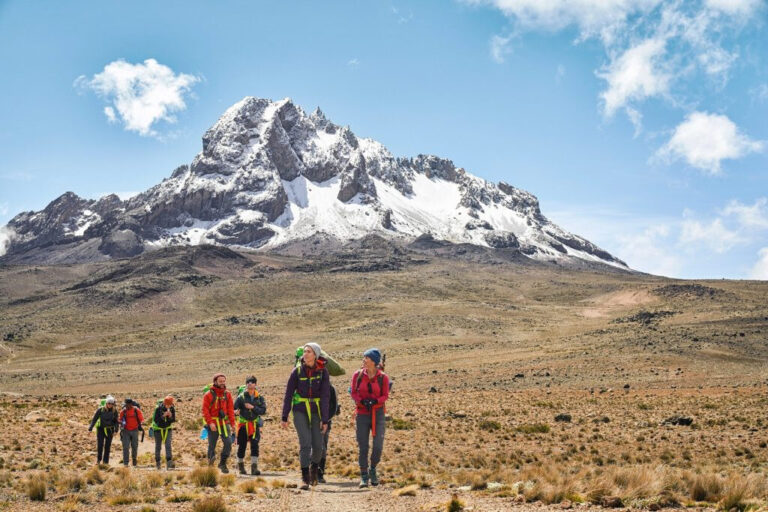
Can A 16-Year-Old Climb Kilimanjaro? Your Essential Guide 2026-2027
Discover if a 16-year-old can summit Kilimanjaro. This comprehensive guide covers age requirements, health, fitness, essential gear, and planning for younger trekkers aiming for Africa's...
View package details
Content For Parents And Young Climbers: Conquering Kilimanjaro Safely
Planning a Kilimanjaro climb with children or as a young climber requires special attention. This guide provides comprehensive content for parents and young adventurers, covering...
View package details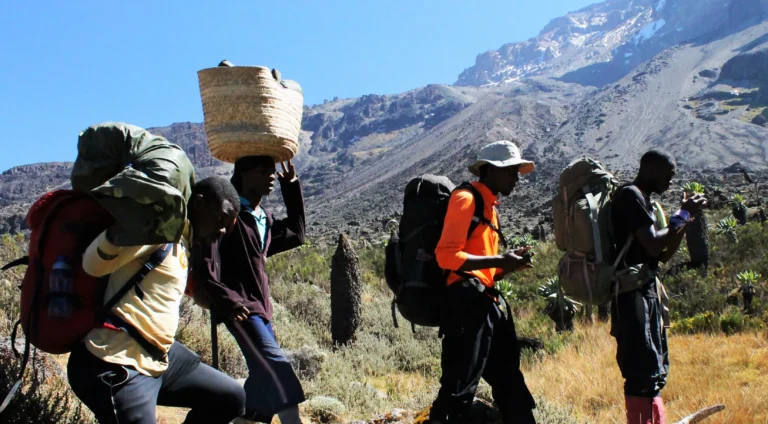
Kilimanjaro Tree-Planting Climbing Package Guide
Combine your dream Kilimanjaro climb with a meaningful conservation effort. Our Kilimanjaro Tree-Planting Climbing Package allows you to ascend Africa's highest peak while actively...
View package details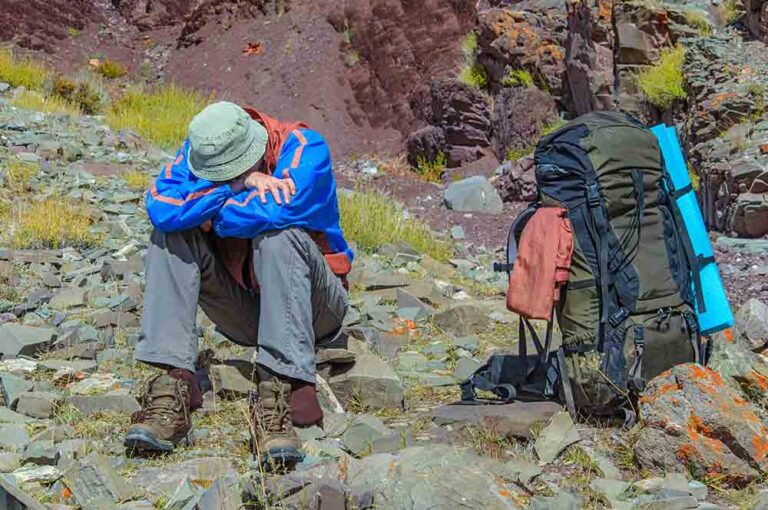
What Happens If It Rains Throughout Your Kilimanjaro Climb? 2026-2027
What Happens If It Rains throughout Your Kilimanjaro Climb? is explained with current 2026-2027 planning, price, itinerary and booking information.
View package details
Kilimanjaro Early-Bird Climbing Discounts For Adventures 2026-2027
Plan your 2026-2027 Kilimanjaro climb and take advantage of early-bird discounts. Top Guide Adventures offers savings for those who book in advance, ensuring a memorable and affordable...
View package details
Kilimanjaro Private Climb Price For One Person: Your Guide 2026-2027
Planning a solo ascent of Mount Kilimanjaro? This guide details the Kilimanjaro private climb price for one person, covering cost factors, inclusions, and essential planning for 2026-2027.
View package detailsNo related package matches those filters. Clear one or more filters to see the other topic-matched options.



