
August Kilimanjaro peak-season prices in 2026 and 2027 typically range from $2,000 to $4,500+ per person for standard 7-8 day treks, depending on the route, operator, inclusions, and group size. This period sees higher costs due to favorable weather conditions, making it a popular choice, which drives up demand for guides, porters, park fees, and accommodation.
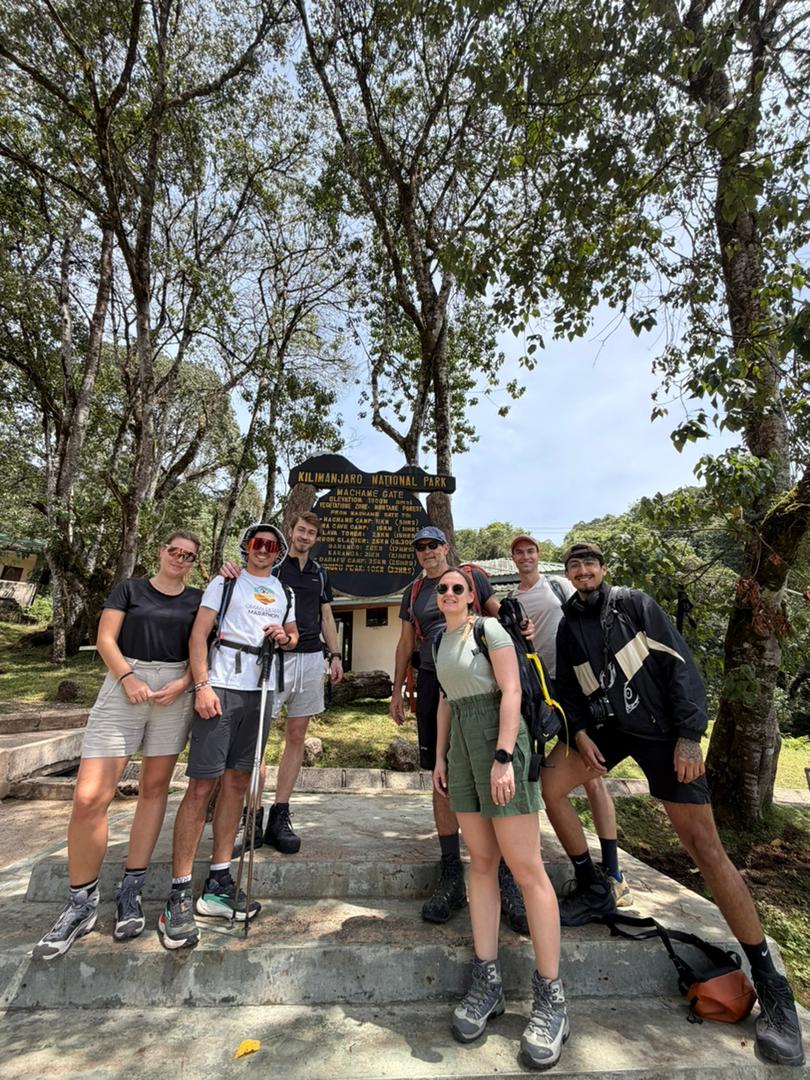
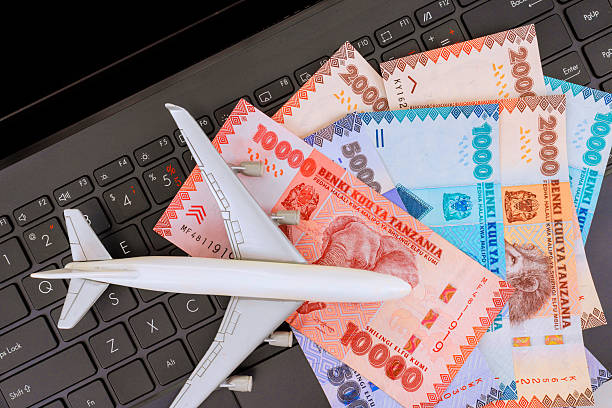
Understanding August Kilimanjaro Peak-Season Prices: What Drives the Cost?
Climbing Mount Kilimanjaro is a significant undertaking, and understanding the pricing structure, especially during the coveted August peak season, is crucial for effective planning. August falls within Kilimanjaro’s dry season, offering clear skies and stable weather, which naturally increases demand. This heightened demand directly impacts the August Kilimanjaro peak-season prices, making it one of the most expensive times to ascend Africa’s highest peak. For travelers planning their expeditions in 2026 and 2027, factoring in these seasonal price adjustments is essential for budgeting and securing a spot with a reputable operator.
The cost of a Kilimanjaro climb isn’t a simple figure; it’s a composite of various essential services and fees. When you look at August Kilimanjaro peak-season prices, you’re essentially paying for a comprehensive package that includes logistical support, safety measures, and access to the national park. These prices are not arbitrary; they reflect the operational realities of running safe and successful expeditions on a high-altitude mountain.
At Top Guide Adventures, we understand that transparency in pricing is paramount. Our aim is to provide you with the most accurate information to help you make an informed decision for your 2026 or 2027 Kilimanjaro adventure. This guide will break down the typical costs associated with an August climb, explore the factors that influence these prices, and offer insights into what you can expect in terms of value and service.
Key Factors Influencing August Kilimanjaro Peak-Season Prices
Several elements converge to determine the final price tag for an August Kilimanjaro trek. Recognizing these factors will help you interpret the quotes you receive and understand why prices can vary significantly between tour operators.
- Route Choice: Longer routes like the Lemosho or Northern Circuit offer higher acclimatization profiles and stunning scenery, but they also require more days and thus higher costs for guides, porters, food, and park fees. Shorter, steeper routes like Marangu or Machame are generally less expensive but may offer lower success rates due to faster ascents.
- Duration of the Climb: As mentioned, longer routes naturally incur higher daily costs. The recommended minimum for a good acclimatization and success rate is 7 days, with 8 days being even better. Climbing for fewer days significantly increases the risk of altitude sickness and failure to reach the summit.
- Operator’s Reputation and Service Level: Established companies with a proven track record of safety, experienced guides, quality equipment, and excellent support staff often charge more. This includes factors like porter welfare, quality of food, and emergency preparedness. Top Guide Adventures prioritizes the well-being of our clients and our crew, which is reflected in our service standards and pricing.
- Inclusions and Exclusions: What’s included in the package can drastically alter the price. Common inclusions are park fees, rescue fees, camping/hut fees, all meals on the mountain, purified water, tents, cooking equipment, guides, porters, and transfers from/to the airport and hotel. Exclusions often include tips for the crew, personal gear, travel insurance, visa fees, and flights. Always scrutinize the inclusions list.
- Group Size: While most operators offer private climbs, shared or group departures can sometimes offer a slightly lower per-person cost. However, the difference might be minimal for Kilimanjaro climbs where the core costs (park fees, guide/porter ratios) are fixed per climber.
- Park Fees and Government Levies: These are non-negotiable costs set by the Tanzanian government. They represent a substantial portion of the total price and are subject to change, though significant hikes are infrequent. For 2026-2027, expect these to remain a major component.
- Logistics and Support: This includes transportation, communication equipment (satellite phones), oxygen systems for emergencies, and the quality of food provided. Higher-quality logistics and safety equipment contribute to higher costs.
Typical Price Ranges for August Kilimanjaro Climbs in 2026-2027
Given the factors above, let’s look at the anticipated price ranges for August Kilimanjaro peak-season prices for the upcoming years. These are estimates, and exact quotes will depend on the specific operator and package details.
Estimated August Kilimanjaro Peak-Season Prices (per person, 7-8 days)
- Budget Operators: $2,000 – $2,500. These packages might have fewer inclusions, use more basic equipment, or have slightly larger group sizes. Service levels and crew welfare might be a concern.
- Mid-Range Operators (Recommended): $2,500 – $3,500. This is where reputable companies like Top Guide Adventures typically fall. You get a good balance of quality service, safety, experienced guides, good food, and reliable equipment. This price range ensures better support and higher success rates.
- Premium/Luxury Operators: $3,500 – $4,500+. These operators offer enhanced services, such as private toilet tents, more comfortable accommodations at the base hotel, potentially higher guide-to-client ratios, and more gourmet meals on the mountain.
Note: These figures often exclude international flights, visa fees, travel insurance, personal climbing gear, and crew tips.
What’s Typically Included in August Kilimanjaro Peak-Season Price Packages?
A comprehensive Kilimanjaro climb package should provide everything you need for a safe and successful trek, with the exception of personal items and pre/post-climb expenses. Understanding these inclusions is key to evaluating the value of the August Kilimanjaro peak-season prices you are quoted.
Standard Inclusions:
- Park Fees: Daily entry fees, camping/hut fees, conservation fees, and forest/rescue fees. These are substantial and mandatory.
- Rescue Fees: Essential for emergency evacuation.
- Experienced Guides: Certified guides trained in wilderness first aid and Kilimanjaro climbing. A good operator ensures a healthy guide-to-client ratio.
- Porters: To carry all group equipment, food, and luggage.
- Cook: To prepare all meals on the mountain.
- All Meals on the Mountain: Breakfast, lunch, and dinner, often including snacks and hot drinks.
- Tents: High-quality, waterproof tents for sleeping and a mess tent for dining.
- Cooking Equipment: Stoves, fuel, pots, utensils, plates, etc.
- Purified Drinking Water: On the mountain.
- Accommodation: Pre- and post-climb accommodation in a comfortable hotel in Moshi or Arusha (usually 2 nights included).
- Ground Transportation: Airport transfers and transfers to/from the mountain gate.
- Briefings: Pre-climb briefings on gear, route, and safety.
- Emergency Equipment: First-aid kits, oxygen cylinders, and sometimes a portable hyperbaric chamber.
Common Exclusions:
- International Flights: To and from Kilimanjaro International Airport (JRO).
- Visa Fees: For Tanzania.
- Travel Insurance: Comprehensive insurance covering high-altitude trekking and emergency evacuation is mandatory.
- Personal Climbing Gear: Such as sleeping bags, trekking poles, warm clothing, boots, etc. (some operators offer rentals).
- Tips for the Crew: This is a customary and significant part of the overall cost, usually paid in cash at the end of the climb.
- Lunches and Dinners in Town: Before and after the climb (unless specified).
- Drinks in Town: Soft drinks, alcoholic beverages.
- Personal Expenses: Souvenirs, laundry, etc.
- Optional: Travel vaccinations.
Comparing Routes and Their Impact on August Prices
The route you choose significantly influences the duration, difficulty, and ultimately, the cost of your Kilimanjaro climb. August’s popularity means that even the less common routes will see increased demand and associated pricing.
Kilimanjaro Routes and Estimated August Peak-Season Price Variations (7-8 Days)
| Route | Typical Duration (Days) | Estimated Price Range (USD pp) | Notes on August Pricing |
|---|---|---|---|
| Marangu (Coca-Cola Route) | 5-6 | $1,800 – $2,800 | Generally the least expensive due to shorter duration and hut accommodation. August prices are still higher than off-season. |
| Machame (Whiskey Route) | 6-7 | $2,200 – $3,500 | Very popular, offering good acclimatization. August pricing is firm. One of the most common choices. |
| Lemosho | 7-8 | $2,500 – $4,000 | Longer, scenic, and excellent for acclimatization. Higher August prices reflect its popularity and duration. |
| Shira | 7-8 | $2,600 – $4,100 | Similar to Lemosho but starts at a higher altitude. August pricing is comparable to Lemosho. |
| Northern Circuit | 8-9 | $2,800 – $4,500+ | Longest route, highest success rate, most scenic. The highest August prices due to its length and premium experience. |
| Rongai | 6-7 | $2,300 – $3,300 | Starts from the north, drier side. Good alternative if Marangu huts are full. August pricing reflects its status as a dry season route. |
*Prices are estimates for 2026-2027 and vary by operator. These figures typically include park fees, guides, porters, food, and basic accommodation.
Budgeting for Crew Tips in August 2026-2027
Crew tips are a significant, often mandatory, part of the total cost of a Kilimanjaro climb. While not always included in the initial quote, they are a vital component of the August Kilimanjaro peak-season prices when considering your overall budget. The Tanzanian government and the Kilimanjaro National Park Authority (KINAPA) have guidelines, and reputable operators ensure their teams are compensated fairly. For 2026 and 2027, these guidelines are expected to remain consistent, but it’s wise to confirm with your operator.
A general guideline for tipping in August 2026-2027 is as follows:
- Lead Guide: $20 – $25 per day
- Assistant Guide(s): $15 – $20 per day per guide
- Cook: $15 – $20 per day
- Porters: $10 – $15 per day per porter
For an 8-day climb, this could add approximately $500 to $800+ per climber to your total expenses. Some operators provide a recommended tipping structure and a sum to be pooled and distributed. Always confirm the tipping policy and recommended amounts with your chosen tour company. Top Guide Adventures believes in fair wages and transparent tipping practices to ensure our dedicated crew is well-rewarded for their hard work.
August Kilimanjaro Peak-Season Prices: Value vs. Cost
When comparing August Kilimanjaro peak-season prices, it’s essential to look beyond the headline number and consider the value offered. The cheapest options are often not the best, especially when safety and success are at stake.
Prioritize Value: Safety, Experience, and Support
- Safety First: A higher price often means better safety protocols, including well-trained guides, reliable emergency equipment (oxygen, first aid), and a responsible operator who prioritizes climber well-being over profit.
- Guide and Porter Quality: Experienced, professional guides significantly increase your chances of reaching the summit and having a positive experience. Well-paid and well-treated porters contribute to a smoother, more enjoyable trek.
- Equipment: High-quality tents, sleeping bags (if rented), and cooking gear make a difference in comfort and protection against the elements.
- Food: Nutritious and tasty meals are vital for energy and morale at altitude.
- Success Rates: While never guaranteed, operators with higher success rates often have better acclimatization strategies, more experienced guides, and better overall logistics.
For 2026-2027, choosing a mid-range operator like Top Guide Adventures often represents the best value, offering a robust combination of safety, comfort, and expertise without the exorbitant price tag of some premium operators.
Booking Your August Kilimanjaro Climb for 2026-2027: When to Book
August is a prime month, and demand for Kilimanjaro climbs during this period is consistently high. To secure your preferred dates and route for an August 2026 or August 2027 climb, booking well in advance is highly recommended.
- Ideal Booking Window: Aim to book at least 6-12 months in advance, especially for peak season months like August. This allows operators to confirm availability, secure permits, and arrange logistics efficiently.
- Last-Minute Bookings: While sometimes possible, last-minute bookings for August can be challenging and may come with higher prices or limited options. It’s best to avoid this if possible.
- Operator Availability: Popular operators, especially those with excellent reputations and high safety standards, fill up quickly during peak seasons.
Proactive booking ensures you get the best choice of dates, routes, and potentially even preferred guides. It also allows you to spread the cost over a longer period.
August Kilimanjaro Peak-Season Prices: Saving Tips (Without Compromising Safety)
While August is peak season and prices are higher, there are still ways to manage your budget effectively without sacrificing the quality of your climb.
Tips for Optimizing Your August Climb Budget:
- Travel with a Group: If you can assemble a group of 4 or more friends or family, you might be eligible for group discounts from some operators.
- Choose a Slightly Longer Route: While seemingly counterintuitive, a 7 or 8-day trek on routes like Lemosho or Machame often has a better acclimatization profile, leading to a higher success rate. A failed summit attempt after spending significant money is a costly outcome. The per-day cost might be lower on longer treks, and the value (success rate) is higher.
- Pack Smartly: Renting some gear (like sleeping bags or trekking poles) can be more economical than buying everything new if you don’t plan on using it frequently. Ensure you know what your operator provides and what you need to rent or buy.
- Compare Inclusions Carefully: Ensure you are comparing apples to apples. Some cheaper packages might exclude critical items like rescue fees or adequate food. Understand what’s in the quote.
- Consider Shoulder Season: If your dates are flexible and August is not a strict requirement, consider late July or early September. These months are still excellent for climbing and might offer slightly lower prices or less crowding, though August remains the prime peak.
- Look for Established Mid-Range Operators: Companies like Top Guide Adventures offer excellent value by providing high-quality service and safety at competitive prices, avoiding the pitfalls of the cheapest operators.
The Role of Guides and Porters in August Climbs
The expertise and dedication of your climbing crew are paramount, especially during the demanding conditions of August. The August Kilimanjaro peak-season prices ensure that you are supported by a professional team.
- Guides: Kilimanjaro guides are highly trained professionals. They possess extensive knowledge of the mountain, altitude sickness symptoms, navigation, and emergency procedures. Their role is to ensure your safety, manage your acclimatization, and guide you towards the summit. A good guide will assess your condition daily and make critical decisions regarding your climb.
- Porters: These individuals are the backbone of the expedition, carrying the bulk of the load – tents, food, cooking gear, and your personal duffel bag (typically up to 15 kg). Their strength and efficiency allow the guides to focus on the climbers. Fair wages and ethical treatment for porters are a hallmark of responsible tour operators.
- Cooks: Preparing nutritious and palatable meals at high altitudes is a skill. Your cook ensures you are well-fed, providing the energy needed for the strenuous days.
Reputable operators invest in their teams, providing fair wages, proper gear, adequate food, and insurance. This commitment is reflected in the quality of service you receive and contributes to the overall cost, ensuring a safer and more positive experience during your August 2026 or 2027 climb.
August Weather Conditions and Their Influence on Pricing
August is firmly within Kilimanjaro’s dry season, which is a primary reason for its status as a peak climbing month and the associated August Kilimanjaro peak-season prices.
- Clear Skies: Expect generally clear days with excellent visibility, offering spectacular views of the surrounding landscape and the summit.
- Cool Temperatures: Daytime temperatures can be pleasant, but nights and early mornings, especially at higher altitudes and on summit night, will be very cold, often dropping well below freezing (down to -10°C or colder).
- Low Precipitation: Rainfall is minimal, making the trails less muddy and slippery, and reducing the risk of weather-related delays.
- Crowding: Because of the favorable weather, August is one of the busiest months on the mountain. This means more trekkers on the trails and at campsites, which can affect the overall experience for some.
The desirability of these conditions makes August a prime time for climbing, driving up demand and, consequently, the prices. Operators need to manage more logistics and potentially higher staffing needs to cater to the increased number of clients.
August Kilimanjaro Peak-Season Prices vs. Other Months
To put August prices into perspective, let’s compare them to other times of the year.
- Peak Season (June – October): This is the most popular period due to dry weather. Prices are generally at their highest. August is at the heart of this season.
- Shoulder Season (Late October – February, excluding Christmas/New Year): The weather is generally good, with chances of rain increasing towards the end of the year and starting again in February. Prices may be slightly lower than peak season.
- Low Season (March – May): This is the main rainy season. While still possible to climb, trails can be muddy, visibility poor, and conditions challenging. Prices are typically at their lowest, but success rates can be impacted by weather.
For 2026-2027, expect August prices to consistently be among the highest, reflecting its status as a premier climbing month.
What to Expect on Summit Night in August
Summit night is the most challenging part of the climb, typically starting around midnight from the last camp (e.g., Kibo Hut on most routes). In August, this means:
- Extreme Cold: Temperatures will be well below freezing, often -10°C to -20°C (14°F to -4°F), with wind chill making it feel even colder. Proper layering and high-quality gear are non-negotiable.
- Clear Skies and Starlight: The advantage of August is the high probability of clear, starry skies. Seeing the stars from such an altitude is an unforgettable experience.
- Crowds on the Trail: Summit night can feel crowded as multiple groups from different routes converge on Stella Point and Uhuru Peak. This is a common characteristic of August climbs.
- Steep and Loose Terrain: The path is often scree and volcanic gravel, making the ascent slow and demanding.
The higher August Kilimanjaro peak-season prices contribute to the resources available for your safety and comfort on this critical night, including guides carrying extra oxygen and monitoring your condition closely.
Post-Climb Considerations and Additional Costs
After successfully descending Kilimanjaro, there are a few additional costs and considerations:
- Accommodation: Most packages include 2 nights in a hotel in Moshi or Arusha. If you wish to extend your stay, additional nights will incur extra charges.
- Tanzania Safari or Zanzibar Trip: Many climbers combine their Kilimanjaro trek with a safari or a beach holiday in Zanzibar. These will have separate costs, which Top Guide Adventures can also assist with.
- Souvenirs: If you wish to purchase local crafts or gifts.
- Meals and Drinks in Town: Beyond what’s included in your hotel stay.
Planning these additions alongside your August Kilimanjaro peak-season prices will give you a complete picture of your trip’s overall budget for 2026-2027.
Choosing Your Tour Operator for August 2026-2027
Selecting the right tour operator is arguably the most critical decision you’ll make. For August Kilimanjaro peak-season prices, ensure you partner with a company that balances cost with quality, safety, and ethical practices.
Why Top Guide Adventures for Your August Climb?
Top Guide Adventures is a leading Tanzanian-owned company committed to providing exceptional experiences. For your August 2026 or 2027 climb, we offer:
- Experienced, Certified Guides: Our guides are highly trained, knowledgeable, and passionate about Kilimanjaro.
- Safety First Approach: We adhere to strict safety protocols, including carrying emergency oxygen and first-aid kits, and ensuring our guides are certified in wilderness first aid.
- Ethical Porter Treatment: We are committed to the fair treatment and welfare of our porters, ensuring they are well-equipped, fed, and paid appropriately.
- Quality Equipment and Food: We use high-quality tents and cooking gear and provide delicious, nutritious meals prepared by our cooks.
- Personalized Attention: As a trusted local operator, we offer dedicated support from initial inquiry through to your successful summit and beyond. We provide tailor-made journeys across Tanzania.
- Competitive Pricing: We offer excellent value, with our mid-range pricing reflecting the quality of service and safety standards you receive. We are transparent about our August Kilimanjaro peak-season prices and what they include.
Let us help you plan an unforgettable Kilimanjaro adventure. For a personalized quote or to discuss your August Kilimanjaro peak-season prices for 2026-2027, please contact us.
WhatsApp: +255616946642
Email: topguideadventures@gmail.com
Backup Email: info@topguideadventures.com
Visit our website for more information on our Kilimanjaro climbs and Tanzania safaris.
Frequently Asked Questions About August Kilimanjaro Peak-Season Prices
Here are some common questions travelers have regarding climbing Kilimanjaro in August and its associated costs for 2026-2027.
What is the average cost for a Kilimanjaro climb in August 2026?
For an 8-day climb during the August peak season in 2026, you can expect prices to range from $2,500 to $4,500+ per person, depending on the route and the operator’s service level. This typically includes park fees, guides, porters, food, and basic accommodation.
Are August Kilimanjaro climbs more expensive than other months?
Yes, August is considered peak season due to favorable weather conditions, making it one of the most popular and expensive times to climb Kilimanjaro. Prices are generally higher than during the low season (rainy months).
What is the best route for acclimatization in August?
The Northern Circuit and Lemosho routes are generally considered the best for acclimatization due to their longer duration and gradual ascent profile. These routes also offer stunning scenery. While popular in August, their length means higher August Kilimanjaro peak-season prices.
Is August a good month to climb Kilimanjaro?
Absolutely. August is one of the best months to climb Kilimanjaro, offering dry weather, clear skies, and excellent visibility. It’s the heart of the dry season, ideal for trekking.
How much should I budget for tips in August 2027?
For an 8-day climb in August 2027, budget approximately $500 to $800+ per person for crew tips. This includes guides, porters, and the cook. It’s customary and essential to tip your hardworking team.
Can I find cheaper Kilimanjaro climbs in August?
While budget operators exist, finding significantly cheaper options for August that maintain high safety and service standards can be challenging. We advise caution with extremely low prices, as they may compromise crew welfare, equipment quality, or safety measures. For reliable August Kilimanjaro peak-season prices, focus on reputable mid-range operators.
Do I need to book my August 2026 climb far in advance?
Yes, for August 2026, booking at least 6-12 months in advance is highly recommended. This ensures availability for your preferred dates and routes, especially with popular operators.
Conclusion: Planning Your August Kilimanjaro Adventure in 2026-2027
Climbing Kilimanjaro in August offers an exceptional experience with its favorable weather conditions, making it a prime choice for trekkers planning their 2026-2027 adventures. Understanding the August Kilimanjaro peak-season prices is key to effective budgeting and preparation. While August commands higher costs due to demand, the investment ensures access to a well-managed, safe, and potentially more successful climb. By carefully considering the route, inclusions, operator reputation, and budgeting for essentials like crew tips, you can plan a memorable journey to the roof of Africa.
Top Guide Adventures is dedicated to providing you with an unparalleled Kilimanjaro climbing experience. We offer transparent pricing, prioritize safety and crew welfare, and ensure that your August trek is both successful and rewarding. We invite you to contact us to discuss your plans for an August 2026 or August 2027 climb. Let us help you make your Kilimanjaro dream a reality.
Get in touch with us today:
WhatsApp: +255616946642
Email: topguideadventures@gmail.com
Backup Email: info@topguideadventures.com
Check Availability for August Kilimanjaro Peak-Season Prices: Understanding Costs And Planning
Ready to compare dates, prices, and the best option for your group? Send the package name and travel month so the team can reply with a clear quote, availability, and what is included.
Busiest Month To Climb Kilimanjaro: Peak Seasons & Planning For 2026-2027
Understanding the busiest month to climb Kilimanjaro is crucial for planning a successful trek. This guide details peak seasons, crowd considerations, and optimal times for your 2026-2027...
View package details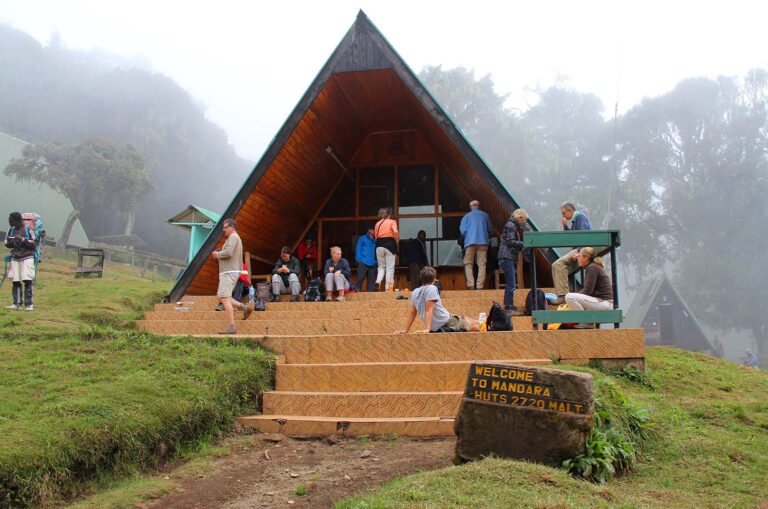
August Vs September: Best Kilimanjaro Summit Month In 2026-2027
Choosing between August and September for your Kilimanjaro climb involves weighing distinct advantages. While both months fall within the dry season, subtle differences in weather patterns...
View package details
July Vs August Kilimanjaro Climbing: The Ultimate Comparison For 2026-2027
Choosing between July and August for your Kilimanjaro climb? This in-depth comparison details weather patterns, crowd levels, route popularity, and essential planning tips for 2026-2027 to...
View package details
Celebrate Your Birthday At Uhuru Peak: An Unforgettable Kilimanjaro Adventure
Mark your special day with an extraordinary achievement by celebrating your birthday at Uhuru Peak, the summit of Mount Kilimanjaro. This guide offers comprehensive planning details for an...
View package details
Driest Month To Climb Kilimanjaro: Your Guide For 2026-2027
The driest months for climbing Kilimanjaro are generally January, February, and June through October. These periods offer the clearest skies and lowest rainfall, ideal for a successful and...
View package details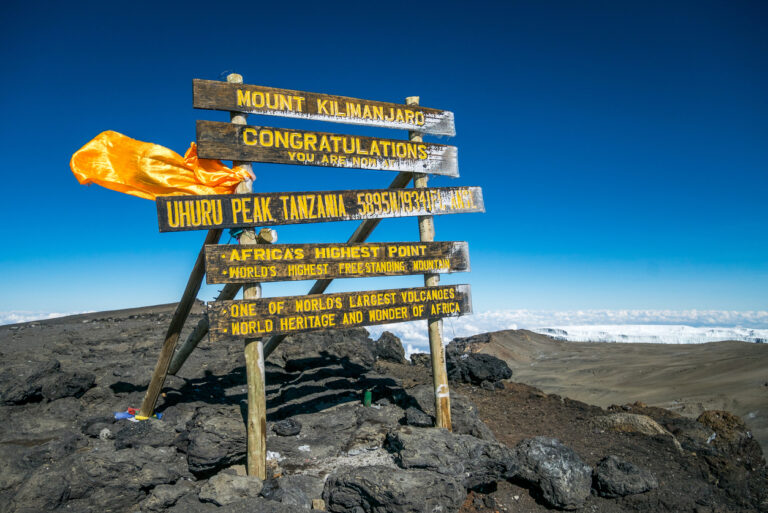
Best Kilimanjaro Month For Low Prices: Saving Money On Your Climb In 2026-2027
Planning a Kilimanjaro climb on a budget? Discover the best months for low prices in 2026-2027, focusing on off-peak seasons and how to maximize savings without compromising your experience.
View package details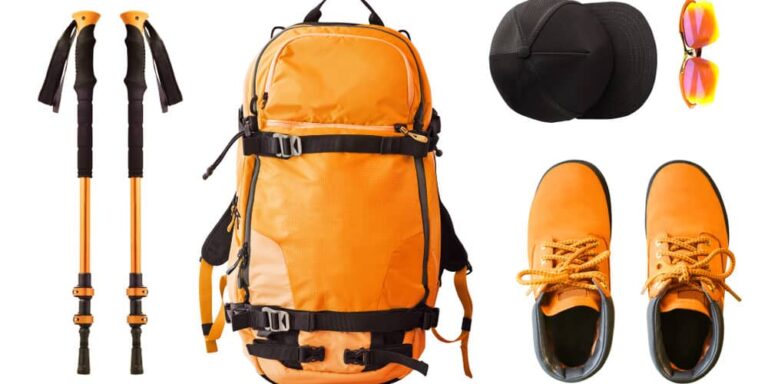
October Vs November Kilimanjaro Rainfall Guide 2026-2027
October vs November Kilimanjaro Rainfall Guide is explained with current 2026-2027 planning, price, itinerary and booking information.
View package details
September Vs October Kilimanjaro Weather Comparison 2026-2027
September vs October Kilimanjaro Weather Comparison is explained with current 2026-2027 planning, price, itinerary and booking information.
View package details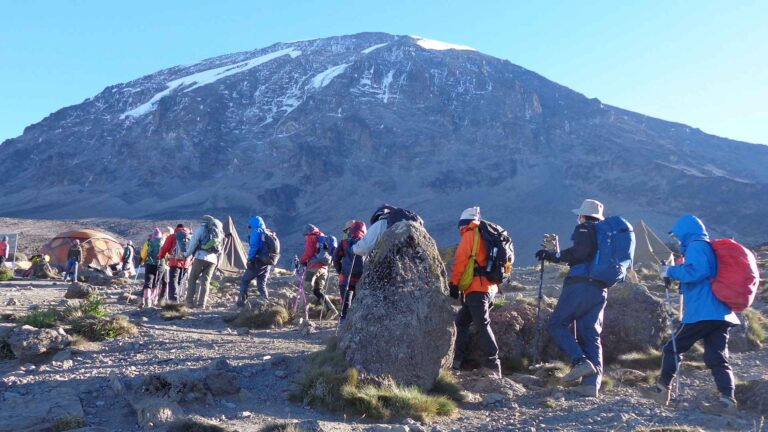
June Vs July Kilimanjaro Weather And Crowds 2026-2027
June vs July Kilimanjaro Weather and Crowds is explained with current 2026-2027 planning, price, itinerary and booking information.
View package details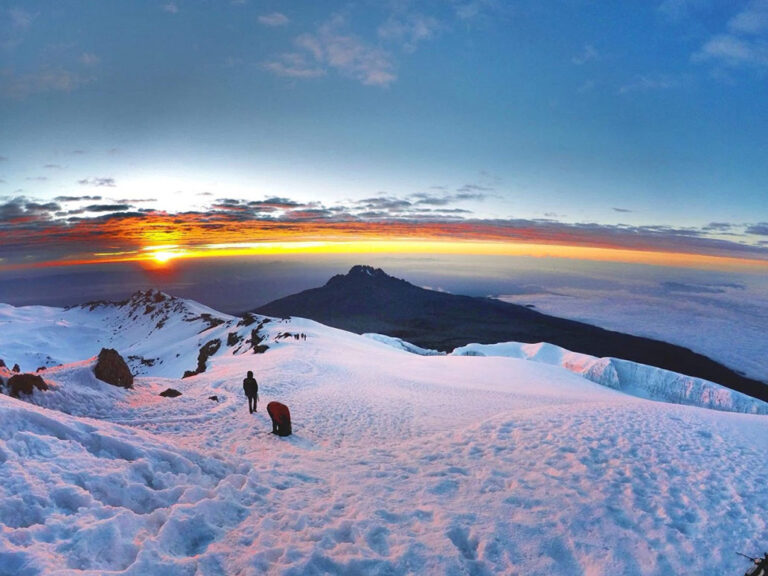
How To Sleep Warm In A Kilimanjaro Tent 2026-2027
How to Sleep Warm in a Kilimanjaro Tent is explained with current 2026-2027 planning, price, itinerary and booking information.
View package details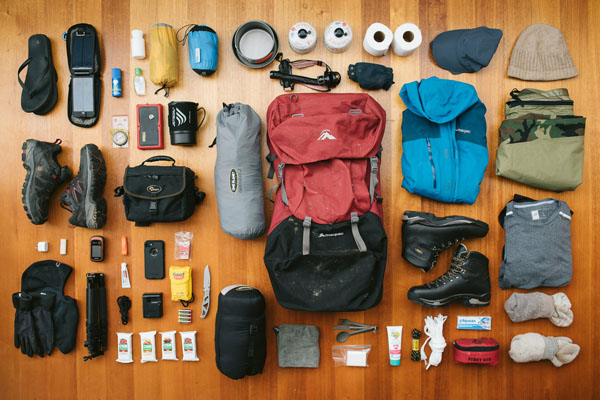
How Do You Sleep On Mount Kilimanjaro? 2026-2027
How Do You Sleep on Mount Kilimanjaro? is explained with current 2026-2027 planning, price, itinerary and booking information.
View package detailsSleep, Hygiene, And Comfort On Kilimanjaro: Your Essential Guide 2026-2027
Climbing Kilimanjaro requires careful planning for sleep, hygiene, and comfort. This comprehensive guide from Top Guide Adventures offers practical advice to ensure a more enjoyable and...
View package detailsNo related package matches those filters. Clear one or more filters to see the other topic-matched options.



