
Climbing Kilimanjaro in October generally offers clearer skies and less rainfall than November, as October marks the end of the short rainy season and the transition into the dry season, while November is typically the start of the short rainy season, meaning more frequent, though usually brief, downpours and cloud cover.
Understanding Kilimanjaro’s Climate Seasons
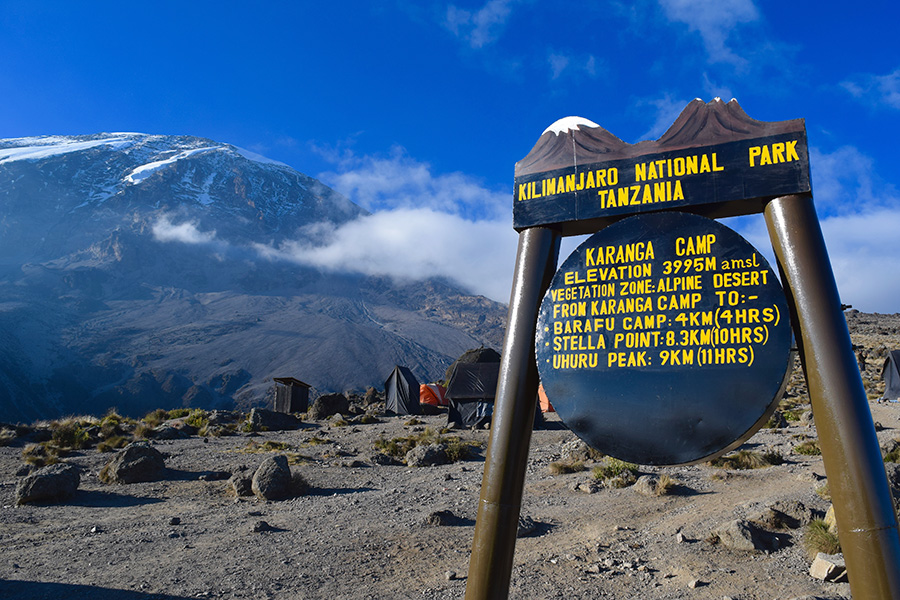
Mount Kilimanjaro, a majestic stratovolcano located in Tanzania, boasts a unique microclimate that changes dramatically with altitude. While often perceived as a single monolithic entity, its weather patterns are influenced by distinct seasons, each presenting its own set of advantages and challenges for trekkers. For those planning a climb, particularly around the shoulder months of October and November, understanding these nuances is crucial for a successful and enjoyable expedition. This guide focuses on the critical differences in rainfall and weather between October vs November Kilimanjaro rainfall, helping you choose the optimal time for your 2026-2027 adventure.
Kilimanjaro experiences two main rainy seasons and two dry seasons throughout the year. The long rainy season typically runs from March to May, while the short rainy season occurs from November to early December. The primary dry season is from June to October, and a secondary, shorter dry season falls between late December and February. The transition periods, such as late October and early November, are where the most variability occurs, making a direct comparison essential.
When considering October vs November Kilimanjaro rainfall, it’s important to remember that while we can identify general trends, mountain weather is inherently unpredictable. Factors like El Niño or La Niña can influence rainfall patterns, and microclimates on different routes can vary. However, by examining historical data and typical weather models for 2026-2027, we can provide a robust guide.
October on Kilimanjaro: The Transition to Dry Season
October is often considered a prime month for climbing Kilimanjaro. It sits at the tail end of the short rainy season and the beginning of the longer, more reliable dry season. This transitional period typically brings a welcome decrease in precipitation compared to the preceding months, offering a good balance of manageable weather and fewer crowds than the peak dry season.
Rainfall Patterns in October
During October, rainfall tends to be less frequent and less intense than in November. While you can still expect some showers, they are generally shorter-lived and often occur in the late afternoon or overnight. The mornings are typically clear, providing excellent visibility for trekking and stunning sunrise views. The precipitation that does fall is often a precursor to the drier conditions that are firmly established by the end of the month and into November. The average rainfall figures for Kilimanjaro in October suggest a significant drop from the short rains, making it a favorable choice for trekkers concerned about getting caught in prolonged downpours.
Temperature and Conditions in October
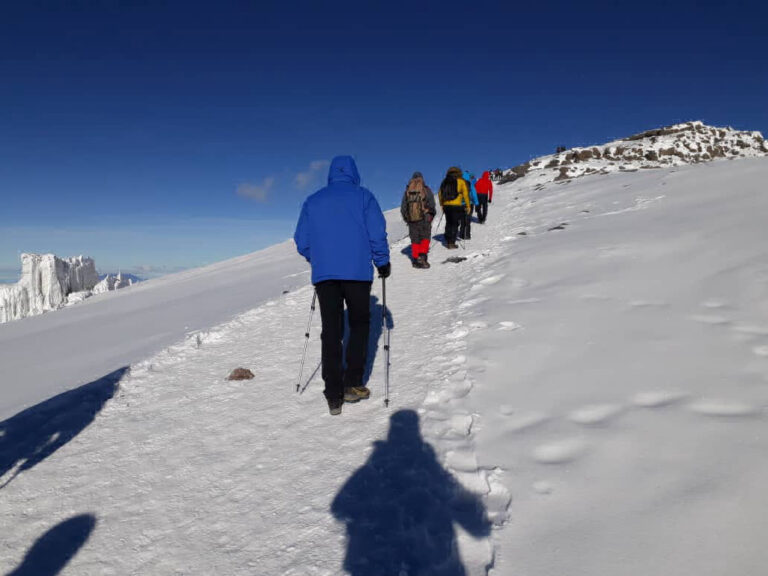
Temperatures on Kilimanjaro vary significantly with altitude. In October, the lower slopes can still be quite warm, especially during the day. As you ascend, temperatures drop considerably. On summit night, expect sub-zero temperatures, often ranging from -5°C to -15°C (23°F to 5°F), with wind chill making it feel even colder. The decreasing rainfall in October means that the trails are generally in good condition, though some muddy sections may persist, particularly on the lower, more forested parts of the mountain. Visibility is usually good, offering spectacular panoramic views of the surrounding plains and clouds below.
Pros of Climbing in October
- Decreasing Rainfall: October is a transition month, meaning the short rains are subsiding, leading to fewer and shorter rain showers.
- Good Visibility: Generally clearer skies lead to excellent photographic opportunities and impressive views.
- Fewer Crowds: While popular, October typically sees fewer trekkers than the peak dry season months of July-September and December-February.
- Lush Scenery: The mountain remains green and vibrant from the recent rains, offering a beautiful landscape.
Cons of Climbing in October
- Lingering Rain: While decreasing, there’s still a possibility of encountering rain, especially earlier in the month.
- Variable Weather: As a transitional month, weather can be less predictable than in the heart of the dry seasons.
November on Kilimanjaro: The Onset of Short Rains
November marks the beginning of Kilimanjaro’s short rainy season. This means that trekkers should be prepared for a higher likelihood of encountering precipitation. However, it’s crucial to understand that the ‘rainy season’ on Kilimanjaro doesn’t typically mean continuous, all-day downpours like in some other tropical regions. Instead, it often involves afternoon showers, thunderstorms, or overnight rain, interspersed with periods of clear weather.
Rainfall Patterns in November
November sees a noticeable increase in rainfall compared to October. The short rains begin to establish themselves, bringing more frequent showers, particularly in the afternoons. These can range from light drizzles to heavier downpours, and sometimes thunderstorms. Despite the increased chance of rain, many days still offer periods of sunshine and clear skies, especially in the mornings. The average rainfall data for November indicates a step up from October, positioning it as a month where rain gear and waterproofs are essential. For those weighing October vs November Kilimanjaro rainfall, November is the month where preparedness for wet conditions becomes paramount.
Temperature and Conditions in November
Temperatures in November are similar to October, with significant variations based on altitude. The lower, forested zones can be warm and humid, especially when it’s not raining. As you climb higher, temperatures will drop, reaching freezing point or below on summit night. The primary concern for November climbers, beyond rainfall, is the potential for cloud cover to obscure views. While summit success rates remain high, the visual experience might be different due to mist and clouds. The trails can become muddier and potentially more challenging due to the increased moisture, especially on the lower sections.
Pros of Climbing in November
- Potentially Fewer Crowds: November can sometimes be less crowded than the peak seasons, offering a more solitary trekking experience.
- Lush Greenery: The mountain’s vegetation is at its most vibrant, nourished by the incoming rains.
- Manageable Showers: Rain is often in the form of afternoon or evening showers, not constant downpours.
Cons of Climbing in November
- Increased Rainfall: November is the start of the short rainy season, with a higher probability of encountering rain.
- Cloud Cover: Increased cloudiness can obscure views and make summit attempts feel more challenging visually.
- Muddy Trails: Trails can become muddy and slippery, requiring careful footing.
Direct Comparison: October vs November Kilimanjaro Rainfall
When directly comparing October vs November Kilimanjaro rainfall, the key takeaway is that October generally offers drier conditions than November. October represents the tail end of the short rains, transitioning into the dry season, while November marks the beginning of these short rains.
Here’s a breakdown of the key differences:
Rainfall Frequency and Intensity
October: Decreasing rainfall. Showers are typically shorter, less frequent, and often occur in the afternoon or overnight. Mornings are usually clear.
November: Increasing rainfall. More frequent showers, which can be heavier and last longer, often occurring in the afternoons. Thunderstorms are more common.
Trail Conditions
October: Trails are generally in good condition, with some potentially muddy sections on lower slopes. Less risk of significant waterlogging.
November: Trails can become muddier and more slippery due to consistent rainfall, particularly on forest paths.
Visibility and Views
October: Typically offers better visibility and clearer skies, leading to more expansive views and better photographic opportunities.
November: More prone to cloud cover and mist, which can obscure views, especially at higher altitudes. Mornings often provide the best chances for clear vistas.
Temperature
October & November: Temperatures are broadly similar, with significant drops at higher altitudes and on summit night. Both months will see sub-zero temperatures on the summit. Lower slopes remain relatively warm.
In summary for 2026-2027 planning: If your primary concern is minimizing the risk of rain and maximizing chances for clear views, October is generally the preferred month. If you are willing to accept a higher probability of rain in exchange for potentially fewer crowds or vibrant greenery, and you are well-prepared with waterproof gear, November can still be a viable option.
Impact on Trekking Routes
Kilimanjaro has several trekking routes, each with its own characteristics, and the weather in October vs November can affect them differently. While the fundamental weather patterns hold true across the mountain, the impact of rain might be more noticeable on certain trails.
Marangu Route (Coca-Cola Route)
The Marangu route, known for its huts rather than camping, is often considered the easiest and shortest. In October, the path is generally well-maintained. In November, sections, especially through the rainforest, can become muddy. The huts offer shelter, mitigating the impact of rain on accommodation, but trekking between camps can still be wet.
Machame Route (Whiskey Route)
The Machame route is one of the most popular camping routes. Its diverse terrain, including steep ascents and descents, can become challenging in wet conditions. October usually presents fewer slippery sections. In November, the descent, particularly the scree slopes, can become very slick after rain, requiring careful trekking. The camping experience in November means being fully prepared for rain at campsites.
Lemosho Route
Lemosho is a longer, more scenic route. Its higher starting point means trekkers reach alpine zones earlier. In October, the initial rainforest sections are manageable. November’s rain can make the entire trek, from the forest to the moorland and alpine desert, more challenging. However, the longer duration of Lemosho means acclimatization is usually excellent, which can help overcome weather challenges.
Shira Route
Similar to Lemosho, Shira is a high-altitude route. The terrain can be exposed. October often offers more stable weather for navigating these exposed sections. November’s increased rain and potential for fog could make navigation and visibility more difficult on the Shira plateau.
Rongai Route
Rongai approaches from the north, a drier side of the mountain. It’s often recommended for the drier season. In October, it typically remains relatively dry. In November, while still potentially drier than southern routes, it will still experience increased rainfall compared to its peak dry season conditions.
Northern Circuit and Mweka Route
The Northern Circuit, the longest route, offers a more comprehensive experience. The Mweka route is primarily used for descent. In both October and November, the Mweka descent can become very slippery and muddy, especially the sections through the rainforest. The longer duration of the Northern Circuit in November means trekkers need to be exceptionally well-prepared for varied weather conditions across many days.
Preparing for October vs November Kilimanjaro Rainfall
Regardless of whether you choose October or November for your Kilimanjaro climb in 2026-2027, proper preparation is key. Understanding the specific challenges of each month, especially concerning rainfall, will allow you to pack appropriately and mentally prepare.
Essential Gear for Rainy Conditions
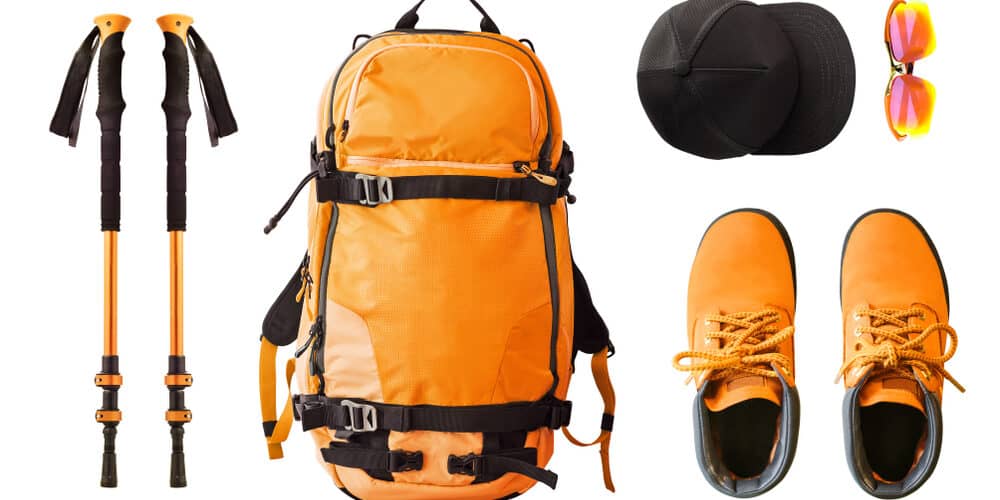
For both months, but especially for November, high-quality waterproof gear is non-negotiable. This includes:
- Waterproof and Breathable Jacket: A good quality shell jacket with taped seams is essential.
- Waterproof Trousers: Full-length waterproof trousers that can be put on over hiking pants.
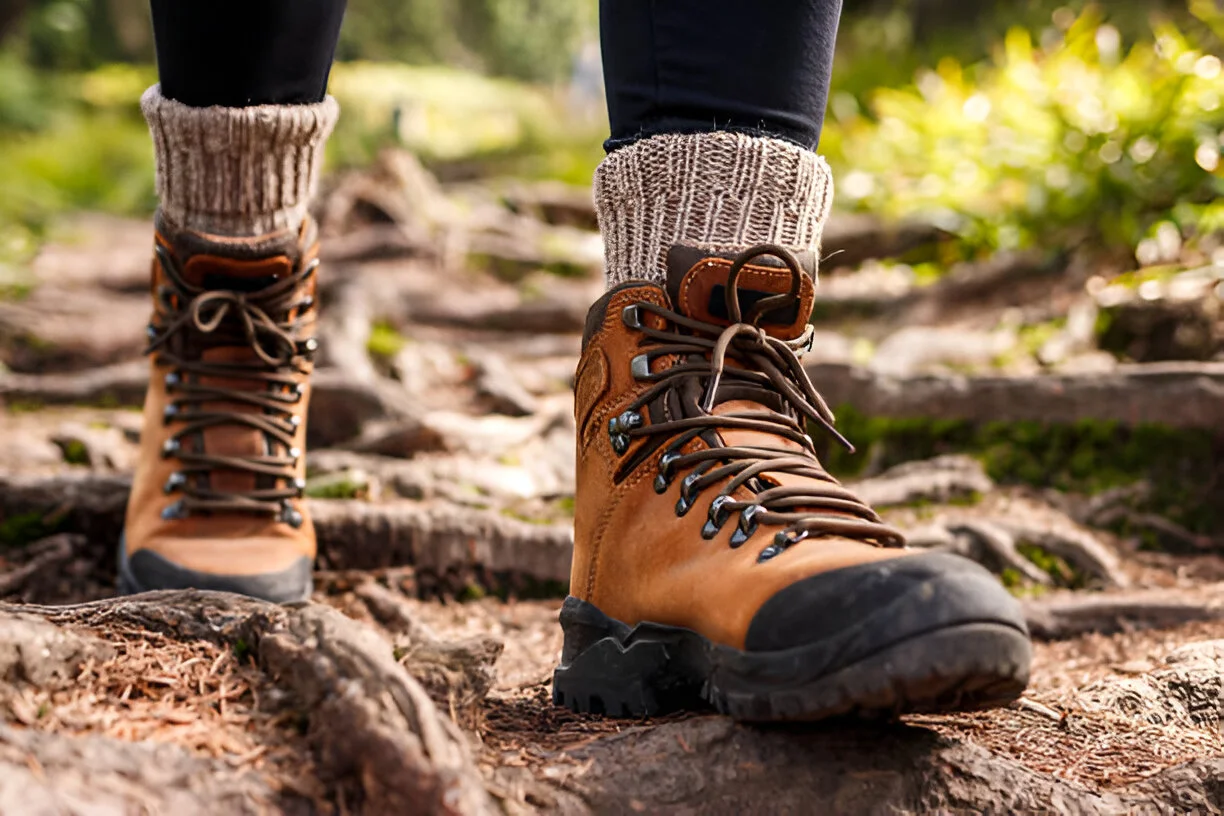
- Waterproof Hiking Boots: Ensure they are well broken-in and waterproof.
- Gaiters: These prevent water and mud from entering your boots from the top.
- Waterproof Backpack Cover: To protect your gear inside your daypack.
- Dry Bags: For storing electronics, clothing, and other essentials inside your main duffel bag.
Layering System
A good layering system is crucial for managing temperature changes and moisture. This typically includes:
- Base Layers: Moisture-wicking (merino wool or synthetic).
- Mid Layers: Insulating (fleece or down jacket).
- Outer Layer: Waterproof and windproof shell.
Footwear and Trekking Poles
Well-worn, waterproof hiking boots are essential. Consider bringing waterproof socks as an extra precaution. Trekking poles are highly recommended for both months, but particularly in November, as they significantly improve stability on slippery descents and ascents, reducing the risk of falls.
Hydration and Nutrition
Staying hydrated is vital, even in cooler, wetter conditions. Dehydration can exacerbate altitude sickness. Ensure you have a reliable water purification method or bring enough purification tablets. Proper nutrition fuels your body for the demanding trek. Pack high-energy snacks.
Choosing Your Expedition Company for 2026-2027
The expertise of your tour operator significantly impacts your Kilimanjaro experience, especially when climbing during transitional months like October and November. A reputable company will provide experienced guides who understand mountain weather, ensure you have appropriate safety equipment, and offer comprehensive packing lists tailored to the season.
At Top Guide Adventures, we pride ourselves on offering complete travel experiences across Tanzania, with personal attention, care, and dedicated support for every client. We organize Kilimanjaro climbs using various routes, ensuring our clients are well-prepared for the conditions they might face.
Why Choose Top Guide Adventures for October or November Climbs?
- Experienced Guides: Our guides are highly trained, possess extensive knowledge of Kilimanjaro’s weather patterns, and are certified in first aid and mountain rescue. They know how to navigate changing conditions safely.
- Quality Equipment: We provide high-quality tents, sleeping bags, and ensure our porters and guides have the necessary gear to operate safely and effectively, even in wet weather.
- Safety First Approach: Client safety is our utmost priority. We carry comprehensive medical kits and have established protocols for emergencies.
- Tailored Itineraries: We can help you choose the best route based on your preferences and the time of year, ensuring you have the optimal acclimatization schedule.
- Comprehensive Briefings: We provide detailed pre-climb briefings, including packing lists and advice on managing weather, ensuring you are fully prepared for the October vs November Kilimanjaro rainfall differences.
For inquiries about climbing Kilimanjaro in 2026-2027, or to discuss the best time for your expedition, please feel free to contact us.
Ready to plan your Kilimanjaro climb for 2026 or 2027? Let Top Guide Adventures guide you. Our expert team ensures your safety and comfort, no matter the season. We can help you navigate the nuances of October vs November Kilimanjaro rainfall and choose the perfect route and dates for your unforgettable adventure.
Contact us today:
- WhatsApp: +255616946642
- Email: topguideadventures@gmail.com
- Backup Email: info@topguideadventures.com
Visit our website for more information on our Kilimanjaro climbs and Tanzania safaris.
Weather Beyond Rainfall: Other Factors to Consider
While rainfall is a primary concern when comparing October vs November Kilimanjaro rainfall, other weather elements also play a significant role in the trekking experience. Understanding these can further refine your decision for a 2026-2027 climb.
Wind Conditions
Wind chill is a major factor on Kilimanjaro, especially at higher altitudes and on summit night. Both October and November can experience strong winds. However, increased cloud cover in November might sometimes be associated with more turbulent weather systems, potentially leading to stronger gusts. Conversely, clear, crisp October days can still be windy. Proper windproof outer layers are essential for both months.
Temperature Fluctuations
As mentioned, temperatures vary drastically with altitude. In October, the transition towards drier, potentially cooler air might be felt. November’s increased humidity from rain can make the air feel damp and cool, even when temperatures are not significantly lower. The key is consistent temperature management through layering. Summit night temperatures will be extremely cold in both months, typically well below freezing.
Cloud Cover and Fog
November, being part of the short rainy season, generally experiences more cloud cover and fog than October. This can significantly impact views, especially on the upper slopes and during the summit ascent. While October usually offers clearer skies, it’s not immune to cloud formations, particularly in the afternoons. Fog can reduce visibility, making the trail feel more isolated and potentially disorienting if not properly guided.
Sunshine Hours
October, with its decreasing rainfall and transition to dry season, generally offers more consistent sunshine hours, particularly in the mornings. These sunny periods can be invigorating and provide excellent conditions for trekking. November, while still having sunny spells, is more prone to cloud cover, meaning fewer predictable hours of direct sunlight, especially as the day progresses.
Crowd Levels in October vs November
Crowd levels are another important consideration for many trekkers planning their Kilimanjaro expedition for 2026-2027. Both October and November fall outside the absolute peak seasons of July-September and December-February, but there are subtle differences.
October: This month is often a sweet spot. It follows the main dry season (July-September) and precedes the December holidays. While still popular, it generally sees fewer trekkers than the preceding months. This offers a good balance of favorable weather and a less crowded mountain experience.
November: As the start of the short rainy season, November tends to be less popular than October. This can mean even fewer trekkers on the mountain, offering a more solitary and perhaps more “wild” experience. However, the increased chance of rain and potentially poorer visibility might deter some trekkers, contributing to lower numbers.
If you prefer a quieter mountain and don’t mind the increased possibility of rain, November could be ideal. If you prioritize drier conditions and slightly better visibility while still avoiding the largest crowds, October is likely the better choice.
Summit Success Rates in October vs November
Summit success rates on Kilimanjaro are influenced by many factors, including route choice, duration, acclimatization, fitness, and weather. While direct statistics correlating specific months with success rates can be hard to isolate definitively, general weather patterns provide insight.
October: With generally clearer skies and less precipitation, October often provides more favorable conditions for summit attempts. Better visibility can aid navigation, and less challenging trail conditions can conserve energy. The transition to dry season means more predictable weather windows for the summit push.
November: The increased rainfall and cloud cover in November can present additional challenges. Muddy trails can slow progress and increase the risk of slips. Reduced visibility might make the already demanding summit night feel more daunting. However, successful summit attempts are still very common in November. Trekkers who are well-prepared for wet and potentially foggy conditions, and who have followed a good acclimatization schedule, can still achieve their goal.
It’s important to remember that success is primarily determined by acclimatization and preparation, rather than solely by the month of ascent. A well-planned expedition with a reputable operator like Top Guide Adventures, regardless of whether it’s in October or November, will maximize your chances of reaching the summit.
Cost Considerations for October vs November Climbs
When planning a Kilimanjaro climb for 2026-2027, cost is often a significant factor. Generally, the cost of climbing Kilimanjaro is determined more by the route, duration, operator, and inclusions rather than the specific month of ascent, especially for October and November which fall outside the absolute peak seasons.
However, there can be some subtle influences:
- Operator Pricing: Most reputable operators like Top Guide Adventures will have consistent pricing for different routes and durations, with only minor seasonal adjustments, if any. The quality of service, safety standards, and equipment are paramount and should not be compromised for marginal cost savings.
- Flight Prices: International flight prices to Kilimanjaro International Airport (JRO) can fluctuate based on demand. While October and November are not peak travel times, booking flights well in advance is always recommended for the best rates.
- Permit Fees: Kilimanjaro National Park permit fees are fixed and do not typically vary by month.
In the context of 2026-2027: You are unlikely to find significant price differences between climbing in October versus November based purely on the month. Focus on choosing a high-quality operator that prioritizes safety and provides excellent support. The investment in a well-managed climb is far more important than trying to save a small amount by choosing a slightly less favorable weather month.
Top Guide Adventures offers competitive pricing for all its Kilimanjaro expeditions, reflecting the quality of service, safety measures, and experienced crew provided. We ensure transparency in our pricing, with clear inclusions and exclusions. For a detailed quote tailored to your 2026-2027 climb, please reach out to us.
Making Your Final Decision for 2026-2027
Deciding between an October or November climb for Kilimanjaro hinges on your personal priorities and tolerance for weather variability. Both months offer unique advantages and challenges, and a successful climb is achievable in either.
Choose October if:
- Minimizing rainfall is your top priority.
- You value clearer skies and better panoramic views.
- You prefer slightly fewer crowds than the peak dry season but still want generally good weather.
- You are comfortable with the possibility of occasional short showers.
Choose November if:
- You don’t mind a higher chance of rain and are well-prepared with waterproof gear.
- You are seeking a potentially quieter mountain experience with fewer trekkers.
- You appreciate the vibrant, lush scenery that follows recent rainfall.
- You are confident in your ability to manage trekking in potentially muddier conditions.
Ultimately, the October vs November Kilimanjaro rainfall comparison shows October as the drier month. However, with thorough preparation, the right gear, and an experienced guide company like Top Guide Adventures, both months can offer a rewarding and successful Kilimanjaro experience for your 2026-2027 adventure.
Frequently Asked Questions about October vs November Kilimanjaro Climbs
Is October or November better for Kilimanjaro?
October is generally considered better if minimizing rainfall and maximizing clear views are your priorities, as it marks the transition from the short rains to the dry season. November is the beginning of the short rainy season, meaning more frequent rain showers are likely, though often not continuous.
What is the weather like on Kilimanjaro in October?
In October, Kilimanjaro experiences decreasing rainfall as it moves towards the dry season. Mornings are typically clear with good visibility, though afternoon showers can occur. Temperatures vary significantly with altitude, becoming very cold on summit night.
What is the weather like on Kilimanjaro in November?
November marks the start of Kilimanjaro’s short rainy season. Expect more frequent rain showers, often in the afternoons, and increased cloud cover. Temperatures are similar to October, with extreme cold at the summit. Trails can become muddier.
Will it rain a lot if I climb Kilimanjaro in November?
While November is part of the short rainy season, it doesn’t typically mean all-day downpours. You should expect more frequent showers than in October, often in the afternoon or evening, but there will still be periods of sunshine and clear weather. Being prepared with waterproof gear is essential.
Are Kilimanjaro summit success rates lower in November?
Summit success rates are influenced by many factors, primarily acclimatization and preparation. While November’s wetter conditions and potential for reduced visibility might present slightly more challenges, successful ascents are still very common. Proper preparation with a good operator like Top Guide Adventures is key.
Which route is best for October or November?
All routes can be climbed in October and November. The Machame, Lemosho, and Northern Circuit routes offer better acclimatization profiles. If rain is a major concern, the Rongai route, approaching from the north, is sometimes considered slightly drier, but all routes will experience increased rain in November. The choice of route should primarily be based on desired scenery, duration, and acclimatization, rather than solely on the month.
What should I pack for a Kilimanjaro climb in October or November?
Essential packing includes waterproof and breathable outer layers (jacket and trousers), waterproof hiking boots, gaiters, warm mid-layers (fleece, down jacket), thermal base layers, a warm hat and gloves, sunscreen, sunglasses, and a good quality sleeping bag. Trekking poles are highly recommended. For November, ensuring all gear is waterproof and having dry bags for electronics and clothing is especially important.
Plan Your 2026-2027 Kilimanjaro Adventure with Top Guide Adventures
Navigating the subtle differences between October vs November Kilimanjaro rainfall is key to planning a successful trek. Whether you choose the potentially drier conditions of October or the more vibrant, albeit wetter, landscape of November, Top Guide Adventures is here to ensure your climb is safe, memorable, and well-supported. Our team of experts is dedicated to providing a personalized experience, from route selection and gear advice to expert guiding on the mountain.
Don’t leave your dream climb to chance. Contact us to discuss your ideal 2026-2027 Kilimanjaro expedition:
- WhatsApp: +255616946642
- Email: topguideadventures@gmail.com
- Backup Email: info@topguideadventures.com
Explore our Machame Route departures or view our group safari tours for inspiration.
”
}
“`
Check Availability for October Vs November Kilimanjaro Rainfall Guide 2026-2027
Ready to compare dates, prices, and the best option for your group? Send the package name and travel month so the team can reply with a clear quote, availability, and what is included.
November Vs December Kilimanjaro Climbing Conditions Guide
Choosing between November and December for your Kilimanjaro climb? This guide details the distinct conditions, weather patterns, crowd levels, and cost considerations for each month...
View package details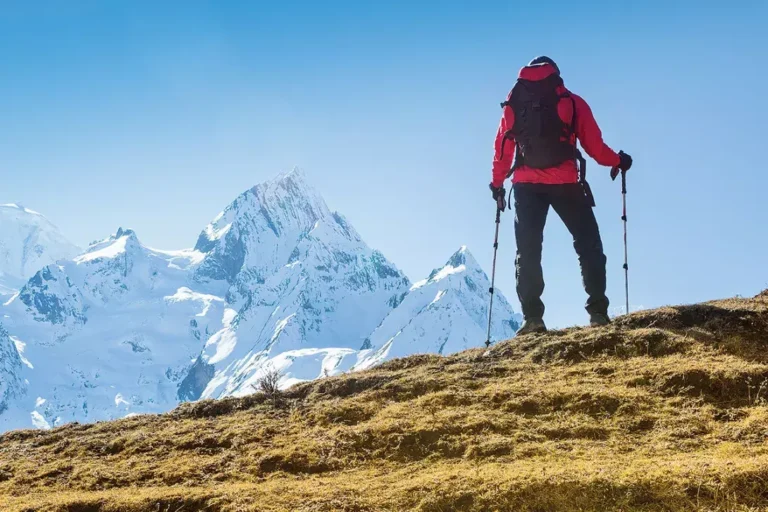
September Vs October Kilimanjaro Weather Comparison 2026-2027
September vs October Kilimanjaro Weather Comparison is explained with current 2026-2027 planning, price, itinerary and booking information.
View package details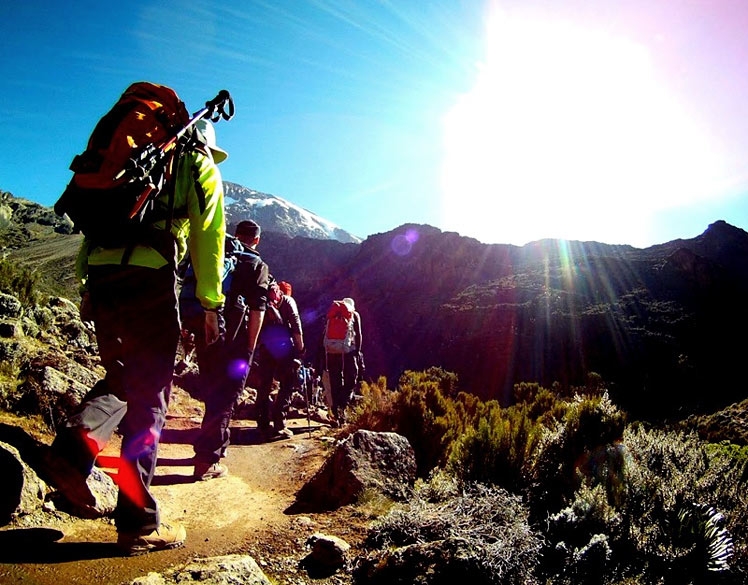
May Vs June: When Should You Climb Kilimanjaro? 2026-2027
Choosing between May and June for your Kilimanjaro ascent? This in-depth guide compares the two months, helping you pick the optimal time for your trek based on weather patterns, crowd...
View package details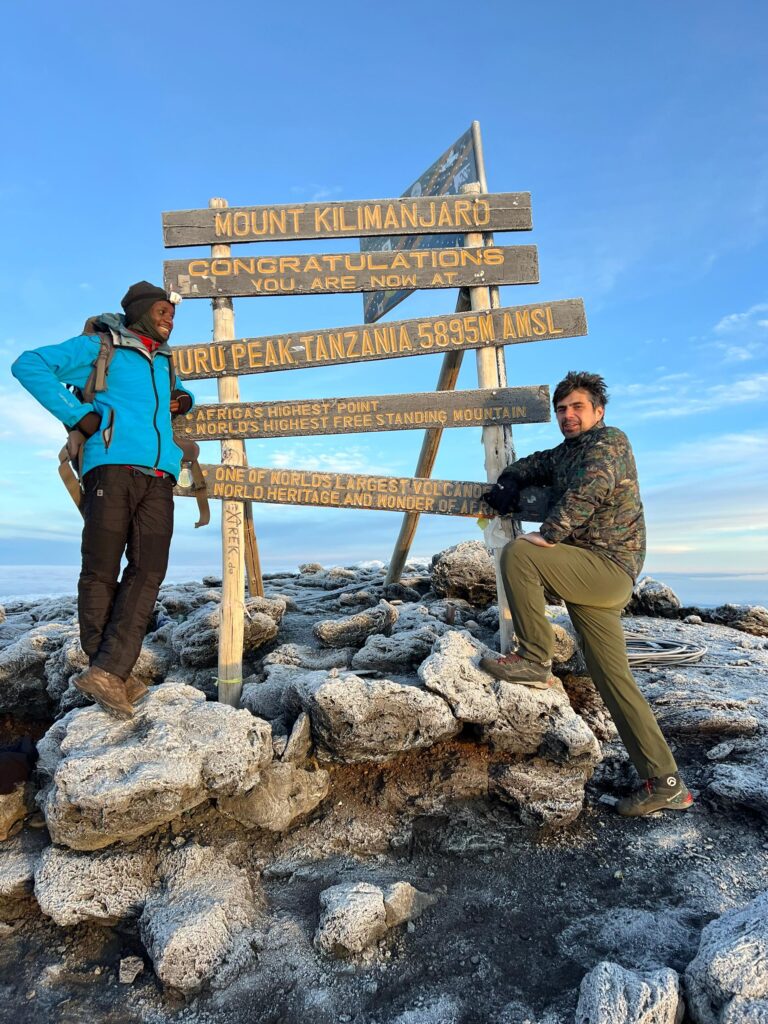
November Kilimanjaro Acclimatization-Focused Trek Guide
Discover essential strategies for a successful November Kilimanjaro climb, emphasizing acclimatization. This guide covers route selection, preparation, and what to expect during the...
View package details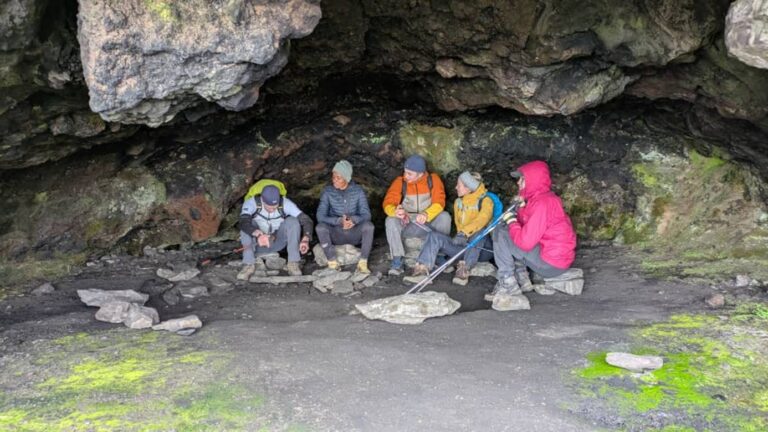
November Kilimanjaro Photography In The Short Rains: Your Ultimate Guide
Discover the unique photographic opportunities of climbing Kilimanjaro in November during the Short Rains. This guide covers optimal light, dramatic skies, vibrant landscapes, and essential...
View package details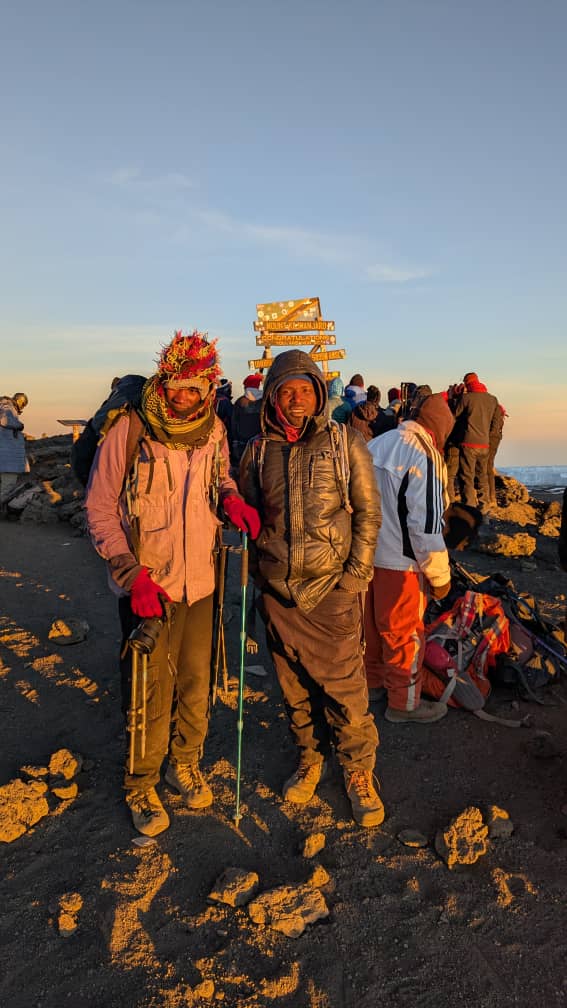
December Kilimanjaro Packing Checklist: Essential Gear For Climbs 2026-2027
Prepare for your December Kilimanjaro climb with our comprehensive packing checklist. This guide covers essential gear, clothing, and tips for conquering Africa's highest peak in the dry...
View package details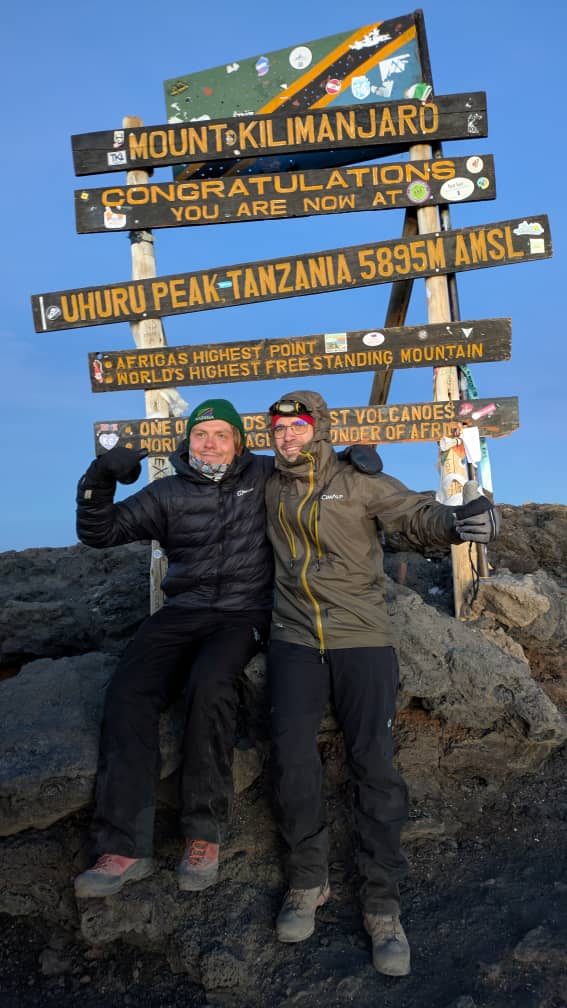
November Kilimanjaro Climb With Flexible Dates: Your Guide 2026-2027
Climbing Kilimanjaro in November offers a unique experience with fewer crowds and stunning landscapes. This guide provides detailed information on flexible date options for your 2026-2027...
View package details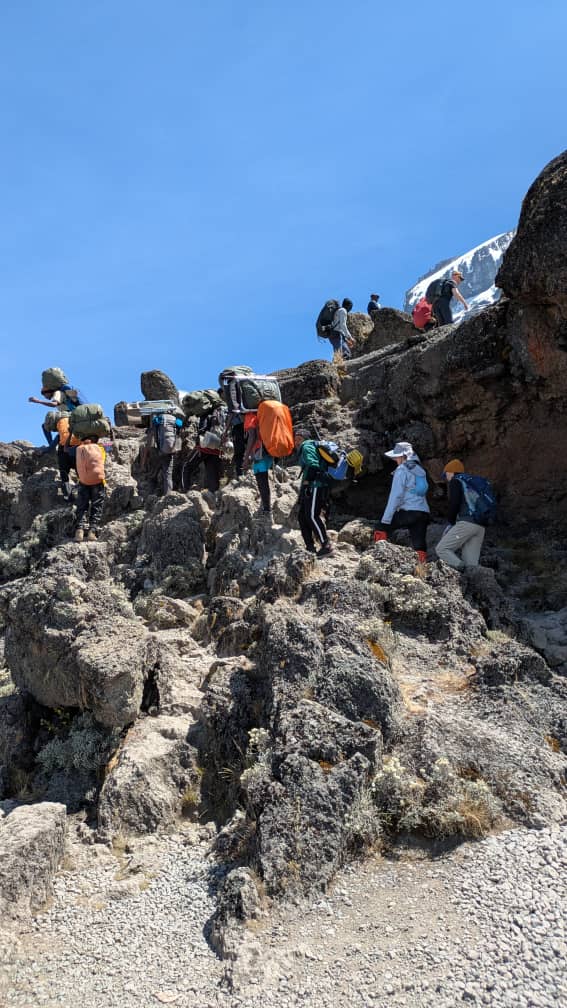
November Kilimanjaro Thanksgiving Holiday Package | Top Guide Adventures
Plan your Kilimanjaro climb this Thanksgiving with Top Guide Adventures. Our November packages offer a unique blend of challenge and celebration, ensuring an unforgettable mountain...
View package details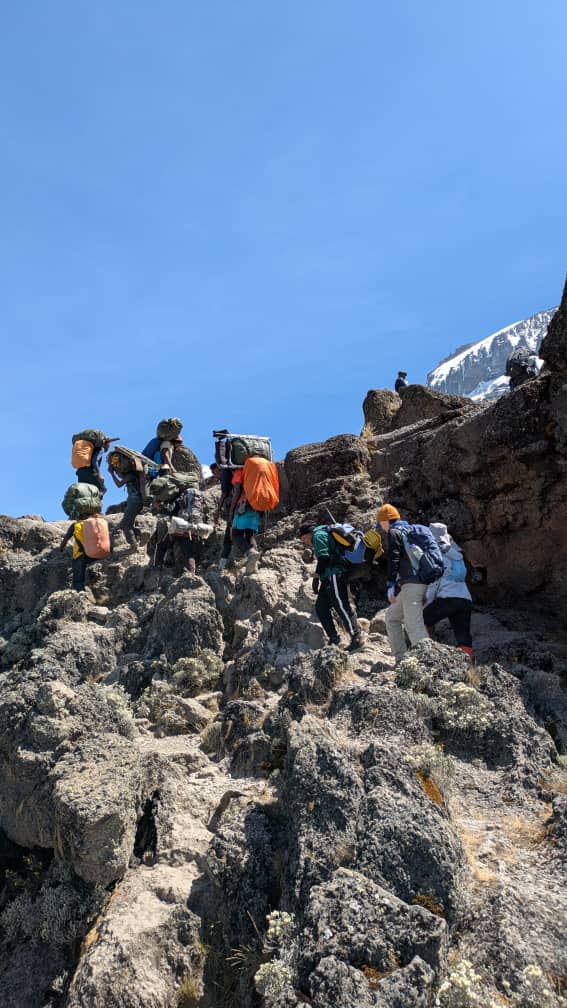
November Kilimanjaro Luxury Private Expedition | Top Guide Adventures
Experience the ultimate Kilimanjaro climb with a luxury private expedition in November 2026 or 2027. Top Guide Adventures offers tailored itineraries, premium services, and expert guidance...
View package details
November Kilimanjaro Trail Conditions: Your Essential Guide 2026-2027
Climbing Kilimanjaro in November offers a unique experience with cooler temperatures, a higher chance of rain in the early days, and significantly fewer trekkers. This guide details trail...
View package details
November Kilimanjaro Summit Night Weather: What To Expect And How To Prepare
Climbing Kilimanjaro in November? This guide details the summit night weather, including temperature ranges, wind chill, precipitation chances, and crucial preparation tips for a successful...
View package detailsNovember Kilimanjaro Waterproof Gear List For Climbs 2026-2027
Planning a Kilimanjaro climb in November? This comprehensive waterproof gear list ensures you stay dry and comfortable. Essential items include waterproof jackets, trousers, gaiters, boots...
View package detailsNo related package matches those filters. Clear one or more filters to see the other topic-matched options.



