
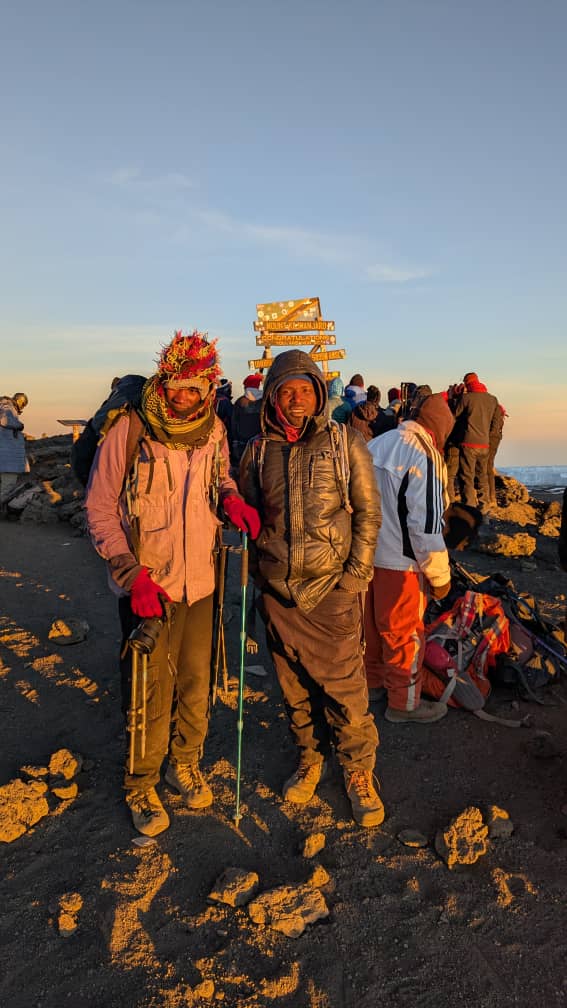
November on Kilimanjaro typically presents a transition period, marking the end of the short rainy season and the beginning of drier, cooler weather. Expect temperatures to be chilly, especially at higher altitudes, with a moderate chance of rain in the first half of the month, which usually clears quickly. This period often means less crowded trails, making it an appealing time for trekkers seeking a more solitary experience. For 2026 and 2027, these general conditions are expected to hold, with good visibility often following the rain, offering stunning views.


Understanding Kilimanjaro’s November Climate and Trail Dynamics
Mount Kilimanjaro, Africa’s highest peak, experiences distinct weather seasons that significantly influence trail conditions. November sits at the cusp of two major weather patterns: the tail end of the short rainy season (Vuli) and the onset of the dry, cool season. This transitional nature makes November a fascinating month to climb, offering a blend of challenges and rewards that differ from the peak dry seasons of January-March or June-October.
For trekkers planning their ascent in November 2026 or November 2027, understanding these dynamics is crucial for preparation, safety, and enjoyment. The mountain’s microclimates mean conditions can vary dramatically from the base to the summit, and even from one side of the mountain to another. While the higher reaches are consistently cold, the lower slopes might still be experiencing the remnants of the Vuli rains, impacting trail surfaces and visibility.
The key characteristics of November Kilimanjaro trail conditions include:
- Temperature Fluctuations: Days can be mild to cool, while nights and summit attempts are very cold, often dropping below freezing.
- Precipitation: A higher likelihood of rain, particularly in the first half of the month, often in the form of afternoon showers that can clear by evening. Snow is common at the summit.
- Trail Surfaces: Lower sections can be muddy and slippery due to rain. Higher sections, especially scree slopes, can be icy or wind-blown.
- Crowd Levels: Generally lower than peak dry seasons, offering a more serene trekking experience.
- Visibility: Can be variable. Rain can reduce visibility, but clear spells often follow, providing spectacular views.
At Top Guide Adventures, we help climbers navigate these conditions by providing expert advice, reliable equipment, and experienced guides who are adept at managing mountain weather. Our aim is to ensure your November Kilimanjaro climb is as safe and memorable as possible, whether you’re aiming for 2026 or 2027.
November Weather Patterns on Kilimanjaro: A Deeper Look
Kilimanjaro’s weather is dictated by its massive size and altitude, creating distinct ecological zones. November falls within the period when the northeast monsoon winds begin to recede and the cooler, drier air from the Indian Ocean starts to dominate. This transition is key to understanding the conditions you’ll encounter.
The Short Rains (Vuli) Influence
The Vuli season, typically from October to mid-December, brings moisture from the Indian Ocean. While it’s not as intense as the long rains (Masika) in April and May, November can still see significant rainfall, especially on the southern slopes which face the prevailing winds. This means:
- Rainfall Intensity: Expect showers, often in the afternoon or overnight. These are usually not continuous downpours but can be heavy for short periods.
- Humidity: Higher humidity levels on the lower slopes can make the air feel damp and cooler.
- Trail Conditions: Mud is a significant factor on the lower rainforest sections of routes like Machame, Lemosho, and Marangu. Paths can become slick and challenging to navigate.
Transition to the Dry Season
As November progresses, the influence of the Vuli rains typically wanes. By the latter half of the month, conditions tend to become drier. This shift brings:
- Decreasing Rainfall: Fewer and shorter rain showers.
- Clearing Skies: More frequent periods of sunshine, often with excellent visibility for mountain views.
- Temperature Drop: A noticeable decrease in ambient temperatures as the dry season’s cooler air takes hold.
Temperature Ranges by Altitude in November
Temperatures on Kilimanjaro vary significantly with altitude and time of day. In November, you can expect:
- Rainforest Zone (approx. 1,800m – 2,800m): Daytime temperatures might range from 15°C to 25°C (59°F to 77°F). Nights can be cooler, around 10°C to 15°C (50°F to 59°F). Expect rain and humidity.
- Moorland Zone (approx. 2,800m – 4,000m): Daytime temperatures typically range from 5°C to 15°C (41°F to 59°F). Nights become significantly colder, often between 0°C and 10°C (32°F to 50°F). Frost is possible.
- Alpine Desert Zone (approx. 4,000m – 5,000m): Daytime temperatures can be surprisingly pleasant in direct sun, but shade and wind make it feel much colder, perhaps 0°C to 10°C (32°F to 50°F). Nights plummet, ranging from -5°C to 5°C (23°F to 41°F).
- Arctic Zone (above 5,000m): Summit night is extremely cold. Temperatures can range from -10°C to -20°C (14°F to -4°F), and with wind chill, it can feel much colder.
These figures are general estimates for November 2026-2027. Actual conditions can be influenced by daily weather patterns, altitude, and specific location on the mountain.
Impact of November Conditions on Kilimanjaro Routes
The choice of route can significantly affect your experience during November. Some routes are more exposed to the elements or have sections that are particularly challenging when wet or icy.
Machame Route in November
Often called the “Whiskey Route” for its popularity, the Machame Route is a 6-day or 7-day trek known for its scenic beauty and challenging climbs, including the Barranco Wall. In November:
- Lower Slopes: The rainforest section will likely be wet and muddy. Proper waterproof boots and gaiters are essential.
- Barranco Wall: This section can be slippery if wet, but the handholds are generally good. Guides will assess conditions carefully.
- Mweka Camp to Mweka Gate Descent: This final descent can be very muddy and challenging.
- Pros: Fewer crowds mean a more intimate trekking experience. The rains can make the vegetation lush and green.
- Cons: Muddy trails, potential for reduced visibility on certain days.
Lemosho Route in November
The Lemosho Route is longer (7-8 days) and considered one of the most scenic, offering a gradual ascent and higher success rates. Its longer duration allows for better acclimatization.
- Early Stages: Similar to Machame, the initial rainforest sections can be wet and muddy.
- Shira Plateau: This open, exposed area can be windy and chilly, with potential for rain or sleet.
- High Altitude Sections: Above the tree line, conditions are colder, with possibilities of frost and ice, especially on summit night.
- Pros: Excellent acclimatization, stunning scenery, fewer people.
- Cons: Longer trek means more exposure to potential varied weather; initial mud is a factor.
Marangu Route in November
Known as the “Coca-Cola Route,” Marangu is the only route with dormitory-style accommodation in huts. It’s also the only route trekked round-trip on the same path.
- Rainforest Section: Expect muddy conditions on the ascent.
- Hut Accommodation: The advantage of huts is protection from the elements, which can be very welcome in November.
- Summit Success: The shorter duration of the 5-day Marangu option might be a disadvantage for acclimatization, especially with variable November weather. The 6-day option is better.
- Pros: Huts offer comfort; easier terrain in parts.
- Cons: Less scenic than other routes, potentially poorer acclimatization on the 5-day climb, shared ascent/descent path can feel busier even with fewer overall trekkers.
Other Routes (Shira, Rongai, Umbwe) in November
- Shira Route: Similar to Lemosho but starts at a higher altitude, potentially leading to quicker acclimatization but also earlier exposure to harsher conditions. November conditions will apply.
- Rongai Route: Approaches from the north, which is drier. This route can offer a better chance of avoiding rain in the early days, though higher altitudes still present cold and potential precipitation. It’s a good alternative if heavy rain is a major concern.
- Umbwe Route: The shortest and steepest route, demanding excellent fitness and acclimatization. In November, the challenging terrain combined with potential wetness and cold makes it a very demanding option, generally recommended only for experienced high-altitude trekkers.
For November 2026 and November 2027 climbs, choosing a longer route (7-8 days) is highly recommended to enhance acclimatization and increase your chances of reaching the summit, especially given the transitional weather.
Key Considerations for November Climbs
Acclimatization is paramount. The transitional weather means conditions can change rapidly. Longer routes provide more time for your body to adjust to the altitude, significantly improving your summit success probability.
Essential Gear for a November Kilimanjaro Trek
Packing correctly is critical for a November climb. Layering is key to managing the wide temperature swings and potential precipitation. Your gear needs to protect you from the cold, wind, and rain, while also allowing you to vent heat during ascents.
Clothing Layers
- Base Layers: Moisture-wicking thermal tops and bottoms (merino wool or synthetic). Bring 2-3 sets.
- Mid Layers: Fleece jackets or trousers for insulation. A heavier fleece or down vest can be useful.
- Outer Layer (Shell): Waterproof and windproof jacket and trousers are non-negotiable. Look for breathable materials like Gore-Tex.
- Insulation Layer: A warm down or synthetic insulated jacket for evenings and summit night.
- Trekking Trousers: Quick-drying, comfortable trousers. Avoid jeans.
- Tops: Several short-sleeved and long-sleeved moisture-wicking shirts.
Headwear and Handwear
- Warm Hat: Wool or fleece hat that covers your ears.
- Balaclava or Buff: For face protection against wind and cold, especially on summit night.
- Sun Hat: For sunny days at lower altitudes.
- Gloves: Waterproof and insulated outer gloves and thinner liner gloves. Bring spares.
Footwear
- Hiking Boots: Waterproof, sturdy, broken-in hiking boots with good ankle support. Essential for muddy trails and rocky terrain.
- Camp Shoes: Comfortable shoes or sandals for relaxing at camp.
- Socks: Several pairs of thick wool or synthetic hiking socks. Liner socks can help prevent blisters.
Other Essential Gear
- Backpack: A comfortable daypack (30-40 liters) for essentials. Your main duffel bag will be carried by porters.
- Sleeping Bag: A 4-season sleeping bag rated to at least -15°C (5°F) or lower is recommended for November.
- Trekking Poles: Highly recommended for stability on descents and ascents, especially on slippery trails.
- Headlamp: With extra batteries. Essential for summit night and general use.
- Water Bottles/Hydration Reservoir: At least 3 liters capacity. Insulated covers are useful to prevent freezing.
- Sunscreen and Lip Balm: High SPF.
- Sunglasses: With UV protection.
- Personal First-Aid Kit: Including blister treatment, pain relievers, and any personal medications.
- Toiletries: Biodegradable soap, toothbrush, toothpaste, wet wipes.
- Camera and Power Bank: Cold drains batteries faster.
- Snacks: Energy bars, nuts, dried fruit for quick energy boosts.
- Gaiters: Useful for keeping mud and debris out of your boots.
Top Guide Adventures provides a detailed packing list upon booking and can assist with equipment rental for items like sleeping bags and trekking poles. Ensuring you have the right gear for November Kilimanjaro trail conditions is a significant step towards a successful climb.
Safety and Health Considerations for November Climbs
Safety on Kilimanjaro is paramount, and November’s variable conditions require extra vigilance. Altitude sickness remains the primary concern, regardless of the month, but weather can exacerbate symptoms.
Altitude Sickness (Acute Mountain Sickness – AMS)
AMS can affect anyone, regardless of fitness level. Symptoms include headache, nausea, dizziness, and fatigue. Prevention and management are key:
- Ascend Slowly: Choose a longer route (7-8 days).
- Hydrate: Drink plenty of water (3-4 liters per day).
- Eat Well: Maintain energy intake, even if appetite is reduced.
- Avoid Alcohol and Smoking: These can worsen AMS symptoms.
- Listen to Your Body: Report any symptoms to your guide immediately.
- Medication: Diamox (acetazolamide) can be prescribed by your doctor to aid acclimatization.
Hypothermia and Frostbite
With colder temperatures and potential rain or snow, hypothermia and frostbite are risks, especially on summit night.
- Layering: Essential for regulating body temperature.
- Stay Dry: Waterproof outer layers are crucial. Change wet clothes promptly.
- Protect Extremities: Keep hands, feet, and head warm and dry.
- Recognize Symptoms: Shivering, confusion, slurred speech (hypothermia); numbness, tingling, pale skin (frostbite).
- Report Concerns: Inform your guide if you or a fellow climber shows signs.
Trail Safety in November
Muddy and potentially icy trails require careful footing.
- Trekking Poles: Provide stability.
- Appropriate Footwear: Waterproof boots with good grip are essential.
- Pace Yourself: Walk slowly and deliberately, especially on descents.
- Guide’s Instructions: Always follow your guide’s advice on the safest path.
Emergency Preparedness
Top Guide Adventures ensures all our guides are trained in first aid and mountain rescue. We carry comprehensive first-aid kits and have established communication protocols for emergencies. For November 2026 and November 2027 climbs, this preparedness is vital.
Expert Guidance from Top Guide Adventures
Our guides are experienced with Kilimanjaro’s diverse conditions throughout the year. They monitor weather, assess trail safety, and prioritize client well-being. Choosing a reputable company like Top Guide Adventures for your November Kilimanjaro climb means you have a dedicated team supporting your journey.
Visibility and Scenery in November
While November is not considered the absolute peak season for visibility, it can offer spectacular moments. The transitional weather means you might experience:
- Dramatic Cloud Formations: Clouds swirling around the mountain can create stunning, dynamic landscapes.
- Post-Rain Clarity: After a shower, the air is often crisp and clean, leading to exceptionally clear views of the plains below and surrounding peaks.
- Sunrise and Sunset: These can be particularly vibrant, with colors enhanced by atmospheric moisture.
- Summit Views: On clear summit nights, the stars are incredibly bright, and the views from Uhuru Peak are unparalleled. The curvature of the Earth is often visible.
While there’s a chance of fog or cloud cover obscuring views on some days, the periods of clear weather can be just as rewarding, if not more so, due to the dramatic contrasts.
Crowd Levels and Trekking Experience in November
One of the significant advantages of climbing Kilimanjaro in November is the relatively lower number of trekkers compared to the peak dry seasons (July-October and December-February). This means:
- More Serene Atmosphere: You’re likely to encounter fewer other groups on the trails and at campsites.
- Better Campsite Availability: Campsites are less crowded, offering a more peaceful experience.
- Personalized Attention: Your guide and support crew can offer more focused attention.
- Photography Opportunities: Less obstruction from other trekkers when capturing the stunning landscapes.
For trekkers who prefer a quieter, more contemplative journey up the mountain, November Kilimanjaro trail conditions offer an attractive window. This applies equally to planning for 2026 and 2027.
Preparing Your Itinerary for November 2026-2027
When planning your November Kilimanjaro climb, consider the following itinerary adjustments and recommendations:
Route Duration
As mentioned, we strongly recommend a minimum of 7 days for any route in November, with 8 days being ideal, especially for routes like Lemosho or Machame. This extended duration significantly improves acclimatization and your chances of summit success.
Flexibility
While itineraries are planned, be prepared for minor adjustments. Your guide will make decisions based on daily weather and trail conditions to ensure safety. This might include slightly altering daily distances or camp locations if necessary.
Summit Night Strategy
Summit night is the most challenging part. In November, it will be very cold and potentially windy. Starting early (around midnight) is standard, but your guide will choose the optimal departure time based on conditions. Ensure all your gear is ready the night before.
Post-Climb Relaxation
After descending, consider spending a day or two relaxing in Moshi or Arusha. This allows you to recover and reflect on your achievement. Many climbers combine their Kilimanjaro trek with a safari or a visit to Zanzibar, which Top Guide Adventures can expertly arrange for your 2026 or 2027 travel plans.
Sample 8-Day Lemosho Itinerary (November Focus)
- Day 1: Londorosi Gate to Mti Mkubwa Camp. Trek through rainforest. Expect muddy sections.
- Day 2: Mti Mkubwa Camp to Shira 1 Camp. Gradual ascent, crossing into moorland. Trails can be damp.
- Day 3: Shira 1 Camp to Shira 2 Camp. Trekking on the Shira Plateau. Exposed, potentially windy and cold.
- Day 4: Shira 2 Camp to Barranco Camp. Cross Lava Tower. Descend to Barranco. Acclimatization day.
- Day 5: Barranco Camp to Karanga Camp. Traverse the Barranco Wall. Conditions depend on recent rain; expect challenging but navigable sections.
- Day 6: Karanga Camp to Barafu Camp. Ascend into alpine desert. Colder, drier conditions likely but possible frost.
- Day 7: Barafu Camp to Summit (Uhuru Peak) and descent to Mweka Camp. Very cold summit night. Descend through scree and moorland.
- Day 8: Mweka Camp to Mweka Gate. Final descent through rainforest. Expect very muddy trails.
This 8-day itinerary provides excellent acclimatization for the challenging November Kilimanjaro trail conditions.
Comparing November to Other Months
Understanding how November stacks up against other months helps in making an informed decision for your 2026-2027 climb.
- January-March: Generally the driest and clearest months. Cold at the summit. Ideal visibility and trail conditions. Crowded.
- April-May: Long rainy season (Masika). High humidity, heavy rainfall, very muddy trails, poor visibility. Generally avoided.
- June: Transition month. Rains are decreasing. Can be cooler. Fewer crowds than peak season.
- July-October: Peak dry season. Clear skies, good visibility, colder temperatures. Ideal trekking conditions. Most crowded months.
- November: Short rainy season (Vuli) tail end. Moderate rain possible, cooler temperatures, less crowded. Trails can be muddy lower down.
- December: Transition month. Rains are decreasing. Temperatures warm up slightly before the dry season chill. Still relatively uncrowded.
November offers a balance: You trade the absolute certainty of dry weather for fewer crowds and potentially more dramatic, atmospheric scenery. The challenges are manageable with proper preparation and the right guide.
Booking Your November Kilimanjaro Climb with Top Guide Adventures
When planning your Kilimanjaro adventure for November 2026 or November 2027, choosing the right tour operator is essential. Top Guide Adventures is committed to providing safe, well-organized, and memorable climbs.
Why Choose Top Guide Adventures?
- Experienced Guides: Our guides are certified, highly experienced, and knowledgeable about mountain safety and environmental conditions.
- Safety First: We prioritize your well-being with thorough safety protocols, including carrying supplementary oxygen and pulse oximeters.
- Quality Equipment: We provide high-quality tents, cooking gear, and can arrange for equipment rental.
- Ethical Operations: We adhere to fair treatment of porters and responsible tourism practices.
- Comprehensive Support: From initial inquiry to your successful descent, our team offers dedicated support.
- Tailored Itineraries: We can customize your climb to suit your preferences and fitness level.
Next Steps for Your Climb
To discuss your November Kilimanjaro climb and get a personalized quote for 2026 or 2027, please contact us:
- WhatsApp: +255616946642
- Email: topguideadventures@gmail.com
- Backup Email: info@topguideadventures.com
We look forward to helping you achieve your dream of climbing Kilimanjaro!
Check Availability for November Kilimanjaro Trail Conditions: Your Essential Guide 2026-2027
Ready to compare dates, prices, and the best option for your group? Send the package name and travel month so the team can reply with a clear quote, availability, and what is included.
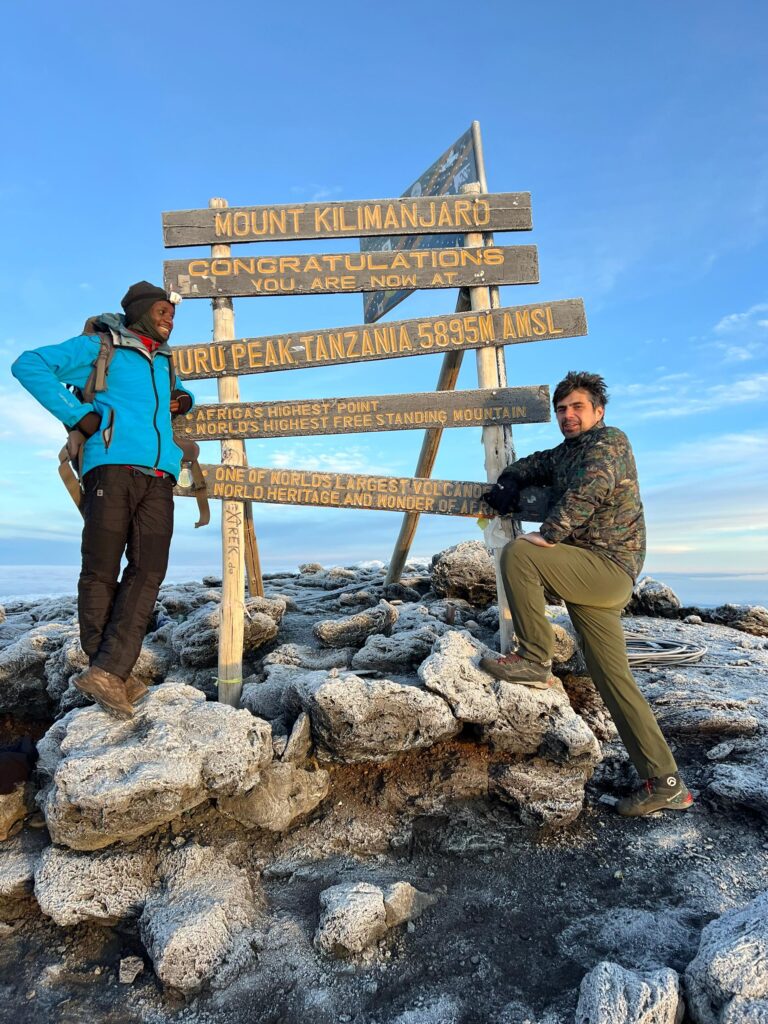
November Kilimanjaro Acclimatization-Focused Trek Guide
Discover essential strategies for a successful November Kilimanjaro climb, emphasizing acclimatization. This guide covers route selection, preparation, and what to expect during the...
View package details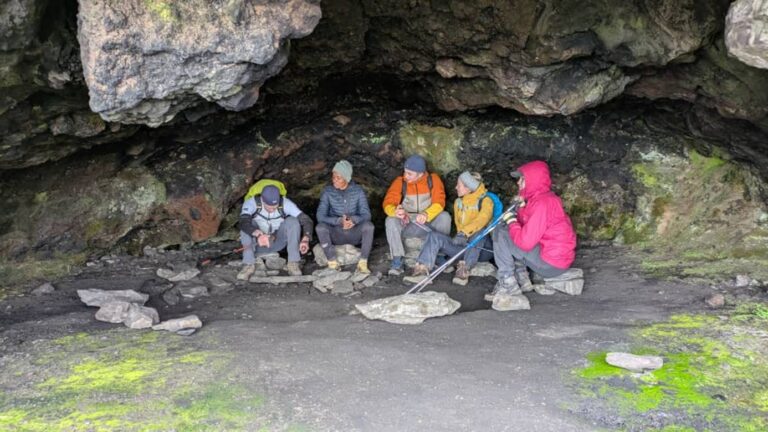
November Kilimanjaro Photography In The Short Rains: Your Ultimate Guide
Discover the unique photographic opportunities of climbing Kilimanjaro in November during the Short Rains. This guide covers optimal light, dramatic skies, vibrant landscapes, and essential...
View package detailsDecember Kilimanjaro Trail Crowd Levels 2026-2027
December Kilimanjaro Trail Crowd Levels is explained with current 2026-2027 planning, price, itinerary and booking information.
View package details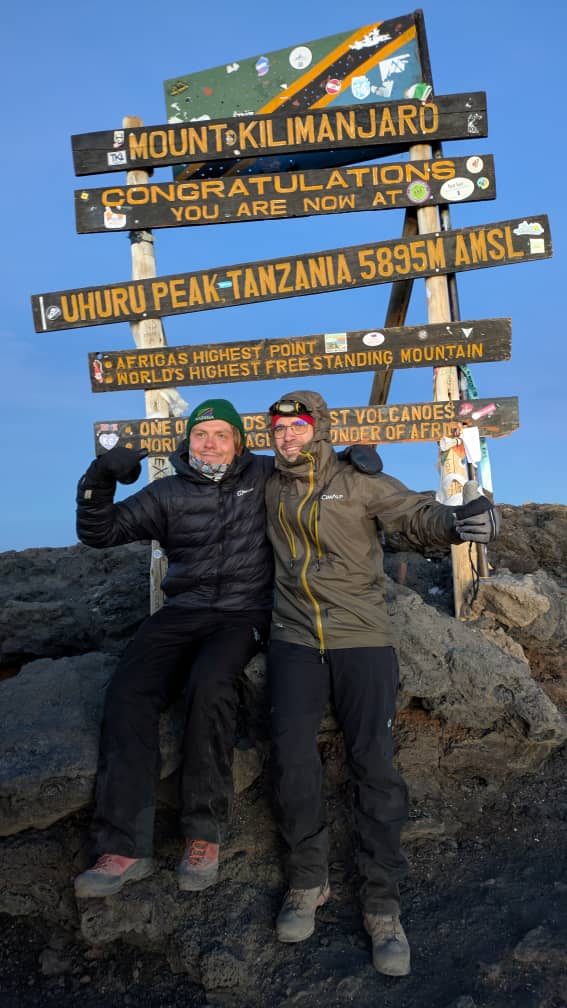
November Kilimanjaro Climb With Flexible Dates: Your Guide 2026-2027
Climbing Kilimanjaro in November offers a unique experience with fewer crowds and stunning landscapes. This guide provides detailed information on flexible date options for your 2026-2027...
View package details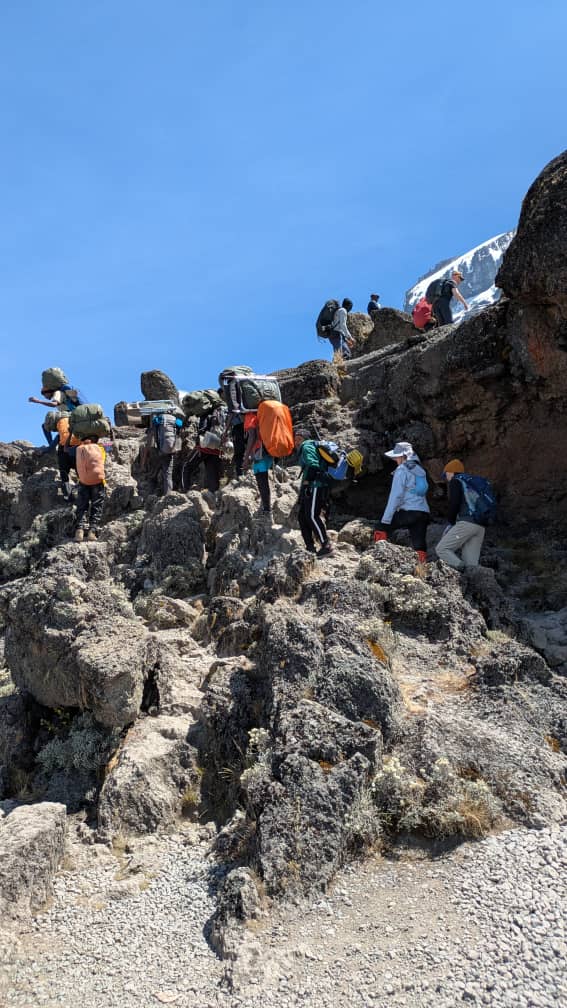
November Kilimanjaro Thanksgiving Holiday Package | Top Guide Adventures
Plan your Kilimanjaro climb this Thanksgiving with Top Guide Adventures. Our November packages offer a unique blend of challenge and celebration, ensuring an unforgettable mountain...
View package details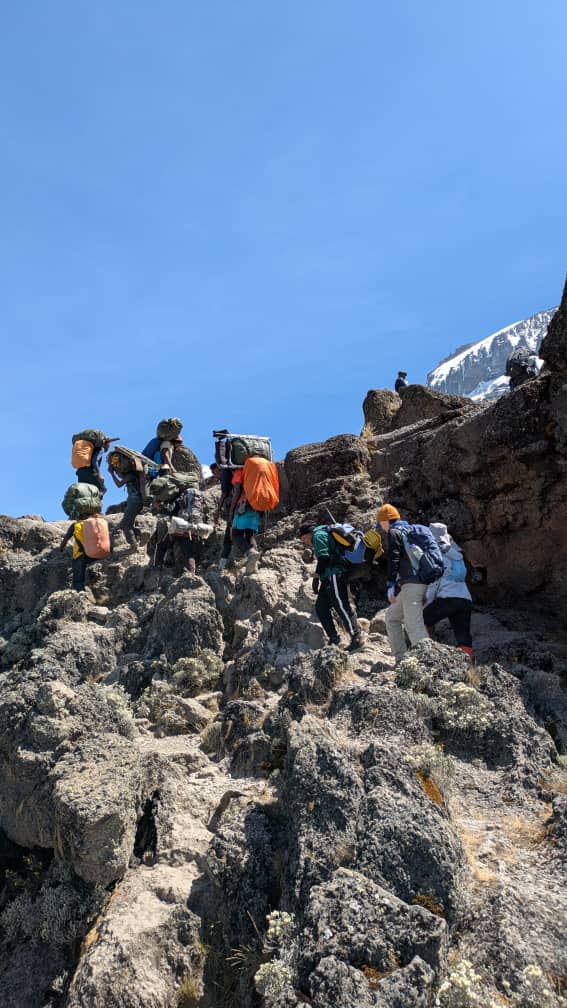
November Kilimanjaro Luxury Private Expedition | Top Guide Adventures
Experience the ultimate Kilimanjaro climb with a luxury private expedition in November 2026 or 2027. Top Guide Adventures offers tailored itineraries, premium services, and expert guidance...
View package details
November Kilimanjaro Summit Night Weather: What To Expect And How To Prepare
Climbing Kilimanjaro in November? This guide details the summit night weather, including temperature ranges, wind chill, precipitation chances, and crucial preparation tips for a successful...
View package detailsNovember Kilimanjaro Waterproof Gear List For Climbs 2026-2027
Planning a Kilimanjaro climb in November? This comprehensive waterproof gear list ensures you stay dry and comfortable. Essential items include waterproof jackets, trousers, gaiters, boots...
View package detailsHow Rainy Is Kilimanjaro In November? Your Complete Guide 2026-2027
Kilimanjaro in November generally experiences moderate rainfall as it marks the end of the short rainy season. While not the driest month, it's often a good time for trekkers seeking fewer...
View package details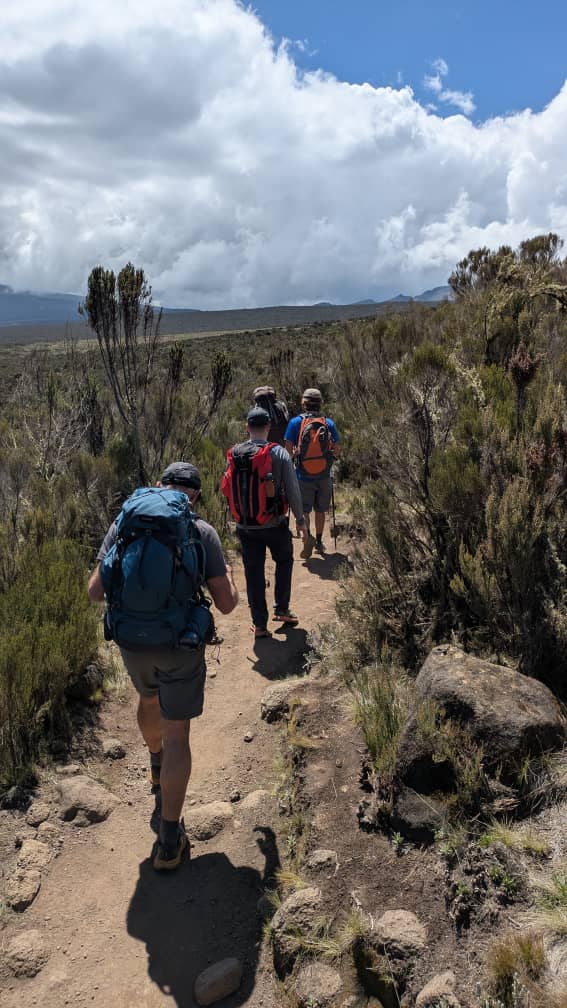
Can You Climb Kilimanjaro In November? 2026-2027
Can You Climb Kilimanjaro in November? is explained with current 2026-2027 planning, price, itinerary and booking information.
View package details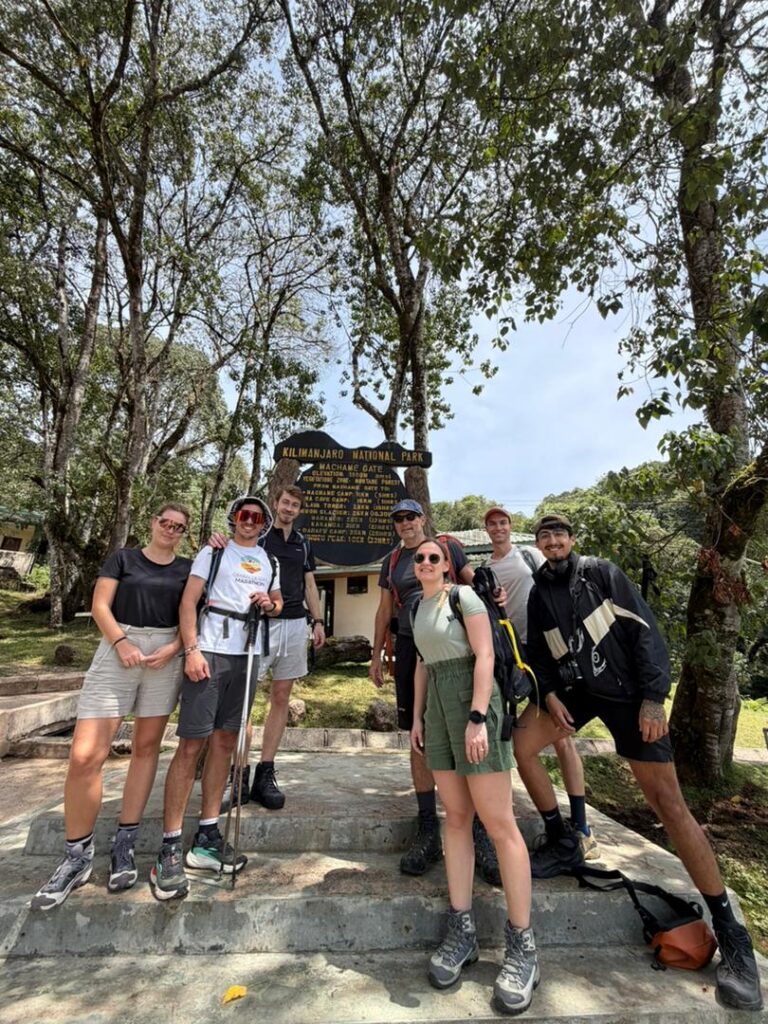
November Kilimanjaro Climbing Cost And Discounts For 2026-2027
Planning a Kilimanjaro climb in November 2026 or 2027? This comprehensive guide details the expected costs, factors influencing pricing, and available discounts. Learn how to budget...
View package detailsNovember Kilimanjaro And Zanzibar Holiday: Your Ultimate Guide 2026-2027
Combine the thrill of conquering Mount Kilimanjaro with the serene beauty of Zanzibar in November. This guide covers everything from the best trekking routes and weather conditions for your...
View package detailsNo related package matches those filters. Clear one or more filters to see the other topic-matched options.



