
Kilimanjaro in November is typically characterized by the tail end of the short rainy season, meaning you can expect some rainfall, though it’s generally less intense than during the peak rainy periods. While not the absolute driest month, November often offers a balance with fewer crowds and potentially dramatic, clear views between showers, making it a viable option for trekkers prepared for varied conditions. Success rates for climbing Kilimanjaro in November remain high with proper preparation and acclimatization.
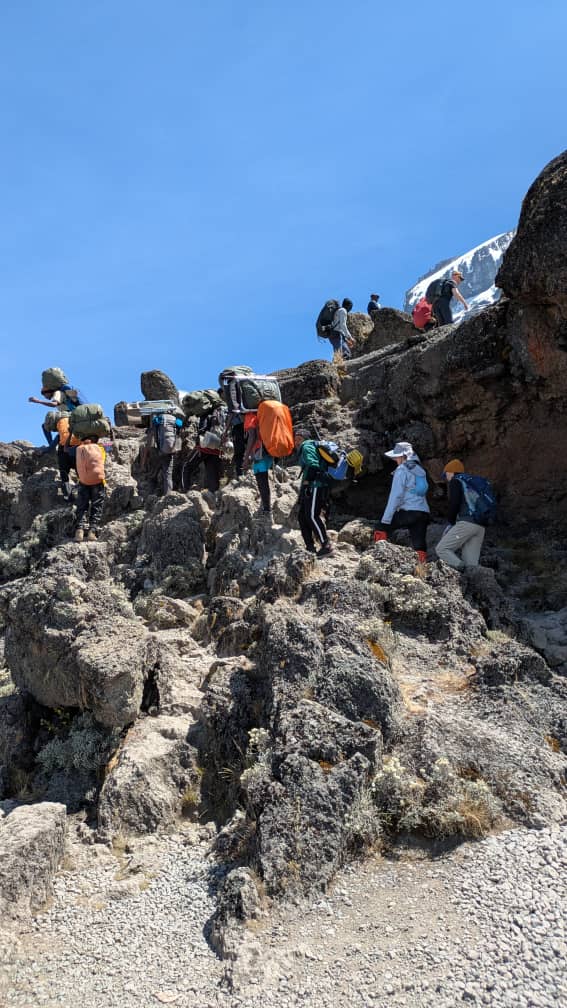
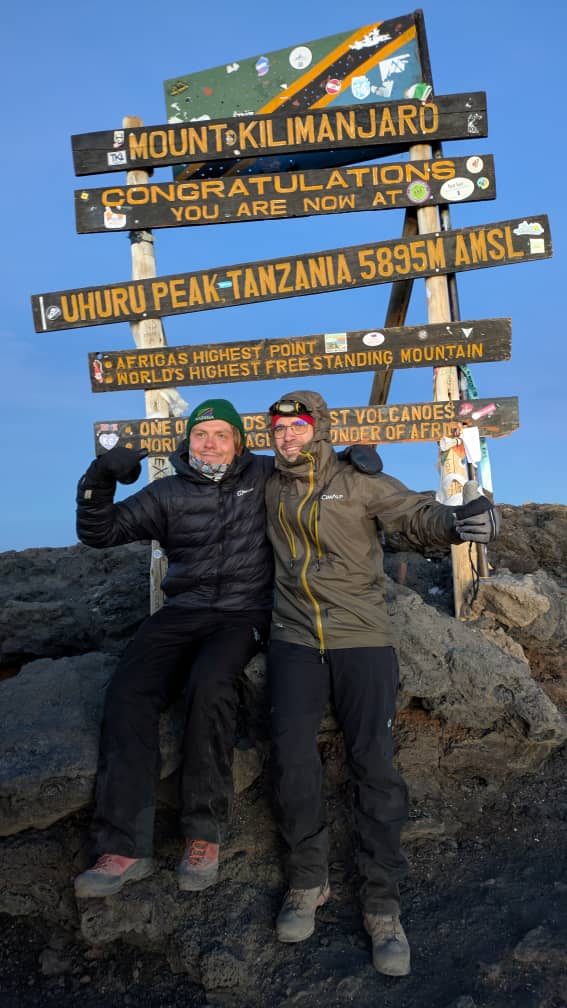

Understanding Kilimanjaro’s November Climate
When planning a trek up Mount Kilimanjaro, understanding the weather patterns for your chosen month is crucial for a safe and enjoyable experience. November falls within a transitional period for Kilimanjaro’s climate, specifically marking the end of the short rainy season and the beginning of the drier, warmer season that leads into December and January. This means that while you should certainly be prepared for rain, it’s unlikely to be constant, torrential downpours that would significantly impede your progress.
The mountain experiences distinct wet and dry seasons, influenced by its proximity to the equator and its massive size, which creates its own microclimates. Kilimanjaro has two main rainy seasons: the long rains from March to May, and the short rains from November to early December. Following these are the dry seasons: the main dry season from June to October, and a shorter, drier spell from January to February.
In November, the short rains are usually waning. This often translates to a mix of weather conditions. You might encounter sunny mornings followed by afternoon clouds and intermittent showers. Occasionally, these showers can be brief and heavy, but they are less likely to persist for days on end compared to the main rainy season. Snowfall is also possible at the summit (Uhuru Peak) and on the highest slopes, regardless of the season, due to the extreme altitude, but this is distinct from the rainfall experienced at lower elevations.
November Rainfall Patterns on Kilimanjaro
Quantifying ‘how rainy’ Kilimanjaro is in November involves looking at average precipitation data across the mountain’s different ecological zones. While exact figures can vary year by year, November typically sees moderate rainfall. The lower slopes, particularly on the southern and eastern sides which receive more moisture from the Indian Ocean, will likely experience more precipitation than the northern or western sides.
Average Rainfall in November: Generally, expect anywhere from 50mm to 150mm of rainfall across the mountain’s various altitudes during November. This is significantly less than the peak rainy months of April or May, which can see upwards of 200-300mm. The precipitation often comes in the form of afternoon showers or overnight rain, which can help to clear the air and offer dramatic, misty vistas.
Ecological Zone Variations:
- Cultivation Zone (approx. 800m – 1,800m): This is the most inhabited zone and experiences the most significant rainfall in November, supporting lush vegetation. You can expect frequent, often brief, showers.
- Rainforest Zone (approx. 1,800m – 2,800m): This zone will also be wet, with misty conditions common. Rain here is more likely to be steady, though often not continuous throughout the day.
- Moorland Zone (approx. 2,800m – 4,000m): Rainfall decreases in this zone, with precipitation often turning into sleet or light snow as temperatures drop.
- Alpine Desert Zone (approx. 4,000m – 4,700m): Conditions become much drier and colder. Any precipitation here is almost exclusively snow or ice.
- Arctic Zone (above 4,700m): Extremely cold, dry, and icy. Snow is common, especially on the crater rim and summit.
The key takeaway for November is preparedness. While not the absolute driest month, the rainfall is manageable for most trekkers who are equipped with appropriate waterproof gear. The potential for clearer skies and fewer fellow climbers can make it an attractive, albeit slightly wetter, alternative to the peak dry seasons.
November Weather Conditions: Beyond Just Rain
While the question focuses on rain, November’s weather on Kilimanjaro encompasses more than just precipitation. Temperature, visibility, and wind are also significant factors that influence the trekking experience. Understanding these elements will provide a more complete picture of what to expect during your climb.
Temperature Fluctuations
Kilimanjaro is famous for its dramatic temperature shifts due to its immense altitude gain. November is no exception. As you ascend through the different ecological zones, temperatures will drop significantly.
- Base (e.g., Marangu, Machame Gate): Temperatures can range from 20°C to 27°C (68°F to 81°F) during the day. Nights will be cooler, around 10°C to 15°C (50°F to 59°F).
- Rainforest and Moorland Zones: Daytime temperatures typically range from 10°C to 20°C (50°F to 68°F). Nights can drop to between 5°C and 10°C (41°F to 50°F).
- Alpine Desert Zone: Daytime temperatures might hover around 0°C to 10°C (32°F to 50°F), but nights are considerably colder, often falling below freezing, from -5°C to 0°C (23°F to 32°F).
- Summit (Uhuru Peak): At 5,895 meters (19,341 feet), expect temperatures to be well below freezing, typically ranging from -5°C to -15°C (23°F to 5°F), and potentially even colder with wind chill.
In November, the slightly increased cloud cover might mean slightly cooler daytime temperatures at lower and middle altitudes compared to the dry season, but the overall range remains consistent with altitude gain. The key is layering, allowing you to adapt to these significant temperature variations throughout the day and night.
Visibility and Cloud Cover
November’s weather can impact visibility. The end of the short rains means that while the heavy, persistent cloud cover of the main rainy season might be lifting, there’s still a higher chance of clouds and mist compared to the dry months of July-October or January-February.
Potential for Clear Views: Despite the possibility of rain and mist, November can also offer spectacular, clear days. Mornings are often the clearest, providing stunning panoramic views of the surrounding landscape and Mount Meru. As the day progresses, clouds may build up, especially on the mountain’s slopes, leading to misty conditions or showers. However, these clouds can also create dramatic, atmospheric scenes, particularly in the rainforest zone.
Summit Views: Reaching the summit often requires an early start (around midnight to 2 AM). If the weather is favorable, the sunrise from the crater rim can be absolutely impressive. However, November’s conditions mean there’s a greater chance of clouds obscuring distant views or mist rolling in. This is why having a good guide who monitors weather patterns is essential.
Wind Conditions
Wind is a factor on Kilimanjaro year-round, especially at higher altitudes. In November, wind can be particularly noticeable when combined with rain or cooler temperatures, leading to a significant wind chill effect.
The summit area and crater rim are exposed and can be very windy. Gusts can make it feel much colder than the thermometer indicates. While November doesn’t typically have exceptionally strong prevailing winds compared to other months, any wind will exacerbate the cold, especially during the summit push. Proper windproof outer layers are therefore essential for any November trek.
Choosing Your Route in November
The route you choose for your Kilimanjaro climb can significantly impact your experience, especially concerning weather and acclimatization. While all routes are subject to November’s general climate patterns, some might offer slightly different conditions or logistical advantages.
For a November climb, focusing on routes known for good acclimatization profiles is always wise, regardless of the season. This includes longer routes like the Lemosho Route, Machame Route, and Northern Circuit. These routes offer more days on the mountain, increasing your chances of summit success and allowing your body to adjust more gradually to the altitude.
Route Suitability for November Climbers
- Machame Route: Often called the ‘Whiskey Route’, this is a popular choice for its scenic beauty and good acclimatization profile. It’s a 6 or 7-day trek. In November, you’ll experience the varied weather across its ascent and descent, including the rainforest and alpine desert. Being a popular route means more trekkers, though potentially fewer than in peak dry seasons.
- Lemosho Route: Generally considered one of the most scenic routes, Lemosho is typically done over 7 or 8 days, offering excellent acclimatization. Its longer duration makes it a strong contender for November, allowing more time to adapt to altitude and varying weather.
- Northern Circuit: This is the longest route (9 days) and circumnavigates the mountain, offering the best acclimatization and highest success rates. For a November climb, the extended time on the mountain is a significant advantage, providing more opportunities for stable weather windows and better adaptation. It also offers a more remote experience.
- Marangu Route: Known as the ‘Coca-Cola Route’, this is the only route with hut accommodation. It’s a shorter, more direct climb (5 or 6 days). While convenient, its steeper ascent profile makes acclimatization more challenging, which can be a factor to consider in November. The hut accommodation offers shelter from rain, which is a plus.
- Rongai Route: This route approaches from the north, which is generally drier. While it might receive slightly less rain than southern routes, it’s still part of the mountain’s overall climate system, so rain is still possible. It’s typically a 6 or 7-day trek.
Recommendation for November: For the best balance of acclimatization and scenery in November, the 7-day Machame Route or the 7 or 8-day Lemosho Route are excellent choices. If budget and time allow, the 9-day Northern Circuit offers the highest probability of success due to superior acclimatization, making it ideal for mitigating any weather-related challenges in November.
It’s important to note that regardless of the route, your trekking company’s expertise in managing weather and ensuring safety is paramount. Top Guide Adventures, for example, prioritizes client safety and success by employing experienced guides who are adept at navigating Kilimanjaro’s conditions in any season, including November.
What to Pack for a November Kilimanjaro Climb
Packing correctly is absolutely essential for a successful Kilimanjaro climb, and this is particularly true for a November trek where you need to be prepared for a range of conditions, including rain, wind, and cold.
Essential Gear for November Trekkers:
- Waterproof and Windproof Outerwear: A high-quality, breathable waterproof jacket (Gore-Tex or similar) and waterproof trousers are non-negotiable. These are your primary defense against November showers.
- Warm Layers: Several thermal base layers (merino wool or synthetic), fleece mid-layers, and a warm, insulated down or synthetic jacket are crucial. Layering allows you to adjust your clothing to the changing temperatures.
- Insulated Parka: A heavy-duty, insulated parka is highly recommended for the summit night and descent. This will be your warmest layer.
- Trekking Trousers: Quick-drying, comfortable trekking trousers. Avoid jeans. Convertible trousers can be useful for varying temperatures.
- Headwear: A warm, insulated hat that covers your ears, a sun hat or cap for sunny periods, and a balaclava or warm buff for wind and cold protection, especially on summit night.
- Gloves: A pair of warm, waterproof gloves or mittens, and a thinner pair of liner gloves for dexterity.
- Footwear: Sturdy, waterproof, broken-in hiking boots are essential. Gaiters are highly recommended to prevent rain and mud from entering your boots. Bring comfortable camp shoes or trainers for evenings.
- Socks: Several pairs of warm wool or synthetic hiking socks. Avoid cotton.
- Sleeping Bag: A 4-season sleeping bag rated to at least -10°C to -20°C (14°F to -4°F) is recommended for November.
- Backpack: A comfortable daypack (30-40 liters) for carrying essentials during the day (water, snacks, extra layers, rain gear, sunscreen). Your main gear will be carried by a porter.
- Water Bottles/Hydration Reservoir: Carry at least 2-3 liters of water. Insulated covers for bottles are useful to prevent water from freezing.
- Sun Protection: High SPF sunscreen, lip balm with SPF, and sunglasses are vital, even on cloudy days, due to the high altitude and UV exposure.
- Headlamp: A reliable headlamp with extra batteries for summit night and early morning starts.
- Trekking Poles: Highly recommended for stability on descents and ascents, especially on slippery terrain.
- Personal First-Aid Kit: Include any personal medications, blister treatment, pain relievers, etc.
- Toiletries: Including wet wipes and hand sanitizer, as facilities are basic.
The key is to pack for versatility. You’ll need to be prepared for warmth at the base, cold and wind at altitude, and rain and mud on the trails. Renting some gear like sleeping bags and parkas is often an option through reputable tour operators like Top Guide Adventures, which can save you the expense of purchasing items you might only use once.
Success Rates and Acclimatization in November
A common concern for anyone planning a Kilimanjaro climb is the success rate. While November isn’t the absolute peak season for summit success (which often correlates with the driest months), it remains a very viable time to climb, with success rates still generally high for well-prepared trekkers.
Factors Influencing Success Rates
- Acclimatization: This is the single most important factor. Choosing a longer route (7 days or more) significantly increases your chances. November’s weather can sometimes mean slower progress due to mud or rain, which inadvertently aids acclimatization by slowing the pace.
- Route Choice: As mentioned, longer routes like the Northern Circuit, Lemosho, and Machame are statistically linked to higher success rates due to better acclimatization profiles.
- Physical Fitness: While Kilimanjaro is not a technical climb, good cardiovascular fitness is essential. Being in good shape helps your body cope better with the physical demands and altitude.
- Mental Preparation: The mental challenge of Kilimanjaro cannot be underestimated. Facing cold, rain, and fatigue requires determination.
- Guide Expertise: An experienced guide is invaluable. They monitor your health, pace you correctly, and make crucial decisions regarding your safety, especially when weather conditions are less predictable.
- Gear: Proper gear ensures comfort and protection, allowing you to focus on climbing rather than battling the elements. In November, this means effective rain and cold protection.
November Success Rates: While precise statistics vary by operator and route, climbers choosing 7-day+ routes with reputable companies typically see success rates in the range of 70-85%. For November, this range is still very achievable. The slightly higher chance of precipitation is a factor, but it’s manageable with the right preparation and a focus on acclimatization.
Tips for Enhancing Acclimatization in November
Acclimatization is key to summit success on Kilimanjaro, and it’s particularly important to focus on when climbing during months like November, which can present more challenging conditions.
- Go ‘Pole Pole’ (Slowly Slowly): This Swahili phrase is the mantra of Kilimanjaro. Walk at a slow, steady pace. This allows your body to adapt to the thinning air more effectively.
- Stay Hydrated: Drink plenty of water (3-4 liters per day). Dehydration can mimic altitude sickness symptoms and hinder acclimatization. Warm drinks are especially welcome in November.
- Eat Well: Maintain good nutrition. Your appetite may decrease at altitude, but try to eat the energy-rich foods provided by your guide team.
- Avoid Alcohol and Caffeine: These can contribute to dehydration and affect acclimatization.
- Ascend High, Sleep Low: This principle is built into longer routes. You climb to higher altitudes during the day and then descend to sleep at a lower elevation.
- Inform Your Guide: Communicate any symptoms of altitude sickness (headache, nausea, dizziness) immediately to your guide. They are trained to assess and manage these conditions.
- Rest: Ensure you get adequate sleep, although this can be challenging at altitude.
By prioritizing acclimatization and choosing a longer route, you significantly improve your chances of reaching Uhuru Peak, even when climbing in November. Reputable operators like Top Guide Adventures design itineraries with acclimatization as a top priority, ensuring guides are trained to manage altitude-related issues effectively.
Pros and Cons of Climbing Kilimanjaro in November
Every month on Kilimanjaro offers a unique experience. November, sitting between the short rains and the main dry season, presents a distinct set of advantages and disadvantages for trekkers.
Advantages of Climbing in November:
- Fewer Crowds: While not the absolute quietest month, November generally sees fewer trekkers than the peak dry seasons (July-October and January-February). This means less crowded trails and campsites, offering a more serene experience.
- Lush Scenery: The end of the short rains often leaves the lower slopes incredibly green and vibrant. The rainforest can be particularly beautiful and misty.
- Potentially Lower Prices: Some operators might offer slightly more competitive pricing during shoulder seasons like November, although this is not always the case for reputable companies that maintain consistent quality and safety standards year-round.
- Dramatic Skies: While there’s a chance of rain, November can also offer dramatic skies and moody landscapes, especially with the interplay of clouds and sunlight.
- Good Transition Month: As the short rains taper off, you might experience a good mix of weather, with clearer mornings and manageable afternoon showers.
Disadvantages of Climbing in November:
- Rainfall: The primary concern is the possibility of rain. This can make trails muddy and slippery, especially in the rainforest zone, and requires diligent use of waterproof gear.
- Reduced Visibility: Increased cloud cover and mist can occasionally obscure views, particularly at higher altitudes.
- Colder Temperatures: The combination of altitude, potential rain, and wind can lead to colder conditions, especially on summit night, requiring more robust cold-weather gear.
- Slightly Lower Success Rates (potentially): While still high, the challenging conditions might slightly impact summit success rates compared to the absolute best months if trekkers are not adequately prepared or acclimatized.
Ultimately, the decision to climb in November depends on your priorities. If you prefer fewer crowds and don’t mind being prepared for some rain and cooler temperatures, it can be a rewarding time to ascend Kilimanjaro. For 2026 and 2027, November remains a solid choice for those seeking a slightly less crowded experience.
Comparing November to Other Months
To truly understand how rainy Kilimanjaro is in November, it helps to compare it to other months throughout the year. This provides context and helps trekkers make an informed decision based on their tolerance for different weather conditions.
November vs. Peak Dry Season (June-October):
- Rainfall: Significantly more rain in November. June-October are the driest months, offering the lowest chance of precipitation.
- Crowds: November is generally less crowded than July-October, which is peak season.
- Temperatures: Similar temperature ranges due to altitude, but dry season days can feel warmer due to consistent sun. November can feel colder with cloud cover and wind.
- Scenery: November can be lusher at lower altitudes; dry season offers clearer, wider vistas.
November vs. Peak Rainy Season (March-May):
- Rainfall: November has considerably less rain than March-May, which are the wettest months with persistent, heavy downpours.
- Crowds: November is much less crowded than the peak dry season, and often less crowded than the shoulder months bordering the main rainy season. March-May also sees fewer crowds but due to the challenging weather.
- Temperatures: Similar, but the heavy rains of March-May can make it feel colder and more miserable.
- Scenery: November’s greenery is good; March-May also brings lushness but often with obscured views.
November vs. Short Dry Spell (January-February):
- Rainfall: January-February are typically drier than November, though November is still wetter than these months.
- Crowds: January and February can be quite popular, especially around holidays, and may see more trekkers than November.
- Temperatures: January-February can be warmer, especially at lower altitudes, due to the onset of the warmer season.
- Scenery: The landscape might be slightly drier in Jan-Feb compared to the post-rain vibrancy of November.
Summary Table (Qualitative):
| Month | Rainfall Level | Crowd Level | Temperature | Scenery | Overall Suitability |
|---|---|---|---|---|---|
| Jan-Feb | Low | Medium-High | Warm | Dry, clear | Excellent (dry, warm) |
| Mar-May | Very High | Low | Moderate | Lush, often obscured | Challenging (wettest) |
| Jun-Oct | Low | Very High | Cool to Cold | Clear, wide vistas | Excellent (driest, busiest) |
| Nov | Moderate | Medium | Cool to Cold | Lush, potentially misty | Good (manageable rain, fewer crowds) |
| Dec | Moderate-Low | High | Cool to Cold | Good, becoming drier | Good (transition month) |
For 2026 and 2027, November offers a compelling compromise for those who wish to avoid the largest crowds of the prime dry season while still experiencing generally manageable weather conditions. It’s a month where being prepared for rain is key, but the rewards of a less crowded mountain and vibrant scenery can be significant.
Preparing for Kilimanjaro in November with Top Guide Adventures
Choosing the right tour operator is paramount for a successful and safe Kilimanjaro climb, especially when climbing in a shoulder season like November. Top Guide Adventures has extensive experience guiding clients up Kilimanjaro throughout the year and understands the nuances of November’s weather.
Why Choose Top Guide Adventures for Your November Climb:
- Experienced Guides: Our guides are certified, highly experienced, and trained in high-altitude trekking and emergency medical procedures. They are adept at reading the weather and making informed decisions to ensure your safety and maximize your chances of reaching the summit.
- Quality Equipment: We provide high-quality tents, cooking equipment, and can arrange for the rental of essential gear like sleeping bags and parkas, ensuring you have reliable equipment suitable for November conditions.
- Safety First Approach: Client safety is our absolute priority. We carry comprehensive medical kits, emergency oxygen, and have established protocols for dealing with altitude sickness and other emergencies.
- Itinerary Design: Our itineraries are carefully crafted with acclimatization in mind, using longer routes that are statistically proven to increase summit success rates. We recommend routes like the 7-day Machame or 8-day Lemosho for November climbs.
- Personalized Support: We offer dedicated support throughout your journey, from initial planning to the moment you descend. Our team is available to answer all your questions about what to expect, including the specific weather patterns for November 2026 or November 2027.
Booking Your November 2026 or 2027 Climb
Planning your Kilimanjaro adventure for November 2026 or November 2027 with Top Guide Adventures is straightforward. We offer a range of packages and can also create tailor-made itineraries to suit your specific needs and preferences.
Steps to Book:
- Contact Us: Reach out to our team to discuss your plans. We can provide detailed information about our November packages, including current availability and any specific considerations for the 2026-2027 climbing seasons.
- Choose Your Route and Duration: Based on our recommendations and your preferences, select the route and number of days that best suits your fitness level and acclimatization goals. For November, we strongly suggest 7 days or more.
- Review Inclusions: Our packages typically include park fees, accommodation before and after the climb, all meals on the mountain, experienced guides and porters, and transportation. We are transparent about what is included and excluded.
- Secure Your Spot: Once you’ve decided, we’ll guide you through the booking process and deposit requirements. Early booking is recommended, especially if you have specific date preferences for November 2026 or 2027.
Don’t let the question of ‘how rainy is Kilimanjaro in November?’ deter you. With the right preparation, the right gear, and the right guide, a November climb can be an incredibly rewarding experience. Let Top Guide Adventures help you plan your unforgettable journey to the Roof of Africa.
For inquiries or to start planning your November 2026 or 2027 Kilimanjaro climb, please contact us:
- WhatsApp: +255616946642
- Email: topguideadventures@gmail.com
- Backup Email: info@topguideadventures.com
We look forward to helping you achieve your Kilimanjaro dream!
Frequently Asked Questions About November on Kilimanjaro
Here are some common questions travelers have about climbing Kilimanjaro in November.
Q1: Is November a good month to climb Kilimanjaro?
Yes, November can be a good month to climb Kilimanjaro. It’s the end of the short rainy season, so while you should expect some rain showers, they are typically less intense and persistent than during the main rainy season (March-May). November offers fewer crowds than the peak dry season and often results in lush scenery. Success rates remain high with proper preparation and longer routes.
Q2: How much rain should I expect in November?
You can expect moderate rainfall in November. Average precipitation can range from 50mm to 150mm across the mountain’s different zones. This often comes in the form of afternoon showers or overnight rain, rather than continuous downpours. Being prepared with waterproof gear is essential.
Q3: What are the temperatures like on Kilimanjaro in November?
Temperatures vary drastically with altitude. At the base, expect daytime highs of 20-27°C (68-81°F). As you ascend, temperatures drop significantly, reaching below freezing (-5°C to -15°C or 23°F to 5°F) at the summit, especially with wind chill. Nights at higher camps will be cold, often below freezing.
Q4: Will I see snow on Kilimanjaro in November?
Snow is possible at the summit (Uhuru Peak) and on the highest slopes year-round due to the extreme altitude and freezing temperatures. While November is primarily associated with rain at lower elevations, the summit conditions are always icy and snowy. You are very likely to encounter snow and ice near the summit, especially during the final ascent.
Q5: Are the trails muddy in November?
Yes, the trails, particularly in the rainforest zone, can become muddy and slippery in November due to the lingering effects of the short rainy season. This is why sturdy, waterproof hiking boots and gaiters are highly recommended. Trekking poles are also very useful for maintaining stability on wet terrain.
Q6: Which route is best for climbing Kilimanjaro in November?
For November climbs, longer routes offering better acclimatization are highly recommended. The 7-day Machame Route, 7 or 8-day Lemosho Route, or the 9-day Northern Circuit are excellent choices. These routes provide more time for your body to adjust to the altitude and can help mitigate challenges posed by potential rain or colder conditions.
Q7: What gear is essential for a November Kilimanjaro climb?
Essential gear includes high-quality waterproof and windproof outer layers (jacket and trousers), warm thermal base layers, fleece mid-layers, a heavy-duty insulated parka for summit night, warm hat, gloves, waterproof hiking boots, gaiters, and a 4-season sleeping bag. Layering is key to managing the fluctuating temperatures.
Q8: How do November crowds compare to other months?
November generally sees fewer trekkers compared to the peak dry seasons (July-October and January-February). This means a less crowded mountain, more availability at campsites, and a more serene trekking experience. It’s a good option if you prefer to avoid the busiest periods.
Q9: What is the summit success rate like in November?
Summit success rates in November are generally high, typically ranging from 70-85% for trekkers on 7-day or longer routes with reputable operators. While slightly lower than the absolute peak dry months, the key factors remain excellent acclimatization, proper preparation, fitness, and experienced guiding.
Q10: Can I book a Kilimanjaro climb for November 2026 or 2027?
Absolutely. Top Guide Adventures organizes Kilimanjaro climbs throughout the year, including November 2026 and November 2027. We recommend booking in advance, especially if you have specific dates in mind, to secure your preferred route and dates. Contact us to discuss your 2026-2027 climb.
Final Thoughts on Your November Kilimanjaro Adventure
When considering how rainy Kilimanjaro is in November, the answer is: moderately so, but not prohibitively so. November sits comfortably in the shoulder season, offering a compelling blend of fewer crowds and vibrant post-rain landscapes. While you must be prepared for showers and potentially muddy trails, especially in the lower rainforest zone, the overall conditions are manageable for determined trekkers.
The key to a successful November climb lies in meticulous preparation. This means packing the right gear – particularly high-quality waterproofs and warm layers – and choosing a reputable tour operator that prioritizes safety and acclimatization. Opting for a longer route, such as the 7-day Machame or Lemosho, or the 9-day Northern Circuit, is strongly advised for 2026 and 2027 climbs to maximize your body’s adaptation to altitude.
The potential for fewer fellow climbers on the mountain in November can lead to a more personal and reflective experience. The lush scenery, often enhanced by the recent rains, provides a beautiful backdrop to your ascent. With experienced guides who understand how to navigate varied weather conditions, your November adventure on Kilimanjaro can be just as rewarding, if not more so, than climbing during the peak dry seasons.
At Top Guide Adventures, we are dedicated to making your Kilimanjaro dream a reality, regardless of the month. Our team is ready to provide the expert guidance, support, and logistics needed for a safe and memorable climb in November 2026 or November 2027. Let us help you prepare for every aspect of your journey, ensuring you are ready for the rain, the cold, and the ultimate triumph of reaching Uhuru Peak.
Get in touch today to start planning your Kilimanjaro adventure:
- WhatsApp: +255616946642
- Email: topguideadventures@gmail.com
- Backup Email: info@topguideadventures.com
We are excited to help you plan your climb and experience the magic of Kilimanjaro!
Check Availability for How Rainy Is Kilimanjaro In November? Your Complete Guide 2026-2027
Ready to compare dates, prices, and the best option for your group? Send the package name and travel month so the team can reply with a clear quote, availability, and what is included.
November Kilimanjaro Acclimatization-Focused Trek Guide
Discover essential strategies for a successful November Kilimanjaro climb, emphasizing acclimatization. This guide covers route selection, preparation, and what to expect during the...
View package details
November Kilimanjaro Photography In The Short Rains: Your Ultimate Guide
Discover the unique photographic opportunities of climbing Kilimanjaro in November during the Short Rains. This guide covers optimal light, dramatic skies, vibrant landscapes, and essential...
View package detailsNovember Kilimanjaro Climb With Flexible Dates: Your Guide 2026-2027
Climbing Kilimanjaro in November offers a unique experience with fewer crowds and stunning landscapes. This guide provides detailed information on flexible date options for your 2026-2027...
View package detailsNovember Kilimanjaro Thanksgiving Holiday Package | Top Guide Adventures
Plan your Kilimanjaro climb this Thanksgiving with Top Guide Adventures. Our November packages offer a unique blend of challenge and celebration, ensuring an unforgettable mountain...
View package details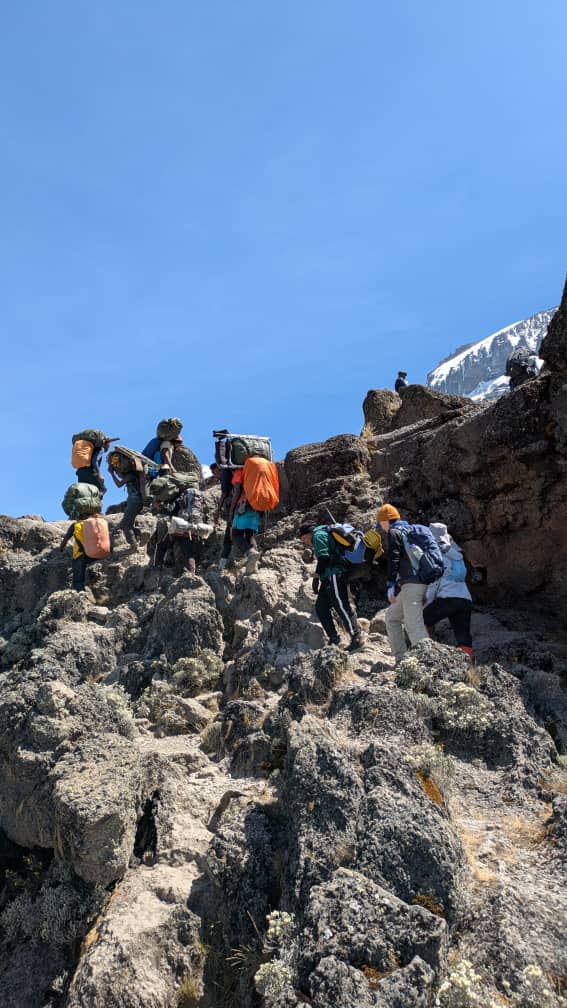
November Kilimanjaro Luxury Private Expedition | Top Guide Adventures
Experience the ultimate Kilimanjaro climb with a luxury private expedition in November 2026 or 2027. Top Guide Adventures offers tailored itineraries, premium services, and expert guidance...
View package details
November Kilimanjaro Trail Conditions: Your Essential Guide 2026-2027
Climbing Kilimanjaro in November offers a unique experience with cooler temperatures, a higher chance of rain in the early days, and significantly fewer trekkers. This guide details trail...
View package details
November Kilimanjaro Summit Night Weather: What To Expect And How To Prepare
Climbing Kilimanjaro in November? This guide details the summit night weather, including temperature ranges, wind chill, precipitation chances, and crucial preparation tips for a successful...
View package detailsNovember Kilimanjaro Waterproof Gear List For Climbs 2026-2027
Planning a Kilimanjaro climb in November? This comprehensive waterproof gear list ensures you stay dry and comfortable. Essential items include waterproof jackets, trousers, gaiters, boots...
View package details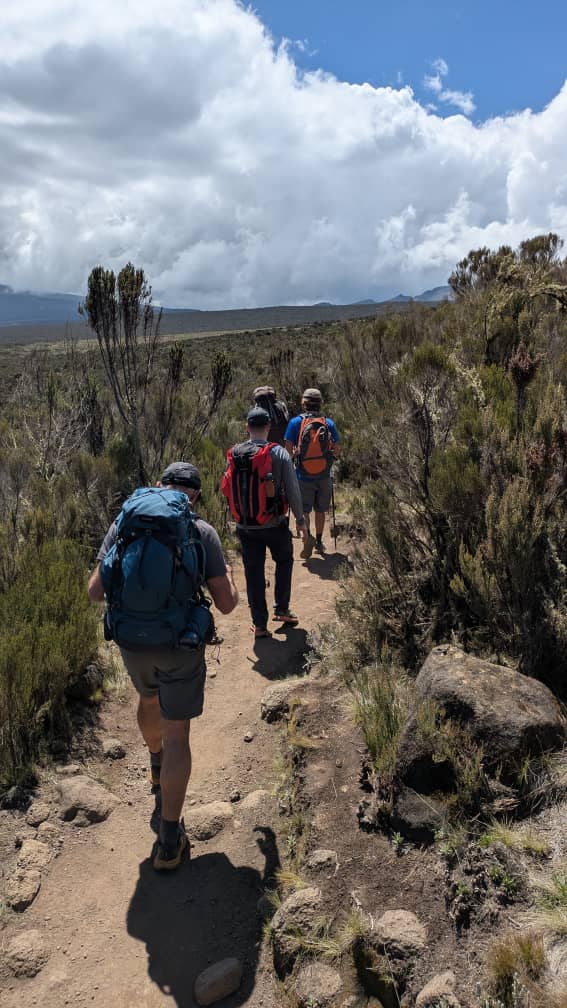
Can You Climb Kilimanjaro In November? 2026-2027
Can You Climb Kilimanjaro in November? is explained with current 2026-2027 planning, price, itinerary and booking information.
View package details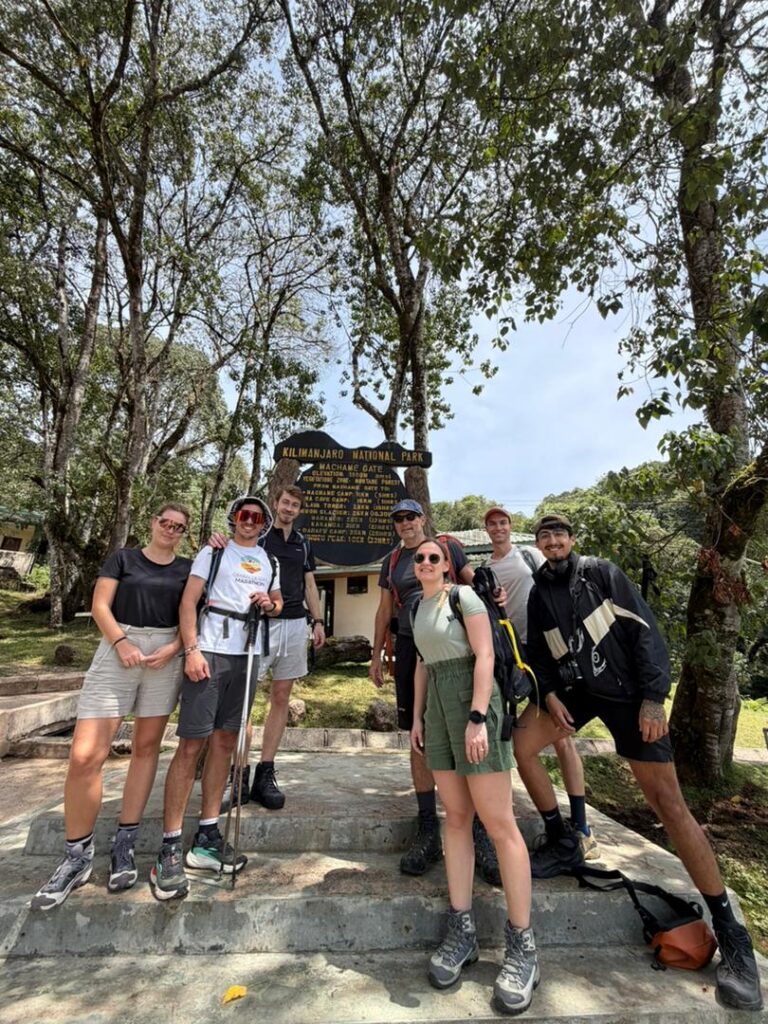
November Kilimanjaro Climbing Cost And Discounts For 2026-2027
Planning a Kilimanjaro climb in November 2026 or 2027? This comprehensive guide details the expected costs, factors influencing pricing, and available discounts. Learn how to budget...
View package detailsNovember Kilimanjaro And Zanzibar Holiday: Your Ultimate Guide 2026-2027
Combine the thrill of conquering Mount Kilimanjaro with the serene beauty of Zanzibar in November. This guide covers everything from the best trekking routes and weather conditions for your...
View package details
November Kilimanjaro And Safari Package: Your Ultimate Tanzania Adventure
Explore comprehensive details for a November Kilimanjaro and Safari package in Tanzania, covering the best routes, packing essentials, safari experiences, and planning tips for 2026-2027...
View package detailsNo related package matches those filters. Clear one or more filters to see the other topic-matched options.



