
Climbing Kilimanjaro in October is an excellent choice for trekkers seeking a balance of favorable weather and reduced crowds, making it one of the best shoulder seasons. You’ll experience dry conditions with clear skies, ideal for summiting, while encountering fewer fellow climbers compared to the peak months of July-September and January-February, enhancing your overall experience on the mountain, especially for 2026-2027 expeditions.

Why an October Kilimanjaro Climb Stands Out
Kilimanjaro, Africa’s highest peak, draws adventurers year-round. However, specific months offer distinct advantages. October falls into a period often referred to as a ‘shoulder season,’ bridging the end of the dry season and the beginning of the short rains. This timing translates into a unique set of benefits for those planning their ascent, particularly for upcoming seasons like 2026 and 2027. The primary draw is the combination of generally good weather and a noticeable dip in the number of trekkers on the mountain. This means more solitude on the trails, less competition for campsites, and a more personal connection with the mountain’s stunning landscapes.
While the main dry season (June to October) is popular, the latter part of October sees a gradual increase in the likelihood of precipitation. However, this is typically in the form of short, passing showers, often occurring in the afternoons or evenings, rather than prolonged, continuous rain. The mornings are usually clear, offering excellent visibility for your climb. This transitional weather pattern means you can often secure better prices on flights and accommodation leading up to your trek, and tour operators might have more flexible scheduling options for 2026-2027 departures.
The Advantage of Fewer Crowds in October
Kilimanjaro’s popularity means that during peak seasons, the popular routes can feel quite busy. Trails can be lined with groups, and campsites can be bustling. An October Kilimanjaro climb offers a welcome respite from this. The decrease in visitor numbers is significant enough to make a real difference in your trekking experience. Imagine quieter trails where you can truly absorb the sounds of nature, more space around the campfire at night, and better opportunities for your guides to offer personalized attention. This is particularly beneficial for acclimatization, as a less crowded environment can reduce the overall stress and enhance your focus on the climb itself.
For many trekkers, the goal is not just to reach the summit but to experience the majesty of Kilimanjaro in a profound way. Fewer people on the mountain allow for a more intimate connection with the environment. You’re more likely to spot wildlife, hear the wind whistling through the moorlands without the constant chatter of other groups, and feel a deeper sense of accomplishment when you reach the summit with a sense of personal achievement rather than feeling like part of a large procession. This is a key consideration for travelers planning their 2026-2027 Kilimanjaro expeditions.
October Weather: A Closer Look
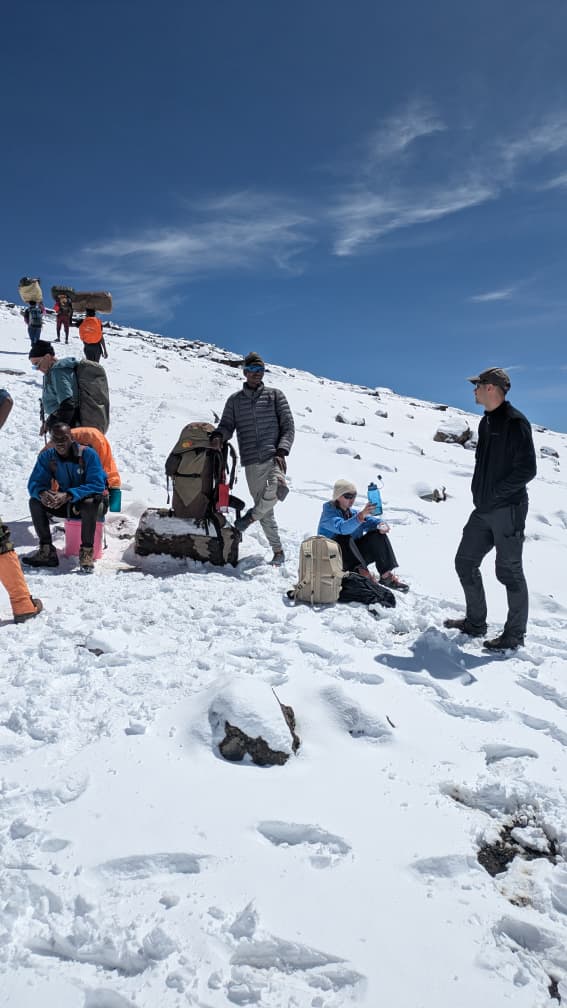
October is part of Kilimanjaro’s transitional period. The main dry season, which typically runs from June to October, is characterized by cool, dry, and clear weather. As October progresses, the chances of encountering short, intermittent showers increase, especially towards the end of the month. However, these are generally not the heavy, persistent rains that can plague the ‘green season’ (March to May). Instead, expect brief downpours, often in the afternoon, which can clear up quickly to reveal sunny skies. The higher altitudes might experience snow, particularly on the summit, but this is common year-round at Uhuru Peak.
Daytime temperatures in October are usually pleasant, ranging from the mid-20s Celsius (70s Fahrenheit) at the base to single digits or even below freezing at higher elevations. Nighttime temperatures will drop significantly, especially near the summit, requiring proper cold-weather gear. The key advantage is that the air is typically dry, reducing the feeling of dampness and making the trek more comfortable than during the wetter months. For those prioritizing clear views and a good hiking experience, October presents a compelling meteorological profile for their 2026-2027 climbs.
Choosing the Right Route for Your October Climb
While October offers favorable conditions across all routes, the choice of route significantly impacts your experience, especially regarding crowds and scenery. Some routes are inherently less crowded than others, and this distinction can be even more pronounced in October. The longer routes generally offer better acclimatization profiles and more spectacular scenery, often leading to higher success rates.
Marangu Route (Coca-Cola Route)
The Marangu route is one of the oldest and most popular, known for its unique hut accommodation rather than camping. It’s also the shortest and often considered the easiest in terms of physical demands due to its gradual ascent. However, its popularity means it can still see a fair number of trekkers, even in October, though less than peak months. The scenery is beautiful, but it lacks the panoramic views offered by other routes as it ascends on a single path.
Mweka Route
The Mweka route is primarily used for descent from other routes like Machame and Lemosho. It’s a steep and direct path through the forest.
Machame Route (Whiskey Route)
The Machame route is arguably the most popular route overall due to its excellent acclimatization profile, stunning scenery, and high success rate. It’s a challenging trek, primarily camping, and offers a ‘climb high, sleep low’ strategy that aids acclimatization. While popular, an October Kilimanjaro climb on Machame means you’ll encounter fewer people than during July-September. It offers varied landscapes, from rainforest to alpine desert and arctic zones.
Lemosho Route
The Lemosho route is considered one of the most scenic and offers excellent acclimatization. It starts in the west and crosses the Shira Plateau, offering impressive views. It is longer than Machame and Marangu, typically taking 7-8 days. Lemosho is generally less crowded than Machame, even in shoulder seasons, making an October climb here particularly rewarding for those seeking solitude. This route is highly recommended for trekkers prioritizing scenery and acclimatization for their 2026-2027 adventures.
Shira Route
Similar to Lemosho, the Shira route starts at a higher altitude and crosses the Shira Plateau. It’s often considered a slightly more challenging option due to the higher starting point, which can affect initial acclimatization. It’s also less crowded, offering a good alternative for an October Kilimanjaro climb if solitude is a top priority.
Rongai Route
The Rongai route approaches Kilimanjaro from the north, near the Kenyan border. It is the only route that approaches from the drier side of the mountain, meaning it is less affected by rain, even during the rainy seasons. This makes it a strong contender for October, especially if you’re concerned about potential showers. Rongai is generally less crowded than Machame and Marangu. It offers a different perspective of the mountain and is known for its gradual ascent, which aids acclimatization. For 2026-2027 bookings, Rongai is an excellent option for those seeking a less-trodden path.
Northern Circuit Route
The Northern Circuit is the longest route, offering the highest success rates due to its excellent acclimatization profile. It circumnavigates the mountain, providing unparalleled views from all sides. It is also the least crowded route, making it ideal for those who want a truly wild and solitary experience. An October Kilimanjaro climb on the Northern Circuit guarantees minimal human interaction on the trails, allowing for a deep connection with nature. It typically takes 9-10 days.
Key Considerations for Your October Kilimanjaro Climb
Successfully climbing Kilimanjaro requires careful planning, regardless of the month. However, an October climb has specific nuances to consider to maximize your chances of reaching the summit and enjoying the journey.
Acclimatization is Paramount
Even with good weather, Kilimanjaro’s altitude is a serious challenge. Proper acclimatization is the single most important factor for success. This means choosing a longer route (7-9 days), ascending gradually, staying hydrated, and listening to your body and your guides. The ‘pole pole’ (slowly, slowly) approach is crucial. In October, with potentially fewer crowds, guides may have more flexibility to adjust pace for individuals or small groups, which can be beneficial for acclimatization.
Packing for Variable Conditions
October weather can be unpredictable. While generally dry, afternoon showers are possible, and temperatures fluctuate dramatically with altitude. You’ll need layers of clothing suitable for everything from warm equatorial sun to freezing summit conditions. Key items include:
- Base Layers: Moisture-wicking thermal tops and bottoms.
- Mid Layers: Fleece jackets or insulated vests for warmth.
- Outer Layer: Waterproof and windproof jacket and trousers (Gore-Tex or similar).
- Insulation: A warm down or synthetic jacket for summit night.
- Headwear: Warm hat, sun hat, balaclava or neck gaiter.
- Handwear: Warm, waterproof gloves or mittens, plus liner gloves.
- Footwear: Broken-in, waterproof hiking boots, comfortable trekking socks (wool or synthetic).
- Accessories: Sunglasses, sunscreen (high SPF), lip balm, headlamp with extra batteries, water bottles or hydration reservoir, trekking poles.
Ensure your gear is waterproof and windproof, especially your outer layers. Even if the forecast is clear, conditions can change rapidly on Kilimanjaro. Proper packing is essential for comfort and safety during an October Kilimanjaro climb.
Hydration and Nutrition
Staying hydrated is critical for acclimatization and preventing altitude sickness. Aim to drink 3-4 liters of water per day. Your guides will provide boiled and purified water. Eating well, even when appetite is reduced at altitude, is also vital for energy. High-carbohydrate meals are recommended. October’s drier air might make you feel thirstier, so consciously increasing your fluid intake is important.
Choosing a Reputable Tour Operator
The quality of your tour operator significantly impacts your safety, comfort, and success rate. For an October Kilimanjaro climb, look for companies with:
- Experienced Guides: Certified guides with extensive knowledge of altitude sickness and mountain rescue.
- Quality Equipment: Well-maintained tents, sleeping bags, and cooking gear.
- Proper Logistics: Sufficient porters, food, and safety protocols.
- Ethical Practices: Fair treatment of porters and staff.
- Good Reviews: Positive feedback from previous clients, especially those who climbed in October.
Top Guide Adventures is a trusted provider in Tanzania, offering comprehensive Kilimanjaro climb packages. They focus on safety, quality service, and ensuring a memorable experience. For 2026-2027 bookings, contacting them early is advisable.
Booking and Logistics for 2026-2027
When planning your October Kilimanjaro climb for 2026 or 2027, it’s wise to book well in advance, especially if you have specific date requirements or prefer a particular route. While October is less crowded than peak seasons, popular dates can still fill up. Reputable operators will help you with all necessary logistics, including park entry fees, permits, accommodation before and after the climb, and transfers.
Consider booking a package that includes:
- Airport transfers
- Pre- and post-climb accommodation
- All meals and camping equipment during the climb
- Park fees and climbing permits
- Experienced guides and support crew (cooks, porters)
- Emergency oxygen and first-aid kit
- Medevac insurance (highly recommended)
For detailed information on planning your 2026-2027 adventure and to get a personalized quote for an October Kilimanjaro climb, you can reach out to Top Guide Adventures via WhatsApp +255616946642 or email them at topguideadventures@gmail.com. Their expertise ensures a well-organized and safe expedition.
Comparing October to Other Months
To fully appreciate the benefits of an October Kilimanjaro climb, it’s helpful to compare it with other periods of the year.
October vs. Peak Dry Season (July-September)
Pros of October: Fewer crowds, potentially slightly lower prices, still good weather.
Pros of July-September: Statistically the driest months, very stable weather, clear skies are most consistent.
Cons of October: Slightly higher chance of brief showers compared to July-September.
Cons of July-September: Highest number of trekkers, trails and campsites can be very busy, prices may be higher.
October vs. Short Rains (November-December)
Pros of October: Significantly drier and clearer weather than November-December.
Pros of November-December: Even fewer crowds than October, lush green landscapes after rains (though this is more relevant for lower altitudes).
Cons of October: Slightly more crowded than Nov-Dec.
Cons of November-December: Higher chance of rain, especially at higher altitudes; visibility can be reduced; colder temperatures due to rain and cloud cover.
October vs. Long Rains (March-May)
Pros of October: Vastly superior weather. October is dry with clear skies for most of the month.
Pros of March-May: Very few crowds, dramatic landscapes, potentially lowest prices.
Cons of October: More crowded than the rainy season.
Cons of March-May: High risk of heavy, persistent rain, muddy trails, poor visibility, increased risk of altitude sickness due to difficult conditions, routes may be closed or very challenging.
This comparison clearly highlights why October is a favored choice for many trekkers planning their 2026-2027 expeditions. It offers a compelling blend of good weather and manageable crowds, avoiding the extremes of the peak season rush and the challenges of the rainy periods.
Potential Challenges and How to Prepare
While October is a great month, no Kilimanjaro climb is without its challenges. Being prepared is key to overcoming them.
Altitude Sickness (AMS)
Acute Mountain Sickness is the most common challenge. Symptoms include headache, nausea, dizziness, and fatigue. The best prevention is a slow ascent, adequate hydration, and avoiding overexertion. Choosing a longer route (7+ days) significantly increases your chances of successful acclimatization. Your guides are trained to monitor for AMS and will make decisions regarding your safety.
Cold Temperatures
Even in October, summit night and the highest camps will be very cold, often dropping well below freezing. Proper layering and high-quality cold-weather gear are essential. Ensure your sleeping bag is rated for sub-zero temperatures.
Variable Weather
As discussed, October can bring brief showers. While typically not disruptive, being prepared with waterproofs is necessary. The mountain’s weather is notoriously fickle and can change in minutes.
Physical Demands
Kilimanjaro is a strenuous trek. While not technically difficult on most routes, the altitude and sustained effort require good physical fitness. Cardiovascular fitness and leg strength are most important. Train by hiking with a backpack, running, cycling, or swimming in the months leading up to your 2026-2027 climb.
What to Expect on the Summit Night
Summit night is the most challenging part of the climb. You’ll typically start your ascent from the last camp (e.g., Kibo Hut or Barafu Camp) around midnight. The climb is steep, slow, and done in the dark, lit only by your headlamp. Temperatures will be at their lowest, often -10°C to -20°C (14°F to -4°F), with wind chill making it feel even colder.
Your guides will pace the group, ensuring everyone moves slowly and steadily. Breaks will be short to conserve body heat. The goal is to reach Stella Point on the crater rim by sunrise, then continue the relatively flat walk to Uhuru Peak, the true summit, at 5,895 meters (19,341 feet). The views from the crater rim and summit at sunrise are often spectacular, with clear skies in October providing a fantastic backdrop. After a brief time at the summit, you’ll begin the long descent, which is surprisingly demanding on the legs and knees.
The success of summit night hinges on preparation: adequate rest in the preceding days, proper gear, mental fortitude, and excellent guidance. An October Kilimanjaro climb, with potentially clearer skies, can make this experience even more memorable.
The Role of Guides and Porters
The support crew is vital to your Kilimanjaro experience. Your guides are not just there to lead the way; they are trained professionals responsible for your safety, monitoring your health for altitude sickness, and making critical decisions. They possess deep knowledge of the mountain and its environment.
Porters carry the bulk of your gear, setting up camp, preparing meals, and ensuring you have a comfortable experience. A well-organized team works efficiently to make your trek as smooth as possible. Reputable companies like Top Guide Adventures ensure their crew is well-equipped, well-fed, and treated ethically, which directly impacts the quality of service and safety on the mountain. For any 2026-2027 trek, understanding the support structure is crucial.
Making the Most of Your October Kilimanjaro Climb
To ensure your October Kilimanjaro climb is a success and a cherished memory, consider these final tips:
- Start Planning Early: Especially for 2026-2027, book your trip several months in advance to secure your preferred dates and routes.
- Choose a Reputable Operator: Invest in quality. Top Guide Adventures is known for its commitment to client safety and satisfaction. Contact them at WhatsApp +255616946642 or topguideadventures@gmail.com.
- Train Appropriately: Don’t underestimate the physical demands.
- Pack Wisely: Layering and waterproof gear are essential for October.
- Listen to Your Body and Guides: Acclimatization and safety come first.
- Stay Positive: Kilimanjaro is a mental challenge as much as a physical one. Enjoy the journey and the incredible scenery.
An October Kilimanjaro climb offers a fantastic opportunity to experience the Roof of Africa with fewer crowds and generally good weather. By choosing the right route, preparing adequately, and partnering with a trusted tour operator like Top Guide Adventures, you can significantly increase your chances of a successful and unforgettable ascent for your 2026-2027 adventure.
Ready to Book Your October Kilimanjaro Climb for 2026-2027?
Don’t miss out on the advantages of climbing Kilimanjaro in October. Experience the magic of the mountain with clearer trails and beautiful weather. Top Guide Adventures specializes in creating safe, memorable, and personalized Kilimanjaro expeditions. Get in touch today to discuss your plans for 2026 or 2027:
- WhatsApp: +255616946642
- Email: topguideadventures@gmail.com
- Backup Email: info@topguideadventures.com
- Website: Top Guide Adventures
Let us help you plan your perfect October Kilimanjaro climb.
Check Availability for October Kilimanjaro Climb: Fewer Crowds, Great Weather 2026-2027
Ready to compare dates, prices, and the best option for your group? Send the package name and travel month so the team can reply with a clear quote, availability, and what is included.

November Kilimanjaro Climb: Fewer Crowds, Great Success Rates With Top Guide
Climbing Kilimanjaro in November offers a unique advantage: significantly fewer trekkers on the mountain compared to peak seasons. This allows for a more serene and personal experience. Top...
View package detailsOctober Kilimanjaro Waterproof Packing Guide For Climbs 2026-2027
Prepare for your October Kilimanjaro climb with this comprehensive waterproof packing guide. Essential gear and clothing advice for 2026-2027 expeditions.
View package details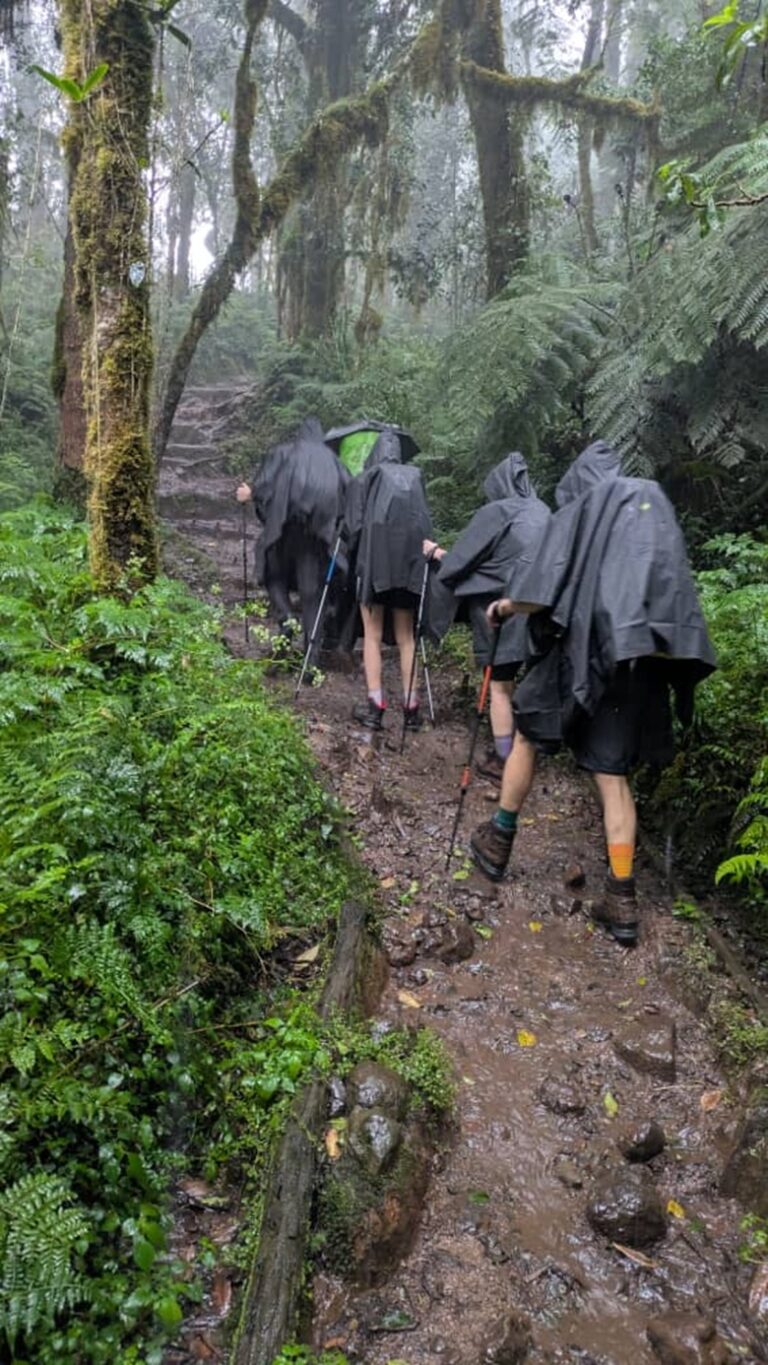
Is October A Good Time To Climb Kilimanjaro? Your Expert Guide For 2026-2027
Discover if October is an ideal month for your Kilimanjaro ascent. This guide covers weather, crowds, costs, and essential planning for your 2026-2027 climb.
View package details
October Kilimanjaro And Zanzibar Package: Climb & Island Bliss 2026-2027
Discover the ultimate October Kilimanjaro and Zanzibar package. This guide details combining a trek up Africa's highest peak with the idyllic beaches of Zanzibar, perfect for 2026-2027...
View package detailsOctober Kilimanjaro Climb For Couples: Your Ultimate Guide 2026-2027
Discover everything couples need to know for a successful Kilimanjaro climb in October. This guide covers the best routes, essential packing, weather insights, and booking tips for...
View package detailsOctober Kilimanjaro Private Climbing Tour: Your Ultimate Guide For 2026-2027
Your comprehensive guide to embarking on a private Kilimanjaro climb in October 2026 or 2027. Discover optimal routes, essential preparations, and why a private tour offers unparalleled...
View package details
7-Day Rongai Route Kilimanjaro Climb In October : Your Expert Guide 2026-2027
Your comprehensive guide to the 7-Day Rongai Route Kilimanjaro climb in October, detailing itineraries, what to expect, and essential preparation for 2026-2027 climbs.
View package details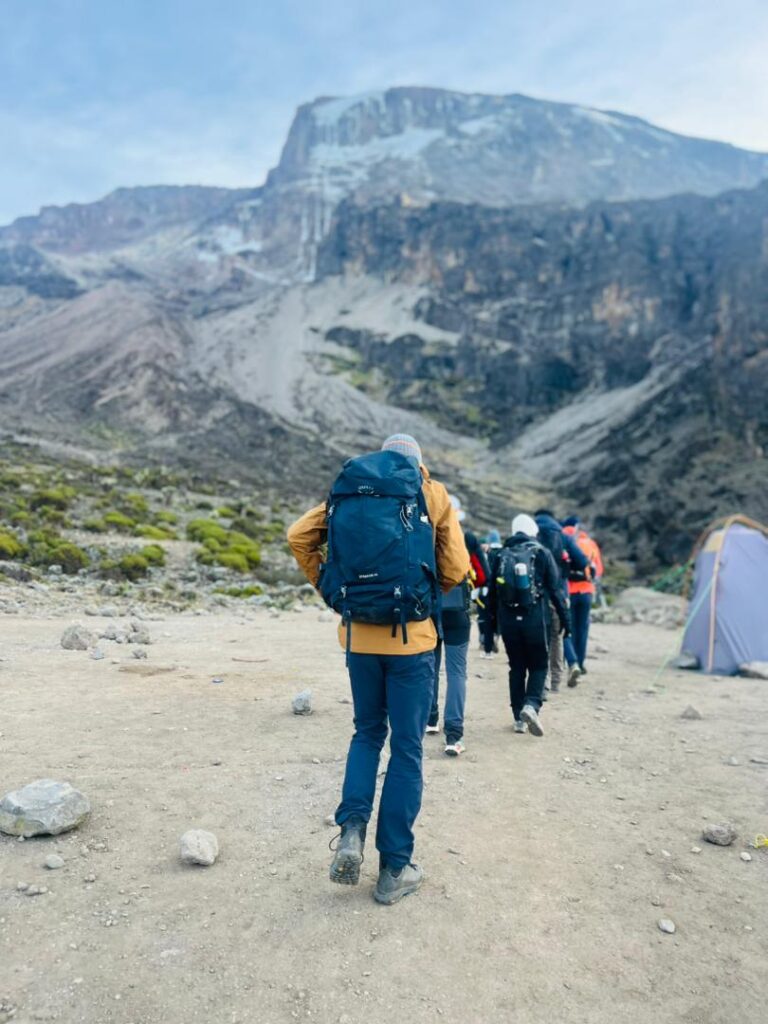
8-Day Lemosho Route Kilimanjaro Climb In October : Your Expert Guide 2026-2027
An in-depth guide to climbing Kilimanjaro via the 8-day Lemosho Route in October, detailing weather, itinerary, preparation, and what to expect in 2026-2027. Perfect for trekkers seeking...
View package details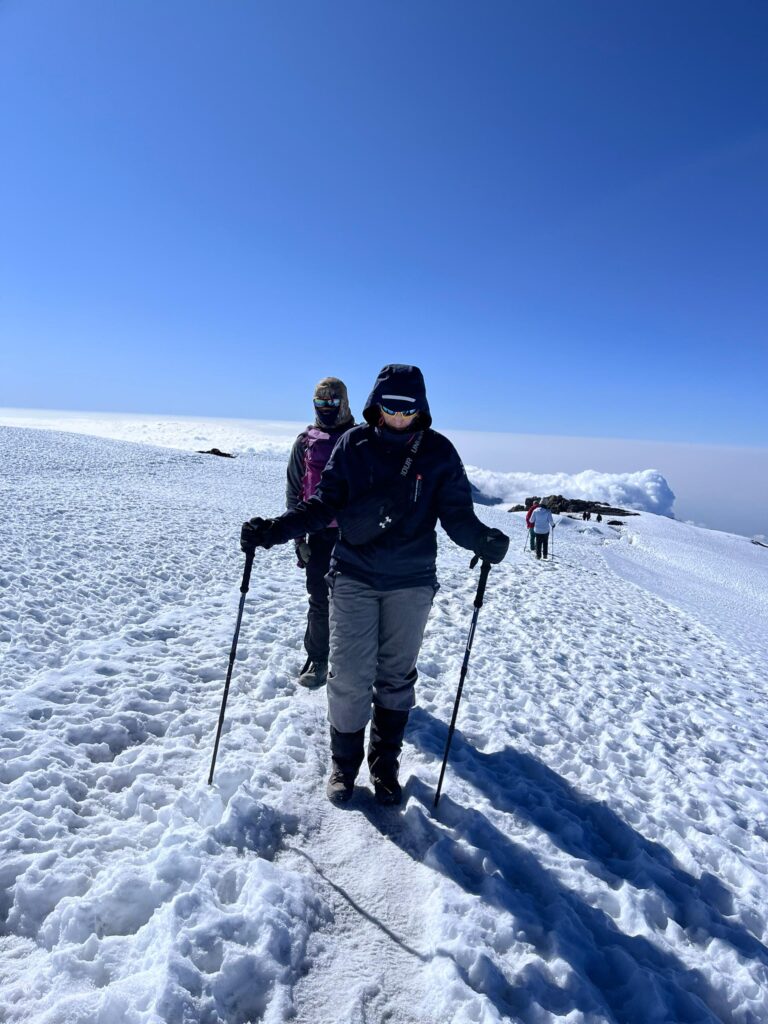
7-Day Machame Route Kilimanjaro Climb In October : Your Ultimate Guide
Discover everything you need to know for a 7-day Machame Route Kilimanjaro climb in October, including weather, packing, itinerary, and preparation for your 2026-2027 adventure.
View package details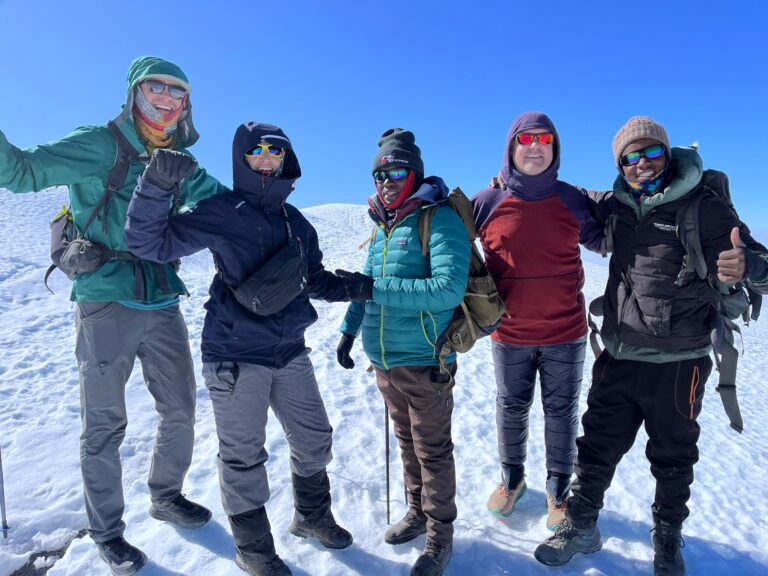
Early October Kilimanjaro Climbing Packages: Your Guide To Summit Success
Planning an early October climb of Kilimanjaro? This guide covers everything you need to know about packages, routes, weather, and preparation for your 2026-2027 adventure.
View package details
Kilimanjaro Climbing In October : Weather, Routes, And Planning 2026-2027
Planning a Kilimanjaro climb for October 2027? This guide details the excellent weather conditions, compares the most suitable routes like Machame and Lemosho, and provides essential...
View package details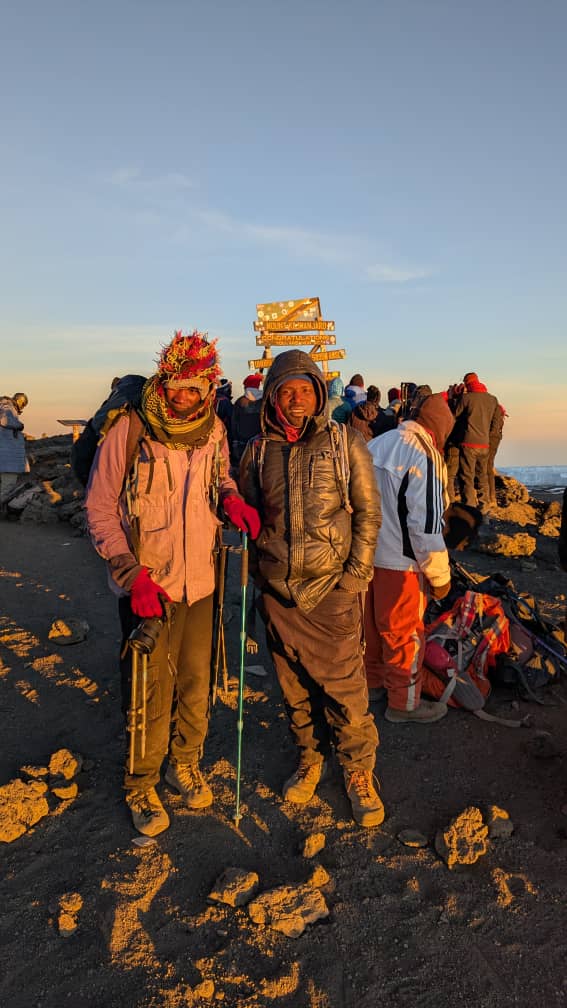
December Kilimanjaro Packing Checklist: Essential Gear For Climbs 2026-2027
Prepare for your December Kilimanjaro climb with our comprehensive packing checklist. This guide covers essential gear, clothing, and tips for conquering Africa's highest peak in the dry...
View package detailsNo related package matches those filters. Clear one or more filters to see the other topic-matched options.



