
An October Kilimanjaro climb for couples offers excellent conditions with generally clear skies and moderate temperatures, making it a prime month for summiting Africa’s highest peak together. Expect dry weather, good visibility for stunning views, and manageable crowds compared to peak seasons, with routes like Machame and Lemosho being popular choices for a memorable shared adventure in 2026 and 2027.
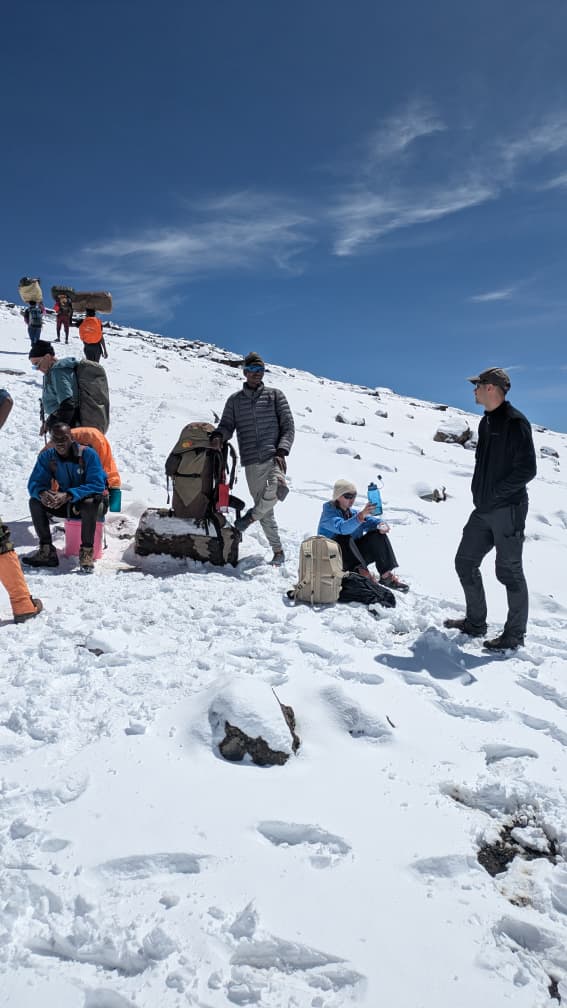
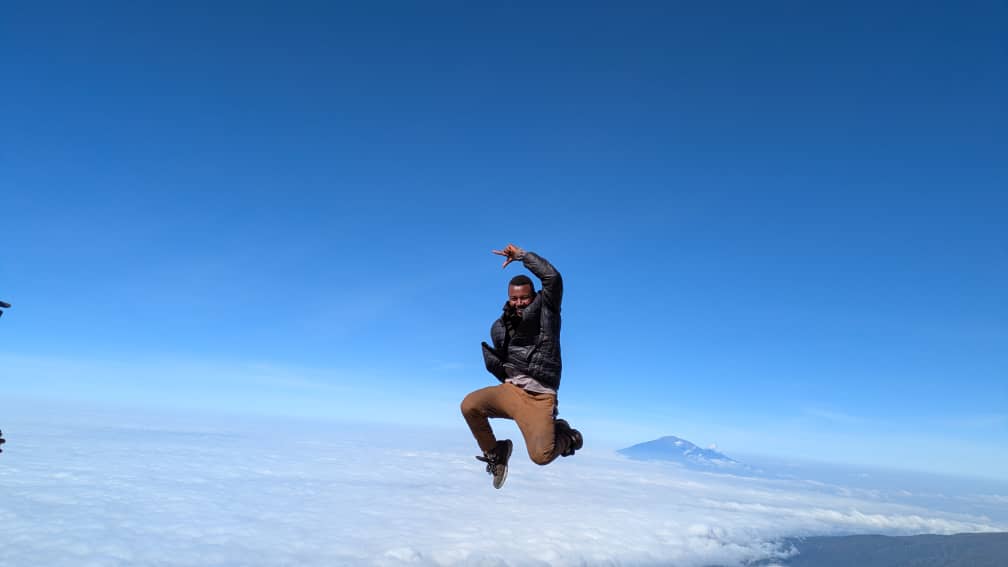

Why October is Ideal for Couples Climbing Kilimanjaro
Choosing October for your Kilimanjaro climb as a couple is a strategic decision that promises a rewarding and memorable experience. This month falls within Kilimanjaro’s second dry season, offering a sweet spot for trekkers. The rains of the short rainy season (November-December) have typically subsided, and the heavy rains of the long rainy season (March-May) are still a distant prospect. This means you’re more likely to encounter clear skies, allowing for impressive panoramic views from the summit and along the trails. For couples, sharing these spectacular vistas is a profound bonding experience.
The weather in October is generally characterized by pleasant daytime temperatures and colder nights, especially as you ascend. While the summit night will still be very cold, the trekking days are often comfortable, making the physical exertion more enjoyable. Visibility is usually excellent, providing unparalleled photographic opportunities of the diverse landscapes and the surrounding plains. This clarity is crucial for appreciating the grandeur of Kilimanjaro, from its lush foothills to its stark alpine desert and glacial summit.
Furthermore, October sees fewer crowds than the absolute peak months of July-September. This means a more intimate trekking experience, which is often preferred by couples seeking a shared journey without the hustle of larger groups. You can enjoy more personal attention from your guides and a greater sense of tranquility on the mountain. This allows for more focused communication and shared moments of reflection with your partner, enhancing the overall significance of your climb.
When planning for 2026 or 2027, booking your October Kilimanjaro climb well in advance is recommended, especially for couples who might prefer specific dates or private group arrangements. Early booking ensures availability and allows ample time for preparation, including training, gear acquisition, and visa arrangements.
Choosing the Right Kilimanjaro Route for Couples in October
Selecting the optimal route is paramount for any Kilimanjaro climb, and for couples, it’s about balancing challenge, acclimatization, and the shared experience. In October, with generally good weather, most routes are viable, but some offer distinct advantages for couples looking for a particularly rewarding journey.
Machame Route: The Popular Choice for Couples
The Machame Route, often called the “Whiskey Route,” is consistently one of the most popular choices for Kilimanjaro climbs, and for good reason, especially for couples. It’s known for its scenic beauty and excellent acclimatization profile, boasting a 7-day itinerary that significantly increases summit success rates. This longer duration allows your bodies to adapt more gradually to the altitude, reducing the risk of altitude sickness and making the climb more enjoyable for both partners.
The Machame Route traverses diverse ecological zones, offering a rich visual experience. You’ll trek through rainforests, moorlands, alpine deserts, and arctic zones, each presenting unique landscapes to admire together. The route’s “climb high, sleep low” strategy is particularly beneficial for acclimatization, involving daily ascents to higher altitudes followed by descents to lower camps for sleeping. This approach is crucial for preventing altitude sickness, allowing both individuals in a couple to feel stronger and more capable throughout the trek.
For couples, the Machame Route offers a good balance between challenge and comfort. The campsites are generally well-situaten, and the trail provides opportunities for shared moments of awe and accomplishment. The camaraderie within a group on Machame is also notable, though private climbs can be arranged for a more intimate experience. The 7-day Machame trek is highly recommended for couples planning their October Kilimanjaro climb in 2026 or 2027, as it maximizes the chances of reaching the summit comfortably and safely together.
Lemosho Route: Scenic Beauty and Excellent Acclimatization
The Lemosho Route is another excellent option for couples, particularly those who prioritize stunning scenery and a more remote trekking experience. Typically offered as a 7 or 8-day trek, Lemosho provides superior acclimatization compared to shorter routes. Its longer duration means more time for the body to adjust to the increasing altitude, which is vital for a successful and enjoyable summit bid for both partners.
Lemosho’s primary draw is its impressive beauty. It begins in the remote western side of Kilimanjaro, offering a more secluded and pristine environment in the initial days. The route winds through dense rainforests, providing opportunities to spot wildlife and appreciate the lush ecosystem before ascending into the moorlands and alpine zones. The views, especially as you traverse the Shira Plateau, are spectacular, offering a sense of vastness and wonder that couples can share.
The acclimatization on Lemosho is considered among the best, as it follows a gradual ascent and incorporates the “climb high, sleep low” principle effectively. This is crucial for couples, as it ensures that both individuals are physically prepared and feeling well as they approach the summit. The longer itineraries (7 or 8 days) are highly recommended for couples to maximize their chances of success and minimize the effects of altitude sickness. For those planning an October Kilimanjaro climb for couples in 2026-2027, Lemosho offers a blend of natural splendor and physiological advantage.
Other Notable Routes for Couples
While Machame and Lemosho are top contenders, other routes might appeal to couples depending on their priorities:
- Marangu Route (Coca-Cola Route): This is the oldest and most established route, known for its distinctive “huts” instead of camping. While it’s the shortest and often cheapest, its rapid ascent profile offers poor acclimatization, making it less ideal for couples prioritizing success and comfort. The 5-day option is particularly challenging. The 6-day option is better but still less recommended than Machame or Lemosho.
- Rongai Route: This route approaches Kilimanjaro from the north, offering a different perspective and generally drier conditions, especially if there’s any lingering rain in early October. It’s less crowded than western routes and offers good acclimatization on its 6 or 7-day options. It can be a good choice for couples seeking a quieter experience.
- Northern Circuit: The longest and arguably the most scenic route, offering the highest summit success rates due to its superior acclimatization profile. It circles the mountain, providing diverse views and a more relaxed pace. While it requires more time (9-10 days), it’s an exceptional choice for couples who want to maximize their experience and chances of success, though it comes at a higher cost.
For an October Kilimanjaro climb for couples, the 7-day Machame or 7/8-day Lemosho routes are generally the most recommended for a balance of scenic beauty, good acclimatization, and a high probability of reaching the summit together in 2026 or 2027.
October Weather on Kilimanjaro: What Couples Can Expect
Understanding the weather is critical for planning any mountain expedition, and for a couple’s Kilimanjaro climb in October, it’s a significant factor in comfort and success. October falls within Kilimanjaro’s second dry season, which generally runs from mid-September to late October. This period is highly favored by trekkers due to its favorable conditions.
Daytime Conditions
During the day, especially on the lower to middle slopes, temperatures are usually pleasant and mild. You can expect highs ranging from 15°C to 25°C (59°F to 77°F) in the rainforest and moorland zones. The sun can be quite intense at higher altitudes due to the thin atmosphere, so sun protection is essential. Light, breathable hiking clothing is recommended for daytime trekking. Evenings and mornings, however, will be cooler, especially as you move into the alpine desert zone.
Nighttime and Summit Night Temperatures
As you ascend higher, temperatures drop significantly, particularly after sunset. Nighttime temperatures in the camps can range from 0°C to 10°C (32°F to 50°F) in the alpine desert. Summit night, however, is the coldest part of the climb. Temperatures at the summit (Uhuru Peak) can plummet to -10°C to -20°C (14°F to -4°F), and with wind chill, it can feel even colder. Proper layering of warm clothing is absolutely non-negotiable for summit night, ensuring both you and your partner are safe and comfortable.
Rainfall and Visibility
October is characterized by relatively low rainfall. While occasional light showers are possible, especially in the earlier days through the rainforest, prolonged or heavy rain is uncommon. This means clearer trails and better visibility. The skies are often clear, offering stunning panoramic views of Mount Meru and the surrounding plains. This is particularly important for the summit bid, where clear skies allow for an unobstructed view of the sunrise from the roof of Africa.
Wind Conditions
Wind can be a factor, especially at higher altitudes and on summit night. The summit plateau and crater rim can be exposed to strong winds, which can significantly lower the perceived temperature. Proper windproof outer layers are crucial for protection. Guides are skilled at monitoring weather patterns and will advise on appropriate clothing and safety measures.
Implications for Couples
For couples, the generally stable weather in October means a more predictable and comfortable trekking experience. You can focus more on enjoying the journey together rather than constantly battling adverse weather. The clear skies offer fantastic opportunities for shared photos and memorable moments. However, it’s still essential to be prepared for cold temperatures, especially during the summit push. Packing appropriate gear for both mild and extreme cold is key to ensuring a successful and enjoyable October Kilimanjaro climb for couples in 2026-2027.
Essential Packing List for Couples Climbing Kilimanjaro in October
Packing correctly is vital for a successful and comfortable Kilimanjaro climb, especially for couples who need to ensure both individuals are well-equipped. October’s variable weather, from mild trekking days to freezing summit nights, requires a comprehensive approach to gear. Investing in quality gear will make a significant difference to your experience.
Layering System: The Foundation of Your Gear
The key to staying comfortable on Kilimanjaro is the layering system. This allows you to adjust your clothing to the changing temperatures and exertion levels. For an October Kilimanjaro climb for couples, aim for:
- Base Layers: Moisture-wicking thermal tops and bottoms (merino wool or synthetic). Bring at least two sets for a week-long trek.
- Mid Layers: Fleece jackets or vests. These provide insulation. A heavier fleece for colder days and a lighter one can be useful.
- Outer Layers (Insulation): A warm down or synthetic insulated jacket. This is crucial for evenings and summit night.
- Outer Layers (Shell): Waterproof and windproof jacket and pants. Essential for protection against rain and wind, especially on summit night. Look for breathable materials like Gore-Tex.
Footwear: Crucial for Comfort and Safety
Your feet are your most important asset on the mountain. Proper footwear is non-negotiable.
- Hiking Boots: Waterproof, broken-in, mid-to-high cut hiking boots with good ankle support. These are essential for all routes except potentially Marangu huts.
- Camp Shoes/Sandals: Lightweight footwear for use at campsites to give your feet a break.
- Socks: Several pairs of wool or synthetic hiking socks. Avoid cotton. Bring liner socks to help prevent blisters.
- Gaiters: To prevent scree and dirt from entering your boots.
Headwear and Handwear
Protection for your extremities is vital, especially on summit night.
- Warm Hat: A wool or fleece hat that covers your ears.
- Sun Hat: A wide-brimmed hat or cap for sun protection during the day.
- Balaclava or Buff: For face and neck protection against wind and cold.
- Gloves: A pair of warm fleece or wool gloves, and a pair of waterproof/windproof outer gloves or mittens for summit night. Thin liner gloves can also be useful.
Sleeping Gear
While tour operators often provide tents, you’ll need your own sleeping bag and liner.
- Sleeping Bag: A 4-season sleeping bag rated to at least -10°C (14°F), preferably -20°C (-4°F), is recommended for October.
- Sleeping Bag Liner: Adds warmth and keeps your sleeping bag clean.
Trekking Essentials
- Backpack: A comfortable daypack (25-35 liters) for carrying essentials during the day.
- Duffel Bag: A large, waterproof duffel bag (80-100 liters) for your main gear, carried by porters.
- Water Bottles/Hydration Reservoir: At least 3 liters capacity. Insulated covers are recommended for October to prevent water from freezing.
- Trekking Poles: Highly recommended for stability and reducing strain on knees, especially on descents.
- Headlamp: With extra batteries. Essential for summit night and navigating camps in the dark.
- Sunglasses: High UV protection is needed.
- Sunscreen and Lip Balm: High SPF.
- Insect Repellent: Especially for the rainforest section.
- Personal First-Aid Kit: Including any personal medications, blister treatment, pain relievers, and altitude sickness medication (consult your doctor).
- Toiletries: Biodegradable soap, toothbrush, toothpaste, wet wipes, hand sanitizer.
Documents and Valuables
- Passport and Visa: Keep copies separate.
- Cash: For tips and personal expenses.
- Camera and Power Bank: To capture memories.
For couples, coordinating gear can be efficient. For instance, one person might carry a shared first-aid kit, while both ensure they have their own personal medications. Reviewing this list together ensures neither partner overlooks crucial items for their October Kilimanjaro climb in 2026-2027.
Health and Acclimatization for Couples on Kilimanjaro
Health and proper acclimatization are the most critical factors for a successful Kilimanjaro climb, especially for couples who need to support each other through the challenges. Altitude sickness (Acute Mountain Sickness – AMS) is a serious concern, and a well-planned approach is essential.
Understanding Altitude Sickness
Kilimanjaro’s altitude can affect anyone, regardless of fitness level. Symptoms of AMS include headache, nausea, dizziness, fatigue, and loss of appetite. Severe forms can lead to High Altitude Cerebral Edema (HACE) or High Altitude Pulmonary Edema (HAPE), which are life-threatening. The best prevention is gradual ascent and proper acclimatization.
The Importance of Acclimatization Strategies
Choosing a longer route (7-8 days) is the single most effective acclimatization strategy. Routes like Machame and Lemosho are designed with “climb high, sleep low” principles, where you ascend to higher altitudes during the day for acclimatization and then descend to a lower altitude camp to sleep. This strategy allows your body to adapt more effectively to the reduced oxygen levels.
For couples, this means communicating openly about how each person is feeling. If one partner is experiencing mild symptoms, the other can provide support, and both should inform the guide immediately. Ignoring symptoms or pushing through can be dangerous.
Pre-Climb Preparation
- Medical Check-up: Consult your doctor well in advance of your October Kilimanjaro climb. Discuss your plans, get advice on preventative medications like Diamox (Acetazolamide), and ensure you are medically fit for strenuous activity at high altitude.
- Physical Fitness: While not a mountaineering expedition, good cardiovascular fitness is essential. Focus on hiking, running, cycling, or swimming in the months leading up to your climb. Practice hiking with a weighted backpack.
- Hydration: Begin hydrating well before your trip and continue throughout the climb. Drink plenty of water (3-4 liters per day). Avoid alcohol and caffeine, as they can contribute to dehydration.
- Nutrition: Eat a balanced diet. On the mountain, eat well at every meal, even if your appetite is reduced.
During the Climb: Staying Healthy Together
- Listen to Your Body: This is paramount. Communicate symptoms to your guide immediately. If symptoms worsen, descent is the only cure.
- Pace Yourself: “Pole pole” (slowly, slowly) is the mantra on Kilimanjaro. Maintain a slow, steady pace that allows for conversation. This conserves energy and aids acclimatization.
- Stay Hydrated: Drink water consistently throughout the day.
- Eat Well: Even small amounts of food are better than nothing. High-carbohydrate meals are good for energy.
- Sleep: Get as much rest as possible. While sleep can be difficult at altitude, try to relax.
- Monitor Each Other: As a couple, be attentive to your partner’s well-being. Encourage them, check for symptoms, and ensure they are eating and drinking.
By prioritizing acclimatization and health, couples can significantly increase their chances of a successful and enjoyable October Kilimanjaro climb in 2026-2027. Remember, the goal is to reach the summit together, safely.
Preparing Your Body: Training for an October Kilimanjaro Climb
While Kilimanjaro is not technically demanding, its altitude and duration require a good level of physical fitness. Couples planning an October Kilimanjaro climb should engage in a consistent and targeted training program in the months leading up to their expedition.
Cardiovascular Fitness: The Foundation
The core of your training should focus on building cardiovascular endurance. This helps your body utilize oxygen more efficiently, which is crucial at high altitudes. Aim for:
- Aerobic Activities: Engage in activities like running, jogging, cycling, swimming, or brisk walking for at least 3-4 sessions per week.
- Duration: Gradually increase the duration of your workouts, aiming for sessions of 60-90 minutes.
- Intensity: Include some higher-intensity interval training (HIIT) sessions to improve your VO2 max, but don’t overdo it.
Strength Training: Building Resilience
While not as critical as cardio, strength training supports your body, particularly your legs and core, for long days of trekking.
- Leg Strength: Focus on exercises like squats, lunges, step-ups (crucial for simulating uphill climbs), and calf raises.
- Core Strength: Planks, crunches, and back exercises will help with stability and carrying your daypack.
- Upper Body: Light exercises for your arms and shoulders can help with balance and carrying poles.
Hiking-Specific Training: Simulating the Climb
This is the most direct way to prepare for the demands of Kilimanjaro.
- Practice Hikes: Aim for at least one long hike per week, ideally on weekends. Gradually increase the distance and elevation gain.
- Simulate Kilimanjaro Conditions: Hike on varied terrain, including steep ascents and descents. Wear the boots and backpack you plan to use on Kilimanjaro, carrying a weight similar to what you’ll have in your daypack.
- Back-to-Back Hikes: If possible, do longer hikes on consecutive days (e.g., Saturday and Sunday) to simulate the multi-day nature of the climb and how your body feels after prolonged exertion.
Altitude Preparation (If Possible)
While difficult for most, if you live at altitude or can travel to a higher elevation for a few days before your climb, it can be beneficial. However, for most people, the best acclimatization happens on the mountain itself.
Nutrition and Hydration for Training
Ensure you are well-nourished and hydrated during your training period. Focus on a balanced diet rich in complex carbohydrates, lean protein, and healthy fats. Drink plenty of water throughout the day.
Training as a Couple
Training together can be a great motivator. You can encourage each other, share the challenges, and build shared anticipation for your October Kilimanjaro climb for couples in 2026-2027. Consider joining hiking groups or finding training partners for added motivation.
Remember to listen to your body and avoid overtraining. Rest days are as important as workout days for muscle recovery and preventing injury. A well-prepared body will significantly enhance your enjoyment and success rate on Kilimanjaro.
The Summit Night Experience: A Shared Challenge
Summit night on Kilimanjaro is the most demanding and iconic part of the climb. For couples, it’s a profound shared experience, testing your physical and mental limits while offering unparalleled rewards. Understanding what to expect is crucial for preparation.
The Departure
Most summit attempts begin in the early hours of the morning, typically between 11 PM and 1 AM. You’ll be woken up, have a light meal (often porridge or soup), and get dressed in your warmest gear. Your guides will do a final check of your equipment and health status.
For couples, this pre-dawn departure can feel surreal. The cold, the darkness, and the sheer magnitude of the task ahead can be daunting. Supporting each other through this initial phase – a reassuring touch, a quiet word of encouragement – can make a significant difference.
The Ascent: Slow and Steady
The trek from the final camp (e.g., Barafu Camp on Machame/Lemosho) to Stella Point and then Uhuru Peak is a steep, scree-covered ascent in the dark. The air is thin, and every step requires significant effort. The pace is extremely slow – “pole pole” is more critical than ever. Your guides will lead, often forming a chain of trekkers, with each person following the one ahead.
Couples will likely be separated by the group’s pace, but guides will ensure you stay within visual or auditory range. The focus is on placing one foot in front of the other, breathing deeply, and maintaining a steady rhythm. The cold is intense, and the wind can be biting. You’ll be relying heavily on your headlamp to see the trail.
Reaching Stella Point and Uhuru Peak
Stella Point (5,756m / 18,885 ft) is the first major milestone, usually reached around sunrise. The view as the sun begins to paint the sky over the clouds is spectacular and offers a moment of immense relief and awe. From Stella Point, it’s another 45-60 minutes of relatively flat walking along the crater rim to Uhuru Peak (5,895m / 19,341 ft), the true summit of Kilimanjaro.
Reaching Uhuru Peak together is an emotional and unforgettable moment. The panoramic views, the glaciers, and the sense of accomplishment are profound. This is a moment to celebrate your shared achievement, take photos, and soak in the incredible vista. It’s a testament to your teamwork, perseverance, and mutual support throughout the climb.
The Descent: A Long Journey
The descent is often underestimated but is physically demanding. You’ll descend from Uhuru Peak back to Stella Point, and then begin the long trek down to Barafu Camp for a brief rest, and then continue down to Mweka Camp (or Millennium Camp on Lemosho). The scree slopes can be challenging for the knees and quads. Your guides will help you navigate this safely.
For couples, the descent is a time to reflect on the experience and support each other as fatigue sets in. While the summit is the goal, safely returning to lower altitudes is equally important.
Tips for Couples on Summit Night
- Communicate: Talk to each other and your guides about how you’re feeling.
- Stay Warm: Keep moving, but avoid overexertion that causes excessive sweating. Adjust layers as needed.
- Hydrate and Snack: Sip water frequently and eat energy-rich snacks.
- Positive Mindset: Encourage each other. Focus on small milestones (e.g., the next rock, the next bend).
- Trust Your Guides: They have extensive experience and will make critical decisions for your safety.
The summit night is a shared crucible that forges stronger bonds. Successfully completing this ultimate challenge together makes the October Kilimanjaro climb for couples an exceptionally meaningful adventure for 2026-2027.
Booking Your October Kilimanjaro Climb for Couples with Top Guide Adventures
Choosing the right tour operator is as crucial as selecting the right route or packing the right gear. Top Guide Adventures specializes in providing exceptional Kilimanjaro climbing experiences, with a strong focus on safety, quality service, and personalized attention, making them an ideal partner for your October Kilimanjaro climb for couples in 2026-2027.
Why Choose Top Guide Adventures?
- Experienced Local Guides: Our guides are certified, highly experienced, and deeply knowledgeable about Kilimanjaro’s routes, weather patterns, and altitude management. They prioritize your safety and success above all else.
- Quality Equipment: We provide high-quality, well-maintained camping and climbing equipment, ensuring your comfort and safety on the mountain.
- Excellent Acclimatization Strategies: We advocate for and implement routes and itineraries that prioritize proper acclimatization, significantly increasing your chances of reaching the summit.
- Personalized Support: As a trusted Tanzanian tour company, we offer personal attention and dedicated support from the moment you inquire until you return home. We understand the unique needs of couples and can tailor aspects of your climb where possible.
- Safety First: Our safety protocols are stringent, including regular health checks by guides, emergency oxygen supplies, and communication systems.
- Sustainable Tourism: We are committed to responsible tourism practices, ensuring the preservation of Kilimanjaro’s natural beauty and supporting local communities.
Planning Your 2026-2027 Climb
Booking your October Kilimanjaro climb for couples with Top Guide Adventures is a straightforward process:
- Inquire: Reach out to us with your preferred dates in October 2026 or 2027, the number of people (two for a couple), and any specific route preferences.
- Consultation: We will discuss your options, recommend the best routes based on your fitness and desires, and provide detailed itinerary options.
- Booking: Once you’ve decided, we’ll guide you through the booking process, including deposit and final payment.
- Pre-Trip Support: We offer comprehensive pre-trip information, including detailed packing lists, training advice, and visa guidance.
What’s Typically Included
Our standard Kilimanjaro climb packages for couples generally include:
- Park entrance fees, camping fees, and rescue fees
- Experienced, English-speaking guides
- Assistant guides (ratio of 1:2 or 1:3 guides to clients)
- Porters to carry main luggage
- Cooks to prepare all meals on the mountain
- All meals on the mountain (breakfast, lunch, dinner, snacks)
- Boiled water for drinking
- Accommodation in tents at campsites
- Government taxes and local levies
- Transfer to and from Kilimanjaro International Airport (JRO) and Moshi/Arusha
- Note: Flights, visas, travel insurance, personal gear, tips for guides and porters, and drinks (other than water) are usually excluded. We will provide a detailed list of inclusions and exclusions for your specific package.
Making Your Booking
Don’t miss the opportunity to share an extraordinary adventure. Contact Top Guide Adventures today to start planning your dream October Kilimanjaro climb for couples. We are committed to making your journey safe, enjoyable, and unforgettable.
You can reach us via:
- WhatsApp: +255616946642
- Email: topguideadventures@gmail.com
- Backup Email: info@topguideadventures.com
Let’s make your 2026 or 2027 Kilimanjaro adventure a reality!
Frequently Asked Questions for Couples Climbing Kilimanjaro in October
Is October a good month for couples to climb Kilimanjaro?
Yes, October is an excellent month for couples to climb Kilimanjaro. It falls within the second dry season, offering generally clear skies, good visibility, and moderate temperatures, which are ideal for trekking and summiting. Crowds are also typically lower than in peak summer months, providing a more intimate experience.
What is the best Kilimanjaro route for couples in October?
For couples, the 7-day Machame Route or the 7/8-day Lemosho Route are highly recommended. These routes offer superior acclimatization profiles, stunning scenery, and a higher success rate, making them suitable for a shared challenging yet enjoyable experience. The longer duration allows for better adaptation to altitude.
What are the typical temperatures and weather conditions in October?
October generally offers dry weather with clear skies. Daytime temperatures range from 15°C to 25°C (59°F to 77°F) in lower zones. Nights and summit night are cold, with temperatures dropping to 0°C to 10°C (32°F to 50°F) in camps and potentially -10°C to -20°C (14°F to -4°F) at the summit. Light showers are possible, but prolonged rain is uncommon.
How challenging is summit night in October?
Summit night is the most challenging part of the climb, regardless of the month. In October, the main challenges are the extreme cold (especially with wind chill), the steep ascent on loose scree in the dark, and the effects of high altitude. Proper gear, a slow pace, and strong mental fortitude are essential. Couples should support each other and trust their guides.
What is the cost of an October Kilimanjaro climb for couples?
The cost varies significantly based on the route, duration, and tour operator. For a reputable operator like Top Guide Adventures offering a 7-day Machame or Lemosho climb in 2026-2027, expect prices to range from approximately $2,000 to $3,500 USD per person for a private climb. This typically includes park fees, guides, porters, cooks, food, and camping equipment. It’s crucial to compare what’s included, as budget operators often cut corners on safety and guide support.
Do couples need to book a private climb or can they join a group?
Couples can choose either a private climb or join a group. A private Kilimanjaro climb for couples in October offers more flexibility, privacy, and the ability to set your own pace. Joining a group can be more budget-friendly and offers shared camaraderie. Top Guide Adventures can arrange both private and group climbs for your October Kilimanjaro climb in 2026-2027.
What kind of training is recommended for an October Kilimanjaro climb?
A combination of cardiovascular training (running, cycling, swimming) and strength training (focusing on legs and core) is recommended. The most important preparation is regular hiking, ideally on varied terrain and with a weighted backpack, to simulate the actual climb. Aim for long hikes, including back-to-back days if possible, in the months leading up to your expedition.
What are the risks of altitude sickness in October?
The risk of altitude sickness exists year-round on Kilimanjaro. October’s dry season generally offers good weather, which aids acclimatization. However, the primary factor influencing AMS risk is the ascent profile. Choosing a longer route (7-8 days) with proper acclimatization strategies significantly minimizes this risk. Open communication with your partner and guide about any symptoms is vital.
What should couples pack specifically for October?
Couples should pack according to the layering system. Key items include thermal base layers, fleece mid-layers, a warm down jacket, and waterproof/windproof outer shells. Essential gear also includes sturdy, broken-in hiking boots, warm hats and gloves (especially for summit night), sunglasses, sunscreen, a headlamp, and a high-quality 4-season sleeping bag rated to at least -10°C (14°F). For summit night, consider balaclavas and extra warm layers.
How much should we tip the guides and porters in October?
Tipping is customary and a significant part of the crew’s income. For a 7-day climb in 2026-2027, a general guideline is: Lead Guide $20-25 per day, Assistant Guides $15-20 per day each, Cook $10-15 per day, and Porters $5-10 per day each. These amounts are per client. Your tour operator will provide specific recommendations. Couples should budget for these tips, often collected in a group envelope on the last day.
Important Considerations for Your October Kilimanjaro Climb for Couples
Planning an October Kilimanjaro climb for couples is an exciting prospect, and with the right preparation, it promises an unforgettable experience. Remember that this is a shared journey; open communication, mutual support, and a shared commitment to the goal are key. Prioritize choosing a reputable operator like Top Guide Adventures, which emphasizes safety, quality guides, and excellent acclimatization practices. The 2026-2027 seasons offer excellent opportunities, but booking in advance is advised to secure your preferred dates and routes. Enjoy the challenge, the views, and most importantly, the bond you’ll strengthen as you conquer Africa’s rooftop together.
Ready to plan your ultimate October Kilimanjaro climb for couples? Contact Top Guide Adventures today. We are passionate about creating incredible mountain experiences and are here to help you every step of the way for your 2026-2027 adventure.
WhatsApp: +255616946642
Email: topguideadventures@gmail.com
Backup Email: info@topguideadventures.com
Let’s make your dream Kilimanjaro climb a reality!
Check Availability for October Kilimanjaro Climb For Couples: Your Ultimate Guide 2026-2027
Ready to compare dates, prices, and the best option for your group? Send the package name and travel month so the team can reply with a clear quote, availability, and what is included.
October Kilimanjaro Climb: Fewer Crowds, Great Weather 2026-2027
Planning an October Kilimanjaro climb offers a sweet spot with fewer trekkers and ideal weather conditions. Learn why October is a fantastic month for reaching Uhuru Peak and how to make...
View package details
October Kilimanjaro Waterproof Packing Guide For Climbs 2026-2027
Prepare for your October Kilimanjaro climb with this comprehensive waterproof packing guide. Essential gear and clothing advice for 2026-2027 expeditions.
View package details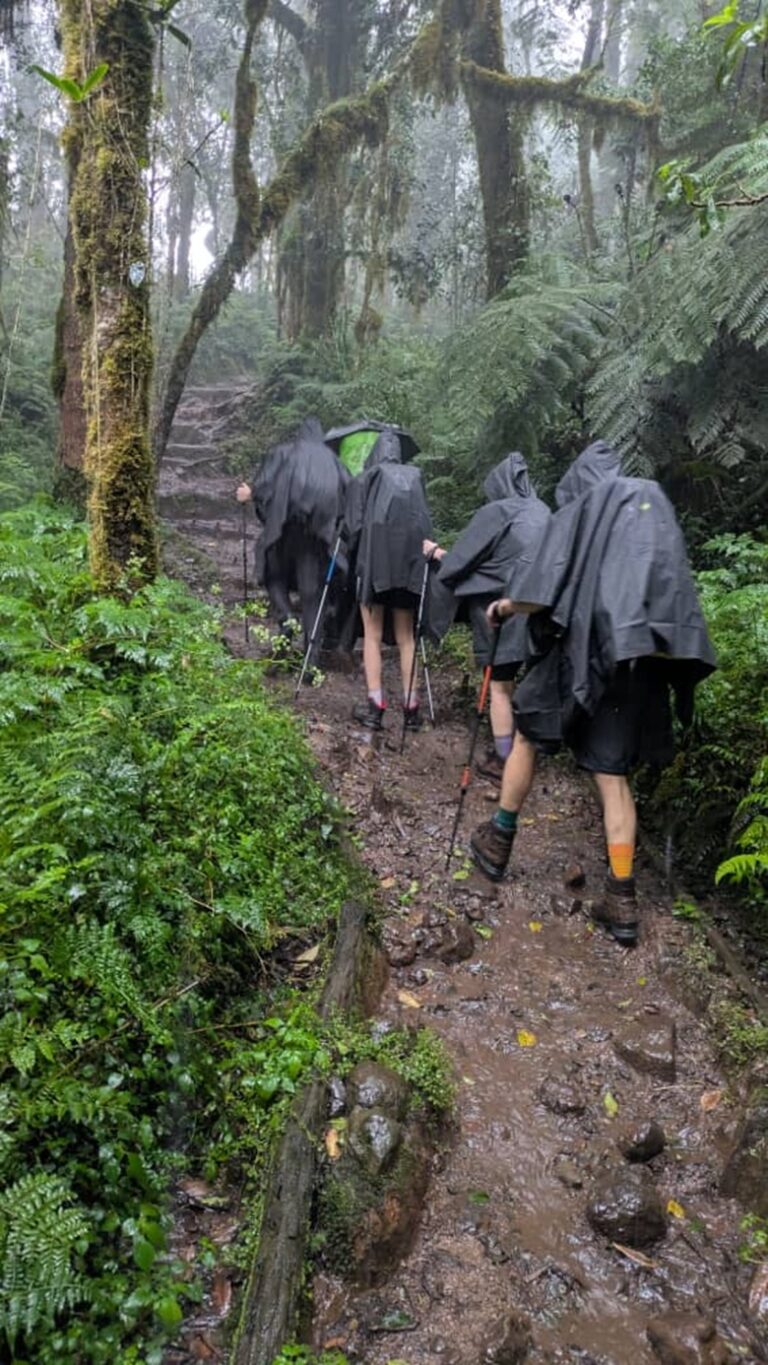
Is October A Good Time To Climb Kilimanjaro? Your Expert Guide For 2026-2027
Discover if October is an ideal month for your Kilimanjaro ascent. This guide covers weather, crowds, costs, and essential planning for your 2026-2027 climb.
View package details
October Kilimanjaro And Zanzibar Package: Climb & Island Bliss 2026-2027
Discover the ultimate October Kilimanjaro and Zanzibar package. This guide details combining a trek up Africa's highest peak with the idyllic beaches of Zanzibar, perfect for 2026-2027...
View package detailsOctober Kilimanjaro Private Climbing Tour: Your Ultimate Guide For 2026-2027
Your comprehensive guide to embarking on a private Kilimanjaro climb in October 2026 or 2027. Discover optimal routes, essential preparations, and why a private tour offers unparalleled...
View package details
7-Day Rongai Route Kilimanjaro Climb In October : Your Expert Guide 2026-2027
Your comprehensive guide to the 7-Day Rongai Route Kilimanjaro climb in October, detailing itineraries, what to expect, and essential preparation for 2026-2027 climbs.
View package details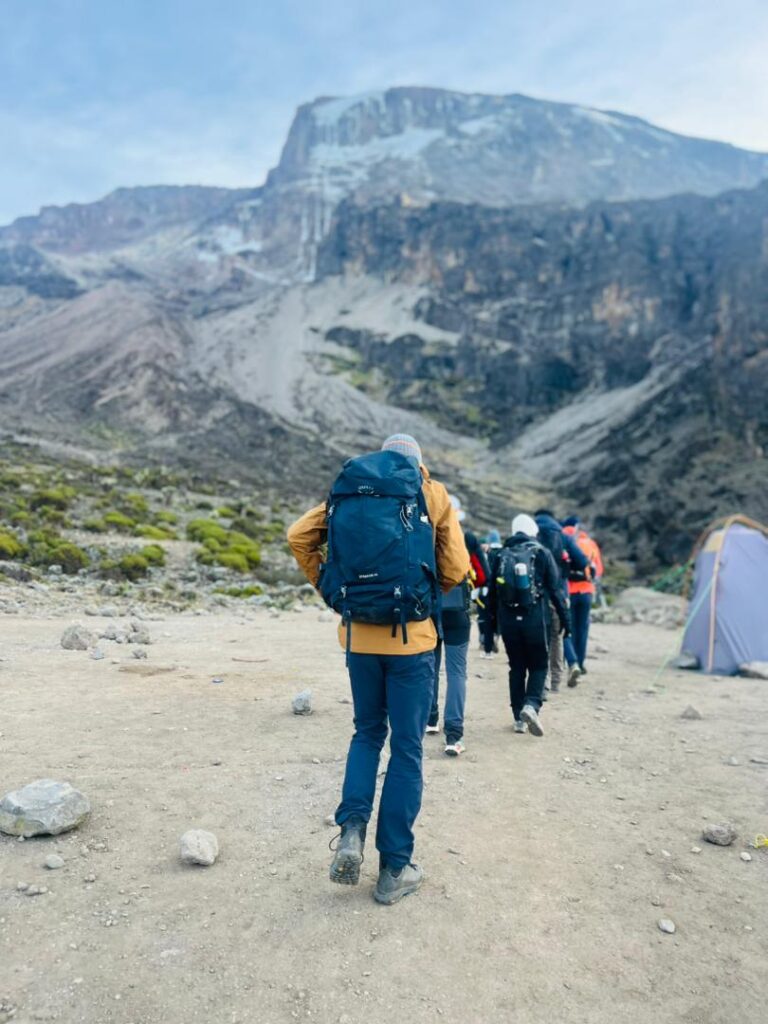
8-Day Lemosho Route Kilimanjaro Climb In October : Your Expert Guide 2026-2027
An in-depth guide to climbing Kilimanjaro via the 8-day Lemosho Route in October, detailing weather, itinerary, preparation, and what to expect in 2026-2027. Perfect for trekkers seeking...
View package details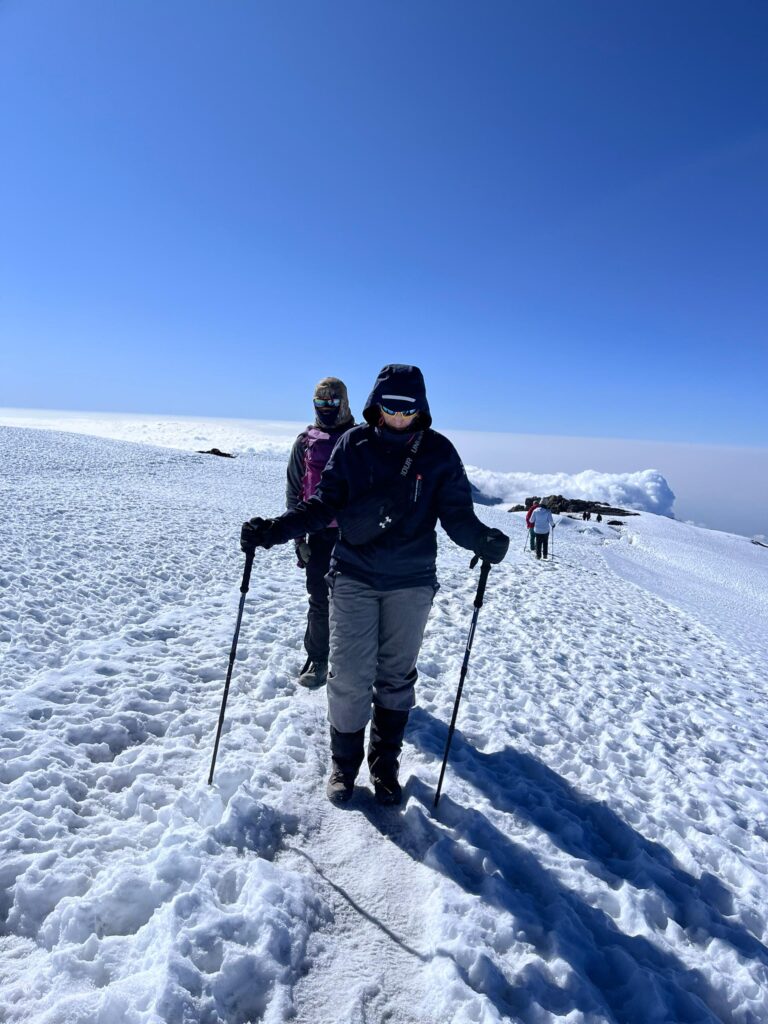
7-Day Machame Route Kilimanjaro Climb In October : Your Ultimate Guide
Discover everything you need to know for a 7-day Machame Route Kilimanjaro climb in October, including weather, packing, itinerary, and preparation for your 2026-2027 adventure.
View package details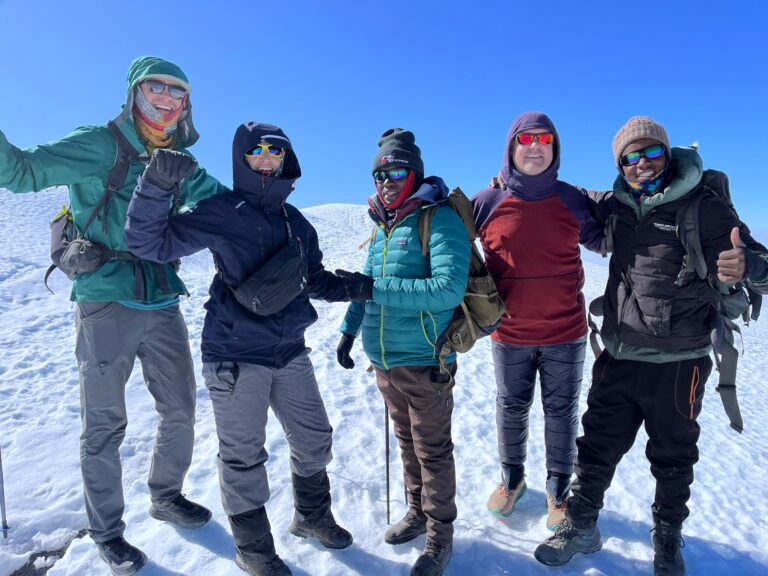
Early October Kilimanjaro Climbing Packages: Your Guide To Summit Success
Planning an early October climb of Kilimanjaro? This guide covers everything you need to know about packages, routes, weather, and preparation for your 2026-2027 adventure.
View package details
Kilimanjaro Climbing In October : Weather, Routes, And Planning 2026-2027
Planning a Kilimanjaro climb for October 2027? This guide details the excellent weather conditions, compares the most suitable routes like Machame and Lemosho, and provides essential...
View package details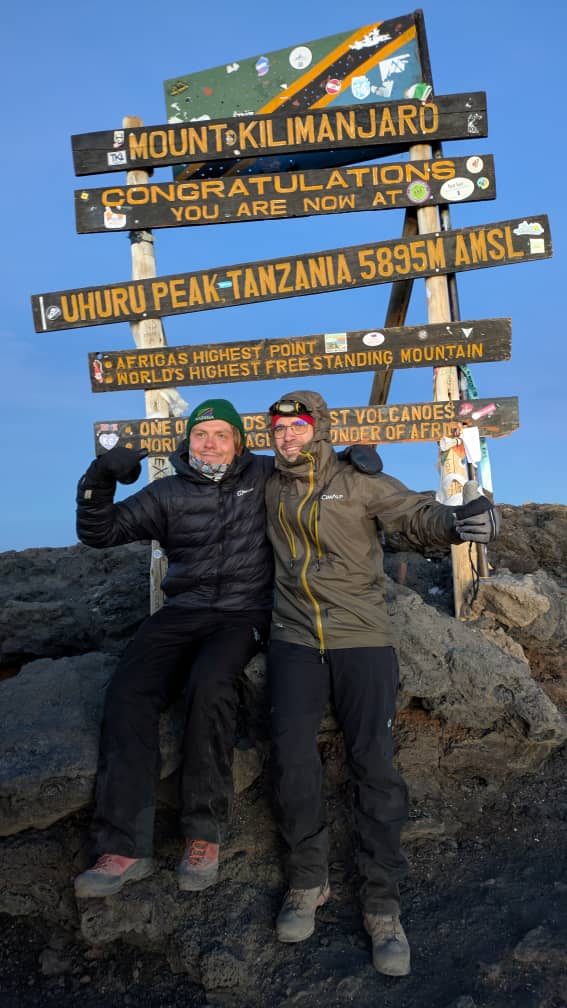
September Kilimanjaro Climb For Couples In : Your Ultimate Guide 2026-2027
A September Kilimanjaro climb offers couples dry weather, clear skies, and stunning views, making it an ideal time for a romantic and challenging adventure. This guide covers everything...
View package details
March Kilimanjaro Climb For Couples: Your Ultimate Guide 2026-2027
Planning a Kilimanjaro climb for couples in March? This guide covers everything from ideal routes and weather conditions to essential packing advice and booking considerations for your...
View package detailsNo related package matches those filters. Clear one or more filters to see the other topic-matched options.



