
A September Kilimanjaro climb for couples in 2026-2027 offers some of the best trekking conditions of the year, characterized by dry weather, minimal rainfall, and exceptionally clear skies, providing stunning panoramic views from the summit. This period is ideal for couples seeking a challenging yet rewarding adventure, with popular routes like Machame and Lemosho offering a good balance of acclimatization and scenic beauty. Expect cooler temperatures at higher altitudes, requiring careful packing, and plan your booking well in advance for 2026 and 2027 to secure preferred dates and guides.


Why Choose September for Your Kilimanjaro Climb as a Couple?
The allure of Mount Kilimanjaro, Africa’s highest peak, draws adventurers from around the globe. For couples, the prospect of conquering this iconic mountain together adds a unique layer of shared accomplishment and romantic bonding. When considering the timing for such a significant expedition, September stands out as a prime month, especially for those planning their adventure in 2026 or 2027. This month falls within Kilimanjaro’s dry season, offering a distinct advantage for a successful and enjoyable trek.
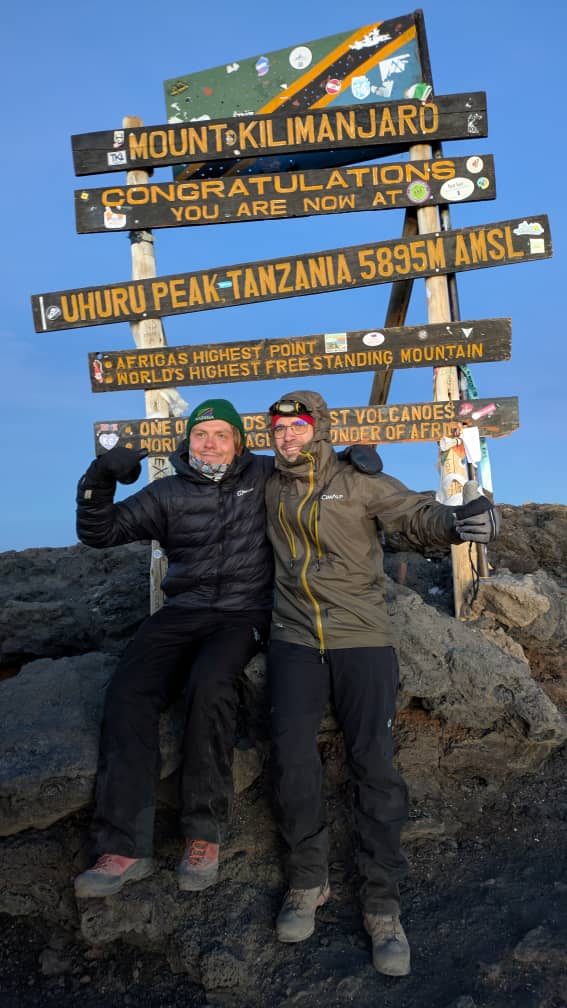
The primary reason September is so highly recommended for a Kilimanjaro climb for couples is the weather. Unlike the monsoon seasons, September typically boasts dry, sunny days with very little precipitation. This translates to more comfortable trekking conditions, reduced risk of slippery trails, and, crucially, unobstructed views from the summit and along the diverse ecological zones you traverse. Imagine standing hand-in-hand at Uhuru Peak, watching the sunrise paint the sky, with crystal-clear vistas stretching for miles – a truly unforgettable moment for any couple.
Beyond the weather, September offers a unique atmosphere on the mountain. It’s a popular time, meaning you’ll likely encounter other trekkers, adding a sense of camaraderie. However, it’s not so crowded that it detracts from the personal experience you and your partner seek. The trails are well-trodden, and the mountain infrastructure is fully operational, ensuring a smooth logistical experience. For couples, this means focusing on each other and the shared challenge, rather than worrying about unforeseen complications.
Planning a trip for 2026 or 2027 requires looking ahead, and September’s consistent positive weather patterns make it a reliable choice. Unlike shoulder months that can be unpredictable, September offers a high probability of excellent trekking conditions, increasing your chances of reaching the summit without significant weather-related disruptions. This reliability is invaluable when undertaking a demanding climb like Kilimanjaro, especially when you want to ensure the best possible experience for both partners.
The Romantic Appeal of a Shared Summit Ascent
Climbing Kilimanjaro is more than just a physical challenge; it’s a journey of perseverance, mutual support, and shared memories. For couples, this journey can be a powerful way to strengthen your bond. The shared experience of pushing your limits, encouraging each other during tough moments, and celebrating milestones together creates an unparalleled sense of partnership. Reaching the summit of Kilimanjaro as a couple is a profound achievement that symbolizes your ability to overcome obstacles as a team.
The solitude found on the mountain, even amidst other trekkers, allows for deep conversations and quiet reflection. You’ll have ample time to connect with your partner, away from the distractions of daily life. The shared vulnerability and reliance on each other foster intimacy, making the experience deeply personal and romantic. The physical exertion and the impressive scenery combine to create a backdrop for an extraordinary shared adventure, cementing your relationship in a unique and profound way.
Choosing the Right Route for Your September Kilimanjaro Climb
With several routes leading to Kilimanjaro’s summit, selecting the most suitable one is crucial for a couple’s climb, especially in September. The choice impacts acclimatization, scenery, difficulty, and overall experience. For a September Kilimanjaro climb for couples, routes that offer better acclimatization profiles and scenic diversity are often preferred.
Machame Route: The Popular Choice for Couples
The Machame Route, often called the “Whiskey Route,” is arguably the most popular for climbers, and for good reason. It offers a high success rate due to its excellent acclimatization profile, a crucial factor for couples who want to maximize their chances of reaching Uhuru Peak together. The route traverses diverse landscapes, from rainforest to alpine desert and arctic summit zones, providing a rich and varied trekking experience.
- Duration: Typically 6 or 7 days. The 7-day option is highly recommended for better acclimatization.
- Scenery: Excellent, offering stunning views of the Shira Plateau and the Barranco Wall.
- Difficulty: Moderate to challenging, with some steep sections.
- Accommodation: Camping throughout.
- Crowds: Can be busy, especially in peak season, but September offers a good balance.
For couples, the 7-day Machame route provides a slightly slower pace, allowing for better adjustment to the altitude and more time to appreciate the journey. The sense of accomplishment after successfully navigating the Barranco Wall together is a memorable highlight.
Lemosho Route: The Scenic and Adventurous Option
The Lemosho Route is renowned for its stunning beauty and remote feel, especially in its early stages. It offers a longer acclimatization period, making it one of the routes with the highest success rates. This makes it an excellent choice for couples who prioritize a more gradual ascent and appreciate impressive scenery.
- Duration: Typically 7 or 8 days. The 8-day itinerary is ideal for optimal acclimatization.
- Scenery: Arguably the most scenic route, with dramatic vistas and opportunities to see wildlife in the Shira Reserve.
- Difficulty: Moderate, with well-graded paths.
- Accommodation: Camping throughout.
- Crowds: Less crowded than Machame, especially in the initial days.
The Lemosho route’s longer duration means more time together on the mountain, deeper immersion in the environment, and a less rushed experience. The extra day of acclimatization can significantly increase your chances of a successful summit bid as a couple.
Other Routes to Consider for 2026-2027
While Machame and Lemosho are top choices, other routes can also be suitable:
- Marangu Route: Known as the “Coca-Cola” route, it’s the only one with hut accommodation. While shorter (5-6 days), its rapid ascent offers poorer acclimatization, making it less ideal for couples prioritizing a successful summit.
- Rongai Route: Approaches from the north, offering a drier trek in the rainy season. It’s less scenic than western routes but provides a more remote feel. A 7-day Rongai itinerary is a good option for those seeking a quieter experience.
- Northern Circuit: The longest route (9-10 days), offering the best acclimatization and highest success rates. It provides a full circuit of the mountain, with incredible views. It’s a more luxurious and less crowded option, perfect for couples who want a more relaxed pace and maximum comfort.
- Umbwe Route: The shortest and steepest route, known for its difficulty and rapid ascent. It’s generally not recommended for couples unless you are extremely experienced and fit high-altitude mountaineers.
For a September Kilimanjaro climb for couples in 2026 or 2027, the 7-day Machame or 8-day Lemosho routes are often the sweet spot, balancing acclimatization, scenery, and challenge. The Northern Circuit is an excellent, albeit longer and more expensive, alternative for those prioritizing comfort and success rates.
Preparing for Your Kilimanjaro Climb as a Couple
A successful Kilimanjaro climb, especially for couples, hinges on thorough preparation. This involves physical conditioning, mental readiness, and meticulous planning regarding gear and logistics. The shared effort in preparation can be as bonding as the climb itself.
Physical Training: Building Stamina and Strength
Kilimanjaro is not a technical climb, but it demands significant cardiovascular endurance and leg strength. Couples can train together, motivating each other throughout the process.
- Cardiovascular Fitness: Aim for at least 3-4 sessions per week. Activities like hiking (especially with a weighted pack), running, cycling, and swimming are excellent. Focus on long, steady-state cardio sessions.
- Strength Training: Concentrate on lower body exercises like squats, lunges, and step-ups. Core strength is also vital for stability.
- Hiking Practice: The most crucial training is hiking on varied terrain, ideally with hills or stairs. Practice with the backpack you intend to use, gradually increasing its weight. Aim for at least one long hike (4-6 hours) per week in the months leading up to your climb.
- Altitude Simulation (Optional): If you live at low altitudes and have limited access to high-altitude training, consider using altitude simulation tents or attending sessions at altitude training centers.
For couples, making training a shared activity can boost motivation. Set goals together, celebrate progress, and encourage each other when motivation wanes. This shared commitment mirrors the support needed on the mountain.
Mental Preparation: The Psychological Aspect
The mental challenge of Kilimanjaro is significant. Summit night, in particular, can be grueling. Couples can prepare by:
- Setting Realistic Expectations: Understand that the climb is tough, and there will be difficult moments.
- Practicing Mutual Encouragement: Discuss how you will support each other during challenging times.
- Visualizing Success: Imagine yourselves reaching the summit together, enjoying the experience.
- Developing Coping Strategies: Talk about how you’ll handle fatigue, cold, and discomfort.
The summit night push is often the hardest part. Being mentally prepared to keep going, even when exhausted, and drawing strength from your partner’s determination is key to a successful September Kilimanjaro climb for couples.
Essential Gear for Couples
Proper gear is non-negotiable for comfort and safety. While many items are standard, couples might coordinate to avoid duplication of non-essential items.
Key Gear Checklist:
- Layering System: Base layers (merino wool or synthetic), mid-layers (fleece), and an outer waterproof/windproof shell (jacket and trousers).
- Insulation: A warm down or synthetic insulated jacket is essential for summit night.
- Footwear: Broken-in, waterproof hiking boots are critical. Bring several pairs of warm hiking socks (wool).
- Headwear: Warm hat covering ears, balaclava or neck gaiter, and sunglasses with UV protection.
- Handwear: Warm, waterproof gloves or mittens, plus liner gloves.
- Sleeping Bag: A 4-season sleeping bag rated to at least -10°C (15°F).
- Backpack: A comfortable daypack (30-40 liters) for essentials on the trail.
- Trekking Poles: Highly recommended for reducing strain on knees, especially on descents.
- Headlamp: With extra batteries for summit night.
- Water Bottles/Hydration Reservoir: At least 3 liters capacity. Insulated covers are useful in cold weather.
- Sun Protection: High SPF sunscreen, lip balm with SPF.
- Personal Items: Wet wipes, hand sanitizer, personal first-aid kit, toiletries, camera, power bank.
Note: Your tour operator will provide tents, sleeping mats, and cooking equipment. Discuss gear with your operator; some may offer rentals for items like sleeping bags or down jackets.
Travel Insurance and Vaccinations
Ensure your travel insurance covers high-altitude trekking and emergency medical evacuation. Consult your doctor about recommended vaccinations for Tanzania well in advance of your 2026 or 2027 trip. Malaria prophylaxis is usually advised.
The Kilimanjaro Climbing Experience in September
Trekking Kilimanjaro is a multi-day journey through distinct ecological zones, each offering unique challenges and beauty. For couples, the shared experience of moving through these zones and supporting each other is profoundly rewarding.
Day-by-Day Itinerary Example (7-Day Machame Route)
This is a typical structure for a 7-day Machame climb, ideal for a September Kilimanjaro climb for couples. The slower pace of the 7-day itinerary enhances acclimatization.
Day 1: Machame Gate (1,800m) to Machame Camp (3,000m)
Trek: 5-7 hours, 11 km (6.8 miles)
After breakfast and a briefing, you’ll be driven to Machame Gate. The trek begins through the lush rainforest, a gentle introduction to the mountain. You’ll arrive at Machame Camp in the afternoon.
Day 2: Machame Camp (3,000m) to Shira Camp (3,850m)
Trek: 4-6 hours, 5 km (3.1 miles)
Today involves a steeper ascent out of the rainforest into the moorland zone. The views start to open up, revealing the Shira Plateau. Shira Camp is situated on this plateau, offering spectacular vistas.
Day 3: Shira Camp (3,850m) to Lava Tower (4,600m) then to Barranco Camp (3,950m)
Trek: 6-8 hours, 10 km (6.2 miles)
This is a key acclimatization day, involving a significant ascent to Lava Tower before descending to Barranco Camp. The ‘climb high, sleep low’ principle is vital here. The descent to Barranco Camp is steep.
Day 4: Barranco Camp (3,950m) to Karanga Camp (4,000m)
Trek: 3-5 hours, 5 km (3.1 miles)
The day starts with the famous Barranco Wall climb, a scramble that requires some effort but is incredibly rewarding. After conquering the wall, you descend slightly before a short, steady climb to Karanga Camp, located in a valley.
Day 5: Karanga Camp (4,000m) to Barafu Camp (4,650m)
Trek: 3-5 hours, 4 km (2.5 miles)
A shorter trekking day allows for rest and preparation for the summit attempt. The landscape becomes increasingly barren and rocky. Barafu Camp is exposed and windy, situated at the base of the final ascent slopes.
Day 6: Barafu Camp (4,650m) to Uhuru Peak (5,895m) then descend to Mweka Camp (3,100m)
Trek: 7-9 hours to summit, 5-7 hours descent; 13 km (8.1 miles) total
The most challenging day. You’ll start climbing around midnight, reaching Stella Point (5,756m) by sunrise, then continuing to Uhuru Peak. After celebrating, you’ll descend all the way to Mweka Camp, a long but rewarding day.
Day 7: Mweka Camp (3,100m) to Mweka Gate (1,640m)
Trek: 3-5 hours, 10 km (6.2 miles)
A final, shorter descent through the rainforest to Mweka Gate, where you’ll receive your summit certificates. Transfer back to your hotel in Moshi or Arusha.
The Summit Night Experience
Summit night is the culmination of your climb. Starting in the pre-dawn darkness, you’ll ascend steadily, often in single file, using headlamps to light the way. The cold is intense, and the altitude is extreme. This is where mutual encouragement between partners is most vital. Sharing the effort, offering words of support, and knowing your partner is right there with you makes the arduous climb more manageable.
Reaching Uhuru Peak (5,895m or 19,341ft) is an emotional and exhilarating moment. The sunrise over the clouds, the vastness of the crater, and the sheer accomplishment of standing on the roof of Africa together is an unparalleled experience for any couple. Take time to soak it in, capture photos, and savor this shared victory before beginning the long descent.
Acclimatization is Key for Couples
Poor acclimatization is the leading cause of altitude sickness and summit failure. For couples, it’s essential to choose a route with a good acclimatization profile and to listen to your bodies. Symptoms of altitude sickness can include headache, nausea, dizziness, and fatigue. Communicate openly with each other and your guides about how you are feeling. The 7-day Machame or 8-day Lemosho routes are highly recommended for September Kilimanjaro climbs for couples in 2026-2027 due to their built-in acclimatization days.
The Role of Your Guides and Support Crew
Your guides are experienced professionals trained in high-altitude trekking and first aid. They will monitor your health, guide you on the trail, and ensure your safety. The porters carry the bulk of your gear, and the cooks prepare nourishing meals. A strong, supportive team is essential for a successful climb. For couples, working in harmony with the guides and crew enhances the overall experience.
What to Expect Post-Climb: Celebrating Your Achievement
Reaching the summit of Kilimanjaro is a monumental achievement. For couples, the shared sense of accomplishment deserves celebration. After descending and returning to your hotel, you can reflect on your journey and enjoy some well-deserved relaxation.
Relaxation and Recovery
After the physical demands of the climb, rest is essential. Most tour operators include a day or two of relaxation at your hotel in Moshi or Arusha. Consider booking a massage to soothe tired muscles. Enjoying a celebratory meal together, sharing stories of your adventure, and simply unwinding is a perfect way to cap off the experience.
Optional Extensions: Zanzibar or Safari
Many couples choose to combine their Kilimanjaro climb with other Tanzanian experiences. This is an excellent way to extend your romantic adventure and explore more of what Tanzania has to offer.
- Zanzibar Holiday: After the physical exertion of Kilimanjaro, a few days on the tropical island of Zanzibar is the perfect antidote. Relax on pristine white-sand beaches, explore the historic Stone Town, and enjoy water sports. It’s an ideal romantic getaway to complement your challenging climb.
- Tanzania Safari: Combine your trek with an unforgettable safari in iconic parks like the Serengeti, Ngorongoro Crater, or Tarangire. Witnessing the incredible wildlife of Africa together adds another dimension to your adventure. Top Guide Adventures specializes in creating tailor-made safari experiences that can be perfectly paired with your Kilimanjaro climb.
These extensions offer a chance to decompress, celebrate, and create even more lasting memories together. Planning these additions when booking your September Kilimanjaro climb for couples for 2026 or 2027 ensures a smooth travel experience.
Booking Your September Kilimanjaro Climb for Couples in 2026-2027
Securing your climb well in advance is crucial, especially for popular months like September and for specific years like 2026 and 2027. Early booking ensures availability and allows ample time for preparation.
Why Choose Top Guide Adventures?
At Top Guide Adventures, we understand the unique needs of couples undertaking a Kilimanjaro climb. As one of Tanzania’s trusted tour companies, we pride ourselves on providing personalized attention, dedicated support, and a commitment to safety and success for every client. We offer complete travel experiences across Tanzania, including Kilimanjaro climbs, safaris, and Zanzibar holidays.
- Expertise: Our guides are highly experienced and certified, with extensive knowledge of Kilimanjaro and high-altitude trekking.
- Safety First: We prioritize your safety with well-equipped teams, regular health checks, and emergency protocols.
- Tailored Experiences: We can help you choose the best route and itinerary to suit your fitness levels and preferences as a couple.
- Comprehensive Support: From initial planning to your return, we provide dedicated support, ensuring a stress-free experience.
- Ethical Operations: We adhere to fair treatment of our staff and responsible tourism practices.
What’s Included in Our Packages?
Our September Kilimanjaro climb for couples packages typically include:
- Park entrance fees and camping/hut fees
- All meals on the mountain
- Tented accommodation on the mountain (except Marangu route)
- Professional, English-speaking climbing guides
- Assistant guides, porters, and cook
- Porters’ wages, park fees, and food
- Campsite equipment (tents, sleeping mats)
- Bottled drinking water (treated water is also provided)
- Transfer from Moshi/Arusha to the mountain gate and back
- Temporary sleeping tent at the gate for changing
- Government taxes
Exclusions usually include:
- Flights to and from Kilimanjaro International Airport (JRO)
- Visa fees
- Travel and rescue insurance
- Personal climbing gear (can be rented)
- Tips for guides, porters, and cook
- Personal expenses (e.g., laundry, souvenirs)
- Alcoholic and bottled beverages
- Optional accommodation before and after the climb
Pricing and Booking for 2026-2027
Pricing for Kilimanjaro climbs varies based on the route chosen, duration, group size, and level of service. For a September Kilimanjaro climb for couples, expect pricing to range generally from $1,800 to $3,500+ per person. Shorter routes or budget options will be at the lower end, while longer, more scenic routes like Lemosho or Northern Circuit, or private climbs, will be at the higher end.
We recommend booking your 2026 or 2027 climb at least 6-12 months in advance, especially for September, to ensure availability and allow ample time for preparation and training. Early booking also helps secure your preferred departure dates and guides.
Ready to Plan Your Adventure?
A September Kilimanjaro climb for couples is an extraordinary way to celebrate your relationship, test your limits, and create lifelong memories. The dry, clear weather in September, combined with the right route and thorough preparation, sets the stage for an incredible shared adventure. We at Top Guide Adventures are here to help you every step of the way.
Contact us today to discuss your dream Kilimanjaro climb for 2026 or 2027. We offer personalized itineraries and expert advice to ensure your journey is safe, successful, and unforgettable.
WhatsApp: +255616946642
Email: topguideadventures@gmail.com
Backup Email: info@topguideadventures.com
Let us help you make your September Kilimanjaro climb for couples a reality.
Check Availability for September Kilimanjaro Climb For Couples In : Your Ultimate Guide 2026-2027
Ready to compare dates, prices, and the best option for your group? Send the package name and travel month so the team can reply with a clear quote, availability, and what is included.
Kilimanjaro Climb For Retired Couples: Planning Your Adventure 2026-2027
Planning a Kilimanjaro climb as a retired couple is an achievable and rewarding goal. This guide offers in-depth advice on route selection, physical preparation, essential gear, and the...
View package details
Kilimanjaro Climb With A Personal Support Assistant: Your Ultimate Guide
Climbing Mount Kilimanjaro with a personal support assistant offers unparalleled safety, comfort, and focus on your summit goals. This guide details what a personal assistant entails, its...
View package details
Kilimanjaro Hydration Mistakes Climbers Make And How To Avoid Them 2026-2027
Proper hydration is critical for a successful Kilimanjaro climb. This guide details common hydration mistakes climbers make, from under-drinking to choosing the wrong fluids, and provides...
View package details
Kilimanjaro Summit-Night Mistakes To Avoid: Your Essential Guide For Climbs
Summit night on Kilimanjaro is the most challenging part of the climb. Avoiding common mistakes in acclimatization, gear, hydration, and pacing is crucial for success. This guide details...
View package details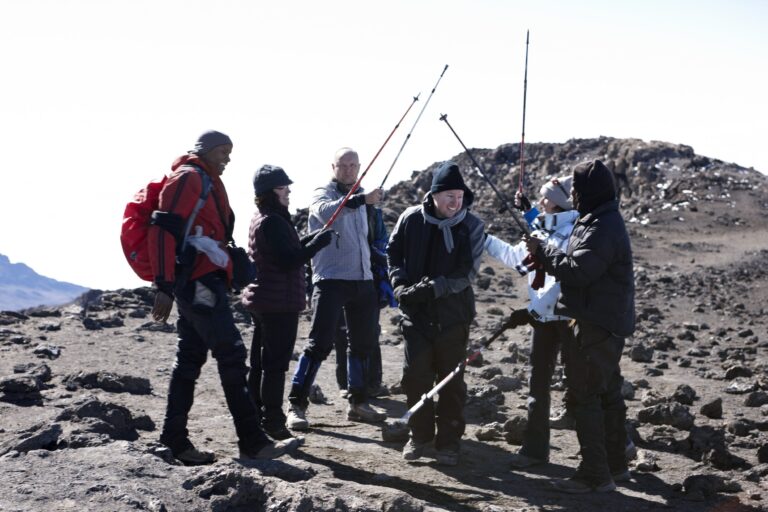
Kilimanjaro Airport Vs Arusha For Climbers: The Definitive Guide 2026-2027
A comprehensive comparison of Kilimanjaro International Airport (JRO) and Arusha Airport (ARK) for trekkers planning a Mount Kilimanjaro climb, detailing pros, cons, and booking advice for...
View package details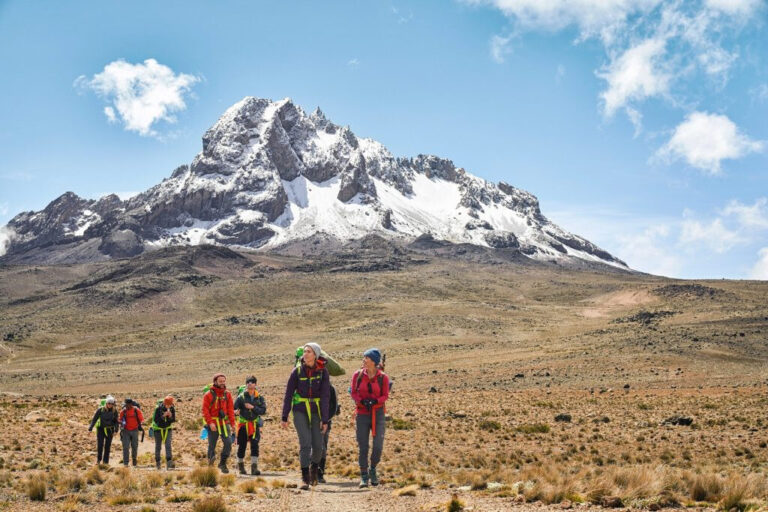
Can A 16-Year-Old Climb Kilimanjaro? Your Essential Guide 2026-2027
Discover if a 16-year-old can summit Kilimanjaro. This comprehensive guide covers age requirements, health, fitness, essential gear, and planning for younger trekkers aiming for Africa's...
View package details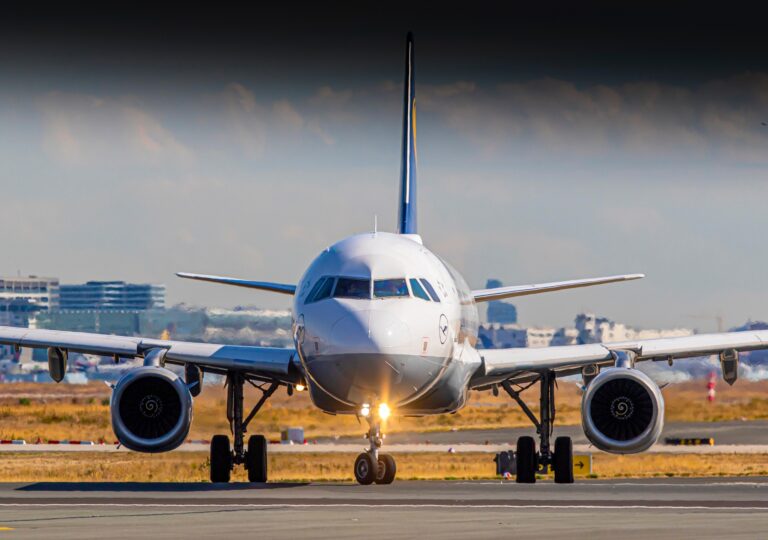
Content For Parents And Young Climbers: Conquering Kilimanjaro Safely
Planning a Kilimanjaro climb with children or as a young climber requires special attention. This guide provides comprehensive content for parents and young adventurers, covering...
View package details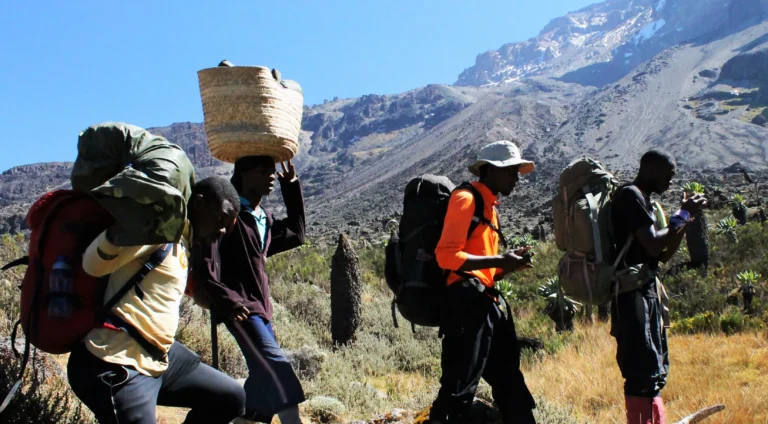
Kilimanjaro Tree-Planting Climbing Package Guide
Combine your dream Kilimanjaro climb with a meaningful conservation effort. Our Kilimanjaro Tree-Planting Climbing Package allows you to ascend Africa's highest peak while actively...
View package details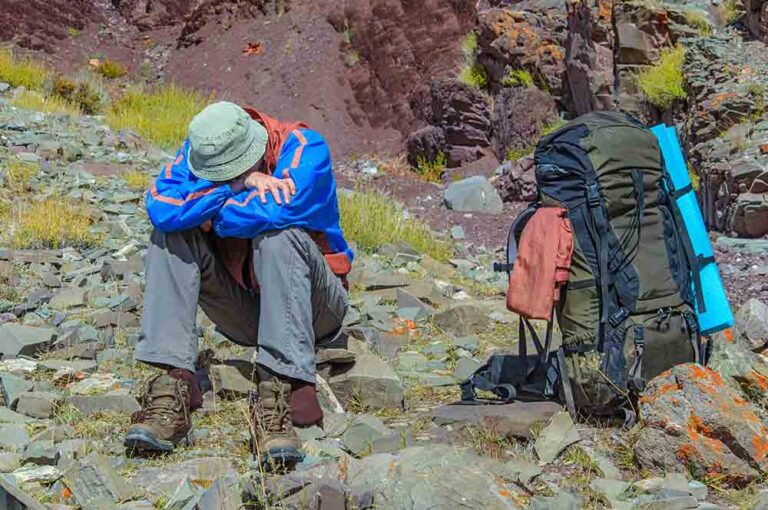
What Happens If It Rains Throughout Your Kilimanjaro Climb? 2026-2027
What Happens If It Rains throughout Your Kilimanjaro Climb? is explained with current 2026-2027 planning, price, itinerary and booking information.
View package details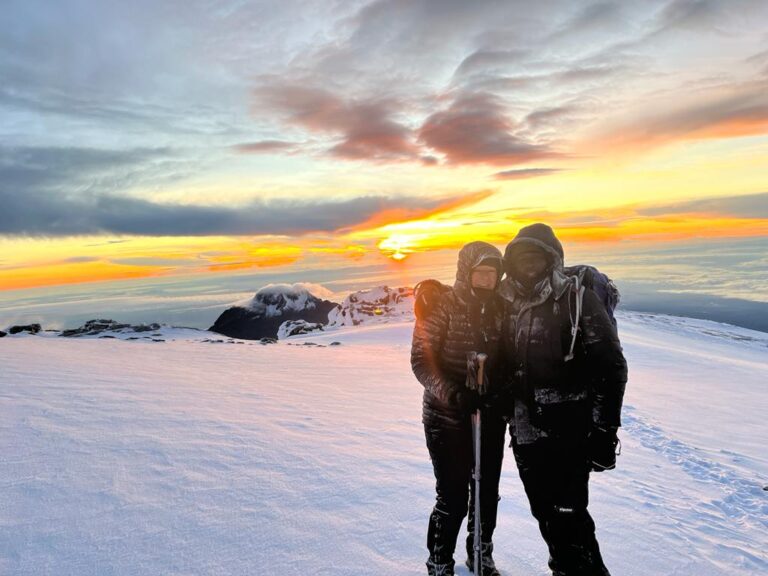
Kilimanjaro Early-Bird Climbing Discounts For Adventures 2026-2027
Plan your 2026-2027 Kilimanjaro climb and take advantage of early-bird discounts. Top Guide Adventures offers savings for those who book in advance, ensuring a memorable and affordable...
View package details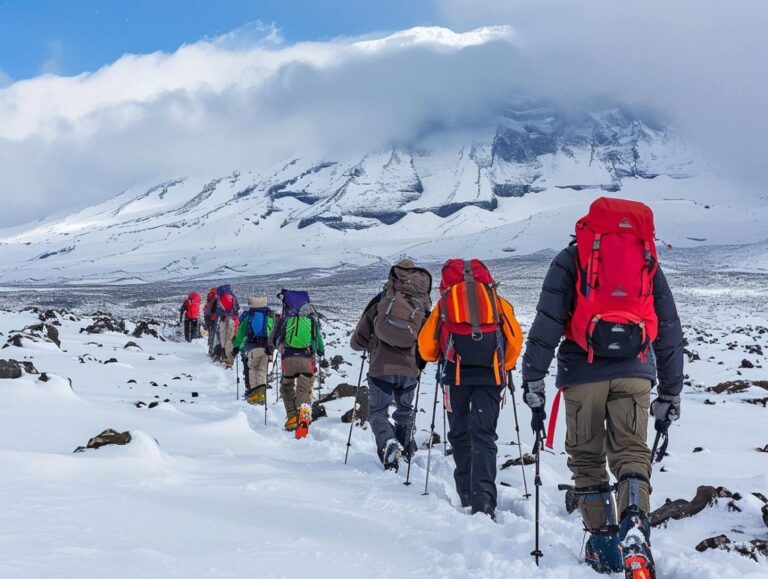
Kilimanjaro Private Climb Price For One Person: Your Guide 2026-2027
Planning a solo ascent of Mount Kilimanjaro? This guide details the Kilimanjaro private climb price for one person, covering cost factors, inclusions, and essential planning for 2026-2027.
View package details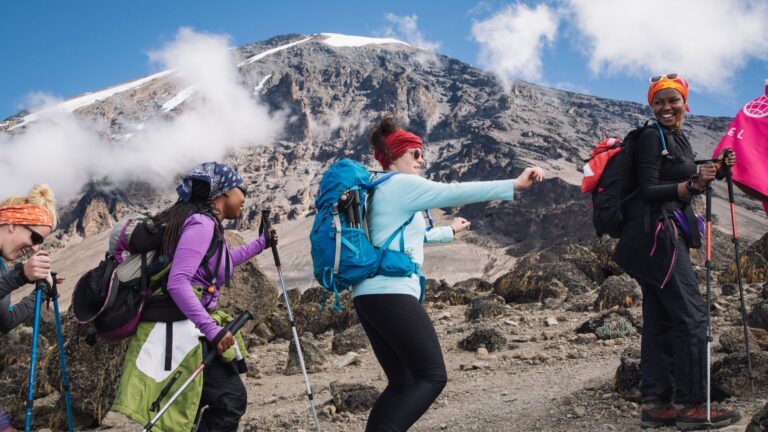
Kilimanjaro Wellness Retreat For Non-Climbers: Rejuvenate Near Africas
Experience the serene beauty and restorative power of Tanzania without the arduous climb. Our Kilimanjaro wellness retreats for non-climbers offer a unique blend of relaxation, cultural...
View package detailsNo related package matches those filters. Clear one or more filters to see the other topic-matched options.



