
A September Kilimanjaro full-moon summit trek offers a spectacular opportunity to witness the sunrise from Africa’s highest peak under the ethereal glow of the moon. The best months for such an expedition are typically September and October, with September often aligning perfectly for full moon ascents, providing cooler, drier weather and clear skies. Planning for 2026-2027 involves choosing the right route, booking in advance, and preparing physically for a challenging yet immensely rewarding journey with experienced guides like those at Top Guide Adventures.

Why a September Kilimanjaro Full-Moon Summit Trek is Exceptional
Climbing Kilimanjaro is a dream for many, a bucket-list achievement that combines physical challenge with profound natural beauty. When this dream is coupled with the prospect of reaching the summit, Uhuru Peak, under the luminous glow of a full moon, the experience elevates to something truly extraordinary. September is a prime month for this, as it falls within the dry season, offering stable weather conditions and excellent visibility, which are crucial for a safe and enjoyable ascent, especially during a full moon trek. The cooler temperatures of September also make the strenuous climb more manageable. For trekkers aiming for a September Kilimanjaro full-moon summit trek, understanding the unique advantages and considerations is key to a successful expedition in 2026 or 2027.
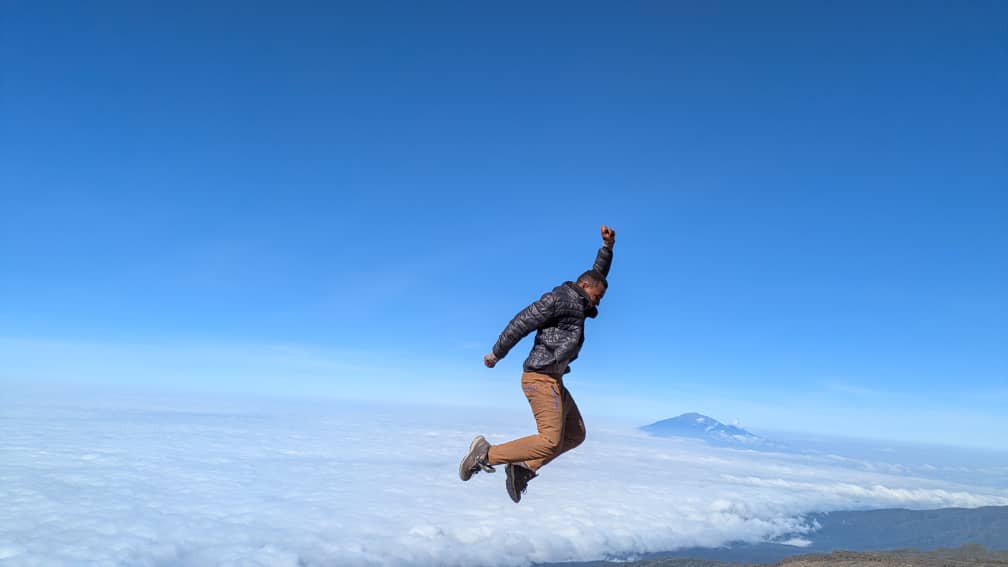
The allure of a full moon ascent is undeniable. Imagine standing on the Roof of Africa, over 5,895 meters (19,341 feet) above sea level, with the vast African landscape bathed in moonlight below, and the celestial body hanging like a pearl in the inky sky. It’s a moment of profound connection with nature and oneself. The full moon not only adds a magical ambiance but can also provide natural illumination during the pre-dawn hours of summit night, potentially reducing the reliance on headlamps and enhancing the surreal beauty of the climb. This visual spectacle, combined with the crisp, clear air typical of September, makes this trek a highly sought-after experience. Top Guide Adventures specializes in crafting these unforgettable journeys, ensuring safety, comfort, and maximum enjoyment for every climber aiming for a September Kilimanjaro full-moon summit trek.
Understanding the September Climate on Kilimanjaro
September is part of Kilimanjaro’s second dry season, which generally runs from June to October. This period is renowned for its stable weather patterns, making it one of the most popular times to climb the mountain. The September Kilimanjaro full-moon summit trek benefits significantly from these conditions.
Temperatures: Daytime temperatures can range from pleasant to cool, typically between 15°C to 25°C (59°F to 77°F) on the lower slopes and decreasing significantly as you gain altitude. At the summit, temperatures can plummet to well below freezing, often ranging from -7°C to -20°C (19°F to -4°F), especially during the night and early morning hours of summit day. The cooler September air, while invigorating, requires careful packing for extreme cold at higher elevations.
Precipitation: September generally experiences very little rainfall. The air is dry, and skies are often clear, offering unobstructed views. This significantly reduces the risk of encountering muddy trails or being caught in rainstorms, which can be common during the wet seasons. The dry conditions are ideal for trekking and increase the chances of clear views from the summit, enhancing the full moon experience.
Visibility: With minimal cloud cover, visibility is usually excellent in September. This means stunning panoramic views of the surrounding plains and, of course, a clear view of the moon during your night ascent. The crisp, clear atmosphere contributes to the impressive scenery and the overall visual impact of a full moon summit.
Wind: While generally less windy than during the peak of the dry season in July and August, September can still experience some wind, particularly at higher altitudes and near the summit. This is a factor to consider when preparing for summit night, as wind chill can make already low temperatures feel much colder. Proper windproof gear is essential for a September Kilimanjaro full-moon summit trek.
Lunar Illumination: The key element for this specific trek is the full moon. The nights in September are typically clear, allowing the moonlight to cast a significant glow. This natural light can be both beautiful and practically useful during the challenging pre-dawn hours of summit night. The full moon cycles mean that specific dates in September will offer the brightest lunar illumination, which trekkers aiming for this experience should align their climb with.
Choosing Your Route for a September Full-Moon Trek
Selecting the right route is paramount for any Kilimanjaro climb, but it takes on added importance when planning for a September Kilimanjaro full-moon summit trek. The route affects acclimatization, scenery, difficulty, and the overall experience. For a full moon ascent, routes that offer good acclimatization profiles and scenic summit night approaches are often preferred. Top Guide Adventures recommends considering the following popular routes for a September expedition:
Machame Route (Whiskey Route)
The Machame Route is one of the most popular and scenic routes, known for its excellent acclimatization profile. It typically takes 6 to 7 days to complete.
- Pros: High success rate due to good acclimatization (the “climb high, sleep low” principle), diverse and stunning scenery, well-established camps. The 7-day option is highly recommended for better acclimatization.
- Cons: Can be crowded, especially during peak seasons. The summit night is challenging, starting from Barafu Camp.
- Full Moon Suitability: Excellent. The varied terrain offers beautiful views under moonlight, and the acclimatization profile increases the chances of reaching the summit successfully, even with the added challenge of a full moon summit night.
Lemosho Route
The Lemosho Route is considered one of the most beautiful routes, offering a more remote and wild experience before merging with the Machame Route. It typically takes 7 to 8 days.
- Pros: Exceptional scenery, higher success rates due to excellent acclimatization (especially the 8-day option), less crowded in the initial days, great wildlife viewing opportunities in the rainforest.
- Cons: Longer and more expensive than Machame.
- Full Moon Suitability: Ideal. The longer duration allows for superior acclimatization, crucial for summit night. The remote start provides a unique trekking experience, and the views during the latter stages are spectacular under moonlight.
Northern Circuit
The Northern Circuit is the longest route, taking 9 to 10 days. It circles the mountain, offering the best acclimatization and highest success rates.
- Pros: Highest success rate, best acclimatization, most scenic route with varied landscapes, very few trekkers, allowing for a more private experience.
- Cons: Longest duration and highest cost.
- Full Moon Suitability: Outstanding. The extended acclimatization is a significant advantage for any trekker, especially for a demanding summit night. The continuous panoramic views make it an unparalleled route for a September Kilimanjaro full-moon summit trek.
Marangu Route (Coca-Cola Route)
The Marangu Route is the oldest and most direct route. It’s the only route that uses dormitory-style huts instead of camping.
- Pros: Huts offer comfort from the elements, shorter duration (5-6 days).
- Cons: Poorest acclimatization profile, leading to lower success rates. Less scenic compared to other routes, especially on summit night.
- Full Moon Suitability: Less ideal. The rapid ascent can lead to altitude sickness, and the summit night is very steep and less scenic. While possible, the chances of a comfortable and successful full moon summit are lower compared to other routes.
For a September Kilimanjaro full-moon summit trek, Top Guide Adventures strongly recommends routes offering at least 7 days, with 8 or 9 days being even better. The Machame (7 days), Lemosho (7 or 8 days), and Northern Circuit (9 days) are excellent choices that prioritize acclimatization and maximize your chances of a successful and memorable full moon summit experience in 2026 or 2027. We can tailor itineraries to align with specific full moon dates for your September climb.
Key Consideration for Full Moon Treks
While the full moon offers beautiful illumination, it also means summit night will be brighter. This can be disorienting for some or make it harder to sleep in the hut/tent the night before. It also means the moon will set before sunrise, so you might experience both the full moon and the sunrise during your summit push. Plan your timing with your guide to make the most of both celestial events.
Planning Your 2026-2027 September Kilimanjaro Full-Moon Summit Trek
Successful planning for a September Kilimanjaro full-moon summit trek requires attention to detail, especially when targeting specific dates for the lunar event. The full moon cycle is predictable, so aligning your climb with the peak lunar illumination is feasible. However, it’s crucial to book well in advance, particularly for 2026 and 2027, as September is a popular month.
Booking Window
For a specific full moon date in September 2026 or September 2027, we recommend booking at least 6-12 months in advance. This allows us to secure the best guides, porters, park permits, and accommodation. Popular full moon dates can fill up quickly, and early booking ensures you get your preferred route and dates.
Permits and Regulations
Climbing Kilimanjaro requires park entry fees and camping/hut fees, which are regulated by the Tanzania National Parks Authority (TANAPA). As a licensed tour operator, Top Guide Adventures handles all permit applications and payments on your behalf. These permits are allocated on a first-come, first-served basis, further emphasizing the need for early booking, especially for popular periods like September 2027.
Guide and Porter Teams
The quality of your guides and porters significantly impacts your safety and success. Top Guide Adventures employs experienced, certified guides who are knowledgeable about high-altitude physiology, navigation, and emergency procedures. Our teams are well-equipped and well-compensated, ensuring they provide the best possible support. For a September Kilimanjaro full-moon summit trek, we ensure our teams are prepared for the specific conditions of the month.
Itinerary Customization
While we offer standard itineraries, we excel at customizing treks to meet individual needs. If you have a specific full moon date in September 2026 or 2027 in mind, we can adjust the itinerary to ensure your summit night aligns with the brightest lunar phase. We can also tailor the route length and pace to suit your fitness level and preferences.
Travel Insurance
Comprehensive travel insurance is mandatory for all Kilimanjaro climbs. It should cover high-altitude trekking up to 6,000 meters, emergency medical evacuation (including helicopter rescue), trip cancellation, and lost baggage. Ensure your policy is valid for the duration of your trek and covers all activities planned.
Visa and Vaccinations
Most nationalities require a visa to enter Tanzania. You can apply for this online or upon arrival. It’s advisable to check the latest visa requirements for your country. Consult your doctor or a travel clinic 4-6 weeks before your trip regarding recommended vaccinations (e.g., Yellow Fever) and malaria prophylaxis. While Kilimanjaro’s higher altitudes are generally malaria-free, lower regions and transit areas may pose a risk.
Estimated Costs for a September Kilimanjaro Trek (2026-2027)
The cost of a Kilimanjaro climb can vary significantly based on the route, duration, operator, and inclusions. For a September Kilimanjaro full-moon summit trek with Top Guide Adventures, you can expect:
- 7-Day Machame Route: Typically ranges from $1,800 to $2,800 USD per person.
- 8-Day Lemosho Route: Typically ranges from $2,000 to $3,200 USD per person.
- 9-Day Northern Circuit: Typically ranges from $2,300 to $3,500 USD per person.
These estimates generally include: Park fees, camping/hut fees, experienced guides, assistant guides, porters, all meals on the mountain, purified water, camping equipment (tents, sleeping mats), emergency oxygen, and a first-aid kit. They often exclude:
- Flights to Kilimanjaro International Airport (JRO)
- Visa fees
- Travel insurance
- Tips for guides, porters, and cooks
- Personal gear (sleeping bag, trekking poles, clothing)
- Lunches and dinners before and after the climb
- Optional items like climbing poles or bottled water (though purified water is provided)
Note: Prices for 2026 and 2027 may see slight adjustments due to inflation and changes in park fees. We recommend contacting us directly for a personalized quote based on your chosen route, dates, and group size.
Physical and Mental Preparation for Your Trek
A September Kilimanjaro full-moon summit trek is a significant physical and mental undertaking. Proper preparation is crucial for success and enjoyment. While September offers good weather, the altitude and the demanding nature of the climb require dedicated training.
Physical Training
Cardiovascular Fitness: Engage in regular aerobic activities like hiking, running, cycling, or swimming for at least 3-5 times a week. Focus on endurance. Hiking with a weighted backpack on varied terrain is particularly beneficial.
Strength Training: Focus on leg strength (squats, lunges, calf raises) and core strength. Strong legs will help you navigate the steep ascents and descents, while a strong core aids stability and endurance.
Hiking Practice: Aim for long hikes (4-6 hours) on weekends, ideally with significant elevation gain. Practice hiking on consecutive days if possible to simulate the trek’s demands.
Altitude Acclimatization Training: While nothing perfectly simulates Kilimanjaro’s altitude, training at moderate altitudes if accessible can be beneficial. More importantly, choose a longer route (7+ days) on Kilimanjaro itself for gradual acclimatization.
Start Early: Begin your training program at least 2-3 months before your departure for the September Kilimanjaro full-moon summit trek. Consistency is key.
Mental Preparation
Understand the Challenge: Kilimanjaro is not a casual hike. Summit night is particularly grueling, involving walking for 6-10 hours in the dark, cold, and at high altitude. Mentally prepare for discomfort, fatigue, and challenging conditions.
Positive Mindset: Cultivate a positive attitude. Challenges will arise, but a resilient mindset will help you overcome them. Focus on small goals – reaching the next camp, the next waypoint.
Visualization: Visualize yourself successfully reaching the summit and enjoying the views. This can boost confidence and motivation.
Learn About Altitude Sickness: Understand the symptoms of Acute Mountain Sickness (AMS), High Altitude Pulmonary Edema (HAPE), and High Altitude Cerebral Edema (HACE). Know that our guides are trained to recognize and manage these conditions, and open communication is vital.
What to Pack
Packing correctly is crucial for comfort and safety during a September Kilimanjaro full-moon summit trek. Layers are essential to adapt to the varying temperatures. Top Guide Adventures provides a detailed packing list, but here are the key items:
Clothing (Layering System)
- Base Layers: Moisture-wicking thermal tops and bottoms (merino wool or synthetic).
- Mid Layers: Fleece jacket or insulated jacket for warmth.
- Outer Layer: Waterproof and windproof jacket and pants (Gore-Tex or similar).
- Insulated Jacket: A warm down or synthetic puffy jacket for evenings and summit night.
- Trekking Pants: Quick-drying, comfortable trekking pants (avoid jeans).
- Shirts: Several moisture-wicking t-shirts and long-sleeved shirts.
Headwear and Handwear
- Warm Hat: Wool or fleece hat that covers your ears.
- Sun Hat: Wide-brimmed hat for sun protection during the day.
- Balaclava/Buff: For face and neck protection against cold and wind.
- Gloves: Liner gloves, warm waterproof gloves, and potentially mittens for summit night.
Footwear
- Hiking Boots: Broken-in, waterproof, sturdy hiking boots with good ankle support.
- Camp Shoes: Comfortable shoes or sandals for evenings.
- Socks: Several pairs of warm wool or synthetic hiking socks.
Essential Gear
- Backpack: A comfortable daypack (25-35 liters) for essentials carried during the day.
- Duffel Bag: A large, waterproof duffel bag (80-100 liters) for your main gear, carried by porters.
- Sleeping Bag: A warm, four-season sleeping bag (rated to -15°C / 0°F or lower).
- Sleeping Bag Liner: Adds warmth and keeps your bag clean.
- Trekking Poles: Highly recommended for stability and reducing strain on knees.
- Headlamp: With extra batteries – essential for summit night.
- Water Bottles/Hydration Reservoir: At least 2-3 liters capacity. Insulated covers are useful in cold.
- Sunglasses: High UV protection.
- Sunscreen: High SPF.
- Lip Balm: With SPF.
- Personal First-Aid Kit: Including any personal medications, blister treatment, pain relievers.
- Toiletries: Biodegradable soap, toothbrush, toothpaste, wet wipes, hand sanitizer.
- Camera and Batteries: Capture the stunning views. Power banks are useful.
- Snacks: High-energy snacks like energy bars, nuts, dried fruit.
- Book/Journal: For downtime.
Pre-Trek Checklist Summary
- Book your September Kilimanjaro full-moon summit trek with Top Guide Adventures (6-12 months ahead for 2026-2027).
- Secure comprehensive travel insurance covering high-altitude evacuation.
- Obtain necessary visas and consult your doctor for vaccinations.
- Begin your physical training program 2-3 months prior.
- Pack all essential gear according to the provided list, focusing on layers.
- Mentally prepare for the challenge and understand altitude sickness symptoms.
- Confirm all inclusions and exclusions with your tour operator.
- Arrange airport transfers and any pre/post-climb accommodation.
The Summit Night Experience: A Full Moon Ascent
Summit night is the climax of any Kilimanjaro climb, and for a September Kilimanjaro full-moon summit trek, it is an experience unlike any other. Typically beginning around midnight from the final camp (e.g., Barafu Camp on the Machame/Lemosho routes), the ascent is a test of endurance, mental fortitude, and acclimatization.
The Ascent Under Moonlight
As you begin your climb, the full moon can provide a significant amount of natural light. This can make the path ahead visible, reducing the reliance on headlamps and creating a surreal, almost dreamlike atmosphere. The landscape, usually stark and rocky, takes on a different character under the lunar glow. The silence, broken only by the crunch of boots on scree and the steady breathing of climbers, is profound. Guides will lead the way, often in a slow, steady pace known as “pole pole” (slowly, slowly), which is crucial for acclimatization and conserving energy.
Temperature and Conditions
September nights on Kilimanjaro are cold, with temperatures often dropping below -10°C (14°F), and with wind chill, it can feel much colder. The air is thin, making every step feel more strenuous. The dryness of September means less chance of ice or snow on the main paths, but extreme cold is a certainty. Proper layering, warm gear, and staying hydrated are critical. The guides will monitor the weather closely, but preparedness for harsh conditions is paramount.
Reaching Stella Point and Uhuru Peak
The final push to Stella Point (on the crater rim) is often the steepest and most challenging part of the ascent. By the time you reach Stella Point, typically around sunrise, the full moon might be setting, or low on the horizon, offering a spectacular transition to dawn. From Stella Point, it’s another hour or so to Uhuru Peak, the true summit of Kilimanjaro. The views from the crater rim, especially at sunrise with the full moon still visible, are unforgettable. Standing at Uhuru Peak, surrounded by glaciers and the vast expanse of Africa, is a moment of triumph and awe.
The Descent
The descent is often underestimated but can be just as challenging as the ascent, particularly for the knees and quads. Descending from the summit back to Barafu Camp takes approximately 3-4 hours. After a short rest and some food, you’ll continue descending further to Mweka Camp (or Millennium Camp on the Lemosho route), which can take another 3-4 hours. The terrain is steep and can be loose, so trekking poles are invaluable. By the time you reach the lower camps, the temperature will be significantly warmer, and the relief of completing the summit push is immense.
Full Moon vs. Sunrise
For a September Kilimanjaro full-moon summit trek, you will likely experience both the magnificent full moon during the pre-dawn hours and a stunning sunrise from the crater rim or summit. The timing of the full moon relative to sunrise will determine which celestial spectacle dominates your summit night. Top Guide Adventures helps you understand these timings when planning your specific dates.
Tips for Summit Night Success
- Go Pole Pole: Slow and steady wins the race.
- Stay Hydrated: Drink water even if you don’t feel thirsty.
- Eat Regularly: Consume energy-rich snacks to maintain fuel levels.
- Communicate: Inform your guide immediately of any discomfort or symptoms.
- Stay Warm: Adjust layers as needed to prevent overheating or getting too cold.
- Positive Mental Attitude: Focus on reaching the next milestone.
- Rest at Stella Point: Take a moment to appreciate the view and catch your breath before the final push.
Post-Trek Celebrations and Recovery
After successfully completing your September Kilimanjaro full-moon summit trek, the journey isn’t quite over. The descent brings you back to the lush foothills, and the sense of accomplishment is immense. Top Guide Adventures ensures your post-trek experience is as comfortable and memorable as the climb itself.
Descent and Return to Moshi/Arusha
Upon reaching the Mweka Gate, you will be met by your driver and transferred back to your hotel in Moshi or Arusha. The drive takes approximately 2-3 hours. The feeling of relief, exhaustion, and pride is palpable. You’ll likely be eager for a hot shower, a comfortable bed, and a celebratory meal.
Celebration Dinner
Most climbers enjoy a celebratory dinner upon returning to civilization. It’s a time to share stories with your fellow trekkers and guides, reflect on the incredible journey, and savor the victory. Top Guide Adventures often arranges a special farewell dinner or can recommend excellent local restaurants.
Recovery
Your body will be tired, and muscles may be sore. Allow yourself ample time to rest and recover. Light activities like gentle walks or massages can aid muscle recovery. Staying hydrated and eating nutritious meals is also important. Many choose to extend their trip with a safari or a relaxing stay on Zanzibar.
Optional Extensions
Tanzania offers incredible experiences beyond Kilimanjaro. Consider combining your trek with:
- Serengeti Safari: Witness the Great Migration and experience the iconic African wildlife.
- Ngorongoro Crater Tour: Explore one of the world’s largest intact volcanic calderas, teeming with wildlife.
- Zanzibar Holiday: Relax on pristine beaches, explore Stone Town, and enjoy the island’s rich history and culture.
Top Guide Adventures can seamlessly integrate these experiences into your September Kilimanjaro full-moon summit trek itinerary for 2026 or 2027, creating a complete Tanzanian adventure.
Why Choose Top Guide Adventures for Your Trek
Selecting the right tour operator is crucial for a safe, enjoyable, and successful Kilimanjaro climb. Top Guide Adventures is committed to providing exceptional service and ensuring every trekker has an unforgettable experience, especially for a specialized trek like a September Kilimanjaro full-moon summit trek.
- Experienced and Certified Guides: Our guides are highly trained, possess extensive knowledge of Kilimanjaro, and are certified in wilderness first aid and high-altitude medicine.
- Focus on Safety: Safety is our top priority. We carry comprehensive medical kits, provide supplementary oxygen, and our guides are trained to manage altitude sickness effectively.
- Excellent Acclimatization Strategies: We advocate for longer routes (7+ days) and the “pole pole” approach to maximize acclimatization and success rates.
- Quality Equipment: We provide high-quality tents, sleeping mats, and ensure our porters and cooks are well-equipped and well-supported.
- Personalized Service: We offer tailored itineraries, constant communication, and dedicated support from your first inquiry to your return home. We understand the unique requirements of a full moon trek.
- Ethical Treatment of Staff: We ensure fair wages, proper equipment, and respectful treatment for all our guides, porters, and cooks.
- Local Expertise: As a leading Tanzanian tour company, we have deep knowledge of the region and work closely with local communities.
We are passionate about helping you achieve your dream of summiting Kilimanjaro, especially under the magical light of a full moon. Whether you’re planning for September 2026 or September 2027, let us help you craft the perfect expedition. Contact us to discuss your September Kilimanjaro full-moon summit trek and start planning your adventure.
For inquiries, bookings, or to request a personalized quote for your September Kilimanjaro full-moon summit trek in 2026 or 2027, please reach out to Top Guide Adventures:
WhatsApp: +255616946642
Email: topguideadventures@gmail.com
Backup Email: info@topguideadventures.com
You can also explore our range of Tanzania safaris and Kilimanjaro climbs on our website: www.topguideadventures.com. Follow us on Instagram for inspiring travel photos: @top_guide_adventures.
Check Availability for September Kilimanjaro Full-Moon Summit Trek Guide
Ready to compare dates, prices, and the best option for your group? Send the package name and travel month so the team can reply with a clear quote, availability, and what is included.
Kilimanjaro Food And Nutrition Mistakes: Avoid These To Summit Successfully
Proper nutrition is crucial for a successful Kilimanjaro climb. This guide details common food and nutrition mistakes climbers make, offering expert advice on what to eat, when to eat it...
View package details
Kilimanjaro Full-Moon Vs Dark-Sky Climb: Which Is Best For You In ? 2026-2027
Choosing between a Kilimanjaro full-moon or dark-sky climb in 2026-2027 involves weighing unique advantages. A full-moon climb offers visibility and a magical atmosphere, while a dark-sky...
View package details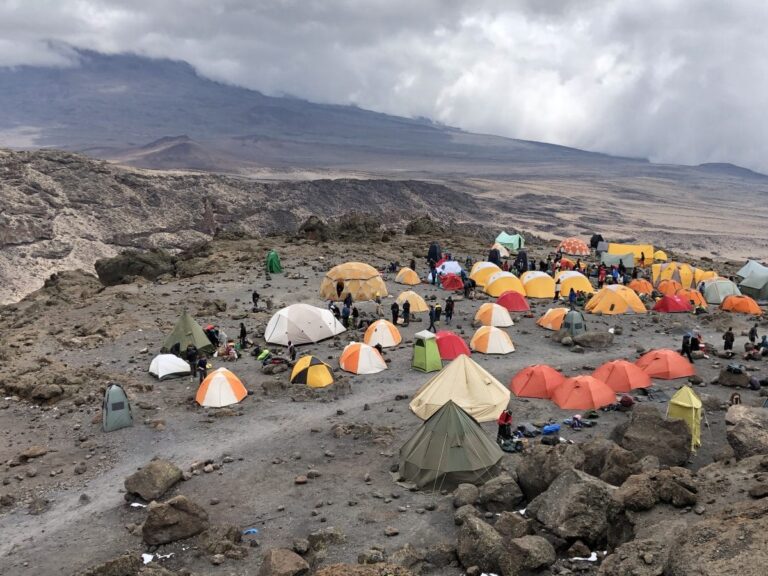
Kilimanjaro Climb With Lake Chala Relaxation Day: Your Ultimate Post-Trek
Experience the ultimate Kilimanjaro adventure followed by serene relaxation at Lake Chala. This guide details how to combine these incredible Tanzanian experiences, covering itineraries...
View package details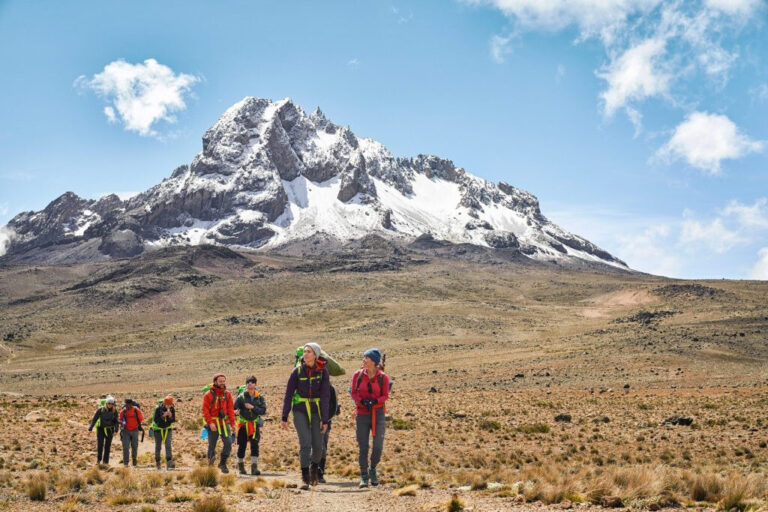
18-Day Kilimanjaro And Northern Tanzania Grand Adventure: Trek, Safari &
An 18-day itinerary blending Kilimanjaro's summit with Northern Tanzania's wildlife and culture offers a comprehensive African experience. This adventure typically includes a multi-day trek...
View package details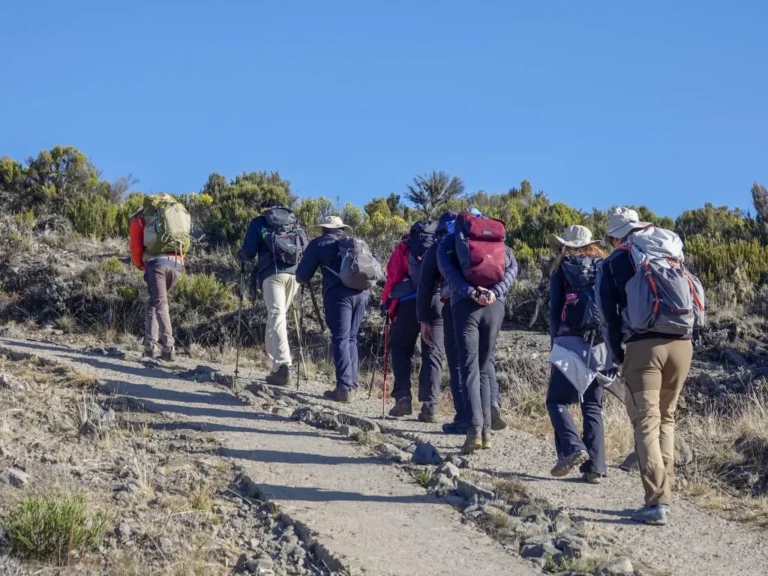
How To Verify Kilimanjaro Park Fees Are Included In Your Trek Package
Climbing Mount Kilimanjaro is a dream for many, but understanding the costs involved, particularly park fees, is crucial for proper planning. This guide helps you verify that all necessary...
View package details
Kilimanjaro Summit Success Tips For Older Hikers In | Top Guide Adventures
Achieving your dream of standing on the Roof of Africa is possible at any age. This guide provides essential Kilimanjaro summit success tips specifically for older hikers, covering...
View package detailsKilimanjaro Training Plan For Teen Climbers: Summit Success In 2026-2027
Prepare your teen for the ultimate adventure with a detailed Kilimanjaro training plan. This guide covers physical conditioning, mental readiness, essential gear, and acclimatization...
View package details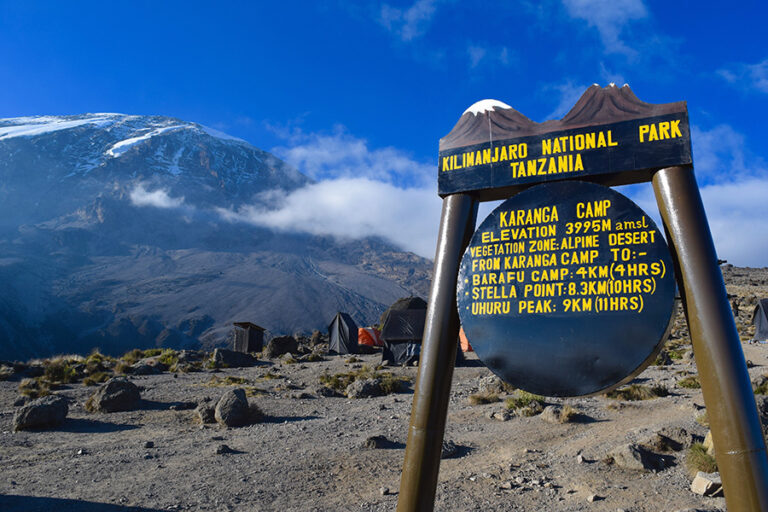
Can A 14-Year-Old Climb Kilimanjaro? Essential Guide For Young Trekkers
Climbing Mount Kilimanjaro is an incredible adventure, and many young people aspire to reach its summit. This guide explores whether a 14-year-old can successfully and safely summit...
View package details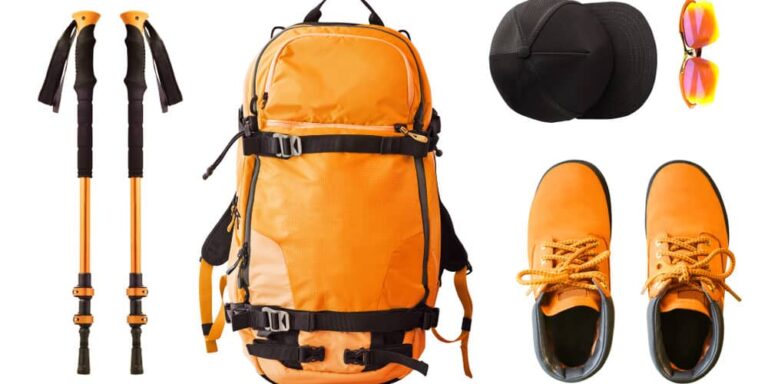
How To Leave No Trace On Kilimanjaro: A Guide For Responsible Trekkers
Discover the essential principles of Leave No Trace for your Kilimanjaro climb. This comprehensive guide ensures you trek responsibly, minimizing your impact on Africa's highest peak for...
View package details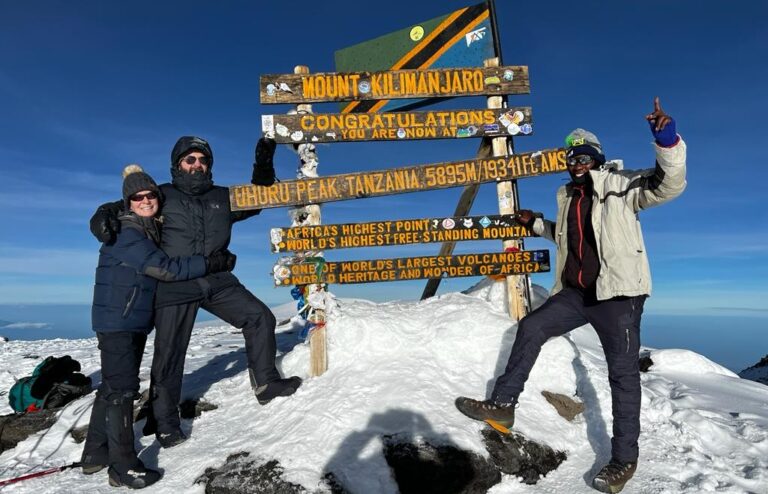
Kilimanjaro Rainforest Ecology Guide: Flora, Fauna & Trekking Insights
A comprehensive guide to the Kilimanjaro rainforest ecology, detailing its unique plant and animal life, its importance for climbers, and what to expect when trekking through this vital...
View package details
Kilimanjaro Giant Lobelias Explained: Identification, Ecology, And Trekker
Explore the fascinating Giant Lobelias of Kilimanjaro. Learn about their remarkable adaptations to the alpine environment, where they thrive on the mountain slopes, and how to best spot...
View package detailsWhat Is The Kilimanjaro Summit Sign Like? Your Complete Guide 2026-2027
The Kilimanjaro summit sign is a recognizable metal signpost at Uhuru Peak, marking the highest point on the continent. Reaching it signifies the culmination of a challenging trek, offering...
View package detailsNo related package matches those filters. Clear one or more filters to see the other topic-matched options.



