
For an October Kilimanjaro climb, your waterproof packing strategy must focus on high-quality, breathable rain gear, waterproof layers for your clothing and sleeping bag, and robust waterproof bags or dry sacks to protect electronics and essentials from the unpredictable mountain weather, ensuring comfort and safety during your 2026-2027 expedition.

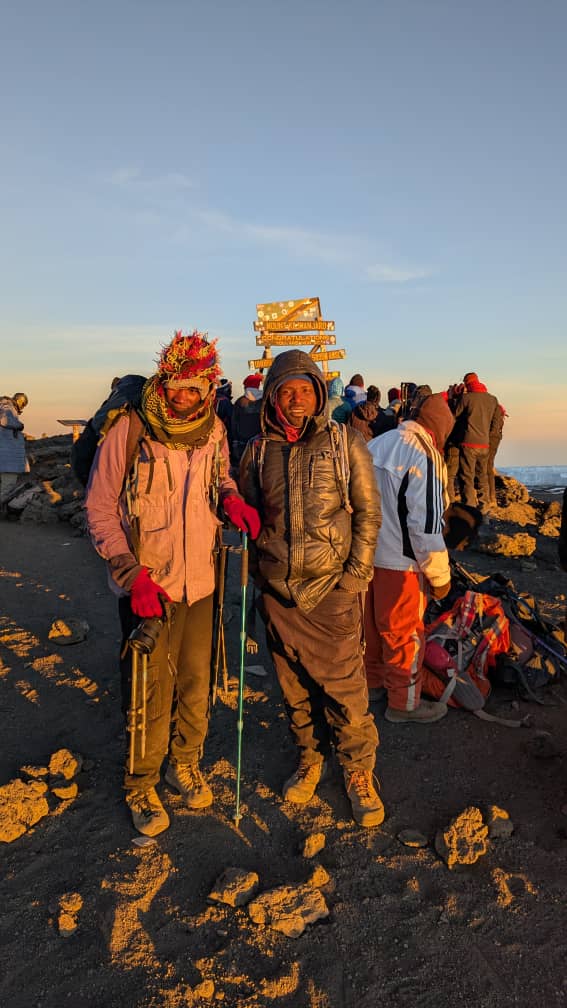

Understanding October Weather on Kilimanjaro: Why Waterproofing is Key
Climbing Kilimanjaro in October places you squarely in the shoulder season between the drier summer months and the wetter winter. While often characterized as a drier period, October can bring a mix of conditions, from clear, crisp days to sudden downpours, especially at lower altitudes and during the transitional periods. The summit zone, regardless of season, is always prone to extreme cold, wind, and precipitation. Therefore, a well-thought-out waterproof packing strategy is not just recommended; it’s absolutely critical for a successful and comfortable ascent in 2026 or 2027. Neglecting waterproof gear can lead to hypothermia, discomfort, and potentially the inability to complete your climb. Top Guide Adventures understands these nuances and helps every climber prepare meticulously. We aim to make your journey to the roof of Africa as smooth as possible, and that begins with packing smart.
The mountain’s weather is notoriously variable, with distinct microclimates existing on its different slopes and at varying altitudes. As you ascend, you’ll transition through rainforest, moorland, alpine desert, and arctic summit zones. Each zone presents unique challenges. The rainforest belt, for instance, is almost always damp and can experience significant rainfall even in drier months. As you climb higher, rain might turn to sleet or snow. Wind is a constant factor, especially at higher elevations, and it can make even moderate precipitation feel much colder. October often sees a transition from the shorter rainy season earlier in the year to the drier season, but it’s a transition that can be unpredictable. You might experience sunny mornings followed by afternoon showers, or vice-versa. The key takeaway is to prepare for rain, wind, and cold, regardless of what the general forecast suggests for the season. Your waterproof gear is your primary defense against these elements.
When planning your October Kilimanjaro waterproof packing guide for 2026-2027, consider that this month often offers good climbing conditions with fewer crowds than the peak dry seasons of January-March and June-October. However, the weather can be more volatile. You might encounter sunny days perfect for trekking, but you must also be ready for significant rainfall, particularly in the lower rainforest sections, and the possibility of snow and ice near the summit. The temperatures can fluctuate dramatically, from pleasant warmth at the base to well below freezing at the peak. Effective waterproofing is essential to maintain your body temperature, prevent hypothermia, and ensure your gear remains functional.
The Foundation: Waterproof Outerwear Essentials
Your primary defense against Kilimanjaro’s elements is your waterproof outer shell. This is not the place to compromise on quality. For October climbs, we recommend investing in high-performance, breathable waterproof jackets and trousers. These should be made from reputable materials like Gore-Tex or similar advanced waterproof-breathable fabrics. The goal is to keep external moisture out while allowing internal perspiration to escape, preventing you from getting clammy and cold.
Waterproof Jacket: Your Mountain Shield
The ideal waterproof jacket for Kilimanjaro in October should feature:
- Fully Taped Seams: This ensures no water can seep through the stitching.
- Adjustable Hood: A well-designed hood that can accommodate a hat and provide full face coverage is crucial. Look for wired brims to maintain shape in wind.
- Adjustable Cuffs and Hem: Drawcords and Velcro straps allow you to seal out wind and rain effectively.
- Breathability Rating: Higher breathability (often measured in MVTR – Moisture Vapor Transmission Rate) means better comfort.
- Durability: The fabric needs to withstand abrasion from your backpack straps and general mountain use.
- Pit Zips: Underarm ventilation zippers are invaluable for releasing heat quickly during strenuous ascents without exposing yourself to the elements.
Consider a jacket that is lightweight but robust. It should be large enough to fit comfortably over your insulating layers (like a fleece or down jacket) but not so baggy that it catches the wind. For October, a medium-weight, 3-layer Gore-Tex jacket is often a good balance, providing excellent protection without excessive bulk. Remember to test its waterproofing before you leave; a spray-on DWR (Durable Water Repellent) treatment can rejuvenate older jackets.
Waterproof Trousers: Protecting Your Lower Half
Similar to the jacket, your waterproof trousers need to be fully functional:
- Full-Length Zips: Zips along the outer seams of the legs are essential, allowing you to put them on and take them off without removing your boots.
- Adjustable Waistband: A comfortable, adjustable waist ensures a snug fit.
- Reinforced Cuffs: To prevent wear from your boots.
- Breathability: Again, breathable fabric is key to managing moisture.
Over-trousers that can be pulled on quickly over your hiking trousers are standard. For October, you might also consider a pair of softshell trousers as your primary hiking layer, which offer some water resistance and breathability, and then use the waterproof overtrousers as a secondary layer when the rain hits hard. This combination provides flexibility. Ensure they are long enough to cover the tops of your boots.
Layering for Success: Waterproofing Your Clothing System
Effective layering is the cornerstone of staying comfortable on Kilimanjaro. Your waterproof outer shell is the final layer, but what lies beneath is equally important. The principle is to trap insulating air with base and mid-layers, and then protect these layers from wind and rain with your shell.
Base Layers: Wicking Away Moisture
Your base layers are next to your skin. They should be made of moisture-wicking materials like merino wool or synthetic fabrics (polyester, polypropylene). Avoid cotton at all costs, as it absorbs moisture and stays wet, leading to rapid heat loss. For October, pack a few sets of long-sleeved tops and long johns.
Mid-Layers: Insulation and Warmth
These layers provide the bulk of your warmth. Common choices include:
- Fleece Jackets/Pants: Lightweight to mid-weight fleece offers excellent warmth-to-weight ratio and retains insulating properties even when damp.
- Insulated Jackets: A down or synthetic insulated jacket is crucial for colder evenings and summit night. For October, a jacket with at least 600-fill power down or equivalent synthetic insulation is recommended.
The key is to have a system where you can add or remove layers as conditions change. For example, on a cold, rainy morning, you might wear a base layer, a fleece, and then your waterproof jacket and trousers. If the sun comes out and you start climbing hard, you might remove the fleece and open your pit zips.
Waterproofing Your Insulated Gear
While your insulated jacket and fleece are designed for warmth, they are not inherently waterproof. This is where your waterproof shell comes in. However, you should also consider additional waterproofing measures for these items:
- Water-Resistant Down Jacket: Some modern down jackets feature hydrophobic treatments on the down and water-resistant outer shells. While not fully waterproof, they offer better performance in damp conditions than traditional down.
- Synthetic Insulation: Synthetic fills generally perform better than down in wet conditions.
- Dry Bags for Storage: Crucially, when you are not wearing your insulated layers, store them in waterproof dry bags within your backpack. This ensures they remain dry and ready to put on when needed, especially vital for summit night.
A common mistake is relying solely on the outer shell. However, if you sweat heavily or if the outer shell’s DWR wears off, moisture can penetrate your mid-layers. Having a waterproof dry sack for your warm layers is a non-negotiable item for your October Kilimanjaro waterproof packing guide.
Protecting Your Extremities: Waterproof Gloves, Hats, and Footwear
Your hands, feet, and head are critical for regulating body temperature and maintaining dexterity. Protecting them from the cold and wet is paramount, especially on summit night.
Waterproof Gloves and Mittens
You’ll need a system for your hands:
- Liner Gloves: Thin merino wool or synthetic gloves for dexterity and warmth in milder conditions or as a first layer.
- Waterproof/Insulated Gloves or Mittens: This is your main protection. Mittens are generally warmer than gloves as they keep fingers together, but gloves offer more dexterity. For Kilimanjaro in October, a pair of insulated, waterproof, and windproof gloves or mittens is essential. Look for models with a good grip and adjustable wrist straps.
- Waterproof Shell Mittens: For extreme cold and wind, consider an over-mitt made of waterproof and breathable material to wear over your insulated gloves.
Having a spare pair of waterproof gloves is highly advisable. If one pair gets wet, you’ll need a dry backup. Ensure they are warm enough for sub-zero temperatures. Many climbers opt for a system: liner gloves for walking, insulated waterproof gloves for general use, and potentially waterproof shell mittens for the summit push.
Hats: Warmth and Protection
A warm, insulated hat that covers your ears is vital. A fleece or wool beanie is a good starting point. For added protection against wind and rain, consider:
- Waterproof Hat Cover: Some hikers use a waterproof hat cover.
- Balaclava/Neck Gaiter: A versatile fleece neck gaiter or balaclava can be pulled up to cover your face and neck, protecting against wind and cold. Ensure it’s made of warm material and ideally has some wind-resistance.
Many waterproof jackets come with hoods, but a warm hat is essential underneath, especially when the hood is down or for added ear warmth.
Waterproof Footwear: Boots and Gaiters
Your feet are your most important tools on Kilimanjaro. Keeping them dry and warm is non-negotiable.
- Waterproof Hiking Boots: Invest in sturdy, waterproof, broken-in hiking boots. They should be high-ankled for support and have good grip. Ensure they are waterproof (e.g., Gore-Tex lined). Test them extensively before your climb.
- Waterproof Gaiters: These are crucial. Gaiters cover the top of your boots and lower legs, preventing scree, mud, and water from entering your boots. They are particularly useful in October when trails can be wet and muddy, or snowy higher up.
- Waterproof Socks: While not a replacement for waterproof boots and gaiters, waterproof socks (like those from brands such as Sealskinz) can provide an extra layer of defense against moisture and blisters. They are excellent for keeping feet warm even if your boots get soaked.
Remember to pack multiple pairs of warm, moisture-wicking socks (merino wool is ideal). Avoid cotton socks. For summit night, consider bringing a pair of thick, insulated, waterproof socks.
Waterproof Bags and Protection for Gear
Beyond clothing, protecting your essential gear from moisture is just as important. A well-organized waterproof packing system ensures your electronics, important documents, and spare clothing stay dry.
Backpack Waterproofing
Your primary trekking backpack (typically 50-70 liters) will carry most of your gear. While many backpacks are made from water-resistant materials, they are rarely fully waterproof. You have several options:
- Internal Dry Bags: This is the most reliable method. Use a set of high-quality, roll-top dry bags (e.g., Sea to Summit, Osprey) in various sizes to compartmentalize and waterproof your gear inside your main backpack. Pack your sleeping bag, spare clothes, and down jacket in separate dry bags.
- Backpack Rain Cover: A rain cover is a useful addition, but it’s not foolproof. It protects the exterior of your pack and can prevent water from seeping through zippers and seams. However, water can still run down your back inside the cover, and covers can blow off in strong winds.
- Waterproof Backpack Liner: Some packs come with an integrated waterproof liner, or you can buy one separately. This acts like a large dry bag within your pack.
For an October Kilimanjaro climb, we strongly advise using internal dry bags as your primary waterproofing method for your main backpack. This offers the best protection against the unpredictable weather.
Daypack Waterproofing
Your daypack (typically 20-30 liters) carries items you need during the day: water, snacks, camera, sunscreen, extra layers, and your rain gear. Ensure it has its own rain cover, and consider a smaller dry bag or waterproof pouch inside for your electronics and valuables.
Dry Bags and Waterproof Pouches for Electronics
Protecting your camera, phone, GPS device, headlamp, and power bank is vital. These items are sensitive to moisture and cold. Ensure you have:
- Waterproof Pouches: Small, robust waterproof pouches are ideal for phones and cameras, allowing you to operate them while still inside the pouch.
- Dry Bags for Batteries and Electronics: Store spare batteries, power banks, and other sensitive electronics in small dry bags. Cold temperatures drain batteries faster, and moisture can damage them.
- Headlamp Protection: Even headlamps can be affected by moisture. Keep a spare set of batteries in a dry bag.
Consider bringing a small, lightweight waterproof notebook and pen for jotting down notes or recording your experiences.
Waterproof Bags for Documents and Valuables
Keep your passport, visa, flight details, insurance information, and emergency contact list in a waterproof document holder or a dedicated dry bag. It’s also wise to have some local currency and credit cards protected similarly.
Essential Waterproof Accessories
Beyond the major items, several smaller accessories enhance your waterproof preparedness for Kilimanjaro in October.
Waterproof Stuff Sacks
These are invaluable for organizing your backpack. Use them to separate dirty clothes from clean ones, keep your sleeping bag dry, and protect spare clothing layers. Roll-top stuff sacks are generally the most effective for waterproofing.
Waterproof Seat Pad
A small, lightweight, waterproof seat pad can be a luxury on wet or cold rest stops. It prevents you from sitting on damp ground or rocks, keeping you warmer and drier.
Waterproof Matches/Lighter
While unlikely to be needed by climbers who rely on porters and guides, carrying waterproof matches or a reliable lighter in a waterproof container is always a sensible precaution for emergency situations.
Waterproof Camera Gear Protection
If you are bringing a DSLR or mirrorless camera, consider a dedicated waterproof camera bag or rain cover. Even a smartphone can benefit from a waterproof case. Remember that extreme cold can affect battery life, so keep spares warm and dry.
Pre-Climb Preparation: Testing and Maintaining Your Waterproof Gear
Before you even pack your bags for your 2026 or 2027 Kilimanjaro adventure, it’s crucial to ensure your waterproof gear is in top condition.
Gear Inspection
Lay out all your waterproof items and inspect them thoroughly:
- Zippers: Check for damage or missing teeth. Ensure they run smoothly.
- Seams: Look for any signs of wear, fraying, or delamination.
- Fabric: Inspect for rips, tears, or worn patches.
- DWR Coating: Perform the ‘water test’. Sprinkle water onto the fabric. If it beads up and rolls off, the DWR is working. If it soaks in, the DWR needs reapplication.
Re-Waterproofing and Cleaning
Most technical waterproof fabrics require specific cleaning and re-waterproofing treatments:
- Cleaning: Wash waterproof jackets and trousers according to the manufacturer’s instructions, typically using a technical wash like Nikwax Tech Wash or Grangers Performance Wash. Avoid fabric softeners or detergents, which can damage the fabric’s performance.
- Re-Waterproofing (DWR): After washing and while the garment is still damp, apply a spray-on or wash-in DWR treatment (e.g., Nikwax TX.Direct, Grangers Performance Repel Plus). Follow the product instructions carefully. This step is vital for maintaining breathability and preventing the outer fabric from ‘wetting out’.
- Waterproofing Tents/Tarps (if applicable): While Top Guide Adventures provides high-quality tents, if you are bringing any personal camping accessories, ensure they are waterproofed.
Breaking in Footwear
Your waterproof hiking boots must be thoroughly broken in before you arrive in Tanzania. Wear them on multiple hikes of increasing length and difficulty. This ensures they are comfortable and helps identify any potential issues, like rubbing or pressure points, before you are on the mountain.
What NOT to Pack: Avoiding Waterproofing Pitfalls
Knowing what to leave behind is as important as knowing what to bring. Overpacking adds unnecessary weight, and some items can be counterproductive.
- Cotton Clothing: As mentioned, cotton absorbs moisture and is a major cause of hypothermia. Avoid cotton socks, underwear, t-shirts, and even cotton-blend trousers.
- Non-Waterproof Footwear: Regular sneakers or non-waterproof boots will not suffice. Your feet will get wet and cold, leading to discomfort and potential injury.
- Heavy, Non-Packable Items: While robust gear is essential, avoid items that are excessively heavy or bulky and cannot be easily packed.
- Unnecessary Electronics: Only bring essential electronics that you absolutely need. Each item adds weight and requires careful waterproofing.
- Disposable Rain Ponchos: While they offer some protection, they are flimsy, not very durable, and often less breathable than technical rain gear. They can tear easily in wind and are not suitable for the rigors of Kilimanjaro.
Focus on lightweight, high-performance, and multi-functional items. Your October Kilimanjaro waterproof packing guide should emphasize efficiency and reliability.
Comparing Waterproof Gear Options for 2026-2027 Climbs
When selecting your waterproof gear for a 2026 or 2027 climb, consider these factors:
- Material: Gore-Tex is the industry standard, but other reputable brands (eVent, Pertex Shield, etc.) offer comparable performance. Look for 2 or 3-layer constructions for durability and breathability.
- Weight vs. Durability: Lighter gear is appealing, but on Kilimanjaro, durability is often more important. Find a balance that suits your needs. A 3-layer construction generally offers better durability than a 2-layer one.
- Features: Hood design, pit zips, pocket placement, and adjustability all contribute to usability.
- Brand Reputation: Stick to well-known outdoor brands that specialize in waterproof and breathable gear.
Top Guide Adventures Tip: While investing in top-tier waterproof gear can be expensive, it’s a worthwhile investment for your comfort and safety. Consider renting some items if budget is a concern, but ensure any rented waterproofs are in excellent condition and from a reputable supplier. We can advise on rental options for specific items if needed.
The Role of Porters and Guides in Managing Gear
While you are responsible for your personal waterproof packing, remember that your trekking crew plays a vital role. Top Guide Adventures employs experienced porters and guides who are experts in mountain conditions. They will manage the main duffel bags, ensuring they are protected from the elements as much as possible. However, your daypack is your personal responsibility. It should always contain your immediate essentials, including your waterproof jacket and trousers, and any electronics you need quick access to.
Your guides will monitor weather patterns and advise you on when to add or remove layers. They are trained to recognize signs of hypothermia and will ensure you are properly equipped. Trust their experience. They have seen countless climbers ascend Kilimanjaro in all seasons, including October, and their advice is invaluable for making your climb safe and enjoyable.
Packing List Summary: October Kilimanjaro Waterproof Focus
Here’s a summary of the key waterproof items to prioritize for your October Kilimanjaro waterproof packing guide:
Must-Have Waterproof Gear:
- Waterproof & Breathable Jacket: With taped seams, adjustable hood, and pit zips.
- Waterproof & Breathable Trousers: Full-length side zips, adjustable waist.
- Waterproof Gloves/Mittens: Insulated and windproof. Consider spares.
- Waterproof Hat Cover or Balaclava: For extreme conditions.
- Waterproof Hiking Boots: High-ankled, broken-in, and waterproof.
- Waterproof Gaiters: Essential for keeping debris and water out of boots.
- Waterproof Socks: As an extra layer of protection.
- Waterproof Dry Bags: For sleeping bag, spare clothes, and electronics.
- Waterproof Daypack Rain Cover: For your daily essentials pack.
- Waterproof Pouch: For phone, camera, and essential documents.
Making Your 2026-2027 Kilimanjaro Climb a Success with Top Guide Adventures
Climbing Kilimanjaro is a significant undertaking, and proper preparation is key to a rewarding experience. By focusing on a comprehensive October Kilimanjaro waterproof packing guide, you significantly increase your chances of comfort, safety, and success. Remember that October can offer beautiful trekking conditions, but it demands respect for the mountain’s potential for varied weather. Top Guide Adventures is committed to providing you with the best possible support for your 2026-2027 climb. Our experienced guides and porters are dedicated to your well-being, and we provide high-quality tents and communal gear. We can also offer advice on gear rentals and packing specifics to ensure you are fully prepared. Don’t hesitate to reach out to us with any questions regarding your upcoming expedition. We are here to help you conquer Kilimanjaro!
For personalized advice on packing, route options, or to discuss your 2026-2027 Kilimanjaro climb, connect with the experts at Top Guide Adventures. You can reach us via WhatsApp +255616946642 or email us at topguideadventures@gmail.com. For alternative inquiries, our backup email is info@topguideadventures.com. We look forward to helping you plan an unforgettable adventure to the roof of Africa.
Check Availability for October Kilimanjaro Waterproof Packing Guide For Climbs 2026-2027
Ready to compare dates, prices, and the best option for your group? Send the package name and travel month so the team can reply with a clear quote, availability, and what is included.
December Kilimanjaro Packing Checklist: Essential Gear For Climbs 2026-2027
Prepare for your December Kilimanjaro climb with our comprehensive packing checklist. This guide covers essential gear, clothing, and tips for conquering Africa's highest peak in the dry...
View package details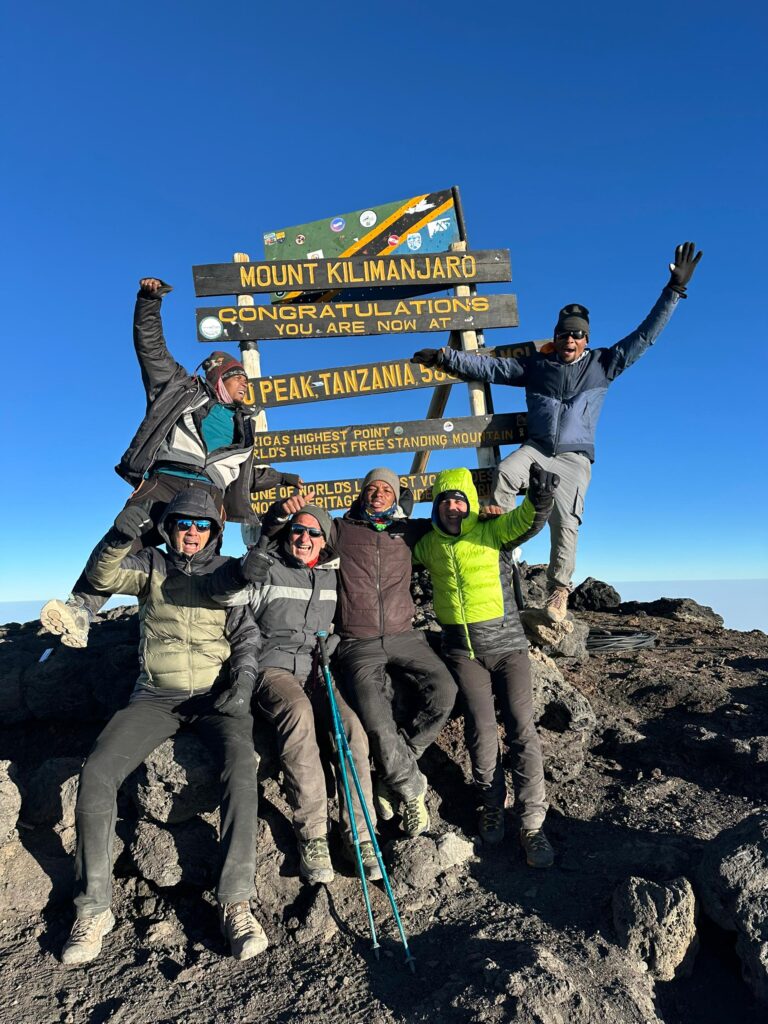
October Kilimanjaro Flexible Private Departure: Your Ultimate Guide 2026-2027
Secure your October Kilimanjaro flexible private departure with Top Guide Adventures. This comprehensive guide covers everything from route selection and best practices for your 2026-2027...
View package details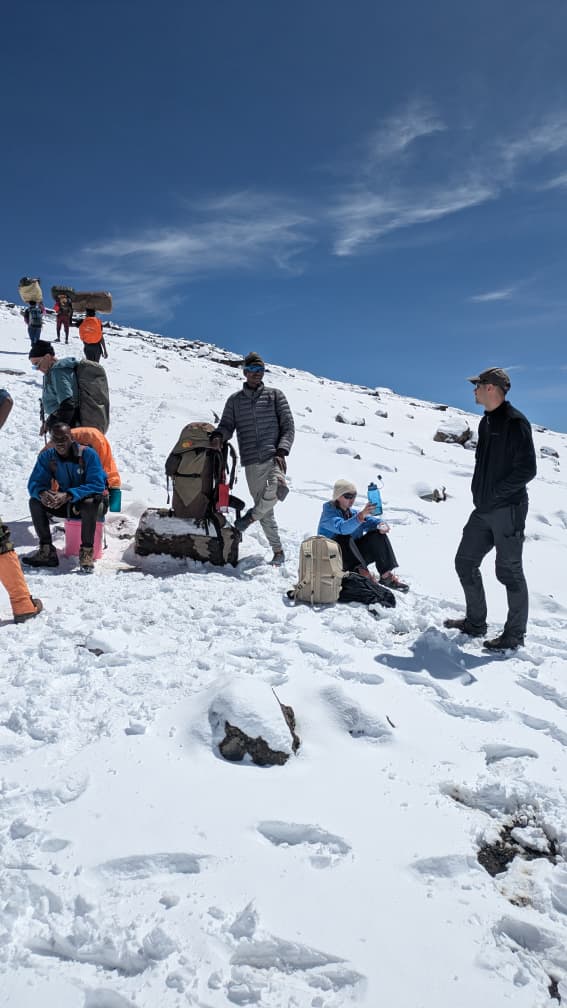
October Kilimanjaro Climb: Fewer Crowds, Great Weather 2026-2027
Planning an October Kilimanjaro climb offers a sweet spot with fewer trekkers and ideal weather conditions. Learn why October is a fantastic month for reaching Uhuru Peak and how to make...
View package detailsOctober Kilimanjaro Luxury Camping Package: Your Ultimate Adventure 2026-2027
Secure your spot on a 2026 or 2027 October Kilimanjaro luxury camping adventure with Top Guide Adventures. This package offers premium service, expert guidance, and a comfortable climb.
View package details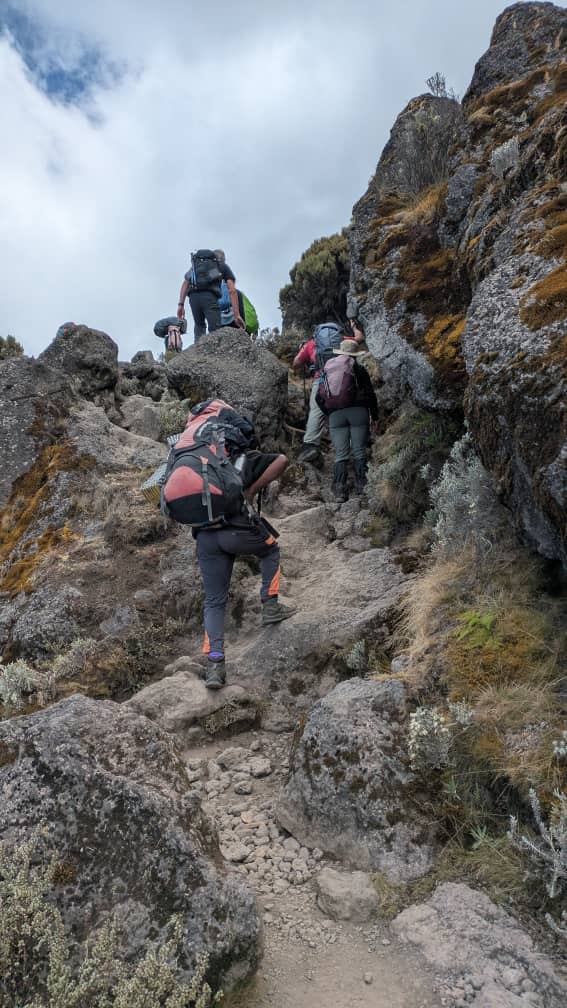
October Kilimanjaro Photography Trek: Your Ultimate Guide 2026-2027
An October Kilimanjaro Photography Trek offers clear skies and fewer crowds, ideal for capturing impressive summit views. This guide details the best routes, essential photography gear, and...
View package details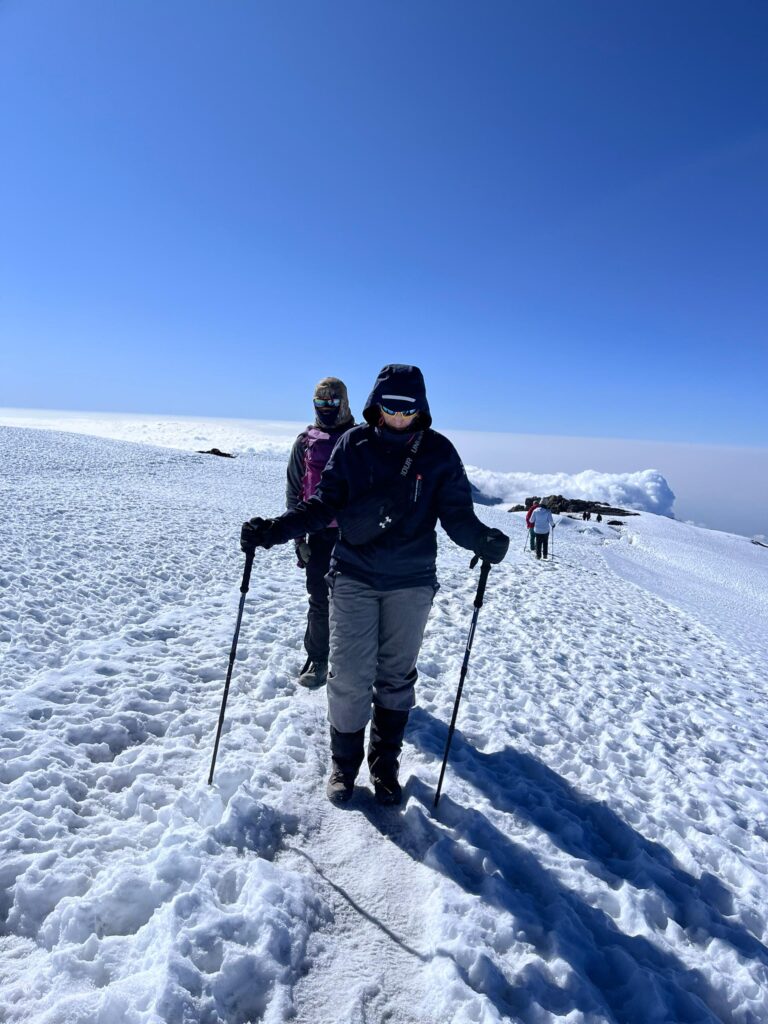
October Kilimanjaro Shoulder-Season Deals 2026-2027
October Kilimanjaro Shoulder-Season Deals is explained with current 2026-2027 planning, price, itinerary and booking information.
View package details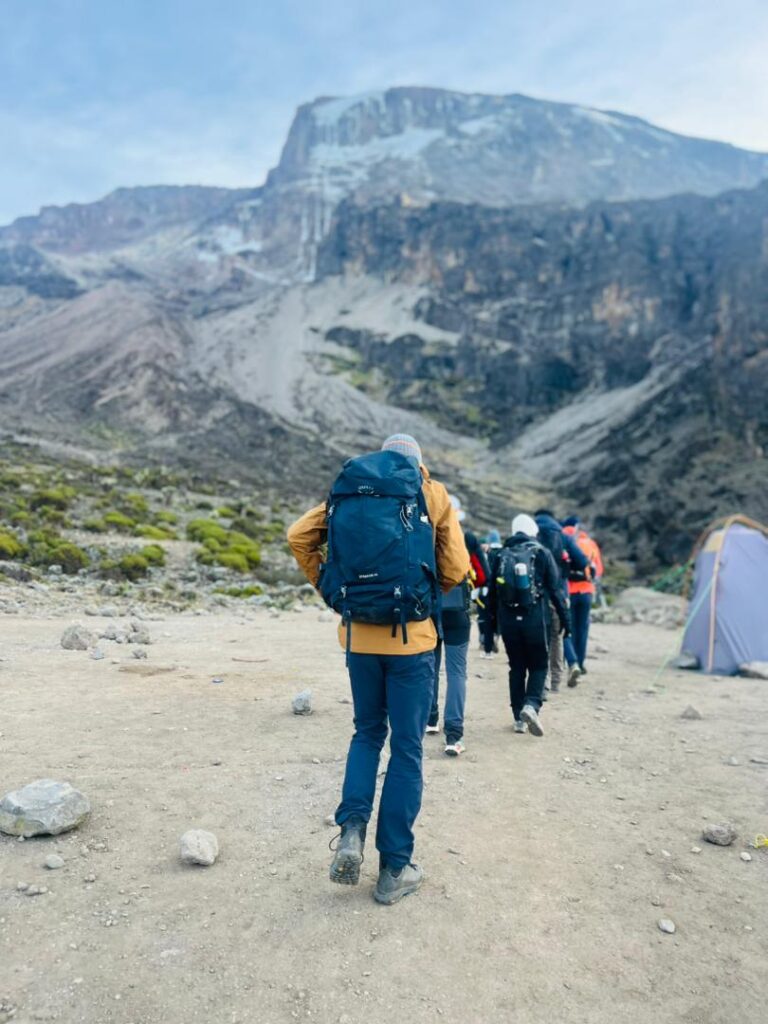
October Kilimanjaro Trail Conditions: Your Expert Guide For 2026-2027
Planning a Kilimanjaro climb in October? This guide details the trail conditions, weather patterns, crowds, and essential preparations for your 2026-2027 adventure.
View package details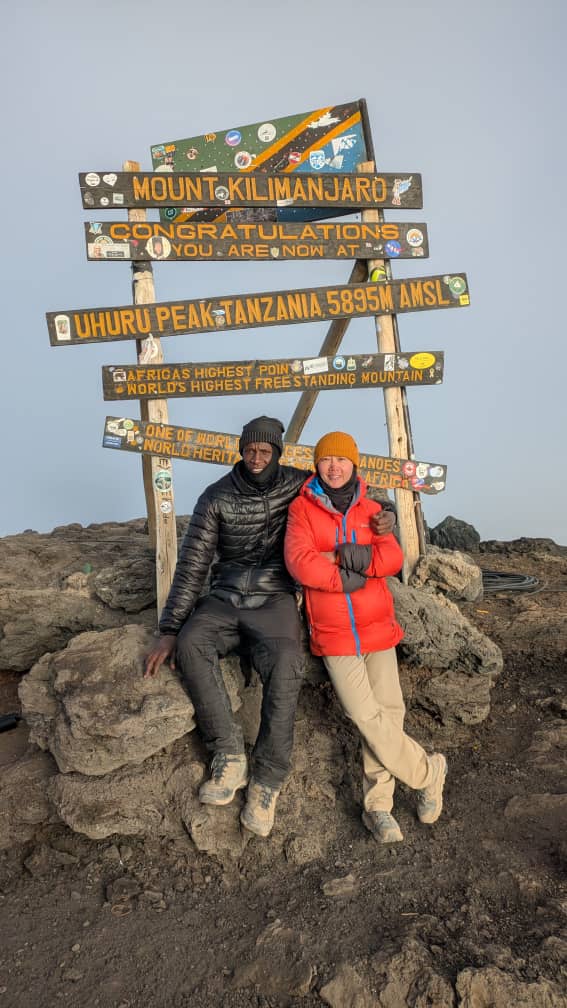
October Kilimanjaro Summit Temperature 2026-2027
October Kilimanjaro Summit Temperature is explained with current 2026-2027 planning, price, itinerary and booking information.
View package details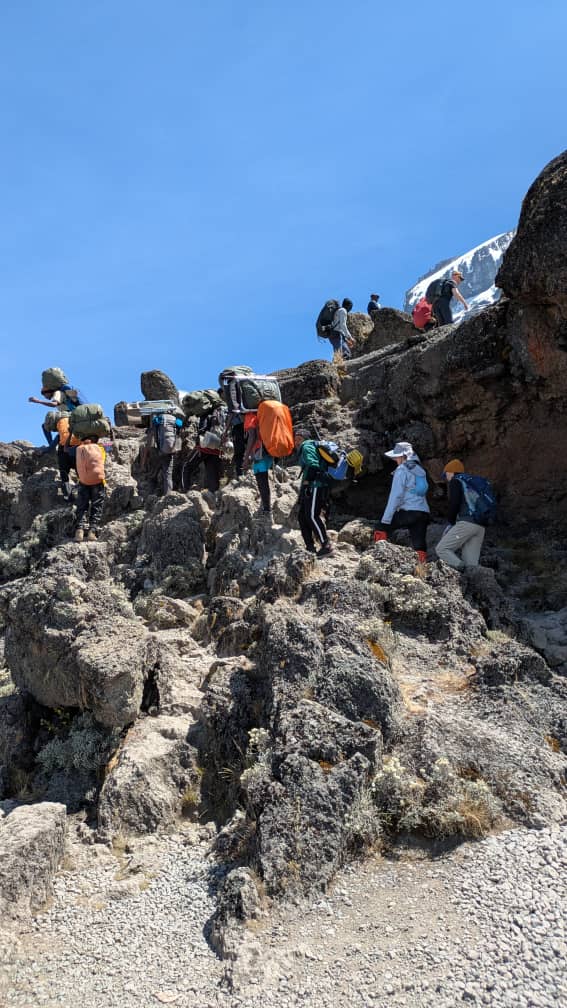
Does It Rain On Kilimanjaro In October? Your Guide 2026-2027
Planning a Kilimanjaro climb in October? Understand the weather patterns, including rainfall, to prepare effectively. This guide offers insights for your 2026-2027 adventure.
View package details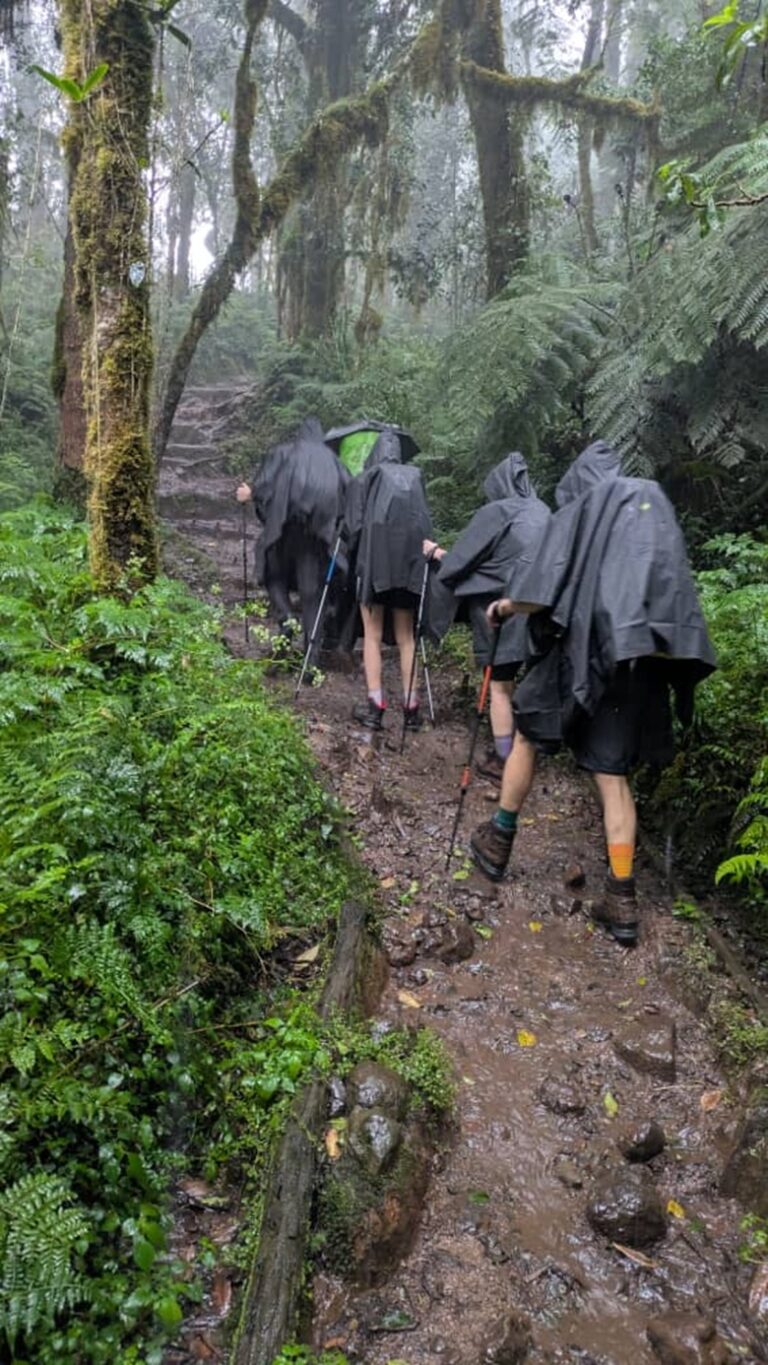
Is October A Good Time To Climb Kilimanjaro? Your Expert Guide For 2026-2027
Discover if October is an ideal month for your Kilimanjaro ascent. This guide covers weather, crowds, costs, and essential planning for your 2026-2027 climb.
View package details
October Kilimanjaro Prices And Availability 2026-2027
October Kilimanjaro Prices and Availability is explained with current 2026-2027 planning, price, itinerary and booking information.
View package detailsOctober Kilimanjaro And Zanzibar Package: Climb & Island Bliss 2026-2027
Discover the ultimate October Kilimanjaro and Zanzibar package. This guide details combining a trek up Africa's highest peak with the idyllic beaches of Zanzibar, perfect for 2026-2027...
View package detailsNo related package matches those filters. Clear one or more filters to see the other topic-matched options.



