
An October Kilimanjaro Photography Trek is an exceptional choice for capturing the majesty of Africa’s highest peak, offering relatively dry weather, clear skies, and stunning photographic opportunities. Typically, trekkers choose routes like the Machame or Lemosho for their scenic beauty, with ascents taking 7-9 days to allow for proper acclimatization. This period in 2026 and 2027 promises excellent visibility for your camera, with fewer trekkers compared to peak seasons, ensuring a more intimate experience for photographers aiming for dramatic sunrise and sunset shots from the summit.
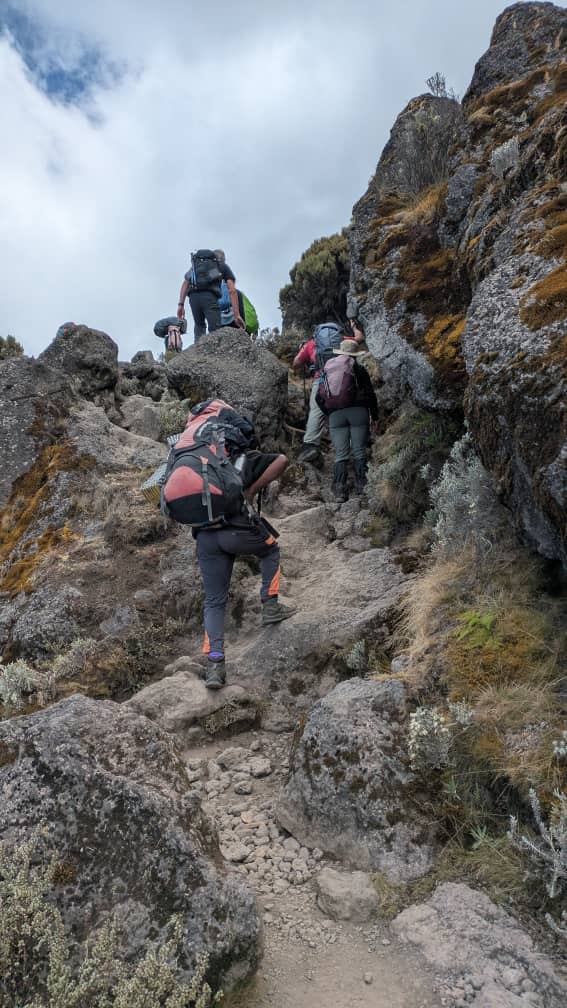

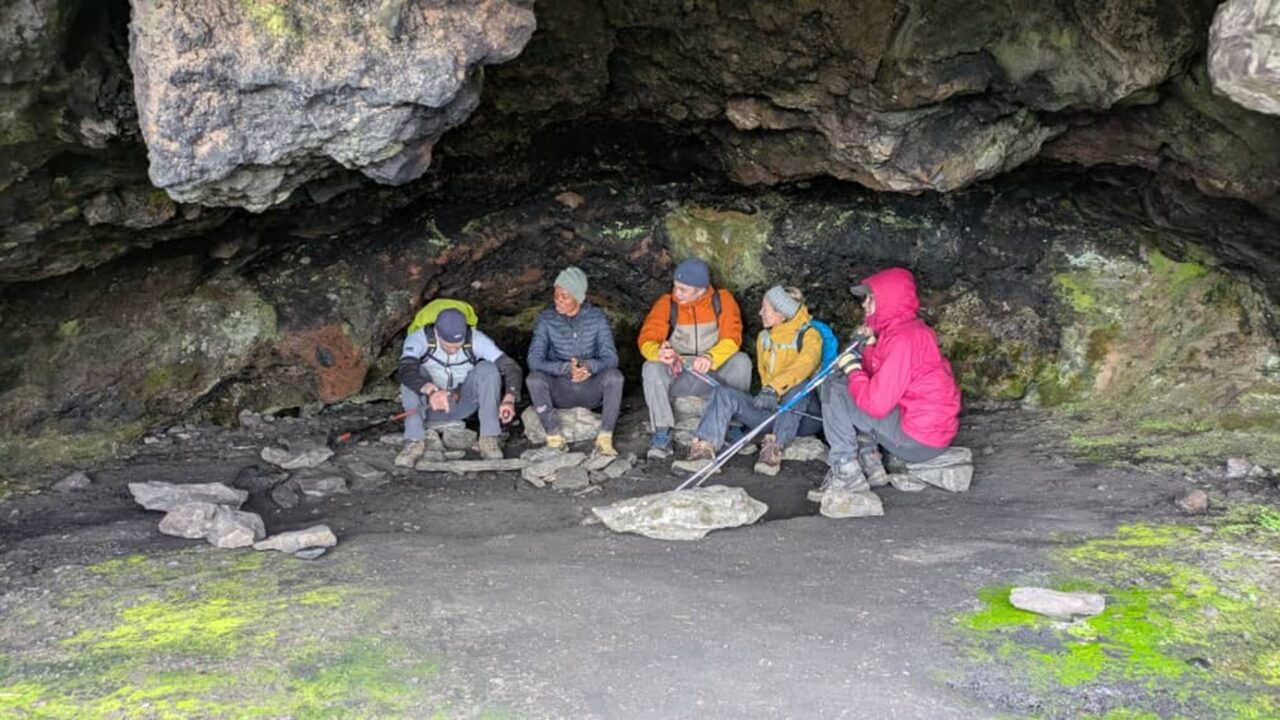
Why an October Kilimanjaro Photography Trek is Ideal
Choosing October for your Kilimanjaro photography expedition offers a confluence of meteorological advantages and a less crowded trekking environment, creating near-perfect conditions for capturing dramatic landscapes and intimate moments on the mountain. As the dry season continues its late flourish, the skies over Kilimanjaro are frequently clear, providing unobstructed views of the summit, glaciers, and the vast plains stretching out below. This clarity is paramount for photographers seeking crisp, high-quality images. The atmospheric haze that can sometimes obscure distant views during other times of the year is significantly reduced in October, allowing for sharper, more vibrant photographs. Furthermore, the cooler temperatures of October make the physical exertion of trekking more manageable, allowing photographers to focus on composition and capturing the perfect shot rather than battling extreme heat or cold.
Beyond the visual clarity, the reduced number of trekkers on the mountain during October is a significant benefit for any photography-focused journey. Unlike the busier months of July, August, or January/February, an October Kilimanjaro Photography Trek allows for more freedom of movement. You can set up your tripod at scenic viewpoints without feeling rushed or obstructing other hikers. This tranquility enhances the overall experience, enabling a deeper connection with the environment and more time to wait for the ideal light. Imagine capturing the sunrise over the clouds from Uhuru Peak with only a few other souls around, or finding a secluded spot on the Shira Plateau to photograph the unique alpine flora in peace. These moments are more attainable when the trails are less congested.
The unique light conditions in October also contribute to its photographic appeal. While the sun can be intense at high altitudes, the angle of the sun in early autumn can produce softer, more diffused light during the early mornings and late afternoons. This is golden hour, a photographer’s dream, perfect for capturing the textured rock formations, the vibrant greens of the lower slopes, and the stark, icy beauty of the Kibo crater. As you ascend, the changing vegetation zones—from lush rainforest to alpine desert and finally to arctic conditions—offer a diverse palette for your lens. The juxtaposition of these environments, especially under the clear October skies, makes for compelling visual storytelling.
Choosing the Right Route for Your October Kilimanjaro Photography Trek
When planning an October Kilimanjaro Photography Trek, route selection is critical, especially considering photographic potential and acclimatization needs. While most routes are viable, some offer distinct advantages for capturing stunning imagery. Top Guide Adventures recommends routes that provide varied landscapes and good vantage points throughout the climb. The longer routes, typically 7 days or more, are always preferred for photography treks as they allow for a slower pace, better acclimatization, and more opportunities to stop and shoot.
The Lemosho Route: A Photographer’s Canvas
The Lemosho Route is frequently lauded as one of the most scenic paths up Kilimanjaro, making it an outstanding choice for an October Kilimanjaro Photography Trek. Its journey begins in the remote western side of the mountain, traversing the lush rainforests of the western slope before joining the Shira Route. This initial phase offers incredible opportunities to photograph the diverse flora and fauna of the montane forest, including colobus monkeys and various bird species, often in soft, filtered light. The early days on Lemosho are characterized by gentle ascents and gradual acclimatization, allowing photographers ample time to capture the changing vegetation zones and panoramic views.
As the trek progresses, the Lemosho Route opens up to the expansive Shira Plateau. This high-altitude, volcanic desert landscape is a photographer’s dream, especially during the golden hours of sunrise and sunset. The plateau offers vast, unobstructed vistas of the surrounding peaks and the plains below. The unique, rugged terrain of the plateau itself, with its giant heathers and senecios, provides dramatic foreground elements for landscape shots. The relatively low number of trekkers on this side of the mountain in October means you can often find solitary spots to compose your shots without interruption. The route then continues towards the Lava Tower and Barranco Wall, offering challenging yet rewarding photographic opportunities, from the intricate details of the volcanic rock to the sweeping views as you gain altitude.
The final ascent via the Stella Point and Uhuru Peak is equally photogenic. The dramatic sunrise from the crater rim, illuminating the vast glacial fields and the vastness of the African continent, is a moment that photographers will cherish. The unique, almost alien landscape of the summit area, with its ice formations and volcanic features, provides a stark contrast to the greener slopes below. The Lemosho Route, typically completed over 8 days by Top Guide Adventures, provides the necessary time for acclimatization and photographic exploration, ensuring you don’t miss any key moments.
The Machame Route: Popularity Meets Scenery
The Machame Route, often called the “Whiskey Route,” is another excellent option for an October Kilimanjaro Photography Trek. It is the most popular route, known for its scenic beauty and good acclimatization profile, especially when climbed over 7 days. Like Lemosho, Machame begins in the rainforest, offering early opportunities to capture the vibrant ecosystem. The route’s winding path through diverse ecological zones provides a continuous stream of photographic subjects, from the dense forests to the alpine desert and the arctic summit zone.
One of the highlights for photographers on the Machame Route is the trek across the Shira Plateau, where it converges with the Lemosho Route. The dramatic views of Mount Meru in the distance and the unique volcanic formations are particularly striking. The challenge of the Barranco Wall, while physically demanding, offers spectacular photographic angles as climbers navigate its steep face. The subsequent trek through the Karanga Valley and onto the Barafu Base Camp provides increasingly dramatic, stark mountain scenery, perfect for capturing the raw beauty of Kilimanjaro’s upper reaches. The ascent to Stella Point and Uhuru Peak from Barafu Camp is a strenuous, pre-dawn effort, but the reward is an unparalleled sunrise and panoramic views that are the culmination of any Kilimanjaro photography journey.
While Machame can be busier than Lemosho, an October Kilimanjaro Photography Trek on this route still benefits from fewer crowds than during peak times. The consistent, gradual ascent profile aids acclimatization, which is crucial for maintaining energy levels for photography. For those who appreciate a route with a good social atmosphere while still offering immense photographic potential, Machame is a strong contender for 2026-2027 bookings.
Other Routes for Consideration
While Lemosho and Machame are prime choices, other routes can also suit an October Kilimanjaro Photography Trek. The Marangu Route, known as the “Coca-Cola Route,” is the oldest and offers a unique hut accommodation experience. While it’s the shortest and fastest route, its direct ascent profile makes it less ideal for acclimatization and thus less recommended for a dedicated photography trek where a slower pace is beneficial. However, its accessibility and the ability to capture views from different angles might appeal to some.
The Northern Circuit and the Rongai Route are also viable. The Northern Circuit, the longest route, offers a circumnavigation of the mountain, providing unparalleled photographic variety and excellent acclimatization. It’s ideal for those who want the most comprehensive Kilimanjaro experience and don’t mind a longer trek (9-10 days). The Rongai Route approaches from the north, offering a different perspective and often good weather due to its position on the drier side of the mountain. It’s a good option if you’re seeking slightly different photographic angles and a less-trafficked path, especially in October.
Essential Photography Gear for Your October Trek
A successful October Kilimanjaro Photography Trek hinges not only on the location but also on having the right gear. The high altitude, fluctuating temperatures, and the need for portability mean careful selection is key. Top Guide Adventures advises prioritizing lightweight, durable, and versatile equipment. Given the potential for cold, especially at night and during the summit push, and the bright equatorial sun during the day, your gear needs to be robust.
Camera Body and Lenses
For your October Kilimanjaro Photography Trek, a reliable DSLR or mirrorless camera body is recommended. Consider models known for their weather sealing, as you might encounter unexpected mist or light rain, especially in the lower forest zones. For lenses, versatility is key. A wide-angle lens (e.g., 16-35mm or 18-55mm equivalent) is essential for capturing expansive landscapes, sunrises, and the sheer scale of Kilimanjaro. A mid-range zoom lens (e.g., 24-70mm or 18-105mm equivalent) offers flexibility for general shots and capturing details. If you have space, a telephoto lens (e.g., 70-200mm) can be useful for compressing perspectives and isolating distant features or wildlife, though it adds weight and bulk.
Many photographers opt for a prime lens, such as a 35mm or 50mm, for its superior image quality and low-light performance, which can be advantageous during dawn and dusk shoots. However, the need to change lenses frequently on the mountain can be cumbersome and expose your sensor to dust. Therefore, a versatile zoom lens is often the most practical choice for an October Kilimanjaro Photography Trek. Ensure your camera has good high-ISO performance if you plan on any astrophotography, though light pollution is minimal on Kilimanjaro.
Tripod and Accessories
A sturdy yet lightweight travel tripod is indispensable for landscape photography, especially for capturing sharp images during the low-light conditions of sunrise and sunset, or for long exposures of star trails if you have clear nights. Look for a carbon fiber tripod for weight savings. Ensure it has a reliable ball head for easy adjustments.
Other essential accessories include:
- Extra Batteries: Cold temperatures drain batteries rapidly. Carry at least two or three spares and keep them warm in an inside pocket.
- Memory Cards: Bring more than you think you’ll need, and consider a mix of sizes. Backup your photos nightly if possible.
- Remote Shutter Release: Minimizes camera shake when using a tripod, especially in windy conditions.
- Lens Cleaning Kit: A rocket blower, microfiber cloths, and lens cleaning solution are vital for removing dust and moisture.
- Camera Bag/Backpack: A comfortable, weather-resistant backpack with good padding is essential. Consider a pack with easy-access side pockets for quick lens changes or retrieval. A rain cover for your backpack is also crucial.
- Power Bank: To recharge camera batteries or other electronic devices overnight, especially if you don’t have access to charging facilities at the camps.
Protection Against Elements
The weather on Kilimanjaro can be extreme. During your October Kilimanjaro Photography Trek, you’ll experience everything from warm, humid conditions in the rainforest to freezing temperatures at the summit. Protecting your gear is as important as protecting yourself.
- Camera Rain Cover: A simple waterproof cover can save your camera during unexpected showers.
- Silica Gel Packs: Place these inside your camera bag to absorb moisture, especially if you’re descending from the summit into warmer, more humid air.
- Lens Hood: Helps reduce lens flare from the bright sun and offers some physical protection.
- Gaffer Tape: Incredibly useful for temporary repairs or securing loose parts.
Remember to pack your camera and sensitive electronics in your carry-on luggage when flying, as checked baggage can be rough handled and subject to extreme temperature changes.
Mastering Kilimanjaro Photography in October
Capturing the essence of Kilimanjaro requires more than just the right gear; it demands an understanding of light, composition, and the unique environment. An October Kilimanjaro Photography Trek provides a fantastic backdrop, but skillful execution is key.
Leveraging the October Light
October’s dry season typically offers clear, bright skies. While this means excellent visibility, it can also present challenges with harsh sunlight and high contrast. The best times for photography are during the golden hours: shortly after sunrise and before sunset. During these periods, the light is softer, warmer, and creates beautiful shadows, adding depth and texture to your images. Plan your trekking schedule to be at scenic viewpoints during these times.
Early mornings are particularly rewarding. The pre-dawn ascent to the summit often coincides with the start of sunrise. As you reach the crater rim, the first light can illuminate the glaciers and the vast caldera in a magical way. Be prepared to shoot in very low light conditions, possibly using a tripod and a wider aperture. As the sun rises higher, consider using a polarizing filter to cut glare and enhance the blues of the sky and the details in the landscape. Midday sun is often too harsh for landscape photography, leading to flat images with blown-out highlights and deep shadows. If you must shoot midday, focus on abstract details, patterns, or use techniques like ‘shooting through’ the atmosphere to create a sense of scale.
Composition and Storytelling
Beyond technical aspects, compelling photography tells a story. For your October Kilimanjaro Photography Trek, consider the narrative:
- The Scale of Kilimanjaro: Use foreground elements like trekkers, unique plants (like giant groundsels or lobelias), or rock formations to convey the immense size of the mountain.
- Changing Environments: Document the transition through Kilimanjaro’s five ecological zones—rainforest, heath, moorland, alpine desert, and arctic summit. Capture the distinct flora, fauna, and geology of each zone.
- The Human Element: Include shots of your fellow trekkers, guides, and porters. Their journey, their effort, and their connection to the mountain add a powerful human dimension to your photos. Candid shots during breaks or moments of reflection can be particularly impactful.
- Details and Textures: Don’t just focus on grand vistas. Capture the intricate patterns of ice formations on the summit, the rough texture of volcanic rock, the vibrant colors of alpine flowers, or the weathered faces of the mountain crew.
- The Summit Experience: The achievement of reaching Uhuru Peak is a story in itself. Capture the iconic “Kilimanjaro” sign, the glaciers, the flags, and the expressions of triumph and awe.
Managing Altitude and Photography
Altitude sickness can affect anyone, regardless of fitness level. Symptoms like headaches, nausea, and fatigue can significantly impair your ability to enjoy and execute your photography. Proper acclimatization is paramount. Trekking slowly (‘pole pole’), staying hydrated, and listening to your body are essential. For photographers, this means accepting that you might miss some shots if you’re feeling unwell. Prioritize your health and safety.
When you feel well, take advantage of the clear mountain air. The lack of light pollution on Kilimanjaro offers excellent opportunities for night photography, especially if you have a clear night. The Milky Way can be incredibly vivid. Practice setting up your camera and tripod in the dark, using a headlamp with a red light setting to preserve your night vision. Remember to keep your batteries warm, as the cold night air will rapidly deplete them.
Preparing for Your October Kilimanjaro Photography Trek
A successful trek, especially one focused on photography, requires thorough preparation. This involves physical conditioning, mental readiness, and meticulous packing. Top Guide Adventures emphasizes that preparation is key to a safe and rewarding experience for your 2026-2027 adventure.
Physical Training
Kilimanjaro is a strenuous trek, and while it’s not technical mountaineering, the altitude and duration demand good physical fitness. Focus your training on cardiovascular endurance and leg strength. Activities like hiking (especially with a weighted backpack), stair climbing, cycling, and running are beneficial. Aim for at least 2-3 months of consistent training before your climb. Practice hiking on uneven terrain with a backpack similar to what you’ll carry on Kilimanjaro, including your camera gear. This helps your body adapt to the physical demands and allows you to test your hiking boots and clothing.
Acclimatization Strategy
The longer routes (7-9 days) are strongly recommended for an October Kilimanjaro Photography Trek because they offer a slower ascent, which is the most effective way to acclimatize. The principle of “climb high, sleep low” is crucial. Routes like Lemosho and Machame incorporate this strategy well. Listen to your guides; they are trained to monitor your health and guide you on pace and hydration. Never ascend too quickly, as this significantly increases the risk of altitude sickness.
Packing List Essentials (with a Photographer’s Focus)
Beyond standard trekking gear, consider these photography-specific items:
- Clothing: Layering is key. Include moisture-wicking base layers, insulating mid-layers (fleece, down jacket), and a waterproof/windproof outer shell. Don’t forget warm gloves, a warm hat, and a balaclava for the summit night.
- Footwear: Broken-in, waterproof hiking boots are essential. Bring comfortable camp shoes or sandals for evenings.
- Sleeping Gear: A warm sleeping bag (rated to -10°C or -20°C) and a sleeping pad are usually provided or can be rented, but confirm with your operator.
- Trekking Poles: Highly recommended for reducing strain on knees during descents and providing stability on ascents.
- Sun Protection: High SPF sunscreen, lip balm with SPF, sunglasses (essential for glare), and a wide-brimmed hat or sun hat.
- Hydration: Water bottles or a hydration reservoir (2-3 liters capacity). Water purification tablets or filters are also useful.
- Headlamp: With extra batteries, crucial for navigating camps and for the summit night.
- First-Aid Kit: Personal medications, blister treatment, pain relievers, and altitude sickness medication (e.g., Diamox, consult your doctor).
- Photography Gear: (As detailed in the previous section) Camera, lenses, tripod, batteries, memory cards, power bank, protective bags, cleaning kit.
- Documents: Passport, visa, travel insurance details, vaccination certificates, and climbing permits. Keep these in a waterproof pouch.
- Snacks: While meals are provided, high-energy snacks can be a great boost, especially for photographers who might pause longer to capture a scene.
Mental Preparation
The mental aspect of climbing Kilimanjaro is as significant as the physical. Be prepared for challenging moments, especially on summit night. Positive self-talk, focusing on the goal, and drawing strength from your photographic aspirations can be powerful motivators. Understand that an October Kilimanjaro Photography Trek is a journey, not just a destination. Embrace the process, the landscapes, and the camaraderie.
The Summit Night and Sunrise: A Photographer’s Climax
The summit night is the most challenging part of any Kilimanjaro climb, and for an October Kilimanjaro Photography Trek, it’s also the most anticipated photographic event. This pre-dawn ascent requires meticulous planning and execution.
Preparing for Summit Night
You’ll typically start your ascent from Barafu Camp (around 4,600m) between midnight and 2 AM. The goal is to reach Uhuru Peak (5,895m) by sunrise. This means climbing for 6-8 hours in the dark, often in freezing temperatures and strong winds. Your guides will ensure you’re well-prepared, but as a photographer, you need to take extra steps:
- Camera Ready: Ensure your camera is fully charged and has a fresh memory card. Keep it in a warm, accessible pocket of your outer layer. Some photographers opt to shoot with a smaller, lighter camera for summit night to save energy and weight.
- Minimal Gear: For the summit push, it’s best to carry only the absolute essentials. A single, versatile lens might be all you can manage. A small, lightweight tripod might be feasible if you’re strong and have trained with it, but many photographers rely on resting their camera on rocks or using higher ISO settings.
- Warmth is Key: Wear your warmest layers. Frostbite and hypothermia are real risks. Keep your batteries and camera as close to your body as possible to maintain their temperature.
Capturing the Sunrise from Uhuru Peak
Reaching the crater rim at Stella Point (5,756m) is a significant achievement. From here, it’s another hour’s walk along the crater rim to Uhuru Peak, the true summit. The sunrise from this altitude is one of the most spectacular sights on Earth.
As the sun begins to rise, the sky will transition through a spectrum of colors – from deep purples and blues to vibrant oranges and reds. The light will gradually illuminate the vast glacial fields, the volcanic crater, and the plains far below. This is your moment to capture the magic:
- Timing: Aim to be on the summit or crater rim at least 30-45 minutes before the official sunrise time to capture the pre-dawn glow and the early stages of the sun’s appearance.
- Settings: Use a wide aperture (f/2.8 or f/4) to let in maximum light. Experiment with ISO settings – you might need to go up to 1600 or 3200 depending on your camera and the light. A relatively fast shutter speed will help prevent motion blur from your hands or any wind.
- Composition: Look for the interplay of light and shadow on the ice formations. Frame shots with the iconic “Kilimanjaro” sign, the flags, or silhouettes of fellow climbers against the rising sun. The curvature of the Earth might even be visible on a very clear morning.
- Focus: Ensure your focus is sharp, especially on the distant horizon or the details of the glaciers. Manual focus can be more reliable in low light.
The conditions can be extreme: wind chill can make temperatures feel well below freezing, and the bright sun can be blinding. Protect your camera from sudden temperature changes when descending. The descent is often faster but can be hard on the knees, so focus on safety once the photographic opportunities of sunrise have passed.
Post-Trek: Editing and Sharing Your October Kilimanjaro Photography
Your October Kilimanjaro Photography Trek doesn’t end at the summit. The journey of capturing and sharing these moments continues long after you descend.
Post-Processing Techniques
Raw photos from Kilimanjaro often benefit from post-processing to bring out their full potential. Software like Adobe Lightroom or Photoshop is invaluable. Key adjustments include:
- Exposure and Contrast: Adjust to recover detail in highlights and shadows, especially important given the high-contrast scenes on the mountain.
- White Balance: Fine-tune to ensure accurate colors, particularly for sunrises and sunsets.
- Sharpening and Noise Reduction: Apply judiciously to enhance detail without introducing artifacts, especially for high-ISO shots.
- Color Grading: Enhance the mood and atmosphere of your images. For Kilimanjaro, this might involve boosting the blues of the sky or the warmth of the sunrise.
- Cropping: Improve composition and remove distracting elements.
Consider using HDR (High Dynamic Range) techniques for scenes with extreme contrast, but do so subtly to maintain a natural look. Bracketing exposures can also be very helpful for capturing the full dynamic range of the mountain landscapes.
Sharing Your Story
Once your photos are processed, share them! Social media platforms like Instagram are perfect for showcasing Kilimanjaro’s beauty. Use relevant hashtags like #Kilimanjaro, #Tanzania, #OctoberTrek, #KilimanjaroPhotography, #UhuruPeak, and #TopGuideAdventures. Consider creating a photo album on Facebook or a blog post detailing your journey and sharing your best shots. High-quality images can also be a fantastic way to inspire others to undertake their own Kilimanjaro adventure in 2026 or 2027.
Booking Your October Kilimanjaro Photography Trek in 2026-2027
Planning your October Kilimanjaro Photography Trek for 2026 or 2027 requires choosing a reputable tour operator that understands the specific needs of photographers. Top Guide Adventures specializes in creating memorable and successful Kilimanjaro expeditions, with personal attention and dedicated support for every client.
We offer comprehensive packages that include:
- Experienced, certified guides who prioritize safety and acclimatization.
- High-quality camping equipment.
- Nutritious meals prepared by our dedicated cooks.
- Porters to carry group gear and your personal equipment.
- Park fees and rescue fees.
- Transfers to and from Kilimanjaro International Airport (JRO) and your hotel in Moshi.
When booking your October Kilimanjaro Photography Trek, consider the duration of the trek. For photographers, we strongly recommend 7-day or 8-day itineraries on routes like Machame or Lemosho to allow ample time for acclimatization and photography. Shorter treks may compromise your ability to enjoy the photographic opportunities fully due to the increased risk of altitude sickness.
Understanding Costs for 2026-2027
The cost of an October Kilimanjaro Photography Trek can vary based on the route chosen, the duration, the number of people in your group, and the level of service provided by the tour operator. Generally, longer routes are more expensive due to additional park fees and days of service. Private treks will also be more costly than group treks. Top Guide Adventures offers competitive pricing for 2026-2027 expeditions, focusing on value, safety, and an exceptional client experience. We recommend contacting us directly for a personalized quote tailored to your specific needs and preferred route. Expect costs to range from $1,800 to $3,500+ per person, depending on the factors mentioned.
Key inclusions usually cover: Park fees, rescue fees, camping equipment, meals on the mountain, guide and porter salaries, and ground transportation. Exclusions typically include: Flights, visa fees, travel insurance, personal gear, tips for the crew, and expenses in hotels before and after the climb.
To discuss your specific requirements for an October Kilimanjaro Photography Trek in 2026 or 2027, or to receive a detailed itinerary and quote, please do not hesitate to contact Top Guide Adventures:
WhatsApp: +255616946642
Email: topguideadventures@gmail.com
Backup Email: info@topguideadventures.com
We are committed to providing you with an unforgettable Kilimanjaro experience, capturing the beauty of the mountain through your lens. Let us help you plan the perfect October Kilimanjaro Photography Trek.
Check Availability for October Kilimanjaro Photography Trek: Your Ultimate Guide 2026-2027
Ready to compare dates, prices, and the best option for your group? Send the package name and travel month so the team can reply with a clear quote, availability, and what is included.

August Kilimanjaro Photography Expedition: Your Ultimate Guide For 2026-2027
An August Kilimanjaro Photography Expedition offers a unique opportunity to capture impressive landscapes and the iconic summit under clear skies. This guide details everything you need to...
View package details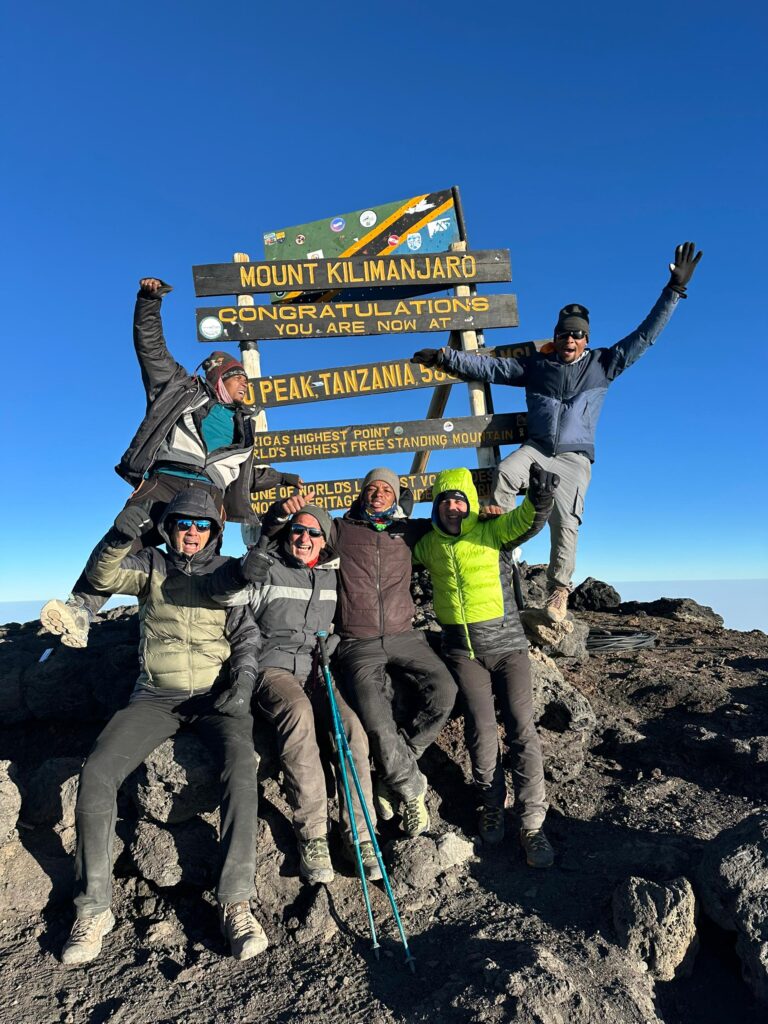
October Kilimanjaro Flexible Private Departure: Your Ultimate Guide 2026-2027
Secure your October Kilimanjaro flexible private departure with Top Guide Adventures. This comprehensive guide covers everything from route selection and best practices for your 2026-2027...
View package details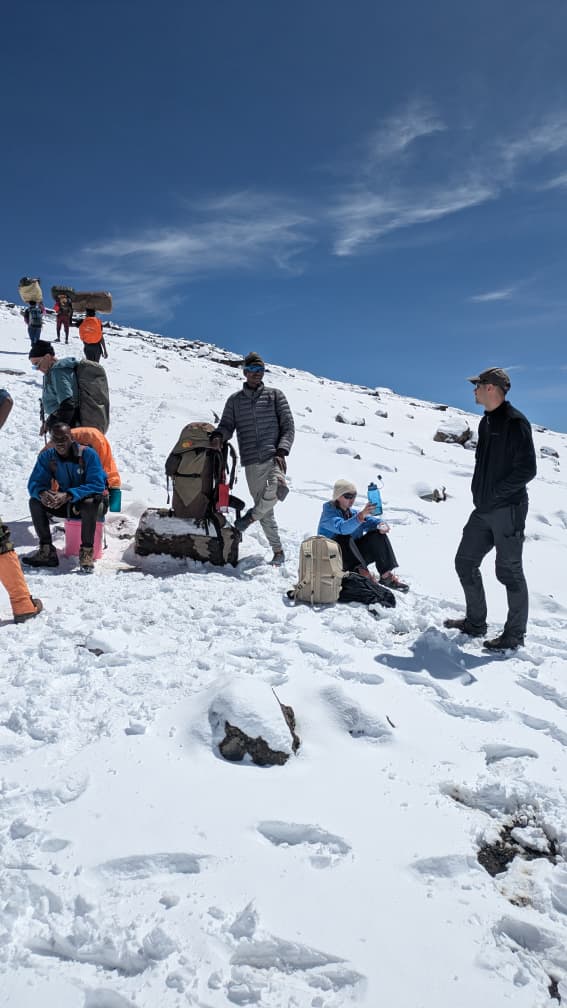
October Kilimanjaro Climb: Fewer Crowds, Great Weather 2026-2027
Planning an October Kilimanjaro climb offers a sweet spot with fewer trekkers and ideal weather conditions. Learn why October is a fantastic month for reaching Uhuru Peak and how to make...
View package details
October Kilimanjaro Luxury Camping Package: Your Ultimate Adventure 2026-2027
Secure your spot on a 2026 or 2027 October Kilimanjaro luxury camping adventure with Top Guide Adventures. This package offers premium service, expert guidance, and a comfortable climb.
View package details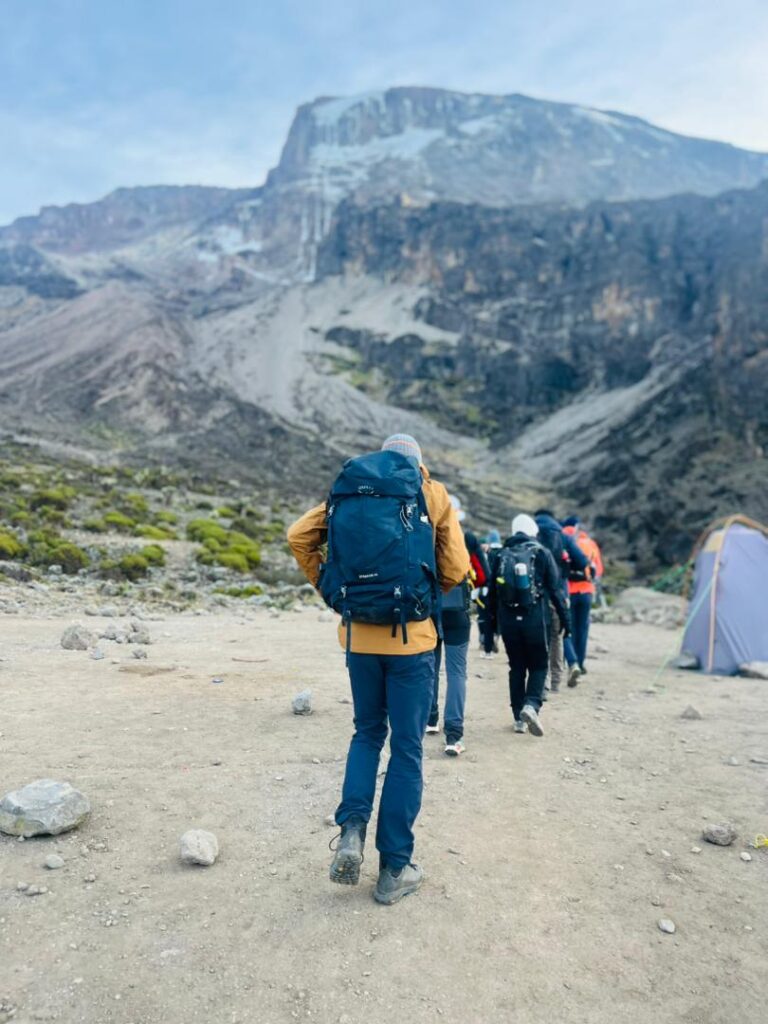
October Kilimanjaro Trail Conditions: Your Expert Guide For 2026-2027
Planning a Kilimanjaro climb in October? This guide details the trail conditions, weather patterns, crowds, and essential preparations for your 2026-2027 adventure.
View package detailsOctober Kilimanjaro Waterproof Packing Guide For Climbs 2026-2027
Prepare for your October Kilimanjaro climb with this comprehensive waterproof packing guide. Essential gear and clothing advice for 2026-2027 expeditions.
View package details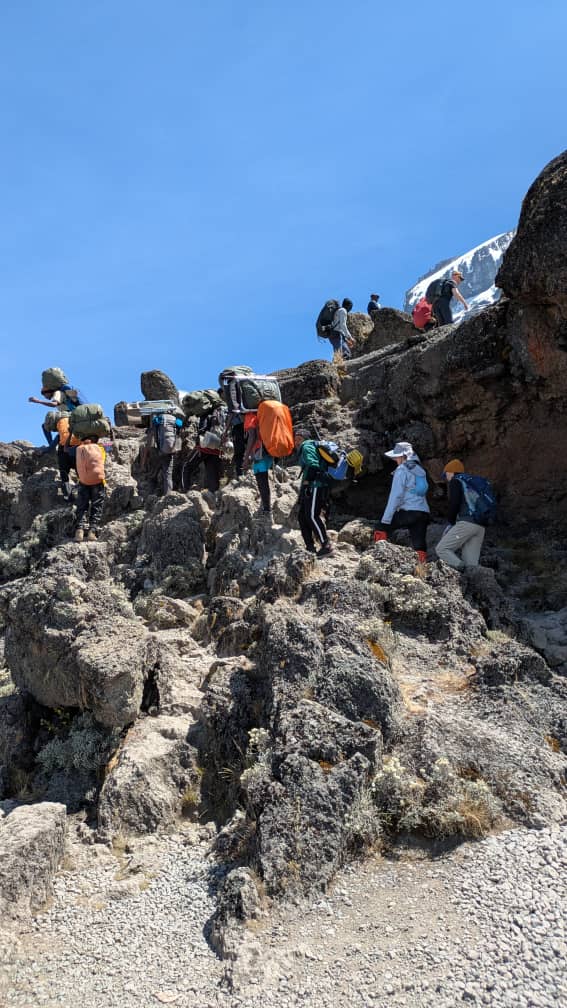
Does It Rain On Kilimanjaro In October? Your Guide 2026-2027
Planning a Kilimanjaro climb in October? Understand the weather patterns, including rainfall, to prepare effectively. This guide offers insights for your 2026-2027 adventure.
View package details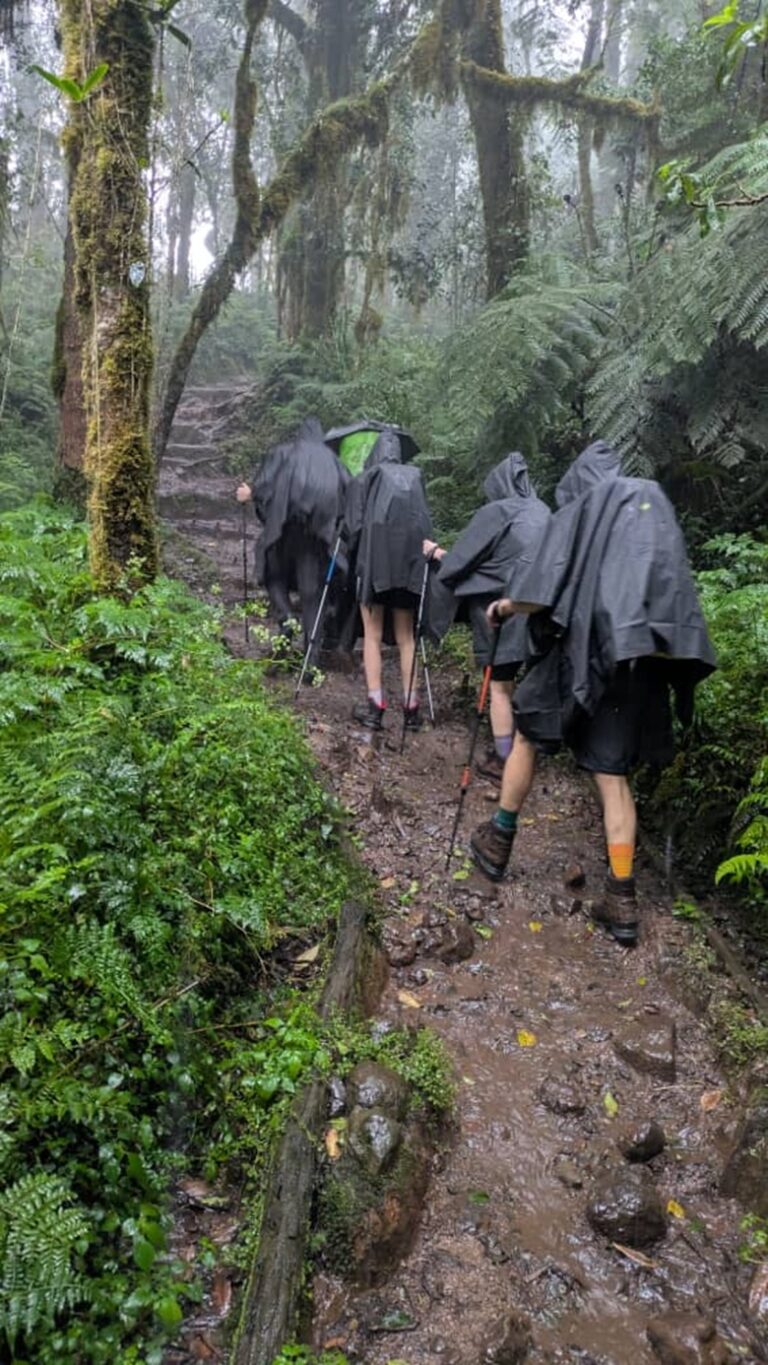
Is October A Good Time To Climb Kilimanjaro? Your Expert Guide For 2026-2027
Discover if October is an ideal month for your Kilimanjaro ascent. This guide covers weather, crowds, costs, and essential planning for your 2026-2027 climb.
View package detailsOctober Kilimanjaro And Zanzibar Package: Climb & Island Bliss 2026-2027
Discover the ultimate October Kilimanjaro and Zanzibar package. This guide details combining a trek up Africa's highest peak with the idyllic beaches of Zanzibar, perfect for 2026-2027...
View package details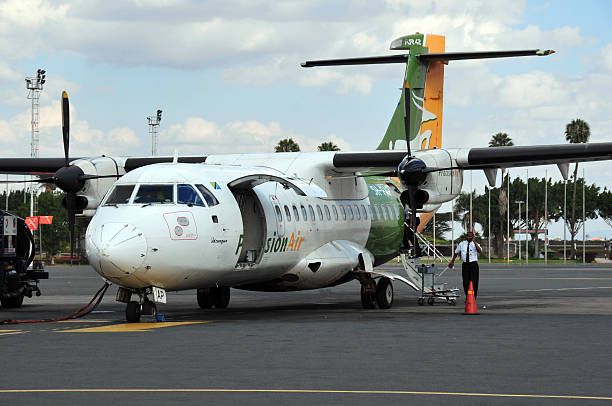
October Kilimanjaro And Tanzania Safari: Your Ultimate Guide 2026-2027
Combining a Kilimanjaro climb with a Tanzania safari in October offers incredible opportunities. This guide details the best routes, wildlife viewing, weather patterns, and essential...
View package detailsOctober Kilimanjaro Climb For Couples: Your Ultimate Guide 2026-2027
Discover everything couples need to know for a successful Kilimanjaro climb in October. This guide covers the best routes, essential packing, weather insights, and booking tips for...
View package detailsOctober Kilimanjaro Private Climbing Tour: Your Ultimate Guide For 2026-2027
Your comprehensive guide to embarking on a private Kilimanjaro climb in October 2026 or 2027. Discover optimal routes, essential preparations, and why a private tour offers unparalleled...
View package detailsNo related package matches those filters. Clear one or more filters to see the other topic-matched options.



