
An August Kilimanjaro Women’s Group Climb offers excellent conditions for reaching Uhuru Peak, with dry weather, clear skies, and cooler temperatures, making it an ideal time for trekkers aiming for a successful 2026 or 2027 ascent. These climbs are typically organized for groups of women, fostering a supportive and empowering environment, often utilizing routes like the Machame or Lemosho for their higher success rates due to gradual acclimatization.
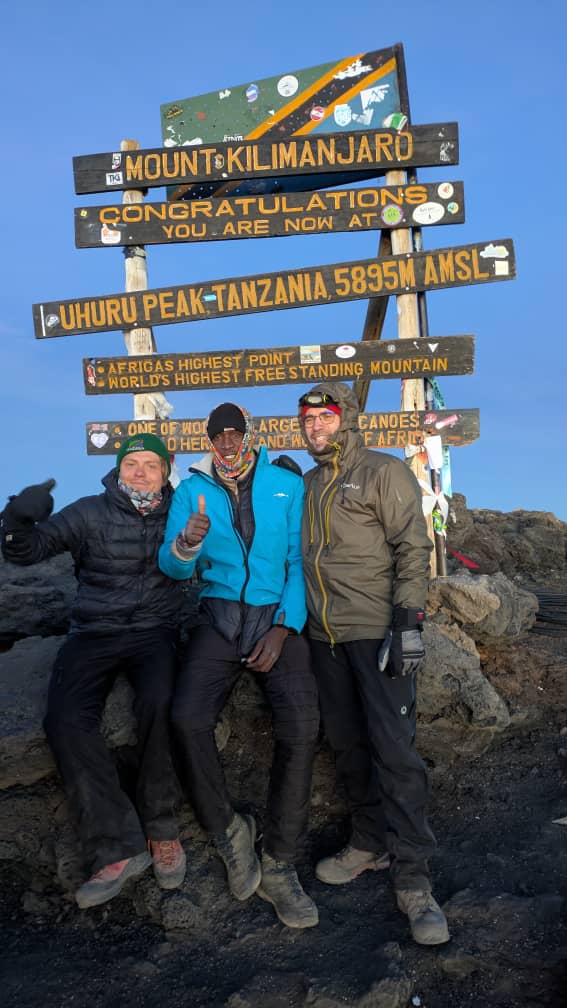

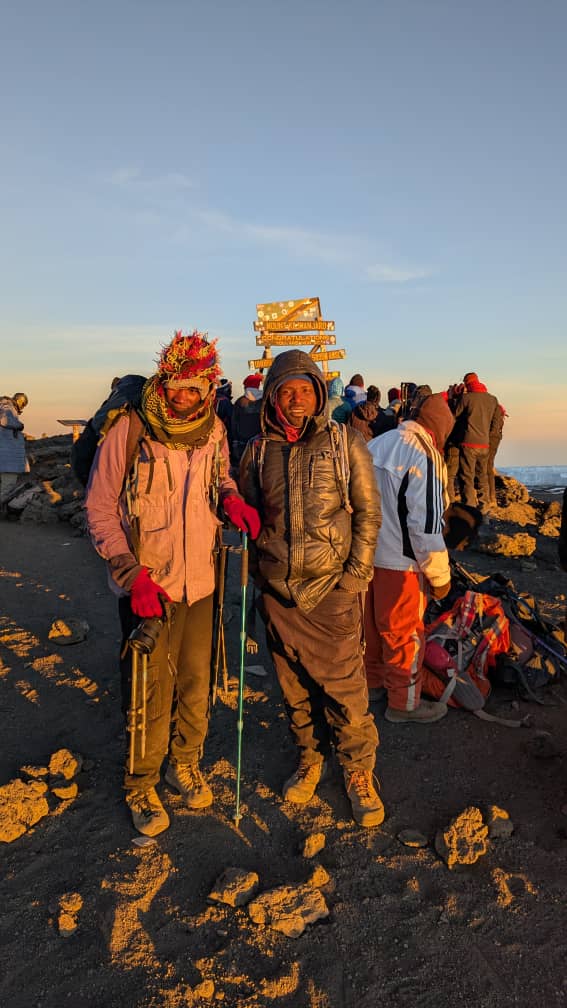
Why Choose an August Kilimanjaro Women’s Group Climb?
Kilimanjaro, the Roof of Africa, calls to adventurers worldwide. For women seeking a unique challenge and camaraderie, an August Kilimanjaro Women’s Group Climb presents an exceptional opportunity. This specific type of expedition caters to female trekkers, creating a space built on mutual support, shared experiences, and empowerment. August falls within Kilimanjaro’s dry season, a period celebrated for its stable weather patterns, offering trekkers the best chance for clear views and a smoother ascent. Planning for a 2026 or 2027 August Kilimanjaro Women’s Group Climb means capitalizing on these favorable conditions while joining a community of like-minded women.
Top Guide Adventures understands the specific needs and desires of women embarking on this significant journey. We focus on providing a safe, encouraging, and memorable experience. Our August Kilimanjaro Women’s Group Climbs are designed not just as a physical challenge, but as a chance for personal growth, connection, and achieving a shared goal. The sense of accomplishment is amplified when shared with fellow women who understand the journey intimately.
August Weather on Kilimanjaro: Your Advantage
Choosing August for your Kilimanjaro expedition is a strategic decision, particularly for a women’s group climb. August is firmly within the dry season on Kilimanjaro, which typically runs from June to October. This period is characterized by:
- Clear Skies: Expect predominantly clear skies, offering stunning panoramic views of the surrounding landscape and the African plains below. This is crucial for enjoying the dramatic scenery as you ascend and for capturing memorable photographs.
- Low Precipitation: Rainfall is minimal during August. This means less chance of encountering muddy, slippery trails or being caught in downpours, which can significantly impact morale and progress.
- Cooler Temperatures: While the base of Kilimanjaro can still be warm, the higher altitudes become significantly cooler in August. Nighttime temperatures at the summit can drop well below freezing, but daytime trekking temperatures are generally comfortable, often ranging from 5°C to 15°C (41°F to 59°F) at lower to mid-altitudes, and much colder near the summit.
- Less Humidity: The air is generally drier, making breathing easier at altitude compared to the wet season.
For a Kilimanjaro Women’s Group Climb in August 2026 or 2027, these conditions translate to a more pleasant and potentially safer trekking experience. The stability of the weather allows for more predictable planning and reduces the risk of itinerary disruptions due to adverse conditions. While mountain weather can always be unpredictable, August offers the highest probability of ideal trekking conditions.
Choosing the Right Route for Your August Women’s Group Climb
The route you select for your Kilimanjaro climb is paramount to your success and overall experience. For women’s group climbs in August, routes that prioritize acclimatization and offer scenic beauty are often favored. Top Guide Adventures recommends the following for August expeditions, especially for groups:
Machame Route: The Popular Choice for Groups
The Machame Route is one of the most popular routes on Kilimanjaro, and for good reason. It offers high success rates and is known for its scenic beauty and excellent acclimatization profile. It is often called the “Whiskey Route” due to its challenging terrain but rewarding experience.
- Duration: Typically 6 or 7 days. A 7-day itinerary is highly recommended for groups to allow for better acclimatization and a more relaxed pace.
- Scenery: The Machame Route traverses diverse ecosystems, from rainforests to alpine deserts and the arctic summit zone. It offers stunning views of the southern circuit and the Great Barranco Valley.
- Acclimatization: It follows the “climb high, sleep low” principle effectively, particularly on the 7-day option, which significantly increases summit success rates.
- Group Suitability: Its popularity means there’s a good chance of joining or forming a group, and it’s well-supported with established campsites. For an August Kilimanjaro Women’s Group Climb, the 7-day Machame route provides a solid balance of challenge and acclimatization.
Lemosho Route: The Premium Scenic Option
The Lemosho Route is considered by many to be the most beautiful route on Kilimanjaro. It offers a more remote and wild experience, especially in its initial days, before merging with the Machame route. It is an excellent choice for those prioritizing scenery and a less crowded start.
- Duration: Typically 7 or 8 days. The longer duration is essential for proper acclimatization on this longer route.
- Scenery: It begins in the lush rainforest on the western side of the mountain and offers spectacular views throughout, including the iconic Shira Plateau.
- Acclimatization: Its longer duration and gradual ascent profile provide excellent acclimatization, contributing to high summit success rates.
- Group Suitability: While less trafficked than Machame initially, it offers a more exclusive feel. A women’s group climb on Lemosho in August 2026 or 2027 would be a truly memorable experience, especially for those seeking photographic opportunities and a deeper connection with the mountain’s environment.
Marangu Route: The “Coca-Cola” Route
The Marangu Route is the oldest and simplest route. It’s also the only route that offers accommodation in huts rather than camping, making it unique. However, its ascent profile is steeper, and acclimatization is generally considered poorer, leading to lower summit success rates.
- Duration: Typically 5 or 6 days. The 5-day option has a very low success rate due to poor acclimatization.
- Accommodation: Huts provide a different trekking style, often appealing to those who prefer not to camp.
- Scenery: While scenic, it doesn’t offer the same diversity or views as Machame or Lemosho.
- Group Suitability: It’s often chosen for its perceived simplicity or shorter duration, but for an August Kilimanjaro Women’s Group Climb focused on success and a quality experience, Top Guide Adventures generally advises against the 5-day Marangu. The 6-day option is better, but still often outclassed by Machame or Lemosho for acclimatization.
Recommendation for August Women’s Group Climbs: For an August Kilimanjaro Women’s Group Climb in 2026 or 2027, the 7-day Machame Route or the 7/8-day Lemosho Route are strongly recommended. These routes offer the best balance of acclimatization, scenery, and overall safety, crucial for a successful group summit attempt during the dry season.
Key Considerations for August Group Climbs
When planning your August Kilimanjaro Women’s Group Climb, remember that while August is dry, evenings and nights at higher altitudes will be cold. Proper layering and warm gear are essential. The trails can still be busy due to favorable weather, so choosing a slightly less common route like Lemosho might offer a more serene experience, especially in the initial days.
Preparing for Your August Kilimanjaro Women’s Group Climb
Success on Kilimanjaro is a combination of choosing the right route, the right time, and being thoroughly prepared. For a women’s group climb, preparation is key to ensuring everyone feels confident and ready. This involves physical training, mental preparation, and ensuring you have the right gear.
Physical Training: Building Your Kilimanjaro Fitness
Kilimanjaro is a challenging trek, and physical preparation is non-negotiable. The goal is to build endurance, leg strength, and cardiovascular fitness. Focus on:
- Cardiovascular Endurance: Engage in activities like running, cycling, swimming, or brisk walking for at least 3-4 times a week. Aim for sessions of 45-60 minutes.
- Hiking with a Pack: The most crucial training is hiking on uneven terrain, preferably with hills or stairs, while wearing a backpack similar to what you’ll carry on Kilimanjaro (around 5-8 kg). This simulates the actual trekking conditions. Aim for longer hikes (3-5 hours) on weekends.
- Strength Training: Focus on leg muscles (quadriceps, hamstrings, calves) and core strength. Squats, lunges, step-ups, and planks are beneficial.
- Stair Climbing: This is an excellent way to build leg strength and cardiovascular fitness. Find a tall building or stadium stairs and practice ascending and descending with your pack.
- Consistency is Key: Start your training at least 3-4 months before your planned August 2026 or 2027 Kilimanjaro Women’s Group Climb. Gradually increase the intensity and duration of your workouts.
For a group climb, encouraging each other during training can be highly motivating. Share training plans, workout buddies, and celebrate milestones.
Mental Preparation: The Mindset for the Summit
Kilimanjaro is as much a mental challenge as a physical one. Altitude sickness, fatigue, and the sheer duration of the trek can test your resolve. A positive and determined mindset is vital.
- Understand the Challenges: Educate yourself about altitude sickness, the physical demands, and the potential discomforts. Knowledge reduces fear.
- Set Realistic Expectations: Not everyone reaches the summit on their first attempt. Focus on the journey, the experience, and doing your best. Celebrate every step of progress.
- Visualize Success: Imagine yourself reaching the summit, the feeling of accomplishment, and the incredible views.
- Embrace Discomfort: Understand that there will be challenging moments. Learning to push through fatigue and discomfort is part of the process.
- Group Support: Lean on your fellow group members for encouragement. Share your feelings and listen to others. The shared experience of a women’s group climb is a powerful source of mental strength.
Essential Gear for an August Kilimanjaro Women’s Group Climb
Proper gear is critical for comfort, safety, and success, especially in August’s varying temperatures. Layering is the key principle. Top Guide Adventures provides a detailed packing list, but here are the essentials:
Clothing Layers:
- Base Layers: Moisture-wicking thermal tops and bottoms (merino wool or synthetic).
- Mid Layers: Fleece jacket or down vest for insulation.
- Outer Layer (Shell): Waterproof and windproof jacket and pants (Gore-Tex or similar).
- Insulated Jacket: A warm down or synthetic jacket for evenings and summit night.
Footwear:
- Hiking Boots: Waterproof, sturdy, broken-in hiking boots with good ankle support.
- Camp Shoes: Comfortable shoes (e.g., trainers or sandals) for evenings at camp.
- Socks: Several pairs of wool or synthetic hiking socks.
- Gaiters: To prevent scree and dirt from entering your boots.
Headwear & Handwear:
- Warm Hat: Fleece or wool hat that covers your ears.
- Sun Hat: Wide-brimmed hat for sun protection during the day.
- Gloves: Lightweight liner gloves and warm, waterproof outer gloves or mittens.
Other Essentials:
- Backpack: A comfortable daypack (30-40 liters) for daily essentials.
- Sleeping Bag: A 4-season sleeping bag rated for -15°C to -20°C (0°F to -4°F).
- Headlamp: With extra batteries.
- Sunglasses: UV protection is crucial at altitude.
- Water Bottles/Hydration Reservoir: At least 3 liters capacity. Insulated covers are recommended for August to prevent freezing.
- Sunscreen & Lip Balm: High SPF.
- Personal First-Aid Kit: Including any personal medications.
- Toiletries: Biodegradable soap, toothbrush, toothpaste, wet wipes.
- Trekking Poles: Highly recommended for stability and reducing knee strain.
- Camera: With extra batteries and memory cards.
- Snacks: High-energy snacks like energy bars, nuts, and dried fruit.
Top Guide Adventures Note: We provide a comprehensive gear list upon booking. Renting certain items like sleeping bags or warm jackets is often a practical option. For your August Kilimanjaro Women’s Group Climb in 2026 or 2027, ensure your gear is well-tested before you travel.
Health and Safety on Kilimanjaro
Safety is paramount for any Kilimanjaro climb, and especially for a group expedition. Top Guide Adventures prioritizes the well-being of every trekker.
Altitude Sickness (Acute Mountain Sickness – AMS)
AMS is the most common health concern on Kilimanjaro. It’s caused by ascending too quickly and not allowing your body enough time to acclimatize to the lower oxygen levels at higher altitudes. Symptoms can include headache, nausea, dizziness, fatigue, and loss of appetite.
- Prevention is Key: The best way to prevent AMS is by choosing a longer itinerary (7-8 days), ascending slowly, and staying well-hydrated.
- “Pole Pole” (Slowly, Slowly): This Swahili phrase is the mantra on Kilimanjaro. Walk at a slow, steady pace, allowing your body to adjust.
- Hydration: Drink plenty of water (3-4 liters per day). Avoid alcohol and caffeine, which can contribute to dehydration.
- Medication: Diamox (Acetazolamide) is a prescription medication that can help prevent or alleviate AMS symptoms. Consult your doctor about whether it’s appropriate for you.
- Monitoring: Our guides are trained to monitor trekkers for signs of AMS. They will assess your condition and make decisions regarding your ascent. If symptoms worsen, descent is the only cure.
Other Health Considerations
- Sunburn: The sun is intense at high altitudes, even in August. Use high SPF sunscreen, wear a hat, and sunglasses.
- Hypothermia: Although August is dry, temperatures can plummet, especially on summit night. Proper layering and warm clothing are essential to prevent hypothermia.
- Digestive Issues: Traveler’s diarrhea or stomach upset can occur. Bring anti-diarrheal medication and practice good hygiene (hand sanitizing).
- Pre-Trip Medical Check-up: It is highly recommended to consult your doctor or a travel clinic 4-6 weeks before your climb for a general health check-up and advice on vaccinations and altitude medication.
Group Safety Protocols
For an August Kilimanjaro Women’s Group Climb, Top Guide Adventures implements strict safety protocols:
- Experienced Guides: Our guides are certified, highly experienced in mountain rescue, and trained in first aid and AMS management.
- Oxygen Levels Monitoring: Guides regularly check oxygen saturation levels using pulse oximeters.
- Emergency Evacuation: We have established emergency evacuation procedures and can arrange for a helicopter or stretcher evacuation if necessary.
- Communication: Guides carry satellite phones or radios for emergency communication.
The safety and well-being of every member of the women’s group climb are our top priority. We ensure that no one is left behind and that decisions are always made with the best interests of the trekkers in mind.
A Typical Itinerary for an August Kilimanjaro Women’s Group Climb (7-Day Machame)
This sample itinerary provides a glimpse into what you can expect on a 7-day Machame Route climb, a popular choice for our August departures in 2026 and 2027. Remember that actual timings and daily distances can vary.
Day 1: Machame Gate (1,800m/5,905ft) to Machame Camp (3,050m/10,007ft)
Trek: 5-7 hours, 11 km (6.8 miles)
After breakfast, you’ll be transferred from your hotel in Moshi to the Machame Gate. After registration and final gear checks, you’ll begin your trek through the lush rainforest. The trail is steep in places but well-maintained. You’ll reach Machame Camp by late afternoon.
Day 2: Machame Camp (3,050m) to Shira Camp (3,850m/12,631ft)
Trek: 4-6 hours, 5 km (3.1 miles)
Today’s trek is shorter but involves a significant altitude gain. You’ll leave the rainforest behind and enter the moorland zone. The path is steep in places, crossing a river valley. Shira Camp is located on the Shira Plateau, offering spectacular sunset views.
Day 3: Shira Camp (3,850m) to Barranco Camp (3,950m/12,959ft)
Trek: 3-5 hours, 10 km (6.2 miles)
This is a crucial day for acclimatization. You’ll trek across the Shira Plateau, with great views of Kibo and the surrounding peaks. The route then turns south-east towards the Barranco Valley. You’ll ascend to Barranco Camp, situated below the imposing Barranco Wall.
Day 4: Barranco Camp (3,950m) to Karanga Camp (4,000m/13,123ft)
Trek: 3-4 hours, 4 km (2.5 miles)
The highlight of today is climbing the Barranco Wall, a challenging but rewarding scramble. It’s a steep ascent, requiring hands-on climbing in sections, but manageable for most with guidance. After reaching the top, the trail becomes less steep as you traverse towards Karanga Camp, located in a high-altitude desert environment.
Day 5: Karanga Camp (4,000m) to Barafu Camp (4,650m/15,256ft)
Trek: 3-5 hours, 4 km (2.5 miles)
Today is a shorter trek, but the altitude makes it feel longer. You’ll ascend through the alpine desert, with increasingly barren landscapes. The trail leads to Barafu Camp, the base camp for your summit attempt. You’ll rest and prepare for the challenging summit night ahead.
Day 6: Barafu Camp (4,650m) – SUMMIT (Uhuru Peak, 5,895m/19,341ft) – Mweka Camp (3,100m/10,170ft)
Trek: 7-9 hours to summit, 5-7 hours to Mweka Camp; 15 km (9.3 miles) total
This is the most demanding day. You’ll start your ascent around midnight, trekking in the dark towards Stella Point (5,756m/18,885ft). From Stella Point, you’ll continue for about an hour to Uhuru Peak, the highest point in Africa. After celebrating your achievement, you’ll descend back to Barafu Camp for a short rest before continuing your descent to Mweka Camp. The descent is steep and can be hard on the knees.
Day 7: Mweka Camp (3,100m) to Mweka Gate (1,500m/4,921ft)
Trek: 3-5 hours, 10 km (6.2 miles)
After breakfast, you’ll complete the final descent through the rainforest to Mweka Gate. Here, you’ll be met by your transport and transferred back to your hotel in Moshi for a well-deserved celebration and rest. Congratulations, you’ve summited Kilimanjaro!
This 7-day Machame itinerary is excellent for an August Kilimanjaro Women’s Group Climb 2026 or 2027, providing a good balance for acclimatization and enjoyment of the mountain’s beauty.
What Makes Top Guide Adventures Different for Women’s Group Climbs?
Top Guide Adventures is committed to offering a superior trekking experience, especially for our specialized August Kilimanjaro Women’s Group Climbs. We believe in providing not just a trek, but a supportive journey tailored to the needs of female adventurers.
- Female Guides Option: Where available and requested, we can arrange for female guides to lead the group, offering an additional layer of comfort and understanding for some trekkers.
- Supportive Environment: Our guides and crew are trained to foster a positive, encouraging atmosphere. We emphasize teamwork and mutual support within the group.
- Safety First: As detailed earlier, safety is paramount. Our robust safety protocols, experienced guides, and well-maintained equipment ensure peace of mind.
- Quality Equipment: We provide high-quality tents, sleeping mats, and ensure our cook teams prepare nutritious and delicious meals to keep you energized.
- Personalized Attention: Even within a group setting, we strive to offer personal attention. Our guide-to-client ratio is favorable, allowing for individual care.
- Environmental Responsibility: We are committed to sustainable tourism practices, ensuring Kilimanjaro remains pristine for future generations.
- Local Expertise: As a trusted Tanzanian company, we have deep knowledge of Kilimanjaro and the surrounding culture, enriching your experience.
We aim to make your August Kilimanjaro Women’s Group Climb in 2026 or 2027 an empowering and unforgettable adventure. Our team is dedicated to ensuring every detail is handled, allowing you to focus on the climb and the camaraderie.
Cost and Inclusions for an August Kilimanjaro Women’s Group Climb
The cost of a Kilimanjaro climb can vary significantly based on the route, duration, group size, and the operator’s inclusions. For an August Kilimanjaro Women’s Group Climb with Top Guide Adventures, our pricing is transparent and competitive, reflecting the quality of service and safety measures we provide. While exact prices for 2026 and 2027 will be confirmed upon inquiry and depend on specific group sizes and dates, our standard packages for group climbs typically include:
Typical Inclusions:
- Park Fees: All required national park and conservation fees.
- Guides and Porters: Experienced, licensed mountain guides, assistant guides, and a team of porters.
- Crew Accommodation and Meals: Ensuring our team is well-cared for.
- Camping Equipment: High-quality tents (sleeping tents, dining tent, toilet tent), sleeping mats.
- Meals on the Mountain: All meals (breakfast, lunch, dinner) prepared by our skilled cooks, designed for high-energy needs. Filtered drinking water.
- Accommodation: 2 nights accommodation in a hotel in Moshi before and after the climb (based on double/twin sharing).
- Transfers: Airport transfers and transfers to/from the mountain gate.
- Safety Equipment: Pulse oximeters, comprehensive first-aid kits, oxygen cylinders (for emergency use).
- Support: 24/7 support from our operations team.
Typical Exclusions:
- Flights: International flights to/from Kilimanjaro International Airport (JRO).
- Visas: Tanzania visa fees.
- Travel Insurance: Comprehensive travel and medical insurance, including emergency evacuation.
- Personal Gear: Sleeping bag, trekking poles, clothing, etc. (rental options available).
- Tips: Gratuities for guides, porters, and cooks (a crucial part of their income).
- Personal Expenses: Souvenirs, alcoholic beverages, bottled water (beyond filtered water provided), snacks.
- Optional: Summit night pole.
Pricing Guidance: For a Kilimanjaro Women’s Group Climb in August 2026 or 2027, expect prices to generally range from $1,800 to $2,800 USD per person for a 7-day trek, depending on the specific inclusions and group size. Private group bookings may have different pricing structures. We encourage you to contact us directly for a detailed, personalized quote.
Get Your Quote: For the most accurate pricing for your August Kilimanjaro Women’s Group Climb, please reach out to us. You can email us at topguideadventures@gmail.com or info@topguideadventures.com, or contact us via WhatsApp at +255616946642.
Booking Your August Kilimanjaro Women’s Group Climb
Ready to take on the challenge of Kilimanjaro with a supportive group of women? Booking your August Kilimanjaro Women’s Group Climb for 2026 or 2027 with Top Guide Adventures is straightforward.
Steps to Book:
- Inquire: Contact us with your preferred dates, group size, and any specific requests. We are happy to answer all your questions.
- Quote & Itinerary: We will provide a detailed quote and itinerary tailored to your needs.
- Confirmation: Once you are happy with the details, we will send you a booking form and payment details. A deposit is typically required to secure your booking.
- Preparation: After booking, you will receive comprehensive pre-departure information, including gear lists, training advice, and visa guidance.
- Travel: Prepare for an incredible adventure!
Why Book with Top Guide Adventures? We are a highly-rated Tanzanian tour operator with a passion for creating exceptional mountain experiences. Our commitment to safety, quality, and customer satisfaction makes us the ideal choice for your August Kilimanjaro Women’s Group Climb. See our TripAdvisor reviews to see what our clients say.
Don’t miss this opportunity to conquer Africa’s highest peak in a supportive and empowering environment. Join an August Kilimanjaro Women’s Group Climb in 2026 or 2027 and create memories that will last a lifetime. For any further questions or to begin planning your journey, please contact us:
WhatsApp: +255616946642
Email: topguideadventures@gmail.com
Backup Email: info@topguideadventures.com
Check Availability for August Kilimanjaro Women’s Group Climb: Expert Planning For 2026-2027
Ready to compare dates, prices, and the best option for your group? Send the package name and travel month so the team can reply with a clear quote, availability, and what is included.
Kilimanjaro Group-Climb Mistakes: Avoid Common Pitfalls For A Successful
This guide details common Kilimanjaro group-climb mistakes, offering practical advice for trekkers aiming for a successful summit. Learn about preparation, acclimatization, gear, and...
View package details
What Happens To The Rest Of Group During An Evacuation On A Tanzania Safari
When an individual requires evacuation during a group safari or Kilimanjaro climb in Tanzania, comprehensive safety protocols are in place for the remaining participants, ensuring their...
View package details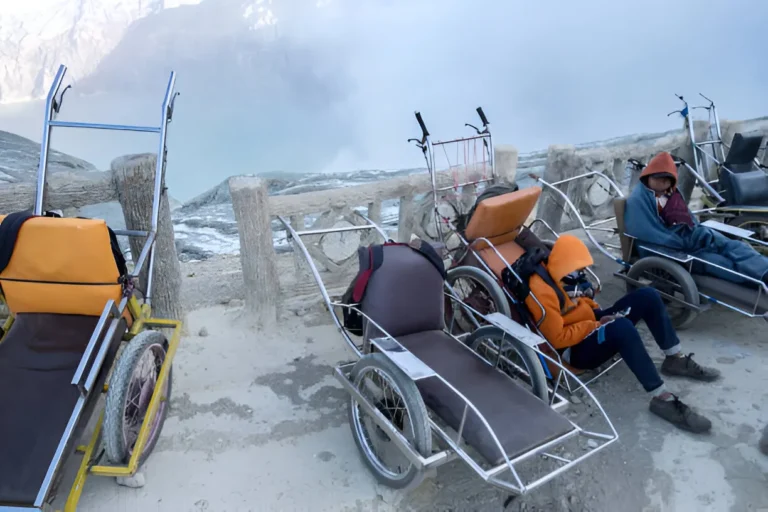
Kilimanjaro Climb With A Personal Support Assistant: Your Ultimate Guide
Climbing Mount Kilimanjaro with a personal support assistant offers unparalleled safety, comfort, and focus on your summit goals. This guide details what a personal assistant entails, its...
View package details
Kilimanjaro Hydration Mistakes Climbers Make And How To Avoid Them 2026-2027
Proper hydration is critical for a successful Kilimanjaro climb. This guide details common hydration mistakes climbers make, from under-drinking to choosing the wrong fluids, and provides...
View package details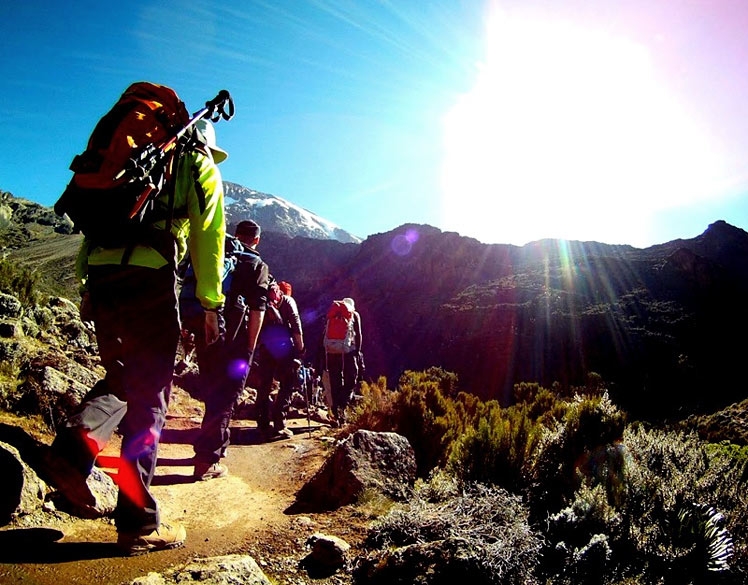
Kilimanjaro Summit-Night Mistakes To Avoid: Your Essential Guide For Climbs
Summit night on Kilimanjaro is the most challenging part of the climb. Avoiding common mistakes in acclimatization, gear, hydration, and pacing is crucial for success. This guide details...
View package details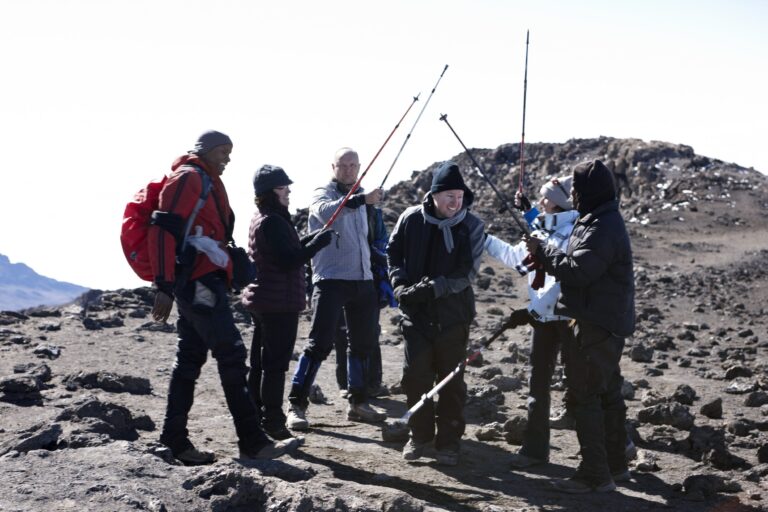
Kilimanjaro Airport Vs Arusha For Climbers: The Definitive Guide 2026-2027
A comprehensive comparison of Kilimanjaro International Airport (JRO) and Arusha Airport (ARK) for trekkers planning a Mount Kilimanjaro climb, detailing pros, cons, and booking advice for...
View package details
Kilimanjaro Climb For Retired Couples: Planning Your Adventure 2026-2027
Planning a Kilimanjaro climb as a retired couple is an achievable and rewarding goal. This guide offers in-depth advice on route selection, physical preparation, essential gear, and the...
View package details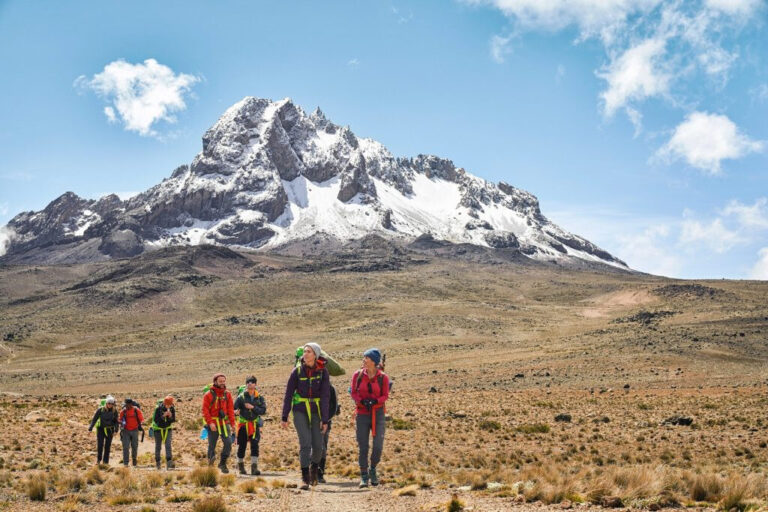
Can A 16-Year-Old Climb Kilimanjaro? Your Essential Guide 2026-2027
Discover if a 16-year-old can summit Kilimanjaro. This comprehensive guide covers age requirements, health, fitness, essential gear, and planning for younger trekkers aiming for Africa's...
View package details
Content For Parents And Young Climbers: Conquering Kilimanjaro Safely
Planning a Kilimanjaro climb with children or as a young climber requires special attention. This guide provides comprehensive content for parents and young adventurers, covering...
View package details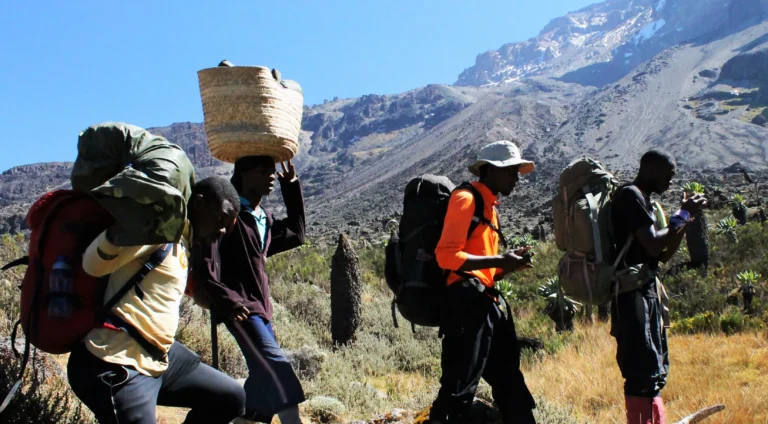
Kilimanjaro Tree-Planting Climbing Package Guide
Combine your dream Kilimanjaro climb with a meaningful conservation effort. Our Kilimanjaro Tree-Planting Climbing Package allows you to ascend Africa's highest peak while actively...
View package details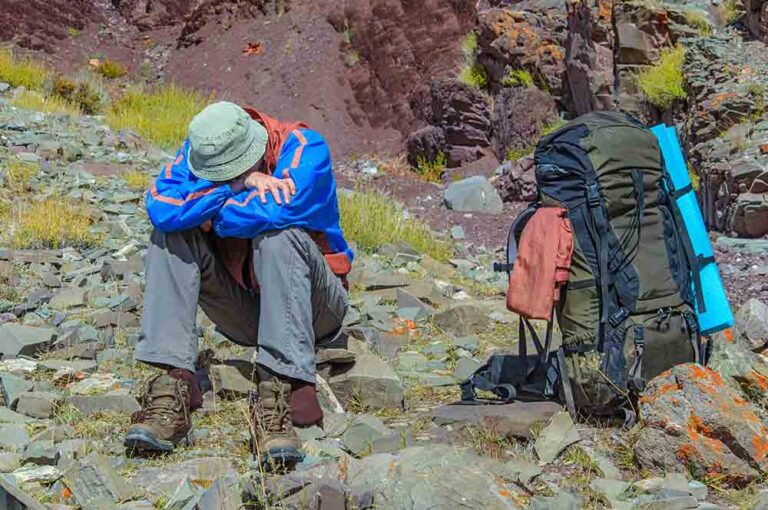
What Happens If It Rains Throughout Your Kilimanjaro Climb? 2026-2027
What Happens If It Rains throughout Your Kilimanjaro Climb? is explained with current 2026-2027 planning, price, itinerary and booking information.
View package details
Kilimanjaro Early-Bird Climbing Discounts For Adventures 2026-2027
Plan your 2026-2027 Kilimanjaro climb and take advantage of early-bird discounts. Top Guide Adventures offers savings for those who book in advance, ensuring a memorable and affordable...
View package detailsNo related package matches those filters. Clear one or more filters to see the other topic-matched options.



