
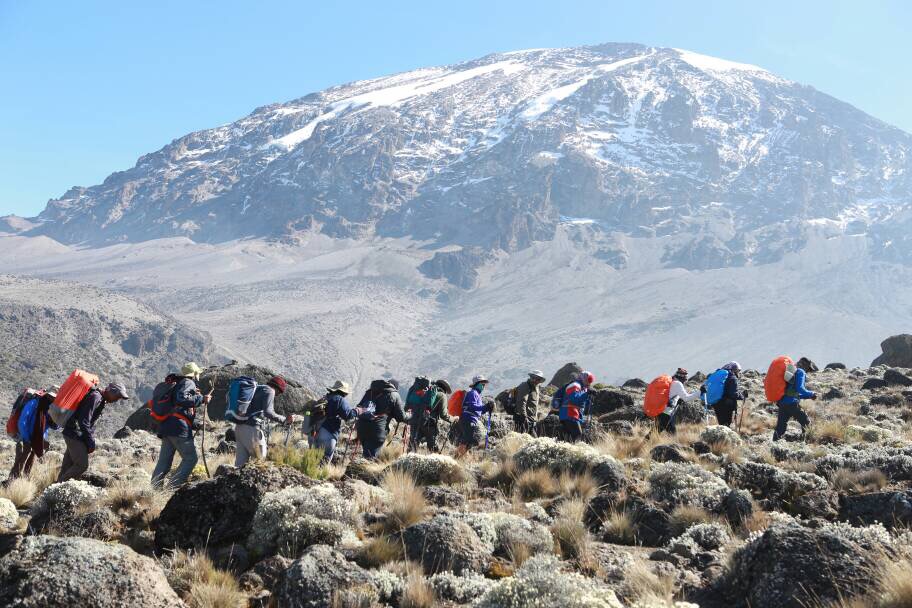
A Kilimanjaro high-altitude running camp is a structured program designed to prepare athletes for the unique physiological demands of ascending Africa’s highest peak, Mount Kilimanjaro, by simulating high-altitude conditions and incorporating running into the acclimatization process. These camps typically involve training at significant elevations, often in regions like the Kilimanjaro foothills or other mountain environments, focusing on aerobic capacity, endurance, and mental resilience for a 2026 or 2027 climb. Key elements include progressive acclimatization, running drills at altitude, strength and conditioning, and specific nutritional advice tailored for high-altitude environments.
Understanding the Concept: Kilimanjaro High-Altitude Running Camp
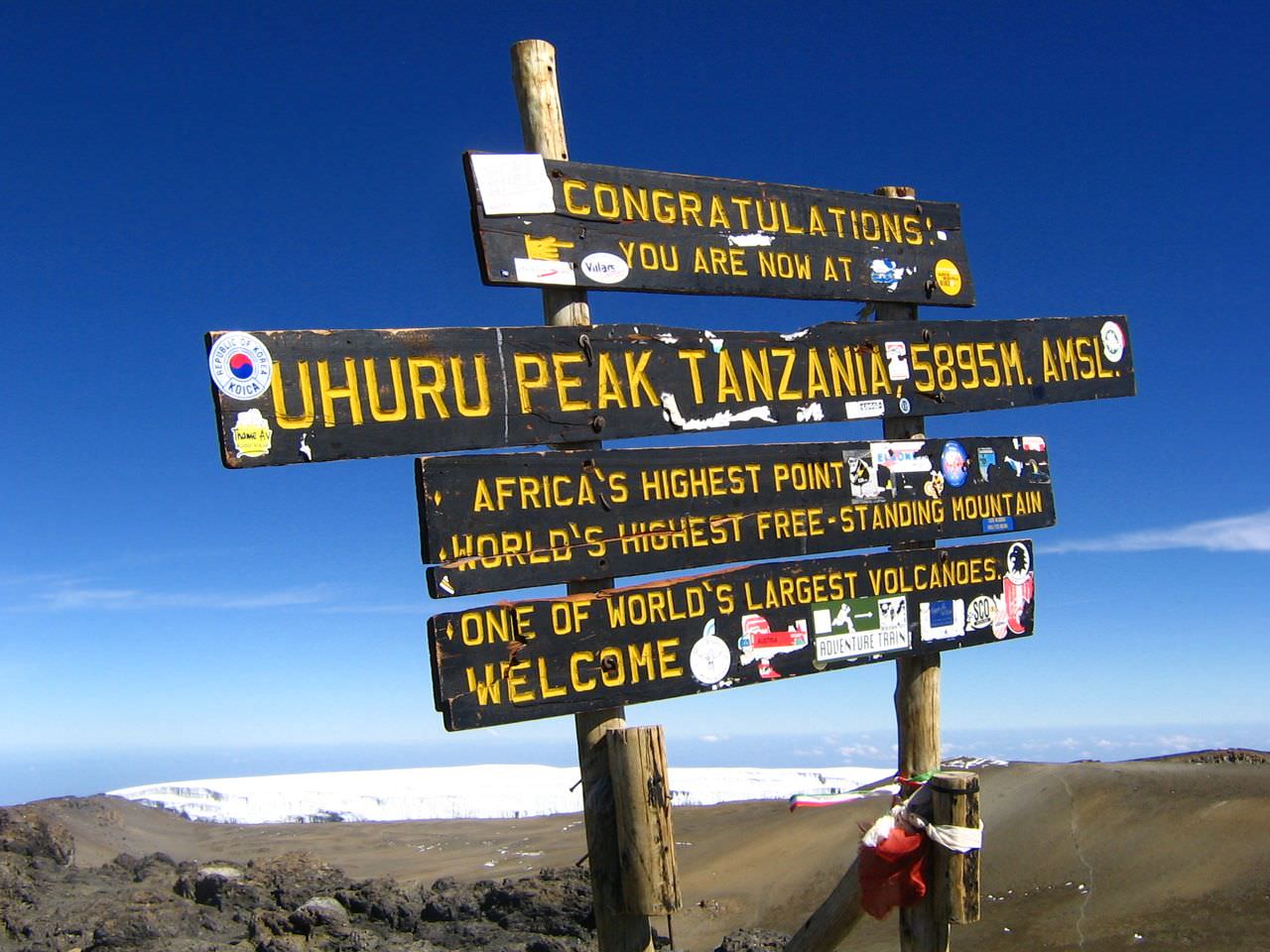
The allure of standing atop Kilimanjaro, the Roof of Africa, is a powerful motivator for many adventurers. For runners and endurance athletes, the challenge is amplified, demanding not just physical stamina but also the ability to perform under the stress of reduced oxygen levels. A Kilimanjaro high-altitude running camp is not merely a trek; it’s a specialized expedition that integrates running into the acclimatization process, pushing the boundaries of traditional Kilimanjaro climbs. This approach aims to enhance performance, speed up acclimatization, and potentially improve overall summit success rates for expeditions planned for 2026 and 2027.
Unlike standard treks where the focus is primarily on slow, steady walking, a high-altitude running camp recognizes the physiological adaptations that occur when the body is exposed to both altitude and the increased demands of running. The goal is to train the body to become more efficient at utilizing oxygen at lower partial pressures and to better cope with the metabolic stress of exercise at elevation. This is particularly relevant for athletes who might otherwise find the ascent too slow or who wish to test their limits in a controlled, supportive environment.
Why Combine Running and High Altitude for Kilimanjaro?
The decision to combine running with high-altitude acclimatization for a Kilimanjaro expedition stems from a desire to optimize performance and experience. Traditional Kilimanjaro climbs rely on the principle of ‘pole pole’ (slowly, slowly) to allow the body to acclimatize naturally. While effective, this can be a slow process, and for some, it might not fully prepare them for the exertion of running at altitude, should they choose to incorporate it during their trek or for future challenges.
A Kilimanjaro high-altitude running camp targets several key physiological benefits:
- Enhanced Aerobic Capacity: Training at altitude, especially with running, forces the body to produce more red blood cells, which increases oxygen-carrying capacity. This directly translates to better endurance at sea level and, crucially, at Kilimanjaro’s summit.
- Improved Lactate Threshold: Running at altitude can help athletes push their lactate threshold higher. This means they can sustain a higher intensity of exercise before fatigue sets in due to lactic acid buildup.
- Greater Efficiency: The body becomes more efficient at extracting and utilizing oxygen, a vital skill for any high-altitude endeavor.
- Mental Fortitude: Pushing through the discomfort of running at altitude builds significant mental resilience, which is invaluable during a challenging Kilimanjaro ascent.
- Specific Preparation: For athletes aiming to run segments of Kilimanjaro or for those who simply want a more dynamic training approach, this camp provides the most relevant preparation.
The years 2026 and 2027 are ideal for planning such a specialized trip, as training methodologies continue to evolve, and more tour operators are offering bespoke high-altitude experiences.
Designing Your Kilimanjaro High-Altitude Running Camp: Key Components
A successful Kilimanjaro high-altitude running camp requires meticulous planning and execution. It’s more than just showing up and running; it involves a holistic approach to physiological and psychological preparation. Top Guide Adventures understands that a one-size-fits-all approach doesn’t work for such a specialized goal. Therefore, camps are typically customized based on the athlete’s current fitness level, running experience, and acclimatization history.
1. Location, Location, Location: Choosing the Right Altitude
The effectiveness of a high-altitude camp hinges on the altitude at which training occurs. Ideally, a camp should be situated between 2,500 and 4,000 meters (8,200 to 13,100 feet). This range is high enough to stimulate physiological adaptations but low enough to allow for safe and effective running sessions without severe altitude sickness.
Potential locations near Kilimanjaro include:
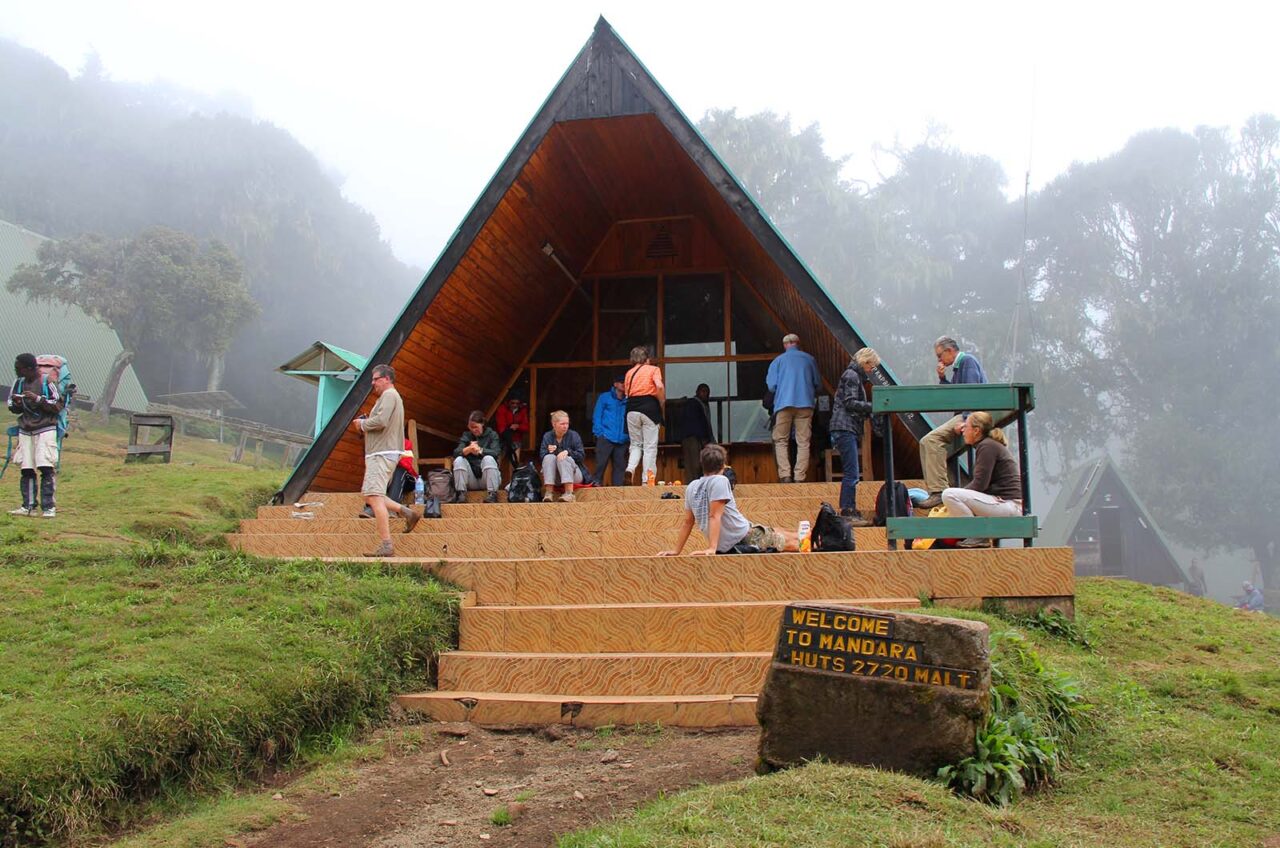
- The Kilimanjaro foothills: Villages and lodges situated on the lower slopes offer a good starting point for acclimatization runs.
- High-altitude lodges: Some lodges are specifically designed for acclimatization and training, offering comfortable accommodation at suitable elevations.
- Remote mountain areas: For a more rugged experience, certain accessible areas in the surrounding mountains can be utilized, provided safety and logistical support are in place.
For expeditions planned for 2026-2027, early scouting of potential locations or partnering with established high-altitude training facilities is recommended.
2. The Training Protocol: Balancing Running and Acclimatization
The core of any Kilimanjaro high-altitude running camp is the training protocol. This isn’t about marathon training; it’s about specific adaptations for high-altitude endurance. The program typically involves:
- Progressive Acclimatization: Gradual ascent to higher altitudes over several days, allowing the body to adjust. This is paramount to prevent altitude sickness.
- Altitude Running Sessions: Short, intense runs or interval training at altitude, focusing on maintaining proper form and pacing. The intensity is lower than at sea level, but the physiological stress is higher.
- Low-Intensity Aerobic Work: Longer, slower runs or hikes to build aerobic base and endurance, crucial for the sustained effort required on Kilimanjaro.
- Rest and Recovery: Adequate rest is critical for adaptation. This includes sleep, stretching, and potentially massage.
- Cross-Training: Activities like strength training, yoga, or swimming can supplement running, building overall fitness and preventing injuries.
A typical daily schedule might involve an early morning acclimatization hike or run, followed by a recovery session, and an afternoon strength workout or shorter, easier run.
3. Nutritional Strategy for Altitude and Exercise
Nutrition plays a vital role in fueling the body at altitude and during strenuous exercise. A Kilimanjaro high-altitude running camp must incorporate a diet that:
- Is Carbohydrate-Rich: Carbohydrates are the body’s preferred fuel source, especially during intense exercise. At altitude, the body’s reliance on carbohydrates can increase.
- Provides Adequate Hydration: Dehydration is exacerbated at altitude and during exercise. Maintaining fluid balance is critical.
- Includes Sufficient Protein: Protein is essential for muscle repair and recovery, which is crucial after demanding training sessions.
- Is Easily Digestible: The digestive system can be less efficient at altitude, so easily digestible foods are preferred.
- Considers Iron Intake: With increased red blood cell production, adequate iron is necessary.
Camp menus often feature complex carbohydrates like oats, rice, pasta, and potatoes, lean proteins, and plenty of fruits and vegetables. Hydration often involves water, herbal teas, and electrolyte drinks.
4. Gear and Equipment Essentials
While a Kilimanjaro high-altitude running camp focuses on physiological preparation, the right gear is still essential. This includes:
- High-quality running shoes: Suitable for varied terrain, from trails to potentially rocky paths.
- Layered clothing: For changing temperatures and weather conditions at altitude. This includes moisture-wicking base layers, insulating mid-layers, and waterproof/windproof outer shells.
- Hydration pack or water bottles: Easy access to fluids is critical.
- Sun protection: High-altitude sun is intense. Hats, sunglasses, and sunscreen are vital.
- Headlamp: For early morning or late evening training sessions.
- Trekking poles: Can be useful for stability on descents and during longer endurance activities.
Top Guide Adventures can provide detailed packing lists tailored to the specific demands of a high-altitude running camp in 2026 or 2027.
Choosing the Right Route for Your Kilimanjaro Running Experience
While a Kilimanjaro high-altitude running camp focuses on preparation, the actual Kilimanjaro climb is the ultimate goal. The choice of route significantly impacts the experience, especially for someone who has undergone specialized training. Some routes are better suited for faster ascents or for incorporating running segments than others.
Routes Conducive to Running and Faster Ascents
For those who have participated in a high-altitude running camp, routes that offer a more direct ascent or have well-maintained paths might be appealing. However, it’s crucial to remember that Kilimanjaro is primarily a trekking mountain, and safety and acclimatization remain paramount, even for highly trained individuals.
- Marangu Route (Coca-Cola Route): While known for its ‘touristy’ feel and slower pace, its paved paths can be suitable for short, controlled running segments on lower sections. However, its rapid ascent profile is generally not recommended for acclimatization.
- Machame Route: Often praised for its scenic beauty and excellent acclimatization profile (‘climb high, sleep low’), Machame offers varied terrain. Some sections might be runnable for experienced athletes, particularly on the descent. Top Guide Adventures offers Machame Route Kilimanjaro group departures dates which can be integrated into a broader training plan.
- Lemosho Route: Similar to Machame in its acclimatization benefits, Lemosho is longer and offers more gradual ascents, potentially allowing for more running practice on certain sections.
It is vital to emphasize that even with specialized training from a Kilimanjaro high-altitude running camp, the primary ascent strategy on Kilimanjaro should still prioritize acclimatization. Rushing the climb, even for experienced runners, significantly increases the risk of altitude sickness. The camp prepares you; the mountain dictates the pace.
The Role of Guides in High-Altitude Running Treks
Experienced guides are non-negotiable, especially for a specialized undertaking like a Kilimanjaro high-altitude running camp. Top Guide Adventures prides itself on its team of knowledgeable and certified guides who:
- Monitor health: They are trained to recognize the signs and symptoms of altitude sickness and other medical issues.
- Manage pace: They ensure the group adheres to safe acclimatization schedules, even if an individual feels capable of moving faster.
- Navigate terrain: They know the best and safest paths, which is crucial when running on potentially challenging terrain.
- Provide logistical support: They coordinate with porters and cooks to ensure smooth operations.
- Offer encouragement: Their expertise and support are invaluable for maintaining morale.
For 2026-2027 expeditions, booking with a reputable company like Top Guide Adventures ensures you have this critical support system.
Benefits of a Pre-Climb High-Altitude Running Camp
The advantages of dedicating time to a Kilimanjaro high-altitude running camp before the main ascent are manifold, extending beyond just physical readiness.
Physiological Adaptations
As previously mentioned, the primary benefit is the body’s adaptation to lower oxygen levels. This includes:
- Increased Red Blood Cell Count (Erythropoiesis): The bone marrow produces more red blood cells to carry oxygen.
- Enhanced Capillarization: More tiny blood vessels develop in muscles, improving oxygen delivery.
- Mitochondrial Density: The number of mitochondria (the ‘powerhouses’ of cells) may increase, improving energy production efficiency.
- Improved Ventilation: The body may become more efficient at breathing.
These adaptations can significantly improve performance and reduce the risk of altitude-related illnesses during the actual Kilimanjaro climb.
Psychological Preparation
The mental aspect of climbing Kilimanjaro cannot be overstated. A Kilimanjaro high-altitude running camp offers:
- Increased Confidence: Successfully completing challenging training sessions at altitude builds self-assurance.
- Stress Management Techniques: Athletes learn to cope with discomfort and fatigue, developing strategies for managing stress during the climb.
- Familiarity with Altitude Effects: Experiencing altitude symptoms in a controlled environment allows athletes to recognize them and know how to respond.
- Mental Toughness: Pushing physical limits at altitude develops a strong mental resolve necessary for summit day.
Injury Prevention and Technique Refinement
Running at altitude places unique stresses on the body. A camp allows for:
- Form Correction: Coaches can observe and correct running form, which is crucial for efficiency and preventing injuries on varied terrain.
- Strength and Stability: Targeted exercises can strengthen supporting muscles, improving balance and reducing the risk of falls or strains.
- Pacing Strategies: Athletes learn to manage their effort effectively, understanding that pace must be adjusted significantly at altitude.
Potential Challenges and Risks of High-Altitude Running
While beneficial, a Kilimanjaro high-altitude running camp is not without its challenges and risks. It’s essential for participants to be aware of these and to train responsibly.
Altitude Sickness (AMS)
Acute Mountain Sickness (AMS) is the most significant risk. Symptoms can include headaches, nausea, dizziness, and fatigue. While a camp aims to facilitate acclimatization, improper progression or overexertion can still lead to AMS. Recognition and prompt management are critical.
Dehydration and Heat Exhaustion
Despite the cold at altitude, the dry air and increased respiration rate during running can lead to rapid dehydration. Coupled with the exertion, this can result in heat exhaustion or heat stroke if not managed carefully.
Exhaustion and Overtraining
Pushing too hard, too soon, at altitude can lead to severe exhaustion and overtraining, which can derail the entire Kilimanjaro expedition. The training must be progressive and incorporate ample recovery.
Terrain-Related Injuries
Running on uneven, rocky, or slippery trails at altitude increases the risk of sprains, fractures, and other injuries. Proper footwear, careful pacing, and good technique are essential.
Individual Variability
Everyone reacts differently to altitude. Some individuals may adapt quickly, while others struggle. A camp needs to be flexible enough to accommodate these differences.
Planning Your 2026-2027 Kilimanjaro High-Altitude Running Camp
Preparing for a Kilimanjaro high-altitude running camp requires careful planning, ideally starting months in advance. For expeditions in 2026 or 2027, here’s a breakdown of the planning process:
1. Assess Your Fitness and Experience
Be honest about your current running ability and experience with high altitudes. This camp is demanding, and a solid base fitness is essential. If you’re new to running or high altitudes, consider a gradual build-up program before committing to a specialized camp.
2. Consult with Experts
Engage with tour operators like Top Guide Adventures who specialize in Kilimanjaro climbs and high-altitude training. They can provide tailored advice, suggest appropriate camps, and help design a program that fits your goals. For inquiries regarding bespoke training and climbs for 2026-2027, you can reach out via WhatsApp +255616946642 or Email topguideadventures@gmail.com.
3. Choose the Right Camp Duration and Intensity
A typical high-altitude running camp might last from 7 to 14 days, depending on the objectives. The intensity should be challenging but manageable, allowing for adaptation rather than exhaustion.
4. Factor in Travel and Logistics
Consider travel time to the camp location, visa requirements, vaccinations, and travel insurance. Ensure your insurance covers high-altitude activities and potential medical evacuation.
5. Budget Considerations for 2026-2027
A specialized Kilimanjaro high-altitude running camp will generally be more expensive than a standard trek due to the specialized staffing, location, and duration. Costs can vary significantly based on the:
- Duration of the camp: Longer camps naturally cost more.
- Location and accommodation: Remote locations or luxury lodges increase expenses.
- Staffing: The need for specialized coaches and medical personnel adds to the cost.
- Included activities: The number and type of guided runs, training sessions, and support services.
For detailed pricing and customized quotes for 2026 or 2027, direct contact with Top Guide Adventures is the best approach. They can provide transparent pricing based on your specific requirements.
Integrating the Camp with Your Kilimanjaro Climb
The ultimate purpose of a Kilimanjaro high-altitude running camp is to enhance your chances of a successful and enjoyable climb. Proper integration is key.
Timing of the Camp
Ideally, the camp should take place 2-4 weeks before your Kilimanjaro ascent. This allows your body to benefit from the altitude adaptations while also providing enough time for recovery before the main climb. Undertaking the camp too close to the climb might lead to fatigue, while too far in advance might see the physiological benefits diminish.
Post-Camp Recovery and Travel
After the camp, allow for a period of rest and lighter activity. Travel to the Kilimanjaro starting point should be planned to allow for final preparations and to acclimatize to the base elevation (e.g., Moshi or Arusha) before beginning the trek.
Communication with Your Kilimanjaro Team
Ensure your Kilimanjaro guides (like those from Top Guide Adventures) are aware of your high-altitude running camp experience. This allows them to better understand your fitness level and acclimatization profile, enabling them to tailor the trek’s pace and support accordingly.
Expert Tips for Your Kilimanjaro High-Altitude Running Camp
- Listen to your body: Altitude and running are a potent combination. Never push through severe pain or symptoms of altitude sickness.
- Stay hydrated: Drink more fluids than you think you need.
- Fuel wisely: Eat a balanced diet rich in carbohydrates and protein.
- Prioritize sleep: Recovery is where adaptation happens.
- Pack smart: Ensure you have appropriate gear for all conditions.
- Be patient: Acclimatization takes time. Respect the process.
- Enjoy the journey: This is a unique experience combining two incredible challenges.
The Future of High-Altitude Running and Kilimanjaro in 2026-2027
As interest in extreme endurance events and adventure travel continues to grow, the concept of specialized training camps like a Kilimanjaro high-altitude running camp is likely to become more prevalent. For 2026 and 2027, we can expect:
- More refined training methodologies: Advances in sports science will lead to even more optimized training protocols.
- Bespoke camp offerings: Tour operators will increasingly offer personalized camps tailored to individual athlete needs.
- Technological integration: Wearable technology might be used to monitor physiological responses during training, providing real-time data for adjustments.
- Increased focus on sustainability: High-altitude training locations will need to adopt sustainable practices to minimize environmental impact.
Top Guide Adventures is committed to staying at the forefront of these developments, offering modern experiences for adventurers planning their Kilimanjaro challenges in the coming years. Whether you’re looking for a standard climb or a specialized Kilimanjaro high-altitude running camp, we are equipped to guide you.
For those considering a Kilimanjaro adventure in 2026 or 2027, incorporating a high-altitude running camp offers a unique pathway to peak performance and a deeper connection with the mountain’s demanding environment. It’s an investment in preparation that can significantly enhance your summit bid.
Ready to plan your ultimate Kilimanjaro experience? Connect with Top Guide Adventures today to discuss your goals for a 2026-2027 climb, including specialized high-altitude training. Reach out via WhatsApp +255616946642, Email topguideadventures@gmail.com, or our backup email info@topguideadventures.com. You can also explore our offerings and read client testimonials on TripAdvisor and our website Top Guide Adventures. Follow us on Instagram at @top_guide_adventures for inspiration.
Check Availability for Kilimanjaro High-Altitude Running Camp: Training, Itinerary & Expert Guide
Ready to compare dates, prices, and the best option for your group? Send the package name and travel month so the team can reply with a clear quote, availability, and what is included.
How To Sleep At High Altitude On Kilimanjaro: Expert Tips For Climbers
Sleeping at high altitude on Kilimanjaro presents unique challenges, primarily due to altitude sickness. This comprehensive guide from Top Guide Adventures provides essential strategies for...
View package details
Kilimanjaro Marathon Training Camp In Moshi: Your Ultimate Preparation Guide
Discover the essential elements of a Kilimanjaro Marathon training camp in Moshi. This guide covers everything from acclimatization and training plans to logistics and why Moshi is the...
View package details
Kilimanjaro Trail-Running Holiday 2026-2027
Kilimanjaro Trail-Running Holiday is explained with current 2026-2027 planning, price, itinerary and booking information.
View package details
Kilimanjaro Climb With Camp Chairs And Dining Tent Guide
Elevate your Kilimanjaro climbing experience with the added comfort of camp chairs and a dining tent. This guide details the benefits, what's included, and why these amenities are...
View package details
What Happens To Human Waste On Kilimanjaro? Managing On Africas Highest Peak
Human waste on Kilimanjaro is managed through a system of collection and removal, primarily using portable toilets and waste bags, to protect the mountain's fragile ecosystem. This guide...
View package details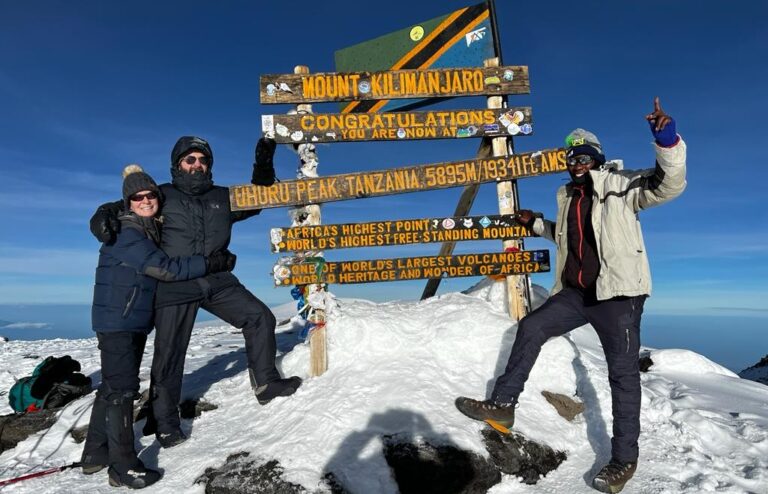
How Private Are Kilimanjaro Campsites? 2026-2027
How Private Are Kilimanjaro Campsites? is explained with current 2026-2027 planning, price, itinerary and booking information.
View package detailsAre Kilimanjaro Camps Noisy At Night? A Climbers Guide To Sleep And Sound
Understand the noise levels at Kilimanjaro camps to better prepare for your trek. This guide covers what sounds you might hear, factors influencing noise, and how to ensure a restful...
View package details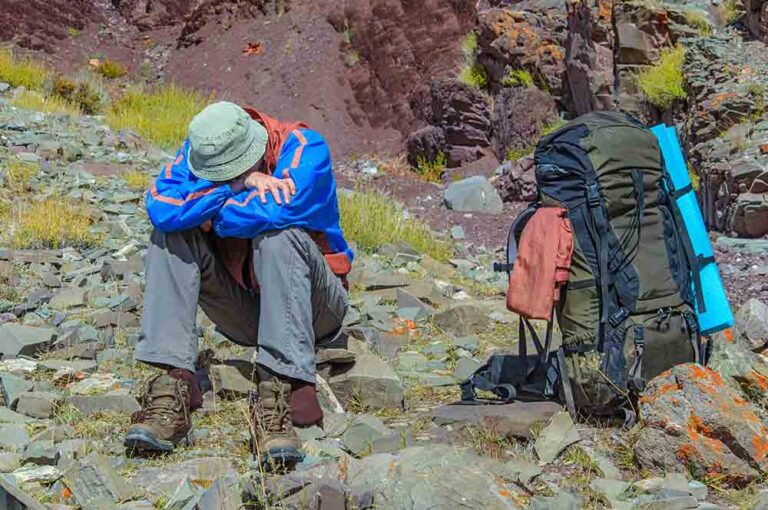
Kilimanjaro Climb With High-Protein Meals: Fueling Your Ascent In 2026-2027
Fueling your Kilimanjaro climb is as critical as choosing the right route. This guide focuses on the power of high-protein meals to sustain energy, aid recovery, and maximize your chances...
View package details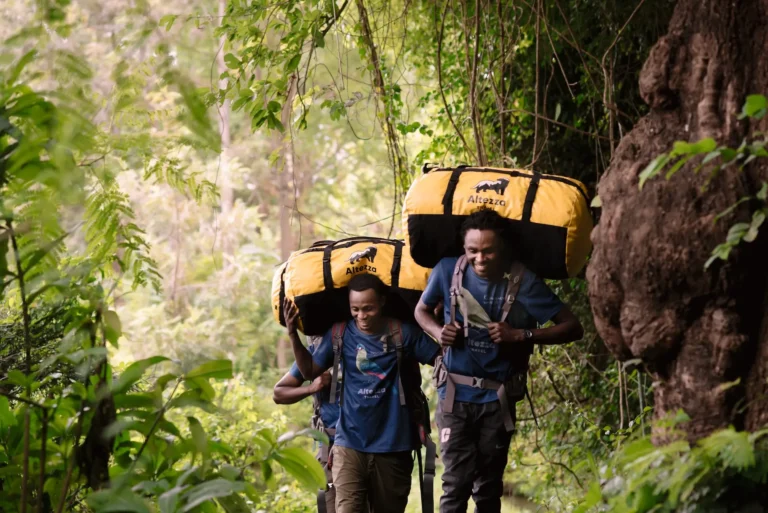
What Happens If You Turn Back On Kilimanjaro? Your Options And Consequences
If you decide to turn back on Kilimanjaro, your climb ends, and you'll be escorted down the mountain. This guide details the process, health implications, financial impact, and alternative...
View package detailsWhat Happens If You Cannot Summit Kilimanjaro? Planning For Success 2026-2027
Climbing Kilimanjaro is a dream for many, but not everyone reaches the summit. This comprehensive guide explains what happens if you cannot summit Kilimanjaro, covering safety, logistics...
View package details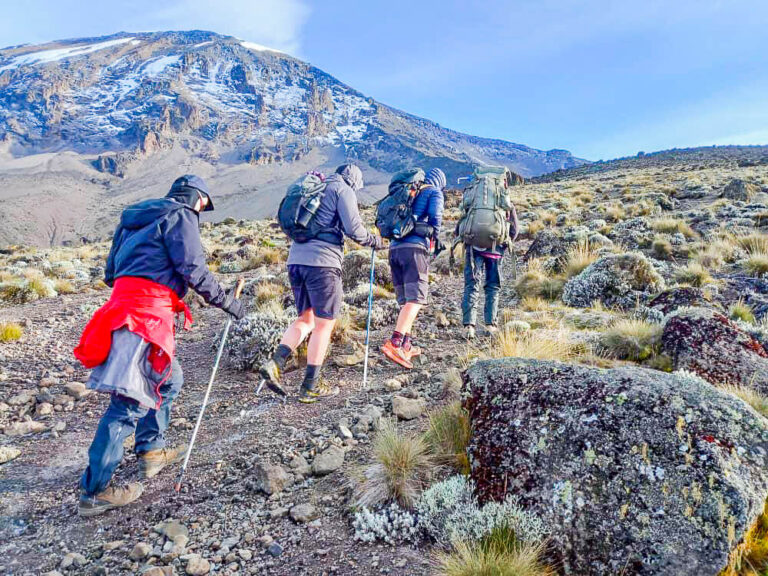
Kilimanjaro Repeat-Guest And Referral Discounts Guide
Planning another Kilimanjaro climb or know someone who is? Top Guide Adventures offers exclusive repeat-guest and referral discounts for 2026-2027, rewarding your loyalty and helping...
View package details
Kilimanjaro Corporate Group Booking Rates & Planning For 2026-2027
Discover how to secure advantageous Kilimanjaro corporate group booking rates for your company's next team-building adventure or incentive trip in 2026 and 2027. Top Guide Adventures...
View package detailsNo related package matches those filters. Clear one or more filters to see the other topic-matched options.



