
You can only stay at Uhuru Peak, the summit of Mount Kilimanjaro, for a very short period, typically no more than 10-20 minutes. This brief duration is dictated by critical factors including extreme altitude, freezing temperatures, the need for rapid descent to prevent altitude sickness, and the physical demands on climbers. While the goal is to reach the summit, the primary focus immediately shifts to safe descent.
Understanding the Brief Window at Uhuru Peak
Reaching Uhuru Peak, the highest point on Kilimanjaro at 5,895 meters (19,341 feet), is the culmination of an arduous trek. Climbers often spend weeks or months training and preparing for this moment. However, the actual time spent celebrating at the roof of Africa is surprisingly limited. The harsh conditions at this altitude mean that prolonged stays are not only uncomfortable but also dangerous. Understanding the constraints and making the most of this fleeting moment is key to a successful and safe Kilimanjaro climb.
The Altitude Factor: Why Time is of the Essence
The primary reason for the short duration at Uhuru Peak is the extreme altitude. At nearly 6,000 meters, the oxygen levels in the air are roughly half of what they are at sea level. This significantly impacts the body’s ability to function. Symptoms of Acute Mountain Sickness (AMS), such as headache, nausea, dizziness, and fatigue, can onset rapidly. Spending too much time at such a high altitude increases the risk of developing more severe forms of altitude sickness, like High Altitude Cerebral Edema (HACE) or High Altitude Pulmonary Edema (HAPE), which are life-threatening.
Climbers reach Uhuru Peak after an overnight ascent from their final camp, usually Barafu Camp or a similar high-altitude staging point. This ascent typically begins around midnight and involves several hours of trekking in the dark, cold, and thin air. By the time the summit is reached, usually in the early morning hours (around 6-8 AM), climbers are already physically and mentally exhausted. The body has been under immense strain for hours, and continuing to exert oneself or remain stationary for extended periods is inadvisable.
Summit Conditions: Freezing Temperatures and Wind Chill
Beyond the lack of oxygen, the weather conditions at Uhuru Peak are severe. Temperatures often hover around freezing point, or even well below, especially during the early morning hours when most climbers arrive. Combined with strong winds, the wind chill factor can make the perceived temperature feel significantly colder. Wearing multiple layers of specialized mountaineering gear is essential for survival, but even with this protection, prolonged exposure to the elements can lead to hypothermia or frostbite. The goal is to reach the summit, take a few photos, and begin descending while still relatively warm and able to move efficiently.
The Summit Push: A Demanding Ascent
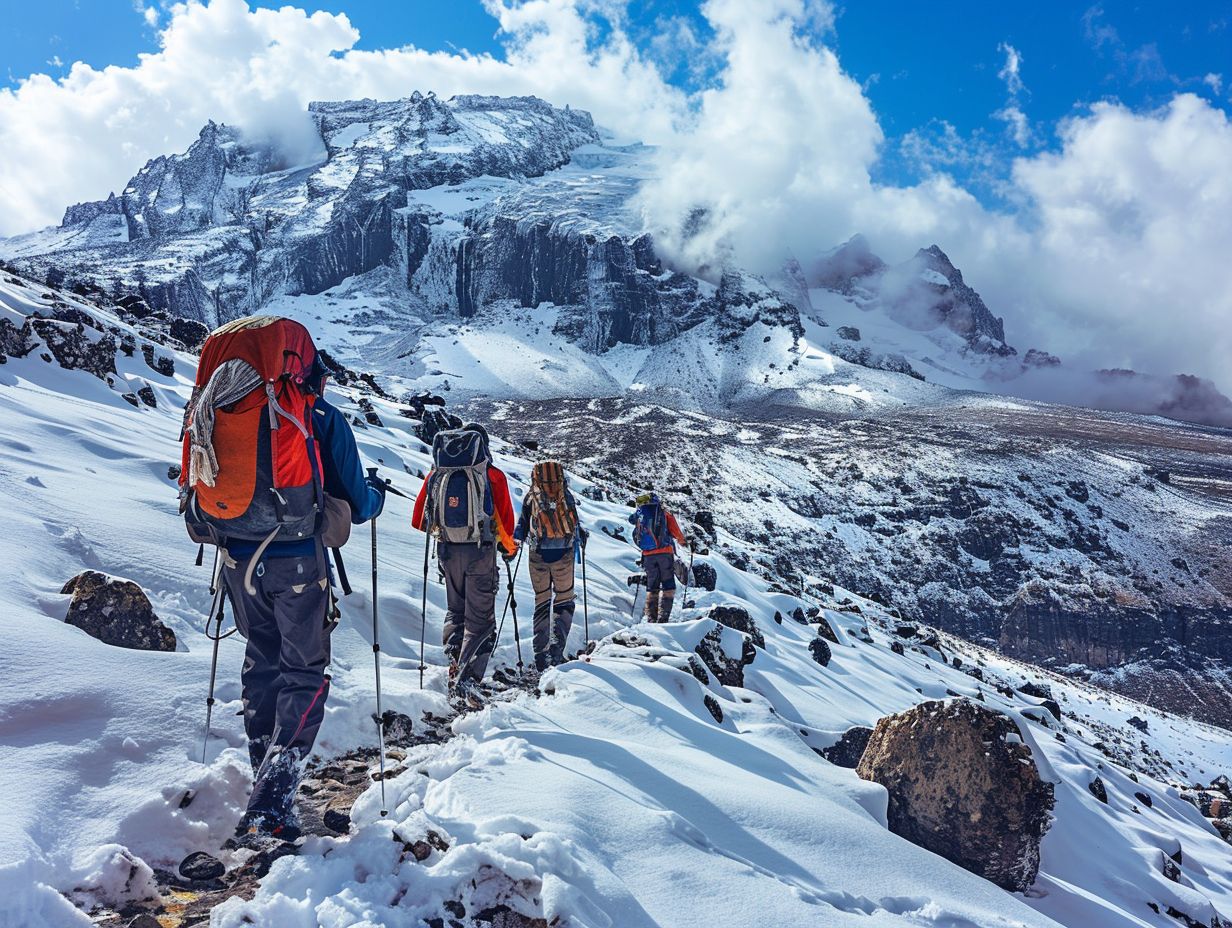
The final push to the summit is the most challenging part of the Kilimanjaro climb. It involves steep ascents over scree and rock, often in extreme cold and darkness. Climbers are typically moving slowly, conserving energy. Upon reaching Stella Point (on the crater rim) and then Uhuru Peak itself, the immediate priority is not to linger but to begin the descent. The descent, while physically easier in terms of gravity, is still long and taxing, especially on the knees and joints. It is crucial to descend to a lower altitude where the air is richer in oxygen, allowing the body to recover and reducing the risk of altitude sickness.
Maximizing Your Short Summit Experience
Given the limited time at Uhuru Peak, effective planning and preparation are essential to make the most of this brief but momentous occasion. Every minute counts, and knowing what to expect and how to prepare can ensure you capture the memories without compromising safety.
Pre-Summit Preparation: What to Pack and Wear
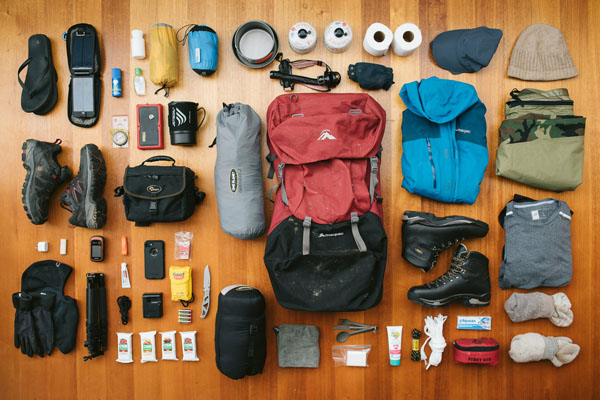
Your gear is your lifeline at the summit. Ensure you have:
- High-quality thermal base layers: Wool or synthetic materials are best.
- Insulating mid-layers: Fleece or down jackets.
- Waterproof and windproof outer shell: A robust jacket and trousers.
- Warm hat and gloves: Including liner gloves for dexterity.
- Balaclava or neck gaiter: To protect your face from the wind and cold.
- Warm socks: Wool or synthetic mountaineering socks.
- Sturdy mountaineering boots: Well broken-in to prevent blisters.
- Sunglasses and sunscreen: Even at high altitudes, UV rays are strong.
- Headlamp: Essential for the pre-dawn ascent.
- Camera: Ensure it has spare batteries that can withstand the cold.
Having your summit gear easily accessible in your daypack is crucial. You’ll likely put on your final layers just before the summit push or upon reaching Stella Point.
Summit Day Strategy: Timing and Photography
Most climbers aim to reach Uhuru Peak shortly after sunrise. This offers the best chance for clear views and slightly less harsh conditions than the middle of the night. Your guide will manage the pace, but communicate any discomfort you feel. Once at the summit:
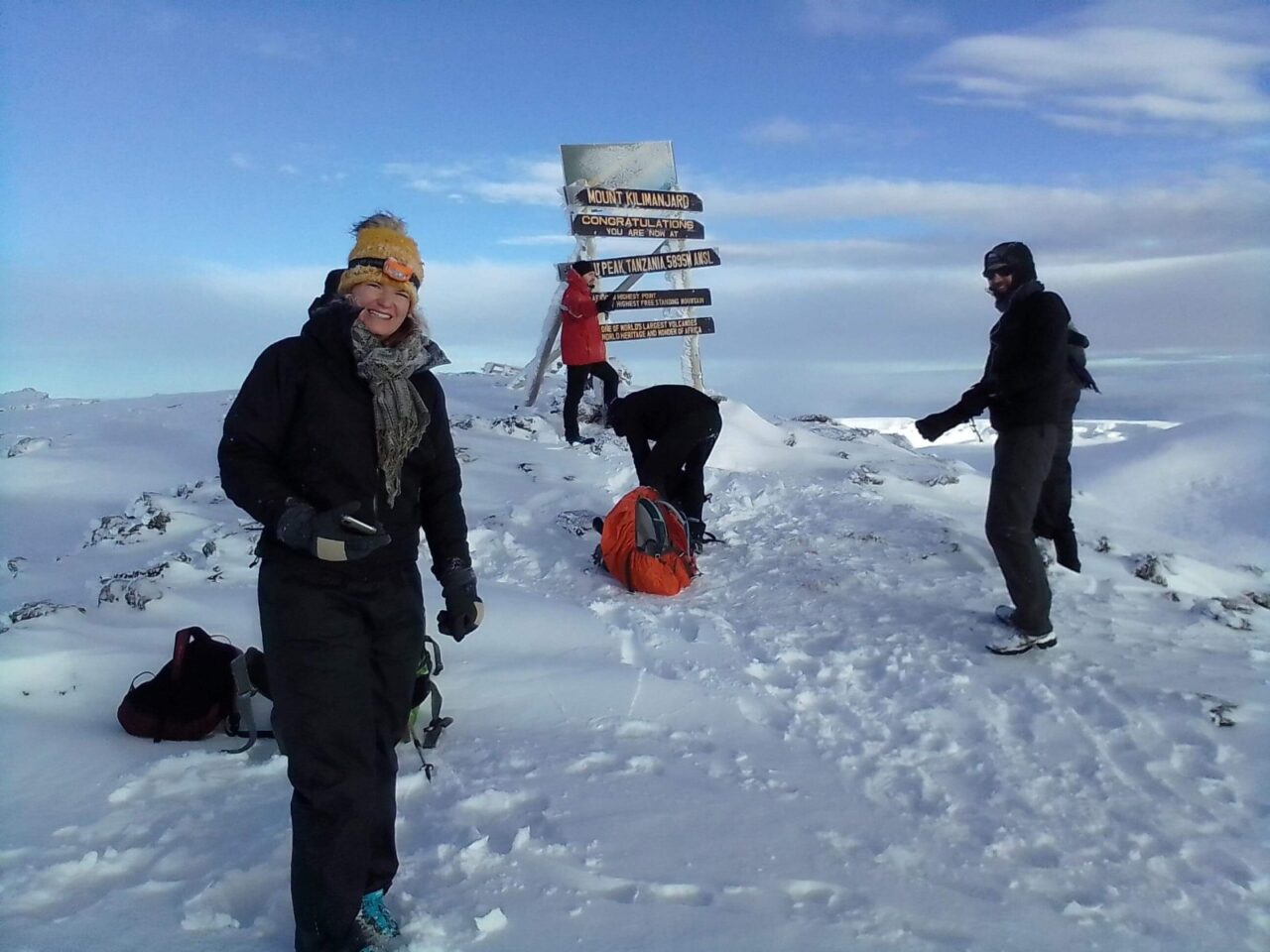
- Take photos: Capture the iconic “Uhuru Peak” sign and the surrounding glaciers and volcanic landscape.
- Celebrate briefly: Enjoy the immense achievement with your climbing team.
- Stay hydrated: Sip water, even if you don’t feel thirsty.
- Avoid strenuous activity: Stick to gentle movements.
Guides are trained to keep the summit stop brief. They will encourage you to keep moving, even if it’s just a few steps to get a better photo. They will also be monitoring everyone for signs of altitude sickness.
The Descent: The Most Important Part
Remember that reaching the summit is only half the journey. The descent is equally, if not more, critical. After your brief time at Uhuru Peak, you will begin the long trek back down to your base camp (e.g., Barafu Camp) or even further down to Mweka Camp, depending on your route and itinerary. This descent can take as long as the ascent and requires significant stamina. Staying focused, drinking fluids, and moving steadily are vital for a safe return.
Key Considerations for Your Summit Stay
Altitude: The primary limiting factor. The higher you go, the less time your body can safely tolerate.
Temperature: Sub-zero temperatures and wind chill demand rapid movement.
Exhaustion: The summit push is incredibly tiring; the body needs rest at lower altitudes.
Safety: Preventing altitude sickness and hypothermia is paramount.
Descent Priority: Getting down safely is the most important objective after reaching the peak.
Factors Influencing Your Summit Time
While the general guideline is a very short stay, several factors can subtly influence how much time you might spend, or rather, how efficiently you use that time, at Uhuru Peak. These are not about extending your stay for leisure, but about managing the brief window effectively.
Your Route Choice and Itinerary Length
Longer routes like the Machame, Lemosho, or Northern Circuit generally offer better acclimatization profiles due to their “climb high, sleep low” philosophy. Climbers on these routes are often physically stronger and better acclimatized by the time they reach the summit. This improved acclimatization might allow for a slightly more composed, though still brief, summit experience. Shorter routes, like Marangu or Rongai, can sometimes lead to climbers feeling the altitude more acutely, necessitating an even quicker turnaround at the top.
The overall length of your trek also plays a role. A 7-day or 8-day itinerary provides more time for acclimatization compared to a 5-day or 6-day climb. For instance, planning a Kilimanjaro climb for 2026 or 2027 with an 8-day Machame route would significantly enhance your acclimatization and overall experience, including your brief summit moment.
Your Personal Fitness and Acclimatization Rate
Individual responses to altitude vary greatly. Some people acclimatize quickly and feel relatively well even at high altitudes, while others are more susceptible to AMS. Your personal fitness level also contributes. While you don’t need to be an elite athlete, good cardiovascular fitness helps your body cope with the demands of the climb. Those who have trained well and listen to their bodies are often better prepared for the summit push and the short period at Uhuru Peak.
It’s vital to communicate openly with your guide about how you are feeling. If you are experiencing mild AMS symptoms, your guide will advise you to descend, even if it means cutting short your summit time. Your guide’s priority is your safety, not extending your photo opportunities at the very top.
Weather Conditions on Summit Day
Weather is an unpredictable but critical factor. If conditions are particularly severe – with high winds, heavy snow, or freezing fog – your time at Uhuru Peak will be drastically cut short, possibly to just a few minutes or even skipped entirely if conditions are deemed too dangerous by the guides. Conversely, a clear, calm morning might allow for slightly more comfortable, albeit still brief, moments to absorb the view.
Always be prepared for the worst-case weather scenario. Your guide will make the final decision on summit day regarding safety and timing, and their judgment should always be respected.
Group Dynamics and Pace
On a group trek, the pace is dictated by the slowest climber. While guides strive to keep everyone moving, the collective time spent at the summit can be influenced by the group’s overall condition and how quickly everyone can navigate the final few meters and take photos. If you are on a private climb, you have more control over your pace and the brief summit moments, but the fundamental safety considerations remain the same.
The Experience Beyond the Peak: What Happens Next?
Once the brief moments at Uhuru Peak are over, the journey continues with the descent. This is where the true challenge of the summit day often lies.
Descending to Stella Point and Crater Rim
The first part of the descent is from Uhuru Peak back to Stella Point. This section, while seemingly short, can be tricky as you are walking on loose scree and ice, and the altitude is still very high. Your guides will help you navigate this section safely.
The Long Trek Down to Barafu Camp
From Stella Point, the descent continues down the scree slopes towards Barafu Camp. This is a long, steep, and often monotonous section. Many climbers find this part of the descent more physically demanding than the ascent, as their legs are tired, and the constant downhill can be hard on the knees and joints.
Continuing to Mweka Camp (or Base Camp)
Depending on your route and itinerary, you will either rest briefly at Barafu Camp before continuing further down to Mweka Camp (common on Machame, Lemosho, Shira routes) or descend to a lower camp. The descent to Mweka Camp is significant, taking several more hours. By the time you reach the camp, you will have descended thousands of meters from the summit, reaching a much more oxygen-rich environment.
Reaching Uhuru Peak: A Psychological Victory
Despite the brief physical time spent at the summit, the psychological impact of reaching Uhuru Peak is profound and lasts a lifetime. It represents the culmination of immense physical and mental effort. The feeling of accomplishment, the views (if clear), and the knowledge that you have stood on the highest point in Africa are incredibly rewarding. This feeling is what climbers carry with them long after they have left the mountain.
Planning Your 2026-2027 Kilimanjaro Climb with Summit Focus
When planning your Kilimanjaro adventure for 2026 or 2027, understanding the dynamics of summit day, including the limited time at Uhuru Peak, is crucial for setting realistic expectations. Top Guide Adventures specializes in crafting itineraries that prioritize safety, acclimatization, and an unforgettable experience.
Choosing the Right Route for Optimal Acclimatization
For the best chance of a safe and enjoyable summit experience, we recommend longer routes that offer superior acclimatization. Routes such as the:
- 8-day Machame Route
- 8-day Lemosho Route
- 9-day Northern Circuit
These itineraries allow your body more time to adapt to the increasing altitude, significantly reducing the risk of AMS and enhancing your ability to cope with the final summit push. Our expert guides will lead you through carefully planned daily ascents and descents to maximize your body’s acclimatization, ensuring you are as prepared as possible for that brief, glorious moment at Uhuru Peak.
Customizing Your 2026-2027 Itinerary
Top Guide Adventures understands that every climber is unique. We offer tailor-made journeys across Tanzania, including Kilimanjaro climbs. Whether you are aiming for a specific date in 2026 or planning ahead for 2027, we can customize an itinerary to suit your fitness level, time constraints, and budget. We believe that understanding the realities of summit day, including the short duration at Uhuru Peak, is part of responsible trip planning.
We can discuss:
- Best climbing seasons for 2026 and 2027
- Recommended routes based on your experience
- Gear requirements for summit day
- Training advice to prepare for the altitude
- The importance of hydration and nutrition at altitude
Booking Your Kilimanjaro Adventure
Booking your Kilimanjaro climb with Top Guide Adventures means partnering with a trusted local company dedicated to your safety and success. We provide experienced guides who are trained in high-altitude mountaineering and first aid, ensuring you have the best possible support on your journey to Uhuru Peak. Our team is committed to offering personal attention, care, and dedicated support for every client.
For inquiries about climbing Kilimanjaro, including specific dates for 2026 or 2027, group departures, or to discuss a private climb, please contact us:
Get Your Kilimanjaro Climb Quote
Ready to conquer Kilimanjaro and experience the brief, exhilarating moments at Uhuru Peak? Contact us today for a personalized quote and planning assistance for your 2026 or 2027 adventure.
WhatsApp: +255616946642
Email: topguideadventures@gmail.com
Backup Email: info@topguideadventures.com
Visit our website for more information on Tanzania tours and Kilimanjaro climbs.
Frequently Asked Questions About Uhuru Peak Summit Time
Can I spend more than 20 minutes at Uhuru Peak?
While theoretically possible if conditions are perfect and you feel exceptionally well, it is strongly discouraged and rarely happens. Guides prioritize safety, and the extreme altitude and cold necessitate a swift descent. Most successful summiters spend only 10-20 minutes maximum to take photos and briefly absorb the achievement before starting their descent.
What is the best time of day to reach Uhuru Peak?
The best time is typically shortly after sunrise, between 6:00 AM and 8:00 AM. This allows you to reach the summit after the overnight ascent, often coinciding with the sunrise which can offer spectacular views. It also means you begin your descent while it is still light and the temperatures, though cold, are not at their absolute lowest point of the night.
What happens if I feel sick at Uhuru Peak?
If you experience symptoms of altitude sickness at Uhuru Peak, your guide will assess your condition. The immediate and safest course of action is to begin descending as quickly as possible. Your guide will provide assistance and monitor you closely during the descent. Your health and safety are the absolute top priority.
How cold is it usually at Uhuru Peak?
Temperatures at Uhuru Peak typically range from -7°C to -29°C (20°F to -20°F), and this can feel much colder with wind chill. It is essential to be equipped with appropriate layers of warm, waterproof, and windproof clothing to withstand these extreme conditions, even for a short period.
Is the summit experience worth the short time?
Absolutely. The achievement of reaching Uhuru Peak is a profound personal victory. Even the brief moments spent there, surrounded by glaciers and the vast African landscape, are incredibly memorable and worth the challenging journey. The feeling of accomplishment and the unique environment make it a truly significant experience.
How long does the descent from Uhuru Peak take?
The descent from Uhuru Peak back to Barafu Camp can take anywhere from 3 to 5 hours, depending on the group’s pace and conditions. From Barafu Camp, continuing down to Mweka Camp can take another 3 to 4 hours. The entire descent from the summit to Mweka Camp can thus take 6 to 9 hours or more.
Planning a Kilimanjaro climb for 2026 or 2027 with Top Guide Adventures ensures you receive expert guidance on acclimatization, safety, and making the most of every moment, including your brief, unforgettable visit to Uhuru Peak. Contact us today to start planning your adventure!
Check Availability for How Long Can You Stay At Uhuru Peak? Summit Time & Acclimatization Insights
Ready to compare dates, prices, and the best option for your group? Send the package name and travel month so the team can reply with a clear quote, availability, and what is included.



