
A Kilimanjaro climb with portable hyperbaric support significantly enhances safety and acclimatization by providing a controlled environment to simulate lower altitudes, thereby mitigating the risks of altitude sickness for trekkers aiming for the summit in 2026-2027. This advanced support system is typically used in conjunction with standard acclimatization practices and is best managed by experienced guides who understand its application during the ascent, particularly on longer routes like the Lemosho or Machame.
Understanding Portable Hyperbaric Support for Kilimanjaro Treks
Climbing Mount Kilimanjaro, Africa’s highest peak, is a dream for many adventurers. While the challenge is immense, the primary concern for most trekkers is altitude sickness. Portable hyperbaric chambers, often referred to as Gamow bags, represent a crucial technological advancement in high-altitude mountaineering safety. For expeditions planned for 2026 or 2027, incorporating such support can offer an additional layer of security and comfort.
A portable hyperbaric chamber is essentially a lightweight, durable bag that can be inflated to create a pressurized environment. When a climber begins to show symptoms of Acute Mountain Sickness (AMS), High Altitude Cerebral Edema (HACE), or High Altitude Pulmonary Edema (HAPE), they can be placed inside the chamber. Once sealed, the chamber is pressurized using a foot pump or a small electric pump, effectively simulating a descent of several thousand feet. This reduction in ambient pressure aids the body in rehydrating and improving oxygen saturation, alleviating symptoms and preventing a potentially life-threatening condition from worsening.
While not a replacement for proper acclimatization, which remains the cornerstone of safe high-altitude trekking, portable hyperbaric support serves as an invaluable emergency tool and a proactive measure for climbers who may be more susceptible to altitude-related illnesses. Top Guide Adventures understands the importance of safety and offers guidance on incorporating these systems into your 2026-2027 Kilimanjaro climb.
Why Choose a Kilimanjaro Climb with Portable Hyperbaric Support?
The decision to undertake a Kilimanjaro climb with portable hyperbaric support is driven by a desire for enhanced safety and peace of mind. While Kilimanjaro’s routes are not technically demanding in terms of climbing skills, the altitude presents a significant physiological challenge. Altitude sickness can affect anyone, regardless of their fitness level, and can manifest with symptoms ranging from mild headaches and nausea to severe, life-threatening conditions.
Key benefits of using portable hyperbaric support on your Kilimanjaro climb include:
- Proactive Altitude Management: For individuals with a history of altitude sickness or those who are particularly concerned, the chamber can be used for short periods of “descent simulation” during the day or night, even before symptoms become severe. This can help the body adjust more effectively.
- Emergency Treatment: In the event of moderate to severe AMS, HACE, or HAPE, the hyperbaric chamber provides immediate, on-the-spot treatment. This can stabilize a climber, allowing them to recover enough to descend safely, often without the need for immediate evacuation.
- Increased Success Rate: By mitigating the impact of altitude sickness, climbers are better able to maintain their energy levels and continue their ascent, potentially increasing their chances of reaching the summit.
- Psychological Comfort: Knowing that this safety measure is available can reduce anxiety and allow trekkers to focus more on enjoying the incredible journey.
For those planning their Kilimanjaro climb in 2026 or 2027, especially those opting for longer, more gradual acclimatization routes like the Machame or Lemosho, the addition of hyperbaric support can be a wise investment in their health and overall expedition experience. Top Guide Adventures can advise on the best routes and support options for your specific needs.
How Portable Hyperbaric Chambers Work on Kilimanjaro
The principle behind portable hyperbaric chambers, like the Gamow bag, is simple yet effective: simulating a lower altitude. When you ascend Kilimanjaro, the atmospheric pressure decreases, meaning there are fewer oxygen molecules available with each breath. This leads to a lower partial pressure of oxygen in your blood, a condition known as hypoxia, which triggers altitude sickness.
The portable hyperbaric chamber works by creating a sealed environment where the air pressure can be increased. This is typically achieved using a manual foot pump or a small electric pump, which forces air into the chamber. As the chamber inflates, the internal pressure rises. This increased pressure forces more oxygen molecules into the climber’s lungs and bloodstream, mimicking the physiological conditions of being at a lower altitude. This “virtual descent” helps the body to:
- Increase Oxygen Saturation: The higher pressure environment helps to improve the amount of oxygen carried by the blood.
- Reduce Symptoms: Symptoms like headache, nausea, dizziness, and fatigue are often alleviated as the body receives more oxygen.
- Prevent Worsening Conditions: For more severe conditions like HACE or HAPE, the hyperbaric chamber can be a life-saving intervention, buying valuable time for a safe descent.
It’s crucial to understand that the hyperbaric chamber is not a cure for altitude sickness; it’s a treatment tool. It provides temporary relief and allows the body to function better under hypoxic conditions. The ultimate treatment for severe altitude sickness remains a descent to a lower altitude. However, for many trekkers on Kilimanjaro, especially those on longer expeditions in 2026-2027, the chamber can be the difference between continuing the climb and needing an immediate, potentially difficult, evacuation.
A typical portable hyperbaric chamber can accommodate one person lying down. The process involves the affected climber being zipped inside, and the chamber is then inflated. The pressure is gradually increased, and the climber remains inside for a period, usually between 30 minutes and a couple of hours, depending on their condition and the advice of their guide. The chamber is then deflated, and the climber’s condition is assessed. This process can be repeated if necessary, alongside measures for a safe descent if symptoms persist or worsen.
Choosing the Right Kilimanjaro Route for Hyperbaric Support
While portable hyperbaric support can be beneficial on any Kilimanjaro route, its effectiveness and integration are best considered alongside the route’s acclimatization profile. Longer routes with more gradual ascents are generally recommended for better acclimatization, and this is where hyperbaric support can complement the strategy effectively. For your 2026-2027 climb, consider these routes:
Machame Route (7 Days)
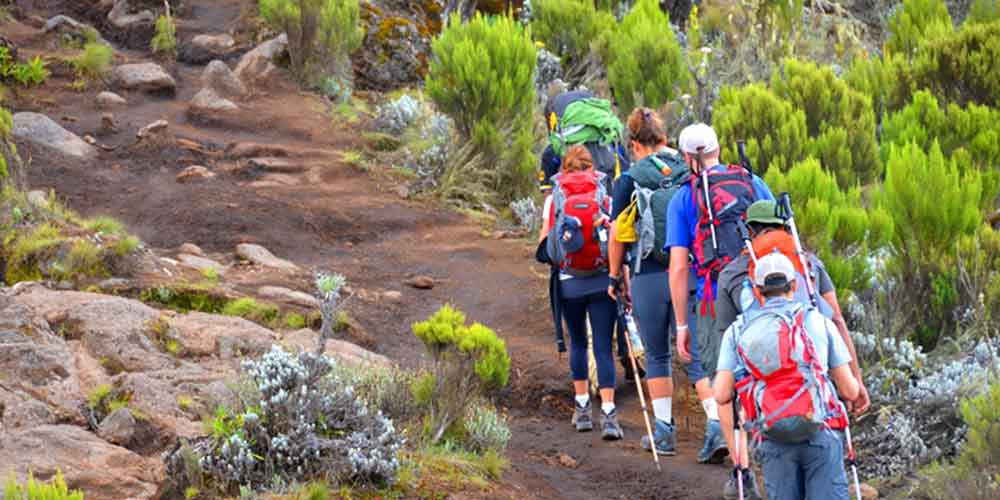
Known as the “Whiskey Route,” Machame is a popular choice for its scenic beauty and good acclimatization profile, especially when extended to seven days. The “climb high, sleep low” principle is well-implemented here. A 7-day Machame climb offers a balanced ascent, and adding portable hyperbaric support can provide extra security for those concerned about altitude.
Lemosho Route (7-8 Days)
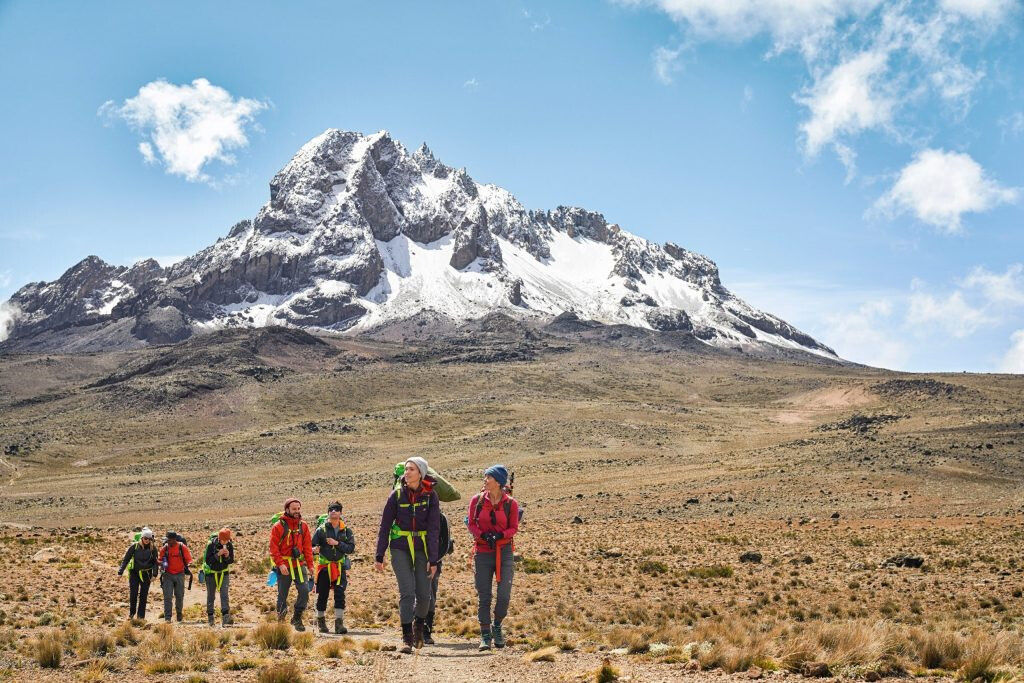
The Lemosho route is considered one of the most scenic and offers excellent acclimatization, particularly the 8-day option. It approaches Kilimanjaro from the west and traverses the Shira Plateau. Its longer duration allows for a slower ascent, making it ideal for acclimatization. Integrating portable hyperbaric support on an 8-day Lemosho trek further enhances the safety margin, making it a top choice for serious trekkers in 2026-2027.
Northern Circuit (9 Days)
The longest route, the Northern Circuit, offers the best acclimatization profile by circling the mountain. This extended duration means trekkers spend more time at higher altitudes, allowing their bodies to adapt more thoroughly. For an expedition of this length, portable hyperbaric support acts as an advanced safety net, ensuring maximum preparedness for the summit push.
Shorter routes like Marangu (5-6 days) and Rongai (6-7 days) are faster and have less optimal acclimatization. While hyperbaric support can still be used, the fundamental challenge of rapid ascent remains. Therefore, if you are considering portable hyperbaric support, Top Guide Adventures strongly recommends opting for the 7-day Machame, 8-day Lemosho, or the 9-day Northern Circuit for the best combination of acclimatization and safety in 2026-2027.
Essential Gear for a Kilimanjaro Climb with Hyperbaric Support
While the portable hyperbaric chamber is a specialized piece of equipment, the core gear for a Kilimanjaro climb remains consistent. However, you’ll want to ensure your outfitter can provide or you have access to the hyperbaric system itself. Top Guide Adventures can arrange for the inclusion of a high-quality portable hyperbaric chamber as part of your expedition package for 2026-2027.
Clothing and Footwear
- Layering System: Moisture-wicking base layers, insulating mid-layers (fleece or down), and waterproof/windproof outer layers (jacket and trousers).
- Headwear: Warm beanie, sun hat, and balaclava or neck gaiter.
- Gloves: Warm, waterproof gloves and liner gloves.
- Footwear: Broken-in, waterproof hiking boots; comfortable camp shoes or trainers.
- Socks: Several pairs of wool or synthetic hiking socks.
Trekking Equipment
- Backpack: A comfortable daypack (30-40 liters) for essentials during the day.
- Duffel Bag: A large, waterproof duffel bag (80-100 liters) for your main gear, carried by porters.
- Sleeping Bag: A 4-season sleeping bag rated to at least -10°C (14°F).
- Trekking Poles: Highly recommended for stability and reducing strain on knees.
- Headlamp: With extra batteries, essential for summit night.
- Water Bottles/Hydration Reservoir: Minimum 3-4 liters capacity; insulated bottles are best for cold temperatures.
Personal Items
- Sun Protection: High SPF sunscreen, lip balm, and sunglasses.
- Personal First-Aid Kit: Including any personal medications, blister treatment, pain relievers, and antiseptic wipes.
- Toiletries: Biodegradable soap, toothbrush, toothpaste, wet wipes.
- Camera and Power Bank: To capture memories and keep devices charged.
- Snacks: High-energy snacks like energy bars, nuts, and dried fruit.
Crucially, for a Kilimanjaro climb with portable hyperbaric support, the following should be confirmed with your tour operator:
- Availability of the Portable Hyperbaric Chamber: Ensure it’s included in your package.
- Operator’s Policy on Usage: Understand when and how it will be deployed by your guides.
- Guide Training: Confirm your guides are trained in the proper use and maintenance of the hyperbaric equipment.
Top Guide Adventures prioritizes your safety and ensures that all necessary equipment, including high-quality portable hyperbaric chambers, is available and operated by experienced guides for your 2026-2027 expedition.
The Role of Guides and Support Staff
On any Kilimanjaro climb, the guides and support crew are paramount to success and safety. When you opt for a Kilimanjaro climb with portable hyperbaric support, their role becomes even more critical. Your lead guide is trained to recognize the early signs and symptoms of altitude sickness and to administer appropriate treatment, which now includes the use of the hyperbaric chamber.
Responsibilities of the Guide Team include:
- Monitoring Climbers: Daily checks on each climber’s well-being, including asking about headaches, appetite, sleep, and general condition. They will also monitor vital signs like oxygen saturation and pulse rate.
- Managing Acclimatization: Ensuring the trek pace is slow and steady, encouraging hydration, and implementing “climb high, sleep low” strategies.
- Deploying the Hyperbaric Chamber: Knowing when and how to use the portable hyperbaric chamber. This involves assessing the climber’s condition, preparing the chamber, inflating it to the correct pressure, and monitoring the climber inside.
- Decision Making: Ultimately, the guide is responsible for making critical decisions regarding a climber’s health and safety, including recommending descent if necessary, even if the hyperbaric chamber provides temporary relief.
- Logistics: Ensuring the hyperbaric equipment is carried, maintained, and ready for use.
The support crew, including porters and assistant guides, play a vital role in carrying the equipment, setting up camp, and assisting with any necessary evacuations. Their efficiency and professionalism are key to a smooth operation.
When selecting a tour operator for your 2026-2027 Kilimanjaro climb with portable hyperbaric support, inquire about the training and experience of their guide teams. Top Guide Adventures employs highly experienced, certified guides who are proficient in high-altitude medicine and the use of emergency equipment like hyperbaric chambers.
Potential Risks and Considerations
While portable hyperbaric support significantly enhances safety, it’s essential to be aware of its limitations and potential risks. It is not a magic bullet and should be viewed as one component of a comprehensive safety strategy.
Limitations of Portable Hyperbaric Chambers:
- Temporary Relief: The chamber provides a simulated descent. Once the climber exits, they are back at the actual altitude. If the underlying cause (lack of acclimatization) is not addressed by descending, symptoms can return.
- Not a Substitute for Acclimatization: Proper acclimatization through slow ascent and adequate rest remains the most critical factor in preventing altitude sickness. Hyperbaric support should complement, not replace, these practices.
- Operator Error: Incorrect deployment or pressure settings can be ineffective or, in rare cases, cause discomfort. This highlights the importance of trained guides.
- Claustrophobia: Some individuals may feel uncomfortable or claustrophobic inside the chamber.
- Weight and Logistics: While portable, these chambers add weight and bulk to the expedition gear, requiring careful planning.
Risks Associated with Altitude Sickness Itself:
- HACE (High Altitude Cerebral Edema): Swelling of the brain. Symptoms include severe headache, confusion, loss of coordination, and potentially coma. This is a medical emergency requiring immediate descent.
- HAPE (High Altitude Pulmonary Edema): Fluid accumulation in the lungs. Symptoms include severe shortness of breath, persistent cough (sometimes with frothy or pink sputum), chest tightness, and extreme fatigue. This is also a life-threatening emergency requiring immediate descent.
It is vital that trekkers understand that the hyperbaric chamber is a tool to manage symptoms and facilitate a safe descent if needed. It does not eliminate the need for careful planning, gradual acclimatization, and prompt medical intervention. For your 2026-2027 Kilimanjaro climb, Top Guide Adventures ensures that all safety protocols, including the appropriate use of hyperbaric support and evacuation plans, are meticulously managed.
Comparing Routes: Standard vs. Hyperbaric Support Integration
When planning a Kilimanjaro climb for 2026-2027, the decision between a standard expedition and one including portable hyperbaric support involves weighing costs, risks, and personal comfort levels. While a standard climb relies solely on traditional acclimatization techniques and guide vigilance, adding hyperbaric support offers an advanced safety feature.
Standard Kilimanjaro Climb:
- Focus: Relies on gradual ascent, hydration, rest, and guide monitoring for acclimatization.
- Cost: Generally lower as it does not include the specialized equipment rental or specialized guide training for hyperbaric systems.
- Risk Profile: Higher potential for significant AMS symptoms if acclimatization is poor or individual susceptibility is high. Evacuation might be more immediate and complex.
- Ideal for: Trekkers with no history of altitude sickness, those on shorter itineraries where acclimatization is inherently challenging, or budget-conscious travelers.
Kilimanjaro Climb with Portable Hyperbaric Support:
- Focus: Combines traditional acclimatization with an active emergency and preventative tool.
- Cost: Typically higher due to the rental or inclusion of the hyperbaric chamber and potentially specialized guide services. Expect an additional cost ranging from $200-$500 USD per person for the provision and use of the chamber, depending on the operator and duration.
- Risk Profile: Lower risk of severe AMS progression. Provides a crucial intervention tool that can stabilize a climber, facilitate a more controlled descent, and potentially allow continuation of the climb in milder cases.
- Ideal for: Trekkers with a history of altitude sickness, those who are particularly anxious about altitude, individuals undertaking challenging personal goals, or those seeking the highest level of safety assurance for their 2026-2027 adventure.
For treks like the 8-day Lemosho or 9-day Northern Circuit, the extended duration already promotes better acclimatization. Adding hyperbaric support to these routes provides an exceptional safety margin. Top Guide Adventures offers tailored packages that can integrate portable hyperbaric support, ensuring you have the best of both worlds: a well-planned acclimatization strategy and advanced safety equipment.
Pricing and Booking Considerations for 2026-2027
When planning your Kilimanjaro climb with portable hyperbaric support for 2026 or 2027, understanding the pricing structure and booking process is crucial. The cost of a Kilimanjaro climb can vary significantly based on the route, duration, group size, and inclusions. Adding specialized equipment like a portable hyperbaric chamber will naturally increase the overall expedition cost.
Factors influencing the price of a Kilimanjaro climb with portable hyperbaric support:
- Route Length: Longer routes (e.g., 8-9 days) are more expensive than shorter ones (e.g., 5-6 days) due to more days of service, food, and guide/porter fees.
- Inclusions: What is covered in the price? This typically includes park fees, rescue fees, guide and porter wages, food, camping equipment, accommodation before/after the climb, and transfers. For hyperbaric support, ensure it is explicitly listed.
- Operator Type: Local operators like Top Guide Adventures often provide better value and direct support compared to international agents who may add markups.
- Group Size: Private climbs are more expensive per person than group climbs. Shared or group departures for 2026-2027 can offer cost savings.
- Hyperbaric Chamber Provision: The cost for the chamber itself, its transport, and the specialized training of guides to use it will be factored in. This could add approximately 10-20% to the standard climb package price.
Estimated Price Range (2026-2027):
A standard 7-day Kilimanjaro climb with a reputable operator typically ranges from $1,800 to $3,000 USD per person. For an expedition that includes portable hyperbaric support, you can expect the price to be in the range of $2,000 to $3,500 USD per person, depending on the specific inclusions and operator.
Booking Tips for 2026-2027:
- Book in Advance: Kilimanjaro is popular year-round, and peak seasons (January-March, June-October) fill up quickly. Booking your 2026 or 2027 climb at least 6-12 months in advance is highly recommended.
- Compare Operators Carefully: Look beyond just the price. Check reviews, operator credentials, safety records, and detailed itineraries. Ensure they explicitly mention the provision and use of hyperbaric support if this is a key requirement.
- Direct Communication: Contact operators directly to discuss your specific needs, including the request for portable hyperbaric support. This allows for clarification on inclusions, pricing, and guide qualifications.
- Understand Payment Terms: Most operators require a deposit upon booking and the balance payment several weeks or months before the climb.
Top Guide Adventures offers competitive pricing for Kilimanjaro climbs, including options with portable hyperbaric support. We are committed to transparency and ensuring you receive excellent value for your investment in a safe and memorable adventure. Contact us to get a personalized quote for your 2026-2027 expedition.
Preparing for Your Kilimanjaro Climb with Hyperbaric Support
Successful preparation for a Kilimanjaro climb, especially one incorporating advanced safety measures like portable hyperbaric support, involves several key areas. While the physical demands are significant, mental readiness and a thorough understanding of altitude physiology are equally important.
Physical Training:
Focus on cardiovascular fitness and leg strength. Activities like hiking with a weighted pack, running, cycling, and stair climbing are beneficial. Aim for endurance over speed. The goal is to build stamina to handle long days of trekking at altitude.
Altitude Acclimatization Training:
While you can’t truly simulate Kilimanjaro’s altitude at home, you can practice hiking at higher elevations if you live nearby. More importantly, understand the principles of acclimatization and trust your guides to manage your ascent pace.
Mental Preparation:
Climbing Kilimanjaro is as much a mental challenge as a physical one. Be prepared for cold temperatures, challenging terrain, long hiking days, and potential discomfort. Positive self-talk and visualizing success are valuable tools.
Health and Medical Checks:
Consult your doctor before your trip. Discuss your plans and any concerns about altitude sickness. They can provide advice, potentially prescribe medication like Diamox (acetazolamide) to aid acclimatization, and ensure you are medically fit for the climb. Be sure to inform them if you plan to use a portable hyperbaric chamber.
Understanding Hyperbaric Support Usage:
Talk to your tour operator, like Top Guide Adventures, about how the portable hyperbaric chamber will be used. Understand the signs that might prompt its deployment and what to expect if you need to use it. This knowledge will reduce anxiety and ensure you can cooperate effectively with your guides.
Hydration and Nutrition:
- Hydration: Drink plenty of water in the weeks leading up to your climb and throughout the expedition. Aim for 3-5 liters per day. Dehydration exacerbates altitude sickness symptoms.
- Nutrition: Eat a balanced diet. During the climb, focus on high-carbohydrate meals, which are easier to digest and provide energy at altitude.
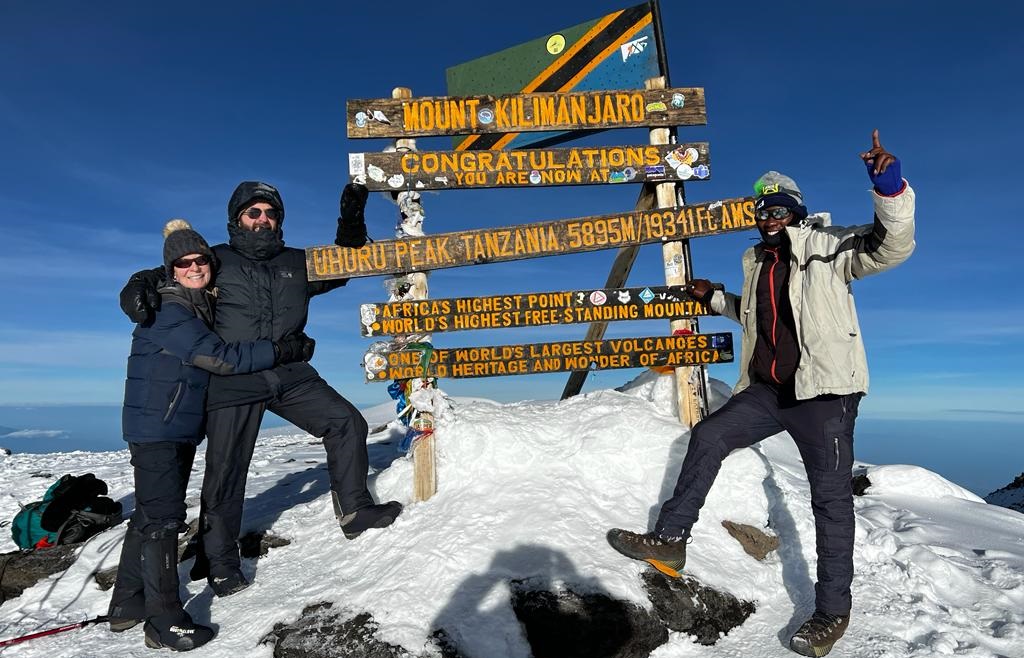
Proper preparation is key to a safe and enjoyable Kilimanjaro climb with portable hyperbaric support. By focusing on fitness, understanding altitude, and working with experienced operators like Top Guide Adventures, you can maximize your chances of reaching Uhuru Peak in 2026-2027.
The Future of Altitude Support on Kilimanjaro (2026-2027 and Beyond)
The integration of portable hyperbaric chambers represents a significant step forward in safety for Kilimanjaro climbs. As technology evolves and awareness of altitude-related risks grows, we can anticipate further advancements in how trekkers are supported on the mountain.
Potential Future Trends:
- Wider Adoption: As the benefits become more widely recognized and costs potentially decrease, more operators may offer portable hyperbaric support as standard or a readily available option for 2026-2027 and subsequent years.
- Improved Technology: Lighter, more efficient, and easier-to-deploy hyperbaric systems could emerge, making them even more practical for expedition use.
- Advanced Monitoring Devices: Integration with wearable technology that continuously monitors vital signs (e.g., blood oxygen saturation, heart rate) could provide earlier warnings of altitude issues, allowing for proactive use of hyperbaric chambers or timely descent decisions.
- Enhanced Guide Training: Continued development and standardization of high-altitude medical training for guides, specifically covering the use of hyperbaric equipment and advanced emergency response protocols.
- Telemedicine Integration: In the future, guides might be able to consult with remote medical professionals via satellite communication for real-time advice on managing altitude sickness and using hyperbaric support.
Top Guide Adventures is committed to staying at the forefront of safety practices in Kilimanjaro trekking. We continually evaluate new technologies and training methods to ensure our clients have the best possible experience. For your 2026-2027 climb, we are equipped to offer advanced support, including the strategic use of portable hyperbaric chambers, ensuring your journey to the roof of Africa is as safe and successful as possible.
Making Your Kilimanjaro Climb a Reality with Top Guide Adventures
Your dream of climbing Kilimanjaro, especially with the added security of portable hyperbaric support, is achievable. Top Guide Adventures is dedicated to providing comprehensive, personalized travel experiences across Tanzania, with a special focus on ensuring your Kilimanjaro expedition is safe, well-organized, and unforgettable. We understand the nuances of high-altitude trekking and are prepared to cater to your specific needs for your 2026 or 2027 climb.
Why choose Top Guide Adventures for your Kilimanjaro climb with portable hyperbaric support?
- Expert Local Knowledge: As a leading Tanzanian tour company, we possess intimate knowledge of the mountain, its routes, and the best safety practices.
- Safety First Approach: Your well-being is our top priority. We ensure our guides are highly trained, equipped with necessary safety gear (including portable hyperbaric chambers upon request), and follow strict safety protocols.
- Tailored Itineraries: We work with you to select the best route and duration that matches your fitness, experience, and acclimatization goals, incorporating hyperbaric support where desired.
- Complete Support: From initial planning and booking to your arrival in Tanzania and your journey back, we provide dedicated personal attention and support every step of the way.
- Value and Transparency: We offer competitive pricing with clear inclusions, ensuring you understand exactly what your expedition package covers.
We invite you to connect with us to discuss your plans for a 2026-2027 Kilimanjaro climb. Whether you are considering a standard ascent or require the added assurance of portable hyperbaric support, our team is ready to help you prepare and execute an incredible adventure.
Contact Top Guide Adventures today:
- WhatsApp: +255616946642
- Email: topguideadventures@gmail.com
- Backup Email: info@topguideadventures.com
Let us help you achieve your summit goal safely and successfully on Mount Kilimanjaro in 2026 or 2027.
Check Availability for Kilimanjaro Climb With Portable Hyperbaric Support Guide
Ready to compare dates, prices, and the best option for your group? Send the package name and travel month so the team can reply with a clear quote, availability, and what is included.
Kilimanjaro Climb With Low-Sugar Meal Planning Guide
Climbing Kilimanjaro requires careful nutritional planning. This guide focuses on low-sugar meal strategies to sustain energy, aid acclimatization, and enhance your trekking experience...
View package details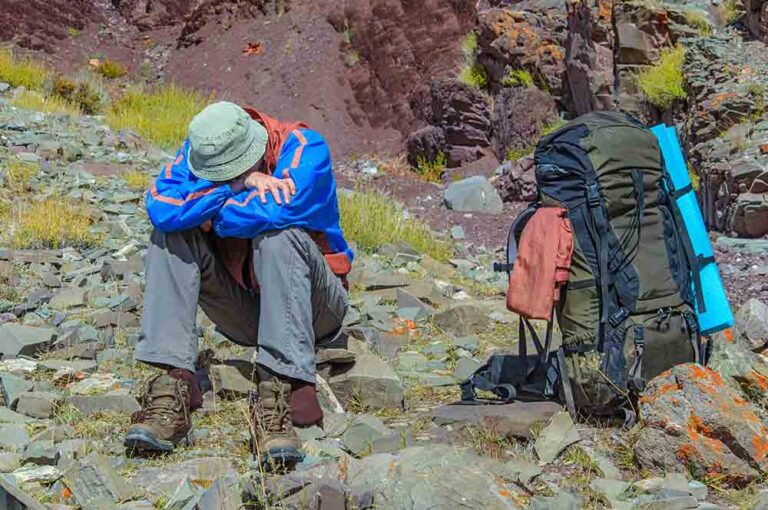
Kilimanjaro Climb With High-Protein Meals: Fueling Your Ascent In 2026-2027
Fueling your Kilimanjaro climb is as critical as choosing the right route. This guide focuses on the power of high-protein meals to sustain energy, aid recovery, and maximize your chances...
View package details
Kilimanjaro Climb With Nut-Free Meal Options Guide
Discover how to plan your Kilimanjaro climb with complete peace of mind regarding nut allergies. Top Guide Adventures specializes in providing safe, delicious, and fully customized nut-free...
View package details
Kilimanjaro Climb With Lactose-Free Meals: Your Complete Guide For 2026-2027
Climbing Mount Kilimanjaro with specific dietary needs, like lactose intolerance, is entirely achievable. This comprehensive guide details how to manage lactose-free meals on your trek...
View package details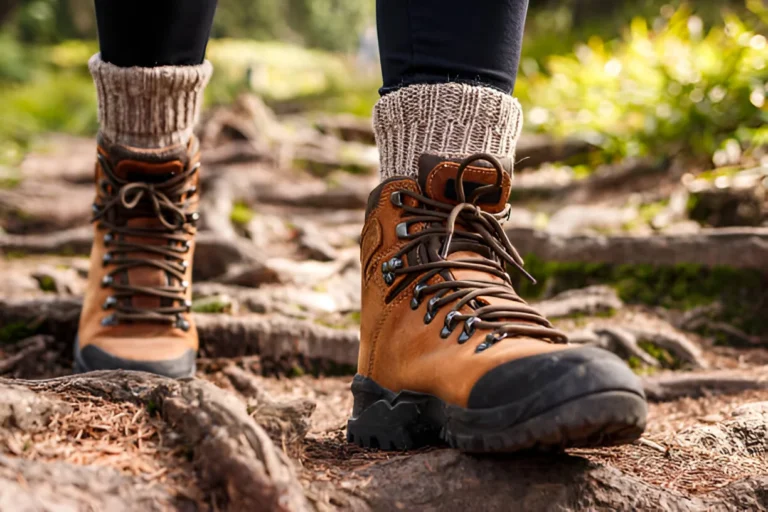
Kilimanjaro Climb For Travellers With Food Allergies 2026-2027
Kilimanjaro Climb for Travellers with Food Allergies is explained with current 2026-2027 planning, price, itinerary and booking information.
View package detailsKilimanjaro Climb With Kosher-Friendly Food Planning In 2026-2027
Successfully summiting Mount Kilimanjaro requires meticulous planning, especially when adhering to specific dietary requirements like Kosher food. This guide provides comprehensive insights...
View package details
Kilimanjaro Climb With Halal Meals: Your Guide For 2026-2027
Climb Mount Kilimanjaro with confidence, knowing your dietary needs are met. Top Guide Adventures provides specialized Halal meal planning for your 2026-2027 trek, ensuring a safe and...
View package detailsKilimanjaro Climb With Gluten-Free Food: Your Essential Guide For 2026-2027
Climbing Mount Kilimanjaro is an incredible adventure, and dietary needs, like requiring gluten-free food, should not be a barrier. Top Guide Adventures specializes in providing safe...
View package details
Kilimanjaro Climb With Vegan Mountain Meals: Your Expert Guide For 2026-2027
Embarking on a Kilimanjaro climb is a monumental achievement, and ensuring you have the right nutrition, especially with specific dietary needs like veganism, is crucial for success. Top...
View package details
Kilimanjaro Climbing Package With Vegetarian Meals Guide
Planning a Kilimanjaro climb with specific dietary needs? This guide details Kilimanjaro climbing packages that cater to vegetarians, covering routes, meal preparation, and what to expect...
View package details
Kilimanjaro Prescription Medication Packing Guide For Climbs 2026-2027
Planning a Kilimanjaro climb in 2026 or 2027? This comprehensive guide details exactly what prescription medications you need to pack, how to carry them safely, and crucial advice for a...
View package details
Kilimanjaro Personal First-Aid Kit Checklist For A Safe Climb 2026-2027
Prepare for your Kilimanjaro climb with a comprehensive personal first-aid kit checklist. This guide covers essential items, from basic wound care to altitude sickness remedies, ensuring...
View package detailsNo related package matches those filters. Clear one or more filters to see the other topic-matched options.



