
The quietest months to climb Kilimanjaro are generally during the shoulder seasons, specifically April, May, and November. These periods typically see significantly fewer trekkers compared to the peak dry seasons (June-October and December-March), offering a more tranquil experience. While these months can bring a higher chance of rain, choosing them for your 2026 or 2027 climb can lead to more solitude on the trails and potentially better availability for guides and permits.
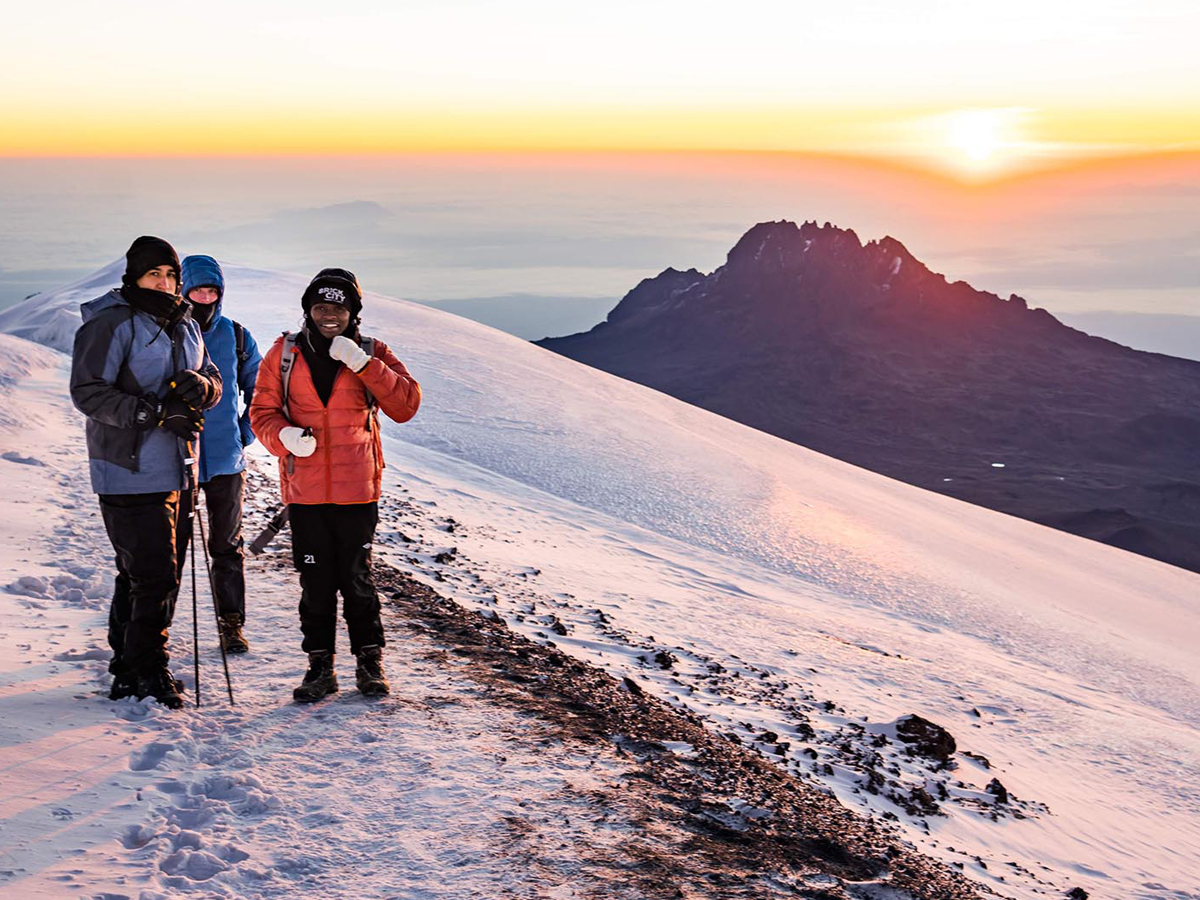
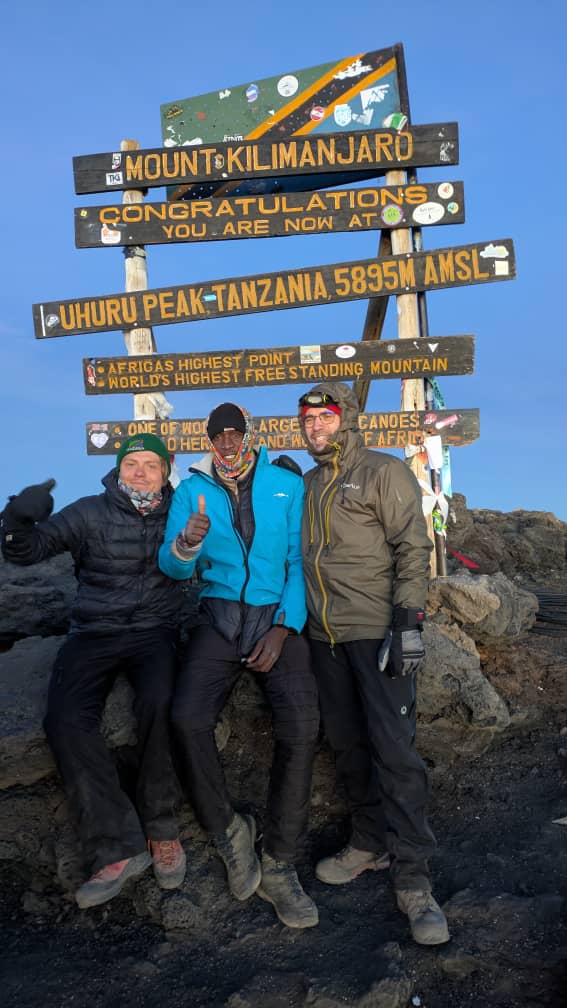
Understanding Kilimanjaro’s Climbing Seasons and Crowd Levels
The decision of when to climb Kilimanjaro is often a balancing act between favorable weather, crowd avoidance, and personal availability. While there’s no single “perfect” month that guarantees sunshine and solitude, understanding the typical patterns can help you pinpoint the quietest times for your 2026 or 2027 adventure. Top Guide Adventures helps you navigate these choices to ensure your climb is memorable for all the right reasons.
Kilimanjaro experiences distinct seasons that directly influence both the weather and the number of people on its slopes. Generally, these can be categorized into dry seasons and wet seasons.
The Peak Dry Seasons: Best Weather, Highest Crowds
The most popular times to climb Kilimanjaro are during the two main dry seasons, which also coincide with the highest visitor numbers:
- June to October: This is the longest dry season and often considered the absolute peak. The weather is typically stable with clear skies, low humidity, and moderate temperatures. However, due to these ideal conditions, the trails, campsites, and summit routes are at their busiest. If your priority is excellent weather and you don’t mind sharing the mountain with many others, this is a prime window.
- December to March: This is the second dry season. While generally good for climbing, it includes the Christmas and New Year holidays, which always attract more trekkers. The earlier part of this season (December, January) often offers good weather, but February and March can start to see increasing cloud cover and occasional rain showers as the short rainy season approaches.
During these peak months, you can expect to see numerous groups on the trails, and campsites can feel quite populated. While this can create a sense of camaraderie, it diminishes the feeling of a remote wilderness experience. For those prioritizing solitude, these are decidedly not the quietest months to climb Kilimanjaro.
The Wet Seasons: Lower Crowds, Wetter Conditions
Kilimanjaro has two distinct rainy seasons. While often perceived as times to avoid, they can offer a unique experience with far fewer people on the mountain.
- April and May: This is the primary, long rainy season. These months are characterized by heavy rainfall, particularly at lower and middle elevations. Clouds often obscure the views, and trails can become muddy and slippery. Consequently, visitor numbers drop dramatically. For trekkers seeking the ultimate quietest month to climb Kilimanjaro and who are prepared for challenging conditions, these months can be an option, though often discouraged by many operators due to the high likelihood of poor visibility and discomfort.
- November: This is the short rainy season, sometimes referred to as the “vuli” season. It’s typically less intense than the April-May rains, often consisting of afternoon showers rather than all-day downpours. While still a wet period, the rain is often interspersed with sunshine. Crowd levels are significantly lower than in the dry seasons, making it a contender for the quietest month to climb Kilimanjaro.
Climbing during the wet seasons requires specific preparation, including waterproof gear, sturdy footwear, and a flexible attitude. The reduced crowds can offer a profoundly personal journey with the mountain, but the weather is a significant factor to consider.
Identifying the Truly Quietest Months for Kilimanjaro Climbs
When we talk about the “quietest” months, we are looking for periods with the lowest number of trekkers. This usually means avoiding school holidays, major public holidays, and the prime dry season windows. Based on historical data and typical patterns, the months that consistently offer the fewest people on the mountain are:
April and May: The Ultimate Off-Peak
These two months represent the heart of Kilimanjaro’s long rainy season. The chances of experiencing significant rainfall, fog, and cloud cover are very high. Trails can be muddy, and visibility can be severely limited, especially at lower altitudes. Because of these challenging conditions, most prospective climbers opt for the dry seasons. This results in dramatically reduced numbers on the mountain.
Pros of climbing in April or May:
- Minimal Crowds: You will likely encounter very few other groups, offering an exceptionally serene and private climbing experience.
- Lower Prices (Potentially): Some operators might offer slightly reduced prices during these off-peak times, though this is not always guaranteed as operational costs remain largely the same.
- Lush Scenery: Post-rain, the lower slopes can be incredibly verdant and alive with vegetation.
Cons of climbing in April or May:
- High Rainfall: Expect frequent and heavy rain, which can make the trek uncomfortable and increase the risk of mudslides or trail erosion.
- Poor Visibility: Clouds and fog are common, significantly obscuring the stunning views Kilimanjaro is famous for. Summit success rates can be lower due to difficult conditions.
- Challenging Trail Conditions: Mud, slippery rocks, and potentially swollen streams can make trekking more arduous.
For the absolute quietest experience, April and May are unparalleled. However, they demand a high level of resilience and preparedness for adverse weather. Many reputable operators, including Top Guide Adventures, advise against these months unless a client specifically requests minimal crowds above all else and understands the risks.
November: The Short Rainy Season Shoulder
November marks the short rainy season. Unlike the prolonged rains of April and May, November’s showers are typically shorter and more localized, often occurring in the afternoons. There are still good chances of sunshine and clear mornings, but an increased probability of rain compared to the dry seasons. This period offers a good compromise for those seeking fewer crowds without the extreme weather probabilities of the main rainy season.
Pros of climbing in November:
- Significantly Fewer Crowds: While not as empty as April/May, November is considerably quieter than the peak dry months.
- Potential for Good Weather: You can still experience many days of sunshine and clear skies, especially in the mornings.
- More Affordable Options: Similar to other off-peak months, there might be slightly more flexibility in pricing.
Cons of climbing in November:
- Increased Rain Chance: Afternoon showers are common, which can interrupt trekking or viewing.
- Variable Conditions: Weather can be unpredictable, with periods of rain and sunshine.
November is often cited as a very good option for the quietest month to climb Kilimanjaro, offering a balance between manageable crowds and a reasonable chance of decent weather. It’s a popular choice for trekkers in 2026 and 2027 looking for a less crowded but still potentially successful climb.
The ‘Shoulder’ Months: Balancing Crowds and Weather
Beyond the absolute quietest months, there are also “shoulder” months that fall between the peak dry and wet seasons. These months can offer a good balance of fewer crowds than the absolute peak and better weather than the heart of the rainy season.
March: Transitioning Out of Peak Dry
March is the tail end of the December-March dry season. While still considered a relatively popular month due to good weather, the crowds begin to thin out towards the end of March as the short rainy season approaches. The first half of March can still be busy, but the latter half offers a reduction in numbers.
Pros of climbing in March:
- Good Weather Persists (Early March): You can still enjoy excellent climbing conditions.
- Decreasing Crowds: By the end of March, you’ll notice fewer trekkers than in January or February.
- Good Summit Success Rates: Generally high success rates due to favorable weather.
Cons of climbing in March:
- Still Relatively Busy: The first half of the month can still be quite populated.
- Rainy Season Approaching: Towards the end of the month, clouds may start to build, hinting at the coming rains.
March can be a good compromise if you want decent weather but are keen to avoid the absolute peak crowds of December-February.
June and October: Transitioning into Peak Dry
June marks the beginning of the long dry season, and October is the end of it. These months often present excellent climbing conditions with significantly fewer people than the mid-season months of July-September.
- June: The weather is typically becoming very stable and dry. While crowds are starting to pick up, they are usually not at their peak intensity yet. It’s a fantastic month for a less crowded climb with great weather.
- October: This month often sees beautiful weather, clear skies, and good visibility. The main tourist season is winding down, meaning fewer trekkers on the mountain. It’s one of the best months for a combination of good weather and manageable crowds.
These shoulder months are excellent choices for climbers in 2026 and 2027 who want to experience Kilimanjaro in relatively good conditions without the highest density of fellow adventurers.
Why Choose the Quietest Month to Climb Kilimanjaro?
Opting for a quieter period to ascend Kilimanjaro offers several distinct advantages:
1. Enhanced Sense of Solitude and Wilderness
Kilimanjaro is a popular mountain, and during peak season, you can feel like you’re on a busy highway. Choosing a quieter month allows for a more personal and introspective journey. You’ll have more space on the trails, more tranquility at campsites, and a greater feeling of being truly in nature rather than part of a parade. This is especially appealing for those seeking a spiritual or deeply personal challenge.
2. More Interaction with Guides and Porters
With fewer groups around, your guide and porter team can dedicate more individual attention to you and your group. This means more opportunities for questions, deeper conversations about local culture and mountain lore, and a more personalized support system. Your guides can focus more on your well-being and acclimatization without the pressure of managing a large convoy.
3. Better Photography Opportunities
Imagine capturing impressive sunrise or sunset photos without dozens of other people in the frame. Quieter months mean clearer shots of the stunning landscapes, unique flora, and dramatic mountain vistas. You’ll have more time and space to find the perfect angle without feeling rushed.
4. Potential for Greater Flexibility and Availability
While permits and guide availability are generally managed well, during peak times, popular routes and campsites can fill up. Opting for a quieter month might offer more flexibility in choosing your preferred route, trek duration, and even departure dates, especially if you’re booking closer to your desired travel year (e.g., for late 2026 or 2027). You might find it easier to secure spots on specific departure dates that align with your schedule.
5. Experiencing a Different Side of the Mountain
Even with rain, Kilimanjaro offers a unique beauty. The mist can create an ethereal atmosphere, and the sounds of rain on your tent can be surprisingly peaceful. You’ll witness the mountain’s dynamic weather patterns and appreciate its raw, untamed nature in a way that might be missed amidst the hustle of peak season.
Considerations When Choosing the Quietest Month
While the allure of fewer crowds is strong, it’s crucial to weigh this against other factors, primarily weather and success rates.
Weather Variability and Rain
As established, the quietest months (April, May, November) fall within or adjacent to the rainy seasons. This means a higher probability of:
- Rainfall: From light drizzles to heavy downpours, rain is a significant factor.
- Cloud Cover: Lower visibility can obscure views and make the trek less scenic.
- Muddy Trails: This can slow your pace and increase the risk of slips.
- Colder Temperatures: Wet conditions often feel colder.
Proper gear is paramount. Waterproof jackets and trousers, waterproof boots, gaiters, and a good quality tent are essential. Even on a quieter climb, being prepared for the elements is non-negotiable.
Summit Success Rates
While summit success is influenced by many factors (route, acclimatization, fitness, guide expertise), weather plays a crucial role. In the heart of the rainy season, poor visibility, extreme cold, and challenging trail conditions can reduce the chances of reaching the summit safely. However, operators like Top Guide Adventures prioritize safety and acclimatization, and experienced guides can still lead successful climbs even in less-than-ideal weather, provided conditions permit.
Impact on Your Experience
If your primary goal is stunning, uninterrupted views and comfortable trekking conditions, the absolute quietest months might not be ideal. You need to decide what your priorities are for your 2026 or 2027 Kilimanjaro climb: ultimate solitude with a weather risk, or good weather with more company. The shoulder months often represent the best compromise.
Top Guide Adventures’ Recommendations for 2026-2027
At Top Guide Adventures, we believe in helping you make the most informed decision for your Kilimanjaro climb. While we can arrange climbs during any month, our expert recommendations for balancing fewer crowds with a good chance of favorable weather for 2026 and 2027 often point towards:
- October: Excellent weather, beautiful scenery, and fewer crowds than the peak summer months.
- June: The start of the dry season, offering stable weather and crowds that are building but not yet at their maximum.
- November: A good balance of lower crowds and manageable rain showers, often with sunny periods.
We strongly advise against April and May for most clients due to the very high probability of significant rain and poor visibility, which can detract from the experience and potentially impact success rates. However, if absolute solitude is your only goal and you are fully prepared for adverse conditions, we can accommodate this.
Planning Your 2026-2027 Quiet Climb
Booking your climb for the quietest month to climb Kilimanjaro requires careful planning. Here’s how Top Guide Adventures can assist:
- Tailored Itineraries: We can customize your trek to align with your preferences, considering quieter periods.
- Expert Advice: Our team provides honest insights into weather patterns, route options, and what to expect in different months.
- Safety First: We use experienced guides and ensure all safety protocols are followed, regardless of the season.
- Comprehensive Packages: Our packages include permits, park fees, guides, porters, food, and accommodation, ensuring a hassle-free experience.
For those planning for 2026 or 2027, now is the time to start researching and booking, especially if you are targeting a specific shoulder or off-peak month.
Comparing Quietest Months for Kilimanjaro Climbs in 2026-2027
Let’s break down the months that offer the least crowded experience, focusing on the best options for 2026 and 2027:
April: The Deepest Quiet
Crowd Level: Extremely Low
Weather Likelihood: High rainfall, persistent cloud cover, muddy trails.
Pros: Unparalleled solitude, a truly wild experience.
Cons: Significant risk of poor weather impacting views and comfort, potentially lower summit success rates.
Best for: Experienced trekkers prioritizing solitude above all else, fully prepared for challenging conditions.
May: Following April’s Pattern
Crowd Level: Extremely Low
Weather Likelihood: Similar to April, heavy rains are common.
Pros: Maximum solitude, fewer trekkers on all routes.
Cons: High chance of rain, poor visibility, difficult trail conditions.
Best for: Those who have a strong desire for solitude and are prepared for a challenging, wet trek. Not recommended for first-time Kilimanjaro climbers unless specific conditions are met.
November: The Balancing Act
Crowd Level: Low to Moderate (significantly lower than peak)
Weather Likelihood: Intermittent showers, often in the afternoon, interspersed with sunshine. Generally less intense than April/May.
Pros: Good balance of fewer crowds and manageable weather, beautiful green landscapes.
Cons: Afternoon rain is likely, potential for some cloud cover.
Best for: Most trekkers looking for a quieter climb without extreme weather risks. An excellent choice for 2026 and 2027 planning.
October: The Late Dry Season Gem
Crowd Level: Moderate (lower than July-September)
Weather Likelihood: Dry, stable, clear skies, cooler temperatures.
Pros: Excellent weather, great visibility, stunning views, manageable crowds.
Cons: While quieter than mid-summer, it’s not as empty as the rainy season months.
Best for: Climbers who want near-perfect weather but prefer to avoid the absolute peak season crowds. A top contender for 2026-2027.
June: The Early Dry Season Start
Crowd Level: Moderate (lower than July-September)
Weather Likelihood: Dry, stable, clear skies, moderate temperatures.
Pros: Great weather, good visibility, increasing crowds but not yet at peak.
Cons: Crowds are starting to build.
Best for: Similar to October, offering a great blend of good weather and fewer people. Ideal for early summer climbs in 2026 or 2027.
Which Route is Quietest on Kilimanjaro?
While the month plays the biggest role in determining crowd levels, some routes are inherently less popular than others. Choosing a less-trafficked route in conjunction with a quieter month can maximize your solitude.
- Marangu Route: Often called the “Coca-Cola” route, it’s popular due to its dormitory-style accommodation and shorter duration options. This makes it one of the busiest routes, especially during peak season. It’s generally not recommended if your priority is quiet solitude.
- Machame Route: The most popular route, known for its scenic beauty and good acclimatization profile. It’s very busy, especially during peak months. If you choose Machame, selecting a quiet month is crucial to mitigate crowds.
- Lemosho Route: A longer, more scenic route that starts in the west. It’s less crowded than Machame, particularly in its initial days. The longer duration allows for better acclimatization and a more gradual ascent, and choosing a quieter month further enhances the sense of seclusion.
- Shira Route: Similar to Lemosho, starting higher up. It can be quite scenic but also has a steeper initial climb. It sees fewer trekkers than Machame or Marangu.
- Northern Circuit: The longest and most expensive route, offering the highest acclimatization profile and the most scenic circuit around the mountain’s northern slopes. It is by far the quietest route, as its length and cost deter many. Combining the Northern Circuit with a quieter month like October or November in 2026 or 2027 guarantees an exceptionally private experience.
- Rongai Route: This route approaches from the north, offering a different landscape and often drier conditions than southern routes. It’s generally less crowded than Marangu or Machame, especially in the initial days.
For the absolute quietest experience, combining the Northern Circuit with a climb in April, May, or November would be your best bet. However, the Northern Circuit’s length and cost mean it’s less popular year-round. If you’re looking for a balance, the Lemosho or Rongai routes in October or June for 2026-2027 offer a good compromise.
Preparing for a Quiet Kilimanjaro Climb in 2026-2027
Choosing a quieter month requires specific preparation to ensure your comfort and safety.
Essential Gear for Wet/Quieter Months
- Waterproofs: High-quality waterproof and breathable jacket and trousers are non-negotiable.
- Waterproof Boots: Well-worn-in, waterproof hiking boots are essential to keep your feet dry and prevent blisters.
- Gaiters: These prevent mud and water from entering the top of your boots.
- Layering System: Multiple synthetic or wool layers (base, mid, and insulation) allow you to adapt to changing temperatures and conditions. Avoid cotton.
- Waterproof Backpack Cover: To protect your gear inside your daypack.
- Trekking Poles: Essential for stability on muddy and slippery descents.
- Warm Hat and Gloves: Even in the ‘quieter’ months, summit temperatures can be freezing.
Mental Preparation
Be prepared for the possibility of rain, fog, and potentially challenging trail conditions. A positive and flexible attitude is crucial. Understand that views might be obscured at times, and the trek might be more physically demanding due to wet conditions. Focus on the journey, the accomplishment, and the unique peace that comes with fewer people.
Choosing Your Operator
When climbing during less popular months, the quality and experience of your tour operator become even more critical. Reputable companies like Top Guide Adventures have highly experienced guides who are skilled in navigating diverse weather conditions, ensuring safety, and maximizing your chances of success even when the weather is less than perfect. They also have robust systems for equipment maintenance and emergency procedures.
Is the Quietest Month to Climb Kilimanjaro Right for You?
Ultimately, the decision hinges on your personal priorities for your 2026 or 2027 Kilimanjaro expedition.
- If your absolute top priority is solitude and you are prepared for potentially challenging weather: Consider April, May, or November. Be ready for rain, mud, and limited views, but you will likely have the mountain almost to yourself.
- If you want a good balance of fewer crowds and a high chance of excellent weather: Aim for the shoulder months of June or October. These months offer the best of both worlds for many climbers.
- If ideal weather and stunning, unobstructed views are paramount, and crowds are less of a concern: Stick to the peak dry seasons of July-September or December-February.
For many trekkers planning their 2026 or 2027 adventure, the shoulder months of June and October, or the transitional month of November, offer the most appealing combination of manageable crowds and favorable weather. These periods allow for a more personal experience without the extreme weather risks associated with the core rainy season.
Booking Your Quiet Climb with Top Guide Adventures
If you’ve decided that a quieter climb is the right choice for your Kilimanjaro adventure in 2026 or 2027, Top Guide Adventures is here to help you plan every detail. We specialize in creating personalized trekking experiences that cater to your specific needs and preferences.
We understand the nuances of Kilimanjaro’s seasons and can guide you to the best months for your desired experience. Whether you’re seeking the ultimate solitude of the off-peak season or the balanced experience of the shoulder months, we ensure your climb is safe, enjoyable, and memorable.
Contact us today to discuss your plans for climbing Kilimanjaro during the quietest months. We can provide detailed itineraries, pricing, and expert advice to make your dream climb a reality.
WhatsApp: +255616946642
Email: topguideadventures@gmail.com
Backup Email: info@topguideadventures.com
Let us help you find the quietest month to climb Kilimanjaro for your unforgettable 2026-2027 journey!
Check Availability for Quietest Month To Climb Kilimanjaro: Your Guide For 2026-2027
Ready to compare dates, prices, and the best option for your group? Send the package name and travel month so the team can reply with a clear quote, availability, and what is included.
Driest Month To Climb Kilimanjaro: Your Guide For 2026-2027
The driest months for climbing Kilimanjaro are generally January, February, and June through October. These periods offer the clearest skies and lowest rainfall, ideal for a successful and...
View package details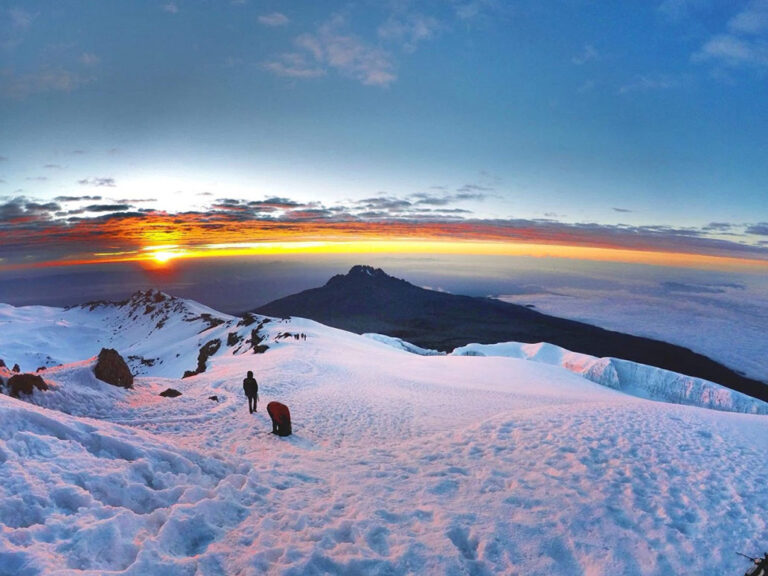
Coldest Month To Climb Kilimanjaro 2026-2027
Coldest Month to Climb Kilimanjaro is explained with current 2026-2027 planning, price, itinerary and booking information.
View package details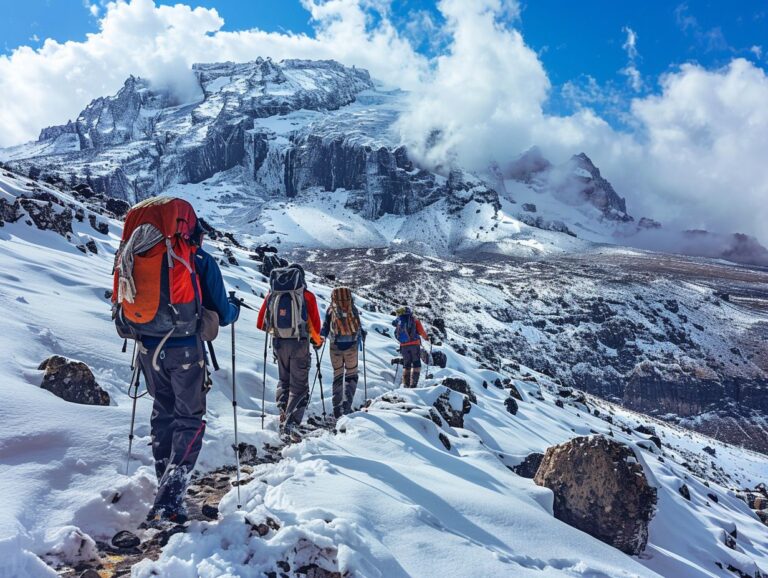
Warmest Month To Climb Kilimanjaro 2026-2027
Warmest Month to Climb Kilimanjaro is explained with current 2026-2027 planning, price, itinerary and booking information.
View package details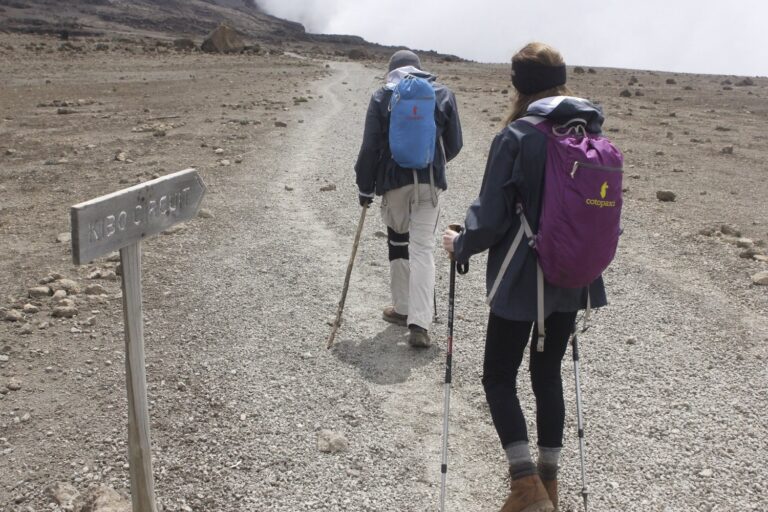
Busiest Month To Climb Kilimanjaro: Peak Seasons & Planning For 2026-2027
Understanding the busiest month to climb Kilimanjaro is crucial for planning a successful trek. This guide details peak seasons, crowd considerations, and optimal times for your 2026-2027...
View package details
Best Kilimanjaro Month For Senior Climbers: Expert Guide 2026-2027
Planning a Kilimanjaro climb as a senior adventurer? Learn which months offer the best conditions for a successful and enjoyable trek in 2026-2027, considering weather, crowds, and your...
View package details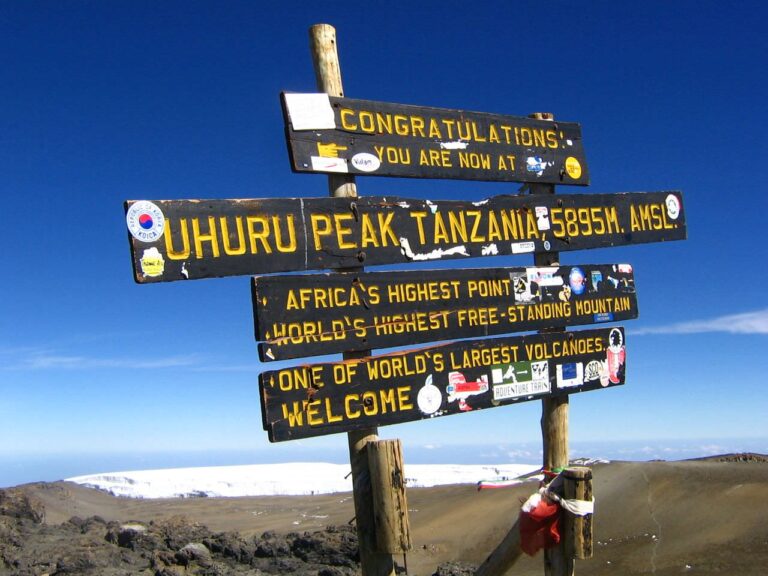
Best Kilimanjaro Month For Full-Moon Climbs In 2026-2027
Planning a Kilimanjaro climb under the glow of a full moon is a dream for many adventurers. This guide details the best months for full-moon ascents in 2026 and 2027, helping you choose the...
View package details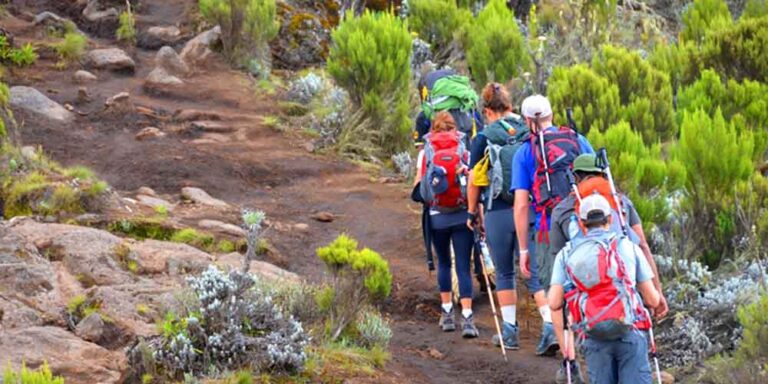
Best Kilimanjaro Month For Fewer Climbers In | Top Guide Adventures 2026-2027
Planning a Kilimanjaro climb in 2026 or 2027 and hoping for a less crowded experience? This guide reveals the best months to ascend Mount Kilimanjaro for fewer fellow trekkers, focusing on...
View package details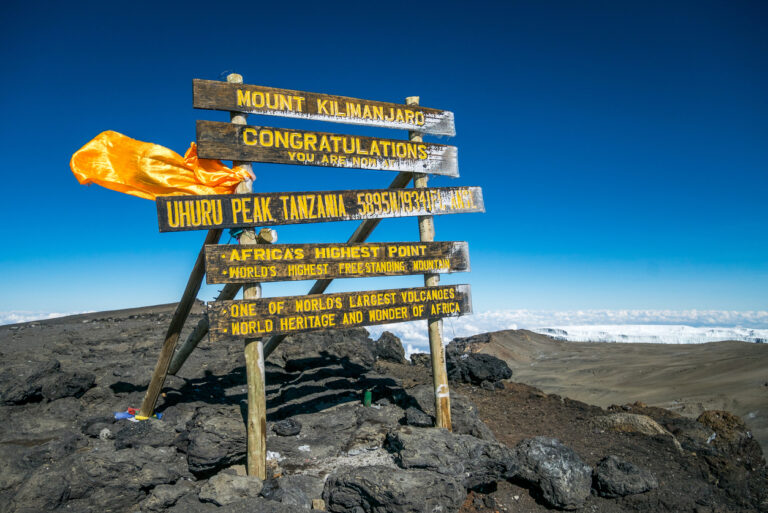
Best Kilimanjaro Month For Low Prices: Saving Money On Your Climb In 2026-2027
Planning a Kilimanjaro climb on a budget? Discover the best months for low prices in 2026-2027, focusing on off-peak seasons and how to maximize savings without compromising your experience.
View package details
January Vs February: Best Month To Climb Kilimanjaro In 2026-2027
Choosing between January and February for your Kilimanjaro climb? This in-depth guide compares the weather, crowds, and overall experience to help you decide the best month for your...
View package details
Is December A Good Month To Climb Kilimanjaro? Your Guide 2026-2027
December offers a unique window for Kilimanjaro climbs, balancing good weather with fewer crowds. This guide explores its advantages and considerations for 2026-2027.
View package details
Late-Night Arrival At Kilimanjaro Airport Before Your Climb: Essential
Planning a Kilimanjaro climb with a late-night arrival at Kilimanjaro International Airport (JRO)? This guide covers everything you need to know for a smooth transition from the airport to...
View package details
Kilimanjaro Full-Moon Birthday Climb: Plan Your Celebration 2026-2027
A Kilimanjaro full-moon birthday climb offers an unparalleled celebration, combining the thrill of summiting Africa's highest peak with the magical ambiance of a lunar glow. This guide...
View package detailsNo related package matches those filters. Clear one or more filters to see the other topic-matched options.



