
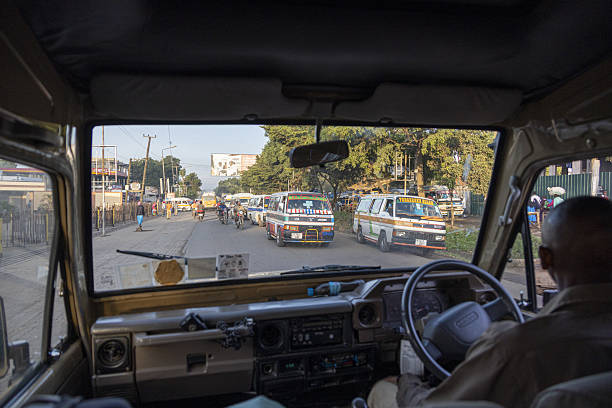
Mto wa Mbu is a significant cultural and transit hub in Tanzania, located between Lake Manyara National Park and the Great Rift Valley. It’s a vibrant roadside town known for its diverse population, bustling market, and as a crucial stop for travelers heading to or from safari destinations like the Serengeti and Ngorongoro Crater, or those preparing for Kilimanjaro climbs, making it an essential part of many Tanzanian itineraries in 2026 and 2027.

Understanding Mto wa Mbu: More Than Just a Stopover
Mto wa Mbu, translating to “Mosquito River” in Swahili, is a name that resonates with many travelers who have journeyed through Tanzania. Far from being a mere geographical marker, this town serves as a fascinating microcosm of Tanzanian life, offering a unique blend of cultures, agricultural richness, and strategic importance for tourism. Its location along the main road connecting Arusha to the western safari circuit makes it an almost unavoidable, yet highly rewarding, point of interest. For visitors planning their adventures in 2026-2027, understanding Mto wa Mbu’s role can significantly enhance their travel experience, transforming a simple stop into a memorable cultural encounter.
The Crossroads of Cultures
What truly sets Mto wa Mbu apart is its remarkable ethnic diversity. Unlike many Tanzanian towns dominated by a single tribe, Mto wa Mbu is a melting pot, home to people from over 120 different tribes across Tanzania. This unique demographic mix stems from its history as a planned settlement during colonial times, designed to bring together various ethnic groups. Today, this legacy is evident everywhere: in the varied languages spoken, the diverse culinary traditions, and the unique blend of customs and traditions that coexist harmoniously. This cultural mosaic provides an unparalleled opportunity for visitors to witness the richness and unity of Tanzania’s people in a single location.
Geographic Significance and Tourism Flow
Strategically positioned at the base of the Great Rift Valley escarpment, Mto wa Mbu lies on the main tourist highway. This location places it perfectly between Arusha, the primary gateway city for northern Tanzanian safaris and Kilimanjaro, and the world-renowned national parks of Lake Manyara, Tarangire, Ngorongoro Conservation Area, and the vast Serengeti. This makes it a natural stopping point for travelers on multi-day safaris, offering a chance to rest, refuel, and experience local life before venturing deeper into the wilderness. For those ascending Kilimanjaro, Mto wa Mbu is often a final point for last-minute supplies or a brief respite before commencing their trek.
Economic Backbone: Agriculture and Local Markets
While tourism is a significant driver, Mto wa Mbu’s economy is also firmly rooted in agriculture. The fertile land, irrigated by the river, supports a variety of crops. Banana plantations are particularly prominent, with bananas being a staple food and a source of local brews. Other crops include maize, beans, and various fruits and vegetables. The town’s central market is a vibrant hub where farmers sell their produce, artisans display their crafts, and locals gather to trade. This market is not just a place for commerce; it’s a lively social center, offering a sensory feast of sights, sounds, and smells that capture the essence of rural Tanzanian life. For visitors in 2026-2027 looking for authentic local experiences, the market is a must-visit.
Activities and Experiences in Mto wa Mbu
While Mto wa Mbu might not boast the dramatic landscapes of the Serengeti or the towering peak of Kilimanjaro, it offers a wealth of cultural and experiential activities that provide a deeper understanding of Tanzanian life. These experiences are often more intimate and accessible than those found in larger tourist hubs, making them particularly valuable for travelers seeking genuine connections.
Cultural Tours and Village Walks
One of the most rewarding ways to experience Mto wa Mbu is through organized cultural tours. These walks typically involve visiting local homesteads, learning about traditional farming methods, observing artisanal crafts like wood carving and pottery, and understanding daily life. You might have the opportunity to witness the process of brewing banana beer, learn about local medicinal plants, or participate in a traditional meal. These tours are often led by local guides who share personal stories and insights, providing a firsthand glimpse into the community’s way of life. Such interactions are fundamental to appreciating the human element of Tanzania beyond its wildlife.
The Mto wa Mbu Market: A Sensory Delight
The heart of Mto wa Mbu beats strongest at its central market. Open daily, but particularly lively on specific market days (often Tuesdays and Fridays, though this can vary), the market is a kaleidoscope of activity. Stalls overflow with fresh produce, from vibrant greens and ripe fruits to staples like maize and beans. Local artisans sell intricately carved wooden masks, beaded jewelry, colorful fabrics (kangas and kitenge), and other handicrafts. It’s a fantastic place to practice your bargaining skills, find unique souvenirs, and sample local snacks. The atmosphere is electric, filled with the chatter of vendors, the calls of hawkers, and the general buzz of community life. For photographers and culture enthusiasts, the market offers endless opportunities.
Banana Beer Tasting and Local Cuisine
Mto wa Mbu is famous for its banana beer, a mildly alcoholic beverage brewed from fermented bananas. Several local establishments offer tasting sessions, allowing visitors to sample this unique local specialty. It’s a social drink, often enjoyed communally. Beyond the beer, Mto wa Mbu offers a chance to taste authentic Tanzanian dishes. Many local eateries serve hearty meals like ugali (a maize porridge), various meat and vegetable stews, and rice dishes. Trying these local flavors is an integral part of the travel experience, providing a taste of the region’s agricultural bounty.
Cycling Tours Through the Countryside
Exploring the surroundings of Mto wa Mbu by bicycle is a popular and enjoyable activity. Guided cycling tours allow you to pedal through local villages, past banana plantations, and along dusty tracks that lead to scenic viewpoints overlooking the Rift Valley. It’s a more intimate way to see the landscape and interact with the community, moving at a pace that allows for observation and conversation. These tours are suitable for various fitness levels and offer a refreshing break from vehicle-bound safaris.
Artisan Workshops and Craft Demonstrations
Mto wa Mbu is a hub for various art forms. You can visit workshops where local artisans practice traditional crafts such as wood carving, pottery, and painting. Many offer demonstrations, showing the intricate processes involved in creating their work. It’s a great opportunity to learn about the cultural significance of these crafts and perhaps even purchase unique pieces directly from the makers. Supporting these local artisans contributes directly to the community’s economy.
Mto wa Mbu as a Gateway to Tanzania’s Iconic Destinations
While the town itself offers rich cultural experiences, its primary draw for many international visitors is its strategic location. Mto wa Mbu serves as a crucial staging post and transit point for some of East Africa’s most celebrated natural attractions.
Lake Manyara National Park: The Tree-Climbing Lions
Just a short drive from Mto wa Mbu lies Lake Manyara National Park. This relatively small park is famed for its diverse ecosystems, including groundwater forests, acacia woodlands, and the alkaline lake itself, which attracts vast flocks of flamingos. However, its most iconic residents are the legendary tree-climbing lions, a rare sight in the wild. The park also boasts large populations of elephants, baboons, giraffes, and a rich birdlife. Mto wa Mbu is the perfect starting point for a day trip or the beginning of a multi-day safari that includes Lake Manyara.
Tarangire National Park: Land of Giants
Tarangire National Park, known for its vast elephant herds and iconic baobab trees, is another key destination easily accessible from Mto wa Mbu. During the dry season, the Tarangire River becomes a magnet for wildlife, creating incredible viewing opportunities. The park’s landscape is dramatic, with large baobabs dotting the savannah. Mto wa Mbu is a convenient base for day trips to Tarangire or the first stop on a longer northern circuit safari.
Ngorongoro Conservation Area: The Eighth Wonder
Often referred to as the “Eighth Wonder of the World,” the Ngorongoro Crater is a UNESCO World Heritage Site and a jewel of Tanzania’s tourism circuit. This massive volcanic caldera teems with wildlife, offering arguably the best chance in Tanzania to see the Big Five (lion, leopard, elephant, rhino, buffalo) in a single day. The unique ecosystem within the crater floor supports a dense population of animals, making it a prime safari destination. Mto wa Mbu is a common stop for travelers heading to the Ngorongoro Crater, allowing for a break before descending into the caldera.
The Serengeti National Park: The Endless Plains
While further afield, the legendary Serengeti National Park, famous for the Great Migration and its vast, sweeping plains, is also accessed via routes passing through or near Mto wa Mbu. Travelers often spend several days exploring the Serengeti after visiting Lake Manyara and Ngorongoro. The journey from Mto wa Mbu towards the Serengeti offers changing landscapes and increasing wildlife density.
Kilimanjaro National Park: The Roof of Africa
For trekkers aiming to summit Mount Kilimanjaro, Mto wa Mbu is often a point of reference. While Moshi and Arusha are the primary towns for Kilimanjaro expeditions, Mto wa Mbu’s proximity means it’s a place where guides might collect supplies, or where trekkers might stop for a meal or rest on their way to the mountain’s base camps. The town offers a stark contrast to the cold, high altitudes of the mountain, reminding climbers of the vibrant life at its feet.
Planning Your Visit to Mto wa Mbu in 2026-2027
When planning a trip to Tanzania, incorporating Mto wa Mbu into your itinerary, whether for a cultural stop or as a transit point, requires some practical considerations. Understanding the best times to visit, accommodation options, and transportation will ensure a smooth and enjoyable experience.
Best Time to Visit
Mto wa Mbu is accessible year-round. However, the experience can vary slightly depending on the season.
- Dry Season (June to October): This is generally the peak tourist season for safaris and Kilimanjaro climbs. The weather is pleasant, with sunny days and cool nights. Wildlife viewing in the nearby parks is excellent as animals congregate around water sources. Mto wa Mbu will be bustling with travelers.
- Wet Season (November to May): This period sees less rainfall, with the exception of April and May, which can be quite wet. The landscape is lush and green, birdwatching is superb, and there are fewer crowds, potentially offering a more intimate experience. Prices for tours might be slightly lower during the low season (typically April-May and November).
For 2026-2027, consider booking popular safari and trekking tours well in advance, especially if traveling during the peak dry season. The shoulder months (like June, October, and November) can offer a good balance of favorable weather and fewer crowds.
Accommodation Options
Mto wa Mbu offers a range of accommodation to suit different budgets and preferences. While it doesn’t have the large luxury lodges found in prime safari areas, it provides comfortable and authentic options:
- Budget Guesthouses and Hostels: Basic, clean, and affordable places to stay, often run by locals, offering a genuine community feel.
- Mid-Range Hotels and Lodges: Comfortable hotels with private rooms, en-suite bathrooms, and often amenities like restaurants and gardens. These provide a good balance of comfort and value.
- Cultural Homestays: For a truly in-depth experience, consider a homestay with a local family. This allows for direct interaction and a deeper understanding of daily life.
When booking through tour operators like Top Guide Adventures, specific accommodation choices can be tailored to your itinerary and budget for 2026-2027 trips.
Getting to and Around Mto wa Mbu
- By Road: Mto wa Mbu is easily accessible by road from Arusha, which has a major airport (Kilimanjaro International Airport – JRO). Regular shuttle buses and private taxis operate between Arusha and Mto wa Mbu. Most northern circuit safari itineraries include Mto wa Mbu as a stop, with your safari vehicle handling transportation.
- Local Transport: Within Mto wa Mbu, getting around is easy. Bodabodas (motorcycle taxis) are readily available for short distances. For longer village walks or cycling tours, dedicated guides and transport are usually arranged.
If you are planning a custom safari or Kilimanjaro trek for 2026-2027 and need smooth transportation, contacting a local operator like Top Guide Adventures is highly recommended. They can arrange airport transfers, inter-town travel, and all necessary safari/trekking logistics.
The Role of Mto wa Mbu in Tanzania’s Tourism Economy
Mto wa Mbu plays a multifaceted role in Tanzania’s tourism sector. It’s not just a geographical point but a vital contributor to the local economy and a facilitator of broader tourism experiences.
Supporting Local Livelihoods
As a hub for cultural tourism, Mto wa Mbu directly supports local communities. Income generated from cultural tours, handicraft sales, and local eateries provides employment and economic opportunities for residents. The diverse population means that various tribal crafts and traditions are represented, offering a broad spectrum of cultural products and experiences. This direct economic impact is crucial for sustainable tourism development.
Facilitating Safari and Trekking Logistics
For tour operators, Mto wa Mbu is a strategic location for logistical planning. It allows for breaks between long drives, opportunities for last-minute supply runs, and a place to acclimatize slightly before significant treks or game drives. Its position enables efficient routing for multi-day safaris covering Lake Manyara, Tarangire, Ngorongoro, and the Serengeti. For Kilimanjaro expeditions, it can serve as a staging point or a place for guides to prepare equipment and meet clients.
A Window into Tanzanian Diversity
For many international visitors, Mto wa Mbu is their first significant cultural immersion outside of Arusha. The town’s unique ethnic diversity offers a preview of the rich cultural mix of Tanzania. Experiencing the blend of traditions, languages, and customs here can set the stage for a deeper appreciation of the country’s heritage throughout their journey.
Challenges and Opportunities for 2026-2027
Like many developing tourist destinations, Mto wa Mbu faces challenges related to infrastructure, sustainable tourism practices, and ensuring that benefits are distributed equitably. However, these also represent opportunities. As tourism continues to grow, there’s potential for further development of community-based tourism initiatives, improved conservation efforts in surrounding areas, and enhanced cultural exchange programs. For travelers in 2026-2027, choosing responsible tour operators who prioritize community engagement and sustainability will contribute positively to Mto wa Mbu’s future.
Mto wa Mbu vs. Other Tanzanian Towns: A Comparative Look
To fully appreciate Mto wa Mbu’s unique appeal, it’s helpful to compare it with other significant towns in Tanzania’s northern tourism circuit.
Mto wa Mbu vs. Arusha
Arusha is the primary tourism capital of northern Tanzania, serving as the main entry point for international flights and the central hub for organizing safaris and Kilimanjaro treks. It’s a larger, more commercial city with extensive infrastructure, including hotels, restaurants, banks, and tour operator offices.
- Mto wa Mbu: Offers a more intimate, authentic cultural experience. It’s a transit point with a strong local community feel. Activities focus on village life, markets, and local crafts.
- Arusha: A bustling city, essential for logistics and pre/post-tour arrangements. Offers more amenities and services but less direct cultural immersion compared to Mto wa Mbu.
Most travelers will spend time in both Arusha for logistics and Mto wa Mbu for cultural insights and as a convenient stop on their safari route.
Mto wa Mbu vs. Moshi
Moshi is the gateway town for Kilimanjaro climbers and is also located near Mount Kilimanjaro National Park. It has a strong connection to the mountain culture and is a hub for trekking companies.
- Mto wa Mbu: Known for its ethnic diversity and its position between safari parks. Cultural activities are varied, drawing from many tribes.
- Moshi: Primarily associated with Kilimanjaro. Its culture is influenced by the Chagga people, and activities often revolve around coffee plantations and mountain preparation.
While both are important stops, Mto wa Mbu caters more to the safari-goer seeking cultural interaction along the route, whereas Moshi is the dedicated base for Kilimanjaro trekkers.
Mto wa Mbu vs. Karatu
Karatu is a small town situated between Lake Manyara and the Ngorongoro Conservation Area, often serving as a base for exploring these regions. It has a more agricultural focus and is closer to the Ngorongoro Crater entrance.
- Mto wa Mbu: Offers a broader cultural mix and is more of a vibrant transit point with a larger market. It’s slightly further from Ngorongoro but closer to Lake Manyara’s main entrance.
- Karatu: A quieter town, often chosen for its proximity to Ngorongoro and its coffee estates. Accommodation here might include more upscale lodges.
The choice between Mto wa Mbu and Karatu often depends on the specific safari itinerary and the desired balance between cultural immersion and proximity to Ngorongoro.
Practical Tips for Travelers to Mto wa Mbu (2026-2027)
To make the most of your visit to Mto wa Mbu, keep these practical tips in mind for your 2026-2027 travels:
- Respect Local Customs: Dress modestly when visiting villages or markets. Always ask permission before taking photos of people. Learn a few basic Swahili phrases like “Jambo” (Hello) and “Asante” (Thank you).
- Bargaining: Haggling is expected in the market and for handicrafts. Do so respectfully and with a smile. Decide on a fair price before you commit.
- Hydration and Sun Protection: The climate is generally warm. Drink plenty of bottled or purified water, wear sunscreen, a hat, and sunglasses.
- Currency: The Tanzanian Shilling (TZS) is the local currency. US Dollars are also widely accepted, especially by tour operators and for larger purchases, but it’s good to have local currency for markets and smaller vendors.
- Health Precautions: Consult your doctor about necessary vaccinations and malaria precautions before traveling. Use insect repellent, especially around dusk and dawn.
- Connectivity: Wi-Fi can be spotty. Consider purchasing a local SIM card if you need reliable internet access.
By being prepared, you can ensure a comfortable and enriching experience in Mto wa Mbu.
Integrating Mto wa Mbu into Your Tanzania Itinerary
Whether you’re planning a short day trip or a comprehensive 10-day safari, Mto wa Mbu can be easily integrated. Here are a few examples of how it fits:
- Short Northern Circuit Safari (4-5 Days): Day 1: Arrive in Arusha, transfer to Mto wa Mbu for cultural tour. Day 2: Lake Manyara National Park, then drive to Karatu or near Ngorongoro. Day 3: Ngorongoro Crater tour. Day 4: Drive back to Arusha.
- Classic Northern Circuit Safari (7-8 Days): Day 1: Arrive in Arusha, cultural tour in Mto wa Mbu. Day 2: Lake Manyara & Tarangire National Parks. Day 3: Drive to Serengeti, afternoon game drive. Days 4-5: Serengeti exploration. Day 6: Ngorongoro Crater tour. Day 7: Drive back to Arusha.
- Kilimanjaro Trek (e.g., Machame Route, 7 Days): Day 1: Arrive in Arusha/Moshi, transfer to hotel. Day 2: Briefing, gear check, travel to Machame Gate via Mto wa Mbu if route requires or for supplies. Days 3-7: Trekking Kilimanjaro. Day 8: Descent and transfer back to Arusha/Moshi.
These examples show how Mto wa Mbu can be a vibrant cultural interlude between travel days or a point of interest en route to major attractions. For customized itineraries for 2026-2027, tailored to your interests and pace, connecting with experts is key.
Why Choose Top Guide Adventures for Your Mto wa Mbu Experience?
Navigating Tanzania’s diverse offerings requires local expertise. Top Guide Adventures specializes in crafting unforgettable Tanzanian journeys, ensuring that every stop, including cultural gems like Mto wa Mbu, is maximized for your experience. We understand the nuances of local culture, the best routes for safaris, and the critical details for Kilimanjaro treks.
- Local Knowledge: Our team is based in Tanzania, providing unparalleled insight into local life, culture, and the best ways to experience destinations like Mto wa Mbu.
- Customized Itineraries: We design trips around your interests, budget, and travel style. Whether you want a deep look at cultural experiences in Mto wa Mbu or smooth transit to the Serengeti, we tailor it for you.
- Authentic Experiences: We connect you with genuine local interactions, from village walks and market visits in Mto wa Mbu to responsible wildlife viewing.
- Reliable Logistics: From airport pickups to safari vehicles and trekking guides, we manage all the details, ensuring a smooth and safe adventure for your 2026-2027 travels.
- Commitment to Quality: We pride ourselves on excellent service, comfortable accommodation, and expert guides who enhance your journey.
Let us help you craft your perfect Tanzanian adventure, incorporating the vibrant spirit of Mto wa Mbu and the wonders of its surrounding landscapes. Planning your 2026-2027 trip is easier with a trusted local partner.
Ready to Explore Mto wa Mbu and Beyond?
Discover the heart of Tanzania with a journey that includes the cultural richness of Mto wa Mbu, the thrill of safari, and the majesty of Kilimanjaro. We are here to help you plan every step of your 2026-2027 adventure. Contact us today to start building your dream Tanzanian experience.
WhatsApp: +255616946642
Email: topguideadventures@gmail.com
Backup Email: info@topguideadventures.com
Check Availability for Mto Wa Mbu: Your Gateway To Tanzanias Cultural Heart And Natural Wonders
Ready to compare dates, prices, and the best option for your group? Send the package name and travel month so the team can reply with a clear quote, availability, and what is included.
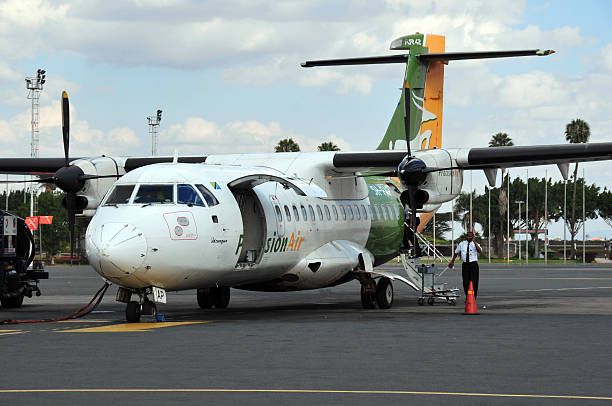 Lake Manyara Family Safari: An Unforgettable Adventure In Tanzania 2026-2027Plan an unforgettable Lake Manyara family safari in Tanzania with Top Guide Adventures. This guide covers wildlife, activities, best times to…View package
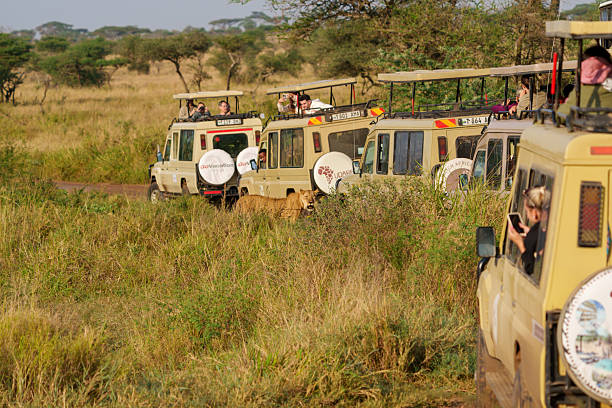 Lake Manyara Tree-Climbing Lion Safari: Your Ultimate Guide 2026-2027A detailed 2026-2027 guide to Lake Manyara Tree-Climbing Lion Safari, with clear planning and booking information for travelers.View package
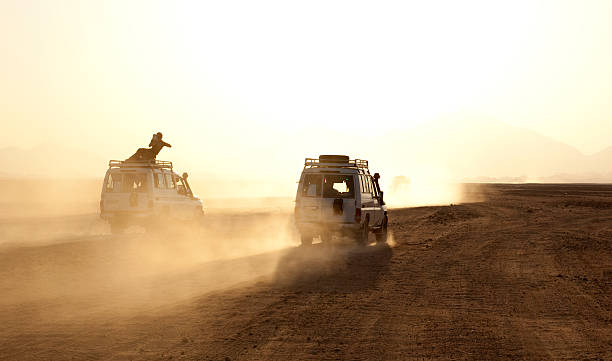 Lake Manyara Canoeing Adventure: Your Ultimate Guide For 2026-2027Discover the tranquility and wildlife encounters of a Lake Manyara canoeing adventure. This guide explores why paddling on this soda lake offers…View packageLake Manyara Night Game Drive: A Unique Tanzania Safari Experience 2026-2027Experience the thrill of a Lake Manyara night game drive, a unique opportunity to witness the park's nocturnal inhabitants. This guide details…View package
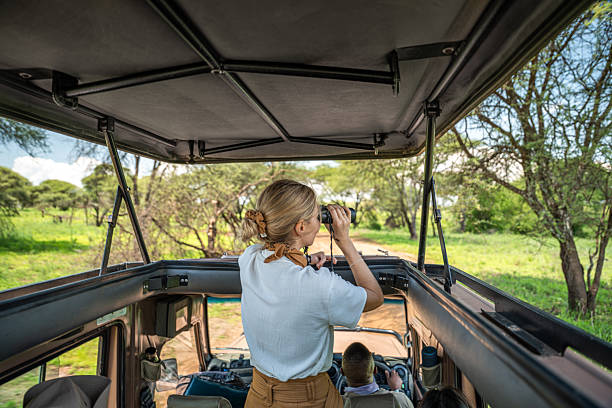 2-Day Lake Manyara And Ngorongoro Safari: Your Essential Tanzania ItineraryDiscover the magic of Tanzania's northern circuit with a concise yet impactful 2-day safari, focusing on the unique ecosystems of Lake Manyara…View package
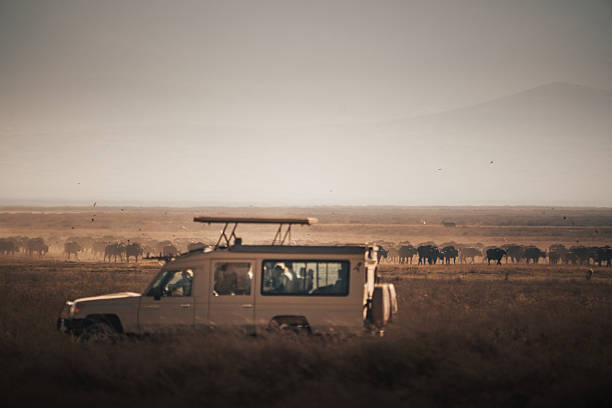 2-Day Lake Manyara And Tarangire Tour: Essential Tanzania Safari ItineraryDiscover the magic of a 2-day Lake Manyara and Tarangire tour, a perfect short safari adventure in Tanzania. This itinerary focuses on two…View package
 1-Day Lake Manyara Treetop Walk: Your Ultimate Guide For 2026-2027Discover the magic of the 1-Day Lake Manyara Treetop Walk, a unique safari experience offering unparalleled views of wildlife and the Rift…View package
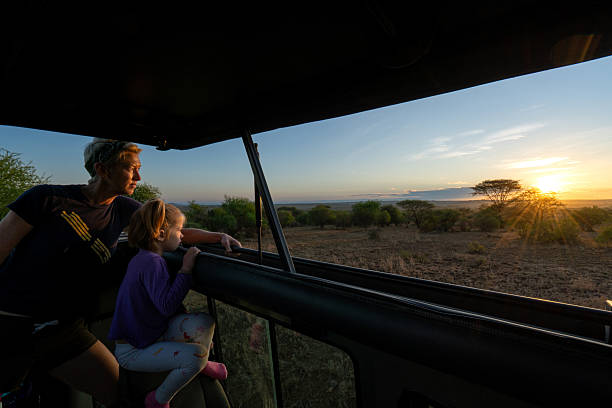 Lake Manyara National Park: Your Ultimate Tanzania Safari Guide 2026-2027Lake Manyara National Park is a jewel in Tanzania's Northern Safari Circuit, renowned for its diverse ecosystems, abundant wildlife, and iconic…View packageTarangire Dry Season Wildlife Package: Your Ultimate Guide For 2026-2027Discover the magic of the Tarangire Dry Season Wildlife Package. This comprehensive guide explores why Tarangire National Park is a must-visit…View packageTarangire Green Season Safari: Your Ultimate Guide For 2026-2027Discover the magic of a Tarangire Green Season safari. Experience lush landscapes, abundant birdlife, and unique wildlife encounters away from…View package
 Tarangire Baobab Photography Tour: Capture Giants In Tanzanias Wild 2026-2027A detailed 2026-2027 guide to Tarangire Baobab Photography Tour, with clear planning and booking information for travelers.View packageTarangire Honeymoon Safari: An Unforgettable African Adventure For CouplesA Tarangire honeymoon safari offers an unparalleled romantic escape for couples seeking adventure and wildlife encounters in Tanzania. Discover…View package


