
Lake Manyara National Park offers a compact yet incredibly rich safari experience in Tanzania, celebrated for its large elephant herds, diverse birdlife, and the elusive tree-climbing lions. It’s an ideal destination for a day trip or as part of a longer Northern Circuit itinerary, providing exceptional wildlife viewing opportunities within a stunning Rift Valley setting, perfect for planning your 2026-2027 adventure.
Exploring Lake Manyara National Park: A Compact Gem on the Northern Circuit
located at the base of the Great Rift Valley escarpment, Lake Manyara National Park is one of Tanzania’s most popular safari destinations, and for good reason. While it might be one of the smaller national parks in the country, its ecological diversity is astounding, supporting a surprisingly high density of wildlife. This park is a microcosm of the wider Tanzanian safari experience, offering a concentrated dose of the sights and sounds that make a trip to East Africa so unforgettable. For travelers planning their safaris in 2026 or 2027, Lake Manyara presents a compelling and accessible option, whether as a standalone day trip from Arusha or as a crucial stop on a multi-park adventure.
The park’s landscape is a dramatic interplay of acacia woodlands, grassy plains, thorny scrub, and the shimmering alkaline waters of Lake Manyara itself. This variety of habitats attracts a wide range of animals, making it a fantastic place for spotting wildlife. From majestic elephants and graceful giraffes to a plethora of primates and a dazzling array of bird species, Lake Manyara truly teems with life. The park’s most famous residents, the tree-climbing lions, add an element of mystique and a unique thrill to any safari. These lions are known to rest in the branches of the sausage trees and acacias, a behavior less common in other lion populations, offering photographers and wildlife enthusiasts a rare and special sight.
Top Guide Adventures specializes in crafting bespoke safari experiences across Tanzania, and Lake Manyara National Park is a highlight on many of our itineraries. We understand the nuances of this park and how to best experience its wonders. Whether you’re looking for a short, impactful wildlife encounter or a more in-depth exploration, Lake Manyara delivers. Its accessibility from Arusha, the safari capital of northern Tanzania, makes it a convenient addition to any trip, especially when combined with other iconic parks like Tarangire, the Serengeti, and the Ngorongoro Conservation Area.
The Unique Ecosystem of Lake Manyara
The park’s geography is dominated by the shallow, alkaline Lake Manyara, which expands and contracts with the seasons. This lake is a vital water source, attracting vast numbers of migratory birds, especially during the wetter months. The sight of thousands of flamingos, pelicans, and other water birds creating a pinkish hue across the lake’s surface is a spectacle in itself. Surrounding the lake are groundwater forests, fed by underground springs, which create a lush, green environment supporting a different set of animals, including troops of baboons and various monkey species.
Beyond the groundwater forests, the terrain opens up into savannahs and woodlands. These areas are prime habitats for grazing animals like zebras, wildebeest, buffalo, and impala. The acacia trees, particularly the yellow-barked acacia, are a defining feature of the landscape and are crucial for the park’s famous tree-climbing lions, providing shade and a vantage point. The presence of underground springs also supports a healthy population of elephants, who are often seen browsing in the woodlands or drinking from the streams. The park’s relatively small size means that wildlife is often concentrated, increasing the chances of sightings.
The geological setting, at the edge of the Great Rift Valley, adds another layer of natural beauty. The towering escarpment forms a dramatic backdrop to the park, creating stunning panoramic views. This varied topography, from the lake shores to the forested areas and the open plains, contributes to the park’s rich biodiversity and makes it a fascinating ecosystem to explore.
Wildlife of Lake Manyara: More Than Just Lions
While the tree-climbing lions are the undisputed stars, Lake Manyara National Park is a haven for a wide array of wildlife. The park is home to over 400 species of birds, making it a paradise for birdwatchers. The lake itself attracts large flocks of flamingos, pelicans, storks, and cormorants. In the woodlands and grasslands, you can spot raptors, hornbills, and numerous smaller bird species. The sheer diversity is staggering, and even casual observers will be impressed by the avian activity.
The park boasts a significant population of elephants, often seen in large herds, particularly during the dry season when they congregate around the remaining water sources. These elephants are known for their habit of digging for water in dry riverbeds, a fascinating behavior to witness. You’ll also find large herds of buffalo, wildebeest, and zebras grazing on the plains. The park is also home to diverse antelope species, including impala, dik-dik, waterbuck, and klipspringer.
Primates are abundant, especially in the groundwater forests. Olive baboons are commonly seen, often in large troops, and you might also spot blue monkeys and vervet monkeys. The park’s predator population, besides the tree-climbing lions, includes leopards and cheetahs, though these are more elusive. Hyenas and wild dogs are also present, contributing to the park’s dynamic predator-prey relationships.
The Legendary Tree-Climbing Lions
The most iconic feature of Lake Manyara National Park is undoubtedly its population of tree-climbing lions. Unlike their counterparts in other parts of Africa, these lions have adapted to spend significant time resting on the branches of large trees, such as the sausage tree and the acacia tree. This behavior is thought to be an adaptation to escape the heat and the tsetse flies that can plague the ground level, especially during the hotter months.
Spotting these lions requires a keen eye and a bit of luck. Your experienced guide from Top Guide Adventures will know the best areas and times to search for them. Observing a pride lounging in the trees, silhouetted against the sky, is a truly unique and memorable safari experience. While the behavior is not exclusive to Lake Manyara, the park has the highest concentration of lions exhibiting this trait, making it the prime location to witness it. Planning your safari for the dry season, typically from June to October 2026 or 2027, might increase your chances as animals tend to congregate near water sources and lions may seek cooler resting spots in trees.
Birdlife: A Spectacle for Ornithologists and Casual Observers
Lake Manyara National Park is a designated Important Bird Area (IBA) by BirdLife International, and it’s easy to see why. The park supports an incredible diversity of avian life, with over 400 species recorded. The alkaline lake is a magnet for water birds, providing a dazzling display of color and activity.
- Flamingos: The park is famous for its large flocks of Lesser and Greater Flamingos, which feed on the algae in the lake. During peak season, the lake shore can be a impressive expanse of pink.
- Waterfowl and Waders: Expect to see pelicans, cormorants, herons, egrets, storks (like the Saddle-billed Stork and Marabou Stork), and various species of ducks and geese.
- Raptors: The park’s woodlands and open areas are home to several species of eagles, buzzards, and falcons.
- Forest and Woodland Birds: In the acacia woodlands and groundwater forests, keep an eye out for hornbills (like the Silvery-cheeked Hornbill), rollers, kingfishers, turacos, and various sunbirds and weavers.
- Ground Birds: Ostriches are common on the plains, and you might also spot guinea fowl and various quail species.
For bird enthusiasts, a safari in Lake Manyara offers an unparalleled opportunity to tick off numerous species from their lists. Even if you’re not a dedicated birder, the sheer abundance and variety of birds will undoubtedly impress you. The best time for birdwatching is generally during the wet season (November to May), when migratory birds are present, but resident species are visible year-round.
Activities and Experiences in Lake Manyara
Lake Manyara National Park offers several ways to experience its wildlife and landscapes, catering to different preferences and time constraints. The most common activity is the game drive, but other options provide unique perspectives.
Classic Game Drives
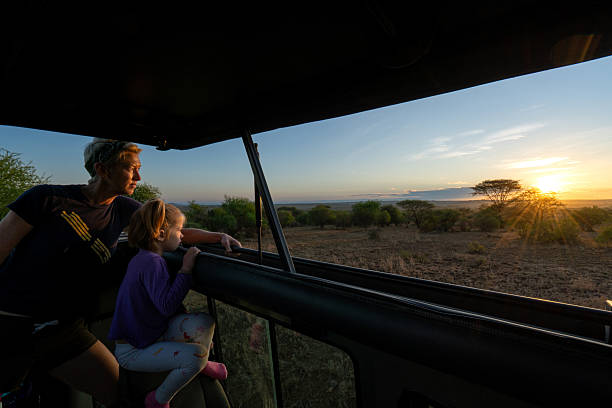
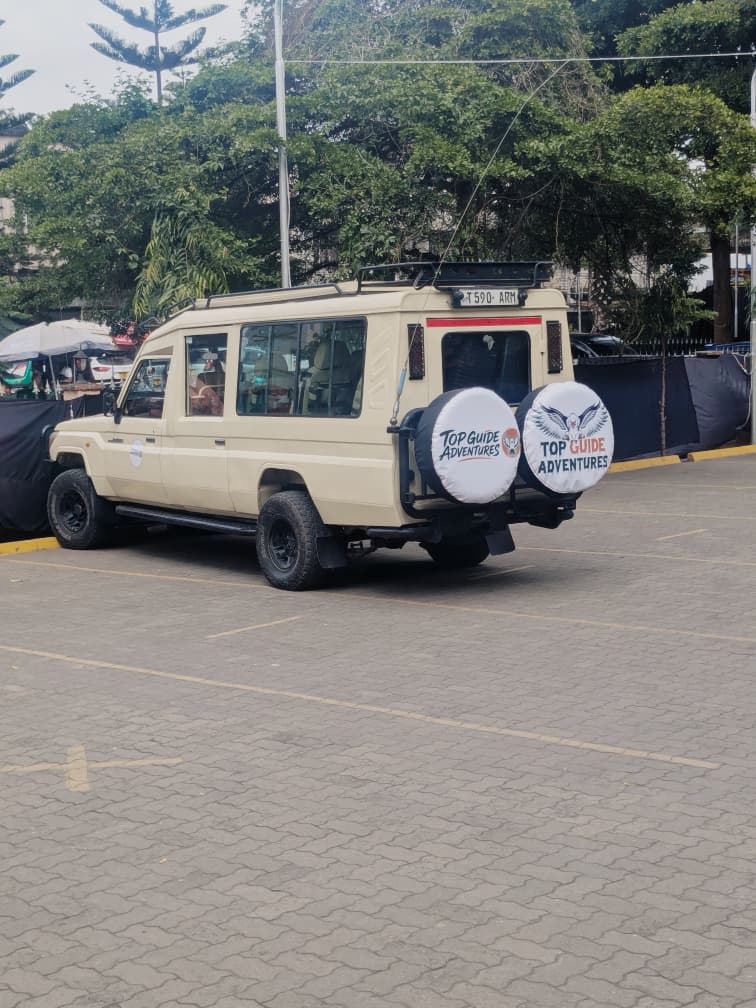
Game drives are the cornerstone of any safari in Lake Manyara. The park has a network of tracks that wind through its diverse habitats, allowing visitors to get close to wildlife. Your safari vehicle, typically a 4×4 Land Cruiser or Land Rover, is equipped with pop-up roofs for optimal viewing and photography. Experienced guides from Top Guide Adventures are adept at tracking animals, interpreting animal behavior, and finding the best spots for sightings.
Morning and Afternoon Drives: Both morning and afternoon game drives are highly productive. Mornings often offer cooler temperatures, with animals being more active. Afternoons provide golden light for photography and can reveal different behaviors as animals prepare for the evening. A full day in the park allows for exploration of different sectors and a more relaxed pace.
What to Expect: During a game drive, you might encounter herds of elephants moving through the trees, giraffes gracefully feeding on acacia leaves, troops of baboons foraging, and if you’re fortunate, the elusive tree-climbing lions. The open plains are ideal for spotting grazers, while the forest areas offer chances to see primates and denser wildlife.
Walking Safaris (Guided)
For a more intimate connection with nature, guided walking safaris are available in designated areas outside the main park boundaries, often bordering the park or in adjacent conservancies. These walks offer a different perspective, allowing you to appreciate the smaller details of the bush, learn about the flora, and track animals on foot. This experience is highly recommended for those who want to feel more connected to the wilderness.
Key Features:
- Sensory Experience: Engage all your senses – smell the wild sage, hear the rustle of leaves, and feel the ground beneath your feet.
- Expert Guidance: Accompanied by an armed ranger and a knowledgeable guide, you’ll learn about tracking, medicinal plants, and the ecosystem in detail.
- Different Pace: A walking safari allows for a slower, more reflective way of experiencing the environment, far from the confines of a vehicle.
Walking safaris are typically offered as part of longer safari packages and require advance booking. Ensure your chosen tour operator, like Top Guide Adventures, can arrange this for you.
Canoe Safaris on Lake Manyara
A unique activity offered at Lake Manyara is a canoe safari on the lake itself. This provides a fantastic opportunity to observe the abundant birdlife from a different angle, as well as see hippos and other animals that frequent the lake shores. Gliding silently on the water allows for peaceful wildlife viewing and excellent photographic opportunities, especially during sunrise or sunset.
Benefits:
- Tranquil Wildlife Viewing: Experience the serenity of the lake and its inhabitants without the noise of a vehicle.
- Birdwatching Paradise: Get closer to water birds and observe their behavior in their natural habitat.
- Unique Perspective: See the park’s landscape and wildlife from water level, offering a fresh viewpoint.
Canoe safaris are usually offered by lodges located on the lake shore or nearby, and availability should be confirmed when booking your safari for 2026 or 2027.
Cultural Tourism and Village Visits
While not strictly within the park, many safaris that include Lake Manyara also incorporate visits to local communities. This offers a chance to interact with the Maasai and other local tribes, learn about their traditional way of life, visit a boma (homestead), and understand their relationship with the surrounding environment. These cultural experiences add a rich human dimension to your safari.
Top Guide Adventures can arrange respectful and authentic cultural tours as part of your itinerary. These visits provide valuable insights into the local culture and support community-based tourism initiatives.
Planning Your Lake Manyara Safari: Best Time to Visit and Logistics
Deciding when to visit Lake Manyara National Park is crucial for maximizing your wildlife viewing and overall experience. The park is accessible year-round, but different seasons offer distinct advantages.
Seasons and Weather
Lake Manyara experiences a tropical climate, with distinct wet and dry seasons.
- Dry Season (June to October): This is the peak tourist season. The weather is generally sunny and dry, with cooler temperatures. Wildlife is easier to spot as animals congregate around permanent water sources. Vegetation is less dense, improving visibility. However, it’s also the busiest and most expensive time to visit. The famous tree-climbing lions are often more visible during these months.
- Short Rains (November to December): A transitional period with occasional showers. The landscape starts to turn green, and tourist numbers decrease, offering a quieter experience.
- Long Rains (January to May): This is the low season. Expect frequent rainfall, though it often comes in heavy downpours followed by sunshine. The park is lush and green, and birdlife is spectacular, especially with migratory birds present. It’s the best time for birdwatching and offers a more budget-friendly option. However, some roads can become challenging, and wildlife may be more dispersed. The calving season for wildebeest in the Serengeti (nearby) occurs around February, which can impact wildlife movements in the broader region.
Best Time for Specific Interests
- Wildlife Viewing: June to October (dry season) for easier spotting and concentrations of animals.
- Birdwatching: November to May (rainy season) when migratory birds are present and resident bird species are active.
- Photography: The dry season offers clear skies, while the rainy season provides lush green landscapes and dramatic storm clouds. Early mornings and late afternoons offer the best light year-round.
- Avoiding Crowds and Budget Travel: January to March (outside of holiday peaks) and the shoulder months of November and April-May offer fewer crowds and potentially lower prices for 2026-2027 trips.
Getting to Lake Manyara
Lake Manyara National Park is conveniently located about 120 kilometers (75 miles) southwest of Arusha, the main safari hub in northern Tanzania. The journey typically takes 2-3 hours by road.
- By Road: This is the most common method. Most safari packages booked with operators like Top Guide Adventures include transportation in a private 4×4 safari vehicle with a professional driver-guide. The roads leading to and within the park are generally in good condition, though they can become rough during the rainy season.
- By Air: While not common for Lake Manyara due to its proximity to Arusha, charter flights can land at small airstrips near the park if required for specific luxury itineraries or tight schedules.
Park Entrance Fees and Regulations (2026-2027 Update)
Park entrance fees are a significant part of the safari budget. These fees are set by Tanzania National Parks Authority (TANAPA) and are subject to change annually. For 2026-2027, expect fees to be in the range of $60-$70 USD per adult per day, with children often paying a reduced rate. These fees are typically included in your safari package price when booked with a reputable tour operator.
Key Regulations:
- Vehicles must stay on designated tracks.
- No off-road driving is permitted.
- Visitors must not feed animals.
- Littering is strictly prohibited.
- Speed limits are enforced to ensure safety and minimize disturbance to wildlife.
- Overnight camping within the park is generally not permitted for standard tourists; accommodation is outside the park or in lodges/camps within designated areas.
Accommodation Options Near Lake Manyara
While Lake Manyara is often visited as a day trip, staying overnight allows for a more relaxed experience and the opportunity to enjoy the park during the quieter early morning and late evening hours. Accommodation options range from budget-friendly lodges to luxurious tented camps and lodges situated both inside and outside the park boundaries.
Lodges and Camps Inside the Park
Staying within the park offers unparalleled proximity to wildlife and the advantage of being able to start your game drives immediately at sunrise. Options are limited and tend to be more exclusive and expensive.
- Luxury Tented Camps: Offer an authentic safari feel with comfortable amenities, often featuring en-suite bathrooms and private verandas.
- Permanent Lodges: Provide more substantial accommodation, often with swimming pools and restaurants, blending into the natural environment.
Lodges and Camps Outside the Park
The area surrounding Lake Manyara, particularly towards Karatu and Mto wa Mbu, offers a wider range of accommodation choices, often at more accessible price points. Many of these lodges are set amidst scenic landscapes or offer views of the Rift Valley escarpment.
- Mid-Range Lodges: Comfortable and well-equipped, offering good value for money.
- Budget Campsites and Guesthouses: Basic but clean facilities for travelers on a tighter budget.
- Boutique Hotels: Charming properties offering personalized service and unique settings.
Top Guide Adventures works with a selection of trusted lodges and camps that align with different budgets and preferences, ensuring a comfortable and memorable stay. We can recommend properties that offer excellent service, stunning locations, and easy access to the park.
Integrating Lake Manyara into Your Northern Circuit Safari
Lake Manyara National Park is a key component of the classic Northern Circuit safari, which typically includes Tarangire National Park, Lake Manyara, the Ngorongoro Conservation Area, and the Serengeti National Park. Its position makes it a natural stop between Arusha and the Ngorongoro Crater.
Typical Itinerary Flow
A common itinerary might look like this:
- Day 1: Arrive in Arusha – Transfer to your hotel and prepare for your safari.
- Day 2: Arusha to Lake Manyara – Enjoy a morning game drive in Lake Manyara National Park, then drive to Karatu or the Ngorongoro area for overnight.
- Day 3: Ngorongoro Crater Tour – Descend into the crater for a full day of wildlife viewing.
- Day 4: Ngorongoro to Serengeti – Drive to the Serengeti National Park, with a stop at Olduvai Gorge if time permits, and begin your game drives.
- Days 5-6: Serengeti National Park – Explore the vast plains of the Serengeti, perhaps following the Great Migration.
- Day 7: Serengeti to Arusha – Morning game drive in the Serengeti, then fly or drive back to Arusha.
This structure allows for efficient travel and maximizes wildlife viewing opportunities across different ecosystems. Lake Manyara’s compact size makes it ideal for a half-day or full-day visit, fitting perfectly into this multi-park circuit.
Why Lake Manyara is Essential
Even on a shorter Northern Circuit, Lake Manyara offers unique experiences not found in the other parks:
- Tree-Climbing Lions: A rare and sought-after sighting.
- Abundant Elephants: Often seen in large numbers.
- Diverse Birdlife: Especially the flamingo spectacle on the lake.
- Groundwater Forests: A distinct habitat supporting primates and other wildlife.
- Scenic Beauty: The Rift Valley escarpment provides stunning backdrops.
Including Lake Manyara ensures you experience the full spectrum of what Tanzania’s Northern Circuit has to offer. For 2026-2027 travel, we recommend booking at least 6-9 months in advance, especially for peak season travel.
Preparing for Your Lake Manyara Safari
Proper preparation is key to a successful and enjoyable safari. Here are some essential tips for your trip to Lake Manyara National Park.
What to Pack
Pack light, neutral-colored clothing that blends with the environment. Avoid bright colors, especially red, which can agitate wildlife.
- Clothing: Lightweight long-sleeved shirts and trousers (for sun and insect protection), t-shirts, shorts, a warm fleece or jacket for cool mornings and evenings, comfortable walking shoes, sandals or flip-flops for camp/lodge.
- Sun Protection: Wide-brimmed hat, sunglasses, high SPF sunscreen.
- Health: Insect repellent (DEET-based), personal first-aid kit, any prescription medications. Consult your doctor about malaria prophylaxis and necessary vaccinations well in advance of your 2026-2027 travel dates.
- Photography: Camera with extra batteries and memory cards, binoculars (essential for wildlife viewing), a zoom lens if possible.
- Documents: Passport, visa (if required), vaccination certificates, travel insurance details, park permits (usually handled by your tour operator).
- Miscellaneous: Reusable water bottle, small backpack for day trips, headlamp or flashlight.
Health and Safety Precautions
Your health and safety are paramount. Top Guide Adventures prioritizes these aspects for all our clients.
- Malaria: Tanzania is a malaria-risk area. Consult your doctor for appropriate antimalarial medication and use insect repellent diligently, especially during dawn and dusk.
- Water: Drink only bottled or purified water. Avoid ice in drinks unless you are sure it’s made from purified water.
- Sun Exposure: The equatorial sun is strong. Stay hydrated and use protective measures against sunburn.
- Wildlife Encounters: Always follow your guide’s instructions. Never approach wild animals, especially on foot. Maintain a safe distance and do not disturb them.
- Road Safety: Safari vehicles are driven by professionals who understand the terrain and wildlife. Remain seated and keep limbs inside the vehicle during game drives.
Choosing a Tour Operator
Selecting the right tour operator is crucial for a well-organized and memorable safari. Top Guide Adventures is committed to providing exceptional safari experiences in Tanzania.
Why Choose Top Guide Adventures?
- Local Expertise: We are a Tanzanian-based company with deep knowledge of the parks, wildlife, and local culture.
- Customized Itineraries: We tailor safaris to your interests, budget, and travel style.
- Experienced Guides: Our guides are professional, knowledgeable, and passionate about wildlife and conservation.
- Quality Vehicles: We use well-maintained 4×4 safari vehicles for comfort and reliability.
- Commitment to Safety and Sustainability: We adhere to strict safety protocols and promote responsible tourism practices.
We can help you plan the perfect Lake Manyara National Park safari for 2026 or 2027, ensuring all logistics are handled smoothly. Feel free to reach out to us for a personalized quote or to discuss your dream safari.
Frequently Asked Questions About Lake Manyara
What is Lake Manyara National Park most famous for?
Lake Manyara National Park is most famous for its tree-climbing lions, large elephant herds, and abundant birdlife, particularly the large flocks of flamingos that often inhabit the lake.
Is Lake Manyara suitable for a day trip?
Yes, Lake Manyara is an excellent choice for a day trip. Its relatively small size and high wildlife density mean you can experience a significant amount of sightings in a single day, especially when combined with the scenic drive along the Rift Valley escarpment.
When is the best time to visit Lake Manyara for wildlife viewing?
The best time for general wildlife viewing in Lake Manyara is during the dry season, from June to October. During this period, animals tend to congregate around water sources, making them easier to spot. The tree-climbing lions are also often more visible during these months.
How does Lake Manyara compare to other Northern Circuit parks like Serengeti or Ngorongoro?
Lake Manyara is much smaller and more compact than the Serengeti or Ngorongoro Crater. While the Serengeti offers vast open plains and the Great Migration, and Ngorongoro boasts a high concentration of wildlife within a caldera, Lake Manyara provides a unique blend of habitats (forest, woodland, savannah, lake) and is particularly known for its specific attractions like tree-climbing lions and exceptional birdlife. It’s often seen as a complementary park rather than a direct replacement.
Can I see the Great Migration at Lake Manyara?
The Great Migration primarily occurs in the Serengeti National Park. While some wildlife movements might extend into areas near Lake Manyara, it is not a primary location for witnessing the main wildebeest and zebra migration events. For the migration, the Serengeti is the destination.
What kind of accommodation is available near Lake Manyara?
Accommodation options range from luxury tented camps and lodges inside the park to mid-range and budget lodges, guesthouses, and campsites located just outside the park, particularly in areas like Mto wa Mbu and Karatu.
Is Lake Manyara safe for tourists?
Yes, Lake Manyara National Park is very safe for tourists when visiting with a reputable tour operator like Top Guide Adventures. Our experienced guides are trained to ensure your safety and adhere to all park regulations. Standard precautions for travel in Africa, such as malaria prevention and drinking bottled water, should be followed.
Your Unforgettable Lake Manyara Safari with Top Guide Adventures
Lake Manyara National Park stands out as a diverse and rewarding safari destination, offering a unique combination of iconic wildlife, stunning landscapes, and vibrant birdlife. Whether you are planning a short day trip or incorporating it into a grander Northern Circuit adventure for 2026 or 2027, its accessibility and rich ecosystems make it a must-visit location.
At Top Guide Adventures, we are passionate about creating authentic and memorable safari experiences. Our team leverages years of local expertise to design itineraries that showcase the best of Lake Manyara and the wider Tanzanian wilderness. We are dedicated to providing personalized service, ensuring comfort, safety, and an unparalleled connection with nature.
We invite you to contact us to start planning your dream safari. Let us help you discover the magic of Lake Manyara National Park. Reach out via WhatsApp at +255616946642, email us at topguideadventures@gmail.com, or use our backup email info@topguideadventures.com to get a personalized quote and itinerary for your Lake Manyara National Park adventure in 2026-2027.
Check Availability for Lake Manyara National Park: Your Ultimate Tanzania Safari Guide 2026-2027
Ready to compare dates, prices, and the best option for your group? Send the package name and travel month so the team can reply with a clear quote, availability, and what is included.
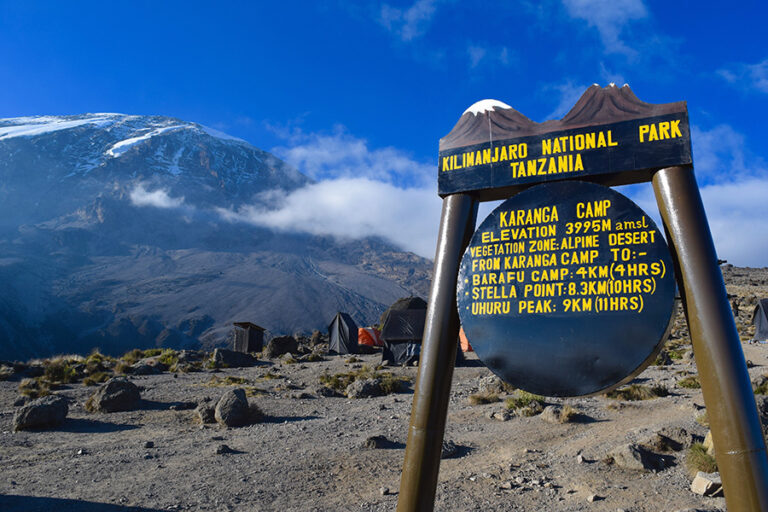
Kilimanjaro Climb & West Safari: The Ultimate Tanzania Adventure 2026-2027
Experience the pinnacle of Tanzania with a combined Kilimanjaro climb and West Kilimanjaro safari. This guide details itineraries, preparation, and what to expect for your 2026-2027...
View package details
Kilimanjaro Climb With Mkomazi Rhino Safari 2026-2027
Kilimanjaro Climb with Mkomazi Rhino Safari is explained with current 2026-2027 planning, price, itinerary and booking information.
View package details
Kilimanjaro Climb With Amboseli Safari Extension: Your Ultimate Tanzania
Experience the pinnacle of African adventure by combining a challenging Kilimanjaro climb with a impressive safari in Amboseli National Park. This guide details itineraries, costs, best...
View package details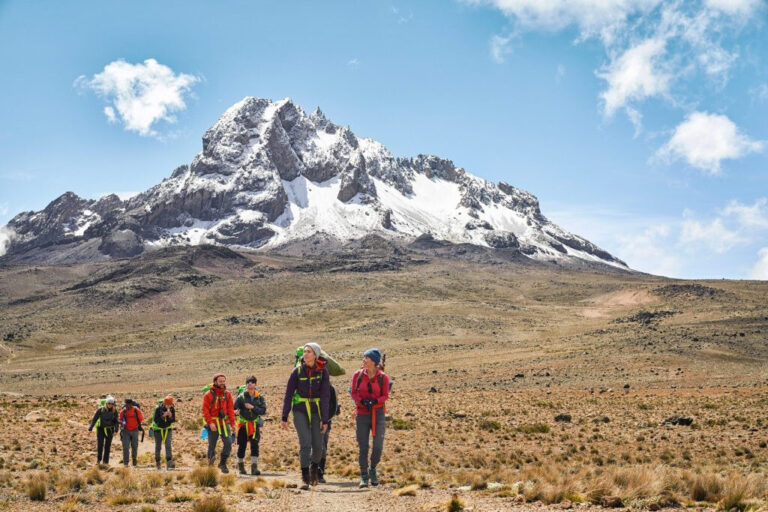
18-Day Kilimanjaro And Northern Tanzania Grand Adventure: Trek, Safari &
An 18-day itinerary blending Kilimanjaro's summit with Northern Tanzania's wildlife and culture offers a comprehensive African experience. This adventure typically includes a multi-day trek...
View package details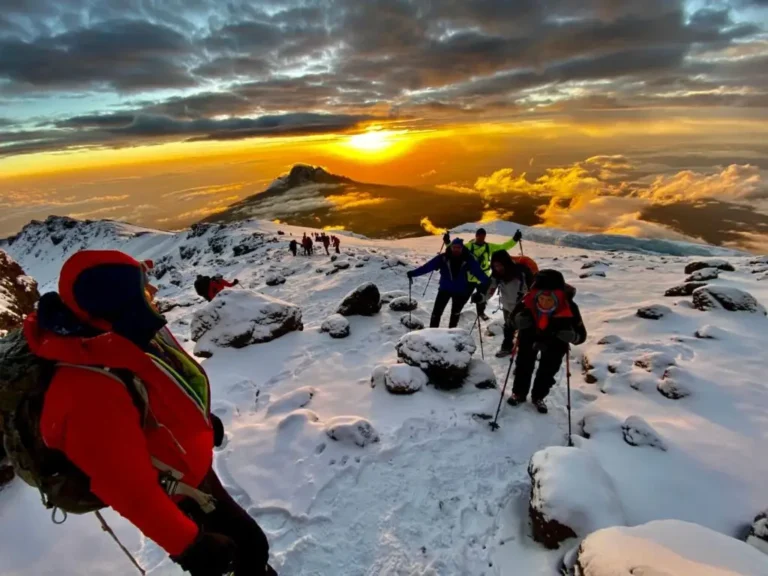
17-Day Kilimanjaro, Serengeti, Ngorongoro & Zanzibar Tour: Your Ultimate
This 17-day tour combines the iconic Mount Kilimanjaro climb with unparalleled wildlife safaris in the Serengeti and Ngorongoro Crater, culminating in a relaxing beach escape in Zanzibar...
View package details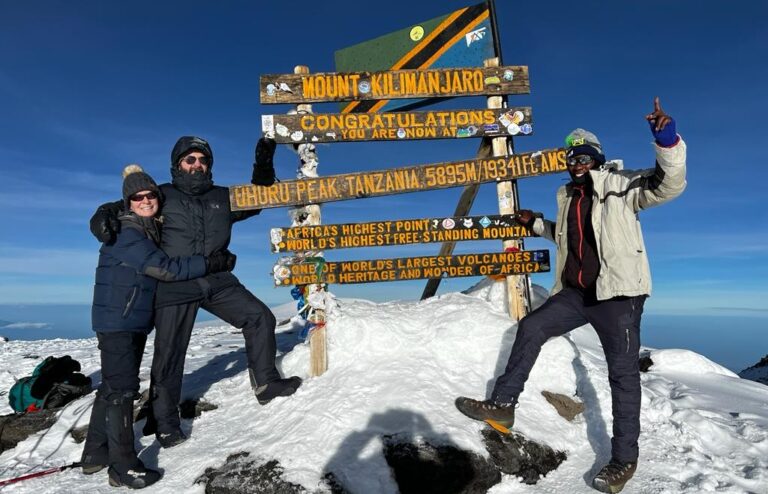
15-Day Kilimanjaro, Great Migration & Zanzibar Beach Package | Top Guide
Combine the thrill of summiting Mount Kilimanjaro, witnessing the iconic Great Migration in the Serengeti, and unwinding on the pristine beaches of Zanzibar in one unforgettable 15-day...
View package details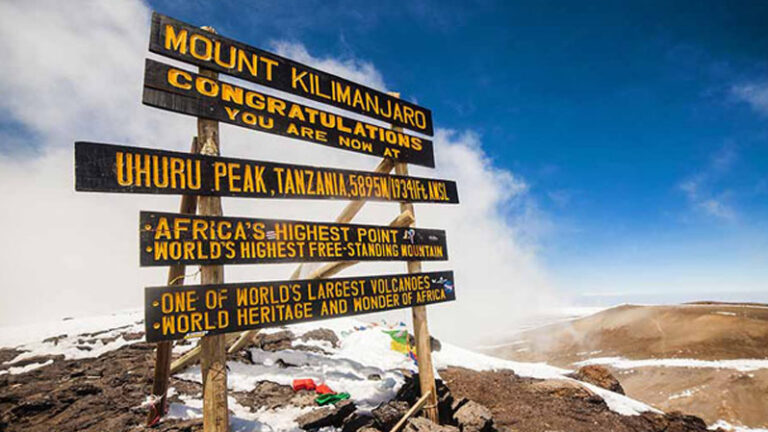
11-Day Kilimanjaro Acclimatization, Summit And Safari Package 2026-2027
11-Day Kilimanjaro Acclimatization, Summit and Safari Package is explained with current 2026-2027 planning, price, itinerary and booking information.
View package details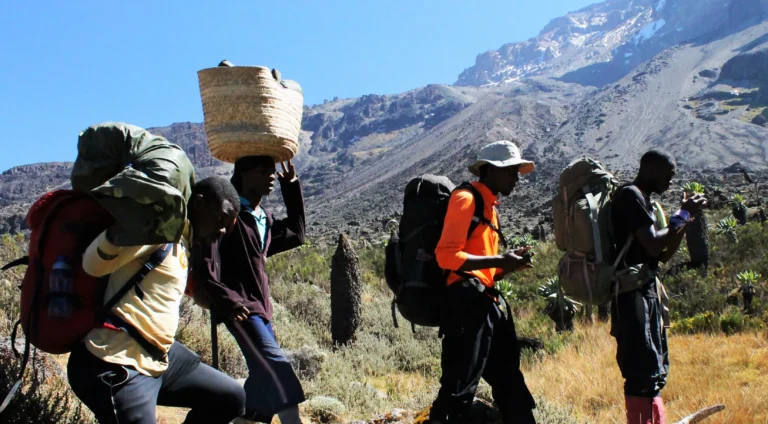
Kilimanjaro Safari First Vs Zanzibar 2026-2027
Kilimanjaro Safari First vs Zanzibar First is explained with current 2026-2027 planning, price, itinerary and booking information.
View package detailsKilimanjaro Safari And Climb Package For Seniors: Your Adventure 2026-2027
Top Guide Adventures offers tailored Kilimanjaro safari and climb packages for seniors in 2026-2027, focusing on safety, comfort, and an unforgettable Mount Kilimanjaro experience. Explore...
View package details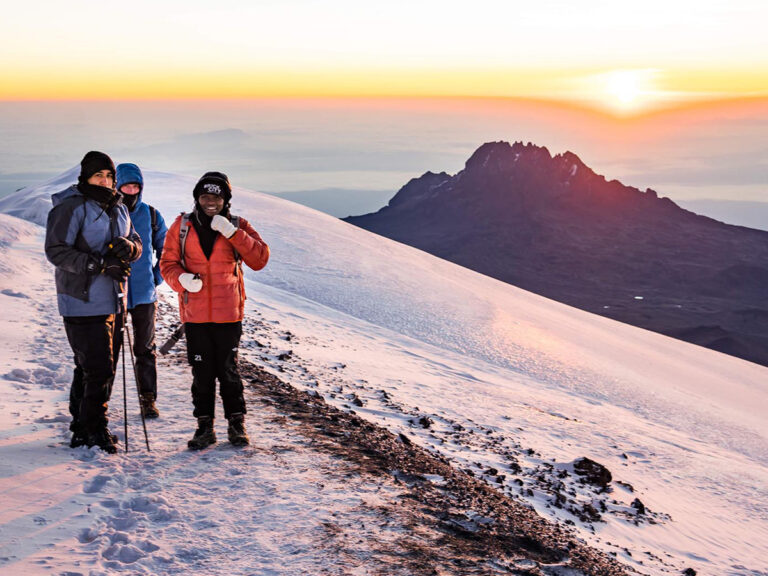
Kilimanjaro Graduation And Family Safari Package: Summit Success & Wildlife
Combine the ultimate achievement of summiting Mount Kilimanjaro with an unforgettable family safari in Tanzania. Top Guide Adventures curates these packages, blending adventure, cultural...
View package details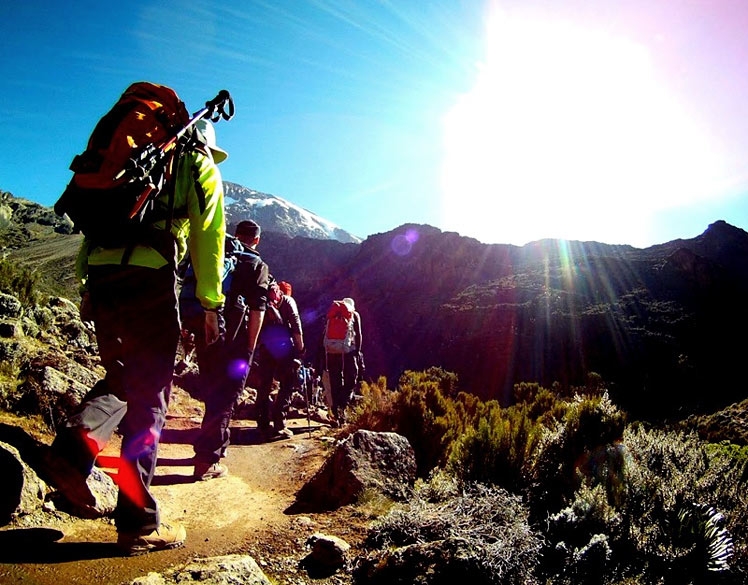
Kilimanjaro Family Safari After The Summit Guide
Extend your incredible Kilimanjaro achievement with a family safari in Tanzania. Top Guide Adventures crafts unforgettable post-summit experiences for 2026-2027, blending the thrill of...
View package detailsNo related package matches those filters. Clear one or more filters to see the other topic-matched options.



