
A January Kilimanjaro Photography Expedition in 2026-2027 offers clear skies, less crowded trails, and dramatic snow-capped summit views, making it an ideal time for photographers to capture the Roof of Africa. Top Guide Adventures specializes in crafting these unique expeditions, focusing on routes like the Lemosho or Machame for optimal photographic opportunities, typically spanning 7-9 days, and including essential services like guides, porters, accommodation, meals, and park fees to ensure a successful and memorable adventure.

Why Choose January for Your Kilimanjaro Photography Expedition?
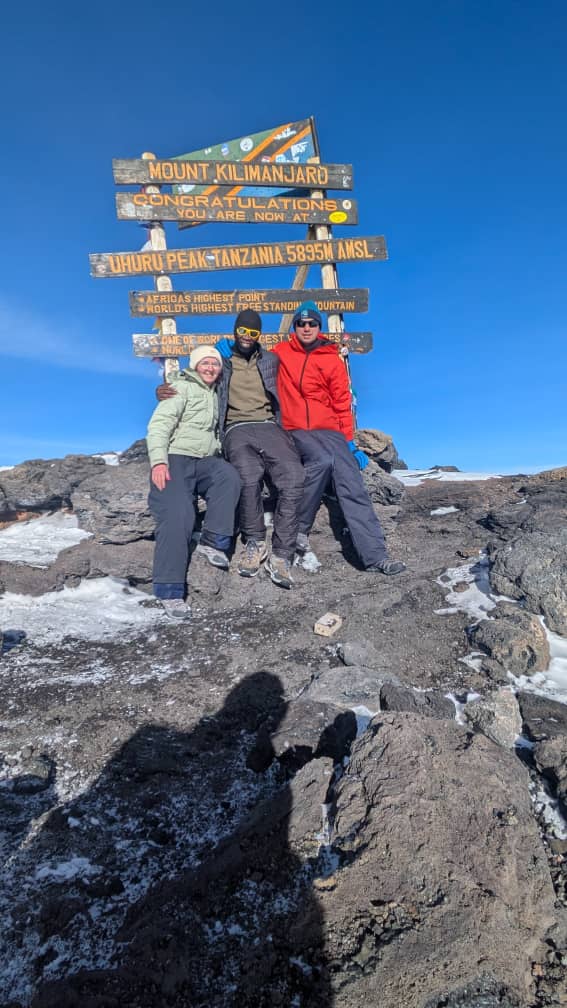
Kilimanjaro, a dormant volcano in Tanzania, is not just a bucket-list trekking destination; it’s a photographer’s paradise. The sheer scale, diverse ecosystems from rainforest to arctic summit, and the ethereal beauty of its glacial formations provide endless subjects. For photographers, the timing of a climb can significantly impact the quality of their shots. January stands out as a prime month for a January Kilimanjaro Photography Expedition, especially for those planning their adventure in the 2026-2027 travel seasons. The primary reason is the weather. January falls within Kilimanjaro’s dry season, offering some of the clearest skies and best visibility of the year. This clarity is crucial for capturing the expansive panoramas and the iconic snows of the summit. Unlike the wetter months, January typically experiences less cloud cover, meaning more opportunities for dramatic sunrises, sunsets, and unobstructed views of the surrounding plains and Mount Meru. Furthermore, January is generally less crowded than the peak months of July and August. While still a popular time, you’ll find fewer trekkers on the trails and at the camps, allowing for a more serene experience and greater freedom to set up your shots without obstruction. This tranquility is invaluable for photographers seeking to capture the essence of Kilimanjaro without the constant presence of other groups.
The unique atmospheric conditions in January can also contribute to striking photographic moments. The crisp air often leads to vibrant colors in both the sky and the landscape. Snowfall on the summit is more likely during the dry season, adding a majestic, almost otherworldly dimension to your photographs. Imagine capturing the first light hitting the ice walls of the crater, or the vastness of the African continent stretching out below a snow-dusted Uhuru Peak. These are moments that define a January Kilimanjaro Photography Expedition.
For photographers, the technical advantages of January’s weather cannot be overstated. Reduced dust means cleaner air and sharper images. The consistent daylight hours, while shorter than in summer, are sufficient for extensive shooting, and the cooler temperatures are more comfortable for carrying camera gear and hiking for extended periods. Planning a Kilimanjaro photography trip for 2026 or 2027 in January means capitalizing on these favorable conditions. Top Guide Adventures understands these nuances and helps photographers plan their expeditions to maximize photographic opportunities, advising on the best routes and timings within January to ensure you get the shots you envision.
Planning Your January Kilimanjaro Photography Expedition: Key Considerations
A successful January Kilimanjaro Photography Expedition requires meticulous planning, especially when you consider the specific needs of a photographer. Beyond the standard trekking preparations, you’ll need to think about your gear, itinerary, and the unique demands of capturing high-altitude landscapes and your personal journey.
Choosing the Right Route for Photographers
While several routes ascend Kilimanjaro, some are more conducive to photography than others. For a January Kilimanjaro Photography Expedition, routes that offer varied scenery, good acclimatization profiles, and stunning vantage points are paramount. Top Guide Adventures recommends routes that balance photographic potential with climbing success rates.
- Lemosho Route: Often considered the most scenic route, Lemosho offers impressive views from the start. Its western approach provides incredible sunrise and sunset opportunities over the plains. The longer duration (7-8 days) allows for better acclimatization, crucial for maintaining energy for photography. The varied landscapes, from lush forests to the stark alpine desert and glacial zone, offer a rich portfolio of photographic subjects. Its remote start also means fewer people, enhancing the photographic experience.
- Machame Route: Known as the ‘Whiskey Route,’ Machame is popular for its excellent acclimatization profile and dramatic scenery. It circles the mountain, offering diverse perspectives. The approach to Lava Tower and Barranco Wall presents fantastic photographic opportunities, especially during sunrise and sunset. A 7-day Machame trek is ideal for photographers wanting a good balance of challenge, scenery, and acclimatization for their January Kilimanjaro Photography Expedition.
- Northern Circuit: This is the longest route (9 days), offering the best acclimatization and the most comprehensive views as it circles the mountain’s northern slopes. For photographers who prioritize success and a less rushed experience, the Northern Circuit is exceptional. It provides unique photographic perspectives, particularly of the mountain’s often-overlooked northern aspects, and allows ample time to appreciate and capture the changing landscapes.
While routes like Marangu are shorter and offer hut accommodation, they are generally less scenic and have lower success rates, making them less ideal for a dedicated photography expedition. For 2026-2027 travel plans, considering a longer route like Lemosho or Northern Circuit will significantly enhance your photographic opportunities and overall experience.
Essential Photography Gear for Kilimanjaro
Your camera is your primary tool, but selecting the right gear is critical for a January Kilimanjaro Photography Expedition. Weight and durability are key concerns at high altitudes.
- Camera Body: A reliable DSLR or mirrorless camera that can handle cold temperatures and is relatively lightweight. Consider a backup body if possible.
- Lenses: A versatile zoom lens (e.g., 24-70mm or 24-105mm) is essential for landscapes and general shots. A wide-angle lens (e.g., 14-24mm or 16-35mm) is perfect for grand vistas and star photography (if you have clear nights). A telephoto lens (e.g., 70-200mm) can be useful for wildlife sightings or compressing distant landscapes.
- Tripod: A lightweight, sturdy tripod is crucial for low-light conditions, sunrise/sunset shots, and astrophotography. Ensure it’s easy to set up and stable in windy conditions.
- Batteries: Cold drains batteries quickly. Bring multiple spare batteries and keep them warm in your pocket or a fleece-lined bag when not in use.
- Memory Cards: Ample storage is vital. Bring more cards than you think you’ll need.
- Filters: A polarizing filter can enhance sky colors and reduce glare. Neutral density (ND) filters can be useful for long exposures during daylight.
- Cleaning Kit: Lens cloths, a blower, and lens cleaning solution are indispensable for keeping your gear dust- and moisture-free.
- Power Bank/Solar Charger: For recharging batteries and devices, especially if you plan to use a smartphone for photography or navigation.
- Camera Bag/Backpack: A comfortable, durable, and weather-resistant backpack (around 30-40L) is needed for your daily photography gear. Ensure it has good padding and easy access.
Top Guide Adventures advises photographers to practice with their gear extensively before the expedition. Familiarity with your equipment will save you valuable time and energy on the mountain. Remember that porters will carry your main luggage, but your camera gear will be with you daily.
Clothing and Layering for January Conditions
January on Kilimanjaro offers diverse weather. You’ll experience tropical warmth in the rainforest, cool temperatures in the moorland and alpine desert, and extreme cold at the summit. Layering is key for comfort and performance during your January Kilimanjaro Photography Expedition.
- Base Layers: Moisture-wicking thermal tops and bottoms (merino wool or synthetic).
- Mid Layers: Fleece jacket or insulated jacket for warmth.
- Outer Layer (Shell): Waterproof and windproof jacket and trousers. A down jacket is essential for summit night and cold evenings.
- Headwear: Warm beanie, sun hat, and a balaclava or neck gaiter for summit night.
- Gloves: Thin liner gloves and warm, waterproof outer gloves or mittens.
- Footwear: Broken-in hiking boots, comfortable camp shoes, and warm socks (wool).
The summit night can drop to -15°C to -20°C (5°F to -4°F) or even colder with wind chill. Proper insulation is non-negotiable. For photographers, ensuring your gloves allow for camera operation is important – consider glove liners or photography-specific gloves.
Acclimatization Strategy for Photographers
Altitude sickness is a significant concern for any Kilimanjaro trekker, and photographers are not immune. A slower pace, allowing ample time for acclimatization, is vital. This is where choosing a longer route for your January Kilimanjaro Photography Expedition pays dividends. The principle of ‘Pole Pole’ (slowly, slowly) is especially relevant for photographers who might want to stop frequently to capture a scene. Guides from Top Guide Adventures are trained to monitor for signs of altitude sickness and will ensure your group moves at a safe pace. Adequate hydration and avoiding alcohol and strenuous activity on ascent days are critical. Photographers should also be mindful that carrying heavy camera gear can increase exertion, so maintaining a conservative pace is even more important.
The January Kilimanjaro Photography Expedition Itinerary: A Day-by-Day Look
While specific itineraries vary by route and duration, a typical January Kilimanjaro Photography Expedition using a popular route like Machame (7 days) or Lemosho (8 days) would look something like this. These examples highlight photographic opportunities at each stage.
Example: 7-Day Machame Route Photography Expedition (January 2027)
Day 1: Machame Gate to Machame Camp
Distance: 11 km / 7 miles
Trekking Time: 5-7 hours
Altitude Gain: 1,080m / 3,540 ft
The expedition begins at Machame Gate (1,800m / 5,905 ft). The trek starts in the dense rainforest, a fantastic opportunity for macro photography, capturing the lush vegetation, unique flora, and perhaps even some of Kilimanjaro’s smaller inhabitants. The air is humid and rich with life. Look for colobus monkeys and various bird species. Your guides will point out interesting plants and explain their significance. The path can be muddy, so waterproof gear is essential. Machame Camp is situated at 3,000m (9,840 ft) on the edge of the forest reserve.
Day 2: Machame Camp to Shira 2 Camp
Distance: 5 km / 3 miles
Trekking Time: 4-6 hours
Altitude Gain: 820m / 2,690 ft
Today, you ascend out of the rainforest into the moorland zone. The landscape opens up, offering wider vistas. You’ll traverse across a scenic ridge, and as you gain altitude, the views of the Kibo massif become more prominent. Shira 2 Camp (3,820m / 12,530 ft) is located on a plateau with spectacular, unobstructed views, especially towards sunset. This is your first real chance to capture the grandeur of Kilimanjaro against the vast African sky. The clear January air often makes for vibrant sunset colors.
Day 3: Shira 2 Camp to Barranco Camp
Distance: 10 km / 6 miles
Trekking Time: 5-7 hours
Altitude Gain: 480m / 1,575 ft
This day involves crossing a series of ascents and descents, including the famous Lava Tower (4,640m / 15,220 ft), a massive volcanic rock formation. This is a great spot for dramatic landscape shots. The trek continues to descend into the Barranco Valley, where Barranco Camp (3,950m / 12,960 ft) is located. The valley is known for its giant senecios and lobelias, offering unique photographic subjects. The dramatic Barranco Wall looms above, a challenging yet rewarding climb the next day, and a stunning backdrop for early morning and late afternoon light.
Day 4: Barranco Camp to Karanga Camp
Distance: 5 km / 3 miles
Trekking Time: 3-5 hours
Altitude Gain: 290m / 950 ft
The day starts with the scramble up the Barranco Wall. This is an exciting part of the trek and offers excellent photographic opportunities looking back down the valley. Once over the wall, the terrain becomes less steep, leading through the Karanga Valley. You’ll gain and lose altitude as you trek towards Karanga Camp (4,030m / 13,220 ft). The alpine desert landscape is stark and beautiful, with views of Kilimanjaro’s glaciers becoming more apparent. The clear January skies offer excellent opportunities to capture the texture and scale of the mountain’s upper reaches.
Day 5: Karanga Camp to Barafu Camp
Distance: 4 km / 2.5 miles
Trekking Time: 3-5 hours
Altitude Gain: 550m / 1,800 ft
This is a shorter trekking day, designed to allow for rest and preparation for summit night. The path is steep, ascending through the alpine desert towards Barafu Camp (4,640m / 15,220 ft). Barafu Camp is situated on a rocky ridge, exposed to the elements, but offers incredible panoramic views. You’ll have a clear view of the summit cone. The afternoon is spent resting, hydrating, and preparing your gear. This is a crucial time for photographers to check batteries, clean lenses, and mentally prepare for the challenging summit push. The stark, high-altitude landscape around Barafu Camp is dramatically beautiful, especially under the crisp January light.
Day 6: Barafu Camp to Summit (Uhuru Peak) to Mweka Camp
Distance: 15 km / 9 miles (Barafu to Uhuru and down to Mweka)
Trekking Time: 7-9 hours (summit) + 4-6 hours (descent)
Altitude Gain: 1,240m / 4,070 ft (to summit)
Altitude Loss: 2,760m / 9,055 ft (to Mweka)
Summit night begins around midnight. You’ll ascend Stella Point (5,756m / 18,885 ft) and then Uhuru Peak (5,895m / 19,341 ft), the highest point in Africa. The pre-dawn climb is challenging, requiring headlamps. The reward is witnessing the sunrise from the roof of Africa, an unforgettable moment for any photographer. Capturing the first rays of sun hitting the glaciers and the crater rim is a highlight. After celebrating at Uhuru Peak, you begin the long descent, passing Barafu Camp and continuing down to Mweka Camp (3,100m / 10,170 ft). The descent offers spectacular views of the landscape you traversed earlier, now seen from a different perspective.
Day 7: Mweka Camp to Mweka Gate
Distance: 10 km / 6 miles
Trekking Time: 3-5 hours
Altitude Loss: 1,400m / 4,590 ft
The final day’s trek takes you back through the rainforest to Mweka Gate (1,640m / 5,380 ft). The mood is celebratory, and the forest offers a final chance for some green-themed shots. You’ll be met by your driver and transferred back to your hotel in Moshi or Arusha. This marks the end of your January Kilimanjaro Photography Expedition, with memories and images to last a lifetime.
Example: 8-Day Lemosho Route Photography Expedition (January 2026)
The Lemosho route offers a more gradual ascent and stunning scenery, making it exceptionally rewarding for photographers. An 8-day itinerary provides better acclimatization, increasing success rates and allowing more time for photography.
Day 1: Londorossi Gate to Mti Mkubwa Camp
Distance: 6 km / 4 miles
Trekking Time: 3-4 hours
Altitude Gain: 750m / 2,460 ft
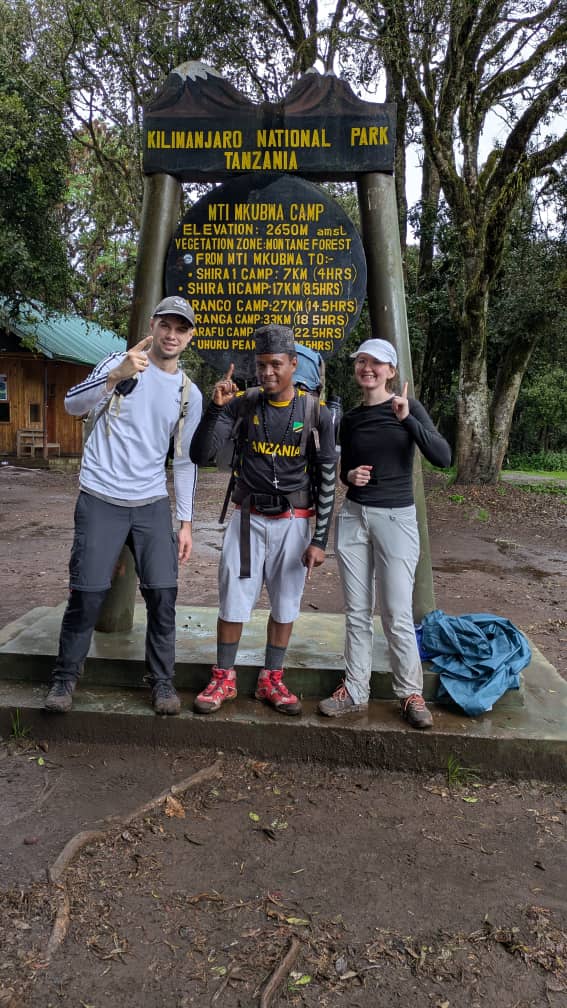
Begin at Londorossi Gate (2,200m / 7,218 ft) and drive to the trailhead. The trek starts through the rainforest. This initial phase is excellent for capturing the dense forest ecosystem, unique plants, and potential wildlife sightings. Mti Mkubwa Camp (2,950m / 9,678 ft) is situated in the forest.
Day 2: Mti Mkubwa Camp to Shira 1 Camp
Distance: 10 km / 6 miles
Trekking Time: 5-7 hours
Altitude Gain: 770m / 2,526 ft
Ascend out of the rainforest into the heath and moorland zone. The landscape opens up dramatically. You’ll reach the Shira Plateau, a vast, high-altitude grassland offering expansive views. Shira 1 Camp (3,720m / 12,205 ft) provides stunning vistas, particularly as the sun sets over the plateau. This is a prime spot for wide-angle landscape photography.
Day 3: Shira 1 Camp to Shira 2 Camp / Cathedral Point
Distance: 7 km / 4 miles
Trekking Time: 4-6 hours
Altitude Gain: 340m / 1,115 ft
Trek across the Shira Plateau towards Shira 2 Camp (3,850m / 12,631 ft). The views of Kibo and Meru are spectacular. Optional side trip to Cathedral Point offers even more impressive panoramas. The clear January air enhances the visibility and sharpness of distant peaks and the plains below.
Day 4: Shira 2 Camp to Lava Tower to Barranco Camp
Distance: 10 km / 6 miles
Trekking Time: 6-8 hours
Altitude Gain: 790m / 2,592 ft (to Lava Tower)
Altitude Loss: 670m / 2,198 ft (to Barranco)
This is a crucial acclimatization day. You’ll trek towards the Lava Tower (4,630m / 15,190 ft), a prominent landmark, before descending to Barranco Camp (3,970m / 13,025 ft). The descent into the Barranco Valley offers unique photographic opportunities with its giant groundsels and lobelias. The dramatic Barranco Wall is a striking feature.
Day 5: Barranco Camp to Karanga Camp
Distance: 5 km / 3 miles
Trekking Time: 3-5 hours
Altitude Gain: 100m / 330 ft
Ascend the Barranco Wall, a challenging scramble that rewards with incredible views. Continue through the alpine desert to Karanga Camp (4,200m / 13,780 ft). The landscape is starkly beautiful, with the summit glaciers becoming more visible. January’s clear conditions allow for sharp, detailed shots of the mountain’s upper reaches.
Day 6: Karanga Camp to Barafu Camp
Distance: 4 km / 2.5 miles
Trekking Time: 3-5 hours
Altitude Gain: 440m / 1,444 ft
A relatively short trek to Barafu Camp (4,640m / 15,220 ft), situated on a rocky ridge. This day is about resting and preparing for summit night. The stark, high-altitude environment offers dramatic photographic potential, with the summit cone looming large.
Day 7: Barafu Camp to Summit (Uhuru Peak) to Millennium Camp
Distance: 13 km / 8 miles (Barafu to Uhuru and down to Millennium)
Trekking Time: 7-9 hours (summit) + 4-5 hours (descent)
Altitude Gain: 1,255m / 4,117 ft (to summit)
Altitude Loss: 2,195m / 7,201 ft (to Millennium)
The summit push begins in the early morning hours. Reaching Uhuru Peak (5,895m / 19,341 ft) for sunrise is a photographer’s dream. Capture the incredible glacial formations and the expansive views. After summiting, descend to Millennium Camp (3,800m / 12,467 ft), located in a pleasant forest clearing.
Day 8: Millennium Camp to Mweka Gate
Distance: 12 km / 7.5 miles
Trekking Time: 4-6 hours
Altitude Loss: 2,200m / 7,218 ft
The final descent through the rainforest to Mweka Gate (1,640m / 5,380 ft). Celebrate your achievement and capture final shots of the lush environment. Transfer to your hotel.
Maximizing Photographic Opportunities in January
Beyond the route and gear, specific strategies can elevate your January Kilimanjaro Photography Expedition from a trek with photos to a dedicated photographic journey.
Sunrise and Sunset Photography
January’s clear skies and distinct daylight hours make sunrise and sunset particularly spectacular. On clear mornings, the sunrise from the crater rim or Uhuru Peak is legendary. Photographers should aim to be in position well before dawn, with their gear ready. Golden hour light, just after sunrise and before sunset, casts a warm, soft glow on the landscape, highlighting textures and contours. Campsites like Shira 2, Barranco, and Barafu offer excellent vantage points. Plan your trekking days to arrive at these locations with enough daylight to scout compositions and set up for the evening light show.
Astrophotography: Capturing the Night Sky
Kilimanjaro’s high altitude and remote location, far from light pollution, make it an exceptional spot for astrophotography. January’s dry season typically means clear nights. The Milky Way can be incredibly vivid. Using a wide-angle lens, a sturdy tripod, and long exposure settings (e.g., 20-30 seconds at f/2.8, ISO 1600-3200), you can capture stunning images of the star-filled sky, potentially with the silhouette of Kilimanjaro’s summit. Ensure your camera’s manual focus is set to infinity. Practice these settings before your climb.
Capturing the Glaciers and Ice Formations
The summit glaciers are iconic but shrinking. January, being in the dry season, often means they are well-defined and potentially dusted with snow, creating dramatic visual contrasts. Photographing these ancient ice formations requires careful attention to light and shadow. The interplay of sunlight on the ice, especially during the blue hour or golden hour, can produce stunning results. Be mindful of the extreme cold when shooting on the summit; protecting your camera and hands is paramount.
Documenting the Journey: People and Culture
A January Kilimanjaro Photography Expedition is also about the human element. Capture the camaraderie among trekkers, the dedication of the guides and porters, and the personal challenge of the ascent. Candid shots during rest breaks, moments of exertion, and celebrations at the summit tell a powerful story. Engage respectfully with your crew; they are integral to your experience and can offer unique insights. Always ask for permission before taking close-up portraits.
Wildlife and Flora Photography
While Kilimanjaro is not primarily a wildlife destination like the Serengeti, the rainforest zone on the lower slopes is rich in biodiversity. Keep an eye out for monkeys (colobus, blue monkeys), various bird species, and unique plants like giant groundsels and lobelias. January’s weather can mean lush vegetation, offering vibrant colors for plant photography. Using a macro lens or a telephoto lens can be beneficial for these subjects.
Preparing for the Challenges of a January Climb
While January offers excellent weather, challenges remain. Understanding these and preparing accordingly is key for a successful January Kilimanjaro Photography Expedition.
High Altitude and Its Effects
Altitude sickness (Acute Mountain Sickness – AMS) can affect anyone, regardless of fitness level. Symptoms include headache, nausea, dizziness, and fatigue. The best prevention is slow ascent (‘Pole Pole’), proper hydration, and adequate rest. Choosing a longer route (7-9 days) significantly improves acclimatization. Your guides will monitor you closely. Photographers should be aware that the exertion of carrying camera gear can exacerbate symptoms, so maintaining a conservative pace is essential.
Extreme Cold at the Summit
Summit night is the coldest part of the trek. Temperatures can plummet well below freezing, especially with wind chill. Comprehensive layering, including a heavy down jacket, warm gloves, hat, and balaclava, is crucial. Protect your camera gear from the cold; batteries lose power rapidly, and condensation can form when moving between extreme temperatures. Keep spare batteries and your camera close to your body when not in use.
Logistics and Support with Top Guide Adventures
Choosing a reputable tour operator like Top Guide Adventures is vital for a smooth and safe expedition. For a January Kilimanjaro Photography Expedition, we provide:
- Experienced, certified guides trained in high-altitude trekking and basic first aid.
- A dedicated crew of porters to carry your main luggage, tents, and equipment.
- Nutritious, well-balanced meals prepared by camp cooks.
- High-quality tents and camping equipment.
- Park fees and rescue fees.
- Transfer to and from the mountain.
- Pre- and post-climb accommodation in a comfortable hotel.
We understand the specific needs of photographers and can discuss itinerary adjustments to maximize photographic opportunities, ensuring you have adequate time for shots without compromising safety or acclimatization. For your 2026-2027 January Kilimanjaro Photography Expedition, we offer personalized support.
Why Trust Top Guide Adventures for Your Expedition?
Top Guide Adventures is a leading Tanzanian tour operator committed to providing exceptional travel experiences. Our expertise in Kilimanjaro climbs, particularly specialized expeditions like a January Kilimanjaro Photography Expedition, sets us apart. We pride ourselves on:
- Local Expertise: Being based in Tanzania, we have in-depth knowledge of Kilimanjaro, its routes, weather patterns, and the logistics required for a successful climb.
- Safety First: The safety and well-being of our clients are paramount. We adhere to strict safety protocols, employ experienced guides, and ensure adequate emergency provisions.
- Personalized Service: We offer tailored experiences, understanding that a photography expedition has unique requirements. We work closely with clients to customize itineraries and provide support throughout their journey.
- Ethical Operations: We are committed to fair treatment of our guides and porters, ensuring they are well-equipped, paid fairly, and treated with respect. This ethical approach contributes to a positive team dynamic on the mountain.
- Proven Track Record: Our clients consistently praise our professionalism, support, and the overall quality of their expeditions. See our reviews on TripAdvisor.
When planning your January Kilimanjaro Photography Expedition for 2026 or 2027, choosing Top Guide Adventures means partnering with a team dedicated to making your dream of photographing the Roof of Africa a reality. We handle the complexities of the climb so you can focus on capturing stunning images.
Booking Your January Kilimanjaro Photography Expedition 2026-2027
Ready to capture the magic of Kilimanjaro in January? The best time to book your January Kilimanjaro Photography Expedition for the 2026-2027 seasons is well in advance. This allows us to secure permits, arrange the best guides and crew, and ensure all logistical details are in place for your specific needs, especially as a photographer.
Contact Top Guide Adventures today to discuss your photography goals and start planning your adventure. We offer competitive pricing based on group size, route choice, and duration. Our packages are comprehensive, designed to provide a safe, enjoyable, and unforgettable experience.
For inquiries and bookings for your January Kilimanjaro Photography Expedition 2026-2027, please reach out to us:
WhatsApp: +255616946642
Email: topguideadventures@gmail.com
Backup Email: info@topguideadventures.com
Let us help you create a photographic masterpiece from the summit of Africa. We look forward to guiding you on your January Kilimanjaro Photography Expedition.
Check Availability for January Kilimanjaro Photography Expedition Guide
Ready to compare dates, prices, and the best option for your group? Send the package name and travel month so the team can reply with a clear quote, availability, and what is included.

August Kilimanjaro Photography Expedition: Your Ultimate Guide For 2026-2027
An August Kilimanjaro Photography Expedition offers a unique opportunity to capture impressive landscapes and the iconic summit under clear skies. This guide details everything you need to...
View package details
October Kilimanjaro Photography Trek: Your Ultimate Guide 2026-2027
An October Kilimanjaro Photography Trek offers clear skies and fewer crowds, ideal for capturing impressive summit views. This guide details the best routes, essential photography gear, and...
View package details
September Kilimanjaro Sunrise Photography Tour 2026-2027
September Kilimanjaro Sunrise Photography Tour is explained with current 2026-2027 planning, price, itinerary and booking information.
View package details
July Kilimanjaro Photography And Sunrise Tour Guide
Your essential guide to a July Kilimanjaro Photography and Sunrise Tour. Discover the best routes, essential gear, weather insights, and tips for capturing unforgettable summit sunrises in...
View package detailsDecember Kilimanjaro Honeymoon Expedition: Your Ultimate Guide For 2026-2027
start a unique December Kilimanjaro honeymoon expedition for 2026-2027. This guide covers everything from route selection and optimal packing to weather expectations and booking...
View package details
New Year Kilimanjaro Summit Expedition 2026-2027
New Year Kilimanjaro Summit Expedition is explained with current 2026-2027 planning, price, itinerary and booking information.
View package details
November Kilimanjaro Luxury Private Expedition | Top Guide Adventures
Experience the ultimate Kilimanjaro climb with a luxury private expedition in November 2026 or 2027. Top Guide Adventures offers tailored itineraries, premium services, and expert guidance...
View package detailsNovember Kilimanjaro Solo Traveller Expedition Guide
Discover everything you need to know for a successful November Kilimanjaro solo traveller expedition. Top Guide Adventures provides insights into routes, gear, acclimatization, and costs...
View package detailsOctober Kilimanjaro Full-Moon Expedition: Your Ultimate Guide For 2026-2027
start an unforgettable journey to the Roof of Africa with a Kilimanjaro full-moon expedition in October. This guide covers everything from route selection to essential preparation for your...
View package details
September Kilimanjaro Luxury Expedition: Your Ultimate Guide 2026-2027
start a luxury Kilimanjaro expedition in September 2026-2027. This guide covers everything from route selection and gear to acclimatization strategies and the unique advantages of a premium...
View package details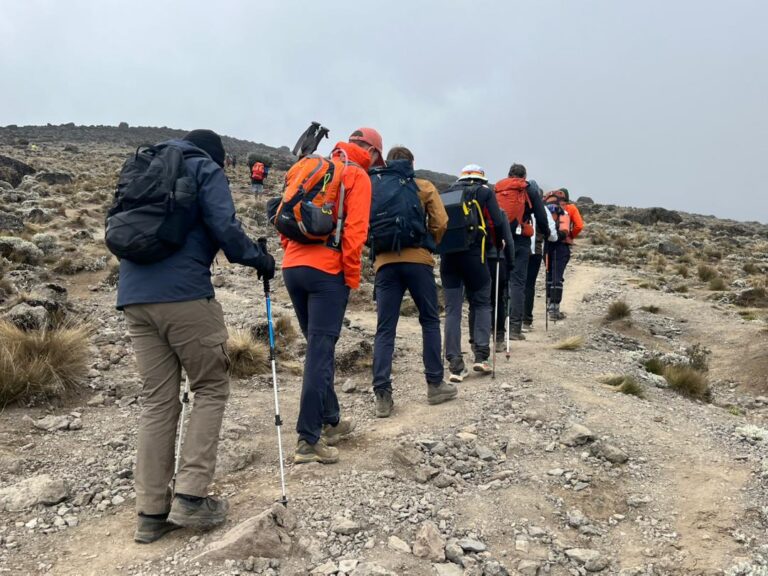
August Kilimanjaro Private Family Expedition: Your Ultimate Guide 2026-2027
Discover the best way to organize an August Kilimanjaro private family expedition for 2026-2027. This guide covers routes, packing, acclimatization, and what to expect with Top Guide...
View package details
July Kilimanjaro Premium Luxury Expedition: Your Ultimate Guide 2026-2027
Your definitive guide to a premium luxury Kilimanjaro expedition in July 2026-2027. Explore optimal routes, essential preparations, and what makes a luxury climb with Top Guide Adventures...
View package detailsNo related package matches those filters. Clear one or more filters to see the other topic-matched options.



