
Climbing Kilimanjaro with a prosthetic limb is entirely possible and has been successfully achieved by many determined individuals. It requires meticulous planning, specialized gear, focused physical and mental preparation, and choosing a reputable tour operator like Top Guide Adventures who understands the unique needs of climbers with limb differences. Success hinges on selecting the right prosthetic, adapting training regimens, and working closely with experienced guides who can provide tailored support throughout the trek, especially on challenging terrain and at high altitudes during your planned 2026-2027 expedition.
Understanding Kilimanjaro for Climbers with Prosthetic Limbs
Mount Kilimanjaro, standing at 5,895 meters (19,341 feet), is the highest mountain in Africa and a bucket-list destination for trekkers worldwide. While it is not technically difficult, its extreme altitude, varying weather conditions, and challenging terrain present significant obstacles for any climber. For individuals with a prosthetic limb, these challenges are amplified, demanding a unique approach to preparation and execution. Top Guide Adventures recognizes that a Kilimanjaro climb with a prosthetic limb is a testament to human spirit and resilience. Our commitment is to facilitate this incredible achievement by providing unparalleled support, expert guidance, and a deep understanding of the specific considerations involved. We believe that with the right strategy, this dream is well within reach for many, including those planning their climb for 2026 or 2027.
The mountain’s ascent involves days of trekking through diverse ecosystems, from lush rainforests to alpine deserts and finally to the arctic summit zone. Each stage presents different environmental factors: muddy and slippery trails in the lower reaches, rocky and scree-covered paths in the middle, and icy, windswept conditions near the peak. For a climber using a prosthetic, the interaction with these surfaces, the need for balance, and the potential for prosthetic issues are critical considerations.
Key Considerations for a Kilimanjaro Climb with a Prosthetic Limb
Successfully summiting Kilimanjaro with a prosthetic limb involves several critical factors that must be addressed well in advance:
- Prosthetic Suitability: The type and functionality of the prosthetic limb are paramount. It must be robust, comfortable for extended wear, and adaptable to varied terrain and weather.
- Physical Conditioning: A tailored training program focusing on cardiovascular health, core strength, endurance, and specific exercises to strengthen the residual limb and supporting muscles is essential.
- Gear and Equipment: Beyond standard trekking gear, specialized equipment may be needed for the prosthetic, such as protective covers, extra padding, or specific attachments.
- Route Selection: Some routes are more gradual and less technically demanding, making them better suited for climbers with limb differences.
- Guide and Porter Support: Experienced guides who understand the challenges and are trained to assist climbers with specific needs are invaluable. A dedicated support team ensures safety and facilitates progress.
- Altitude Acclimatization: Proper acclimatization is crucial for all climbers, but extra attention might be needed to monitor for altitude sickness symptoms, which can be compounded by the physical exertion.
- Mental Fortitude: The psychological aspect of climbing Kilimanjaro is significant. Maintaining a positive mindset, managing expectations, and drawing on inner strength are key to overcoming challenges.
Choosing the Right Prosthetic for Kilimanjaro
The prosthetic limb is an extension of the climber. Its performance on Kilimanjaro directly impacts the entire experience. Not all prosthetics are created equal, and the demands of a multi-day high-altitude trek require careful selection and possibly modification.
Types of Prosthetics and Their Suitability
The most common types of prosthetics used are for lower limb amputations (below-knee or above-knee). The choice often depends on the individual’s amputation level, activity level, and specific needs:
- Below-Knee Prosthetics (Transtibial): These are generally more stable and easier to adapt to varied terrain. The socket design is critical for comfort and to prevent skin breakdown.
- Above-Knee Prosthetics (Transfemoral): These require more energy expenditure and can be more challenging for balance and uphill/downhill control due to the knee joint. Advanced prosthetic knees with dynamic alignment and shock absorption capabilities are highly recommended.
Key Features to Look For in a Kilimanjaro Prosthetic
When preparing for Kilimanjaro, consider these features:
- Durability and Robustness: The prosthetic must withstand significant wear and tear, including impacts, dirt, moisture, and temperature fluctuations.
- Comfortable and Secure Socket: This is perhaps the most critical component. A well-fitting socket prevents pain, chafing, and potential skin issues that could halt the climb. Consider materials that offer good breathability.
- Adaptable Foot/Base: A foot designed for varied terrain, offering good traction, shock absorption, and stability on uneven surfaces, is essential. Some climbers opt for specialized hiking feet.
- Suspension System: Reliable suspension ensures the prosthetic stays securely in place, even during strenuous activity and changes in elevation.
- Adjustability: The ability to make minor adjustments to the prosthetic’s alignment or fit on the mountain can be invaluable.
- Water and Dust Resistance: Kilimanjaro’s weather can change rapidly, and dust is prevalent. The prosthetic should be able to handle moisture and grit.
Prosthetic Maintenance and Contingency Planning
Before your 2026-2027 climb, ensure you have a plan for maintaining your prosthetic on the mountain. This includes:
- Spare Parts: Carry essential spare parts like liners, socks, and potentially even a spare foot if feasible and recommended by your prosthetist.
- Cleaning Supplies: Access to clean water and appropriate cleaning agents for the socket and prosthetic components is important to prevent infections and maintain function.
- Prosthetist Consultation: Work closely with your prosthetist. Discuss your Kilimanjaro plans in detail. They can advise on the best prosthetic options, necessary modifications, and a maintenance schedule. They might also recommend specific exercises for your residual limb.
Top Guide Adventures has experience working with clients who use prosthetics. We encourage all climbers with limb differences to have an in-depth consultation with their medical team and prosthetist at least 6-12 months before their planned 2026-2027 climb to ensure optimal prosthetic readiness.
Tailored Physical Training for Kilimanjaro with a Prosthetic Limb
Training for Kilimanjaro is rigorous for anyone. For a climber with a prosthetic limb, the training must be specifically adapted to build strength, endurance, and balance while accounting for the prosthetic and the residual limb.
Phase 1: Building a Strong Foundation (6-12 Months Out)
Focus on general fitness and strengthening the residual limb and supporting muscles.
- Cardiovascular Endurance: Engage in activities like swimming, cycling, or using an elliptical machine. Aim for 3-4 sessions per week, gradually increasing duration and intensity.
- Strength Training: Focus on compound movements that engage major muscle groups. For lower limb amputees, this includes squats (modified if necessary), lunges, deadlifts, and calf raises. Crucially, incorporate exercises that strengthen the core and back muscles, as these are vital for balance and stability.
- Residual Limb Strengthening: Work with a physical therapist to perform exercises that strengthen the muscles in your residual limb. This can improve socket fit and control.
- Balance and Proprioception: Exercises like standing on one leg (or your residual limb side with support), using balance boards, or practicing yoga can significantly improve your balance, which is critical on uneven terrain.
Phase 2: Trek-Specific Training (3-6 Months Out)
Begin simulating the demands of the climb.
- Hiking with Weight: Start hiking on varied terrain (hills, trails) with a weighted backpack (gradually increasing to 10-15 kg, similar to what you’ll carry on Kilimanjaro). Practice walking uphill and downhill.
- Prosthetic Integration: Ensure your training includes significant time wearing your prosthetic during these hikes. Pay attention to how it performs on different surfaces and at different inclines.
- Endurance Building: Aim for longer hikes, building up to 6-8 hours of continuous trekking. This mimics the longest days on Kilimanjaro, especially summit night.
- Stair Climbing: This is an excellent exercise for simulating uphill trekking. Use stairs or a stair-climbing machine at the gym.
Phase 3: Peak Conditioning and Refinement (1-3 Months Out)
Focus on long hikes and specific challenges.
- Back-to-Back Hikes: Simulate multi-day trekking by doing long hikes on consecutive days. This tests your body’s recovery ability and endurance over prolonged periods.
- Simulated Summit Day: Undertake a very long, challenging hike (8-10+ hours) with significant elevation gain to test your stamina and mental resilience.
- Prosthetic Check and Adjustments: This is the time for final checks with your prosthetist. Ensure the prosthetic is perfectly adjusted and comfortable for extended, strenuous use. Address any potential issues like socket pressure points or material wear.
- Altitude Simulation (Optional): If possible, spend time at higher altitudes or use altitude simulation equipment, although this is often impractical. The best altitude preparation is gradual acclimatization on the mountain itself.
Specific Considerations for Prosthetic Users During Training:
- Socket Comfort: Monitor for any discomfort or pressure points during long training sessions. Small issues can become major problems at altitude.
- Skin Care: Maintain excellent hygiene for your residual limb. Use appropriate liners and socks, and inspect your skin regularly for any signs of irritation or breakdown.
- Energy Expenditure: Be aware that using a prosthetic, especially for above-knee amputees, can require more energy. Factor this into your training intensity and recovery.
- Balance Drills: Continue to incorporate balance exercises daily, even short routines.
Top Guide Adventures recommends consulting with a physical therapist experienced in adaptive sports or working with amputees. They can help design a personalized training plan that addresses your specific needs for a Kilimanjaro climb with a prosthetic limb.
Best Kilimanjaro Routes for Climbers with Prosthetic Limbs
The choice of route significantly impacts the difficulty and overall experience. While all routes require climbing, some are more gradual, better acclimatized, and offer more consistent terrain, making them potentially more manageable for climbers using prosthetics.
Recommended Routes:
- Lemosho Route: Often considered one of the most scenic and best routes for acclimatization. It offers a gradual ascent, beautiful views, and a higher success rate. Its longer duration (7-8 days) allows for better acclimatization, which is crucial. The terrain is generally good, though it has some steep sections.
- Machame Route: Popular for its scenic beauty and good acclimatization profile, often completed in 6-7 days. It’s known as the “Whiskey Route” due to its challenging ascents and descents, which can be demanding. However, its popularity means a good support infrastructure.
- Marangu Route: The “Coca-Cola” route, it’s the oldest and most direct. It’s unique for its hut accommodation, which can be a comfort factor. However, its ascent profile is steeper, and acclimatization is generally poorer, leading to lower success rates. It might be less ideal for those needing more time to adapt.
Routes to Consider with Caution:
- Northern Circuit: The longest route (9-10 days), offering the best acclimatization and highest success rates. Its gradual ascent and extended duration make it very suitable for acclimatization, but it is also one of the more expensive options.
- Rongai Route: Approaches from the north, it’s generally drier and less crowded. It’s a good option for acclimatization, especially if climbing during the rainy season. It’s a good balance of scenery and gradual ascent.
Factors Influencing Route Choice for Prosthetic Users:
- Ascent Profile: Routes with more gradual, consistent ascents are preferable to those with very steep, rapid climbs and descents.
- Terrain Consistency: Smoother, more predictable terrain is easier to navigate than highly technical or extremely rocky paths.
- Duration and Acclimatization: Longer routes (7+ days) are strongly recommended. They provide more time for the body to adjust to the altitude, reducing the risk of Acute Mountain Sickness (AMS), which can be more challenging to manage when also managing prosthetic use.
- Support Infrastructure: Popular routes often have more established support systems, which can be reassuring.
Top Guide Adventures typically recommends the Lemosho or Machame routes for climbers seeking a balance of scenery, acclimatization, and manageable terrain for a Kilimanjaro climb with a prosthetic limb. For 2026-2027 expeditions, we can discuss these options in detail to find the best fit for your capabilities and preferences.
Consultation is Key
Before deciding on a route, it’s essential to have a thorough discussion with your doctor, prosthetist, and our experienced guides at Top Guide Adventures. We can help you understand the specific challenges of each route in relation to your prosthetic and physical condition.
Essential Gear and Prosthetic Adaptations for Kilimanjaro
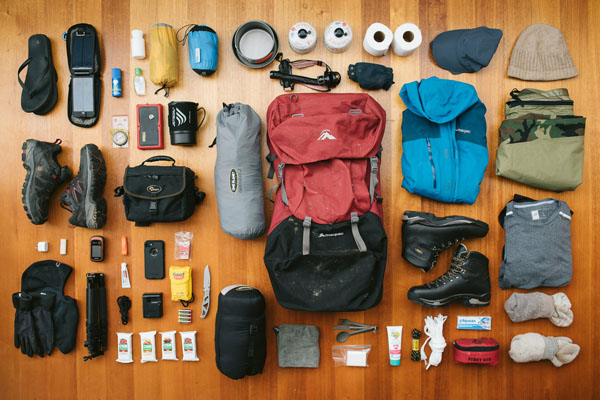
Packing for Kilimanjaro is a science, but for a climber with a prosthetic limb, it requires additional considerations to ensure comfort, safety, and functionality.
Standard Kilimanjaro Gear (with specific notes for prosthetic users):
- Footwear: High-quality, waterproof hiking boots are essential. For the prosthetic side, ensure the foot is appropriate for hiking. Consider bringing a comfortable, well-fitting pair of waterproof shoes for camp use.
- Socks: Multiple pairs of moisture-wicking, breathable socks are vital. For the residual limb, specialized prosthetic socks or liners are a must. Bring several to allow for daily changes and to manage moisture and prevent friction.
- Trekking Trousers: Lightweight, quick-drying trousers. Consider options with reinforced knees if your prosthetic interacts with them.
- Base Layers: Moisture-wicking thermal underwear (tops and bottoms) made of merino wool or synthetic materials.
- Mid Layers: Fleece jackets or vests for insulation.
- Outer Layer: Waterproof and windproof jacket and trousers (Gore-Tex or similar).
- Insulation: A warm, insulated down or synthetic jacket for summit night and cold evenings.
- Headwear: A warm woolen hat, a sun hat with a brim, and a balaclava or neck gaiter for extreme cold.
- Gloves: Warm, waterproof gloves or mittens, and liner gloves for dexterity.
- Backpack: A comfortable daypack (20-30 liters) for essentials carried during the day. Your main luggage will be carried by porters.
- Sleeping Bag: A warm sleeping bag rated for -10°C to -20°C (0°F to -4°F).
- Trekking Poles: Highly recommended for all climbers, and especially crucial for prosthetic users. They aid balance, reduce stress on joints, and provide extra support on ascents and descents. Ensure they are adjustable and durable.
- Headlamp: Essential for navigating in the dark, especially during summit night. Bring spare batteries.
- Sun Protection: High SPF sunscreen, lip balm, and sunglasses.
- Personal Items: Toiletries, personal medications, insect repellent, and a basic first-aid kit.
Specific Gear and Adaptations for Prosthetic Limbs:
- Prosthetic Liners and Socks: Bring multiple high-quality liners and socks designed for active use. These are critical for comfort, preventing blisters, and managing sweat.
- Prosthetic Foot Modifications: Discuss with your prosthetist if a more aggressive tread or a foot designed for varied terrain would be beneficial.
- Socket Care Kit: Include materials for minor repairs or adjustments, such as extra padding, medical tape, or a small repair kit recommended by your prosthetist.
- Prosthetic Covers: Waterproof and dustproof covers for your prosthetic can protect it from the elements and prolong its life.
- Extra Batteries/Charging: If your prosthetic has any electronic components, ensure you have a reliable power source or spares.
- Cleaning Supplies: Biodegradable soap and clean cloths for maintaining hygiene of the residual limb and prosthetic.
Pre-Trip Prosthetic Check
1. Consult Prosthetist: Discuss the trek, terrain, and duration. Get their professional advice on suitability and modifications.
2. Test Equipment: Use your prosthetic extensively during training hikes to identify any issues.
3. Pack Spares: Ensure you have essential spare parts and maintenance tools.
4. Practice Application: Get comfortable putting on and taking off your prosthetic quickly and efficiently, especially in cold or wet conditions.
Top Guide Adventures ensures our guides are aware of the need for flexibility and support regarding prosthetic use. We can assist with minor adjustments or provide a stable base if needed during breaks. For your 2026-2027 climb, early gear preparation is key.
The Kilimanjaro Trekking Experience with a Prosthetic Limb
The journey up Kilimanjaro is an adventure that tests physical and mental limits. For a climber with a prosthetic limb, the experience is unique, filled with its own set of challenges and triumphs.
Daily Trekking and Pace Management
Climbing Kilimanjaro is done at a ‘pole pole’ pace – Swahili for ‘slowly, slowly’. This measured pace is crucial for acclimatization and conserving energy. For someone using a prosthetic limb, this pace management is even more important:
- Consistent Speed: Maintaining a steady, consistent pace helps your body acclimatize and reduces the risk of falls.
- Regular Breaks: Frequent, short breaks are vital. Use these to check the fit of your prosthetic socket, inspect your residual limb for any irritation, rehydrate, and have a snack.
- Guide Assistance: Communicate openly with your guide. If you need to adjust your prosthetic, take a longer break, or require assistance with a particularly tricky section, let them know.
Navigating Varied Terrain
Kilimanjaro’s trails are diverse:
- Rainforest (Lower Slopes): Often muddy, slippery, and uneven with roots. Trekking poles and a stable prosthetic foot are essential.
- Moorland and Heath Zone: Trails become rockier and more exposed. Balance becomes more critical.
- Alpine Desert: Loose scree and gravel are common. This can be challenging for prosthetic traction.
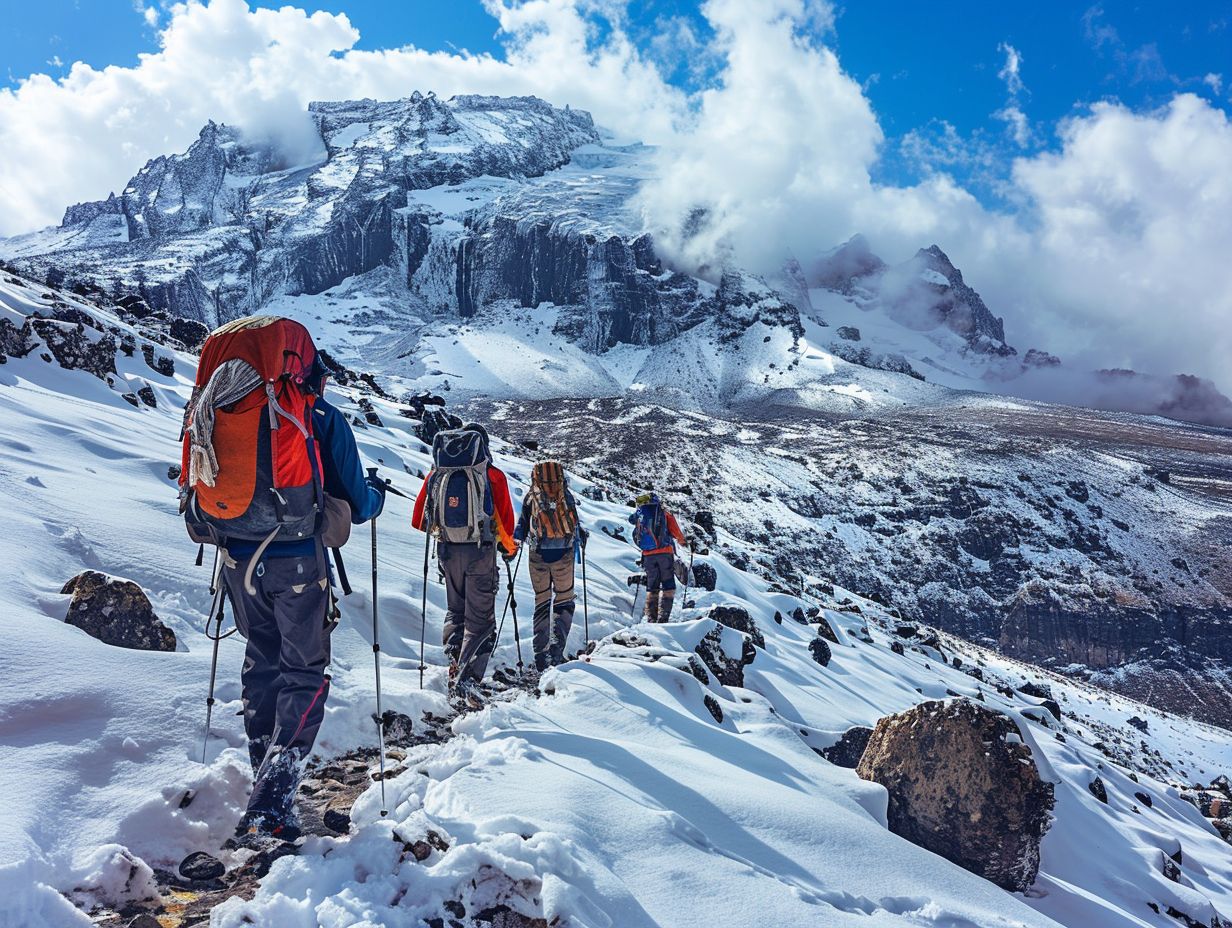
- Arctic Zone (Summit): Icy, rocky, and often covered in snow. This is the most demanding section, requiring careful foot placement and significant pole support.
Trekking poles are non-negotiable. They provide four points of contact with the ground, significantly enhancing stability. For prosthetic users, they are not just aids but essential tools for balance, especially on scree, ice, and steep inclines/declines.
Altitude and Its Effects
Altitude sickness (AMS) can affect anyone, regardless of fitness level. Symptoms include headache, nausea, dizziness, and fatigue. At higher altitudes, the body’s oxygen intake decreases, making physical exertion more difficult.
- Hydration: Drink at least 3-4 liters of water daily. Dehydration exacerbates altitude symptoms.
- Monitoring Symptoms: Be vigilant about any symptoms of AMS. Communicate them immediately to your guide.
- Prosthetic and Altitude: While altitude doesn’t directly affect the prosthetic, the increased fatigue and potential disorientation from AMS can make managing the prosthetic more challenging.
Summit Night: The Ultimate Challenge
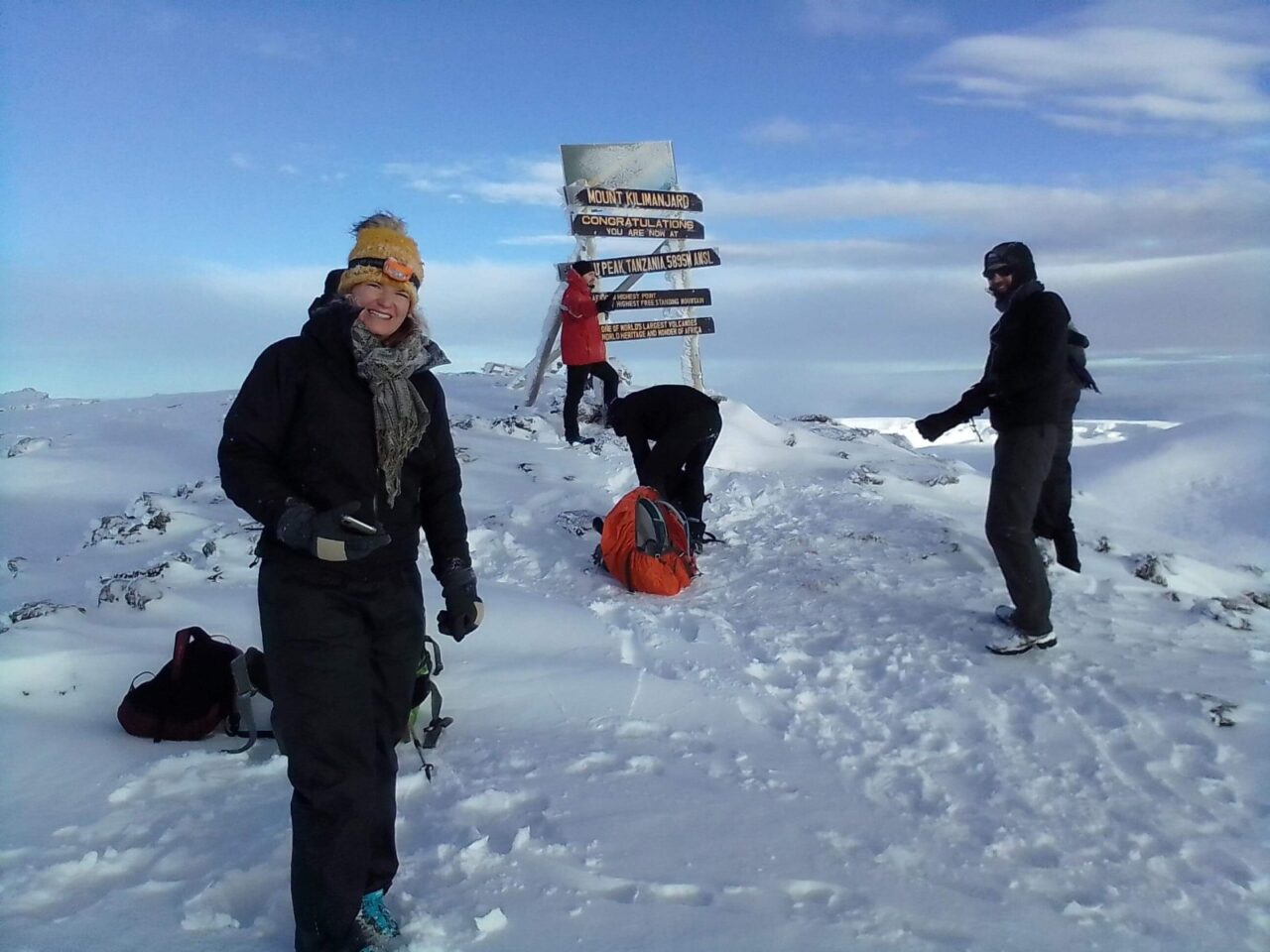
Summit night is typically the most demanding part of the climb. It begins around midnight, involves ascending steep, often icy terrain in the dark, and continues for 6-10 hours. The goal is to reach Stella Point (5,756m) by sunrise, then proceed to Uhuru Peak (5,895m).
- Pacing is Critical: Extremely slow and steady pacing is essential.
- Prosthetic Performance: The cold, ice, and darkness add layers of difficulty. Ensure your prosthetic is well-insulated if possible and that you have maximum grip.
- Guide Support: Your guides will be crucial, offering physical support, encouragement, and monitoring your condition closely. They can help position your prosthetic foot securely on icy patches.
Top Guide Adventures’ guides are trained to assist climbers with specific needs. For a Kilimanjaro climb with a prosthetic limb, they will work closely with you, offering a steady arm, ensuring you have adequate rest, and helping you navigate the toughest sections. Our team is committed to helping you achieve your summit goal safely.
Health and Medical Considerations
A successful Kilimanjaro climb with a prosthetic limb requires thorough medical preparation and ongoing attention to health during the trek.
Pre-Trek Medical Consultation
It is absolutely essential to consult with your primary care physician and any specialists (like a prosthetist or physical therapist) well in advance of your planned 2026-2027 climb. Discuss:
- Overall Health: Ensure you are in good general health for high-altitude trekking.
- Cardiovascular Fitness: High altitude places demands on the heart.
- Residual Limb Health: Discuss any potential issues like phantom pain, skin integrity concerns, or muscle strength deficits.
- Medications: Discuss any regular medications and their suitability for high altitude.
- Altitude Sickness Prophylaxis: Your doctor may prescribe medication like Diamox (acetazolamide) to aid acclimatization. Discuss the pros and cons, and how it might interact with any other medications you take.
During the Trek: Monitoring and Management
Constant vigilance regarding your health is key:
- Hydration: As mentioned, drinking plenty of fluids is paramount.
- Nutrition: Eat well at every meal. High-carbohydrate diets are recommended for energy.
- Sleep: While sleep quality can be affected by altitude and cold, try to rest as much as possible.
- Residual Limb Care: Daily checks are crucial. Clean and dry your residual limb thoroughly. Inspect for redness, swelling, blisters, or any signs of skin breakdown. Address any issues immediately by adjusting liners, socks, or informing your guide.
- Prosthetic Socket Fit: As the day progresses and you exert yourself, swelling can occur. You may need to adjust liners or socks to maintain a comfortable and secure fit. Conversely, if you lose weight at altitude, the socket might feel looser. Your guides can help you manage these changes during breaks.
- Recognizing AMS: Be aware of the symptoms of Acute Mountain Sickness (AMS), High Altitude Cerebral Edema (HACE), and High Altitude Pulmonary Edema (HAPE). The cardinal rule is: if symptoms worsen or do not improve with rest, descend immediately.
Emergency Preparedness
Top Guide Adventures prioritizes safety above all else. Our guides are trained in basic first aid and altitude sickness management. We carry comprehensive medical kits. In the event of a serious medical emergency, evacuation procedures are in place, although evacuations from high on the mountain can be complex and time-consuming.
For a Kilimanjaro climb with a prosthetic limb, it is wise to have a detailed emergency contact list readily available, including your prosthetist and physician. Ensure your travel insurance covers high-altitude trekking and potential medical evacuation.
The Role of Guides and Support Staff
The success of any Kilimanjaro climb hinges significantly on the quality of the guide and support team. For climbers with specific needs, such as those using a prosthetic limb, this support becomes even more critical.
Experienced and Trained Guides
Top Guide Adventures employs guides who are not only knowledgeable about Kilimanjaro’s routes, flora, fauna, and safety protocols but are also trained to:
- Assess Climber Condition: They are adept at monitoring for signs of altitude sickness and fatigue.
- Pace Management: They ensure the group maintains a safe and sustainable pace (‘pole pole’).
- Provide Assistance: They are trained to offer physical support, a steadying hand, and encouragement. For climbers with prosthetics, this can mean helping navigate particularly difficult sections, offering a stable point of contact, or assisting with minor adjustments during breaks.
- Communicate Effectively: They foster an environment where climbers feel comfortable communicating their needs, no matter how small.
Porter Support
Porters carry the bulk of the equipment, allowing climbers to focus on the trek. Their role is vital for overall group logistics and morale. They ensure camps are set up efficiently and meals are prepared.
Specialized Support for Prosthetic Users
While our standard team is highly capable, Top Guide Adventures can discuss arrangements for additional support if deemed necessary for a climber using a prosthetic limb. This might include:
- Dedicated Guide: In some cases, a climber might benefit from a guide focusing primarily on their needs.
- Porter Assistance: A porter can be assigned to assist directly with carrying specific prosthetic gear or providing a stable walking support.
- Pre-Climb Briefing: We will conduct a thorough pre-climb briefing with you and your guides to ensure everyone understands your specific requirements and the best ways to provide support.
Our team understands that a Kilimanjaro climb with a prosthetic limb is a significant undertaking. We are committed to providing a supportive, safe, and encouraging environment. We believe in empowering our clients to achieve their goals, and our guides are integral to making that happen.
Mental Preparation and Mindset
Cl
Check Availability for Kilimanjaro Climb With A Prosthetic Limb 2026-2027
Ready to compare dates, prices, and the best option for your group? Send the package name and travel month so the team can reply with a clear quote, availability, and what is included.
Kilimanjaro Charity Group Payment Plan Options For Climbs 2026-2027
Discover how to fund your Kilimanjaro charity climb with flexible payment plans for 2026-2027 departures. Top Guide Adventures offers tailored financial solutions to make your expedition...
View package details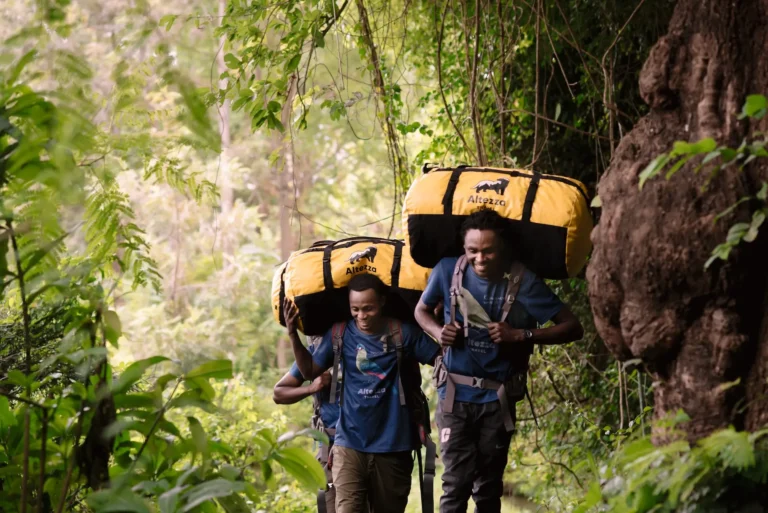
Kilimanjaro Climb Refund And Credit Policy For Climbs | Top Guide Adventures
Navigating the Kilimanjaro climb refund and credit policy is crucial for trekkers planning their 2026-2027 adventure. Top Guide Adventures provides clear guidelines on cancellations...
View package details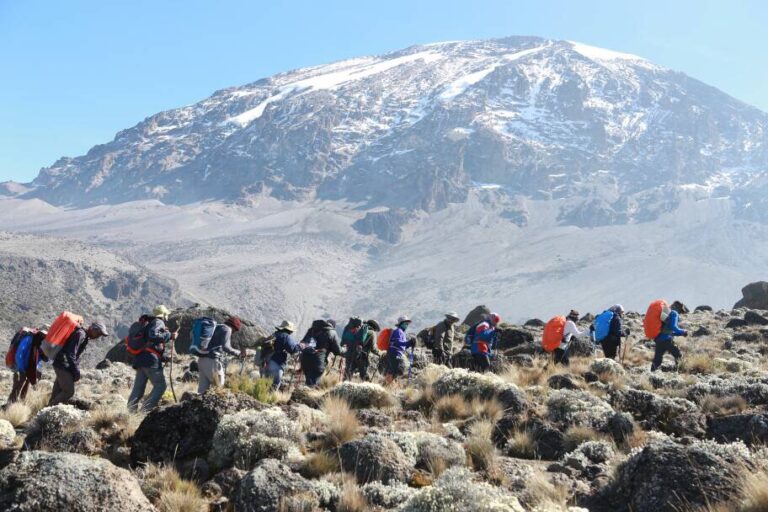
Kilimanjaro Group Pricing By Number Of Climbers In | Top Guide Adventures
Understand how the number of climbers affects Kilimanjaro group pricing for your 2026-2027 adventure. Top Guide Adventures breaks down the cost dynamics, from solo trekkers to large...
View package details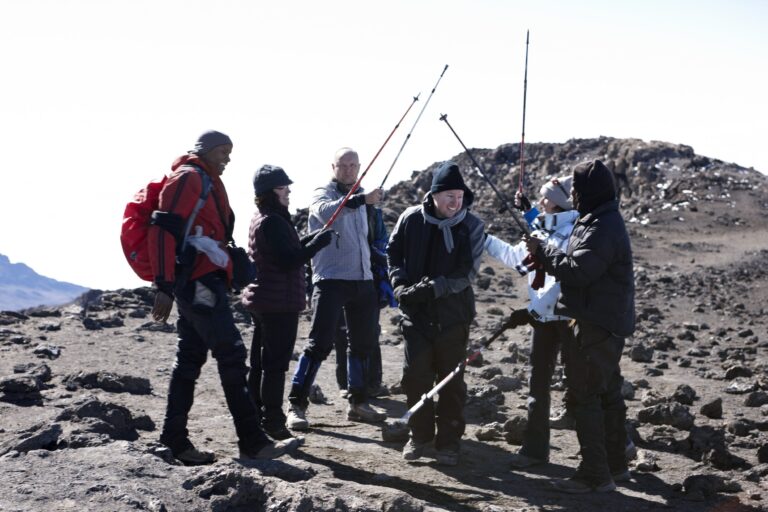
Kilimanjaro Climb With Flexible Payment Options: Your Guide 2026-2027
Discover how Top Guide Adventures makes climbing Mount Kilimanjaro accessible with flexible payment plans, perfect for planning your 2026 or 2027 adventure. This guide details payment...
View package details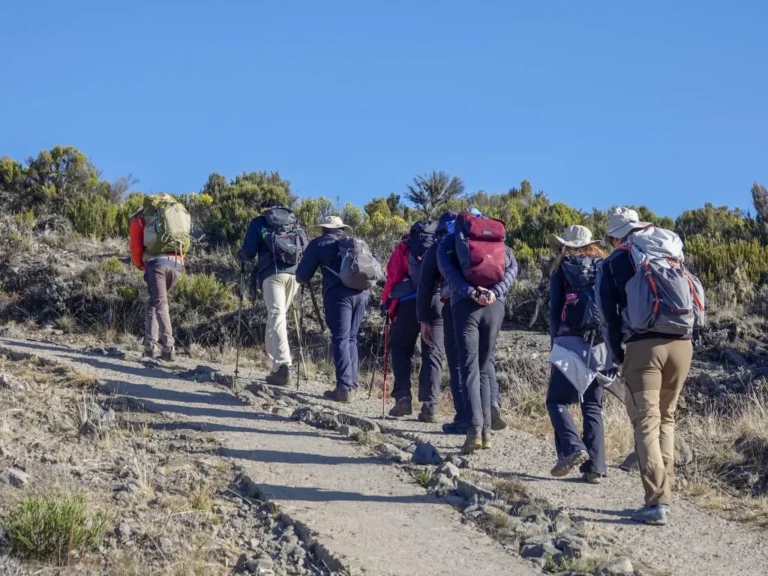
Kilimanjaro Climbing Payment Plan: Flexible Options For Your Adventure
Planning your Kilimanjaro climb is an exciting journey. Top Guide Adventures understands that financial flexibility is key. Discover how our Kilimanjaro climbing payment plan options can...
View package detailsKilimanjaro Local Culture Week For Non-Climbers: Experience Tanzanias Heart
Experience the rich cultural mix surrounding Mount Kilimanjaro without the climb. Our Local Culture Week offers non-climbers an unforgettable journey into the heart of Tanzanian traditions...
View package details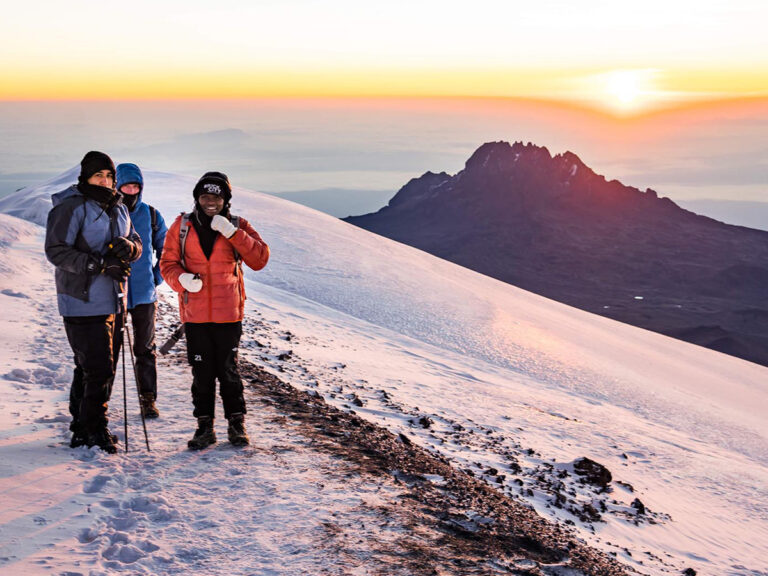
Kilimanjaro Relaxation And Spa Package: Rejuvenate After Your Climb 2026-2027
After conquering Mount Kilimanjaro, a dedicated relaxation and spa package is the perfect way to recover and rejuvenate. Top Guide Adventures provides comprehensive post-climb wellness...
View package details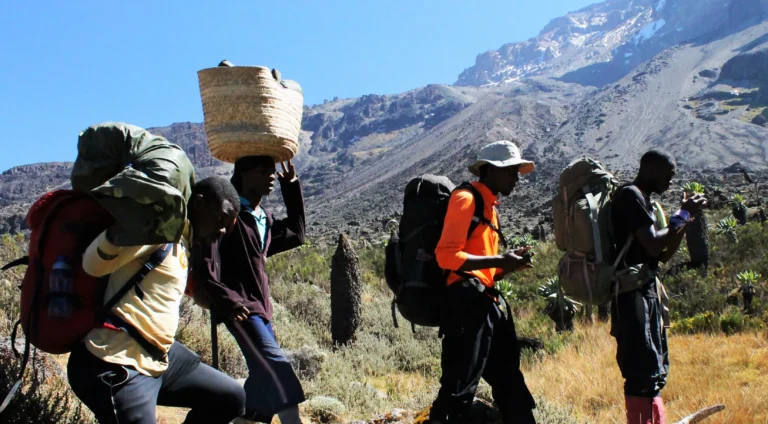
Kilimanjaro Safari Before Rejoining Your Climbing Group | Top Guide Adventures
Combining a safari with your Kilimanjaro climb is a classic Tanzanian adventure. Discover how to seamlessly integrate a wildlife safari experience before meeting your climbing group for the...
View package details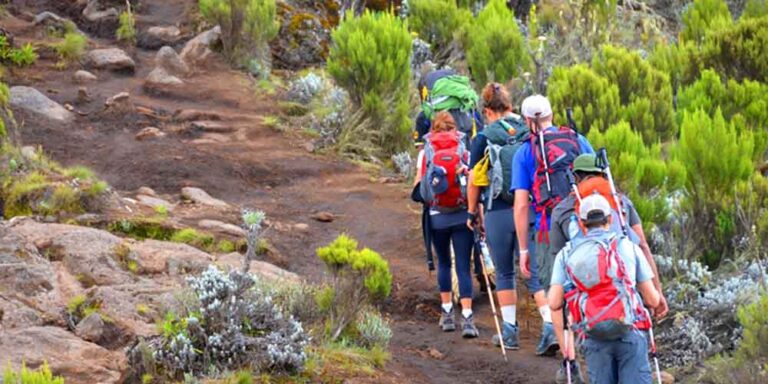
Kilimanjaro Airport And Hotel Support For Climbing Groups | Top Guide
Top Guide Adventures provides comprehensive support for Kilimanjaro climbing groups, from arrival at Kilimanjaro International Airport (JRO) to comfortable hotel stays before and after your...
View package detailsMeet Your Climber At Mweka Gate Package: Kilimanjaro Descent Guide 2026-2027
This package is designed for trekkers descending Kilimanjaro via the Mweka Gate, ensuring a smooth and supported transition after their summit. It covers essential post-climb services and...
View package details
Kilimanjaro Cultural Tour While Friends Climb: Experience Tanzanias Heart
Discover the perfect way to experience Tanzania's vibrant culture and landscapes while your friends conquer Mount Kilimanjaro. This guide explores in-depth cultural tours designed to...
View package detailsKilimanjaro Support Package For Mixed-Ability Groups: Expert Guidance Climbs
Top Guide Adventures offers specialized Kilimanjaro support packages designed for mixed-ability groups, ensuring a safe and successful climb for everyone in 2026 and 2027. This...
View package detailsNo related package matches those filters. Clear one or more filters to see the other topic-matched options.



