
The Mweka Descent, the final section of the Kilimanjaro climb, is a steep, often slippery, and challenging path characterized by loose scree, rocky sections, and dense forest. It requires careful concentration and good physical condition to navigate safely, often taking longer than expected due to the technical terrain and the need to avoid falls, especially after days of high-altitude trekking.
Understanding the Mweka Descent: The Final Leg of Your Kilimanjaro Journey
Reaching Uhuru Peak, the summit of Kilimanjaro, is a monumental achievement. However, the journey isn’t complete until you’ve safely descended back to Mweka Gate. The Mweka Descent is the designated route for descending from the Kibo crater rim, and it’s known for being distinctively different from the ascent routes, presenting its own set of challenges and experiences. For many climbers, the descent is as demanding, if not more so, than the ascent, especially the initial stages.
This final leg of your Kilimanjaro adventure is not merely a walk down; it’s a critical phase that requires sustained focus, physical resilience, and proper preparation. Understanding what the Mweka Descent is like is crucial for setting realistic expectations and ensuring a safe and successful conclusion to your climb. This guide will break down the terrain, the physical and mental demands, the typical duration, and what you can expect on this significant part of your Kilimanjaro expedition in 2026 or 2027.
The Mweka Descent Route: A Closer Look
The Mweka Descent is primarily used by climbers descending from the Barafu Camp or Kosovo Camp (which is higher up and often used as an alternative starting point for the summit push on routes like Machame or Lemosho) after their summit attempt. Unlike the ascent routes which are designed to gradually gain altitude with switchbacks, the Mweka Descent is a more direct and steeper path, optimized for getting climbers down quickly and safely.
The route begins its steep decline from the Kibo crater rim, typically after climbers have descended back to Barafu Camp from the summit. From Barafu, the descent path diverges from the ascent trail. It plunges rapidly through the scree fields of the alpine desert zone, then enters the moorland, and finally the montane forest zone before reaching Mweka Gate at approximately 1,640 meters (5,380 feet).
Key characteristics of the Mweka Descent include:
- Steepness: The gradient is consistently steep, especially in the upper sections.
- Terrain: It’s predominantly loose scree and gravel, making footing unstable. Rocky outcrops and exposed roots are common in the lower forest sections.
- Directness: The path is more direct than ascent routes, meaning less zigzagging and a quicker drop in elevation, which can be hard on the knees and quads.
- Vegetation: Transitions from barren alpine desert to dense, humid rainforest.
What to Expect on the Mweka Descent: Terrain and Conditions
The physical experience of the Mweka Descent is a stark contrast to the summit push. While the adrenaline of reaching the peak might still be with you, your body will likely be exhausted. The Mweka Descent challenges you in different ways:
The Upper Scree Fields: A Test of Balance
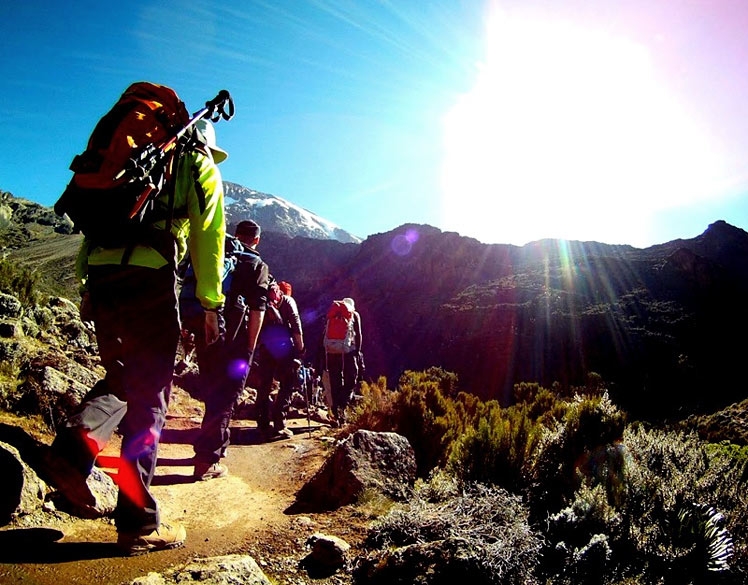
The initial part of the descent from Barafu Camp (or the lower slopes after descending from the crater rim) is notorious for its steep, loose scree. Imagine walking down a steep gravel slide. Every step can cause the ground to shift beneath your feet, requiring immense concentration and control. Your trekking poles become invaluable tools, not just for support but for helping to gauge stability and prevent falls.
The descent here is rapid, and the lack of stable footing can be mentally taxing. Climbers often find themselves taking very small steps, trying to find firmer ground. The scree can extend for several hours, covering a significant portion of the alpine desert zone. The sheer volume of loose rock makes it easy to slip, and a fall can result in scrapes, bruises, or more serious injuries. The weather can also play a role; if it’s wet, the scree becomes even more treacherous.
The Rocky Sections and Moorland
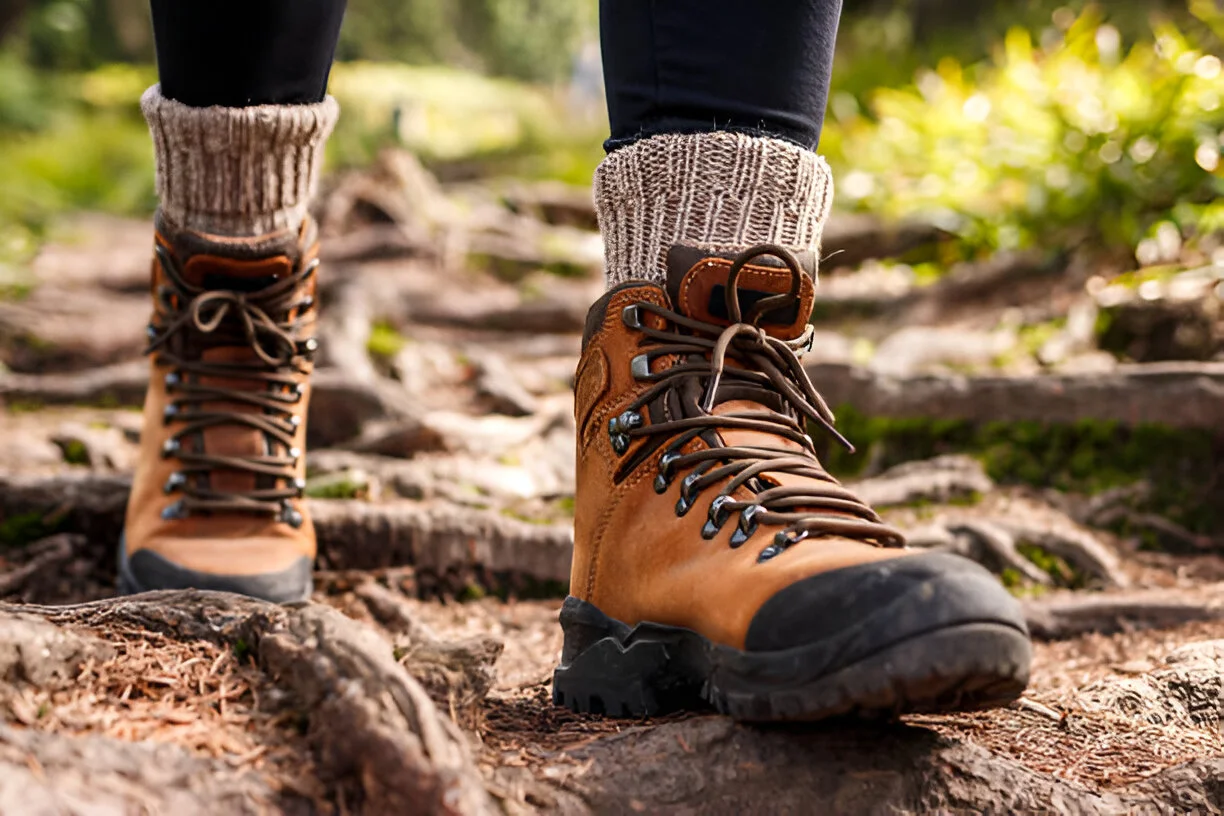
As you descend further, the terrain may transition from pure scree to a mix of scree, rocks, and more solid ground in the moorland zone. While this might seem like a relief, rocky sections can also be challenging. Uneven surfaces, loose stones, and the need to step over obstacles add to the physical exertion. Your knees and quadriceps will feel the strain of the constant downhill motion. This is where proper hiking boots and the use of trekking poles are absolutely essential for stability and shock absorption.
The Montane Forest: Mud and Roots
The final hours of the descent take you through Kilimanjaro’s lush montane forest. This part of the Mweka Descent is often characterized by its humidity, dense vegetation, and, crucially, mud. The forest floor can be incredibly slippery due to water runoff and decaying organic matter. You’ll encounter exposed tree roots, which can be tripping hazards, and muddy patches that can make you slide. The descent may slow down considerably in this section as you navigate carefully through the dense foliage.
The visual contrast is striking – from the barren, stark landscapes of the upper mountain to the vibrant, green, and damp environment of the forest. While beautiful, this section demands continued vigilance. The air is thick and warm, and the effort of carefully placing each foot can be tiring, especially after days of high-altitude exposure and minimal sleep.
Physical and Mental Demands of the Mweka Descent
The Mweka Descent is often underestimated. While the summit push is physically grueling due to altitude and cold, the descent presents a different kind of challenge:
Physical Strain
- Knee and Joint Impact: The constant downward force puts immense pressure on your knees, hips, and ankles. Many climbers experience significant knee pain.
- Muscle Fatigue: Your leg muscles (quadriceps, hamstrings, calves) will be working hard to control your descent, leading to fatigue.
- Balance and Stability: Maintaining balance on loose scree and slippery surfaces requires significant effort and control.
- Endurance: Even though you’re descending, the trek can still be long, and your body is already depleted from the summit attempt.
Mental Fortitude
- Concentration: The technical terrain demands constant focus to avoid slips and falls.
- Patience: The descent can feel slow due to the difficult footing and the need for caution.
- Managing Discomfort: Pushing through fatigue and any existing aches or pains requires mental strength.
- Anticipation vs. Reality: The desire to finish can sometimes lead to rushing, which is dangerous on this terrain.
It’s vital to remember that while you’re heading down, your body is still under stress. The effects of altitude, though lessening, can still impact your coordination. Proper hydration and nutrition continue to be important even on the way down.
Duration and Timing of the Mweka Descent
The duration of the Mweka Descent can vary significantly based on the route taken to the summit, the speed of the group, weather conditions, and the overall condition of the climbers. However, for most climbers using routes like Machame or Lemosho, the descent to Mweka Gate typically takes between 5 to 8 hours.
The descent usually begins after breakfast at Barafu Camp, following the summit attempt. Climbers will descend from Barafu back to the crater floor (if they didn’t sleep there), then proceed to descend the Mweka path. Some itineraries might involve an overnight stop at Millennium Camp (a lower camp used on the Machame route for descent) before reaching Mweka Gate the following day. However, the classic Mweka Descent, as a single push from Barafu, is a long day.
Key timing factors:
- Starting Point: Descending from Barafu Camp is the most common scenario.
- Summit Success: The time spent at the summit affects the start of the descent.
- Pace: A slower, more cautious pace on the scree and forest sections will naturally extend the duration.
- Breaks: Planned stops for water, snacks, and rest add to the overall time.
- Weather: Rain or fog can significantly slow down progress.
By late 2026 and into 2027, operators are increasingly focusing on climber safety, which means encouraging slower, more controlled descents, especially on the Mweka route. This emphasis on safety may lead to slightly longer average descent times as guides prioritize preventing injuries.
What to Pack for the Mweka Descent
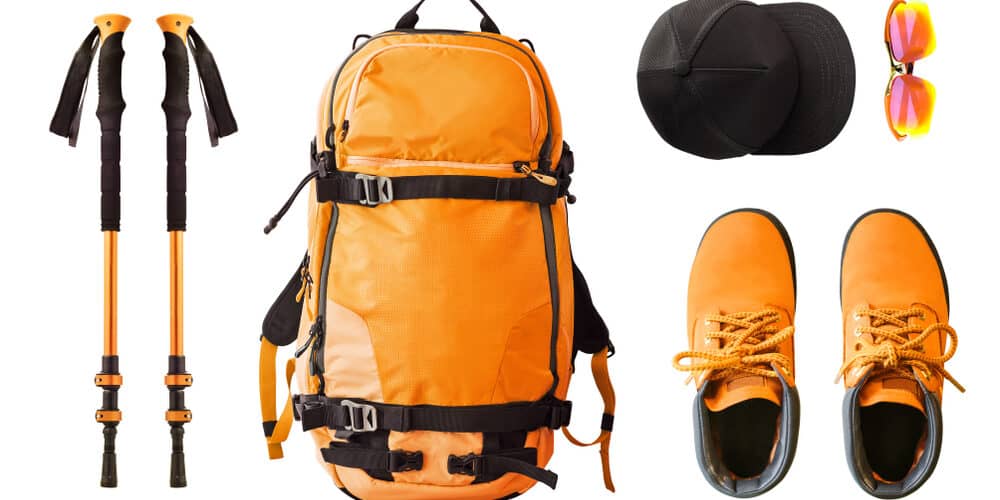
While you’ll be shedding layers as you descend into warmer climates, certain items remain essential for the Mweka Descent. Your gear should be packed in a way that allows easy access to these items. Your main duffel bag will be carried by porters, but you’ll have a daypack with your essentials.
Essential Daypack Items for the Mweka Descent:
- Water: At least 2-3 liters. Staying hydrated is still crucial.
- Snacks: High-energy snacks for sustained energy.
- Sun Protection: Sunscreen, sunglasses, and a sun hat. The sun can be intense even on the way down.
- Rain Gear: A waterproof and windproof jacket and trousers. The weather can change rapidly, especially in the forest.
- Warm Layer: A fleece or light down jacket might still be useful for cooler sections or breaks, especially in the morning.
- Headlamp
Check Availability for What Is The Mweka Descent Like? 2026-2027
Ready to compare dates, prices, and the best option for your group? Send the package name and travel month so the team can reply with a clear quote, availability, and what is included.



