
Mawenzi Tarn Camp is a basic, high-altitude campsite situated at approximately 4,300 meters (14,100 feet) on Mount Kilimanjaro, positioned near the base of the dramatic Mawenzi peak. It offers rudimentary shelter, typically consisting of tented accommodation on rocky terrain, with limited facilities and exposed conditions. Climbers use it as a crucial stop on specific routes like the Mweka (often referred to as the Marangu route’s camping alternative) or as part of longer traverses aiming for Mawenzi’s summit or the main Kibo summit. Expect challenging weather, extreme cold, and spectacular, rugged views, making it a stark but memorable part of a Kilimanjaro expedition in 2026 or 2027.
Understanding Mawenzi Tarn Camp’s Role in Kilimanjaro Ascents
Mawenzi Tarn Camp isn’t just another stop on the Kilimanjaro circuit; it represents a significant altitude gain and a gateway to one of the mountain’s most striking features – the jagged, volcanic spires of Mawenzi. Unlike more established camps on popular routes like Machame or Lemosho, Mawenzi Tarn Camp is known for its more primitive and exposed nature. Its primary function is to serve climbers on routes that approach Mawenzi, or those undertaking a longer, more adventurous traverse across the saddle between Kibo and Mawenzi. Understanding its purpose is key to appreciating what climbers experience there.
Location and Accessibility: A High-Altitude Wilderness
Mawenzi Tarn Camp is strategically located on the eastern side of Kilimanjaro, a region often considered more remote and less trafficked than the western slopes where Machame and Lemosho routes predominantly lie. Its altitude, around 4,300 meters, places it well into the alpine desert zone, where vegetation is scarce, and the environment is harsh. The camp itself is situated on a relatively flat, rocky plateau, often with scree and gravel underfoot. The accessibility to Mawenzi Tarn Camp is dictated by the chosen route. It’s most commonly reached via the Mweka Camp (often confused with the Mweka Gate, but here referring to a camp on a less common route variant) or as a stop on the longer, more challenging Marangu camping route. For those attempting the direct ascent of Mawenzi, it serves as a vital base camp. For climbers traversing from the west, it might be a staging point before crossing the saddle to Kibo.
The Scenic Spectacle: Views from Mawenzi Tarn Camp
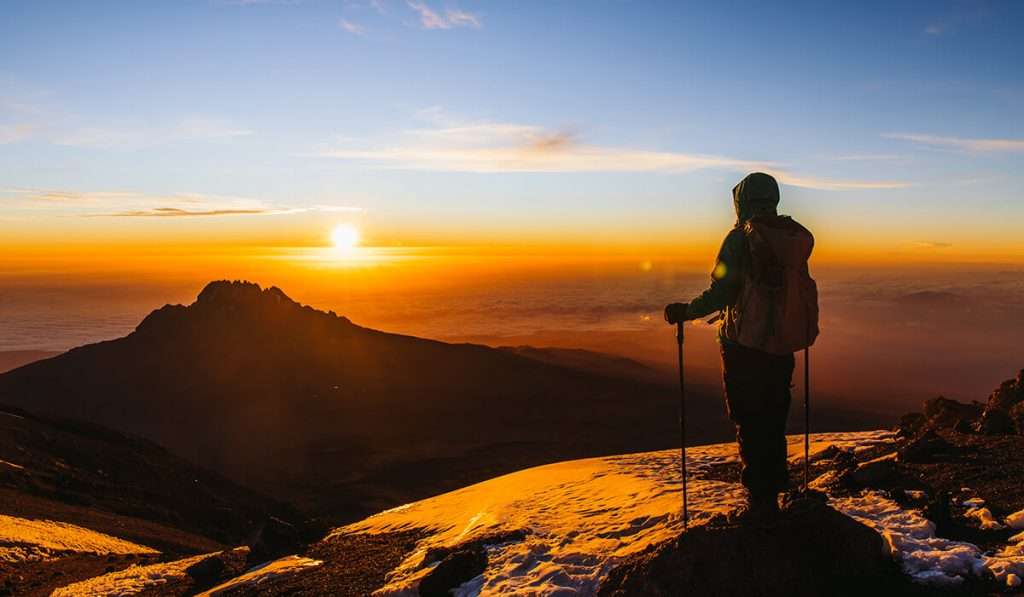
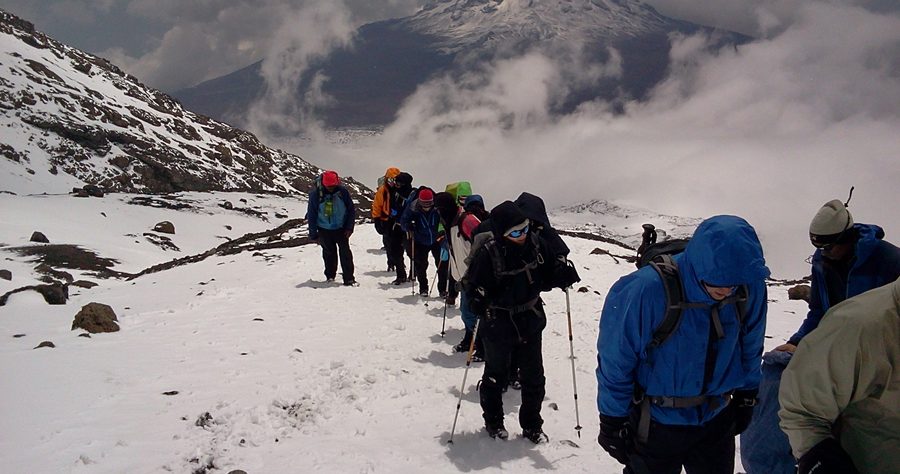
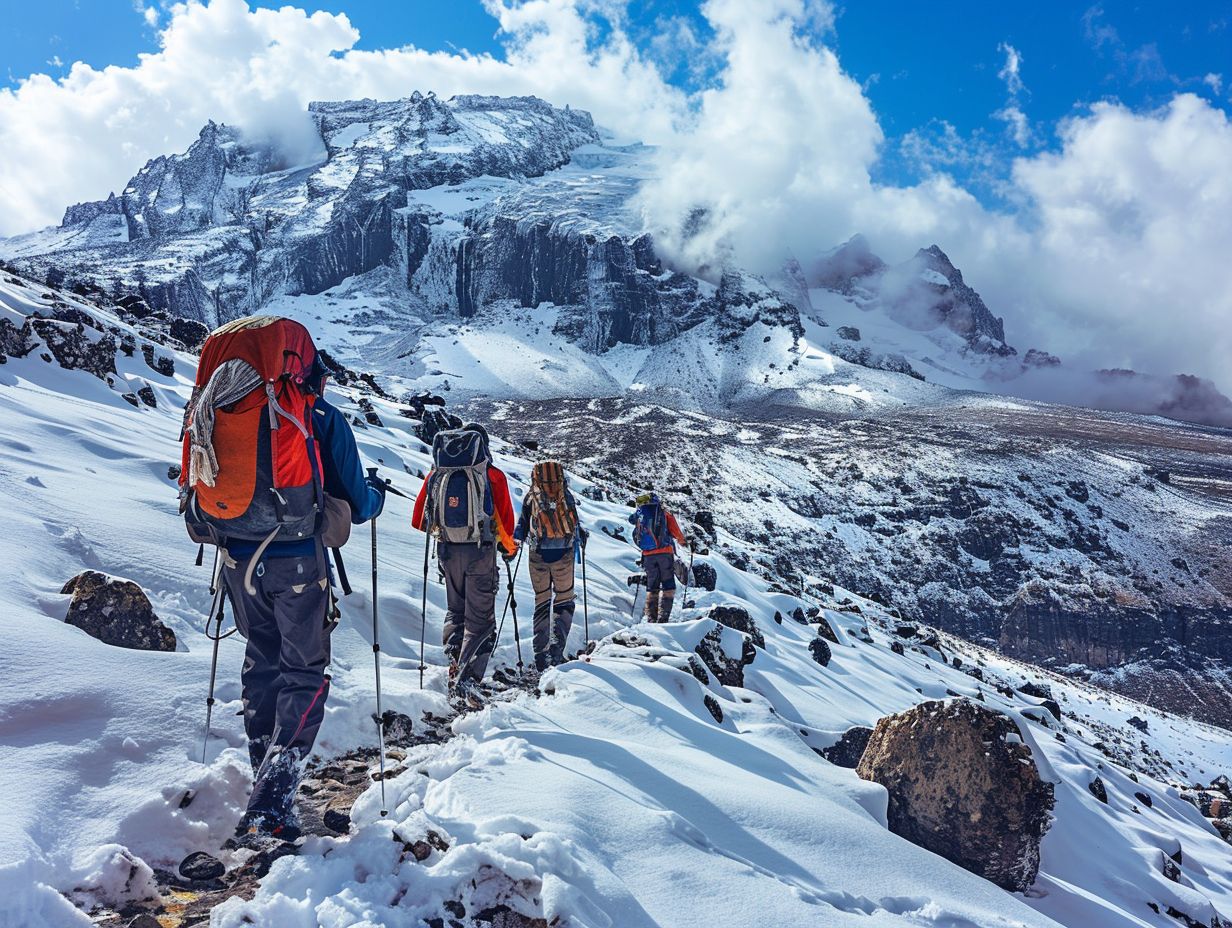
One of the defining characteristics of Mawenzi Tarn Camp is its impressive, albeit stark, scenery. The camp is dramatically positioned at the foot of Mawenzi, Kilimanjaro’s second-highest peak. Climbers wake up to the imposing presence of these ancient volcanic towers, sculpted by erosion into a formidable and awe-inspiring landscape. The views extend across the vast plains of Tanzania on clear days, offering a sense of immense scale and isolation. The rugged terrain, the vast expanse of the sky, and the sheer geological grandeur of Mawenzi create a memorable visual backdrop that few other camps on Kilimanjaro can match. This is a place where the raw power of nature is on full display, far from the green slopes of the lower mountain.
Why Choose a Route Passing Mawenzi Tarn Camp?
Climbers opt for routes that include Mawenzi Tarn Camp for several reasons:
- Access to Mawenzi Peak: For experienced mountaineers interested in summiting Mawenzi itself (a technical climb requiring specialized skills and equipment), Mawenzi Tarn Camp is the logical base.
- Unique Traverse Experience: It’s a key point for those undertaking a less common traverse, moving between the different massifs of Kilimanjaro.
- Challenging Adventure: Climbers seeking a more rugged, less crowded, and arguably more demanding Kilimanjaro experience may choose routes that incorporate this camp.
- Varied Itinerary: It adds a different dimension to a standard Kilimanjaro climb, offering a stark contrast to the more popular, well-trodden paths.
Daily Life and Conditions at Mawenzi Tarn Camp
Life at Mawenzi Tarn Camp is dictated by its high altitude and exposed environment. It’s a place where comfort takes a backseat to survival and the sheer accomplishment of reaching such a remote spot.
Tent Accommodation: Basic Shelter in the High Alpine
Accommodation at Mawenzi Tarn Camp is typically in sturdy, four-season tents. These are usually provided by the tour operator and are designed to withstand the harsh conditions. Expect simple dome tents, often shared by two climbers. The ground is usually rocky or gravelly, so sleeping mats are essential for insulation and comfort. While these tents offer protection from wind and precipitation, they do not provide much in the way of internal amenities. There are no wooden floors, no built-in heating, and certainly no electricity. The focus is purely on providing a safe, albeit basic, place to rest between the challenges of the day.
The Cold: A Constant Companion
At 4,300 meters, the temperature at Mawenzi Tarn Camp plummets dramatically after sunset. Even in the warmest months of 2026 or 2027, daytime temperatures can be surprisingly mild, but nights are intensely cold. Temperatures can easily drop to well below freezing, sometimes reaching -10°C (14°F) or even lower. This extreme cold is a significant factor climbers must prepare for. Proper layering, a high-quality sleeping bag (rated for at least -20°C or -4°F), and thermal base layers are non-negotiable. The cold affects everything, from the ability to perform simple tasks like preparing food to the quality of sleep.
Meals and Hydration: Fueling the Climb
Food at Mawenzi Tarn Camp is prepared by the expedition’s cook. While the menu is designed to be nutritious and high-energy, the logistics of cooking at such an altitude are challenging. Meals are usually cooked over gas stoves or portable stoves. Expect hearty, warm dishes like stews, pasta, rice, and vegetables, along with breakfast porridges and oatmeal. Hydration is critical at altitude, and climbers are encouraged to drink plenty of water. Water is often sourced from melting snow or ice, or carried from lower elevations. Tea and hot chocolate are welcome hot beverages that help with hydration and warmth.
Sanitation: The Reality of High-Altitude Camping
Sanitation facilities at Mawenzi Tarn Camp are extremely basic. There are no permanent toilets. Typically, a designated area is used for waste disposal, or climbers are instructed to dig catholes away from water sources and the camp itself. Portable toilets might be provided by some operators for a fee or as part of a premium package, but this is not standard for Mawenzi Tarn Camp. The remoteness means waste management is a significant logistical challenge, and strict adherence to Leave No Trace principles is paramount.
Daily Routine: Acclimatization and Preparation
A typical day at Mawenzi Tarn Camp involves waking up early, having breakfast, and then preparing for the day’s trek. If Mawenzi Tarn Camp is a destination, the day might involve acclimatization hikes to higher points or exploring the surrounding area. If it’s a transit camp, the day involves packing up tents and continuing the journey. Evenings are spent resting, hydrating, and preparing gear for the next day. The low oxygen levels mean that physical activity is more taxing, and rest is crucial for acclimatization and recovery. Most climbers aim for an early bedtime to maximize rest before the next stage of their ascent, whether it’s towards Kibo or another high-altitude point.
Climbing Routes that Utilize Mawenzi Tarn Camp
Mawenzi Tarn Camp is not a standard feature on all Kilimanjaro routes. Its inclusion is specific to certain itineraries that traverse the eastern side or aim for Mawenzi itself.
The Mweka Route (Camping Variant)
While the “Mweka Route” is most famously known as the descent route for Machame and other western routes, there can be variations or less common itineraries that utilize a camp named Mawenzi Tarn. This is often confused with the more standard Marangu camping route, which can also pass near this area. If your itinerary lists “Mweka Camp” in conjunction with Mawenzi, it likely refers to a camp at this higher altitude, distinct from the Mweka Gate at the base. This route variant is less common and often chosen for its challenging terrain and fewer crowds.
The Marangu Route (Camping Option)
The Marangu Route is unique as it offers both dormitory-style huts and camping options. The camping variant of the Marangu Route can, depending on the specific itinerary and operator, pass through or near the area of Mawenzi Tarn Camp. Climbers on the Marangu camping route might use Mawenzi Tarn as a staging point, especially if they are taking a longer itinerary or aiming for a more comprehensive experience of Kilimanjaro’s different faces. This route is known for its gradual ascent and the possibility of seeing both Mawenzi and Kibo from different angles.
The Chogoria Route and Traverse Options
The Chogoria Route is renowned for its scenic beauty, passing through forests, bamboo zones, and eventually reaching the alpine desert. While the main Chogoria campsites are at lower elevations, extended itineraries or traverses that incorporate Mawenzi Tarn Camp are possible. For instance, climbers might trek from the main Chogoria descent path towards the eastern side to reach Mawenzi Tarn Camp as part of a multi-day traverse. This allows for exploration of the eastern cirque and provides a different perspective on the mountain’s geology. This is often part of a longer, more challenging expedition, potentially for those planning for 2026-2027 and seeking a comprehensive Kilimanjaro adventure.
Specialized Mawenzi Ascents
For climbers whose primary goal is to summit Mawenzi peak itself, Mawenzi Tarn Camp is the essential base. Mawenzi is a technical climb, requiring rock-climbing skills, specialized equipment (ropes, harnesses, helmets), and often a guide experienced in mountaineering on Kilimanjaro. The routes up Mawenzi are challenging and exposed, making Mawenzi Tarn Camp the closest practical starting point for the final push to its summit. These expeditions are for seasoned climbers and are less common than standard Kilimanjaro summit attempts.
Comparing Routes with Mawenzi Tarn Camp
When considering routes that include Mawenzi Tarn Camp, it’s important to compare them:
- Challenging vs. Standard: Routes like a Chogoria traverse or specialized Mawenzi ascents are significantly more challenging than standard Marangu or Machame routes.
- Crowds: Expect far fewer people at Mawenzi Tarn Camp compared to popular camps like Barafu or Kibo Huts.
- Scenery: All routes offer stunning views, but the proximity to Mawenzi’s dramatic spires is unique to this camp.
- Duration: Itineraries involving Mawenzi Tarn Camp are often longer to allow for acclimatization and the complexities of the terrain.
Preparing for Mawenzi Tarn Camp: Gear and Acclimatization
Success at Mawenzi Tarn Camp and beyond hinges on thorough preparation. Given its altitude and conditions, meticulous planning regarding gear and acclimatization is crucial for any trek planned for 2026 or 2027.
Essential Gear Checklist for High Altitude
Climbers need to be fully equipped for extreme cold, wind, and fluctuating conditions. A comprehensive gear list should include:
- Layering System: Moisture-wicking base layers (merino wool or synthetic), insulating mid-layers (fleece or down), and a waterproof/windproof outer shell (jacket and trousers).
- Sleeping Bag: A 4-season sleeping bag rated to at least -20°C (-4°F) is essential.
- Footwear: Sturdy, broken-in hiking boots, warm socks (multiple pairs), and camp shoes or insulated boots for evenings.
- Headwear: Warm hat (beanie), balaclava or neck gaiter for wind protection, and sunglasses with UV protection.
- Handwear: Warm, waterproof gloves or mittens, and liner gloves for dexterity.
- Trekking Poles: Highly recommended for stability on rocky terrain and steep ascents/descents.
- Headlamp: With extra batteries, crucial for navigating in the dark, especially for early morning starts.
- Sun Protection: High SPF sunscreen, lip balm with SPF.
- Personal First-Aid Kit: Including blister treatment, pain relievers, and any personal medications.
- Hydration System: Water bottles or hydration reservoir (ensure it’s insulated to prevent freezing).
Acclimatization Strategy: The Key to Success
Reaching Mawenzi Tarn Camp at 4,300 meters requires a solid acclimatization strategy. Altitude sickness can affect anyone, regardless of fitness level. Key principles include:
- Slow Ascent: Choose a route with a sufficient number of days (ideally 7-8 days for the main summit) to allow the body to adapt gradually.
- “Pole Pole” (Slowly Slowly): Maintain a slow, steady pace throughout the trek.
- Hydration: Drink plenty of fluids (3-4 liters per day) – water, herbal teas, etc. Avoid alcohol and caffeine.
- Eat Well: Maintain a high-calorie intake, even if appetite is reduced.
- Ascend High, Sleep Low: If possible on certain routes, this principle helps the body acclimatize.
- Monitor Symptoms: Be aware of the symptoms of Acute Mountain Sickness (AMS) – headache, nausea, dizziness, fatigue. Report any symptoms to your guide immediately.
For those planning a climb in 2026 or 2027, consulting with a reputable tour operator like Top Guide Adventures is crucial. They can help tailor an itinerary that prioritizes acclimatization and ensures you have the right gear for conditions at Mawenzi Tarn Camp.
Mental Preparation: The Psychological Challenge
Beyond the physical demands, Mawenzi Tarn Camp presents psychological challenges. The remoteness, the harsh conditions, and the sheer scale of the mountain can be daunting. Mental preparation involves:
- Realistic Expectations: Understand that it will be cold, uncomfortable at times, and physically demanding.
- Positive Mindset: Focus on the experience and the beauty of the environment, not just the summit.
- Trust Your Guide: Your guide is experienced and will make critical decisions regarding safety and pace.
- Teamwork: Support your fellow climbers, and be prepared to be supported.
Potential Challenges and Risks at Mawenzi Tarn Camp
While Mawenzi Tarn Camp offers a unique experience, it also comes with specific challenges and risks that climbers must be aware of.
Altitude Sickness (AMS)
As mentioned, AMS is the primary risk at this altitude. Symptoms can range from mild headaches to severe, life-threatening conditions like High Altitude Pulmonary Edema (HAPE) or High Altitude Cerebral Edema (HACE). Proper acclimatization, hydration, and immediate reporting of symptoms to guides are the best defenses. For any trek in 2026-2027, understanding AMS protocols is non-negotiable.
Extreme Cold and Hypothermia
The freezing temperatures pose a significant risk of hypothermia. This occurs when the body loses heat faster than it can produce it. Symptoms include shivering, confusion, drowsiness, and loss of coordination. Wearing appropriate layers, staying dry, and consuming warm fluids and high-energy foods are crucial preventative measures. Your guide will monitor you and the group for signs of hypothermia.
Weather Variability
Kilimanjaro’s weather is notoriously unpredictable, especially at high altitudes. While Mawenzi Tarn Camp is on the eastern side, it can still be affected by storms, high winds, and sudden temperature drops. Being prepared for all conditions, even during drier seasons, is essential. Wind can dramatically increase the feeling of cold and pose a risk to tents.
Terrain and Footing
The camp is situated on rocky, uneven ground. This can make walking around camp challenging, especially in low light conditions or when fatigued. Trekking poles provide stability, and sturdy footwear is important even when not actively trekking.
Remoteness and Rescue Logistics
Mawenzi Tarn Camp is more remote than camps on the main western routes. While rescue procedures are in place, the logistics of evacuating someone from this altitude and location can be more complex and time-consuming. This underscores the importance of thorough preparation and careful trekking.
Comparing Mawenzi Tarn Camp with Other Kilimanjaro Campsites
To fully understand what Mawenzi Tarn Camp is like, it’s helpful to compare it with more commonly known campsites on Kilimanjaro.
Mawenzi Tarn Camp vs. Barafu Camp (Uhuru Peak Route)
- Altitude: Mawenzi Tarn (approx. 4,300m) vs. Barafu (approx. 4,600m). Barafu is slightly higher.
- Location: Mawenzi Tarn is on the eastern side, near Mawenzi peak. Barafu is on the southern circuit, a staging point for the final push to Uhuru Peak.
- Environment: Both are in the alpine desert, very barren. Mawenzi Tarn is more exposed to Mawenzi’s dramatic features. Barafu is more of a desolate, rocky plateau.
- Crowds: Mawenzi Tarn is significantly less crowded than Barafu, which is a very busy camp on summit night for multiple routes.
- Facilities: Both are basic, with tent accommodation. Neither has significant facilities.
- Purpose: Mawenzi Tarn is often for Mawenzi ascents or traverses. Barafu is almost exclusively for summiting Uhuru Peak.
Mawenzi Tarn Camp vs. Kibo Huts (Marangu Route)
- Accommodation: Mawenzi Tarn is tent camping. Kibo Huts are basic mountain huts, offering a roof but little comfort.
- Altitude: Mawenzi Tarn (approx. 4,300m) vs. Kibo Huts (approx. 4,700m). Kibo Huts are higher.
- Route: Mawenzi Tarn is on less common routes or traverses. Kibo Huts are the highest accommodation on the Marangu route.
- Crowds: Mawenzi Tarn is quiet. Kibo Huts can be very busy, especially on summit nights for Marangu climbers.
- Purpose: Mawenzi Tarn serves specific routes/ascents. Kibo Huts are a stop before the summit push for Marangu climbers.
Mawenzi Tarn Camp vs. Machame Camp (Machame Route)
- Altitude: Mawenzi Tarn (approx. 4,300m) vs. Machame Camp (approx. 3,000m). Machame is considerably lower.
- Environment: Mawenzi Tarn is harsh alpine desert. Machame Camp is in the heather or moorland zone, offering more vegetation.
- Crowds: Mawenzi Tarn is very quiet. Machame Camp can be quite busy as it’s on one of the most popular routes.
- Comfort: Machame Camp, being lower and often less exposed, might feel slightly more comfortable, though still basic camping.
- Purpose: Machame Camp is an early-stage camp on a popular route. Mawenzi Tarn is a higher-altitude, more specialized stop.
In essence, Mawenzi Tarn Camp stands out for its high altitude, remoteness, and dramatic proximity to Mawenzi peak, offering a more rugged and less crowded experience than many other Kilimanjaro camps. If you’re planning a climb in 2026 or 2027 and seek a unique adventure, routes including this camp are worth considering.
Booking Your Kilimanjaro Climb with Mawenzi Tarn Camp
Choosing the right tour operator is paramount for a successful and safe Kilimanjaro climb, especially when opting for routes that include Mawenzi Tarn Camp. Top Guide Adventures, a trusted Tanzanian company, specializes in crafting Kilimanjaro expeditions tailored to client needs.
Why Choose Top Guide Adventures for Your Climb?
Top Guide Adventures offers:
- Experienced Local Guides: Knowledgeable guides with extensive experience on Kilimanjaro, including its less-traveled routes.
- Safety First Approach: Emphasis on proper acclimatization, emergency preparedness, and client well-being.
- Quality Equipment: Provision of reliable camping gear, including tents suitable for high-altitude conditions.
- Personalized Itineraries: Ability to customize routes to include specific camps like Mawenzi Tarn, catering to adventurous climbers.
- Support Staff: A dedicated team of porters and cooks ensuring a smooth logistical operation.
Planning Your 2026-2027 Kilimanjaro Expedition
When planning for 2026 or 2027, consider the following:
- Route Selection: Discuss with your operator which routes pass Mawenzi Tarn Camp and if they align with your goals and fitness level.
- Itinerary Length: Longer itineraries (7+ days) are generally recommended for better acclimatization, especially when including higher-altitude camps.
- Booking Window: Book well in advance, particularly for popular climbing seasons. For 2026-2027, early booking is advisable.
- Climbing Season: The best times to climb are generally January-March and June-October, but routes involving Mawenzi Tarn Camp can be challenging year-round due to extreme conditions.
Contact Top Guide Adventures for Your Kilimanjaro Adventure
For detailed information on itineraries that include Mawenzi Tarn Camp, pricing for 2026-2027 expeditions, and personalized advice, reach out to our expert team. We are dedicated to providing exceptional service and ensuring your Kilimanjaro journey is safe, memorable, and successful. Let us help you plan your dream climb!
WhatsApp: +255 616 946 642
Email: topguideadventures@gmail.com
Backup Email: info@topguideadventures.com
Visit our website for more information on Kilimanjaro climbs and other Tanzanian adventures.
What to Expect in Terms of Cost
Costs for Kilimanjaro climbs vary significantly based on the route, duration, operator quality, and inclusions. Routes that include Mawenzi Tarn Camp, being less common and often longer, might be at the higher end of the price spectrum. Expect costs to typically range from $2,000 to $4,000+ per person for a reputable operator, depending on the specific itinerary and what’s included (e.g., park fees, gear rental, pre/post-climb accommodation). Always clarify what is included in the price, such as park fees, rescue fees, meals, guide and porter salaries, and accommodation. Top Guide Adventures provides transparent pricing for their 2026-2027 expeditions upon inquiry.
Final Thoughts on Mawenzi Tarn Camp
Mawenzi Tarn Camp is not for the faint of heart. It represents a true high-altitude camping experience on Kilimanjaro, characterized by its raw beauty, challenging conditions, and relative isolation. It’s a place that demands respect for the mountain and thorough preparation. For climbers seeking an authentic, adventurous experience beyond the standard routes, Mawenzi Tarn Camp offers a unique and unforgettable stop on their Kilimanjaro journey. Whether you are planning for 2026 or 2027, preparing adequately for the altitude, cold, and terrain will ensure you can appreciate the stark magnificence of this high-altitude wilderness.”,
“faq_schema”: [
{
“question”: “What is the altitude of Mawenzi Tarn Camp?”,
“answer”: “Mawenzi Tarn Camp is situated at approximately 4,300 meters (14,100 feet) above sea level on Mount Kilimanjaro.”
},
{
“question”: “What are the accommodation facilities like at Mawenzi Tarn Camp?”,
“answer”: “Accommodation at Mawenzi Tarn Camp is basic, consisting of sturdy, four-season tents set up on rocky or gravelly terrain. There are no permanent structures or advanced facilities.”
},
{
“question”: “What is the weather like at Mawenzi Tarn Camp?”,
“answer”: “The weather is extremely cold, with temperatures frequently dropping below freezing at night, often reaching -10°C (14°F) or lower. Days can be mild but windy. Conditions are highly variable and can change rapidly.”
},
{
“question”: “Which Kilimanjaro routes typically include Mawenzi Tarn Camp?”,
“answer”: “Mawenzi Tarn Camp is primarily used on less common routes like certain variants of the Marangu (camping option), Chogoria, or specialized traverses. It’s also the base camp for technical ascents of Mawenzi peak itself.”
},
{
“question”: “What are the main challenges of camping at Mawenzi Tarn Camp?”,
“answer”: “The main challenges include extreme cold, the risk of altitude sickness (AMS), unpredictable weather, difficult terrain underfoot, and the camp’s remoteness, which impacts rescue logistics.”
},
{
“question”: “What gear is essential for Mawenzi Tarn Camp?”,
“answer”: “Essential gear includes a 4-season sleeping bag (-20°C rating), layered clothing (base, mid, and outer shell), warm gloves and hat, sturdy hiking boots, trekking poles, and a headlamp. Proper acclimatization and hydration are also critical.”
},
{
“question”: “How does Mawenzi Tarn Camp compare to Barafu Camp?”,
“answer”: “Mawenzi Tarn Camp is slightly lower in altitude than Barafu Camp, located on the eastern side near Mawenzi peak, and is much less crowded. Barafu Camp is on the southern circuit, a busy staging point for Uhuru Peak.”
},
{
“question”: “Is Mawenzi Tarn Camp suitable for first-time Kilimanjaro climbers?”,
“answer”: “Mawenzi Tarn Camp is on routes that are generally more challenging and less acclimatized than standard routes like Machame or Lemosho. It’s often better suited for experienced trekkers or those on longer, more comprehensive itineraries. First-time climbers should consult with an operator like Top Guide Adventures to select an appropriate route.”
},
{
“question”: “What is the cost of a Kilimanjaro climb including Mawenzi Tarn Camp for 2026-2027?”,
“answer”: “Prices for reputable operators typically range from $2,000 to $4,000+ per person for routes involving Mawenzi Tarn Camp, depending on the itinerary length and inclusions. It’s best to get a personalized quote from a company like Top Guide Adventures.”
}
]
}
“`
Check Availability for What Is Mawenzi Tarn Camp Like? 2026-2027
Ready to compare dates, prices, and the best option for your group? Send the package name and travel month so the team can reply with a clear quote, availability, and what is included.
What Is Barafu Camp Like Before Summit Night On Kilimanjaro? 2026-2027
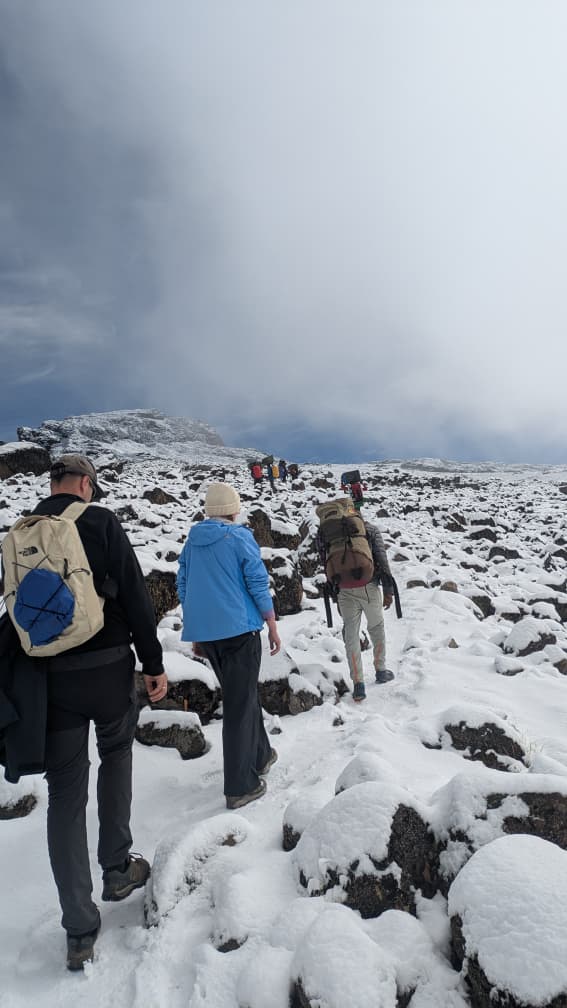
Barafu Camp is the high-altitude staging post on Kilimanjaro, situated just below the summit cone. It's a critical point where climbers rest and prepare for the final ascent to Uhuru Peak...
View package detailsNo related package matches those filters. Clear one or more filters to see the other topic-matched options.



