
Updated planning guide for 2026-2027
Affordable Safari Africa: Your Expert Planning Guide
Dreaming of an African safari without breaking the bank? This comprehensive guide reveals how to experience the magic of an affordable safari in Africa, covering planning, destinations, budgeting, and essential tips for 2026-2027 adventures.
WhatsApp +255616946642 | topguideadventures@gmail.com | info@topguideadventures.com
Affordable Safari Africa: Your Expert Planning Guide
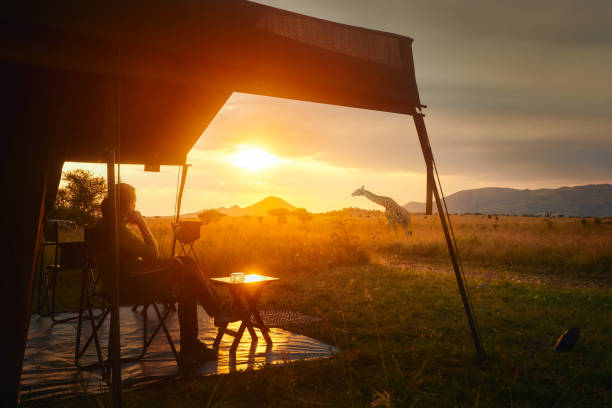
The call of the wild, the thrill of spotting a lion on the hunt, the serene beauty of acacia trees silhouetted against a fiery sunset – an African safari is a bucket-list experience for many. Yet, the perception of safaris often involves hefty price tags, making it seem out of reach. However, an affordable safari Africa adventure is entirely possible with smart planning, insider knowledge, and a focus on value. This guide is designed to help you navigate the complexities of planning a memorable and budget-conscious safari, ensuring you get the most out of your African journey without compromising on the incredible wildlife encounters and cultural immersion you seek.
We understand that planning a trip to Africa can feel overwhelming, especially when trying to balance your budget. This is where expert advice becomes invaluable. We’ll walk you through everything from choosing the right destination and time of year to understanding different accommodation styles and safari options. Whether you’re a solo traveler, a couple, or a family, our aim is to equip you with the knowledge to create an unforgettable experience that aligns with your financial expectations for 2026 and 2027.
Quick Facts: Affordable Safari Africa
| Aspect | Details |
|---|---|
| Primary Focus | Wildlife viewing, cultural experiences, scenic landscapes |
| Key Destinations for Value | Tanzania (off-peak season), Kenya (specific parks), Botswana (self-drive), South Africa (private reserves with deals), Uganda/Rwanda (gorilla trekking deals) |
| Accommodation Options | Budget lodges, tented camps, guesthouses, self-catering, camping |
| Transportation | 4×4 safari vehicles (shared or private), local flights (can add cost), overland trucks |
| Best Time for Value | Shoulder seasons (e.g., March-May, September-November) and off-peak months, avoiding major migration or holiday periods. |
| Typical Safari Length | 3-7 days for a focused safari experience, longer for multi-country trips. |
| Key Cost Components | Park fees, accommodation, transport, guide services, food, optional activities. |
Why an Affordable Safari Africa is Within Reach
The allure of an African safari is undeniable, but many prospective travelers assume it’s an exclusive luxury. While high-end, all-inclusive luxury safaris certainly exist, they are not the only way to experience Africa’s wildlife. The concept of an affordable safari Africa hinges on making informed choices. It’s about selecting destinations that offer excellent value, traveling during less crowded and therefore less expensive periods, and opting for accommodation and tour styles that align with a budget-conscious approach.
Many countries in Africa offer incredible safari experiences. Some, like Kenya and Tanzania, are famed for iconic wildlife spectacles. Others, like South Africa, offer a more developed infrastructure that can sometimes translate to competitive pricing, especially in specific reserves. Furthermore, countries like Uganda and Rwanda, while known for expensive gorilla permits, can be part of a broader, more affordable East African itinerary. The key is understanding where to find the best value without sacrificing the quality of the wildlife viewing and overall experience.
Understanding Safari Costs: What You’re Paying For
To plan an affordable safari, you first need to understand the primary cost drivers. These are generally consistent across most destinations:
- Park Entrance Fees: These are often significant and can vary widely by park and country. They are crucial for conservation efforts.
- Accommodation: This is typically the largest variable. Options range from basic tented camps and campsites to comfortable lodges and luxury tented suites.
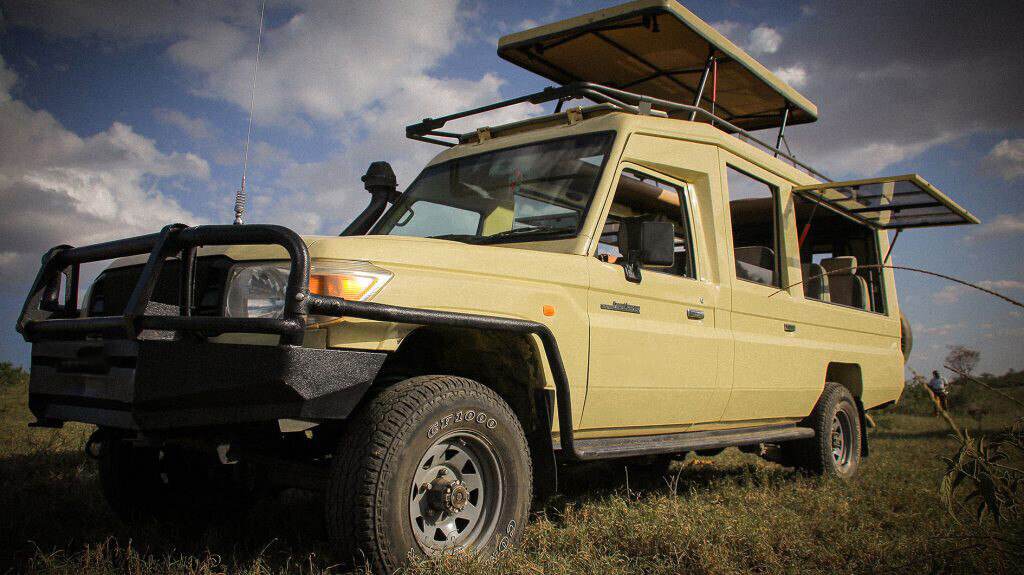
- Transportation: The cost of a dedicated safari vehicle (usually a 4×4 Land Cruiser or Land Rover) and an experienced driver-guide is substantial. Shared vehicles can reduce individual costs.
- Food and Drinks: Meals are usually included in lodge/camp rates, but drinks (especially alcoholic ones) might be extra. Self-catering or simpler meal options can save money.
- Activities: Game drives are standard. Optional activities like walking safaris, night drives, cultural visits, or hot air balloon safaris add to the expense.
- Tours Operator Fees: This covers their expertise, booking services, logistics management, and support. Choosing an operator with competitive pricing and transparent fees is vital.
- Permits: For specific activities like gorilla or chimpanzee trekking, permits are a fixed and often high cost.
Choosing Your Affordable Safari Africa Destination
Not all safari destinations are created equal when it comes to budget. While iconic parks in Kenya and Tanzania are world-renowned, some can be pricier due to popularity and high demand. Strategic choices can lead to incredible experiences at a lower cost.
Tanzania: Value in the Shoulder Seasons
Tanzania is home to the Serengeti, Ngorongoro Crater, and Tarangire National Park, offering some of the most spectacular wildlife viewing on the continent. While peak season (June-October) can be expensive, traveling during the shoulder seasons (March-May and November) can offer significant savings. The landscapes are still beautiful, wildlife is abundant, and you’ll encounter fewer crowds. An affordable safari Africa trip in Tanzania is achievable by focusing on these periods and considering a combination of national parks rather than solely the Serengeti.
Kenya: Diverse Options
Kenya’s Maasai Mara is legendary, but like the Serengeti, it can command higher prices. However, Kenya offers other excellent, often more budget-friendly parks such as Lake Nakuru National Park (known for rhinos and flamingos) and Amboseli National Park (iconic elephant herds with Kilimanjaro views). Exploring less-visited conservancies adjacent to the Mara can also provide excellent game viewing with potentially lower fees and fewer vehicles. Operators can often craft value-focused itineraries here.
South Africa: Accessible and Deal-Oriented
South Africa offers a different safari experience, often with self-drive options and a wider range of accommodation from budget guesthouses to luxury lodges. While Kruger National Park itself has reasonable fees, the private reserves bordering it (like Sabi Sands) can be very expensive. However, many lodges in these private areas offer last-minute deals or shoulder-season discounts. For a truly affordable safari Africa experience in South Africa, consider the public rest camps within Kruger National Park, which offer basic but clean accommodation and excellent self-drive or guided game viewing opportunities.
Uganda & Rwanda: Gorilla Trekking with a Plan
Gorilla trekking permits in Uganda and Rwanda are costly fixed expenses. However, if gorillas are a must-see, these destinations can still form part of an affordable trip. The cost of the permit is a one-time expense. Beyond that, accommodation and transport can be managed to keep overall costs down. Combining a gorilla trek with other wildlife viewing in Queen Elizabeth National Park (Uganda) or Akagera National Park (Rwanda) can create a well-rounded and relatively affordable itinerary, especially when planned efficiently for 2026 or 2027.
Botswana: The Self-Drive Advantage
Botswana is often perceived as a high-end destination, but for the adventurous and budget-conscious, self-driving can significantly reduce costs. Parks like Chobe National Park and the Okavango Delta (accessible by 4×4 or mokoro in certain areas) offer incredible wildlife. Camping within the national parks is a very affordable way to stay, though it requires more self-sufficiency. This option is best for experienced travelers comfortable with more independent planning.
Best Time to Travel for an Affordable Safari Africa
Timing is crucial for an affordable safari Africa adventure. While the ‘best’ time for wildlife viewing often coincides with peak season (dry season), this is also when prices are highest. To save money, consider these periods:
- Shoulder Seasons (March-May, September-November): These months often offer a fantastic balance. The weather is generally pleasant, wildlife is still active, and crowds are thinner. You might catch the tail end of the Great Migration in the Serengeti/Maasai Mara in September/October, or the start of the rains bringing lush landscapes and newborn animals in March-May.
- Low/Green Season (November-March, excluding Christmas/New Year): This is the wet season in many East African destinations. While game drives can sometimes be hampered by rain, wildlife is often more concentrated around water sources. The landscapes are incredibly green and beautiful, birdlife is spectacular, and prices for accommodation and tours are at their lowest. It’s also a great time for photographers due to softer light and fewer dust issues.
Avoid:
- Peak Safari Season (June-October): This is the dry season, when animals congregate around waterholes, making them easier to spot. It’s also peak holiday time, leading to higher prices and more tourists.
- Major Holidays: Christmas and New Year’s periods see a surge in prices and bookings across popular destinations.
For 2026-2027 travel, planning your trip during these shoulder or low seasons will significantly contribute to an affordable safari Africa experience.
Sample Itinerary Logic: A 7-Day Affordable Tanzania Safari
This sample itinerary focuses on Northern Tanzania, balancing iconic wildlife with value. It assumes travel during a shoulder or low season for affordability.
| Day | Location | Activities | Accommodation Style (Budget Focus) |
|---|---|---|---|
| Day 1 | Arrive Kilimanjaro Int. Airport (JRO) / Arusha | Airport transfer, overnight in Arusha. Briefing with your tour operator. | Budget lodge or guesthouse in Arusha. |
| Day 2 | Arusha to Tarangire National Park | Morning drive to Tarangire. Full-day game drive. Famous for large elephant herds and baobab trees. | Tented camp or budget lodge near Tarangire. |
| Day 3 | Tarangire to Lake Manyara National Park / Karatu | Morning game drive in Tarangire or drive to Lake Manyara for a game drive (tree-climbing lions, birdlife). Drive to Karatu for overnight. | Tented camp or budget lodge in Karatu area. |
| Day 4 | Ngorongoro Conservation Area | Descend into the Ngorongoro Crater for a half-day game drive. Incredible wildlife density. Afternoon visit to a Maasai village (optional, negotiate price). | Budget lodge or tented camp on the crater rim or in Karatu. |
| Day 5 | Karatu to Serengeti National Park (Central/South) | Drive to Serengeti, stopping at Olduvai Gorge (optional). Afternoon game drive in the Serengeti. | Budget tented camp or lodge in Central/South Serengeti. |
| Day 6 | Serengeti National Park | Full-day game drives in the Serengeti, exploring different areas depending on wildlife movements. | Budget tented camp or lodge in Central/South Serengeti. |
| Day 7 | Serengeti to Arusha / Departure | Morning game drive in Serengeti. Drive back to Arusha, or take a bush flight from Seronera airstrip to Arusha (adds cost but saves time). Transfer to JRO for departure or overnight. | N/A (departure day) or budget lodge in Arusha. |
Note on Affordability: This itinerary utilizes budget-friendly accommodation and focuses on popular parks. Choosing a shared safari vehicle with other travelers can further reduce costs. Opting for a 3-day safari focusing only on Tarangire and Lake Manyara, or a 4-day Ngorongoro/Tarangire combo, would be even more budget-friendly.
Making it Affordable: Accommodation and Transport Choices
The biggest levers you have for an affordable safari Africa are your accommodation and transport choices.
Accommodation Tiers for Budget Travelers
- Camping: The most basic and cheapest option. Often involves staying in designated campsites within or near national parks, sometimes with basic facilities. You might sleep in your own tent or rent one. Meals are usually prepared by a camp chef or self-catered.
- Budget Tented Camps: These offer a step up from camping, with permanent tents on raised platforms, often with basic en-suite bathrooms (bucket showers, pit toilets). They provide a more comfortable wilderness experience without the high cost of luxury lodges.
- Budget Lodges/Guesthouses: Simpler lodges or guesthouses located either inside or just outside park boundaries. They offer private rooms, usually with en-suite facilities, and often have a communal dining area. Quality can vary, so researching is key.
- Mid-Range Lodges/Tented Camps: While not strictly ‘budget’, these can offer excellent value, especially in shoulder seasons. They provide more comfort, better amenities, and often prime locations.
Transportation Options for Value
- Shared Safaris: Traveling in a shared safari vehicle with other travelers is one of the most effective ways to reduce costs. You share the vehicle and guide expenses, making it significantly cheaper than a private safari.
- Public Transport & Local Flights: While possible for some parts of a trip, relying heavily on public transport for safari destinations can be time-consuming and impractical. Internal flights between major hubs can save time but add considerable cost, so weigh the trade-off carefully for an affordable safari Africa.
- Overland Trucks: For the very budget-conscious and adventurous, overland truck tours are a popular option. They cover large distances, include camping, and have a set itinerary, offering a communal and economical way to see multiple countries.
- Self-Drive: As mentioned for Botswana, self-driving in a rented 4×4 can be cost-effective, particularly for longer trips or for families. However, it requires significant planning, navigation skills, and comfort with driving in remote areas.
What to Expect on an Affordable Safari Africa
An affordable safari doesn’t mean a subpar experience. You can still expect incredible wildlife sightings, knowledgeable guides, and the breathtaking landscapes of Africa. However, expectations might need to be adjusted in certain areas:
- Accommodation: Expect clean, safe, and comfortable, but likely more basic facilities. Tents might be canvas, bathrooms might be shared or have simpler amenities, and electricity might be generator-powered and limited to certain hours.
- Meals: Meals are usually hearty and delicious, often buffet-style. Variety might be less extensive than in luxury lodges. Packed lunches are common for full-day game drives.
- Vehicle: You’ll likely be in a sturdy 4×4 safari vehicle, but it might be older or less luxurious than top-tier options. Shared vehicles mean less personal space than a private tour.
- Service: Service will be friendly and efficient, but perhaps less personalized than in high-end establishments.
- Itinerary Flexibility: While tour operators plan meticulously, budget options might have slightly less flexibility for spontaneous detours compared to private tours.
The core of the safari – the wildlife, the landscapes, the thrill of discovery – remains the same. The adjustments are primarily in the comfort and luxury aspects, which are secondary to the primary goal of experiencing Africa’s natural wonders.
Packing Essentials for Your Affordable Safari Africa
Packing smart is key to a comfortable and successful safari. For an affordable safari Africa, you’ll want to pack light and efficiently, as luggage space in safari vehicles can be limited, especially for shared tours.
Clothing
- Neutral Colors: Khaki, beige, olive green, brown. Avoid bright colors (attract insects) and dark colors like black or navy blue (attract heat and tsetse flies).
- Lightweight Layers: T-shirts, long-sleeved shirts (for sun and insect protection), fleece or warm jacket (evenings can be cool, especially at higher altitudes), trousers/convertible pants.
- Comfortable Walking Shoes: Broken-in hiking boots or sturdy trainers.
- Sandals/Flip-flops: For relaxing at the lodge/camp.
- Sun Hat: Wide-brimmed and essential for sun protection.
- Scarf/Bandana: Useful for dust protection and warmth.
- Swimsuit: For lodges with pools.
- Rain Jacket/Poncho: Especially if traveling in the wet season.
Gear and Accessories
- Binoculars: Essential for spotting wildlife.
- Camera: With extra batteries and memory cards. Consider a zoom lens.
- Sunscreen: High SPF.
- Insect Repellent: With DEET or picaridin.
- First-Aid Kit: Include personal medications, antiseptic wipes, plasters, pain relievers, and any specific items for your needs.
- Headlamp/Flashlight: Useful for navigating camps at night.
- Reusable Water Bottle: Stay hydrated and reduce plastic waste.
- Adapter/Power Bank: For charging electronics.
- Dry Bag: To protect electronics from dust or rain.
- Small Backpack: For day trips and carrying essentials during game drives.
- Sunglasses: For eye protection.
- Hand Sanitizer: Always useful.
Tip: Most safari operators provide bottled water. Pack light, as many lodges have laundry services (often for a fee), which can reduce the amount of clothing you need to bring.
Common Mistakes to Avoid for an Affordable Safari Africa
Even with the best intentions, some common pitfalls can derail your budget or your experience. Be mindful of these:
- Not Booking in Advance: While last-minute deals exist, booking well in advance, especially for popular times or specific budget accommodations, often secures better rates and availability. This is particularly true for 2026 and 2027 travel planning.
- Ignoring Shoulder/Low Seasons: Sticking rigidly to peak season means paying premium prices. Embrace the benefits of off-peak travel for significant savings.
- Underestimating Park Fees: Park fees are non-negotiable and can add up. Factor them accurately into your budget.
- Unrealistic Itinerary: Trying to cram too many destinations into a short, budget safari leads to excessive travel time and costs, and a rushed experience. Focus on quality over quantity.
- Not Researching Tour Operators: Go beyond the cheapest quote. Look for operators with good reviews, clear communication, and transparent pricing. A slightly higher price from a reputable operator can save you from hidden costs and logistical nightmares.
- Ignoring Luggage Restrictions: Overpacking can lead to issues with vehicle space and potentially extra costs. Stick to soft-sided bags if possible.
- Not Budgeting for Extras: Factor in tips, drinks, souvenirs, and optional activities. These can add up quickly.
- Assuming All ‘Budget’ is the Same: ‘Budget’ can mean different things. Clearly define your expectations with your operator regarding the level of comfort, amenities, and service.
Who is an Affordable Safari Africa Best Suited For?
An affordable safari Africa is not just for those with limited funds. It’s a strategic choice for various types of travelers:
- Budget-Conscious Travelers: Obviously, those looking to maximize their travel experience while minimizing expenditure.
- Young Adventurers: Backpackers, gap year students, and young professionals who prioritize experiences over luxury.
- Savvy Travelers: Experienced travelers who understand value and are willing to forgo some luxuries for a more authentic or cost-effective adventure.
- Long-Term Travelers: Those on extended trips who need to manage their budget across multiple destinations and activities.
- Families on a Budget: Families looking to introduce their children to the wonders of Africa without an exorbitant cost.
- Solo Travelers: Often benefit from shared safari options to reduce costs and find companionship.
- Repeat Safari-Goers: Those who have experienced luxury safaris and are now looking for a more down-to-earth, yet still rewarding, experience.
If your priority is wildlife, landscapes, and cultural immersion, and you’re comfortable with simpler accommodation and services, an affordable safari is an excellent choice.
Alternatives to a Traditional Affordable Safari Africa
If a classic safari isn’t quite what you’re looking for, or if you want to complement it with other experiences:
- Walking Safaris: Offer a more intimate and ground-level perspective of the bush. Often found in areas where vehicle safaris are restricted, they can sometimes be part of more affordable packages.
- Camping Safaris: As detailed earlier, this is a fundamental way to make a safari affordable, focusing on the wilderness experience.
- Overland Tours: For multi-country adventures, overland tours are a very cost-effective way to cover significant ground.
- Volunteer Tourism: Some organizations offer opportunities to assist with conservation projects, which can sometimes include accommodation and transport as part of the program fee, though it’s not a pure safari experience.
- Self-Drive Safaris (e.g., South Africa, Namibia): For those comfortable with independent travel, renting a vehicle and self-driving through national parks can be a cost-effective alternative.
Planning Your Affordable Safari Africa for 2026-2027
Planning is paramount for a successful and affordable trip. Here’s a timeline and key considerations for 2026-2027:
12-18 Months Before Departure
- Define Your Budget: Be realistic about what you can spend. This will guide all subsequent decisions.
- Research Destinations: Identify countries and parks that offer good value for your interests (wildlife, culture, landscapes).
- Choose Your Travel Window: Decide on shoulder or low seasons for the best prices.
- Start Researching Tour Operators: Look for reputable companies specializing in budget or value-focused safaris. Read reviews.
6-12 Months Before Departure
- Contact Operators: Request quotes based on your desired itinerary and budget. Compare offerings carefully.
- Book Key Elements: Secure your chosen operator and tour package. Pay any required deposit.
- Book Flights: International flights are often cheaper when booked in advance.
- Gorilla/Chimpanzee Permits: If applicable, book these as soon as possible, as they sell out months in advance.
3-6 Months Before Departure
- Finalize Itinerary: Confirm all details with your operator.
- Book Accommodation (if independent): If not part of a package, book lodges or camps.
- Visas and Vaccinations: Research and apply for any necessary visas. Consult your doctor about recommended vaccinations and malaria precautions.
1-3 Months Before Departure
- Purchase Travel Insurance: Essential for any international trip.
- Buy Gear: Acquire necessary clothing and equipment.
- Learn Basic Phrases: A few words in Swahili or the local language can be appreciated.
Last Month
- Confirm All Bookings: Double-check flights, accommodation, and tour details.
- Pack: Pack your bags, leaving space for souvenirs.
- Inform Bank: Let your bank know your travel dates to avoid card issues.
- Print Documents: Keep copies of important documents (passport, visa, itinerary, insurance).
By following this structured approach, you can ensure a well-organized and truly affordable safari Africa adventure for 2026 or 2027.
Booking Your Affordable Safari Africa: Tips for Success
Choosing the right tour operator is critical for a successful and affordable safari. Here’s how to approach the booking process:
- Research Thoroughly: Look for operators with a strong online presence, positive reviews (on platforms like TripAdvisor, Google), and clear communication channels.
- Request Detailed Itineraries and Quotes: Ensure quotes clearly itemize costs, including park fees, accommodation, vehicle, guide, meals, and any excluded items.
- Ask About Group Sizes: For shared safaris, understand the maximum number of people per vehicle. Smaller groups offer a better experience.
- Inquire About Accommodation Standards: Get specific details about the type of lodges, camps, or tents used. Are they clean, safe, and well-located?
- Check Inclusions and Exclusions: Be clear on what is covered (e.g., park fees, meals, water, guide) and what is not (e.g., drinks, tips, optional activities, laundry).
- Understand Payment Terms: Reputable operators will require a deposit and full payment by a certain date. Be wary of requests for full payment upfront via untraceable methods.
- Read Contracts Carefully: Understand cancellation policies, refund terms, and liability clauses.
- Communicate Your Needs: Be upfront about your budget, interests, and any special requirements (dietary, mobility). A good operator will tailor options for you.
- Look for Local Expertise: Operators based in Tanzania often have a better understanding of local conditions, costs, and can offer more competitive pricing than international agents who add markups.
When you are ready to plan your affordable safari Africa, consider reaching out to experienced local operators. For instance, Top Guide Adventures, based in Tanzania, specializes in creating memorable safari experiences tailored to various budgets. They can help you navigate the options and build an itinerary that maximizes value.
Contact Us to Plan Your Affordable Safari
Ready to turn your dream of an affordable safari Africa into reality? We specialize in crafting incredible, value-driven safari experiences in Tanzania and beyond. Let our local expertise guide you.
WhatsApp: +255616946642
Email: topguideadventures@gmail.com
Backup Email: info@topguideadventures.com
Frequently Asked Questions (FAQs) about Affordable Safari Africa
Q1: Is it possible to have an amazing safari experience on a tight budget?
Absolutely. An affordable safari Africa trip can be just as amazing as a luxury one. The key is smart planning: choosing budget-friendly accommodation (like tented camps or campsites), traveling during shoulder or low seasons, opting for shared vehicles, and focusing on destinations known for value. The wildlife encounters and natural beauty remain the same.
Q2: What are the cheapest months to go on safari in Tanzania?
The cheapest months are typically during the low season, which is the rainy season. In Tanzania, this generally falls between March and May, and again in November. You’ll find lower prices for accommodation and tours, fewer crowds, and lush landscapes. Wildlife viewing can still be excellent, especially around water sources.
Q3: How much does a budget safari typically cost per day?
It’s difficult to give exact figures as prices fluctuate based on season, destination, and inclusions. However, for a budget-focused safari in Tanzania, you might expect costs to range from approximately $150 to $300 USD per person per day. This typically covers accommodation, a safari vehicle, guide, park fees, and meals. This estimate is for 2026-2027 travel and can vary.
Q4: Can I do a safari in Africa for under $1000 USD?
For a short safari (e.g., 2-3 days) in certain parks, or if you are extremely budget-conscious and opt for camping and shared tours, it might be possible to stay under $1000 USD per person. However, for a more comprehensive 5-7 day safari experience in popular areas like the Serengeti, this budget is likely too low, especially when factoring in international flights. Focus on value rather than just the lowest price.
Q5: What is the difference between a private safari and a shared safari for budget travelers?
A private safari means you have exclusive use of the safari vehicle and guide. This offers maximum flexibility but is significantly more expensive. A shared safari involves joining other travelers in a vehicle, splitting the costs of the vehicle and guide among multiple people. This is a key way to make an affordable safari Africa.
Q6: Are park fees included in budget safari packages?
Reputable tour operators will clearly state whether park fees are included in their package price or are an additional cost. For budget travelers, it’s essential to clarify this upfront. Some operators include them to offer a more transparent price, while others list them as an extra to keep the initial package price lower. Always confirm what’s included.
Q7: What are the best budget-friendly safari destinations in East Africa?
For East Africa, consider Tanzania during its shoulder or low seasons, focusing on parks like Tarangire, Lake Manyara, and potentially the Serengeti with a value-focused operator. Kenya also offers options outside the peak Maasai Mara season. Uganda can be affordable if you focus on other parks besides just gorilla trekking.
Q8: How much should I budget for tips on an affordable safari?
Tipping is customary and appreciated for guides, drivers, and lodge staff. While it’s not always included in budget packages, it’s good to budget around $10-20 USD per person per day for your driver-guide, and a smaller amount for lodge staff. Discuss tipping guidelines with your tour operator.
Q9: Can I book an affordable safari directly with a local operator for 2026-2027?
Yes, booking directly with a local Tanzanian operator like Top Guide Adventures is often the most effective way to secure an affordable safari Africa. Local operators typically have lower overheads and better knowledge of local pricing, allowing them to offer competitive rates and a more authentic experience.
Q10: What are the visa requirements for Tanzania?
Most nationalities require a visa to enter Tanzania. This can often be obtained online in advance (e-visa) or upon arrival at the airport. Check the latest requirements for your specific nationality well before your travel date for 2026-2027.
Q11: Is it safe to travel on an affordable safari?
Safety is a top priority for reputable safari operators. They adhere to park regulations, use experienced guides, and ensure vehicles are well-maintained. For an affordable safari Africa, ensure your chosen operator has a strong safety record and clear emergency procedures. General travel safety precautions (awareness of surroundings, not wandering alone at night) also apply.
Your Dream Affordable Safari Africa Awaits
An affordable safari Africa is not a myth; it’s a reality for those who plan wisely and seek value. By understanding your options, choosing the right time to travel, and working with knowledgeable local experts, you can experience the magic of Africa’s wildlife and landscapes without exceeding your budget. Whether you dream of the vast plains of the Serengeti, the wildlife-rich Ngorongoro Crater, or the elephant herds of Tarangire, an unforgettable adventure is within reach.
We are passionate about making the wonders of Tanzania accessible to everyone. Our team is dedicated to providing exceptional safari experiences that offer great value. Let us help you craft your perfect, budget-friendly African adventure for 2026 or 2027.
Contact us today to start planning:
WhatsApp: +255616946642
Email: topguideadventures@gmail.com
Backup Email: info@topguideadventures.com
Plan your affordable safari Africa with Top Guide Adventures
Tell us your travel dates, group size, comfort level, and dream experience. We will help you shape a clear, realistic, and memorable Tanzania itinerary.







 Veedesigner
 Fatma Kizanga
 Benjamin Waryuba
 Philip Philip
 John jr Itaja
 Antonia Optatus
 Edith Kanyere
 Neema Iddy
 Kelvin Boniphace
 Damari Maiga



