
Updated planning guide for 2026-2027
Africa 2 Week Itinerary: Your Ultimate Guide
Planning a 2-week trip to Africa? This detailed guide covers everything you need to know, from choosing destinations and activities to packing and booking your adventure for 2026-2027.
WhatsApp +255616946642 | topguideadventures@gmail.com | info@topguideadventures.com
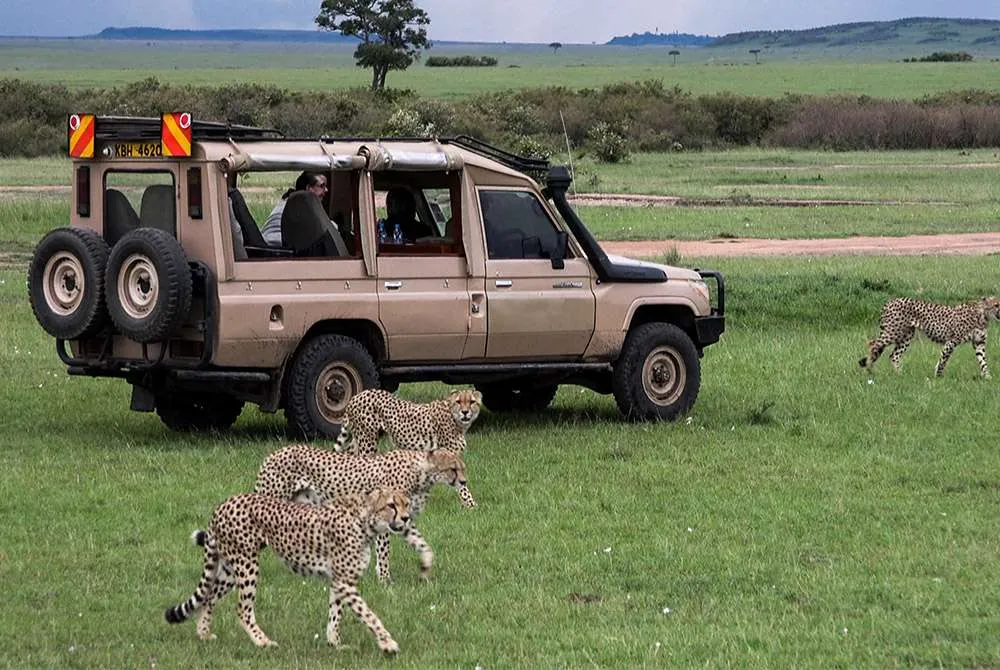
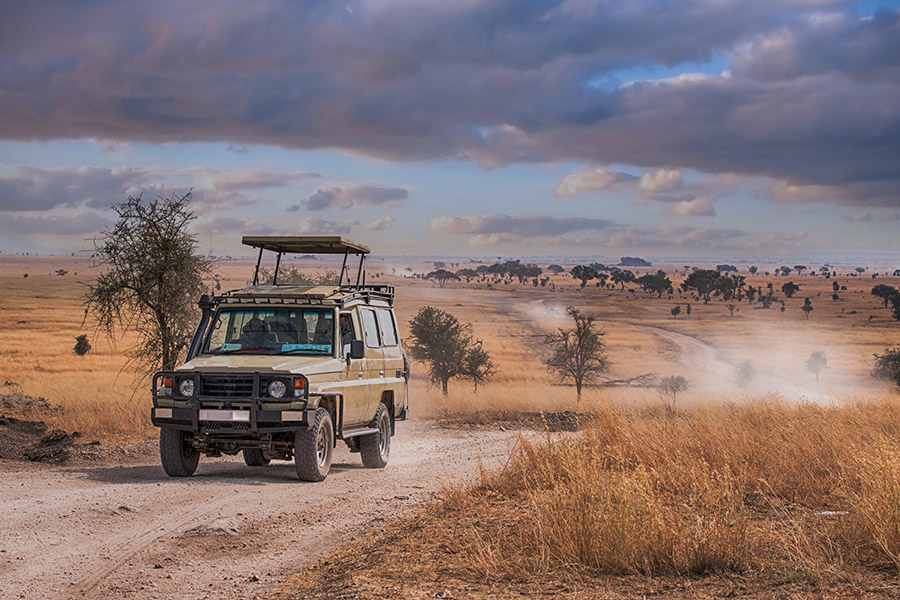
Africa 2 Week Itinerary: Your Ultimate Guide
An Africa 2 week itinerary is a popular choice for travelers seeking a concentrated yet impactful experience of this vast and diverse continent. Two weeks allows for a deep dive into specific regions, focusing on iconic wildlife, vibrant cultures, stunning landscapes, and relaxing beach escapes. This guide is designed to help you craft the perfect 14-day adventure, whether you’re dreaming of witnessing the Great Migration, standing atop Kilimanjaro, or unwinding on the spice-scented shores of Zanzibar. We’ll cover essential planning details, popular routes, what to expect, and how to make the most of your precious time.
Quick Answer: What is a typical Africa 2 Week Itinerary?
A common and highly recommended Africa 2 week itinerary focuses on Tanzania, combining northern circuit safaris (Serengeti, Ngorongoro Crater, Tarangire) with a few days on the island of Zanzibar. Alternatively, it could involve a Kilimanjaro climb followed by a short safari, or a focus on East African highlights like Kenya’s Maasai Mara and Tanzania’s Serengeti. For those interested in Southern Africa, a 2-week trip might explore South Africa’s Kruger National Park and Cape Town, or a combination of Victoria Falls and Botswana’s Okavango Delta.
| Aspect | Details |
|---|---|
| Duration | 14 Days / 13 Nights |
| Popular Destinations | Tanzania (Serengeti, Ngorongoro, Zanzibar), Kenya (Maasai Mara), South Africa (Kruger, Cape Town), Botswana (Okavango Delta), Victoria Falls |
| Key Activities | Wildlife Safaris, Cultural Visits, Mountain Trekking, Beach Relaxation, City Exploration |
| Best Time to Visit (General) | Dry seasons (June-October, January-February) for safaris; Zanzibar is pleasant year-round but drier from June-October and December-March. |
| Travel Style | Budget, Mid-range, Luxury |
Table of Contents
- Why Choose Africa for a 2-Week Trip?
- Understanding Traveler Intent: What Do You Want from Your 2 Weeks?
- Best Time to Plan Your Africa 2 Week Itinerary (2026-2027)
- Popular Africa 2 Week Itinerary Routes
- Detailed Sample Itinerary: Tanzania Northern Circuit & Zanzibar (14 Days)
- What to Expect on Your Africa 2 Week Trip
- Essential Packing and Preparation
- Common Mistakes to Avoid When Planning
- Who is an Africa 2 Week Itinerary Best Suited For?
- Alternatives to a 2-Week Itinerary
- Planning Your Trip for 2026-2027: Key Considerations
- Booking Your Africa Adventure
- Frequently Asked Questions About Africa 2 Week Itinerary
- Start Planning Your Dream African Journey
Why Choose Africa for a 2-Week Trip?
Africa offers an unparalleled diversity of experiences, making it an ideal destination for a focused 2-week trip. In just 14 days, you can witness landscapes that range from the vast savannas teeming with wildlife to the pristine beaches of tropical islands. The continent is home to some of the world’s most iconic natural wonders, including Mount Kilimanjaro, the Serengeti’s endless plains, and the majestic Victoria Falls. Beyond wildlife, Africa boasts rich and ancient cultures, vibrant local traditions, and welcoming communities. A 2-week itinerary allows you to immerse yourself without feeling rushed, balancing adventure with relaxation and creating memories that last a lifetime.
Understanding Traveler Intent: What Do You Want from Your 2 Weeks?
Before diving into specific itineraries, it’s crucial to define what you want from your Africa 2 week itinerary. Your preferences will shape the best route and activities for you. Consider these questions:
- Wildlife Focus: Are you primarily interested in seeing the “Big Five” (lion, leopard, elephant, rhino, buffalo) or witnessing specific events like the Great Migration? This might point you towards Tanzania or Kenya.
- Adventure Activities: Do you dream of climbing Kilimanjaro, white-water rafting, or exploring rugged landscapes? This could influence your choice of region and specific parks.
- Cultural Immersion: Are you keen to interact with local communities, visit traditional villages, and learn about different ways of life? Many tours offer opportunities for this.
- Relaxation and Beaches: Is a significant portion of your trip dedicated to unwinding on beautiful beaches after your adventures? Zanzibar, the Kenyan coast, or islands like Mauritius might be appealing.
- Pace of Travel: Do you prefer to see as much as possible, moving between locations frequently, or do you prefer to spend more time in fewer places to truly absorb the atmosphere?
- Budget: Are you looking for a budget-friendly adventure, a mid-range comfortable experience, or a luxurious escape? This will impact accommodation and activity choices.
Understanding these priorities will help tailor your Africa 2 week itinerary to your personal travel style and desires.
Best Time to Plan Your Africa 2 Week Itinerary (2026-2027)
The “best time” for an Africa 2 week itinerary largely depends on the region you plan to visit and your specific interests, especially for wildlife viewing. For East Africa (Tanzania and Kenya), the dry seasons are generally preferred for safaris:
- June to October: This is the prime dry season. Wildlife is concentrated around water sources, making sightings easier. It’s also the time of the Great Migration’s river crossings in the Serengeti (July-September). This period is popular and can be busier. For 2026 and 2027, booking well in advance for this peak season is highly recommended.
- January to February: This is another dry period, often referred to as the “short dry season.” It’s a great time for birdwatching and witnessing the calving season of the wildebeest in the southern Serengeti. It can be less crowded than the June-October period.
For Zanzibar, the island enjoys a warm climate year-round. The driest and most pleasant months are:
- June to October
- December to March
The shoulder seasons (April-May and November) can offer good value and fewer crowds, but be prepared for potential rain showers.
For Southern Africa (South Africa, Botswana, Victoria Falls):
- May to October (Dry Season): This is ideal for wildlife viewing as animals gather at waterholes. Days are pleasant, and nights can be cool.
- November to April (Wet Season): This period sees lush landscapes, better for birding, and newborn animals. However, some roads can become impassable, and wildlife may be more dispersed. It’s also hotter.
When planning for 2026-2027, consider booking your flights and accommodations at least 6-12 months in advance, especially if you’re targeting peak safari seasons or popular activities like Kilimanjaro climbs.
Popular Africa 2 Week Itinerary Routes
Here are a few of the most sought-after Africa 2 week itinerary options, each offering a distinct experience:
Route 1: Tanzania Northern Circuit & Zanzibar (Classic Wildlife & Beach)
This is arguably the most popular 2-week itinerary for a reason. It perfectly balances incredible wildlife encounters with a relaxing tropical escape.
Route Overview: Arusha (arrival) → Tarangire National Park → Ngorongoro Crater → Serengeti National Park (Central/North/South depending on migration) → Zanzibar (Stone Town & Beach)
Why it works:
- Wildlife Density: The Northern Circuit is home to an extraordinary concentration of animals.
- Iconic Landscapes: From the Ngorongoro Crater’s caldera to the vast Serengeti plains, the scenery is breathtaking.
- Migration Opportunities: Depending on the time of year, you can witness the Great Migration.
- Cultural Diversity: Opportunities to visit Maasai villages.
- Beach Bliss: Zanzibar offers pristine beaches, history, and spice tours.
Route 2: Kilimanjaro Climb & Northern Tanzania Safari
For the adventurous traveler, combining a Kilimanjaro ascent with a safari provides an unforgettable challenge and reward.
Route Overview: Arusha (arrival & preparation) → Kilimanjaro Climb (e.g., Machame Route, 7-8 days) → Moshi/Arusha (recovery) → Tarangire/Ngorongoro/Serengeti (3-4 days safari)
Why it works:
- Bucket List Achievement: Summiting Kilimanjaro is a major accomplishment.
- Stunning Scenery: Diverse ecosystems on the mountain, followed by savanna landscapes.
- Contrasting Experiences: The physical challenge of the climb is balanced by the relaxation and wildlife viewing of a safari.
- Logistical Synergy: Both activities are based in Northern Tanzania, making them logistically efficient.
Note: A 7-8 day climb plus 3-4 days of safari fits within 2 weeks, but it’s a very active itinerary. Recovery time after the climb is essential.
Route 3: Kenya & Tanzania Migration Focus
This itinerary is designed for those who want to maximize their chances of witnessing the Great Migration, often crossing between the Maasai Mara (Kenya) and the Serengeti (Tanzania).
Route Overview: Nairobi (arrival) → Maasai Mara National Reserve (Kenya) → Serengeti National Park (Tanzania, crossing point dependent) → Ngorongoro Crater → Arusha (departure)
Why it works:
- Migration Prime Viewing: Focuses on areas where the migration is most active.
- Iconic Parks: Includes the world-renowned Maasai Mara and Serengeti.
- Diverse Wildlife: Excellent opportunities to see a wide range of animals.
- Seamless Border Crossing: With proper planning, the border crossing between Kenya and Tanzania is manageable.
Consideration: This route requires careful timing to align with the migration’s movements, which can vary yearly. It’s a more wildlife-intensive itinerary, with less emphasis on relaxation.
Route 4: South Africa – Kruger & Cape Town Explorer
This option offers a fantastic blend of world-class safari and vibrant city life, combined with stunning natural beauty.
Route Overview: Cape Town (arrival, exploration) → Cape Peninsula → Winelands → Fly to Kruger Area (e.g., Hoedspruit or Nelspruit) → Kruger National Park or Private Game Reserve → Departure from Kruger area or back to Johannesburg.
Why it works:
- Diverse Experiences: Combines iconic wildlife viewing with a cosmopolitan city, beautiful coastlines, and vineyards.
- Excellent Infrastructure: South Africa offers well-developed tourism infrastructure, making travel smooth.
- Variety of Safaris: Kruger offers vast public park experiences, while private reserves provide more exclusive game viewing.
- Cultural and Natural Beauty: Cape Town is rich in history, culture, and stunning scenery.
Note: Flights between Cape Town and the Kruger region are necessary, adding to travel time and cost, but are efficient.
Route 5: Botswana Okavango Delta & Victoria Falls Adventure
For those seeking a more exclusive and pristine wilderness experience, combined with one of Africa’s most spectacular natural wonders.
Route Overview: Maun (arrival, gateway to Okavango) → Okavango Delta (mokoro, walking safaris, game drives) → Chobe National Park (boat safaris) → Kasane (gateway to Vic Falls) → Victoria Falls (Zimbabwe or Zambia) → Departure from Victoria Falls or Livingstone.
Why it works:
- Untouched Wilderness: Botswana is renowned for its low-impact, high-value tourism model, preserving its pristine environments.
- Unique Safari Experiences: The Okavango Delta offers water-based safaris (mokoro) and walking safaris, different from typical vehicle-based game drives.
- Abundant Wildlife: Chobe National Park is famous for its enormous elephant herds.
- Natural Wonder: Victoria Falls is a truly awe-inspiring sight.
Consideration: Botswana is generally a higher-cost destination due to its conservation model and remote lodges, often requiring light aircraft transfers.
Detailed Sample Itinerary: Tanzania Northern Circuit & Zanzibar (14 Days)
This is a popular and well-rounded Africa 2 week itinerary. It balances iconic wildlife with relaxation and culture. This sample is for the dry season (e.g., August) and assumes arrival in Kilimanjaro International Airport (JRO).
| Day | Location | Activities | Accommodation Type (Example) |
|---|---|---|---|
| Day 1 | Arrive Kilimanjaro (JRO) & transfer to Arusha | Arrival, meet & greet, transfer to hotel. Relax and prepare for safari. | Lodge/Hotel in Arusha |
| Day 2 | Arusha to Tarangire National Park | Morning drive to Tarangire, known for its large elephant herds and baobab trees. Afternoon game drive. | Tented Camp/Lodge near Tarangire |
| Day 3 | Tarangire to Ngorongoro Conservation Area | Morning game drive in Tarangire. Drive to Karatu, gateway to Ngorongoro. Option to visit a Maasai village en route. | Lodge/Camp in Karatu area |
| Day 4 | Ngorongoro Crater Tour | Full day game drive inside the Ngorongoro Crater, a UNESCO World Heritage Site. High chance of seeing rhinos. Picnic lunch. | Lodge/Camp in Karatu area |
| Day 5 | Ngorongoro to Serengeti National Park (Central) | Drive to Serengeti via Olduvai Gorge (optional stop). Afternoon game drive in the central Serengeti (Seronera area). | Tented Camp/Lodge in Central Serengeti |
| Day 6 | Serengeti National Park (Central/North) | Full day game drives exploring the Serengeti. Depending on the season, you might focus on areas where the migration is present. Option for a hot air balloon safari at dawn. | Tented Camp/Lodge in Central/North Serengeti |
| Day 7 | Serengeti National Park | Another full day of game drives in the Serengeti, searching for predators and diverse wildlife. | Tented Camp/Lodge in Central/North Serengeti |
| Day 8 | Serengeti to Zanzibar | Morning game drive in Serengeti. Transfer to a local airstrip for a flight to Zanzibar. Transfer to Stone Town. | Boutique Hotel in Stone Town |
| Day 9 | Stone Town Exploration | Guided walking tour of Stone Town, exploring its narrow streets, historical sites, markets, and Arabic influences. Visit the House of Wonders and the Old Fort. | Boutique Hotel in Stone Town |
| Day 10 | Zanzibar: Spice Tour & Transfer to Beach | Morning spice tour to learn about local spices and fruits. Afternoon transfer to your beach resort on the north or east coast. | Beach Resort (e.g., Nungwi, Kendwa, Paje) |
| Day 11 | Zanzibar Beach Relaxation | Full day to relax on the beach, swim in the turquoise waters, or engage in optional water sports like snorkeling or diving. | Beach Resort |
| Day 12 | Zanzibar Beach Activities / Day Trip | Enjoy your resort amenities, explore local villages, or take an optional excursion like a trip to Prison Island (giant tortoises) or a sunset dhow cruise. | Beach Resort |
| Day 13 | Zanzibar Beach Relaxation / Optional Safari Blue | Further relaxation or an optional “Safari Blue” excursion, a full-day boat trip with snorkeling, seafood lunch, and swimming in mangrove creeks. | Beach Resort |
| Day 14 | Depart Zanzibar | Enjoy a final breakfast. Depending on your flight schedule, enjoy some last-minute souvenir shopping or beach time. Transfer to Zanzibar International Airport (ZNZ) for your departure. | N/A |
What to Expect on Your Africa 2 Week Trip
A 2-week trip to Africa, particularly for safaris, involves a unique set of expectations:
- Early Mornings: Wildlife is most active at dawn and dusk, so expect early starts for game drives.
- Longer Drives: While distances might not seem vast on a map, road conditions and the desire to stop for sightings can make drives longer than anticipated. Your tour operator will manage this for you.
- Varying Accommodations: You might stay in comfortable lodges, luxury tented camps, or more rustic bush camps, each offering a different level of immersion.
- Wildlife Sightings: While Africa is teeming with animals, sightings are never guaranteed. Patience and knowledgeable guides are key. The “Big Five” are often elusive, especially the rhino and leopard.
- Weather: Expect a range of temperatures, from warm days to cool nights, especially on safari and at higher altitudes like Ngorongoro or Kilimanjaro. Zanzibar is tropical and humid.
- Connectivity: Wi-Fi and mobile signal can be intermittent, especially in remote safari areas. Embrace the opportunity to disconnect.
- Cultural Encounters: Be open to interacting with local communities. Respectful engagement is key.
- Safety: Reputable tour operators prioritize safety. Listen to your guide’s instructions, especially regarding wildlife. Malaria precautions are recommended for many safari areas and Zanzibar.
Essential Packing and Preparation
Packing smart is crucial for a comfortable and enjoyable Africa 2 week itinerary. Layering is key, as temperatures can fluctuate significantly.
Clothing:
- Neutral-Colored Clothing: Khaki, beige, olive green, brown. Avoid bright colors (which can scare wildlife) and black/dark blue (which attract tsetse flies).
- Lightweight Long-Sleeved Shirts & Trousers: For sun protection and insect repellent in the evenings.
- T-shirts & Shorts: For warmer days.
- Fleece Jacket or Warm Sweater: Essential for cool mornings and evenings on safari and at higher altitudes.
- Waterproof/Windproof Jacket: For unexpected rain showers or wind.
- Comfortable Walking Shoes/Hiking Boots: Especially if climbing Kilimanjaro or for walking safaris.
- Sandals/Flip-flops: For relaxing at lodges or on the beach.
- Swimsuit: For beach resorts or lodge pools.
- Hat: Wide-brimmed for sun protection.
- Scarf or Bandana: Useful for dust protection.
Gear & Toiletries:
- Sunscreen: High SPF.
- Insect Repellent: With DEET.
- Sunglasses.
- Binoculars: Essential for wildlife viewing.
- Camera & Extra Batteries/Memory Cards: You’ll take a lot of photos!
- Power Adapter & Power Bank: For charging devices.
- Personal First-Aid Kit: Include any personal medications, pain relievers, antiseptic wipes, bandages.
- Hand Sanitizer.
- Reusable Water Bottle.
- Small Backpack/Daypack: For carrying essentials on game drives.
- Headlamp or Small Flashlight: Useful in lodges/camps at night.
Documents & Money:
- Passport: With at least 6 months’ validity and blank pages.
- Visas: Check requirements for your nationality for Tanzania/Kenya/South Africa etc.
- Yellow Fever Certificate: May be required for entry, especially if coming from or transiting through certain countries.
- Travel Insurance Details.
- Copies of Important Documents: Stored separately.
- Cash: USD is widely accepted for tips and souvenirs, but local currency is useful too. Credit cards are accepted in larger hotels/shops.
Preparation:
- Vaccinations & Malaria Prophylaxis: Consult your doctor or a travel clinic well in advance.
- Travel Insurance: Comprehensive insurance covering medical emergencies, evacuation, and trip cancellation is vital.
- Fitness: If climbing Kilimanjaro or undertaking active safaris, ensure you have a good level of fitness.
- Bookings: Secure flights, accommodations, and tours well in advance, especially for 2026-2027.
Common Mistakes to Avoid When Planning
Even with the best intentions, travelers can make missteps when planning an Africa 2 week itinerary. Here are common pitfalls to steer clear of:
- Trying to See Too Much: Africa is vast. Cramming too many countries or parks into 14 days leads to excessive travel time, exhaustion, and superficial experiences. Focus on one region or a maximum of two closely connected areas.
- Ignoring Seasonality: Planning a safari during the rainy season without understanding the implications can lead to missed wildlife sightings or impassable roads. Research the best time for your chosen activities.
- Underestimating Travel Time: Distances between parks can be significant, and road conditions can vary. Factor in travel time realistically and consider internal flights for longer distances.
- Not Booking in Advance: Popular lodges, safari vehicles, and Kilimanjaro permits can book up months, even years, in advance, especially for peak seasons in 2026-2027.
- Choosing the Wrong Tour Operator: Opting for the cheapest option without vetting the operator can lead to poor service, safety issues, and a disappointing experience. Look for reputable companies with good reviews and local expertise.
- Forgetting Travel Insurance: This is non-negotiable. Medical emergencies or unforeseen cancellations can be financially devastating without adequate coverage.
- Packing Inappropriately: Wearing the wrong colors, bringing too many items, or forgetting essentials like insect repellent or a warm layer can detract from your comfort.
- Not Considering Internal Flights: For a 2-week trip, internal flights can save significant travel time, allowing you to maximize your time on the ground experiencing wildlife or destinations.
- Overlooking Visa Requirements: Failing to obtain necessary visas in advance can lead to delays or being denied entry.
- Not Budgeting for Extras: Beyond the tour package, budget for tips, souvenirs, drinks, optional activities, and park fees if not included.
Who is an Africa 2 Week Itinerary Best Suited For?
A 2-week African adventure is incredibly versatile and can be tailored to a wide range of travelers:
- First-Time African Travelers: It’s an excellent introduction to the continent, allowing you to experience its highlights without an overwhelming commitment. The Tanzania Northern Circuit & Zanzibar itinerary is particularly popular for first-timers.
- Wildlife Enthusiasts: If your primary goal is to see animals in their natural habitat, a 2-week safari in prime locations like the Serengeti, Maasai Mara, or Kruger is ideal.
- Adventure Seekers: Those looking for a physical challenge combined with incredible scenery can opt for a Kilimanjaro climb followed by a safari.
- Couples & Honeymooners: Romantic lodges, stunning sunsets, and the exotic allure of Zanzibar make for an unforgettable honeymoon or romantic getaway.
- Families with Older Children: Safaris can be incredibly educational and exciting for children aged 8 and above, offering a chance to learn about nature and conservation. Ensure the itinerary is paced appropriately.
- Photographers: The dramatic landscapes and abundant wildlife provide endless opportunities for stunning photography.
- Travelers with Limited Vacation Time: For those who can only take two weeks off, this duration allows for a substantial and meaningful trip to Africa.
It’s less suited for travelers who want to cover multiple countries extensively or those who prefer very slow-paced, in-depth exploration of a single region over a longer period.
Alternatives to a 2-Week Itinerary
While 2 weeks is a fantastic duration, other options might suit your travel style or time constraints:
- 1 Week in Africa: This would typically focus on a single park or a very specific experience, such as a short safari in the Serengeti, a few days in Cape Town, or a quick trip to Victoria Falls. It’s a good option for a taste of Africa.
- 3 Weeks in Africa: This allows for a more in-depth exploration. You could combine East Africa (Tanzania/Kenya) with Zanzibar, or explore multiple regions within a country (e.g., South Africa’s Kruger, Cape Town, and the Garden Route), or even combine two neighboring countries with more time in each.
- 4 Weeks+ in Africa: This opens up possibilities for multi-country journeys, exploring diverse regions like Southern Africa, East Africa, and perhaps West Africa, offering a truly comprehensive experience.
- Focused Single-Destination Trip: Instead of a broad itinerary, you might choose to spend the full 2 weeks exploring one country in depth, like Tanzania, covering the Northern Circuit, Southern Circuit (less visited but great), and Zanzibar.
Planning Your Trip for 2026-2027: Key Considerations
Planning an Africa 2 week itinerary for 2026-2027 requires foresight, especially given current travel trends and the desire for popular experiences. Here’s how to approach it:
- Book Early for Prime Dates: For the peak dry seasons (June-October 2026/2027) and popular routes like the Tanzania Northern Circuit or Kilimanjaro climbs, securing your spot 9-12 months in advance is advisable. This is especially true for specific lodges or camps with limited availability.
- Flexibility with Dates: If your dates are flexible, consider traveling in the shoulder seasons (e.g., March-May or November) for potentially better rates and fewer crowds, though weather patterns should be considered.
- Research Visa Requirements: Check the latest visa regulations for Tanzania, Kenya, South Africa, or any other country you plan to visit. E-visas are becoming more common and can save time.
- Health Precautions: Consult your doctor or a travel clinic about recommended vaccinations and malaria prevention for your chosen destinations well in advance of your 2026 or 2027 trip.
- Sustainable Tourism: Consider operators who are committed to responsible tourism practices, conservation efforts, and supporting local communities.
- Budget Realistically: While we avoid exact prices, understand that safaris, especially in prime locations, can be a significant investment. Factor in accommodation, park fees, activities, internal flights, and personal expenses.
- Travel Insurance: Ensure your policy is comprehensive and covers adventure activities if applicable. Review it thoroughly before purchasing.
- Stay Informed: Keep an eye on any travel advisories or changes in entry requirements that might affect your 2026-2027 travel plans.
Booking Your Africa Adventure
The best way to ensure a smooth and memorable Africa 2 week itinerary is by partnering with a reputable local tour operator. They possess invaluable knowledge of destinations, logistics, and local conditions.
When choosing an operator, look for:
- Local Expertise: A company based in Tanzania (like us!) or the region you’re visiting understands the nuances best.
- Customization: Can they tailor an itinerary to your specific interests, budget, and pace?
- Reputation & Reviews: Look for testimonials and independent reviews.
- Transparency: Clear communication about what is included and excluded in your package.
- Safety Standards: Especially important for Kilimanjaro climbs and safari vehicles.
We specialize in creating personalized African adventures. Whether you envision a classic Tanzania safari, a challenging Kilimanjaro trek, a serene Zanzibar holiday, or a combination thereof, we can design the perfect 2-week itinerary for you.
Ready to start planning your dream Africa 2 week itinerary?
Contact us today to discuss your ideal trip. We’re here to help you craft an unforgettable journey.
WhatsApp: +255616946642
Email: topguideadventures@gmail.com
Backup Email: info@topguideadventures.com
Frequently Asked Questions About Africa 2 Week Itinerary
Q1: Is 2 weeks enough time for an African safari?
A1: Yes, 2 weeks is an excellent amount of time for a focused African safari, especially in a region like Tanzania’s Northern Circuit or Kenya’s Maasai Mara. It allows for sufficient game drives and exploration without feeling overly rushed. You can see a significant amount of wildlife and experience diverse landscapes.
Q2: What is the best country in Africa for a 2-week safari?
A2: Tanzania and Kenya are often considered top choices for a 2-week safari due to their iconic parks, high wildlife density, and the possibility of witnessing the Great Migration. South Africa (Kruger) and Botswana also offer incredible experiences, each with its unique appeal and logistical considerations.
Q3: Can I combine a safari with Kilimanjaro in 2 weeks?
A3: Yes, it’s possible but very demanding. A standard Kilimanjaro climb takes 6-8 days, leaving only about 6-8 days for a safari. This would be a fast-paced itinerary, and you’d need to be very fit and prepared for minimal rest. It’s often better to have slightly more time if combining both.
Q4: What should I pack for a 2-week trip to Tanzania in August 2026?
A4: For August 2026 in Tanzania (dry season), pack lightweight, neutral-colored clothing, a warm fleece or jacket for cool mornings/evenings, a waterproof jacket, comfortable walking shoes, a wide-brimmed hat, sunscreen, insect repellent, binoculars, and a camera. Layers are essential. Refer to the packing section above for a detailed list.
Q5: How much does a 2-week Africa itinerary cost?
A5: Costs vary significantly based on destination, accommodation style (budget, mid-range, luxury), group size, and included activities. A 2-week safari in East Africa can range from moderate to high. For example, a mid-range safari might cost roughly $300-$500+ per person per day, excluding international flights. Luxury options will be considerably more. It’s best to get a custom quote.
Q6: Is it safe to travel in Africa for 2 weeks?
A6: Yes, with proper planning and reputable operators, Africa is a safe destination for tourists. Major tourist areas and national parks have established safety protocols. Always listen to your guide, be aware of your surroundings, and take necessary health precautions (like malaria prevention). Choosing a well-established tour operator is crucial for safety.
Q7: What’s the difference between a private game reserve and a national park for a safari?
A7: National parks are publicly managed with set rules (e.g., no off-road driving, limited night driving). Private game reserves are privately owned, often allowing off-road driving, night drives, and walking safaris, leading to potentially more intimate wildlife encounters. They are usually more exclusive and costly. Many 2-week itineraries combine both.
Q8: Do I need a visa for Tanzania for a 2-week trip in 2027?
A8: Most nationalities require a visa for Tanzania. You can often obtain this upon arrival at the airport or apply online in advance. It’s essential to check the latest visa requirements for your specific nationality on the official Tanzanian immigration website well before your 2027 trip.
Q9: What’s the best way to book an Africa 2 week itinerary?
A9: The most effective way is to work with a reputable local tour operator. They can handle all logistics, recommend the best parks and lodges for your interests, and ensure a seamless experience. Contacting them directly via email or WhatsApp is a great first step.
Q10: Can I do a self-drive safari for my 2-week trip?
A10: While possible in some countries like South Africa, self-driving on a 2-week safari in East Africa (Tanzania/Kenya) is generally not recommended for first-time visitors. It requires significant local knowledge, navigation skills, and understanding of park rules and vehicle maintenance. Using a reputable tour operator with experienced guides is far more practical and rewarding for this duration.
Start Planning Your Dream African Journey
Crafting the perfect Africa 2 week itinerary is an exciting process. Whether you’re drawn to the thundering hooves of the Great Migration, the serene beauty of Zanzibar’s beaches, or the challenge of scaling Kilimanjaro, your adventure awaits. By understanding your priorities, choosing the right time to travel, and partnering with experienced local guides, you can create a 14-day journey that exceeds all expectations.
We are passionate about showcasing the best of Tanzania and East Africa. Let us help you design a personalized Africa 2 week itinerary that perfectly matches your dreams for 2026-2027 and beyond. From initial planning to the moment you depart, we’re committed to providing an exceptional travel experience.
Get in touch to start planning:
WhatsApp: +255616946642
Email: topguideadventures@gmail.com
Backup Email: info@topguideadventures.com
Plan your Africa 2 week itinerary with Top Guide Adventures
Tell us your travel dates, group size, comfort level, and dream experience. We will help you shape a clear, realistic, and memorable Tanzania itinerary.







 Veedesigner
 Fatma Kizanga
 Benjamin Waryuba
 Philip Philip
 John jr Itaja
 Antonia Optatus
 Edith Kanyere
 Neema Iddy
 Kelvin Boniphace
 Damari Maiga



