
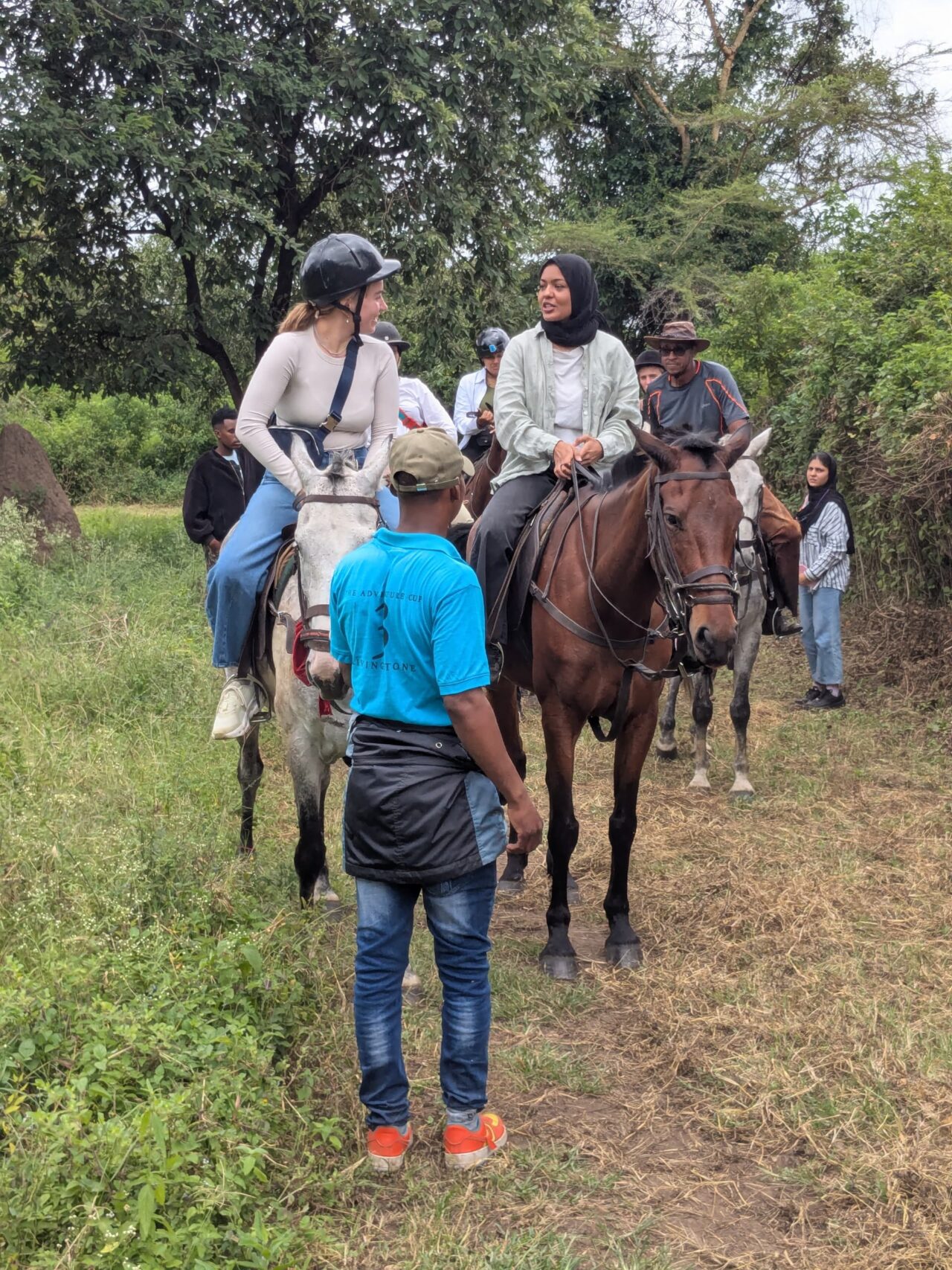
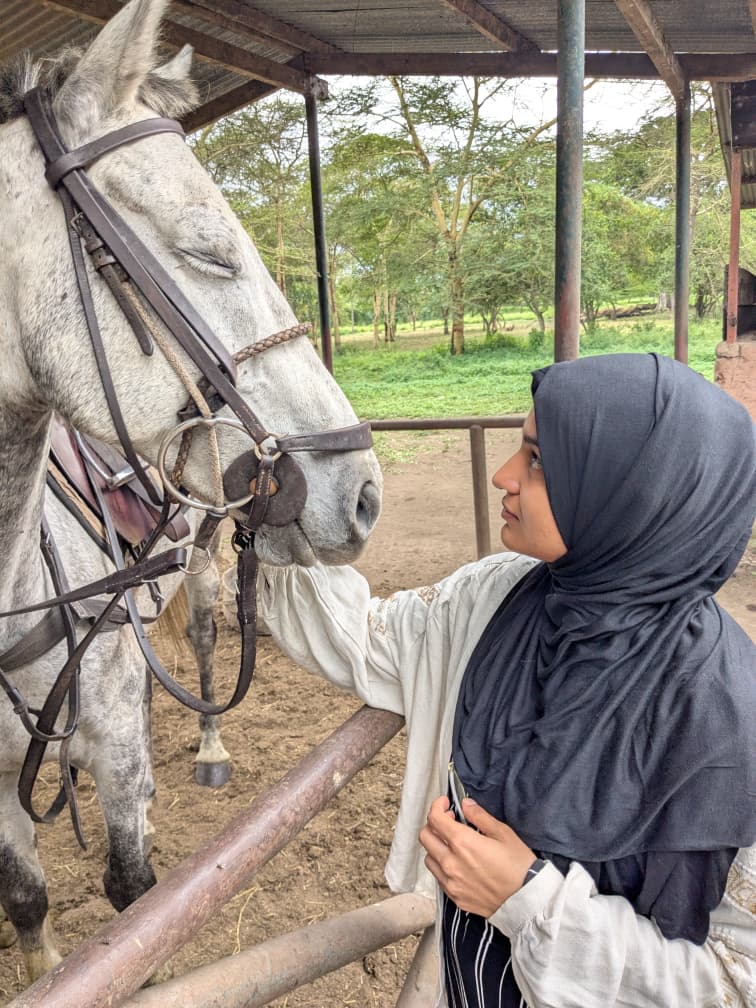
Imagine the wind in your hair, the rhythmic gait of a well-trained horse beneath you, and the vast, breathtaking plains of Tanzania stretching out before your eyes. This is the essence of an Arusha horse safari experience. Far from the confines of a vehicle, a horseback safari offers an unparalleled connection with nature, allowing you to approach wildlife with a quiet intimacy rarely possible otherwise. As you plan your adventures for 2026 and 2027, consider this extraordinary way to explore the heart of East Africa.
Arusha, often called the gateway to Northern Tanzania’s famed safari circuit, provides the perfect launchpad for these equestrian journeys. Nestled between Mount Meru and the majestic Kilimanjaro, the landscapes surrounding Arusha are diverse and captivating, ranging from rolling savannas and acacia woodlands to rugged hills and shimmering lakes. A horse safari here isn’t just a tour; it’s an immersive adventure that caters to both seasoned riders and enthusiastic beginners, promising unforgettable encounters and a profound appreciation for the wild.
Why Choose an Arusha Horse Safari Experience?
The appeal of a horse safari lies in its unique perspective. Mounted on horseback, you become part of the environment rather than an observer separated by glass and steel. This allows for:
- Closer Wildlife Encounters: Many animals are less intimidated by a horse than by a vehicle, allowing for more natural viewing opportunities. Imagine observing giraffes browsing in the trees or zebras grazing peacefully, all from a gentle trot.
- Access to Remote Areas: Horses can navigate terrain that vehicles cannot, opening up access to secluded valleys, dense bush, and areas perfect for quiet contemplation of the wilderness.
- A Deeper Connection to Nature: The sounds, smells, and sensations of the African bush are amplified when you’re on horseback. It’s a sensory experience that connects you more profoundly with the environment.
- An Adventurous Perspective: For those who love riding, it adds an exhilarating dimension to the safari experience, blending the thrill of equestrianism with the wonder of wildlife viewing.
- Reduced Environmental Impact: Horse safaris are inherently low-impact, leaving minimal trace on the delicate ecosystems they traverse.
Understanding the Arusha Horse Safari Landscape
The Arusha region itself is a mosaic of environments, each offering a distinct backdrop for your horse safari. Several key areas are renowned for their suitability and beauty:
The Foothills of Mount Meru
The slopes of Mount Meru, Tanzania’s second-highest peak, offer lush vegetation, dramatic vistas, and a cooler climate. Horseback riding here can take you through coffee plantations, local villages, and into the montane forests that cloak the lower reaches of the mountain. These rides are often less about vast plains wildlife and more about cultural immersion and scenic beauty, with opportunities to see smaller game and a rich variety of birdlife.
The Plains Surrounding Arusha National Park
While direct riding inside Arusha National Park is typically restricted to specific areas or guided walks, the land bordering the park is a prime location for horse safaris. These areas often teem with plains game, including zebras, wildebeest, various antelopes, and sometimes even giraffes and elephants, depending on the season and specific location. The open grasslands provide excellent visibility and a classic savanna safari feel.
The Maasai Steppe and Local Ranches
Some operators utilize land in the broader Maasai Steppe region, which extends from Arusha. These areas are vast, arid to semi-arid grasslands dotted with acacia trees, mirroring the iconic landscapes often associated with Africa. Here, you might ride alongside Maasai herdsmen and their cattle, gaining a glimpse into traditional pastoral life while encountering wildlife adapted to these drier conditions.
Types of Arusha Horse Safaris
The Arusha horse safari experience can be tailored to various preferences and durations. Whether you’re looking for a short, exhilarating day trip or an extended multi-day adventure, there’s an option for you.
Day Horse Safaris
Ideal for those already in Arusha or staying nearby, day safaris offer a concentrated dose of horseback adventure. These typically include:
- Morning or afternoon rides.
- Guided tours focusing on specific areas.
- Picnic lunches enjoyed in scenic spots.
- Rides suitable for various skill levels.
These are perfect for adding a unique activity to a longer Tanzania itinerary, perhaps before or after a more traditional safari or a Kilimanjaro climb. They often depart from lodges or dedicated stables on the outskirts of Arusha.
Multi-Day Horseback Treks
For a truly immersive experience, multi-day treks are the ultimate choice. These journeys take you deeper into the wilderness, often covering significant distances and offering a chance to camp under the stars. Key features include:
- Overnight stays in mobile tented camps or fly camps.
- Riding for several hours each day, exploring diverse terrains.
- Opportunities for sundowners with panoramic views.
- A chance to experience the African bush at dawn and dusk, prime times for wildlife activity.
- Usually cater to intermediate to experienced riders due to longer hours in the saddle and varied terrain.
These treks require more planning and are best suited for those seeking a comprehensive adventure. They are a fantastic way to disconnect and reconnect with the natural world.
Riding with Wildlife Focus
Some operators specialize in horse safaris designed specifically for maximum wildlife viewing. These rides are carefully planned to coincide with animal movements and to utilize areas where specific species are frequently found. While sightings are never guaranteed, the horseback approach offers a distinct advantage in observing animals in their natural habitat without causing undue disturbance.
Planning Your Arusha Horse Safari for 2026-2027
Booking your Arusha horse safari experience for 2026 or 2027 requires careful consideration to ensure it aligns with your expectations and capabilities. Here’s what to keep in mind:
Best Time to Visit
Tanzania’s climate is generally favorable year-round, but certain periods offer distinct advantages for horse safaris:
- Dry Seasons (June to October, and January to February): These months offer clear skies, lower humidity, and excellent game viewing as animals congregate around water sources. The ground is firmer for riding, reducing the risk of muddy conditions. This is also peak tourist season, so booking well in advance for 2026-2027 is highly recommended.
- Green Season (November to December, and March to May): While March to May is the main rainy season, the landscape becomes lush and vibrant. This can be a beautiful time for photography, and wildlife is dispersed as water is plentiful. However, rain can impact riding conditions, and some areas might become inaccessible. November and December offer a transition period with fewer crowds and beautiful scenery.
For horse safaris, the dry seasons are generally preferred for consistent riding conditions and optimal wildlife visibility.
Choosing the Right Operator
Selecting a reputable tour operator is paramount. Look for companies that:
- Have extensive experience in Tanzania and specifically with horse safaris.
- Prioritize rider safety and animal welfare.
- Offer well-maintained, suitable horses for various skill levels.
- Employ experienced, knowledgeable guides who understand both horsemanship and wildlife behavior.
- Provide clear itineraries, inclusions, and exclusions.
- Have positive reviews and a strong local presence.
We at Top Best Tanzania Tour operator pride ourselves on offering exceptional horse safari experiences. With years of local expertise, we ensure your safety, comfort, and an unforgettable adventure. For inquiries about our 2026-2027 horse safari packages, feel free to reach out via WhatsApp at +255616946642 or email us at topguideadventures@gmail.com.
Riding Experience and Fitness Levels
Be honest about your riding experience. Most operators offer options for beginners, intermediate, and experienced riders. However, multi-day treks often require a good level of fitness and riding stamina, as you’ll be in the saddle for extended periods over several consecutive days.
- Beginner: Comfortable walking and trotting, with some cantering experience. Day rides are ideal.
- Intermediate: Confident at all gaits (walk, trot, canter), able to control the horse in varied terrain and situations. Suitable for most day rides and some shorter multi-day treks.
- Experienced: Skilled rider comfortable with fast canters, challenging terrain, and long hours. Best suited for demanding multi-day expeditions.
Always communicate your abilities accurately to your tour operator.
What to Pack
Packing for a horse safari requires a blend of safari essentials and riding gear:
- Riding Gear: Comfortable riding trousers (breeches or jodhpurs), riding boots with a small heel, riding gloves, and a helmet (though many operators provide helmets).
- Clothing: Lightweight, breathable layers. Long-sleeved shirts to protect from the sun and insects, comfortable trousers, a fleece or warm jacket for cooler mornings and evenings.
- Sun Protection: Wide-brimmed hat, sunglasses, high SPF sunscreen.
- Footwear: Comfortable walking shoes for camp and downtime.
- Health & Safety: Personal first-aid kit, insect repellent (with DEET), any personal medications.
- Other Essentials: Camera, binoculars, reusable water bottle, headlamp or flashlight.
Your tour operator will provide a detailed packing list specific to your chosen safari.
The Arusha Horse Safari Experience: A Day in the Life
What can you expect on a typical day during your Arusha horse safari experience? While itineraries vary, a general flow emerges:
Morning Preparations
The day usually begins early, with breakfast served at the lodge or camp. After a briefing from your guide about the day’s route, wildlife possibilities, and safety instructions, you’ll head to the stables. Here, you’ll be matched with a horse suited to your experience and introduced to your mount.
The Ride
Mounted on your horse, you’ll set off into the landscape. The pace will vary depending on the terrain and wildlife sightings. Guides are skilled at reading animal behavior and will position the group for optimal viewing while ensuring the safety of both riders and animals. Expect moments of quiet observation, exhilarating canters across open plains, and fascinating insights into the flora and fauna from your knowledgeable guide.
Midday Break
A break is usually taken around midday, often in a shaded spot with beautiful views. This is a time for a packed lunch, refreshments, and a chance to rest your legs and let the horses graze. It’s a perfect opportunity to soak in the tranquility of the bush.
Afternoon Exploration
The ride continues in the afternoon, perhaps taking a different route or exploring a new area. The changing light can reveal different aspects of the landscape and wildlife. Some rides may conclude back at the starting point, while multi-day treks will proceed to the next camp location.
Evening at Camp (for multi-day treks)
As dusk settles, riders arrive at the mobile camp. After dismounting and caring for the horses, you can relax with a drink, share stories of the day’s adventures, and enjoy a hearty dinner prepared by the camp crew. Sleeping under the vast African sky, with the sounds of the wilderness around you, is an unforgettable part of the experience.
Wildlife You Might Encounter
While a horse safari is not the same as a game drive focused solely on spotting the Big Five, the proximity and approach offer unique viewing opportunities. Depending on the specific location and season, you might encounter:
- Plains Game: Zebras, wildebeest, gazelles (Thomson’s and Grant’s), impalas, hartebeest, topi, and eland are common sightings on the open plains.
- Giraffes: Their height makes them easily visible, and they often seem unbothered by horses, allowing for fascinating close-up views as they browse acacia trees.
- Elephants: While less common on horseback routes due to their potential to be unpredictable, in certain areas and with experienced guides, encounters can occur. Maintaining a respectful distance is crucial.
- Buffalo: Large herds can be seen, and guides will ensure a safe distance is maintained.
- Predators: Lions, leopards, and cheetahs are more elusive and less likely to be encountered directly on horseback. However, signs of their presence, such as tracks or kills, might be observed. You are more likely to see these on adjacent game drives if part of a larger package.
- Birds: The avian life is spectacular, with numerous species of eagles, vultures, storks, rollers, bee-eaters, and many more.
Remember, wildlife sightings are unpredictable. The joy of a horse safari is in the journey and the immersion, not solely in ticking off a checklist of animals.
Safety and Animal Welfare
Safety and the welfare of both riders and horses are paramount for any reputable operator. Expect:
- Experienced Guides: Guides are trained in equine management, first aid, wildlife tracking, and emergency procedures.
- Well-Trained Horses: Horses are chosen for their temperament, suitability to the terrain, and experience with human riders and wildlife. They are typically a mix of local breeds and imported horses accustomed to safari life.
- Safety Briefings: Comprehensive briefings before each ride cover riding techniques, communication with the guide, and how to react to wildlife encounters.
- Appropriate Gear: Helmets are often mandatory or highly recommended. Horses are equipped with well-maintained tack.
- Respect for Wildlife: Guides are trained to approach animals cautiously and retreat if animals show signs of stress. The goal is observation without disturbance.
When choosing your operator for a 2026 or 2027 trip, inquire about their safety protocols and horse welfare policies.
Combining Horse Safaris with Other Tanzanian Adventures
An Arusha horse safari experience is often a highlight within a broader Tanzanian adventure. It pairs wonderfully with other popular activities:
Traditional Game Drives
Combine your horseback adventure with classic game drives in nearby national parks like Tarangire, Lake Manyara, or the Serengeti. This provides a comprehensive safari experience, covering different viewing methods and ecosystems. Many operators offer packages that blend these activities.
Kilimanjaro Trekking
Arusha is the primary starting point for treks up Mount Kilimanjaro. After your trek, or as a unique activity before or after, a horse safari offers a gentler, yet equally thrilling, way to experience the Tanzanian landscape. Consider our Machame Route packages for 2026-2027 group departures: Machame Route Kilimanjaro Group Departures Dates.
Zanzibar Holidays
Extend your trip to the spice island of Zanzibar for a relaxing beach holiday. The contrast between the dusty plains of the mainland and the turquoise waters of the Indian Ocean is striking.
Cultural Tours
Explore local markets, visit Maasai villages, or learn about coffee farming in the Arusha region. Horse safaris can often be integrated with cultural visits for a richer understanding of the area.
Cost Considerations for 2026-2027 Bookings
The cost of an Arusha horse safari experience can vary significantly based on several factors:
- Duration: Day trips will be considerably less expensive than multi-day treks.
- Inclusions: Packages might include transfers, meals, accommodation (if overnight), park fees, and guide services.
- Level of Luxury: Camping safaris are generally more budget-friendly than those staying in high-end lodges or private ranches.
- Group Size: Private rides or small group tours can have different pricing structures compared to larger, scheduled departures.
- Time of Year: Peak season (dry months) may see slightly higher rates than the green season.
General Price Ranges (Estimates for 2026-2027):
- Day Horse Safari: Expect prices ranging from $150 to $350 per person, depending on the duration and inclusions.
- Multi-Day Horse Trek (per day): Rates can range from $300 to $600+ per person per day, typically including accommodation, meals, horses, guides, and support staff.
It’s essential to get a detailed quote from your chosen operator. We at Top Best Tanzania Tour operator offer competitive pricing for bespoke 2026-2027 itineraries. Contact us for a personalized quote: WhatsApp +255616946642 or email info@topguideadventures.com.
Booking Window: For the popular dry seasons in 2026 and 2027, booking at least 6-12 months in advance is strongly advised, especially for multi-day treks or if you have specific date requirements.
Frequently Asked Questions about Arusha Horse Safaris
Q1: Do I need to be an experienced rider to go on a horse safari?
A1: Not necessarily. Many operators offer rides tailored for beginners, focusing on gentle paces and easier terrain. However, if you’re considering multi-day treks, a reasonable level of riding experience and fitness is usually required. Always be honest about your ability.
Q2: What kind of horses are used for these safaris?
A2: Operators typically use a mix of sturdy, well-trained horses, often including local breeds and sometimes imported horses, chosen for their calm temperament and suitability for safari environments. They are accustomed to wildlife and varied terrain.
Q3: Can I bring my own riding helmet?
A3: Yes, you are welcome to bring your own helmet if you prefer. However, most reputable operators provide helmets as part of their safety equipment, so it’s not essential to pack one unless you have a very specific fit requirement.
Q4: What happens if I fall off my horse?
A4: Safety is the top priority. Guides are trained to manage situations and ensure rider safety. While falls are rare with experienced guides and well-matched horses, guides are equipped to handle such occurrences. Following guide instructions closely minimizes risks.
Q5: Will I see the Big Five on a horse safari?
A5: While possible, seeing the Big Five (lion, leopard, elephant, rhino, buffalo) is not the primary focus or guarantee of a horse safari. The experience is more about the unique perspective, connection with nature, and observing plains game. You might see elephants or buffalo at a safe distance, but predators are more elusive. Combining your horse safari with game drives offers the best chance for Big Five sightings.
Ready for Your Arusha Horse Safari Adventure?
An Arusha horse safari experience offers a distinct and deeply rewarding way to explore the wild heart of Tanzania. It’s an adventure that speaks to the soul, blending the freedom of the open plains with the grace of a horse and the thrill of encountering wildlife in its natural domain. Whether you’re planning for 2026 or 2027, this is an experience that promises lasting memories.
At Top Best Tanzania Tour operator, we are passionate about crafting unforgettable journeys. Our expertise in Tanzanian safaris, combined with our understanding of unique experiences like horseback riding, ensures a trip that is both exhilarating and meticulously organized. Let us help you design your perfect Arusha horse safari experience, tailored to your interests, skill level, and budget for your 2026-2027 travels.
Don’t hesitate to reach out to our travel experts to discuss your dream safari. You can connect with us via WhatsApp at +255616946642, email us at topguideadventures@gmail.com, or explore more of our offerings on our website. We look forward to helping you discover the magic of Tanzania from a unique perspective!
For general Tanzania safari information, explore our blog: Tanzania Safari Tours Blog. See our group departure dates for safaris and Kilimanjaro treks to plan your 2026-2027 adventure: All Tanzania Safaris Group Departures Dates.



