
Updated planning guide for 2026-2027
Backpacking Africa Cost: Essential Travel Guide
Discover the real cost of backpacking Africa with this comprehensive guide. Learn how to budget for safaris, treks, and cultural experiences, and plan your unforgettable journey.
WhatsApp +255616946642 | topguideadventures@gmail.com | info@topguideadventures.com
Backpacking Africa Cost: Your Ultimate Planning Guide
The allure of Africa is undeniable. Vast savannas teeming with wildlife, the majestic peaks of Kilimanjaro, the spice-scented air of Zanzibar, and vibrant cultures await. For many, the dream of exploring this diverse continent involves backpacking. But a crucial question looms large: what is the actual backpacking Africa cost? This guide aims to demystify the expenses involved, providing practical insights and detailed planning advice for your 2026-2027 adventure.
Understanding the financial commitment is the first step to making your African journey a reality. It’s not just about flights and accommodation; it’s about safaris, permits, local transport, food, and unexpected opportunities. This article will break down these elements, offering realistic expectations for budget-conscious travelers.
Quick Answer: What is the Backpacking Africa Cost?
While exact figures vary significantly based on your travel style, destinations, and chosen activities, a reasonable daily budget for backpacking in Africa can range from $50 to $150 USD per person per day. This typically covers accommodation (hostels, budget guesthouses), local food, internal transport, and some activities. However, major expenses like international flights, African safaris, Kilimanjaro climbs, and Zanzibar beach resorts will significantly increase the overall cost. For a comprehensive trip including these highlights, expect to budget between $2,500 to $7,000+ USD per person for a 3-4 week trip, excluding international flights.
Table of Contents
- Africa Backpacking: An Overview
- Why Understanding Your Backpacking Africa Cost Matters
- Key Factors Influencing Your Backpacking Africa Cost
- Major Expense Breakdown: What to Expect
- Safari Costs: A Deep Dive
- Kilimanjaro Trekking Costs: The Price of the Summit
- Zanzibar Holiday Costs: Island Paradise on a Budget
- Other Destinations and Activities
- Transportation Costs: Getting Around
- Food and Drink Costs: Sustaining Your Journey
- Accommodation Costs: Where to Sleep
- Visas and Permits
- Travel Insurance
- Vaccinations and Health
- Best Time to Go and Budget Impact
- Sample Itinerary and Cost Considerations (Tanzania Focus)
- Backpacking Africa Planning Checklist
- Common Mistakes to Avoid When Budgeting
- Who is Backpacking Africa Best For?
- Alternatives to Traditional Backpacking
- Planning Your 2026-2027 Backpacking Trip
- Booking Advice: Getting the Best Value
- Frequently Asked Questions
- Ready to Plan Your African Adventure?
Africa Backpacking: An Overview
Africa is a continent of immense diversity, offering experiences that range from the thrilling wildlife encounters of the Serengeti to the historical depths of Stone Town in Zanzibar, and the challenging ascent of Mount Kilimanjaro. Backpacking here is not a monolithic experience; it’s a mosaic of individual journeys. The backpacking Africa cost will naturally differ greatly depending on whether your focus is on budget overland travel through multiple countries or a more concentrated exploration of a specific region like Tanzania.
Travelers often envision a single, uniform cost, but the reality is far more nuanced. Factors like your nationality (affecting visa fees), your chosen mode of transport (from local buses to internal flights), your accommodation preferences (dormitory vs. private room), and your dining habits (street food vs. restaurants) all play a significant role. This guide focuses on providing a realistic financial framework, particularly for popular destinations and activities in East Africa, with a strong emphasis on Tanzania, a prime destination for safari, trekking, and beach holidays.
Why Understanding Your Backpacking Africa Cost Matters
A clear understanding of the backpacking Africa cost is fundamental to successful trip planning. It allows you to:
- Set Realistic Expectations: Avoid disappointment by knowing what you can afford to do and see.
- Save Effectively: Knowing your target budget helps you set savings goals.
- Choose Destinations and Activities Wisely: Allocate funds to your priorities. For example, a high-end safari will consume a larger portion of your budget than overland travel.
- Avoid Financial Stress: Being adequately prepared financially allows you to relax and enjoy your trip without constant worry about money.
- Negotiate and Find Value: Understanding local costs empowers you to make informed decisions when booking tours or services.
Key Factors Influencing Your Backpacking Africa Cost
Several variables will shape your total expenditure. Understanding these will help you tailor your budget:
- Destinations: Some countries are significantly more expensive than others. For instance, Botswana is generally pricier for safaris than Tanzania or Kenya.
- Duration of Stay: Longer trips naturally incur higher overall costs, though the daily average might decrease with savvy planning.
- Activities: Major excursions like Kilimanjaro treks, multi-day safaris, or diving in Zanzibar are significant budget items.
- Accommodation Style: Hostels and budget guesthouses are cheaper than mid-range hotels or lodges.
- Transportation: Internal flights, private transfers, and even long-distance bus journeys add up.
- Food Choices: Eating local market food is cheaper than dining in tourist-oriented restaurants.
- Time of Year: Peak seasons often mean higher prices for accommodation and tours.
- Pace of Travel: Moving quickly between locations incurs more transport costs than staying put for longer periods.
- Group Size: Traveling with others can sometimes reduce costs per person, especially for shared transport or accommodation.
Major Expense Breakdown: What to Expect
Let’s break down the primary cost categories for backpacking in Africa, focusing on Tanzania as a prime example.
| Expense Category | Budget Traveler Expectation (per day/item) | Mid-Range Traveler Expectation (per day/item) | Notes |
|---|---|---|---|
| Accommodation | $10 – $30 (Hostels, basic guesthouses) | $40 – $100 (Comfortable lodges, mid-range hotels) | Varies by location and amenities. Zanzibar can be pricier. |
| Food & Drink | $15 – $30 (Local eateries, markets, self-catering) | $30 – $60 (Restaurants, cafes) | Eating local is key for budget. Alcohol adds up. |
| Local Transport | $5 – $20 (Dala-dalas, shared taxis, local buses) | $20 – $50 (Private taxis, occasional internal flights) | Depends on distance and comfort. |
| Activities (Daily) | $20 – $50 (National Park entry fees, local tours) | $50 – $150+ (Guided day trips, shorter safaris) | This is highly variable. Major activities are separate. |
| Daily Average (Excluding Major Tours) | $50 – $130 | $140 – $360 | This is a rough daily spend for on-the-ground costs. |
| Major Excursions (Separate Budget) | $1,000 – $3,000+ (Safari, Kilimanjaro) | $2,000 – $5,000+ (Safari, Kilimanjaro) | These are significant one-off costs. |
Safari Costs: A Deep Dive
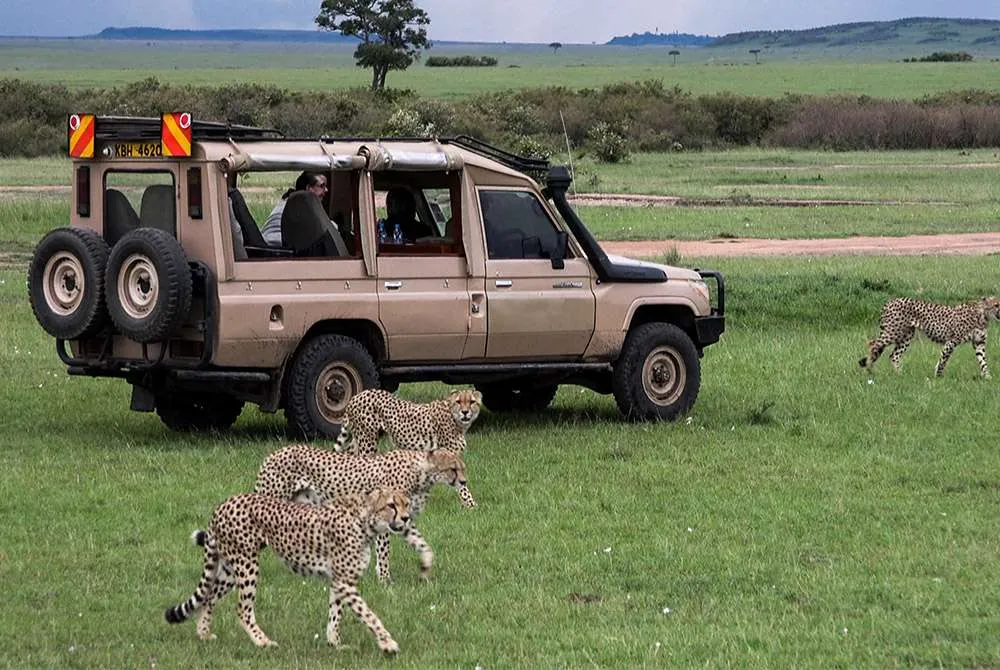
Safaris are often the highlight of an African trip, but they are also a significant expense. The backpacking Africa cost for a safari depends heavily on the duration, the parks visited, the accommodation type, and the tour operator. For Tanzania, popular parks include Serengeti, Ngorongoro Crater, Tarangire, and Lake Manyara.
Budget Considerations for Safaris:
- Duration: A 3-day safari is significantly cheaper than a 7-day one.
- Parks: Entry fees vary. The Serengeti and Ngorongoro Crater are generally more expensive than Tarangire or Lake Manyara.
- Accommodation: Camping safaris are the most budget-friendly option. Mid-range involves tented camps or basic lodges. High-end is luxury lodges.
- Vehicle and Guide: A private safari with a dedicated vehicle and guide is more expensive than joining a group tour.
- Operator: Local operators can sometimes offer better value, but ensure they are reputable and licensed.
What a budget camping safari in Tanzania might include:
- Park entrance fees (Serengeti, Ngorongoro, etc.)
- Accommodation in public campsites
- All meals during the safari
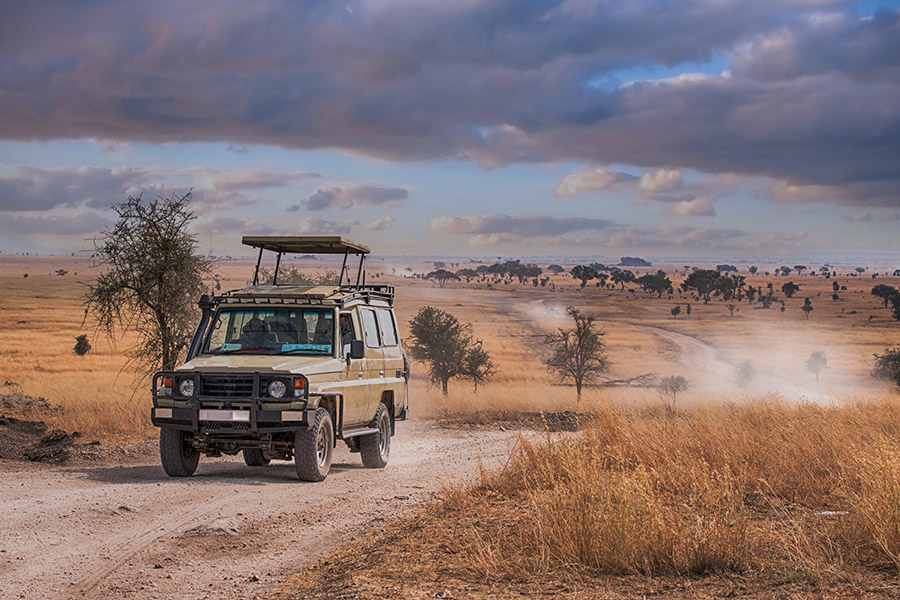
- A 4×4 safari vehicle with a pop-up roof
- An experienced guide
- Water
A 3-day/2-night budget camping safari in Tanzania, covering Tarangire, Ngorongoro, and Lake Manyara, could realistically range from $500 to $900 USD per person. Extending this to include the Serengeti for 5-7 days would push the cost considerably higher, potentially $1,000 to $2,500+ USD per person, depending on the itinerary and operator.
For travelers seeking to minimize costs, joining a small group tour is often the most economical way to experience a safari. Booking with a reputable local operator like Top Guide Adventures can help secure competitive pricing while ensuring a quality experience. Always clarify what is included (park fees, meals, accommodation, guide, vehicle) and what is not (tips, drinks, personal expenses).
Kilimanjaro Trekking Costs: The Price of the Summit
Climbing Mount Kilimanjaro is a bucket-list achievement for many, but it comes with a substantial price tag. The backpacking Africa cost for Kilimanjaro is largely dictated by the route chosen, the number of days on the mountain, the operator, and the mandatory park fees and crew wages.
Key Cost Components:
- Park Fees: These are fixed by Kilimanjaro National Park and are a significant portion of the total cost (e.g., daily camping/hut fees, rescue fees).
- Crew Wages: Mount Kilimanjaro National Park regulations mandate minimum wages for guides, porters, and cooks.
- Route: Longer routes like the Lemosho or Machame (7-8 days) offer better acclimatization and higher success rates but cost more than shorter routes like Marangu (5-6 days).
- Accommodation: Camping routes (Machame, Lemosho, Rongai) generally use tents. Marangu offers dormitory-style huts.
- Operator’s Margin: This covers logistics, equipment, food, and profit.
For a standard 7-day Machame or Lemosho route trek, a reputable operator might charge anywhere from $1,800 to $3,500+ USD per person. Shorter routes like Marangu might be slightly less, around $1,500 to $2,800+ USD. These prices typically include:
- Park entry fees
- All crew (guides, porters, cooks)
- All meals on the mountain
- Tents and camping equipment (or hut accommodation on Marangu)
- Boiled water
- Transfer to and from the mountain
- Pre- and post-climb accommodation in Moshi/Arusha (sometimes)
Costs that are often extra include tips for the crew (a significant amount, often $200-$300+ per climber), personal gear, travel insurance, and vaccinations.
When comparing prices for Kilimanjaro, ensure you are comparing like-for-like inclusions. Beware of operators offering suspiciously low prices, as this can compromise safety and quality of service (e.g., underpaid porters, inadequate food, insufficient guides).
Zanzibar Holiday Costs: Island Paradise on a Budget
Zanzibar, the Spice Island, offers beautiful beaches, rich history, and vibrant culture. While it can be a luxury destination, it’s also possible to experience Zanzibar on a backpacker’s budget. The backpacking Africa cost for Zanzibar will depend on your chosen base, accommodation, and activities.
Budget Breakdown:
- Accommodation: Beachfront bungalows and boutique hotels are pricier. Budget travelers can find affordable guesthouses and hostels in Stone Town and less touristy beach areas (e.g., Jambiani, Paje for budget options). Expect $20 – $60 USD per night for budget-friendly options.
- Food: Eating at local restaurants (especially in Stone Town’s Forodhani Gardens night market) and small beach eateries is very affordable, costing around $15 – $30 USD per day. Fresh seafood is a highlight.
- Transport: Local dala-dalas (minibuses) are the cheapest way to get around the island (e.g., from Stone Town to beaches). Private taxis are more expensive but convenient for shorter distances or direct transfers. Budget $5 – $20 USD per day for local transport.
- Activities: Entrance fees for historical sites in Stone Town, spice tours, snorkeling trips, and diving excursions are the main activity costs. A spice tour might cost $15 – $30 USD. A day trip for snorkeling (e.g., Prison Island, Mnemba Atoll) can range from $30 – $70 USD. Diving trips are typically more expensive, starting from $60 – $100+ USD per dive.
Overall, a backpacker spending $50 – $100 USD per day on Zanzibar can have a comfortable experience, including accommodation, food, local transport, and a few activities. Those seeking more luxury or extensive diving/watersports will need to budget higher.
Other Destinations and Activities
Beyond the popular trio of safari, Kilimanjaro, and Zanzibar, Africa offers countless other experiences, each with its own cost implications:
- Cultural Tours: Visiting Maasai villages or local communities often involves a fee, typically ranging from $20 to $50 USD.
- City Exploration: Exploring cities like Arusha, Dar es Salaam, or Nairobi involves costs for local transport, food, and entry to museums or historical sites. This can be kept low with budget practices.
- Day Trips: Many locations offer day trips to nearby attractions. For example, a day trip to Tarangire National Park from Arusha might cost around $150 – $250 USD per person, including transport, park fees, and lunch.
- Overland Travel: If you plan to traverse multiple countries, overland tours or using public transport will be a significant cost factor, varying greatly by region.
Transportation Costs: Getting Around
Moving between destinations is a key component of the backpacking Africa cost.
- Local Buses/Dala-dalas: The cheapest option for short to medium distances within towns and cities. Very affordable, often less than $1 USD for short hops.
- Long-Distance Buses: Connect major towns and cities. Prices vary by distance and comfort level, but expect $10 – $40 USD for journeys of several hours.
- Shared Taxis/Minivans: Faster than buses but more expensive. Prices are per person for a seat.
- Private Taxis/Transfers: Most expensive but convenient for direct airport transfers or specific routes. Prices are per vehicle and need negotiation.
- Internal Flights: For long distances or to save time, internal flights are an option but significantly increase costs. A flight from Kilimanjaro International Airport (JRO) to Zanzibar (ZNZ) can range from $100 to $250+ USD one way.
- Overland Tours: If you plan to visit multiple countries, a pre-booked overland tour can simplify logistics and sometimes offer better value for money than arranging everything independently, though it offers less flexibility.
Food and Drink Costs: Sustaining Your Journey
Eating well is essential for energy, but it can also be a major budget factor.
- Local Markets: Buy fresh fruits, vegetables, and snacks. Very cheap.
- Local Eateries/’Babas’: Small, informal restaurants serving local dishes like ugali, rice, beans, and stew. Extremely affordable, often $2 – $5 USD per meal.
- Mid-Range Restaurants: Offer a wider variety of dishes, including international options. Expect $10 – $20 USD per meal.
- Tourist Restaurants/Hotels: Generally the most expensive option, with meals ranging from $15 – $40 USD or more.
- Water: Bottled water is essential. Budget around $1 – $3 USD per day. Refillable bottles with purification tablets or filters can save money and reduce plastic waste.
- Alcohol: Local beers and spirits are relatively inexpensive, but imported drinks and frequent consumption will add up quickly.
For a budget backpacker, aiming for $15 – $30 USD per day for food and drink is achievable by prioritizing local options.
Accommodation Costs: Where to Sleep
Your choice of lodging significantly impacts the backpacking Africa cost.
- Hostels: Dormitory beds are the cheapest option, typically ranging from $8 – $20 USD per night. Great for meeting other travelers.
- Budget Guesthouses/B&Bs: Offer private rooms, often with shared bathrooms. Prices can range from $15 – $40 USD per night.
- Mid-Range Hotels/Lodges: Comfortable rooms with private bathrooms and more amenities. Expect $40 – $100 USD per night.
- Tented Camps (Safari): Basic camping safaris use public or semi-private campsites. Prices are usually bundled into the safari package.
- Luxury Lodges/Resorts: Significantly more expensive, often starting from $200 – $500+ USD per night.
Booking accommodation in advance, especially during peak seasons or for popular locations like Zanzibar, is advisable.
Visas and Permits
These are often overlooked but essential costs.
- Visas: Requirements vary by nationality and country. For example, a Tanzanian tourist visa can cost around $50 – $100 USD depending on your nationality and entry point. Always check the latest requirements for your passport well in advance. Some nationalities may be eligible for visa-free entry or e-visas.
- Park Permits: As detailed in safari and Kilimanjaro sections, these are mandatory and a substantial part of the cost.
- Other Permits: Depending on your activities, other permits might be required.
Travel Insurance
This is non-negotiable for any African adventure. It covers medical emergencies, trip cancellations, lost luggage, and other unforeseen events. Costs vary based on coverage, duration, and your age, but budget around $50 – $150 USD for a multi-week trip. Ensure your policy specifically covers adventure activities like trekking or safaris if you plan to do them.
Vaccinations and Health
Consult your doctor or a travel clinic 4-6 weeks before your trip. Vaccinations (e.g., Yellow Fever, Hepatitis A/B, Typhoid) and malaria prophylaxis can add to your pre-trip expenses. Budget $100 – $400 USD for vaccinations and any necessary medications, depending on your needs and insurance coverage.
Best Time to Go and Budget Impact
The season you choose to travel can influence prices and your overall backpacking Africa cost.
- Peak Seasons: Generally the dry seasons (e.g., June to October in Tanzania) are the most popular due to favorable weather for safaris and trekking. Prices for accommodation and tours can be higher during these periods.
- Shoulder Seasons: Just before or after peak season can offer a good balance of decent weather and slightly lower prices.
- Low/Green Seasons: The rainy seasons (e.g., November to March, with a break in Jan/Feb) often see lower prices for accommodation and sometimes tours. However, roads can be challenging, and some activities might be affected. Wildlife viewing can still be excellent, and the landscapes are lush.
For 2026-2027, consider the shoulder seasons for potential cost savings without significant weather compromises.
Sample Itinerary and Cost Considerations (Tanzania Focus)
This sample itinerary is for a 3-week trip focusing on Tanzania, aiming for a budget-conscious backpacker. Note that major tours (Safari, Kilimanjaro) are budgeted separately.
Week 1: Arrival, Arusha & Northern Circuit Prep
- Day 1-2: Arrive at Kilimanjaro International Airport (JRO), transfer to Arusha. Settle into a budget guesthouse. Explore Arusha town, local markets. (Budget: $40-80/day for accommodation, food, local transport)
- Day 3-4: Prepare for safari/Kilimanjaro. Meet tour operators, finalise bookings, buy any last-minute gear. Visit local sights. (Budget: $40-80/day)
- Day 5-7: 3-Day Budget Camping Safari (Tarangire/Ngorongoro/Manyara). (Major Expense: $500 – $900 per person – booked in advance). Return to Arusha.
Week 2: Kilimanjaro Trek (or alternative)
- Day 8-14: 7-Day Kilimanjaro Trek (Machame or Lemosho Route). (Major Expense: $1800 – $3500+ per person – booked in advance). This includes park fees, crew, food, tents. Excludes tips and pre/post-climb accommodation.
- Alternative if not climbing: Explore Arusha region, day trips, or head towards West Kilimanjaro for cultural experiences. (Budget: $40-80/day + day trip costs)
Week 3: Zanzibar Island Escape
- Day 15: Fly from Arusha (ARK) or Kilimanjaro (JRO) to Zanzibar (ZNZ). Transfer to Stone Town. Check into a budget guesthouse. Explore Stone Town. (Flight: $100-250. Budget: $50-100/day for accommodation, food, local transport)
- Day 16-17: Stone Town exploration (historical sites, markets, spice tour). (Budget: $50-100/day)
- Day 18-20: Transfer to a beach area (e.g., Jambiani, Paje). Relax, swim, enjoy local seafood. Optional snorkeling trip. (Budget: $50-100/day, + activity costs)
- Day 21: Depart from Zanzibar (ZNZ).
Estimated Total (Excluding International Flights):
- Daily Costs (14 days outside major tours): Approx. $60/day x 14 = $840
- Safari Cost: Approx. $700
- Kilimanjaro Cost: Approx. $2500 (mid-range estimate)
- Zanzibar (7 days): Approx. $70/day x 7 = $490 (+ snorkeling $50) = $540
- Flights (Arusha-Zanzibar): Approx. $150
- Sub-Total: $2230
- Add buffer for tips, visas, insurance, personal expenses: $500 – $1000
- Total Estimated Backpacking Africa Cost (3 weeks): $2,730 – $3,230+ USD per person (excluding international flights, gear, and pre/post-trip accommodation).
This is a mid-range budget for backpacking. A stricter budget could reduce this by opting for cheaper safaris, skipping Kilimanjaro, or finding more budget-friendly accommodation and transport on Zanzibar. Conversely, adding more days, upgrading safari accommodation, or choosing more activities will increase costs.
Backpacking Africa Planning Checklist
Use this checklist to ensure you cover all bases when planning your trip for 2026 or 2027.
- Research Destinations: Identify countries and specific regions.
- Define Interests: Safari, culture, trekking, beaches, history?
- Set Overall Budget: Determine your total available funds.
- Estimate Daily Budget: Based on chosen destinations and travel style.
- Research Visa Requirements: Check for your nationality and each country. Apply early.
- Book International Flights: Look for deals well in advance.
- Arrange Major Tours/Activities: Book safaris, Kilimanjaro climbs with reputable operators. Get quotes.
- Book Internal Flights/Transport: If needed, book in advance for better prices.
- Secure Travel Insurance: Essential for medical and trip protection.
- Consult Doctor: For vaccinations and malaria prevention.
- Pack Appropriately: Light, versatile clothing, essentials, first-aid kit.
- Inform Bank: Notify them of your travel dates and destinations.
- Get Local Currency: Have some cash upon arrival.
- Learn Basic Phrases: Useful for interacting with locals.
- Download Offline Maps/Apps: For navigation and information.
- Copies of Documents: Keep digital and physical copies of passport, visas, tickets, insurance.
Common Mistakes to Avoid When Budgeting
Several common pitfalls can derail your budget if you’re not careful:
- Underestimating Major Excursions: Safaris and Kilimanjaro climbs are significant expenses that can’t be skimped on without compromising safety or experience.
- Ignoring Visa Costs: These can add up, especially if visiting multiple countries.
- Not Budgeting for Tips: Tipping is customary for guides, drivers, and porters, especially on Kilimanjaro. This can be a substantial amount.
- Over-reliance on Tourist Traps: Eating exclusively in tourist restaurants or buying souvenirs at inflated prices will drain your funds quickly.
- Not Factoring in Contingencies: Always have a buffer for unexpected expenses or emergencies.
- Ignoring Local Transport: While convenient, relying solely on private taxis will inflate your daily costs.
- Booking Last Minute: For popular tours and peak season travel, booking in advance often secures better prices and availability.
Who is Backpacking Africa Best For?
Backpacking Africa is ideal for:
- Adventurous Travelers: Those seeking unique experiences and willing to step outside their comfort zone.
- Budget-Conscious Explorers: Individuals or groups who want to see as much as possible without breaking the bank.
- Nature Enthusiasts: Anyone passionate about wildlife, landscapes, and the great outdoors.
- Culture Seekers: Those interested in diverse traditions, history, and interacting with local communities.
- Physically Fit Individuals: Particularly for trekking and active exploration.
- Flexible Travelers: Those who can adapt to changing plans and embrace the unexpected.
It requires a degree of resilience, patience, and an open mind. If you are looking for a highly structured, predictable vacation with all the familiar comforts of home at every turn, traditional backpacking might not be the best fit. However, if you are ready for an unforgettable journey of discovery, Africa awaits.
Alternatives to Traditional Backpacking
If the full backpacking experience feels too daunting or doesn’t align with your budget, consider these alternatives:
- Comfortable Budget Travel: Mix budget accommodation with occasional mid-range hotels, use a mix of local and private transport, and enjoy a few more restaurant meals. This slightly increases the backpacking Africa cost but offers more comfort.
- Small Group Tours: Companies offer pre-packaged tours that handle logistics and accommodation, often at competitive prices for specific itineraries (e.g., overland tours).
- Focus on One or Two Countries: Instead of trying to cover too much ground, concentrate your time and budget on a single country like Tanzania, allowing for deeper exploration without constant travel costs.
- Luxury Safaris/Holidays: If budget allows, opting for higher-end lodges and private tours can offer a more comfortable and exclusive experience, though at a significantly higher cost.
Planning Your 2026-2027 Backpacking Trip
Planning for 2026-2027 allows ample time to research and save. Here are some tips:
- Start Early: Begin researching destinations, visa requirements, and potential tour operators at least 12-18 months in advance.
- Set Savings Goals: Based on your estimated budget, create a savings plan. Consider opening a dedicated travel savings account.
- Monitor Flight Prices: Use flight comparison websites and set up alerts for deals on international routes.
- Book Key Components Early: For popular tours like Kilimanjaro or peak season safaris, booking 6-12 months ahead is recommended. This is especially true for 2026-2027 as travel demand continues to grow.
- Look for Off-Season Deals: Consider traveling during the shoulder or green seasons in 2026 or 2027 for potential cost savings.
- Stay Informed: Keep an eye on travel advisories and any changes in entry requirements or health recommendations.
Booking Advice: Getting the Best Value
To maximize your budget and get the best value for your backpacking Africa cost:
- Research Operators Thoroughly: For safaris and Kilimanjaro, look for reputable companies with good reviews. Compare itineraries and what’s included.
- Get Multiple Quotes: Don’t settle for the first quote. Contact several operators, especially local ones, to compare prices and services.
- Be Specific About Inclusions: Clarify exactly what is covered (park fees, meals, accommodation type, guide, vehicle, etc.) and what is extra (tips, drinks, personal expenses).
- Consider Local Operators: Companies based in Tanzania, like Top Guide Adventures, often have a better understanding of local logistics and can offer competitive pricing.
- Read Reviews: Look for recent reviews on independent platforms.
- Ask Questions: Don’t hesitate to ask potential operators detailed questions about safety, guide qualifications, and equipment.
- Understand Payment Terms: Most operators require a deposit upfront and the balance closer to the trip date.
Frequently Asked Questions
How much does a 2-week backpacking trip in Tanzania cost in 2026?
A 2-week backpacking trip in Tanzania, focusing on budget travel and including a mid-range safari and some local exploration but excluding Kilimanjaro, could realistically cost between $1,000 – $2,000 USD per person. This covers accommodation, food, local transport, and a 3-4 day safari.
Is it cheaper to book a safari in advance or on arrival?
Generally, booking a safari in advance with a reputable operator is recommended for better prices, guaranteed availability, and a smoother planning process. While some last-minute deals might exist on arrival, they are often less reliable and might not offer the best value.
What are the biggest hidden costs of backpacking Africa?
Hidden costs can include tips for guides and crew (especially on Kilimanjaro), visa fees, vaccinations, travel insurance, and unexpected expenses due to transport delays or changes in plans. Always budget a contingency fund.
Can I backpack Africa on $30 a day?
It is extremely challenging to backpack Africa on just $30 a day if you plan on significant activities like safaris or Kilimanjaro treks. This budget might be feasible for very basic overland travel and accommodation in some specific regions, but it would require strict self-catering, avoiding most tours, and utilizing the cheapest local transport. For a more comfortable and comprehensive experience, a daily budget of $50-$100 is more realistic.
What is the average cost of a Kilimanjaro climb in 2027?
For a standard 7-day Kilimanjaro climb with a reputable operator in 2027, expect costs to range from $1,800 to $3,500+ USD per person. This typically includes park fees, crew wages, food, and camping equipment. Tips for the crew are usually extra and can add another $200-$300+.
How much should I budget for food in Tanzania?
If you eat at local eateries and markets, you can budget around $15 – $30 USD per day for food in Tanzania. This allows for enjoying local dishes like ugali, rice, and stews, plus some fruits and bottled water.
Is it safe to use local transport when backpacking Africa?
Local transport like dala-dalas and long-distance buses are generally safe if you exercise common sense. Keep valuables secure, be aware of your surroundings, and avoid traveling alone at night. They are the most budget-friendly way to travel.
What is the best way to manage my money while backpacking Africa?
Carry a mix of cash (USD is widely accepted for major payments like safaris and visas, but local currency is needed for daily expenses) and debit/credit cards. Inform your bank of your travel plans. Use ATMs in larger towns cautiously. Keep money in multiple locations.
Are group tours cheaper than independent travel in Africa?
For certain types of travel, like overland tours covering multiple countries or budget safaris, group tours can often be more cost-effective than arranging everything independently, especially when factoring in transport, accommodation, and organized activities. However, independent travel offers more flexibility.
What should I pack to keep my backpacking Africa cost down?
Packing smart can save money. Bring essential, durable clothing, a good quality backpack, a basic first-aid kit, a reusable water bottle with a filter, and any personal medications. Avoid buying expensive gear at inflated tourist prices in Africa.
Ready to Plan Your African Adventure?
Understanding the backpacking Africa cost is the first step towards an incredible journey. Whether you dream of witnessing the Great Migration, standing on the roof of Africa, or relaxing on the beaches of Zanzibar, proper planning is key. We specialize in creating unforgettable Tanzanian experiences tailored to your budget and interests.
Let us help you craft your perfect safari, Kilimanjaro trek, or Zanzibar holiday. Get a personalized quote and expert advice from our experienced team.
Contact us today:
WhatsApp: +255616946642
Email: topguideadventures@gmail.com
Backup Email: info@topguideadventures.com
Plan your backpacking Africa cost with Top Guide Adventures
Tell us your travel dates, group size, comfort level, and dream experience. We will help you shape a clear, realistic, and memorable Tanzania itinerary.







 Veedesigner
 Fatma Kizanga
 Benjamin Waryuba
 Philip Philip
 John jr Itaja
 Antonia Optatus
 Edith Kanyere
 Neema Iddy
 Kelvin Boniphace
 Damari Maiga



