
For travelers seeking an experience that transcends the conventional, Tanzania offers a profound connection to its ancient human heritage and vibrant agricultural present. A Hadzabe Tribe + Coffee Cultural Safari is not merely a trip; it’s an immersion into two of the most distinctive facets of Tanzanian life: the ancestral ways of the hunter-gatherer Hadzabe people and the aromatic world of its world-renowned coffee plantations. If you are contemplating a journey for 2026 or 2027, a thorough understanding of the intricacies of this specialized cultural tour is paramount to crafting an unforgettable adventure. This comprehensive guide aims to equip you with the detailed information necessary for a truly meaningful exploration of Tanzania’s rich cultural landscape, covering everything from cultural significance and practical logistics to making informed decisions about your itinerary, accommodation, and optimal timing.
Why Choose a Hadzabe Tribe + Coffee Cultural Safari? The Unique Allure
While Tanzania is globally celebrated for its iconic wildlife parks such as the Serengeti and the Ngorongoro Crater, its cultural offerings are equally compelling, though often less explored by mainstream tourism. A combined Hadzabe and coffee cultural safari caters to a discerning traveler profile: one who yearns for authenticity, a deep look at local life, and an appreciation for both ancient traditions and contemporary livelihoods. This unique safari blends the raw, ancestral existence of one of Africa’s last hunter-gatherer tribes with the sophisticated, aromatic journey of Tanzanian coffee cultivation and production.
The Hadzabe: Echoes of Ancient Life in the Rift Valley
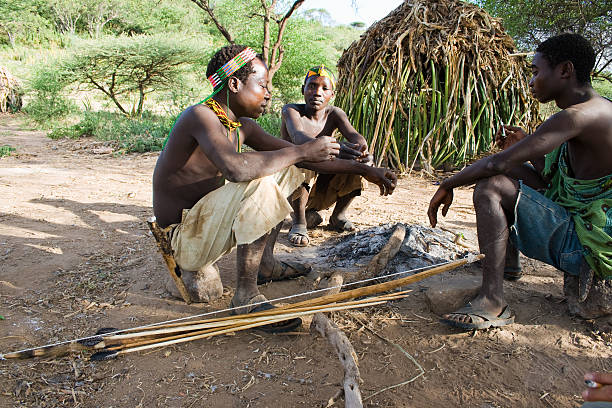
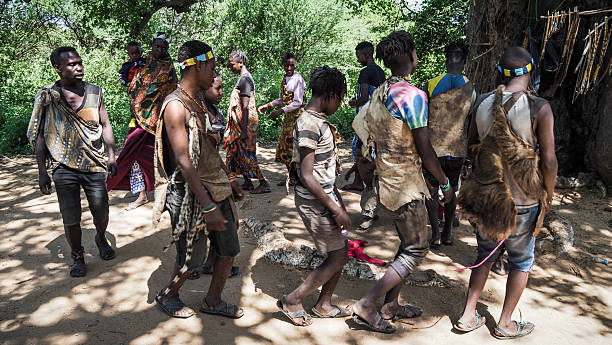
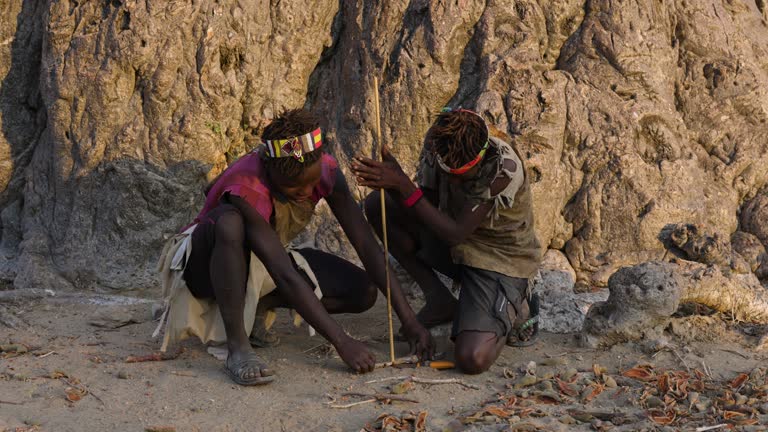
Residing near the stunning Lake Eyasi, the Hadzabe are one of the last hunter-gatherer communities on the African continent. Their way of life has remained remarkably unchanged for millennia, offering a rare and invaluable glimpse into humanity’s deep past. A visit to the Hadzabe is an extraordinary opportunity to witness their daily routines firsthand: tracking game with traditional bows and arrows, foraging for essential roots and berries, and engaging in ancient storytelling around the communal fire. It is a humbling and eye-opening experience that profoundly challenges modern perspectives on survival, community, and human connection.
Key aspects that define a Hadzabe visit:
- Authentic Interaction: Opportunities abound to walk alongside Hadzabe men as they meticulously track game, learn about the intricate knowledge of medicinal plants from the women, and observe their unique language, social structures, and belief systems. These are not staged performances but genuine windows into a living culture.
- Cultural Sensitivity and Respect: It is absolutely crucial to understand that this is not a tourist spectacle but a genuine encounter with a people. Respectful observation, mindful interaction, and an awareness of their customs are paramount. Your guide will facilitate understanding and ensure your presence is welcomed and non-disruptive.
- Geographical Context: The Hadzabe community is primarily located in the Lake Eyasi region, a geographically diverse and stunning area. Due to proximity, visits are often seamlessly combined with explorations of the nearby Ngorongoro Conservation Area, offering a remarkable juxtaposition of wildlife and human heritage.
The Tanzanian Coffee Culture: From Cherry to Cup
Tanzania stands as a significant producer of high-quality coffee, particularly renowned for its Arabica beans cultivated on the fertile slopes of Mount Kilimanjaro and Mount Meru, as well as its robust Robusta varieties from the southern regions. A coffee cultural experience typically involves visiting a local coffee plantation, often owned and operated by a family or a dedicated cooperative. You will gain an in-depth understanding of the entire coffee lifecycle, from the initial planting and meticulous harvesting of coffee cherries to the critical processes of drying, milling, roasting, and finally, the art of brewing the perfect, aromatic cup.
What to anticipate from an immersive coffee cultural tour:
- Intimate Farm Visits: Explore lush, verdant coffee farms, gaining insights into the specific cultivation techniques adapted to the local microclimates, and witness the dedication and hard work involved in producing the coffee you enjoy daily.
- Hands-on Experiential Learning: Participate actively in various stages of coffee production, such as picking ripe coffee cherries, toasting beans over an open fire, and grinding them using traditional methods, offering a tangible connection to the process.
- Sensory Tasting Sessions: Savor freshly brewed Tanzanian coffee, learning to discern and appreciate its distinct flavor profiles, nuances, and aromatic qualities. This is a true treat for the senses.
- Economic and Social Insights: Understand the profound economic importance of coffee farming to local communities, the challenges faced by growers, and the rewards derived from their labor. This provides context for Tanzania’s agricultural sector.
Designing Your Bespoke 2026-2027 Hadzabe Tribe + Coffee Cultural Safari Itinerary
Combining these two distinct and rich cultural experiences necessitates meticulous planning to ensure smooth transitions between locations and to maximize your immersion and understanding. The typical flow often involves beginning in the coffee-producing regions, then transitioning towards the Lake Eyasi area, or vice versa, depending on your overall Tanzanian itinerary and arrival/departure points.
Itinerary Option 1: Northern Circuit Focus (Coffee Immersion Precedes Hadzabe Encounter)
This popular route is often favored as it logically aligns with visits to Tanzania’s renowned Northern Safari Circuit parks (Serengeti, Ngorongoro, Tarangire). Travelers typically fly into Kilimanjaro International Airport (JRO), conveniently located for this itinerary.
- Days 1-2: Arrival at Kilimanjaro & Coffee Plantations (Moshi/Arusha Region). Upon your arrival at JRO, you will be transferred to your chosen accommodation near Moshi or Arusha, often with breathtaking views of Mount Kilimanjaro. Dedicate a full day to exploring a local, family-run coffee farm. You will learn comprehensively about the entire coffee production process, enjoy a delightful tasting session of freshly brewed coffee, and perhaps visit a vibrant local market to experience the region’s daily life. Accommodation options in this area range from comfortable, characterful guesthouses to more luxurious lodges. For travel in 2026-2027, securing your coffee farm tour and preferred accommodation well in advance is highly recommended, especially during peak travel seasons.
- Day 3: Scenic Transfer to the Lake Eyasi Region. After a leisurely breakfast, commence your journey towards the Lake Eyasi region. This is a picturesque drive, typically taking several hours, traversing through rural Tanzanian villages and observing the dramatic shifts in landscape as you descend towards the Great Rift Valley floor. The journey itself is an integral part of the cultural experience.
- Days 4-5: Deep Hadzabe Cultural Immersion. Dedicate two full days to an intimate cultural immersion with the Hadzabe community. This experience often involves waking before dawn to accompany the men on their hunting expeditions, learning about their sophisticated foraging techniques for edible roots and medicinal plants, gaining insight into their complex social dynamics and kinship structures, and perhaps sharing a simple, traditional meal prepared by the community. This is a deeply personal encounter, and while the duration can be adjusted based on your specific interests, a minimum of two days is essential for a meaningful and respectful understanding of their way of life.
- Day 6: Departure from Lake Eyasi or Transfer to Your Next Adventure. Depending on your onward travel plans, you can either be transferred back to Arusha or Kilimanjaro International Airport (JRO) for your departure flight, or continue your Tanzanian adventure to another captivating safari destination such as Tarangire National Park, known for its large elephant herds and baobab trees.
Itinerary Option 2: Integrated Cultural Journey (Hadzabe Encounter First, then Coffee Exploration)
This itinerary might be particularly suitable if your travel plans focus more on southern Tanzania or if you prefer a profound cultural immersion experience before heading north for other explorations.
- Days 1-2: Arrival in Arusha/JRO & Direct Transfer to Lake Eyasi. Upon arrival at Kilimanjaro International Airport (JRO), you will immediately begin the transfer to the Lake Eyasi region. This is a significant travel day, so an early start is crucial to maximize your time in the region.
- Days 3-4: Profound Hadzabe Cultural Immersion. Dedicate these two days to a deep and respectful immersion in the Hadzabe way of life. This allows for a more profound connection with the community and a greater understanding of their traditions.
- Day 5: Journey to the Coffee Heartland (Moshi/Arusha). Depart from the Lake Eyasi region and travel towards the fertile lands surrounding the majestic Mount Kilimanjaro and Mount Meru. Settle into your accommodation, perhaps a lodge offering panoramic views of the iconic mountains.
- Day 6: Comprehensive Coffee Plantation Experience. Visit a working coffee estate to learn the entire process from bean to cup. Engage in hands-on activities, understand the agricultural practices, and enjoy a rich tasting session of locally produced coffee.
- Day 7: Departure from JRO. Enjoy a final Tanzanian breakfast before transferring to Kilimanjaro International Airport (JRO) for your onward journey or flight home.
Important Note on Itinerary Flexibility: These are illustrative structures designed to showcase potential flows. Your cultural safari can be entirely customized to include additional enriching experiences. This might involve visiting Maasai villages to learn about their pastoralist lifestyle, exploring bustling local markets to witness daily commerce, or integrating wildlife safaris in nearby national parks like Tarangire or Lake Manyara. When planning your 2026 or 2027 adventure, it is highly recommended to discuss your preferred pace, specific interests, and any desired additions with your tour operator to craft the perfect itinerary.
Crucial Logistical Considerations for Your Cultural Safari
A successful and enriching cultural safari hinges on a thorough understanding of the practical logistical aspects. Unlike a standard wildlife-focused safari, these specialized tours often require a different approach to planning, expectations, and on-the-ground execution.
Navigating Tanzania: Travel Times and Road Conditions
The journey to remote areas like Lake Eyasi often involves travel on unpaved, sometimes challenging roads. While reputable tour operators utilize sturdy, well-maintained 4×4 vehicles equipped for these conditions, travel times can frequently be longer than initially anticipated, particularly during the rainy seasons when roads can become muddy and difficult to traverse. It is essential to factor in ample travel time between locations to avoid feeling rushed. For instance, the drive from Arusha to the Lake Eyasi region can realistically take anywhere from 5 to 7 hours, depending heavily on the prevailing road conditions and the specific starting point.
Accommodation Choices: Balancing Comfort and Authenticity
Accommodation options near Lake Eyasi tend to be more rustic and focused on providing a comfortable, safe, and clean base for cultural immersion rather than offering extensive luxury amenities. Expect well-appointed tented camps, simple but welcoming lodges, and potentially some mid-range establishments that provide essential comforts. In contrast, the coffee regions surrounding Moshi and Arusha offer a significantly wider spectrum of choices. Here, you can find charming guesthouses, boutique hotels with local character, and luxurious lodges that boast spectacular views of Mount Kilimanjaro and offer a relaxing respite after your travels.
When planning your accommodation for 2026-2027, consider the following:
- Lake Eyasi Experience: Embrace the simplicity. Accommodation here is designed to enhance the authentic experience, focusing on cleanliness, safety, and proximity to the cultural sites. Think of it as part of the adventure.
- Coffee Region Comfort: In areas like Moshi and Arusha, you have the flexibility to choose accommodations that offer a higher level of comfort and amenities, perhaps even selecting lodges that are situated on or near coffee plantations themselves, offering an immersive environment.
Optimal Timing: Best Seasons for Your Hadzabe + Coffee Safari
Tanzania experiences distinct seasons, each offering a unique perspective and experience for travelers. Understanding these seasons is key to planning your trip.
- Dry Season (June to October): This period is widely considered the prime time for wildlife viewing across Tanzania and offers the most comfortable travel conditions. Roads are generally in excellent condition, and the weather is typically sunny and pleasant. While coffee harvesting might be concluding in some higher-altitude areas, coffee processing activities continue year-round, and the farms remain active and accessible.
- Short Rains (November to December): The landscape transforms into a vibrant green, and tourist numbers tend to decrease, offering a more serene experience. The Hadzabe remain active, and coffee processing continues. This can be a beautiful time to visit.
- Long Rains (March to May): This season experiences significant rainfall, which can sometimes make travel challenging, particularly to remote areas like Lake Eyasi. However, the landscape is at its most lush and spectacular, prices may be lower, and coffee planting activities are in full swing, offering a different perspective on the agricultural cycle.
- Green Season (January to February): This period offers a brief respite from the main rainy season, often characterized by good travel conditions and stunningly beautiful, green scenery. Coffee cherries begin to ripen during this time, offering visual appeal on the plantations.
For a Hadzabe Tribe + Coffee Cultural Safari, the dry season (June to October) generally provides the most predictable and comfortable weather for travel. However, the shoulder months (specifically September to October, and January to February) can also be excellent choices, offering fewer crowds, potentially more favorable rates for your 2026 or 2027 adventure, and a rich cultural experience.
The Critical Role of Guides and Local Facilitation
The quality and expertise of your guides are absolutely paramount to the success and authenticity of your cultural safari. For visits to the Hadzabe community, it is imperative to engage guides who have established long-standing, respectful relationships with the community and can effectively facilitate meaningful and appropriate interactions. These guides should possess deep knowledge of Hadzabe culture, customs, and social protocols, ensuring that your visit is conducted ethically, sustainably, and with the utmost respect. Similarly, for coffee tours, guides with specific agricultural knowledge will significantly enhance your understanding and appreciation of the entire process.
Essential Qualities of an Exceptional Guide:
- Fluency in both local languages (such as Hadzabe dialects, if applicable) and English is essential for effective communication.
- A profound understanding of cultural protocols and etiquette is vital for respectful engagement.
- Established, trusting relationships with the Hadzabe community are non-negotiable for authentic access.
- Comprehensive knowledge of coffee farming techniques, processing, and the coffee industry in Tanzania.
- An unwavering commitment to responsible tourism principles and practices.
Understanding the Investment: Cost Factors for Your 2026-2027 Cultural Safari
The pricing for a Hadzabe Tribe + Coffee Cultural Safari can exhibit considerable variation, influenced by a multitude of factors. Unlike standard safaris where park entrance fees often constitute a major portion of the cost, cultural tours operate with a different cost structure, emphasizing community engagement and specialized guiding.
Key Factors Influencing the Overall Cost:
- Duration of the Safari: Naturally, longer trips involving more days of guiding, accommodation, and activities will incur higher costs.
- Accommodation Standards: Opting for higher-end lodges or more luxurious accommodations in the coffee regions will significantly increase the overall price compared to simpler, more rustic options.
- Transportation and Guiding: The inclusion of a private, well-equipped 4×4 safari vehicle and the services of an experienced, specialized guide (often with deep cultural knowledge) are standard inclusions and contribute to the cost.
- Community Engagement Fees: Many reputable operators include direct contributions or specific fees paid to the Hadzabe community. This ensures that a tangible portion of your tourist expenditure directly benefits the community, a crucial aspect of ethical and sustainable tourism. Always confirm this inclusion.
- Inclusions and Exclusions: A clear understanding of what is included (e.g., meals, bottled water, specific guiding services, community fees) and excluded (e.g., international flights, visas, tips, personal expenses) is vital for budgeting.
- Seasonality: Travel during peak tourist seasons may sometimes result in slightly higher costs for accommodation and services.
Estimated Cost Guidance (for 2026-2027 Travel):
A typical 5-day to 7-day Hadzabe Tribe + Coffee Cultural Safari, focusing on these two primary experiences, utilizing mid-range accommodation, and including private ground transportation, might range approximately from $1,800 to $3,500 USD per person. Please note that this is a broad estimate. Luxury-focused itineraries, longer durations, or specialized private guiding can lead to higher costs. Budget-conscious travelers might find options closer to the $1,500 mark, often involving more basic accommodation or potentially group services if available and preferred.
Typical Inclusions in a Safari Package:
- Ground transportation in a 4×4 safari vehicle with a pop-up roof for game viewing.
- Professional, experienced driver-guide fluent in English.
- Accommodation as specified in the itinerary (e.g., lodges, tented camps).
- Meals as indicated (typically full board on safari days: breakfast, lunch, and dinner).
- All scheduled cultural activities: guided walks and interactions with the Hadzabe, comprehensive coffee farm tours, and coffee tasting sessions.
- Community visit fees and contributions (verify this is explicitly stated).
- Bottled drinking water during game drives and transfers.
Common Exclusions from Safari Packages:
- International airfare to and from Tanzania.
- Visa fees for Tanzania.
- Comprehensive travel and medical insurance (mandatory).
- Gratuities for guides, drivers, and lodge staff.
- Personal expenses such as souvenirs, alcoholic beverages, laundry, and telephone calls.
- Optional activities not explicitly listed in the agreed-upon itinerary.
- Vaccinations and any personal medical expenses.
Obtaining an Accurate Quote: To receive precise pricing tailored to your specific needs and preferences for your 2026 or 2027 trip, it is highly recommended to contact a reputable and experienced tour operator directly. They possess the expertise to customize an itinerary that aligns perfectly with your budget and interests. For a personalized quote and to discuss your dream cultural safari in detail, please feel free to connect with us via WhatsApp at +255616946642 or send an email to topguideadventures@gmail.com. Our alternative email is info@topguideadventures.com.
Ethical Engagement and Sustainable Tourism Practices
Visiting indigenous communities such as the Hadzabe necessitates a profound commitment to ethical and responsible tourism practices. It is imperative that your visit not only enriches your own experience but also genuinely benefits the community and upholds the integrity of their traditional way of life.
Deep Respect for Hadzabe Culture and Traditions
- Obtain Explicit Permission: Always seek explicit permission before taking photographs or videos, particularly of individuals. Some communities may request a small, respectful fee for photography, which should be facilitated by your guide.
- Observe, Do Not Interfere: While participation in certain activities can be a rewarding aspect of the visit, it is crucial to avoid interfering with their daily routines, hunting practices, or social structures. Maintain a respectful distance and demeanor.
- Support the Local Economy Directly and Respectfully: If authentic local crafts are offered for sale by the artisans themselves, consider purchasing them directly. Do so without pressure or excessive bargaining, ensuring fair compensation for their work.
- Leverage Your Guide’s Expertise: Your guide is your primary facilitator. Rely on them to navigate cultural nuances, interpret interactions, and ensure that your presence is non-intrusive and welcomed.
- Thoughtful Gifting: It is generally advisable to avoid giving gifts directly to individuals, as this can sometimes disrupt established social dynamics. If you wish to provide support, discuss the best approach with your guide or community elders, perhaps contributing to community projects or educational resources.
Championing Sustainable Coffee Farming Practices
When selecting coffee farms and tours, prioritize operators and establishments that actively promote and adhere to sustainable agricultural practices. Look for commitments to:
- Support for fair trade principles and ethical sourcing.
- Environmentally conscious farming methods that preserve biodiversity and soil health.
- Ensuring fair wages and positive working conditions for all farm laborers.
- Investing in community development initiatives that benefit local populations surrounding the plantations.
Essential Packing List for Your Cultural Safari Adventure
Packing for a cultural safari requires a thoughtful combination of items suitable for rural travel, potential interactions with local communities, and varying weather conditions.
Clothing Recommendations
- Lightweight, breathable clothing in neutral, earthy tones is ideal. Long-sleeved shirts and trousers offer protection from the sun and insect bites.
- A warm fleece jacket or a medium-weight jacket is advisable for cooler evenings, especially at higher altitudes or during the drier months.
- Comfortable, sturdy walking shoes or broken-in hiking boots are essential for exploring on foot.
- Sandals or comfortable flip-flops are useful for relaxing at your lodge during downtime.
- A wide-brimmed hat or cap provides crucial protection from the strong equatorial sun.
- A lightweight, waterproof rain jacket or poncho is recommended, particularly if traveling during the shoulder seasons or if forecasts indicate potential showers.
Health and Safety Essentials
- High-strength insect repellent containing DEET is crucial for warding off mosquitoes and other biting insects.
- Broad-spectrum sunscreen with a high SPF rating.
- A personal first-aid kit equipped with essentials like bandages, antiseptic wipes, pain relievers, and any personal medications you require.
- Hand sanitizer for maintaining hygiene, especially when away from readily available washing facilities.
- Consult your doctor regarding malaria prophylaxis and any other recommended vaccinations or medications for Tanzania well in advance of your travel dates.
Other Important Items to Pack
- A good quality camera with extra batteries, chargers, and ample memory cards to capture your experiences.
- Binoculars can enhance wildlife viewing opportunities during transfers and any brief wildlife encounters.
- A reusable water bottle to stay hydrated and minimize plastic waste.
- A small, comfortable daypack for carrying essentials during excursions.
- Sufficient cash in USD for tipping guides and staff, and for purchasing small souvenirs. Smaller denominations are often most practical.
- A notebook and pen for jotting down observations, reflections, and details about your fascinating encounters.
- A headlamp or small flashlight can be very useful in lodges or camps after dark.
Maximizing Your Cultural Safari Experience: Expert Tips for Travelers
To ensure your Hadzabe Tribe + Coffee Cultural Safari is as enriching, insightful, and memorable as possible, consider these practical tips:
- Cultivate an Open Mindset: Tanzania’s rich cultural mix is diverse and may differ significantly from your own background. Approach every interaction with curiosity, openness, and a genuine desire to learn and understand. Embrace the differences.
- Embrace Patience and Flexibility: Travel in Tanzania, particularly in more remote areas, can sometimes be slower-paced than you might be accustomed to. View any delays or changes not as frustrations, but as opportunities to observe more of the local life or simply relax and absorb your surroundings. Enjoy the journey itself.
- Engage Actively with Your Guide: Your guide is a wealth of knowledge and a key facilitator of your experience. Don’t hesitate to ask questions, share your specific interests, and seek their insights into the culture, history, and environment. A good rapport with your guide can significantly enhance your trip.
- Learn Basic Swahili Phrases: Making an effort to learn a few simple Swahili greetings and phrases can make a significant difference in your interactions with local people. Words like ‘Jambo’ (Hello), ‘Habari?’ (How are you?), ‘Asante’ (Thank you), and ‘Karibu’ (Welcome/Please) are always appreciated and demonstrate respect.
- Prioritize Hydration: The Tanzanian climate can be warm and dry. Ensure you drink plenty of safe, purified water throughout the day to stay healthy and energized. Most tour operators provide bottled water.
- Manage Expectations for Authenticity: Understand that cultural experiences are inherently dynamic and organic. While operators strive for authentic encounters, perfection is not always attainable. True authenticity often comes with a degree of unpredictability, which is part of its charm and value.
- Be Present and Observant: Take moments to simply observe the world around you – the sights, sounds, and smells. Put down your camera occasionally and absorb the atmosphere. These quiet moments often lead to the most profound insights.
- Respect Photography Etiquette: Always ask permission before taking photos of people. A smile and a gesture towards your camera are usually understood. If a fee is requested, your guide will advise.
- Support Ethical Operators: Choose tour operators, like Top Guide Adventures, who are demonstrably committed to responsible tourism, fair community engagement, and sustainable practices.
Preparing for 2026-2027: Booking Your Hadzabe Tribe + Coffee Cultural Safari
Securing your Best Hadzabe Tribe + Coffee Cultural Safari for 2026 or 2027 requires thoughtful planning and early booking, especially if you have specific dates or preferences. The demand for unique, authentic cultural experiences continues to grow, making advance arrangements crucial.
Why Book Early for 2026-2027?
- Availability: Popular accommodations, especially those offering unique cultural access or prime locations, can fill up months in advance.
- Customization: Early booking allows ample time for detailed discussions with your tour operator to tailor the itinerary precisely to your interests, pace, and budget.
- Peace of Mind: Knowing your arrangements are confirmed allows you to focus on preparing for your journey, including necessary travel documents, vaccinations, and packing.
- Potential Early Bird Offers: Some operators may offer incentives for booking well in advance.
Choosing the Right Tour Operator
Selecting a knowledgeable and reputable tour operator is paramount. Look for companies that:
- Have demonstrable experience in organizing cultural safaris, specifically involving the Hadzabe and coffee regions.
- Prioritize ethical tourism, community engagement, and sustainability.
- Offer transparent pricing and detailed itineraries.
- Have excellent reviews and testimonials from past clients.
- Provide responsive and helpful customer service throughout the planning process.
Top Guide Adventures is a leading Tanzanian tour operator specializing in creating authentic and responsible cultural experiences. We pride ourselves on our deep local knowledge, strong community relationships, and commitment to delivering unforgettable journeys. Our team is dedicated to ensuring your Hadzabe Tribe + Coffee Cultural Safari is meticulously planned and executed to the highest standards.
Contact Us to Plan Your 2026-2027 Journey
We invite you to connect with us to begin planning your extraordinary Hadzabe Tribe + Coffee Cultural Safari. Our expert travel consultants are ready to answer your questions, provide detailed information, and craft a personalized itinerary that reflects your dreams.
Reach out via:
- WhatsApp: +255616946642
- Email: topguideadventures@gmail.com
- Backup Email: info@topguideadventures.com
Let us help you create a profound and enriching cultural adventure in Tanzania for 2026 or 2027!







 Veedesigner
 Fatma Kizanga
 Benjamin Waryuba
 Philip Philip
 John jr Itaja
 Antonia Optatus
 Edith Kanyere
 Neema Iddy
 Kelvin Boniphace
 Damari Maiga



