
Updated planning guide for 2026, 2027-2028
Best Kilimanjaro Local Guides: Expert Trekking Guide 2026-2027-2028
Planning a Kilimanjaro climb? Discover why local guides are crucial and how to choose the best ones for your 2026-2027 adventure. This comprehensive guide provides all the essential information for a successful summit.
WhatsApp +255616946642 | topguideadventures@gmail.com | info@topguideadventures.com
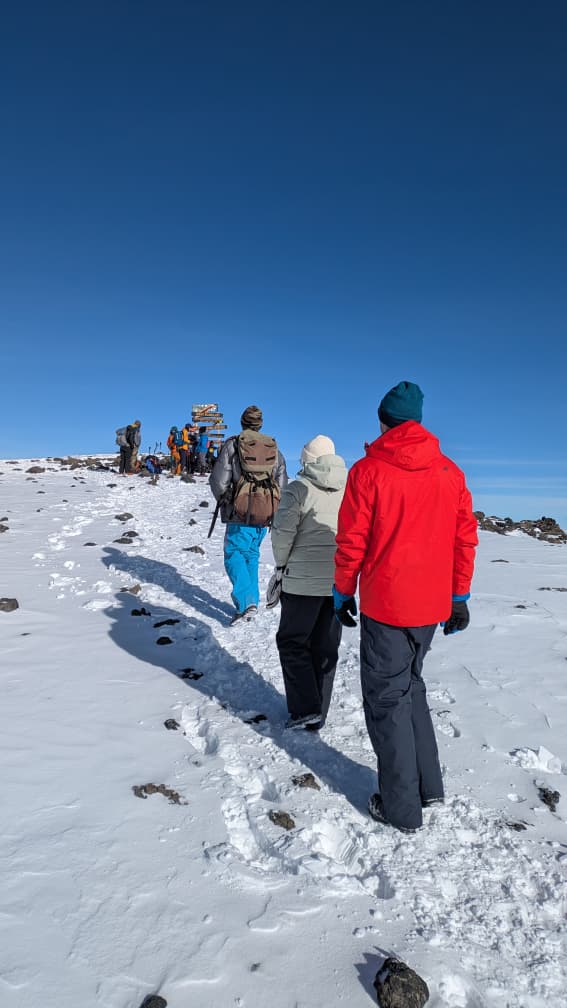
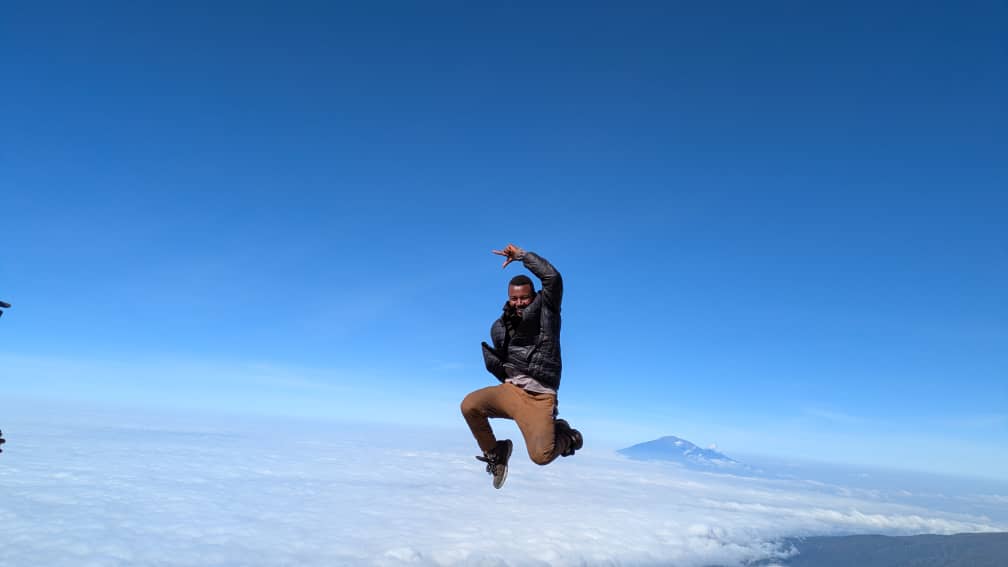
Climbing Mount Kilimanjaro is a dream for many adventurers. This iconic stratovolcano, the highest peak in Africa, offers a challenging yet rewarding experience. While the mountain itself is a marvel of nature, the success and enjoyment of your trek depend heavily on the team supporting you, particularly your best Kilimanjaro local guides. These individuals are not just guides; they are your lifeline, your source of knowledge, and your motivation on the ascent.
Choosing the right local guides is paramount. They possess intimate knowledge of the mountain, its weather patterns, its flora and fauna, and, most importantly, the critical altitude acclimatization protocols. This guide will walk you through everything you need to know to select the best Kilimanjaro local guides for your 2026 or 2027 expedition, ensuring a safe, memorable, and successful summit attempt.
Kilimanjaro Trekking Quick Facts
| Feature | Details |
|---|---|
| Mountain | Mount Kilimanjaro |
| Location | Tanzania, East Africa |
| Highest Point | Uhuru Peak, 5,895 meters (19,341 feet) |
| Type | Dormant Volcano, Highest Free-Standing Mountain |
| Trek Duration | 5 to 9 days (recommended) |
| Success Rate | Varies by route and operator, but good guides significantly increase chances. |
| Key Personnel | Lead Guide, Assistant Guides, Chef, Porters |
| Best Time to Climb | January-March and June-October (dry seasons) |
| Permits Required | Yes, obtained by tour operator |
| Required Fitness | Good cardiovascular fitness, stamina, and mental resilience. |
Why the Best Kilimanjaro Local Guides Matter
The decision to climb Kilimanjaro is significant. The choice of your trekking operator and, by extension, your best Kilimanjaro local guides, is equally important. These aren’t just people leading you up a path; they are professionals trained to manage the unique challenges of high-altitude mountaineering.
Expertise in Acclimatization
Altitude sickness (Acute Mountain Sickness – AMS) is the most significant threat on Kilimanjaro. Your guides are trained to recognize its symptoms, from mild headaches to severe pulmonary or cerebral edema. They monitor trekkers continuously, adjust pace, and know when to administer medication or, if necessary, order an immediate descent. This knowledge is not theoretical; it’s born from years of experience on the mountain.
Safety and Emergency Management
In any remote environment, safety is paramount. Kilimanjaro guides are trained in basic first aid and emergency procedures. They carry medical kits and know how to use them. They understand the critical importance of hydration, nutrition, and maintaining body temperature. In the event of an injury, illness, or adverse weather, their calm and decisive actions can be the difference between a minor inconvenience and a serious incident.
Cultural and Environmental Knowledge
Local guides are the custodians of Kilimanjaro. They share insights into the mountain’s diverse ecosystems, from the rainforest at the base to the arctic zone at the summit. They can identify plants and animals, explain the cultural significance of certain landmarks, and advocate for responsible tourism practices, ensuring the mountain’s preservation for future generations. Their connection to the land enriches the trekking experience immensely.
Logistical Mastery
Beyond navigation, guides manage the daily logistics of the trek. This includes ensuring meals are prepared safely, equipment is handled correctly, and camp setups are efficient. They coordinate with the entire support team – porters and chefs – to ensure everything runs smoothly, allowing you to focus on the climb.
Motivation and Morale
The climb can be physically and mentally demanding. Your guides are trained to offer encouragement, manage group dynamics, and maintain a positive atmosphere. Their steady presence and encouraging words can provide the crucial boost needed when facing challenging ascents or difficult weather.
Understanding the Roles on Your Kilimanjaro Team
A Kilimanjaro expedition involves a dedicated team, and the guides are at the forefront. Understanding each role helps appreciate the collective effort required for a successful climb.
- Lead Guide: The ultimate decision-maker. Responsible for the overall safety and success of the trek. Monitors acclimatization, makes critical decisions regarding pace and descent, and communicates with park authorities.
- Assistant Guides: Support the lead guide. They often take responsibility for smaller groups of trekkers, ensuring individual needs are met and symptoms of altitude sickness are identified early. They are also trained in guiding and first aid.
- Chef: Prepares all meals. Needs to be skilled in high-altitude cooking, ensuring nutritious and safe food is served to keep trekkers energized.
- Porters: The backbone of the operation. They carry all equipment, including tents, food, cooking gear, and personal luggage. They set up camp, ensuring a comfortable base for trekkers each night. Their strength and efficiency are vital.
How to Choose the Best Kilimanjaro Local Guides
Selecting the right operator is the first step to securing the best Kilimanjaro local guides. Look for companies with a strong reputation, adherence to ethical practices, and a proven safety record. Here’s what to consider:
Operator Reputation and Experience
Research tour operators thoroughly. Look for companies that specialize in Kilimanjaro and have been operating for several years. Read reviews on independent platforms like TripAdvisor. A reputable operator will be transparent about their guides’ qualifications and their safety protocols.
Guide Qualifications and Training
Inquire about the training and certifications of their guides. While formal certifications might vary, look for evidence of wilderness first aid, high-altitude rescue training, and extensive experience on Kilimanjaro. Many of the best guides are local Tanzanians with decades of experience.
Guide-to-Trekker Ratio
A lower guide-to-trekker ratio generally means more personalized attention and better safety monitoring. A common ratio is 1:6 or 1:8 for assistant guides to trekkers, in addition to the lead guide. This ensures that no one is overlooked.
Safety Record and Emergency Preparedness
Ask about their emergency evacuation procedures and what medical equipment they carry. Reputable operators will have well-defined plans, including access to oxygen and satellite phones for communication.
Ethical Treatment of Staff
The well-being of the guides and porters is a crucial indicator of an operator’s quality. Ensure the company treats its staff fairly, provides adequate food and equipment, and pays them a living wage. This often translates to a more motivated and professional team on the mountain.
Group Size and Composition
Consider whether you prefer a small, private group or a larger, shared expedition. Larger groups might offer cost savings, but smaller groups can allow for more flexibility and personalized attention from your guides. If you’re interested in shared departures, check options like our Tanzania shared tour dates which often align with trekking seasons.
Communication and Support
A good operator will be responsive to your questions and provide clear information throughout the booking process and preparation phase. They should be a reliable source of information regarding gear, training, and what to expect.
Popular Kilimanjaro Routes and Guide Considerations
Each route on Kilimanjaro presents different challenges and scenery. Your choice of route can influence the type of experience and the specific skills your guides will utilize.
Marangu Route (Coca-Cola Route)
- Duration: 5-6 days
- Scenery: Less scenic than other routes, but offers huts instead of tents.
- Guide Focus: Standard acclimatization, pace management.
- Considerations: Shorter duration can lead to lower acclimatization success rates. Guides need to be particularly diligent with pace.
Machame Route (Whiskey Route)
- Duration: 6-7 days (7 days recommended)
- Scenery: Very scenic, diverse landscapes.
- Guide Focus: Excellent acclimatization (due to ‘climb high, sleep low’ principle), managing varied terrain.
- Considerations: Popular, can be crowded. Requires good physical fitness. Guides must be adept at managing steep ascents and descents. Check our Machame Route group departures for planning.
Lemosho Route
- Duration: 7-8 days
- Scenery: Arguably the most beautiful route, starting in lush rainforest.
- Guide Focus: Optimal acclimatization, wilderness navigation, wildlife spotting in lower sections.
- Considerations: Longer, more remote start. Guides need to be comfortable with more challenging, less-trafficked terrain.
Shira Route
- Duration: 7-8 days
- Scenery: High altitude plateau, dramatic landscapes.
- Guide Focus: Managing high altitude from the start, acclimatization.
- Considerations: Starts at a high altitude, requiring immediate careful acclimatization. Guides must be extra vigilant.
Rongai Route
- Duration: 6-7 days
- Scenery: Approaches from the north, drier side of the mountain.
- Guide Focus: Good acclimatization, navigating less common terrain.
- Considerations: Can be less crowded. Guides must be familiar with potential wildlife encounters in the northern areas.
Northern Circuit
- Duration: 9+ days
- Scenery: Longest and most scenic, circles the mountain.
- Guide Focus: Excellent acclimatization, managing a longer trek, detailed environmental interpretation.
- Considerations: Highest success rate due to length and acclimatization. Guides need endurance and expertise for extended periods.
Summit Day
Regardless of the route, summit day is the most demanding. Your guides’ experience in managing fatigue, cold, and the psychological pressure of the final push is critical. They will monitor your pace, ensure you stay hydrated and fueled, and make the final call on whether it’s safe to continue.
What to Expect on the Mountain with Your Guides
Your daily experience on Kilimanjaro is shaped by your guides. Here’s a typical day:
- Morning: Wake-up calls are usually early. The chef will prepare breakfast. Guides will brief you on the day’s trek, including distance, estimated time, and potential challenges.
- During the Trek: Guides set a slow, steady pace (‘pole pole’). They take regular breaks for hydration, snacks, and to monitor your well-being. They share information about the environment and encourage you.
- Lunch: Usually a packed lunch enjoyed en route, or a hot meal prepared by the chef at a designated lunch spot.
- Afternoon: Continue trekking to the next campsite. Guides will ensure you reach the camp safely and that your tent is ready.
- Evening: Arrive at camp. Porters set up tents. The chef prepares dinner. Guides hold a daily briefing to discuss the next day’s plan and answer questions. They will also check on everyone’s health.
- Summit Night: Starts very late at night (around midnight). Guides lead the way in single file, using headlamps. They manage pace, ensure you’re eating and drinking, and provide constant encouragement.
Safety First: Guide’s Role in Altitude Management and Emergencies
Safety is the primary concern on Kilimanjaro, and your guides are the frontline defense against potential hazards. Their training in altitude sickness and emergency response is invaluable.
Recognizing and Managing Altitude Sickness
Guides are trained to spot the subtle signs of AMS, which can affect anyone regardless of fitness level. Symptoms include headache, nausea, dizziness, and fatigue. They will ask about your well-being multiple times a day. If symptoms worsen, they will recommend medication, slowing the pace, or descending. A descent is the only cure for severe AMS.
Emergency Oxygen and Medical Kits
Reputable operators provide guides with emergency oxygen cylinders and comprehensive medical kits. These are used under the guidance of experienced personnel to manage symptoms of altitude sickness or other medical emergencies. The guides know how and when to administer these resources.
Communication Systems
Many operators equip their lead guides with satellite phones or other communication devices to contact park authorities or emergency services if needed. This ensures that help can be summoned quickly in remote areas.
Evacuation Procedures
Guides are familiar with the park’s evacuation protocols. In serious cases, they will coordinate with park rangers and potentially arrange for a helicopter evacuation (though this is rare and costly, usually covered by travel insurance).
Environmental Hazards
Beyond altitude, guides are aware of other risks such as hypothermia, frostbite, dehydration, and injuries from falls. They ensure trekkers are adequately dressed, hydrated, and walking carefully, especially on steep or slippery sections.
Preparation and Packing with Your Guide’s Input
Your guides’ advice on preparation and packing is essential for comfort and safety. While your tour operator will provide a detailed packing list, discussing it with your guides (or operator representatives) can offer specific insights.
Gear Recommendations
Guides can advise on the quality and type of gear needed. For example, the importance of a -20°C rated sleeping bag, waterproof and windproof outer layers, thermal base layers, and sturdy hiking boots. They understand the extreme temperature fluctuations and weather patterns on the mountain.
Physical Training
While guides don’t typically lead your training, they can offer advice on the type of fitness required. Focus on cardiovascular endurance (hiking, running, cycling) and strength training for legs and core. Practice hiking with a weighted backpack on varied terrain.
Mental Preparation
Guides can help set realistic expectations about the challenges. Understanding that ‘pole pole’ is key, that summit night is tough, and that acclimatization is personal can prepare you mentally. They can also share stories that inspire resilience.
What to Pack (Key Items)**
This is a general guide; always follow your operator’s specific list:
- Clothing: Moisture-wicking base layers (synthetic or merino wool), insulating mid-layers (fleece or down jacket), waterproof and windproof outer shell jacket and pants, warm hat, gloves (liner and insulated), hiking socks (wool or synthetic).
- Footwear: Broken-in waterproof hiking boots, comfortable camp shoes/sandals.
- Gear: 4-season tent (provided by operator), -20°C rated sleeping bag, sleeping bag liner, trekking poles, headlamp with extra batteries, large duffel bag (for porters), daypack (for personal items).
- Health & Hygiene: Sunscreen (SPF 50+), lip balm with SPF, sunglasses, personal first-aid kit, prescription medications, toiletries (biodegradable soap, toothbrush, toothpaste), wet wipes, hand sanitizer.
- Hydration & Nutrition: Water bottles or hydration reservoir (at least 3 liters capacity), water purification tablets or filter (as backup), high-energy snacks.
- Documents & Money: Passport, visa (if required), vaccination certificates, travel insurance details, emergency contact information, cash for tips and souvenirs.
Common Mistakes to Avoid When Selecting Guides
Choosing the best Kilimanjaro local guides requires diligence. Avoid these common pitfalls:
- Focusing Solely on Price: The cheapest option is rarely the best. Low prices often mean compromises on guide training, equipment quality, porter welfare, and safety standards.
- Ignoring Reviews: Don’t book without checking independent reviews on platforms like TripAdvisor. Look for consistent feedback on guide professionalism, safety, and overall experience.
- Not Asking Enough Questions: A reputable operator will welcome your questions about guide qualifications, safety protocols, and staff treatment. If they are evasive, it’s a red flag.
- Assuming All Operators are Equal: Kilimanjaro guiding is a regulated industry, but quality varies significantly. Specialized operators often provide a superior experience.
- Underestimating Acclimatization: Choosing a shorter route or rushing the ascent without listening to your guides’ advice on pace can lead to altitude sickness.
- Poor Communication: If you struggle to communicate with the operator before booking, expect similar issues during your trek.
Who Are the Best Kilimanjaro Local Guides Best Suited For?
The best Kilimanjaro local guides are essential for virtually everyone attempting the climb, but they are particularly crucial for certain types of trekkers:
- First-Time High-Altitude Trekkers: For those new to high altitudes, the guidance and expertise of experienced local guides are indispensable for safety and acclimatization.
- Solo Travelers: Local guides provide a sense of security and companionship, ensuring solo travelers are well looked after.
- Older Trekkers or Those with Pre-existing Conditions: Guides’ vigilance in monitoring health and managing pace is vital for trekkers who may have slightly lower reserves.
- Anyone Prioritizing Safety and Success: If your primary goal is to reach the summit safely and enjoy the experience, investing in a reputable operator with top-tier local guides is the most sensible approach.
- Those Seeking Cultural Immersion: Knowledgeable local guides offer unparalleled insights into Tanzanian culture and the mountain’s environment, enriching the journey.
Alternatives and What to Consider
While Kilimanjaro is unique, other African peaks offer challenging and rewarding trekking experiences. If Kilimanjaro isn’t the right fit, or if you’re looking for something different, consider these:
- Mount Kenya: Africa’s second-highest peak, offering more technical climbing routes and stunning alpine scenery. Requires more advanced mountaineering skills than Kilimanjaro.
- Mount Meru: A beautiful volcano near Kilimanjaro, often used as a training climb for Kili. It’s a challenging trek in its own right, with abundant wildlife in its lower reaches.
- Simien Mountains (Ethiopia): Offers incredible trekking through dramatic escarpments and unique landscapes, with opportunities to see endemic wildlife. Not a summit climb in the same sense as Kilimanjaro.
- Rwenzori Mountains (Uganda/DRC): Known as the “Mountains of the Moon,” these offer a rugged, boggy, and often misty trekking experience with high peaks.
When considering alternatives, always research the specific guiding requirements, safety standards, and necessary certifications. The principles of choosing reputable operators and experienced local guides remain universal.
Planning Your 2026-2027 Kilimanjaro Trek
Planning a Kilimanjaro trek for 2026 or 2027 requires foresight. Booking well in advance is recommended, especially for peak seasons.
Best Time to Climb (2026-2027)
The dry seasons are generally considered best:
- January – March: Cooler, clear skies, less crowded.
- June – October: Warmer, clear skies, peak season, can be busier.
The shoulder seasons (April-May and November-December) can also be viable, but expect more rain and potentially challenging conditions. Always consult with your chosen operator about current weather patterns.
Booking Timeline
- 12+ Months Ahead: For peak season dates in 2027, especially if you want specific group departures or private climbs.
- 6-9 Months Ahead: Recommended for most trekkers, allowing ample time for training and gear acquisition.
- 3-6 Months Ahead: Still feasible, but options might be more limited.
Choosing an Operator for 2026-2027
When selecting an operator for your 2026 or 2027 trek, prioritize those with a strong track record, ethical treatment of staff, and comprehensive safety protocols. Look for companies that:
- Have experienced, certified local guides.
- Offer well-structured itineraries focusing on acclimatization.
- Provide quality equipment and food.
- Demonstrate a commitment to porter welfare.
- Are transparent about costs and inclusions.
Recommended Resources
To further enhance your planning, consider these resources:
- Tanzania Safari Planning: For information on combining your trek with a safari, explore our Tanzania safari planning articles.
- Operator Website: Our other website, www.topguideadventures.com, provides more details on our services.
- Social Media: Follow us on Instagram for recent photos and updates from our expeditions.
Traveler Feedback and Social Proof
Don’t just take our word for it. Hear from trekkers who have experienced Kilimanjaro with expert local guides:
Traveler Testimonial Example:
“Our guides on Kilimanjaro were incredible. They pushed us when we needed it and knew exactly when to slow down. Their knowledge of the mountain and their positive attitude made the whole experience unforgettable. Reaching Uhuru Peak felt like a shared victory thanks to their support.” – Sarah K.
Read more traveler feedback on TripAdvisor.
Booking Your Kilimanjaro Trek with Top Guides
When you’re ready to book your Kilimanjaro adventure for 2026 or 2027, choosing the right partner is crucial. We, at The Top Guide Adventures Tanzania, are committed to providing you with the best Kilimanjaro local guides and an exceptional trekking experience.
Why Book With Us?
- Experienced Local Guides: Our guides are certified, highly experienced, and deeply knowledgeable about Kilimanjaro.
- Safety First Approach: We prioritize your safety with rigorous protocols, well-equipped teams, and a focus on acclimatization.
- Ethical Operations: We ensure fair wages and excellent working conditions for all our staff, including porters.
- Tailored Experiences: Whether you prefer a private climb or joining a group, we can accommodate your needs.
- Comprehensive Support: From initial inquiry to post-trek, our team provides clear communication and support.
Next Steps
Contact us today to discuss your Kilimanjaro trek. We can help you choose the best route, answer all your questions, and create a personalized itinerary.
Get in touch:
- WhatsApp: +255616946642
- Email: topguideadventures@gmail.com
- Backup Email: info@topguideadventures.com
Let us help you make your Kilimanjaro dream a reality with the guidance of the best Kilimanjaro local guides in 2026 and 2027!
Frequently Asked Questions (FAQs)
Q1: How much should I expect to pay for a Kilimanjaro trek with good local guides?
A1: Prices vary significantly based on the operator, route length, and inclusions. Expect to pay anywhere from $1,500 to $4,000+ per person. Cheaper options often cut corners on guide training, equipment, or porter welfare. Investing in a reputable operator with experienced guides is crucial for safety and success. For 2026-2027 treks, factor in potential inflation.
Q2: Are Kilimanjaro guides licensed?
A2: Yes, guides operating on Kilimanjaro must be licensed by the Kilimanjaro National Park Authority (KINAPA). Reputable tour operators ensure their guides hold these licenses and often have additional certifications in first aid and high-altitude rescue.
Q3: What is the guide-to-trekker ratio on Kilimanjaro?
A3: A common and recommended ratio is one assistant guide for every 6-8 trekkers, in addition to the lead guide. This ensures that each trekker receives adequate attention for monitoring their health and progress. Some operators offer even lower ratios for a more personalized experience.
Q4: Do I need to tip my Kilimanjaro guides and porters?
A4: Yes, tipping is customary and greatly appreciated. Tour operators usually provide recommended tipping guidelines, which are based on the number of days and the size of the support crew. It’s important to tip the entire team, including guides, assistant guides, chefs, and porters.
Q5: Can I climb Kilimanjaro without a guide?
A5: No, it is not permitted to climb Kilimanjaro without a licensed local guide. The park authorities mandate that all trekkers are accompanied by official guides for safety and regulatory reasons.
Q6: How fit do I need to be to climb Kilimanjaro with local guides?
A6: You need to be in good cardiovascular condition and have stamina. While guides manage the pace, you must be able to hike for several hours a day with a daypack, sometimes on steep terrain. Training should focus on endurance and strength. Your guides will help you manage the pace on the mountain.
Q7: What is the most important thing guides do for altitude sickness?
A7: The most crucial role of guides regarding altitude sickness is constant monitoring of trekkers’ symptoms and well-being. They are trained to recognize early signs and make timely decisions, which can include slowing the pace, administering medication, or ordering a descent if symptoms become severe. Their experience in assessing these situations is vital.
Q8: How do I know if I’m choosing the best Kilimanjaro local guides for my 2027 trek?
A8: Research the tour operator thoroughly. Look for companies that are transparent about their guides’ qualifications, safety records, and ethical treatment of staff. Read independent reviews, ask specific questions about training and emergency procedures, and choose operators known for their commitment to quality and safety. Prioritizing experience and a good safety record over the lowest price is key.
Q9: What happens if I get sick on Kilimanjaro?
A9: Your guides will assess your condition. For mild symptoms, they may recommend rest, hydration, or medication. If symptoms worsen, they will likely recommend or order a descent. In emergencies, they will use available resources (oxygen, communication) to coordinate with park authorities for further assistance or evacuation. This is why having experienced guides is non-negotiable.
Q10: Can guides help with gear issues on the mountain?
A10: While guides are not gear technicians, they can offer practical advice on using your equipment correctly and may have basic repair items. They are also experienced in managing conditions that might be exacerbated by gear issues, such as cold or wet weather, and will advise you accordingly.
Your Kilimanjaro Adventure Awaits!
Choosing the best Kilimanjaro local guides is the single most important decision you’ll make for your trek. They are your partners in safety, your source of knowledge, and your encouragement on the path to Uhuru Peak. With the right team, your Kilimanjaro journey will be not just successful, but also an enriching and unforgettable experience.
Ready to plan your 2026 or 2027 Kilimanjaro expedition with a team you can trust? Contact The Top Guide Adventures Tanzania today. We pride ourselves on employing highly skilled, experienced, and dedicated local guides who are committed to your safety and enjoyment.
Let’s start planning your dream climb:
- WhatsApp Us: +255616946642
- Email Us: topguideadventures@gmail.com
- Backup Email: info@topguideadventures.com
We look forward to helping you conquer Africa’s roof!
Complete Best Kilimanjaro Local Guides Planning Details for 2026- 2027-2028
Best Kilimanjaro Local Guides needs more than a quick description because travelers normally want to understand timing, route logic, comfort level, inclusions, local support, safety, and how the trip fits with the rest of a Tanzania journey. For 2026- 2027-2028, the best plan is to compare the route, travel month, daily pace, accommodation style, and transport arrangement before confirming.
A strong plan should explain where the trip starts, what happens each day, how long transfers may take, what travelers should prepare, and which parts can be customized. This makes the page useful for families, couples, solo travelers, private groups, budget travelers, mid-range guests, and luxury travelers.
Important things to confirm before booking
- Exact starting point and pickup time.
- Accommodation level or day-trip timing.
- Transport type and guide arrangement.
- Park fees, activities, meals, drinking water, and transfers.
- Best travel month for weather, wildlife, trekking, beaches, or photography.
- Payment plan, deposit, cancellation terms, and changes if travel dates move.
Best Kilimanjaro Local Guides Sample Structure and Route Logic
Most travelers choose Best Kilimanjaro Local Guides because they want a clear experience that is easy to understand and simple to book. The structure should feel practical: arrival or pickup, main activity, important stops, relaxed timing, overnight or return plan, and final drop-off. When the topic involves safari, the route should respect park distance and game drive time. When it involves Kilimanjaro, the route should respect acclimatization and safe pacing. When it involves Zanzibar, the plan should balance ocean activities, culture, relaxation, and transfer time.
| Planning Area | What to Check | Why It Matters |
|---|---|---|
| Timing | Season, pickup time, daily pace, and activity duration | Helps avoid rushed travel and gives better value |
| Comfort | Budget, mid-range, luxury, private, or shared style | Matches the trip with the traveler expectation |
| Logistics | Transfers, vehicle, guide, permits, and entry rules | Prevents surprises during the trip |
| Booking | Deposit, availability, route, inclusions, and final balance | Makes confirmation smooth and transparent |
Top Guide Adventures Recommendation
Best Tanzania Tour operator recommends treating Best Kilimanjaro Local Guides as a complete travel plan rather than only a title. A good operator should explain the route, guide support, what is included, what is excluded, how timing works, and what can be adjusted. Travelers can also compare Tanzania safari group departures and shared tours, check Machame Route Kilimanjaro group departures, or read more articles in the Tanzania safari tours blog.
For a more personal look at current trips and field updates, travelers may follow Top Guide Adventures on Instagram, review traveler feedback on Tripadvisor, or visit our another website.
Best Kilimanjaro Local Guides FAQs for 2026- 2027-2028
How early should I book Best Kilimanjaro Local Guides?
Booking early is better for 2026- 2027-2028, especially for high season, family travel, group departures, Kilimanjaro routes, Serengeti safaris, Zanzibar holidays, and private customized tours.
Can this trip be customized?
Yes. The route, accommodation level, pace, pickup point, and add-ons can usually be adjusted depending on availability and the travel dates.
Is Best Kilimanjaro Local Guides suitable for first-time travelers?
Yes, when the itinerary is explained clearly and the guide support is reliable. First-time travelers should ask for a simple day-by-day plan, inclusions, exclusions, and preparation notes.
What should I ask before confirming?
Ask about transport, guide, meals, park or activity fees, accommodation, payment plan, cancellation terms, and what happens if weather or travel timing changes.
Best Kilimanjaro Local Guides Detailed Cost and Value Notes
Cost can change by season, accommodation level, group size, park rules, transfer distance, and activity style. A useful page should explain what usually affects price rather than only giving one short number. Travelers comparing this topic for 2026-2027 should check whether transport, guide, meals, drinking water, accommodation, park fees, permits, and airport transfers are included.
Best Kilimanjaro Local Guides should be explained with enough detail for a traveler to understand the route, timing, comfort level, inclusions, exclusions, preparation, and booking steps. Repeating the focus topic naturally in helpful planning areas makes the article stronger without stuffing keywords.
Best Kilimanjaro Local Guides Best Traveler Type for This Plan
This plan can work for different travelers when the details are adjusted correctly. Families may need softer timing and private transport, couples may prefer better rooms and scenic pacing, group travelers may focus on shared departures and value, while photographers may need more time in key locations.
Best Kilimanjaro Local Guides should be explained with enough detail for a traveler to understand the route, timing, comfort level, inclusions, exclusions, preparation, and booking steps. Repeating the focus topic naturally in helpful planning areas makes the article stronger without stuffing keywords.
Best Kilimanjaro Local Guides Common Booking Mistakes to Avoid
Common mistakes include choosing only by the cheapest price, ignoring transfer time, booking without checking inclusions, using a rushed itinerary, not confirming accommodation names, and failing to ask how changes are handled if flights, weather, or park timing changes.
Best Kilimanjaro Local Guides should be explained with enough detail for a traveler to understand the route, timing, comfort level, inclusions, exclusions, preparation, and booking steps. Repeating the focus topic naturally in helpful planning areas makes the article stronger without stuffing keywords.
Best Kilimanjaro Local Guides What Makes a Strong Itinerary
A strong itinerary has a clear start point, realistic daily timing, enough activity time, transparent inclusions, simple communication, and a guide or operations team that understands local routes. It should also leave space for comfort, photos, meals, and unexpected delays.
Best Kilimanjaro Local Guides should be explained with enough detail for a traveler to understand the route, timing, comfort level, inclusions, exclusions, preparation, and booking steps. Repeating the focus topic naturally in helpful planning areas makes the article stronger without stuffing keywords.
Best Kilimanjaro Local Guides Final Planning Advice for 2026-2027
For 2026-2027, travelers should book early for busy seasons, compare the exact route carefully, ask for written inclusions and exclusions, and choose an operator who can explain the trip in practical language. This helps the page become useful for both planning and booking intent.
Best Kilimanjaro Local Guides should be explained with enough detail for a traveler to understand the route, timing, comfort level, inclusions, exclusions, preparation, and booking steps. Repeating the focus topic naturally in helpful planning areas makes the article stronger without stuffing keywords.
Plan your Best Kilimanjaro Local Guides with Top Guide Adventures
Tell us your travel dates, group size, comfort level, and dream experience. We will help you shape a clear, realistic, and memorable Tanzania itinerary.







 Veedesigner
 Fatma Kizanga
 Benjamin Waryuba
 Philip Philip
 John jr Itaja
 Antonia Optatus
 Edith Kanyere
 Neema Iddy
 Kelvin Boniphace
 Damari Maiga



