
Updated planning guide for 2026, 2027-2028
Best Kilimanjaro Whiskey Route: Expert Trekking Guide 2026-2027-2028
Planning a Kilimanjaro climb? Learn about the unique 'Whiskey Route' – a term often used informally. This guide details its characteristics, best approach, and how to prepare for an unforgettable adventure in 2026-2027.
WhatsApp +255616946642 | topguideadventures@gmail.com | info@topguideadventures.com

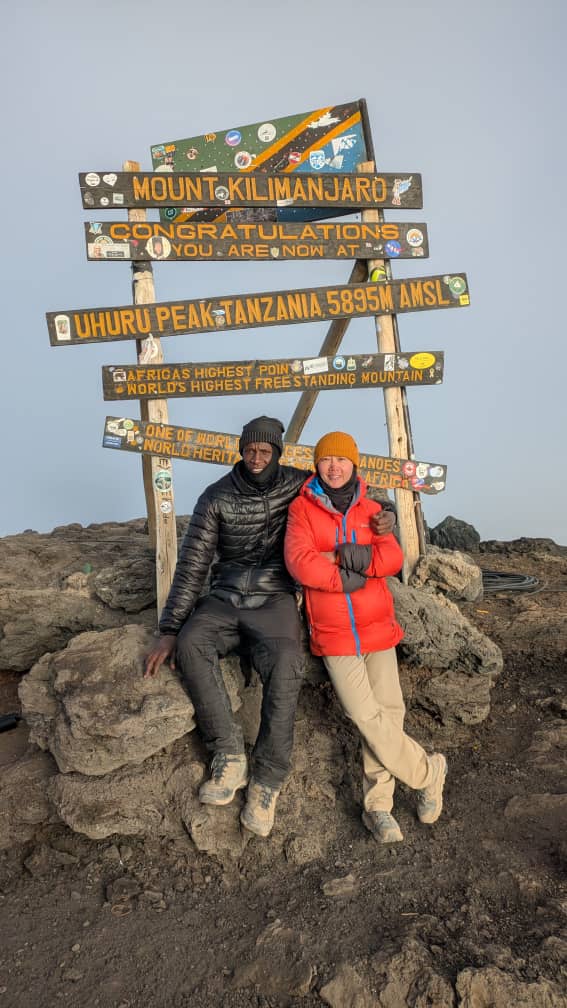
Introduction: What is the Kilimanjaro Whiskey Route?
When planning a trek up Mount Kilimanjaro, you’ll encounter various route names. While official names like Machame, Lemosho, or Marangu are standard, you might hear informal terms. The ‘Kilimanjaro Whiskey Route’ is one such term, often used by guides and experienced climbers to describe a route that offers a good balance of scenic beauty, acclimatization, and a higher success rate. It’s not an officially designated trail but rather a characteristic attributed to certain established paths, most commonly a variation of the Lemosho route. This guide aims to clarify what this ‘Whiskey Route’ entails, why it’s favored, and how you can best prepare for your 2026-2027 Kilimanjaro adventure.
The concept behind the ‘Whiskey Route’ is simple: it’s a trek that allows for gradual ascent, providing ample time for your body to adjust to the increasing altitude. This slow and steady approach is crucial for minimizing the risk of altitude sickness and maximizing your chances of reaching Uhuru Peak. While specific operators might use the term differently, it generally points towards routes that prioritize acclimatization and offer a rewarding trekking experience. Understanding this informal designation can help you choose the right path for your personal goals and fitness level.
Quick Facts: Kilimanjaro Whiskey Route
| Feature | Details |
|---|---|
| Commonly Associated Route | Lemosho Route (often with variations) |
| Duration | Typically 7 to 8 days |
| Scenery | Excellent, diverse landscapes from rainforest to alpine desert |
| Acclimatization | Very good; follows the ‘climb high, sleep low’ principle effectively |
| Success Rate | High, due to good acclimatization and route profile |
| Crowds | Moderate, especially on the Lemosho section, less crowded than Marangu |
| Camping/Accommodation | Camping only (except for the Marangu route) |
| Difficulty | Moderate to Difficult |
| Starting Point | Lemosho Gate (near the western side of the mountain) |
| Summit Night | Challenging, typically starts from Barafu Camp or Kibo Camp |
Understanding the ‘Whiskey Route’ Concept
The term ‘Whiskey Route’ isn’t found on any official Kilimanjaro trail map. Instead, it’s a colloquialism that has emerged within the trekking community, particularly among guides in Tanzania. It signifies a route that provides a superior trekking experience, characterized by several key elements that contribute to a successful and enjoyable climb. These elements are:
- Excellent Acclimatization Profile: The core of the ‘Whiskey Route’ concept is its gradual ascent. This means the route spends sufficient time at lower altitudes, allowing your body to adapt to the thinning air before heading to higher elevations. Routes like Lemosho, especially when extended to 7 or 8 days, naturally offer this.
- Scenic Beauty: Climbers want to see the diverse ecosystems of Kilimanjaro. The ‘Whiskey Route’ is associated with trails that traverse varied landscapes, from lush rainforests teeming with wildlife to stark alpine deserts and the dramatic glacial zones near the summit.
- Higher Success Rates: By prioritizing acclimatization, these routes tend to have better summit success rates compared to shorter, steeper paths. The goal is not just to reach the top but to do so safely and with a positive experience.
- Less Congestion (Initially): While all routes converge near the summit, some paths, like the initial stages of Lemosho, offer a more serene trekking experience away from the main crowds.
Essentially, when someone refers to the ‘Whiskey Route,’ they are often talking about the Lemosho route, particularly the 7 or 8-day variations, because it best embodies these desirable characteristics. It’s about choosing a path that is proven to offer the best conditions for a safe and memorable climb.
Why This Route is Preferred by Some Climbers
The preference for what’s informally called the ‘Whiskey Route’ stems from a climber’s desire for a successful and enjoyable ascent. Here’s why this approach, typically represented by the Lemosho route, is so highly regarded:
- Superior Acclimatization: This is the most significant factor. Longer routes like the 7 or 8-day Lemosho allow for a slower daily ascent and more time spent at intermediate camps. This adherence to the principle of ‘climb high, sleep low’ is critical for preventing or mitigating acute mountain sickness (AMS). Your body has more time to produce red blood cells, which carry oxygen, making the higher altitudes more manageable.
- Stunning Scenery: The Lemosho route is renowned for its breathtaking views. It begins in the lush, biodiverse rainforest on the western side of Kilimanjaro, offering opportunities to spot colobus monkeys and other wildlife. As you ascend, the scenery transitions through moorland, alpine desert, and finally the arctic zone. This diverse environment makes the journey itself a major part of the experience.
- Higher Success Rates: While no route guarantees a summit, the extended acclimatization period significantly increases the probability of reaching Uhuru Peak. Climbers who are well-acclimatized are less likely to suffer debilitating altitude sickness on summit night, the most challenging part of the trek.
- Less Crowded Start: The initial days on the Lemosho route are relatively quiet, providing a more peaceful and immersive trekking experience. While the upper sections and summit path are shared with other routes, starting on a less-trafficked path can make the initial trek more enjoyable.
- Flexibility: The Lemosho route can be done in 6, 7, or 8 days. The 7 and 8-day options are generally considered the ‘Whiskey Route’ due to their optimal acclimatization profiles. The extra days allow for more gradual progress and rest.
For travelers planning their Kilimanjaro climb for 2026 or 2027, choosing a route that aligns with these advantages is paramount. The ‘Whiskey Route’ concept, embodied by the longer Lemosho itineraries, offers the best combination of safety, scenery, and satisfaction.
Best Time to Climb Kilimanjaro via the Whiskey Route (2026-2027)
Choosing the right time to climb Kilimanjaro is crucial for favorable weather conditions and a more comfortable trek. The mountain has distinct wet and dry seasons. For the ‘Whiskey Route’ (and indeed any Kilimanjaro route), the best times to climb are during the dry seasons:
- January to March: This is a prime climbing season. The weather is generally dry and clear, offering excellent visibility. Temperatures are cooler, especially at higher altitudes. This period is also good for spotting wildlife on the lower slopes.
- June to October: This is the second dry season and arguably the most popular time to climb. The weather is typically stable, with clear skies and moderate temperatures. However, it can be cooler, and the trails can be busier, especially in July and August.
Times to Avoid (Generally):
- April and May: These months mark the long rainy season, characterized by heavy rainfall, fog, and muddy trails. Visibility is poor, and the conditions can be challenging and unpleasant.
- November: This is the short rainy season, with intermittent showers. While not as intense as the long rains, it can still make trekking more difficult.
Planning for 2026-2027: If you are planning your climb for 2026 or 2027, aiming for the dry seasons (January-March or June-October) will significantly enhance your experience. Booking well in advance is recommended, especially if you wish to climb during peak months or join a group departure.
Kilimanjaro Routes: A Visual Overview
While a detailed topographical map is beyond this format, here’s a simplified illustration of how the main routes approach Kilimanjaro, highlighting the ‘Whiskey Route’ (Lemosho) positioning.
| Side of Mountain | Primary Routes | Key Characteristics |
|---|---|---|
| West/Southwest | Lemosho, Shira | Starts in remote forest, excellent acclimatization, scenic. Lemosho is the basis for the ‘Whiskey Route’. |
| South | Machame, Mweka, Umbwe | Machame is popular, good acclimatization but steeper. Umbwe is very steep and challenging. Mweka is primarily for descent. |
| East | Marangu | The ‘Coca-Cola’ route, only route with hut accommodation, steepest ascent, lower success rate. |
| North | Northern Circuit, Rongai | Northern Circuit is longest, best acclimatization. Rongai approaches from the drier north, good in rainy seasons. |
The Lemosho route, our ‘Whiskey Route’ focus, begins on the western flank, offering a beautiful introduction to the mountain’s diverse ecosystems before it eventually merges with the Machame route higher up. This shared section means that while the initial days are quieter, you will join other trekkers as you approach the summit.
Sample Itinerary: The ‘Whiskey Route’ Approach (Lemosho Variation)
The 7-day Lemosho route is often considered the benchmark for the ‘Whiskey Route’ due to its excellent acclimatization profile. An 8-day version offers even more gradual ascent and is highly recommended for maximizing success. Here is a sample 7-day itinerary:
| Day | Route Segment | Distance (approx.) | Time (approx.) | Altitude Gain/Loss | Camp Altitude |
|---|---|---|---|---|---|
| 1 | Lemosho Gate (2,100m) to Mti Mkubwa Camp (2,800m) | 6 km / 3.7 miles | 3-4 hours | +700m / +2,300ft | 2,800m / 9,186ft |
| 2 | Mti Mkubwa Camp (2,800m) to Shira 1 Camp (3,500m) | 8 km / 5 miles | 5-6 hours | +700m / +2,300ft | 3,500m / 11,483ft |
| 3 | Shira 1 Camp (3,500m) to Shira 2 Camp (3,850m) | 5 km / 3.1 miles | 3-4 hours | +350m / +1,150ft | 3,850m / 12,631ft |
| 4 | Shira 2 Camp (3,850m) to Barranco Camp (3,950m) via Lava Tower (4,600m) | 10 km / 6.2 miles | 6-8 hours | +750m / +2,460ft, -650m / -2,130ft | 3,950m / 12,959ft |
| 5 | Barranco Camp (3,950m) to Karanga Camp (4,000m) | 5 km / 3.1 miles | 3-4 hours | +50m / +164ft | 4,000m / 13,123ft |
| 6 | Karanga Camp (4,000m) to Barafu Camp (4,650m) | 4 km / 2.5 miles | 3-4 hours | +650m / +2,130ft | 4,650m / 15,256ft |
| 7 | Barafu Camp (4,650m) to Summit (Uhuru Peak, 5,895m) and descend to Mweka Camp (3,100m) | 15 km / 9.3 miles (total) | 11-15 hours (total) | +1,245m / +4,085ft (to summit), -2,795m / -9,170ft (to Mweka) | 3,100m / 10,171ft |
| 8 | Mweka Camp (3,100m) to Mweka Gate (1,650m) | 10 km / 6.2 miles | 3-4 hours | -1,450m / -4,757ft | N/A (End of Trek) |
Daily Itinerary Breakdown
Day 1: Lemosho Gate to Mti Mkubwa Camp
Your adventure begins with a drive to the Lemosho Gate, followed by a trek through the montane forest. This is a gentle introduction to the climb, focusing on enjoying the surroundings and spotting wildlife. The camp is set up in a clearing within the forest.
Day 2: Mti Mkubwa Camp to Shira 1 Camp
The trail continues through the forest, which gradually thins out as you gain altitude. You’ll emerge onto the Shira Plateau, a vast, high-altitude moorland. The views of the Kibo Massif start to open up. Shira 1 Camp is located on this plateau.
Day 3: Shira 1 Camp to Shira 2 Camp
This day involves a steady climb across the Shira Plateau. You’ll reach Shira 2 Camp, which offers more expansive views and a good vantage point. This day helps with acclimatization as you spend more time at altitude.
Day 4: Shira 2 Camp to Barranco Camp via Lava Tower
This is a crucial acclimatization day. You’ll climb towards Lava Tower (4,600m), a prominent volcanic plug, before descending to Barranco Camp. This ‘climb high, sleep low’ strategy is vital for your body to adapt to the altitude. The descent to Barranco offers a significant drop in elevation for the night.
Day 5: Barranco Camp to Karanga Camp
Today features the infamous Barranco Wall, a challenging but rewarding scramble. After overcoming the wall, the path continues through stunning alpine desert landscapes towards Karanga Camp, situated in a valley. This is another day that aids acclimatization.
Day 6: Karanga Camp to Barafu Camp
The trail becomes steeper as you ascend towards Barafu Camp, the base camp for the summit push. You’ll trek across rocky terrain with increasingly sparse vegetation. You’ll reach Barafu Camp in the early afternoon, giving you time to rest and prepare for the summit attempt.
Day 7: Summit Day & Descent to Mweka Camp
This is the most demanding day. You’ll start your ascent in the early hours of the morning (around midnight) towards Stella Point and then Uhuru Peak (5,895m), the roof of Africa. After celebrating at the summit, you’ll descend directly to Barafu Camp for a short rest before continuing down to Mweka Camp. This descent is significant and helps you adjust to lower altitudes.
Day 8: Mweka Camp to Mweka Gate
The final day involves a relatively short trek through the forest down to Mweka Gate, where you will be met by your transport. You’ll receive your summit certificates and then transfer back to Moshi or Arusha.
What to Expect on the Trail
Trekking the ‘Whiskey Route’ (Lemosho) is an incredible journey, but it requires preparation and understanding of what lies ahead. Here’s what you can expect:
- Diverse Ecosystems: Your trek begins in the lush, tropical rainforest, alive with sounds of birds and the possibility of spotting monkeys. As you gain altitude, the vegetation changes dramatically through heath, moorland, alpine desert, and finally the arctic zone near the summit.
- Trail Conditions: The trails vary. Lower sections can be muddy, especially after rain. Higher up, you’ll encounter rocky paths, scree slopes, and eventually snow and ice near the summit. The Barranco Wall scramble is a unique challenge.
- Weather: Kilimanjaro’s weather is unpredictable and changes rapidly with altitude. Expect sunshine, rain, fog, and wind, often within the same day. Summit night is typically very cold, with temperatures dropping well below freezing, often accompanied by strong winds and ice.
- Daily Routine: Days typically start with an early wake-up call, breakfast, and then a few hours of trekking. Lunch is usually a packed meal eaten en route. You’ll reach the next camp in the afternoon, have dinner, and then rest. Summit night is an exception, starting around midnight.
- Accommodation: On the Lemosho route, you will be camping. Tents are provided for sleeping, dining, and toilet facilities. Your support crew will set up camp each day.
- Food: Your tour operator will provide all meals. Expect a balanced diet designed to provide energy, including carbohydrates, proteins, and fats. Meals typically include porridge, eggs, bread, soups, rice, pasta, chicken, vegetables, and fruits. Hot drinks are also provided.
- Crew Support: You will be accompanied by a team of experienced guides, porters, and cooks. Guides are trained in first aid and altitude sickness management. Porters carry the bulk of the gear, and cooks prepare your meals.
- Altitude Effects: Mild altitude sickness symptoms are common (headache, nausea, fatigue). Proper acclimatization is key to managing these. Your guides will monitor you closely. Severe symptoms require immediate descent.
Acclimatization Strategy: Key to Success
The ‘Whiskey Route’ concept is fundamentally about effective acclimatization. Altitude sickness (Acute Mountain Sickness – AMS) is the primary reason climbers fail to reach the summit. The Lemosho route, especially in its 7 or 8-day iterations, excels because it incorporates the ‘climb high, sleep low’ principle:
- Gradual Ascent: The route’s progression is designed to allow your body to adapt to decreasing oxygen levels at higher altitudes. Each day’s ascent is moderate, and the daily altitude gain is carefully managed.
- ‘Climb High, Sleep Low’: This strategy involves ascending to a higher altitude during the day for acclimatization purposes, then descending to a lower altitude to camp for the night. For example, on Day 4, you climb to Lava Tower (4,600m) and then descend to Barranco Camp (3,950m). This process stimulates your body to adapt to higher altitudes while allowing it to recover at a slightly lower elevation.
- Rest Days (Implicit): While not official ‘rest days’ where you don’t move, the longer itineraries have more moderate trekking days interspersed with slightly more challenging ones. This pacing allows for recovery and adaptation.
- Hydration and Nutrition: Staying well-hydrated and eating nutritious food are vital. Dehydration can exacerbate altitude sickness symptoms. Your crew will ensure you have plenty of water and well-balanced meals.
- Avoiding Overexertion: Moving at a slow, steady pace (‘pole pole’ – slowly, slowly) is crucial. Pushing yourself too hard, especially in the initial days, can lead to fatigue and hinder acclimatization.
- Monitoring Symptoms: Be honest with your guides about how you feel. Headaches, dizziness, nausea, and fatigue are all potential signs of AMS. Early detection and management are critical.
For your 2026-2027 climb, choosing an itinerary of at least 7 days on Lemosho is the best way to implement this critical acclimatization strategy.
Essential Gear and Packing List
Proper gear is non-negotiable for a Kilimanjaro climb. The weather can be extreme, and you’ll be trekking for days. Here’s a comprehensive list:
Clothing
- Base Layers: 3-4 sets of moisture-wicking thermal tops and bottoms (merino wool or synthetic).
- Mid Layers: 2-3 fleece jackets or sweaters for insulation.
- Outer Layer (Insulated): 1 warm down or synthetic jacket (essential for summit night).
- Outer Layer (Waterproof): 1 waterproof and windproof jacket (Gore-Tex or similar) with a hood.
- Trekking Trousers: 2-3 pairs of comfortable, quick-drying hiking trousers (avoid jeans).
- Waterproof Trousers: 1 pair of waterproof and windproof overtrousers.
- Shirts: 4-5 moisture-wicking t-shirts and long-sleeved shirts.
- Headwear: 1 warm fleece hat or beanie, 1 sun hat or cap, 1 balaclava or neck gaiter (for cold).
- Gloves: 1 pair of warm fleece or insulated gloves, 1 pair of lighter liner gloves.
Footwear
- Hiking Boots: Sturdy, waterproof, broken-in hiking boots with good ankle support.
- Camp Shoes: Comfortable shoes or sandals for wearing at camp (e.g., Crocs, trainers).
- Socks: 5-7 pairs of warm wool or synthetic hiking socks.
- Liner Socks: 2-3 pairs to prevent blisters.
- Gaiters: To keep mud, rocks, and snow out of your boots.
Equipment
- Backpack: A comfortable daypack (30-40 liters) for essentials you carry daily.
- Duffel Bag: A large, waterproof duffel bag (80-100 liters) for porters to carry.
- Sleeping Bag: A warm, four-season sleeping bag (rated to at least -10°C / 14°F).
- Sleeping Pad: Recommended for added comfort, though often provided.
- Trekking Poles: Highly recommended for stability and reducing strain on knees.
- Headlamp: With extra batteries (essential for summit night and around camp).
- Water Bottles/Bladder: At least 3 liters capacity (e.g., 2 x 1L bottles or a 3L hydration bladder).
- Water Purification: Purification tablets or a filter (though boiled water is usually provided).
- Sunscreen: High SPF (30-50).
- Lip Balm: With SPF.
- Sunglasses: With UV protection.
- Toiletries: Biodegradable soap, toothbrush, toothpaste, wet wipes, hand sanitizer.
- Personal First-Aid Kit: Include blister treatment, pain relievers, any personal medications.
- Camera: With extra batteries and memory cards.
- Power Bank: To charge electronics.
- Snacks: Energy bars, nuts, dried fruit (optional, but good for quick energy boosts).
- Book/Journal: For downtime at camp.
- Passport & Visa: Keep in a waterproof pouch.
- Cash: For tips and personal expenses.
Note: Most reputable tour operators provide a detailed packing list. Always check with your chosen operator.
Physical Preparation for Your Climb
Climbing Kilimanjaro is a significant physical challenge. While you don’t need to be an elite athlete, a good level of fitness is essential for enjoying the trek and increasing your chances of reaching the summit. Preparation should focus on cardiovascular fitness and leg strength.
- Cardiovascular Endurance: Engage in activities that elevate your heart rate for sustained periods. Aim for 3-4 sessions per week, including:
- Hiking: The most relevant training. Hike regularly, preferably on hilly terrain, carrying a moderately weighted backpack (5-10 kg / 10-20 lbs).
- Running/Jogging: Builds aerobic capacity.
- Cycling: Excellent for cardiovascular fitness and leg muscles.
- Swimming: A low-impact option for overall fitness.
- Leg Strength: Focus on exercises that strengthen your legs and core:
- Squats
- Lunges
- Step-ups (with weights)
- Calf Raises
- Core exercises (planks, crunches)
- Consistency is Key: Start your training at least 2-3 months before your climb. Gradually increase the intensity and duration of your workouts.
- Practice with Gear: Hike in the boots and with the backpack you intend to use on Kilimanjaro. This helps break in your boots and get used to carrying your load.
- Mental Preparation: Kilimanjaro is as much a mental challenge as a physical one. Understand the commitment required, the potential discomforts, and the importance of perseverance.
For your 2026-2027 climb, start your training regimen early. Consistency and focusing on endurance are more important than short bursts of intense exercise.
Common Mistakes to Avoid on Kilimanjaro
Many climbers make similar errors that can impact their experience or even their ability to reach the summit. Being aware of these common pitfalls can help you avoid them:
- Choosing Too Short an Itinerary: Opting for a 5-day or even 6-day trek significantly compromises acclimatization and drastically reduces your chances of success. The ‘Whiskey Route’ concept emphasizes longer itineraries (7-8 days) for this reason.
- Insufficient Physical Training: Underestimating the physical demands can lead to exhaustion and make the trek miserable. Proper training, especially hiking with a pack, is crucial.
- Not Breaking in Boots: Wearing new or stiff hiking boots on the trek is a recipe for blisters and foot pain. Always break them in thoroughly beforehand.
- Packing Too Much or Too Little: Overpacking makes your duffel bag heavy for the porters and difficult for you to carry if needed. Underpacking means you might lack essential warm or waterproof gear, leading to discomfort or hypothermia.
- Ignoring Altitude Sickness Symptoms: Pushing on despite symptoms of AMS can lead to severe, life-threatening conditions. Always communicate openly with your guides. ‘Pole pole’ (slowly, slowly) is the mantra.
- Dehydration: Not drinking enough water is a common mistake. Dehydration exacerbates altitude sickness. Aim to drink 3-5 liters of fluid per day.
- Going Too Fast: The most common error on summit night. The pace should be extremely slow and steady. Guides often say, “As slow as you can walk.”
- Poor Nutrition: Not eating enough at camp or during the day can lead to a lack of energy. Even if you don’t feel like eating much, try to consume high-carbohydrate foods.
- Not Packing Warm Enough Gear: Summit night is extremely cold. Ensure you have adequate layers, including a good down jacket, warm hat, gloves, and a warm sleeping bag.
- Lack of Proper Insurance: Ensure your travel insurance covers high-altitude trekking and emergency helicopter evacuation.
Who is the ‘Whiskey Route’ Best For?
The ‘Whiskey Route,’ as embodied by the 7 or 8-day Lemosho itineraries, is an excellent choice for a wide range of trekkers, but it particularly suits:
- First-time Kilimanjaro Climbers: Its emphasis on acclimatization and scenic beauty makes it a rewarding introduction to high-altitude trekking.
- Climbers Prioritizing Success: Those who want the highest possible chance of reaching the summit will benefit from the extended acclimatization profile.
- Nature Enthusiasts: The route offers exceptional views and diverse ecosystems, from rainforests to alpine deserts, making the journey itself a highlight.
- Those Seeking a More Serene Start: The initial days on Lemosho are less crowded, offering a more peaceful experience before joining the main trails higher up.
- Individuals Concerned About Altitude: If you are worried about altitude sickness, this route provides the best strategy for your body to adapt gradually.
- Anyone Planning for 2026-2027: For those looking ahead to plan their expedition in the coming years, this route offers a proven path to a memorable climb.
While it’s not the shortest or cheapest option, the investment in time and cost for a 7 or 8-day Lemosho trek is well worth it for the increased comfort, safety, and success rate it provides.
Considering Alternatives: Other Popular Kilimanjaro Routes
While the ‘Whiskey Route’ (Lemosho) is highly recommended, other established routes on Kilimanjaro cater to different preferences and fitness levels. Understanding these can help you make an informed decision for your 2026-2027 climb:
- Machame Route:
- Duration: 6, 7, or 8 days.
- Pros: Very popular, excellent acclimatization on 7/8-day options, beautiful scenery, good success rates.
- Cons: Can be crowded, especially the 6-day option. The 6-day Machame is often considered too rushed for optimal acclimatization.
- Best For: Those seeking a popular, well-supported route with good acclimatization on longer itineraries. Check Machame Route Group Departures.
- Marangu Route:
- Duration: 5 or 6 days.
- Pros: Only route with hut accommodation (no camping), often considered the easiest in terms of physical comfort (shelter, beds).
- Cons: Steepest ascent, least scenic, significantly lower success rate due to poor acclimatization, very crowded.
- Best For: Those who strongly prefer not to camp and are looking for basic comfort, but should be approached with caution regarding success rates.
- Rongai Route:
- Duration: 6 or 7 days.
- Pros: Approaches from the drier northern side, making it a good option during rainy seasons. Generally less crowded.
- Cons: Less scenic than Lemosho or Machame, acclimatization profile is good but not as optimal as longer Lemosho/Machame.
- Best For: Climbers looking for an alternative, especially during wetter months, or those seeking fewer crowds.
- Northern Circuit:
- Duration: 9 days.
- Pros: Longest route, offers the best acclimatization and highest success rates, circumnavigates the mountain for unique views, least crowded.
- Cons: Most expensive and longest duration.
- Best For: Those with ample time and budget who want the ultimate Kilimanjaro experience with maximum comfort and success probability.
For most trekkers aiming for a balance of scenery, acclimatization, and success, the 7 or 8-day Lemosho (‘Whiskey Route’) or the 7 or 8-day Machame are the top choices. The 9-day Northern Circuit offers the ultimate experience if time and budget allow.
Planning Your 2026-2027 Kilimanjaro Adventure
Planning a Kilimanjaro climb for 2026 or 2027 requires foresight and attention to detail. Here’s a step-by-step guide:
- Choose Your Route: Based on the information provided, decide which route best suits your priorities (acclimatization, scenery, budget, time). For the ‘Whiskey Route’ experience, aim for the 7 or 8-day Lemosho.
- Select Your Operator: Research reputable tour operators. Look for companies with experienced guides, good safety records, ethical treatment of porters, and positive reviews. Consider local Tanzanian operators for authentic experiences and better value.
- Determine Your Dates: Aim for the dry seasons (Jan-Mar, Jun-Oct) for the best weather. Consider joining a group departure for potential cost savings and a social experience. Check for Tanzania Safari & Kilimanjaro Group Dates.
- Book Your Expedition: Book your climb well in advance, especially for peak seasons or specific group dates. A typical booking timeline might look like this:
- 12-18 Months Out: Initial research, choose operator and route.
- 9-12 Months Out: Book your climb, pay deposit.
- 6-9 Months Out: Start focused physical training.
- 3-6 Months Out: Purchase major gear (boots, sleeping bag, backpack).
- 1-3 Months Out: Finalize travel arrangements (flights, visas, insurance).
- 1-2 Weeks Out: Pack, confirm details with operator.
- Obtain Necessary Documents: Ensure your passport is valid for at least six months beyond your travel date. Check visa requirements for Tanzania.
- Arrange Travel Insurance: Comprehensive travel insurance is mandatory. It must cover high-altitude trekking and emergency medical evacuation.
- Vaccinations and Health: Consult your doctor or a travel clinic about recommended vaccinations (e.g., Yellow Fever, Hepatitis A, Typhoid) and malaria prophylaxis.
- Physical Training: Begin and maintain a consistent training program focusing on cardiovascular fitness and strength.
- Gear Acquisition: Purchase or rent necessary gear. Ensure everything fits well and is suitable for cold, wet conditions.
- Financial Planning: Budget for the climb cost, flights, insurance, visa, vaccinations, tips for the crew, and personal spending money.
By following these steps, you can ensure a well-organized and successful Kilimanjaro adventure for 2026 or 2027.
Booking Your Kilimanjaro Expedition
Choosing the right tour operator is as important as choosing the right route. Here’s how to approach booking your Kilimanjaro expedition:
- Research Reputable Operators: Look for companies with a strong track record, positive reviews on platforms like TripAdvisor (see traveler feedback), and clear safety protocols. Local Tanzanian operators often provide excellent value and local expertise.
- Compare Inclusions: Understand what is included in the price. This typically includes park fees, guide and porter salaries, food, camping equipment, and transfers. Exclusions often involve gear rental, tips, personal expenses, and flights.
- Ask About Guide Qualifications: Ensure your guides are certified, experienced in high-altitude trekking, and trained in wilderness first aid and altitude sickness management.
- Inquire About Safety Standards: Ask about emergency procedures, communication devices (satellite phones/radios), and the availability of oxygen on the mountain.
- Porter Welfare: Reputable operators ensure their porters are well-paid, adequately clothed, fed, and treated with respect. This is a crucial ethical consideration.
- Read the Itinerary Carefully: Ensure the itinerary matches the ‘Whiskey Route’ concept – i.e., a 7 or 8-day Lemosho route for optimal acclimatization. Check the daily distances and altitude gains.
- Understand Payment Terms: Clarify the deposit amount, payment schedule, and cancellation policy.
- Ask About Group vs. Private Treks: Group treks can be more affordable and social. Private treks offer more flexibility.
- Contact Us: For a reliable and experienced partner for your Kilimanjaro climb, don’t hesitate to reach out. We offer well-planned itineraries designed for safety and success.
Contact Top Guide Adventures:
- WhatsApp: +255616946642
- Email: topguideadventures@gmail.com
- Backup Email: info@topguideadventures.com
We can help you plan your perfect Kilimanjaro adventure for 2026-2027, whether you’re looking for a challenging trek or a comfortable climb.
Recent Climber Experiences and Social Proof
Hearing from fellow climbers provides valuable insights into what to expect. While specific reviews are best found on dedicated platforms, the general sentiment for well-planned Lemosho treks is overwhelmingly positive. Climbers often highlight:
- The incredible sense of achievement upon reaching Uhuru Peak.
- The breathtaking beauty of the changing landscapes.
- The camaraderie and support from their guides and crew.
- The challenge and reward of summit night.
- The importance of acclimatization and listening to guides.
For up-to-date photos and recent expedition highlights, follow us on Instagram:
Follow us on Instagram @top_guide_adventures
We also encourage you to read reviews from previous clients on platforms like TripAdvisor to gauge their experiences and our commitment to service. You can find detailed feedback here.
For more information on our other services, including Tanzanian safaris, please visit our main website: www.topguideadventures.com.
Frequently Asked Questions
What exactly is the ‘Kilimanjaro Whiskey Route’?
The ‘Kilimanjaro Whiskey Route’ is not an official trail name. It’s an informal term used by guides and climbers to describe routes that offer excellent acclimatization, scenic beauty, and a high success rate. It most commonly refers to the Lemosho route, particularly the 7 or 8-day itineraries, due to its ideal profile for gradual ascent and adaptation to altitude.
Is the Lemosho route the best choice for the ‘Whiskey Route’ experience?
Yes, the Lemosho route, especially when trekked over 7 or 8 days, is widely considered to embody the characteristics of the ‘Whiskey Route.’ Its longer duration allows for superior acclimatization and a more enjoyable, less rushed experience compared to shorter routes.
How difficult is the ‘Whiskey Route’ (Lemosho)?
The Lemosho route is considered moderately difficult to difficult. The challenge primarily comes from the altitude and the sustained effort required over several days. Summit night is particularly demanding. However, its well-designed acclimatization profile significantly eases the physical strain compared to steeper, shorter routes.
What is the best time to climb Kilimanjaro using the Lemosho route in 2026-2027?
The best times to climb Kilimanjaro, including the Lemosho route, are during the dry seasons: January to March and June to October. These periods offer the clearest skies and most stable weather conditions for your 2026-2027 expedition.
How much does it cost to climb Kilimanjaro on the Lemosho route?
The cost varies significantly depending on the tour operator, the duration of the trek, and the inclusions. Generally, a 7 or 8-day Lemosho trek with a reputable operator will be more expensive than shorter routes like Marangu due to higher park fees and crew costs for longer durations. Prices typically range from $1,800 to $3,500+ per person, excluding flights and tips.
Do I need special permits to climb Kilimanjaro?
Yes, all climbers need to pay park entrance fees, camping/hut fees, and rescue fees. These are usually included in the package price offered by reputable tour operators. You do not typically arrange these permits yourself.
What is the success rate on the Lemosho route?
The success rate on the Lemosho route, particularly for 7 or 8-day itineraries, is among the highest for Kilimanjaro, often reported between 80-90%. This is largely due to its excellent acclimatization profile.
What should I pack for the Lemosho route?
You’ll need layers of clothing suitable for varying temperatures (from tropical to arctic), waterproof outer shells, sturdy hiking boots, a warm sleeping bag, trekking poles, and personal items like sunscreen and a headlamp. A detailed packing list is essential, which your tour operator should provide.
Is altitude sickness common on the Lemosho route?
Mild altitude sickness symptoms are common for most climbers. However, the Lemosho route’s gradual ascent and ‘climb high, sleep low’ strategy are designed to help your body acclimatize effectively, minimizing the risk of severe altitude sickness. Open communication with your guides is crucial.
Can I join a group climb on the Lemosho route in 2026?
Yes, many operators offer group departures for the Lemosho route. Joining a group can make the climb more affordable and enjoyable for solo travelers. Check our group departure dates for Lemosho and other popular routes.
What kind of food is served on Kilimanjaro?
Your trekking crew will prepare three hot meals a day: breakfast, lunch, and dinner, plus snacks. The cuisine is generally a mix of international and local dishes, focusing on carbohydrates for energy, such as porridge, eggs, soups, pasta, rice, chicken, and fresh fruits and vegetables.
Ready to Conquer Kilimanjaro? Contact Us!
The ‘Kilimanjaro Whiskey Route,’ best represented by the Lemosho itinerary of 7 or 8 days, offers an exceptional pathway to the roof of Africa. Its focus on acclimatization, combined with stunning scenery, provides a safe, rewarding, and memorable trekking experience. Planning your expedition for 2026 or 2027 is an exciting prospect, and we are here to help you every step of the way.
At Top Guide Adventures, we specialize in creating unforgettable Kilimanjaro climbs, alongside incredible Tanzanian safaris and Zanzibar holidays. We pride ourselves on experienced guides, ethical porter treatment, and a commitment to your safety and success. Let us help you craft the perfect adventure.
Get in touch today to discuss your dream Kilimanjaro climb:
- WhatsApp: +255616946642
- Email: topguideadventures@gmail.com
- Backup Email: info@topguideadventures.com
We look forward to helping you achieve your Kilimanjaro goals on the best Kilimanjaro Whiskey Route for your adventure!
Complete Best Kilimanjaro Whiskey Route Planning Details for 2026- 2027-2028
Best Kilimanjaro Whiskey Route needs more than a quick description because travelers normally want to understand timing, route logic, comfort level, inclusions, local support, safety, and how the trip fits with the rest of a Tanzania journey. For 2026- 2027-2028, the best plan is to compare the route, travel month, daily pace, accommodation style, and transport arrangement before confirming.
A strong plan should explain where the trip starts, what happens each day, how long transfers may take, what travelers should prepare, and which parts can be customized. This makes the page useful for families, couples, solo travelers, private groups, budget travelers, mid-range guests, and luxury travelers.
Important things to confirm before booking
- Exact starting point and pickup time.
- Accommodation level or day-trip timing.
- Transport type and guide arrangement.
- Park fees, activities, meals, drinking water, and transfers.
- Best travel month for weather, wildlife, trekking, beaches, or photography.
- Payment plan, deposit, cancellation terms, and changes if travel dates move.
Best Kilimanjaro Whiskey Route Sample Structure and Route Logic
Most travelers choose Best Kilimanjaro Whiskey Route because they want a clear experience that is easy to understand and simple to book. The structure should feel practical: arrival or pickup, main activity, important stops, relaxed timing, overnight or return plan, and final drop-off. When the topic involves safari, the route should respect park distance and game drive time. When it involves Kilimanjaro, the route should respect acclimatization and safe pacing. When it involves Zanzibar, the plan should balance ocean activities, culture, relaxation, and transfer time.
| Planning Area | What to Check | Why It Matters |
|---|---|---|
| Timing | Season, pickup time, daily pace, and activity duration | Helps avoid rushed travel and gives better value |
| Comfort | Budget, mid-range, luxury, private, or shared style | Matches the trip with the traveler expectation |
| Logistics | Transfers, vehicle, guide, permits, and entry rules | Prevents surprises during the trip |
| Booking | Deposit, availability, route, inclusions, and final balance | Makes confirmation smooth and transparent |
Top Guide Adventures Recommendation
Best Tanzania Tour operator recommends treating Best Kilimanjaro Whiskey Route as a complete travel plan rather than only a title. A good operator should explain the route, guide support, what is included, what is excluded, how timing works, and what can be adjusted. Travelers can also compare Tanzania safari group departures and shared tours, check Machame Route Kilimanjaro group departures, or read more articles in the Tanzania safari tours blog.
For a more personal look at current trips and field updates, travelers may follow Top Guide Adventures on Instagram, review traveler feedback on Tripadvisor, or visit our another website.
Best Kilimanjaro Whiskey Route FAQs for 2026- 2027-2028
How early should I book Best Kilimanjaro Whiskey Route?
Booking early is better for 2026- 2027-2028, especially for high season, family travel, group departures, Kilimanjaro routes, Serengeti safaris, Zanzibar holidays, and private customized tours.
Can this trip be customized?
Yes. The route, accommodation level, pace, pickup point, and add-ons can usually be adjusted depending on availability and the travel dates.
Is Best Kilimanjaro Whiskey Route suitable for first-time travelers?
Yes, when the itinerary is explained clearly and the guide support is reliable. First-time travelers should ask for a simple day-by-day plan, inclusions, exclusions, and preparation notes.
What should I ask before confirming?
Ask about transport, guide, meals, park or activity fees, accommodation, payment plan, cancellation terms, and what happens if weather or travel timing changes.
Plan your Best Kilimanjaro Whiskey Route with Top Guide Adventures
Tell us your travel dates, group size, comfort level, and dream experience. We will help you shape a clear, realistic, and memorable Tanzania itinerary.







 Veedesigner
 Fatma Kizanga
 Benjamin Waryuba
 Philip Philip
 John jr Itaja
 Antonia Optatus
 Edith Kanyere
 Neema Iddy
 Kelvin Boniphace
 Damari Maiga



