
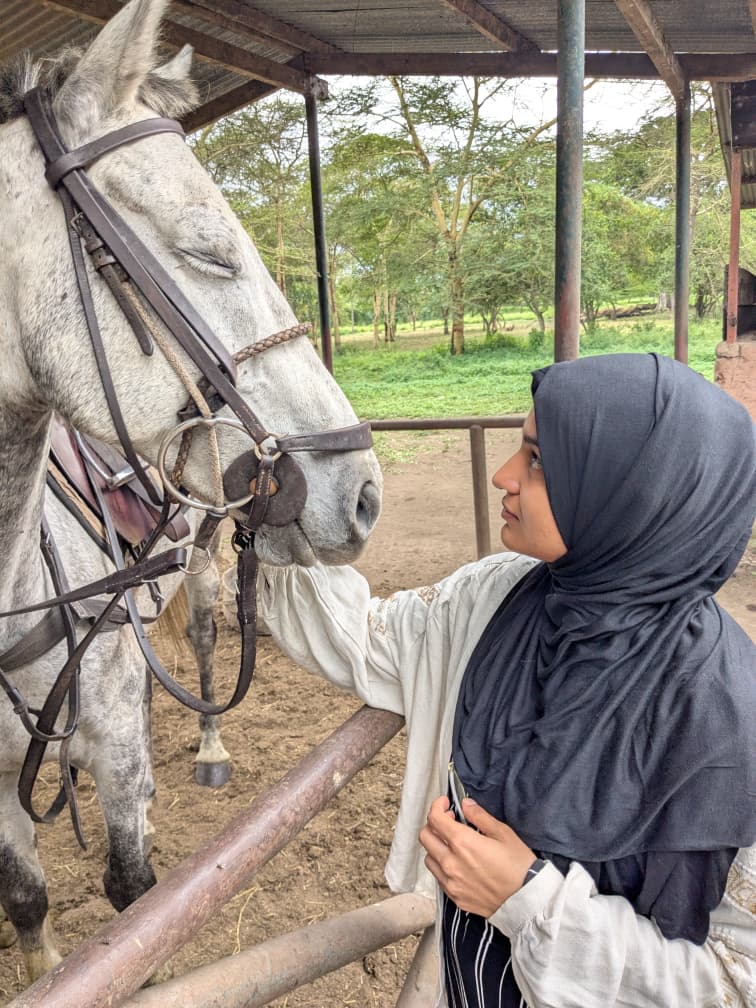
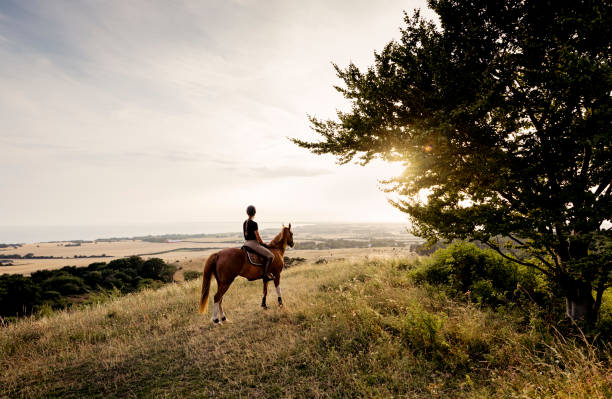
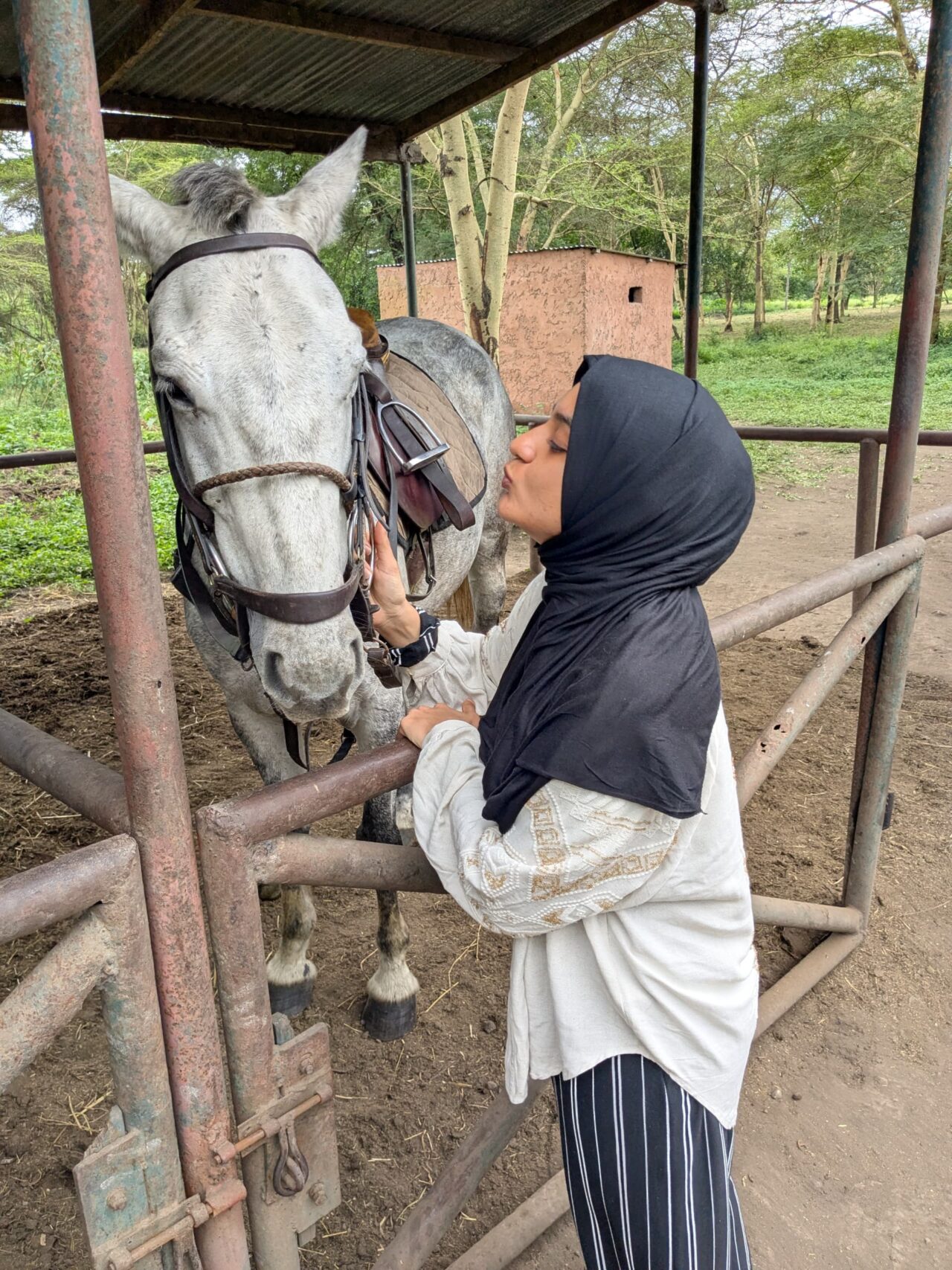
Imagine the vast, shimmering expanse of Lake Natron stretching before you, its alkaline waters reflecting the dramatic silhouette of Ol Doinyo Lengai, the Maasai ‘Mountain of God.’ Now, picture yourself traversing this alien yet breathtaking landscape not in a vehicle, but atop a sturdy, sure-footed horse. This is the essence of the best Lake Natron horse safari – an experience that blends the thrill of horseback riding with the raw, untamed beauty of one of Tanzania’s most extraordinary natural wonders.
For the adventurous traveler seeking an alternative to the typical safari vehicle, a horse safari around Lake Natron offers an intimate connection with the environment. It allows you to approach wildlife with less disturbance, absorb the sheer scale of the landscape at a pace that truly lets you appreciate it, and immerse yourself in the rich cultural heritage of the Maasai people who call this region home. As you plan your 2026 or 2027 Tanzanian adventure, consider this unique offering for an unforgettable journey.
Why Choose a Horse Safari for Lake Natron?
Lake Natron is not your average safari destination. Its stark beauty, characterized by alkaline soda pans, volcanic landscapes, and the presence of millions of Lesser Flamingos, creates an otherworldly atmosphere. While game drives are possible, a horse safari elevates the experience by offering distinct advantages:
- Intimate Wildlife Encounters: Horses, being prey animals themselves, often allow for closer, less startling approaches to certain wildlife species than vehicles. You can observe grazing animals, birds, and even the famous flamingos without the noise and intrusion of an engine.
- Unmatched Scenery Immersion: The slow, rhythmic pace of horseback riding allows for a deeper appreciation of the visual grandeur. You can feel the wind, smell the earth, and truly absorb the panoramic views of the Great Rift Valley, the lake, and the surrounding escarpments.
- Cultural Connection: The Maasai people have a deep, ancestral connection to this land, and horses are integral to their culture and traditional way of life. Riding alongside Maasai guides offers a unique perspective and opportunity for genuine cultural exchange.
- Access to Remote Areas: Certain trails and viewpoints around Lake Natron are more accessible or enjoyable on horseback than by vehicle, opening up areas that might otherwise be missed.
- A Sense of Adventure: For those who love horses or are looking for a more active and engaging safari experience, a horse safari is inherently more thrilling and rewarding.
The Unique Landscape of Lake Natron
Before we look at the specifics of the horse safari, understanding Lake Natron itself is crucial. Located in the northern part of Tanzania, near the Kenyan border, this shallow lake is one of the most alkaline bodies of water in the world. Its high pH levels and temperature can reach up to 60°C (140°F), making it inhospitable to most fish and larger aquatic animals. However, this very characteristic creates a haven for a specific type of life:
- The Lesser Flamingo: Lake Natron is the primary breeding ground for Lesser Flamingos in Africa. Millions of these vibrant pink birds congregate here, feeding on the algae that thrive in the alkaline waters. The sight of vast flocks is a spectacle of nature unlike any other.
- Volcanic Surroundings: The lake lies at the southern end of the Rift Valley, framed by rugged mountains and the imposing presence of Ol Doinyo Lengai. This active volcano last erupted significantly in 2008, and its dramatic, cone-shaped peak dominates the skyline.
- Soda Flats: The lake’s edges often form crusts of natron (sodium carbonate), creating vast, shimmering white or pinkish flats that stretch towards the horizon. These areas can be mesmerizing and challenging to traverse, especially on horseback.
- Geothermal Activity: Hot springs and geysers can be found in the vicinity, hinting at the powerful geological forces at play beneath the surface.
The best Lake Natron horse safari operators are intimately familiar with this unique environment, ensuring safety and respect for the delicate ecosystem while maximizing your experience.
Planning Your Lake Natron Horse Safari in 2026-2027
A trip to Lake Natron, especially one involving horseback riding, requires careful planning. Unlike more developed tourist areas, Lake Natron is remote and its infrastructure is basic. Here’s what you need to consider for your 2026 or 2027 adventure:
When to Go: The Best Time for Your Horse Safari
The optimal time for a Lake Natron horse safari depends on several factors, primarily the flamingo breeding season and the general weather conditions:
- Flamingo Breeding Season: The most spectacular time to visit is when the Lesser Flamingos are breeding and nesting. This typically occurs during the long rains, from March to May, and sometimes extends into June. During this period, the lake is fuller, and the flamingo populations are at their peak.
- Dry Season (June to October): This period offers more stable weather, with less rain and cooler temperatures. The lake levels may be lower, exposing more of the soda flats, which can be interesting to explore. Wildlife viewing outside of the flamingos can also be good.
- Shoulder Seasons (November to February): These months can be unpredictable. You might experience short rains, but they are generally less intense than the long rains. It’s a good time to avoid crowds, but be prepared for potential weather disruptions.
For a horse safari, the dry season (June to October) is often preferred by riders for comfort and trail conditions. However, if seeing the mass of flamingos during their breeding season is your priority, then the rainy season is essential. Discuss your priorities with your tour operator to find the perfect balance for your 2026-2027 trip.
Choosing Your Horse Safari Operator
Selecting the right operator is paramount for a safe and rewarding horse safari. The best Lake Natron horse safari providers will have:
- Experienced Guides: Look for operators with guides who are not only expert riders but also knowledgeable about the local environment, wildlife, Maasai culture, and safety protocols specific to Lake Natron.
- Well-Maintained Horses: The horses should be healthy, well-trained, and suited to the terrain. Operators who prioritize the welfare of their animals are a good sign.
- Safety Equipment: Ensure they provide appropriate safety gear, including helmets, and have emergency procedures in place.
- Logistical Prowess: Lake Natron is remote. Your operator must be adept at managing transportation, accommodation, food, and communications in this challenging environment.
- Responsible Tourism Practices: Choose operators committed to sustainable tourism, respecting the environment and supporting local communities.
Top Guide Adventures is a reputable Tanzanian tour operator that can help you craft the perfect Lake Natron horse safari. They have extensive experience in the region and a commitment to providing authentic, safe, and memorable adventures. You can reach them via WhatsApp at +255616946642 or email at topguideadventures@gmail.com.
Accommodation Options
Accommodation near Lake Natron is generally basic, reflecting the area’s remoteness. Your horse safari package will likely include one of the following:
- Campsites: These are the most common option, ranging from basic tented camps to more comfortable mobile camps set up by your operator. Expect comfortable tents, basic amenities, and meals prepared by a camp chef.
- Lodges/Guesthouses: There are a few very simple lodges or guesthouses in the vicinity, offering more permanent structures but still with limited facilities.
- Maasai Bomas: Some operators may arrange an overnight stay in a traditional Maasai village (boma), offering a truly immersive cultural experience. This is often done in conjunction with horseback riding.
For the best Lake Natron horse safari, look for packages that include comfortable camping arrangements with good food and a clear itinerary, ensuring your focus remains on the incredible surroundings.
What to Pack for Your Horse Safari
Packing wisely is crucial for comfort and safety on a horse safari in Lake Natron. Consider these essentials:
- Riding Gear: Comfortable riding trousers (jodhpurs or breeches), sturdy riding boots with a small heel, and gloves. Helmets are usually provided, but you may prefer to bring your own if you have a specific fit.
- Clothing: Lightweight, breathable long-sleeved shirts and trousers to protect from the sun and insects. Layers are recommended, as temperatures can vary. A warm fleece or jacket for cooler evenings.
- Sun Protection: Wide-brimmed hat, high SPF sunscreen, sunglasses, and lip balm.
- Footwear: Comfortable walking shoes or sandals for when you’re not riding.
- Health & Hygiene: Personal toiletries, insect repellent (with DEET), hand sanitizer, and any personal medications. A basic first-aid kit is also advisable.
- Hydration: A reusable water bottle. While water will be provided, staying hydrated is vital in the heat.
- Camera & Binoculars: To capture the stunning scenery and wildlife. Ensure you have waterproof protection for your gear.
- Headlamp or Torch: Essential for navigating around camp at night.
Your tour operator will provide a more detailed packing list, but this covers the essentials for a comfortable and safe experience on the best Lake Natron horse safari.
The Horse Safari Experience: What to Expect
A typical Lake Natron horse safari is more than just riding; it’s a holistic adventure that connects you with the landscape, its inhabitants, and its culture.
Riding Routes and Scenery
The routes will vary depending on the duration of your safari and the specific operator, but common highlights include:
- Lakeside Riding: Gentle rides along the shores of Lake Natron, offering opportunities to observe flamingos and other water birds from a unique vantage point.
- Savanna Plains: Traversing the open plains surrounding the lake, where you might encounter zebras, wildebeest, gazelles, and various antelope species.
- Maasai Villages: Journeys that incorporate visits to Maasai bomas, allowing for cultural interaction and understanding of their traditional lifestyle.
- Ol Doinyo Lengai Foothills: Rides that take you towards the base of the ‘Mountain of God,’ offering dramatic views and a sense of the geological power of the region.
- Escarpment Trails: Exploring trails on the Rift Valley escarpment, providing breathtaking panoramic vistas of the lake and surrounding landscapes.
The pace is generally moderate, allowing riders of varying experience levels to enjoy the journey. The focus is on immersion and appreciation, not speed.
Wildlife Viewing on Horseback
While Lake Natron is not a traditional Big Five destination, it offers unique wildlife viewing opportunities:
- Lesser Flamingos: The absolute stars of the show. While you won’t ride directly into their nesting grounds (to protect them), you’ll have incredible views from designated areas.
- Other Birdlife: The area attracts a wide variety of waterbirds, waders, and birds of prey.
- Plains Game: Zebras, wildebeest, Thomson’s gazelles, Grant’s gazelles, and various antelope species are common sightings on the surrounding plains.
- Predators: While rare, lions, cheetahs, and leopards do inhabit the wider region, though sightings are less common on horse safaris due to the nature of the activity. Your guides will prioritize safety above all else.
The advantage of a horse safari is that you can often get closer to grazing animals without causing them alarm, leading to more natural and extended observations.
Cultural Immersion with the Maasai
The Maasai people are the traditional custodians of the land around Lake Natron. A horse safari provides a wonderful opportunity to interact with them respectfully:
- Guided Visits: Many safaris include visits to Maasai bomas, where you can learn about their social structures, traditions, and daily life.
- Understanding their Connection to Horses: Horses are vital to Maasai culture, used for herding, transport, and ceremonies. Riding alongside Maasai guides offers a deeper appreciation for this bond.
- Learning about the Environment: The Maasai have an intimate knowledge of the local flora and fauna, passed down through generations.
Remember to approach these interactions with respect, ask permission before taking photos, and consider purchasing local crafts if available.
Safety and Considerations for Horseback Riding at Lake Natron
Safety is paramount, especially in a remote and wild environment like Lake Natron. Reputable operators prioritize the following:
- Rider Experience: Operators typically cater to a range of riding abilities, from beginners to experienced riders. Ensure you are honest about your experience level so the right horse and pace can be assigned.
- Horse Selection: Guides are skilled at matching riders with suitable horses based on temperament, size, and experience.
- Terrain Challenges: The terrain can be uneven, sandy, and occasionally rocky. Guides are trained to navigate these areas safely.
- Wildlife Encounters: While horses can approach some animals closely, guides are trained to manage potentially dangerous encounters, ensuring both rider and animal safety. They will know when to keep a respectful distance.
- Environmental Hazards: The alkaline nature of the lake means you should avoid direct contact with the water. Guides will advise on safe areas to approach. Hot springs also require caution.
- Communication: In remote areas, communication can be challenging. Operators will have satellite phones or radios for emergencies.
Always follow the instructions of your guides. They are experts in the area and your safety is their top priority.
Comparing Horse Safaris to Other Lake Natron Experiences
While the best Lake Natron horse safari offers a unique perspective, it’s useful to compare it with other ways to experience the region:
Horse Safari vs. 4×4 Game Drives
- Horse Safari: Intimate, quiet, environmentally sensitive, allows closer wildlife observation with certain species, culturally immersive, physically engaging. Less efficient for covering large distances quickly.
- 4×4 Game Drive: Faster, covers more ground, provides access to more distant areas, offers protection from elements, suitable for all fitness levels. Can be more disruptive to wildlife and the environment, less immersive sensory experience.
Horse Safari vs. Walking Safaris
- Horse Safari: Covers more ground than walking, offers a different perspective from elevation, less physically demanding than walking for long distances. Requires riding ability.
- Walking Safari: Ultimate immersion, highly engaging with the environment, allows for detailed observation of smaller flora and fauna. Physically demanding, limited range, can be more intimidating for some wildlife.
For many, the ideal Lake Natron experience might combine elements of different safari types. However, for a truly unique and deeply engaging adventure, the horse safari stands out.
Making the Most of Your 2026-2027 Lake Natron Horse Safari
To ensure your trip is everything you dream of, consider these tips:
- Book in Advance: Especially for 2026 and 2027 travel, popular operators and specific dates can fill up quickly. Book at least 6-12 months in advance.
- Be Flexible: Weather and wildlife sightings are unpredictable. Embrace the adventure and be open to slight itinerary adjustments.
- Communicate Your Needs: If you have specific dietary requirements, riding concerns, or interests, communicate them clearly to your tour operator well in advance.
- Respect the Environment: Leave no trace. Avoid littering, stick to designated paths, and do not disturb wildlife or natural formations.
- Engage with Your Guides: They are your gateway to understanding the local culture and environment. Ask questions and learn from their expertise.
A horse safari at Lake Natron is a journey for the soul, offering a profound connection with nature and culture that few other experiences can match. It’s an adventure that will stay with you long after you’ve returned home.
Potential Itinerary for a Lake Natron Horse Safari
This is a sample itinerary to give you an idea of what a horse safari might entail. Actual itineraries will vary based on the operator and duration.
Day 1: Arrival and Preparation
Arrive at Kilimanjaro International Airport (JRO) or Arusha Airport. Meet your guide and transfer to Arusha for an overnight stay. Briefing on the upcoming safari, horse familiarization, and packing check. Accommodation: Lodge in Arusha.
Day 2: Journey to Lake Natron
After breakfast, drive towards Lake Natron. The journey takes you through Maasai lands, offering glimpses of traditional life. Arrive at your campsite near the lake in the afternoon. Meet your horses and guides, and enjoy a short introductory ride as the sun sets. Accommodation: Tented Camp.
Day 3: Lakeside Exploration and Flamingo Viewing
A full day dedicated to exploring the areas around Lake Natron on horseback. Ride along the lake’s edge, observing the vast numbers of Lesser Flamingos (seasonal). Learn about the unique ecosystem from your Maasai guides. Enjoy a picnic lunch with stunning views. Accommodation: Tented Camp.
Day 4: Maasai Culture and Ol Doinyo Lengai Views
Today’s ride takes you closer to the foothills of Ol Doinyo Lengai. You’ll visit a local Maasai boma to understand their way of life, their relationship with livestock, and their deep connection to this land. Enjoy a traditional meal or interaction. Accommodation: Tented Camp.
Day 5: Escarpment Ride and Departure Preparation
start a ride along the Rift Valley escarpment, offering breathtaking panoramic views of Lake Natron and the surrounding plains. This ride might be more challenging, depending on your chosen route. Return to camp in the afternoon, relax, and prepare for your departure the next day. Accommodation: Tented Camp.
Day 6: Return Journey
After breakfast, bid farewell to the Lake Natron area and begin your journey back to Arusha. Reflect on your incredible horse safari adventure. Transfer to Arusha for your onward journey or overnight stay. Accommodation: Lodge in Arusha.
Pricing and Booking Your 2026-2027 Adventure
The cost of a Lake Natron horse safari can vary significantly based on the duration, the level of luxury of the accommodation and horses, inclusions, and the operator. For a **best Lake Natron horse safari** experience in 2026 or 2027, you can expect:
- Mid-Range Safaris: Expect prices to range from $300 to $500 per person per day. This typically includes accommodation in comfortable tented camps, meals, horses, guides, and ground transport.
- Luxury Safaris: Higher-end options with premium horses, more comfortable camping setups, or exclusive access might range from $500 to $800+ per person per day.
Factors influencing price include:
- Duration of the safari
- Number of riding hours per day
- Quality and experience of the horses
- Type of accommodation (basic camp vs. luxury camp)
- Inclusions (e.g., park fees, cultural visit fees, meals, drinks)
- Group size (private vs. shared safari)
It is highly recommended to get a detailed quote from your chosen operator. For personalized planning and accurate pricing for your 2026 or 2027 adventure, contact Top Guide Adventures. They can tailor a package to your specific interests and budget. Reach out via WhatsApp at +255616946642 or email them at topguideadventures@gmail.com or info@topguideadventures.com.
Frequently Asked Questions about Lake Natron Horse Safaris
Is Lake Natron safe for horse safaris?
Yes, when organized by reputable operators with experienced guides. Safety measures are in place to manage terrain, wildlife, and environmental conditions. Always follow your guide’s instructions.
What level of riding experience is required?
Most operators cater to a range of abilities, from beginners to experienced riders. It’s crucial to be honest about your experience so you can be matched with an appropriate horse and route.
Can I see the flamingos on a horse safari?
Yes, you can get excellent views of the flamingos from designated areas around the lake, especially during the breeding season. You will not ride directly into their sensitive nesting sites.
What is the best time of year for a Lake Natron horse safari?
The dry season (June to October) is generally preferred for riding conditions. However, if seeing the flamingos during their breeding season is a priority, the rainy season (March-May) is ideal, though trails may be muddier.
What wildlife can I expect to see?
The main attraction is the vast number of Lesser Flamingos. You can also expect to see plains game like zebras, wildebeest, and various antelope species, as well as diverse birdlife. Large predators are present in the wider region but are rarely encountered on horse safaris.
What should I pack for a horse safari at Lake Natron?
Essentials include riding gear, appropriate clothing for sun and heat (long sleeves/trousers), sun protection (hat, sunscreen, sunglasses), insect repellent, sturdy footwear, and personal medications. Your operator will provide a detailed list.
A horse safari at Lake Natron offers a unique and profound way to connect with Tanzania’s wild heart. For those planning their travels for 2026 or 2027, this adventure promises unparalleled scenery, intimate wildlife encounters, and a deep look at Maasai culture. If you’re ready to trade the rumble of a jeep for the rhythm of hooves, the best Lake Natron horse safari awaits.
To craft your bespoke Lake Natron horse safari and ensure an unforgettable experience, we encourage you to connect with local experts. Top Guide Adventures is highly recommended for their knowledge, safety standards, and commitment to authentic Tanzanian experiences. You can reach them directly via WhatsApp at +255616946642 or send an email to topguideadventures@gmail.com or info@topguideadventures.com. Let them help you plan the adventure of a lifetime for 2026-2027.



