
Updated planning guide for 2026, 2027-2028
Best Local Kilimanjaro Operator — Top Guide Adventures: Expert Trekking
Choosing the right local Kilimanjaro operator is crucial for a successful and safe climb. This comprehensive guide explores why Top Guide Adventures stands out, covering everything from route selection and preparation to costs and booking for your 2026-2027 expedition.
WhatsApp +255616946642 | topguideadventures@gmail.com | info@topguideadventures.com
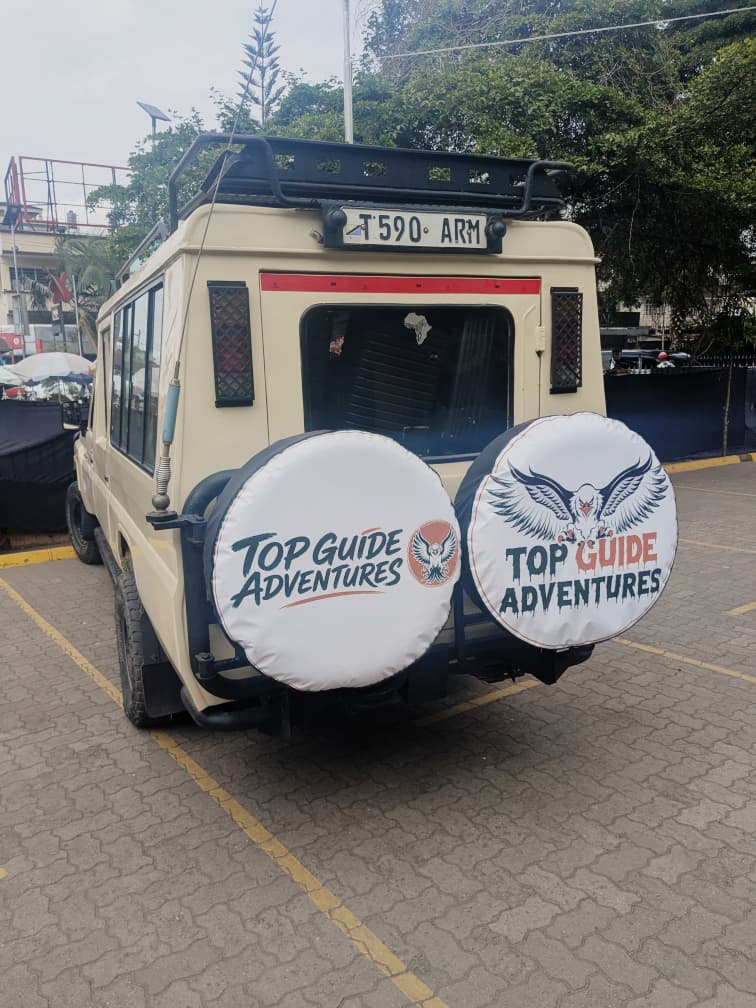
Mount Kilimanjaro, Africa’s highest peak and the world’s tallest free-standing mountain, calls to adventurers from across the globe. The dream of standing on its summit is powerful, but the reality of reaching it requires careful planning, reliable support, and crucially, the right local Kilimanjaro operator. For many, the search for the “best” leads to a critical question: who can provide the expertise, safety, and authentic experience needed for such a monumental undertaking? This detailed guide focuses on identifying and understanding what makes a local operator exceptional, with a particular look at Top Guide Adventures as a leading contender for your 2026 or 2027 Kilimanjaro climb.
Why a Local Kilimanjaro Operator Matters for Your Climb
When planning an expedition up Kilimanjaro, the choice of operator significantly impacts your experience. While international companies might offer convenience, a dedicated local Kilimanjaro operator brings unparalleled advantages. These advantages stem from deep-rooted knowledge, direct community involvement, and a genuine understanding of the mountain and its environment. Local operators are often born and raised in the shadow of Kilimanjaro, possess intimate knowledge of the trails, weather patterns, and the specific challenges climbers face. They have established relationships with park authorities, local communities, and their own teams of guides and porters, ensuring a smoother, more authentic, and often safer operation.
Top Guide Adventures exemplifies the strengths of a premier local Kilimanjaro operator. Founded and run by individuals with extensive experience on the mountain, the company prioritizes climber well-being, ethical treatment of staff, and delivering an exceptional journey. Their commitment to local sourcing and employment not only benefits the community but also translates into a more informed and dedicated support team on the mountain.
Understanding Kilimanjaro Routes: The Foundation of Your Trek
The route you choose for your Kilimanjaro ascent is one of the most critical decisions you’ll make, directly influencing your acclimatization, difficulty, and overall enjoyment. A top local Kilimanjaro operator will guide you through these options, explaining the nuances of each. The primary routes are:
- Marangu Route (Coca-Cola Route): The oldest and most established route. It’s known for its gradual ascent and hut accommodation, making it popular with budget travelers. However, its popularity means it can be crowded, and the direct ascent profile offers less optimal acclimatization compared to other routes.
- Machame Route (Whiskey Route): Arguably the most popular route due to its excellent acclimatization profile and scenic beauty. It features a “climb high, sleep low” strategy, which is vital for success. Camping is the standard accommodation. Top Guide Adventures offers dedicated Machame route group departures, ideal for those seeking camaraderie and cost-sharing.
- Lemosho Route: A longer, more scenic, and remote route, offering fantastic acclimatization and high success rates. It’s often considered one of the best routes for scenery and wildlife spotting in the initial stages. It joins the Machame route later on.
- Shira Route: Similar to Lemosho but starts at a higher altitude, meaning acclimatization needs careful management from day one. It offers stunning views of the Shira Plateau.
- Rongai Route: Approaches Kilimanjaro from the north, making it a good option during the rainy season as it’s drier. It’s generally less scenic than western routes but offers a different perspective.
- Northern Circuit: The longest route, offering the best acclimatization and highest success rates. It traverses the mountain’s northern slopes, providing unique views and a more uncrowded experience.
- Umbwe Route: The shortest, steepest, and most direct route. It’s considered the most challenging and is only recommended for experienced, very fit hikers with excellent acclimatization abilities.
A truly expert local Kilimanjaro operator like Top Guide Adventures will not just list these routes but will actively help you select the best fit for your fitness level, time availability, and desired experience. They understand that a well-chosen route is the first step towards a safe and enjoyable summit bid.
Cost Factors for Your Kilimanjaro Expedition in 2026-2027
The cost of climbing Kilimanjaro can vary significantly, and understanding the factors that influence pricing is essential when comparing operators for your 2026 or 2027 trek. A responsible local Kilimanjaro operator will be transparent about what’s included and what adds to the final price. Key cost drivers include:
| Factor | Impact on Cost | Notes |
|---|---|---|
| Route Choice | High | Longer routes with better acclimatization (e.g., Lemosho, Northern Circuit) are generally more expensive due to more days and higher park fees. |
| Duration of Trek | High | More days on the mountain mean higher park fees, guide/porter wages, and food costs. |
| Accommodation (Pre/Post Climb) | Medium | Hotels in Moshi or Arusha before and after the trek. |
| Group Size | Medium | Larger groups can sometimes reduce per-person costs, but private climbs offer exclusivity. |
| Guide & Porter Quality | High | Experienced, well-paid, and well-equipped guides and porters are essential for safety and success. Ethical operators invest here. |
| Equipment Provided | Medium | Some operators include tents, sleeping mats, or dining tents. |
| Food Quality & Variety | Medium | Nutritious, varied meals are crucial. Higher-quality ingredients and preparation add to costs. |
| Park Fees & Permits | Very High | These are set by Kilimanjaro National Park and are a significant portion of the total cost. They are non-negotiable. |
| Safety & Rescue Services | Medium | Inclusion of oxygen, evacuation insurance, and trained guides in first aid. |
| Operator’s Margin & Overhead | Medium | Reputable operators have fair margins that allow for good staff welfare and operational standards. |
When you contact a local Kilimanjaro operator like Top Guide Adventures, they will provide a detailed quote based on your chosen route, dates, and group size. Be wary of quotes that seem too low; they often indicate compromises on safety, staff welfare, or quality of equipment and food.
What Makes Top Guide Adventures a Top Local Kilimanjaro Operator?
Selecting the best local Kilimanjaro operator involves looking beyond just price. It requires evaluating experience, safety protocols, staff treatment, and customer feedback. Top Guide Adventures consistently ranks high for several reasons:
Expert Guides and Porter Teams
The backbone of any successful Kilimanjaro climb is its crew. Top Guide Adventures employs guides who are not only certified but possess extensive experience on Kilimanjaro, often having climbed it hundreds of times. They are trained in high-altitude physiology, first aid, and rescue techniques. The company also prioritizes the welfare of its porters, ensuring they are well-equipped, adequately fed, and fairly compensated. This ethical approach fosters a dedicated and motivated team, which directly benefits the climber’s experience and safety.
Safety First Approach
Safety is paramount on Kilimanjaro. Top Guide Adventures implements rigorous safety protocols. This includes carrying supplementary oxygen on all climbs, ensuring guides are proficient in recognizing and treating altitude sickness, and having clear emergency evacuation plans. They understand the critical importance of acclimatization and will closely monitor each climber’s condition, making necessary adjustments to the itinerary to ensure everyone’s well-being. This commitment to safety is a hallmark of a responsible local Kilimanjaro operator.
Tailored Itineraries and Flexibility
While standard itineraries exist, the best operators understand that each trekker is unique. Top Guide Adventures works with clients to tailor itineraries, whether it’s a private climb, a specific route preference, or accommodating particular dietary needs. They can arrange group departures for popular routes like Machame, allowing solo travelers or smaller groups to join others and share costs, as seen on their Machame route group departures page.
Community Engagement and Sustainability
As a local Kilimanjaro operator, Top Guide Adventures is deeply invested in the well-being of the communities surrounding Kilimanjaro. They prioritize hiring local staff, sourcing food from local farmers, and contributing to local development projects. This not only provides an authentic cultural experience for climbers but also ensures that tourism benefits the people who call this region home.
Positive Traveler Feedback
The true measure of an operator’s quality is the experience of their past clients. Top Guide Adventures has a strong track record of satisfied trekkers. Reviews often highlight the professionalism of the guides, the quality of the food, the support provided, and the overall success of the climb. You can find genuine traveler feedback on platforms like TripAdvisor, such as this example: Top Guide Adventures TripAdvisor reviews.
Kilimanjaro Trekking Preparation: Your Role in Success
Even with the best local Kilimanjaro operator, your personal preparation is key. Success on Kilimanjaro is a partnership between the climber and the support team.
Physical Training
While you don’t need to be an elite athlete, a good level of cardiovascular fitness is essential. Focus on activities that build endurance, such as hiking (especially with a backpack and on inclines), running, cycling, or swimming. Aim for regular, consistent training in the months leading up to your climb. Practice hiking on varied terrain, including steep ascents and descents, to prepare your legs and joints.
Mental Preparation
Kilimanjaro is as much a mental challenge as a physical one. The altitude, cold, and physical exertion can be taxing. Cultivate a positive mindset, be prepared for discomfort, and focus on one step at a time. Trust your guides; they are experienced in managing difficult situations and will support you through challenging moments.
Gear and Equipment
A well-packed duffel bag and daypack are crucial. Your local Kilimanjaro operator will provide a detailed packing list, but essential items include:
- Layering System: Base layers (merino wool or synthetic), mid-layers (fleece or down jacket), and an outer shell (waterproof and windproof jacket and trousers).
- Footwear: Broken-in, waterproof hiking boots are non-negotiable. Bring warm socks (wool).
- Headwear: Warm hat, sun hat, and a balaclava or neck gaiter for cold.
- Handwear: Warm, waterproof gloves and liner gloves.
- Sleeping Bag: A 0-degree Fahrenheit (or -18 Celsius) rated bag is recommended.
- Trekking Poles: Essential for reducing strain on knees, especially on descents.
- Headlamp: With extra batteries for summit night and general use.
- Sun Protection: High SPF sunscreen, sunglasses, and lip balm.
- Hydration: Water bottles or hydration reservoir (ensure it won’t freeze).
- Personal Items: Medications, toiletries, camera, power bank.
Top Guide Adventures can advise on specific gear requirements and may offer rentals for certain items like sleeping bags or trekking poles.
A Typical Kilimanjaro Itinerary: The Machame Route Example
To illustrate the daily rhythm and challenges, here’s a sample 7-day Machame Route itinerary, a popular choice with Top Guide Adventures:
| Day | Altitude Gain | Distance | Activity | Overnight Camp |
|---|---|---|---|---|
| 1 | 1,800m to 3,000m | ~5 km | Drive to Machame Gate, hike through rainforest to Machame Camp. | Machame Camp (3,000m) |
| 2 | 3,000m to 3,850m | ~11 km | Hike across moorlands, aiming for Shira Camp. Scenic views. | Shira Camp (3,850m) |
| 3 | 3,850m to 4,400m (then down to 3,750m) | ~9 km | “Climb high, sleep low”: Ascend towards Lava Tower (4,600m), then descend to Barranco Camp. Crucial for acclimatization. | Barranco Camp (3,750m) |
| 4 | 3,750m to 4,000m | ~7 km | The Barranco Wall scramble, then a gradual ascent to Karanga Valley. | Karanga Camp (4,000m) |
| 5 | 4,000m to 4,600m | ~4 km | Short hike to Barafu Camp, preparing for summit night. Rest and hydrate. | Barafu Camp (4,600m) |
| 6 | 4,600m to 5,895m (then down to 3,100m) | ~12 km | Summit Night! Start pre-dawn, ascend to Stella Point, then Uhuru Peak. Descend to Mweka Camp. | Mweka Camp (3,100m) |
| 7 | 3,100m to 1,800m | ~9 km | Hike from Mweka Camp through rainforest to Mweka Gate. Transfer to hotel. | N/A (Hotel) |
This itinerary highlights the gradual ascent and the critical “climb high, sleep low” principle. A good local Kilimanjaro operator ensures this rhythm is maintained and adjusted based on group condition.
Safety and Rescue Protocols on Kilimanjaro
When choosing a local Kilimanjaro operator, understanding their safety and rescue capabilities is non-negotiable. Top Guide Adventures prioritizes:
- Trained Guides: All guides are certified in Wilderness First Aid and carry comprehensive medical kits.
- Oxygen Supply: Supplementary oxygen is carried on all climbs, ready for immediate use if needed.
- Communication: Guides carry radios or satellite phones for emergencies.
- Evacuation Plans: Pre-arranged procedures and partnerships with local rescue services, including helicopter evacuation where feasible.
- Monitoring: Constant monitoring of climbers’ vital signs and symptoms of altitude sickness.
- Pace Management: Guides ensure a slow, steady pace (“pole pole”) to aid acclimatization.
Reputable operators like Top Guide Adventures will also include evacuation insurance in their package or strongly advise you to obtain it.
Ethical Trekking and Porter Welfare
The treatment of porters and guides is a significant ethical consideration. A responsible local Kilimanjaro operator ensures fair wages, adequate food, proper shelter, and appropriate gear for their mountain crew. Top Guide Adventures is a member of the Kilimanjaro Porters Assistance Project (KPAP) or adheres to similar ethical guidelines, ensuring porters are treated with respect and dignity. This not only aligns with responsible tourism but also contributes to a more positive and efficient trekking experience, as a well-treated crew is a motivated crew.
Comparing Kilimanjaro Operators: What to Look For
When comparing local Kilimanjaro operators for your 2026-2027 adventure, consider these points:
| Feature | Top Guide Adventures | Average Operator | Low-Cost Operator |
|---|---|---|---|
| Guide Certification & Experience | High (certified, extensive experience) | Medium (may vary) | Low (often minimal training) |
| Porter Welfare & Ethics | Excellent (KPAP affiliated or similar standards) | Fair (may meet basic requirements) | Poor (often exploitative) |
| Safety Equipment (Oxygen, First Aid) | Comprehensive (always carried) | Variable (may be optional or limited) | Minimal or none |
| Group Size & Pace Control | Managed for optimal acclimatization | Can be large, pace may be rushed | Often large, little regard for individual pace |
| Food Quality & Variety | High (nutritious, varied meals) | Medium (basic meals) | Low (repetitive, often insufficient) |
| Park Fees & Permits | Included and transparent | Usually included | May be hidden or misrepresented |
| Price Range | Mid to High | Mid-range | Low |
| Success Rate | High | Average | Low |
Top Guide Adventures positions itself in the mid-to-high range, reflecting their investment in quality guides, porter welfare, safety, and overall client experience. This investment is critical for a successful and safe summit bid.
Booking Your Kilimanjaro Climb with Top Guide Adventures
Ready to plan your 2026 or 2027 Kilimanjaro adventure? Booking with a trusted local Kilimanjaro operator like Top Guide Adventures is straightforward:
- Contact Us: Reach out via WhatsApp at +255616946642 or email us at topguideadventures@gmail.com. You can also use our backup email, info@topguideadventures.com.
- Consultation: Discuss your preferred dates, chosen route, group size, and any specific requirements. We will help you select the best route and itinerary for your needs.
- Receive a Quote: We will provide a detailed quote outlining what is included and the total cost.
- Confirmation & Deposit: Once you accept the quote, a deposit is required to confirm your booking and secure your spot.
- Pre-Trip Support: We offer detailed packing lists, training advice, and answer all your questions leading up to your departure.
- Final Payment: The balance is typically due a few weeks before your trek begins.
For those interested in combining their Kilimanjaro trek with other Tanzanian experiences, Top Guide Adventures also offers incredible safari packages. You can explore Tanzania group safari departures and dates, perfect for extending your adventure. Visit our other website at www.topguideadventures.com for more information on our full range of services.
Frequently Asked Questions About Climbing Kilimanjaro
1. What is the best time of year to climb Kilimanjaro in 2026-2027?
The best times to climb Kilimanjaro are during the dry seasons: January to March and June to October. These periods offer clearer skies and less rain, making the trek more enjoyable and safer. However, good local Kilimanjaro operators can guide you successfully year-round.
2. How difficult is climbing Kilimanjaro?
Kilimanjaro is considered a challenging trek, primarily due to its altitude. While the routes are not technically difficult (no ropes or ice axes are required on most routes), the extreme altitude, cold, and physical exertion demand good fitness and mental fortitude. Acclimatization is the key to success.
3. What is the success rate for climbing Kilimanjaro?
Success rates vary by route and operator. Longer routes with better acclimatization profiles (like Lemosho, Shira, or Northern Circuit) generally have higher success rates, often exceeding 85-90%. Shorter, steeper routes have lower rates. Choosing a reputable local Kilimanjaro operator like Top Guide Adventures, who prioritizes acclimatization and safety, significantly increases your chances.
4. Do I need travel insurance for Kilimanjaro?
Yes, comprehensive travel insurance is highly recommended and often required by operators. Ensure your policy covers high-altitude trekking and emergency medical evacuation, including helicopter rescue.
5. How much should I tip my Kilimanjaro guides and porters in 2026?
Tipping is customary and greatly appreciated. Your local Kilimanjaro operator will provide guidelines, but a general range for guides is $20-25 per day, assistant guides $15-20 per day, and porters $10-15 per day, per climber. These amounts are usually pooled and distributed by the lead guide.
6. What happens if I get sick on the mountain?
Your guides are trained to monitor for altitude sickness (AMS) and other health issues. If symptoms are mild, they may recommend rest or descent. For severe cases, immediate descent is required, often with assistance. Reputable operators carry oxygen and have evacuation plans in place.
7. Can I climb Kilimanjaro solo?
Yes, you can climb solo, but you will be accompanied by your guide and porter team. Many people choose to climb solo and meet others on the mountain. Joining a group departure with an operator like Top Guide Adventures is a great way to meet fellow trekkers.
8. How much water should I drink on Kilimanjaro?
Staying hydrated is crucial for acclimatization. Aim to drink 4-5 liters of water per day. Your guides will ensure water is available and purified, and you should also carry purification tablets as a backup.
9. What’s the difference between group and private climbs?
Group climbs involve joining other trekkers on a set departure date, often making them more affordable. Private climbs are custom-designed for your group and offer more flexibility in pace and itinerary, but at a higher cost. Top Guide Adventures offers both options.
10. What are the park fees for Kilimanjaro in 2027?
Park fees are set by Kilimanjaro National Park and are a significant part of the total cost. They are usually included in the price quoted by reputable operators. These fees cover entry, camping/hut accommodation, and rescue services.
Your Kilimanjaro Adventure Awaits with Top Guide Adventures
Choosing the best local Kilimanjaro operator is the most important decision you’ll make for your trek. It’s about ensuring safety, maximizing your chances of success, and having an authentic, memorable experience. Top Guide Adventures is dedicated to providing world-class service, combining local expertise with international safety standards. We invite you to connect with us to plan your unforgettable Kilimanjaro climb for 2026 or 2027. Let our experienced team guide you to the Roof of Africa.
Contact us today:
- WhatsApp: +255616946642
- Email: topguideadventures@gmail.com
- Backup Email: info@topguideadventures.com
Explore more about our Tanzania adventures, including safaris and other tours, on our websites www.topguideadventures.com and our Tanzania safari group departures. Follow our latest updates and photos on Instagram: @top_guide_adventures.
Plan your Best local Kilimanjaro operator — Top Guide Adventures with Top Guide Adventures
Tell us your travel dates, group size, comfort level, and dream experience. We will help you shape a clear, realistic, and memorable Tanzania itinerary.







 Veedesigner
 Fatma Kizanga
 Benjamin Waryuba
 Philip Philip
 John jr Itaja
 Antonia Optatus
 Edith Kanyere
 Neema Iddy
 Kelvin Boniphace
 Damari Maiga



