
Updated planning guide for 2026, 2027
Best Places To Visit In Tanzania: Complete Travel Guide:
Planning a trip to Tanzania? This ultimate guide covers the best places to visit, from iconic safari parks and Mount Kilimanjaro to the tropical beaches of Zanzibar. Get practical advice for 2026-2027.
WhatsApp +255616946642 | topguideadventures@gmail.com | info@topguideadventures.com
Your Ultimate Guide to the Best Places to Visit in Tanzania
Tanzania, a land of breathtaking landscapes, abundant wildlife, and vibrant cultures, offers an unparalleled travel experience. From the endless plains of the Serengeti to the majestic peak of Mount Kilimanjaro and the spice-scented shores of Zanzibar, this East African gem promises adventure and discovery for every traveler. This comprehensive guide is designed to help you navigate the incredible diversity of Tanzania, ensuring you make the most of your journey, whether you’re planning for 2026 or 2027.
Quick Overview: Tanzania’s Top Destinations
When considering the best places to visit in Tanzania, a few key regions consistently stand out for their unique attractions:
- Serengeti National Park: Famous for the Great Migration and vast wildlife populations.
- Ngorongoro Conservation Area: A UNESCO World Heritage Site with a unique caldera ecosystem.
- Mount Kilimanjaro: Africa’s highest peak, a dream for trekkers.
- Zanzibar Archipelago: Tropical islands offering pristine beaches, history, and water sports.
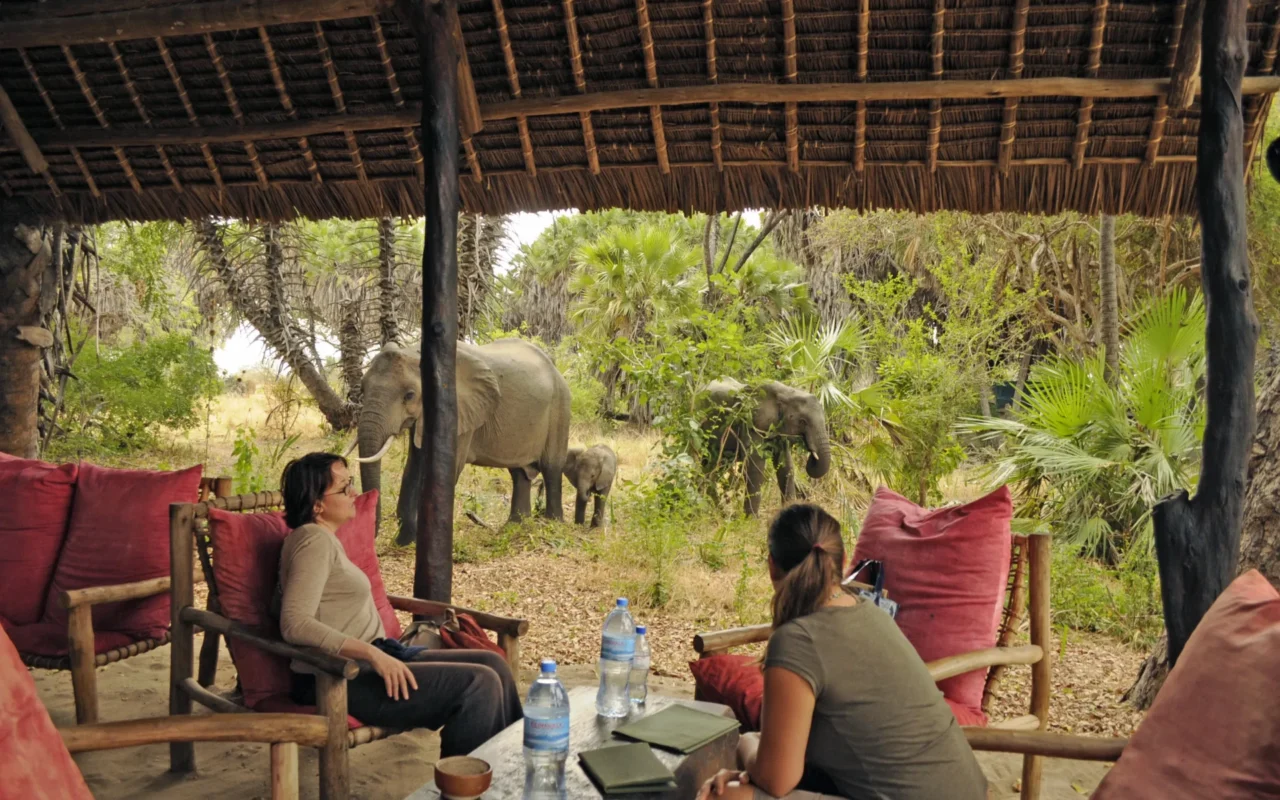
- Tarangire National Park: Known for its large elephant herds and baobab trees.
- Lake Manyara National Park: Home to tree-climbing lions and diverse birdlife.
- Selous Game Reserve (Nyerere National Park): Africa’s largest game reserve, offering boat safaris and walking safaris.
- Ruaha National Park: Tanzania’s largest park, remote and wild with significant predator populations.
Why Tanzania is a Must-Visit Destination
Tanzania captivates visitors with its sheer scale of natural wonders and cultural richness. It’s a place where you can witness the raw power of nature during the Great Migration, stand on the roof of Africa, or relax on sun-drenched beaches. The country offers a variety of travel styles, from luxury safaris to budget-friendly adventures, making it accessible to a wide range of travelers. Planning your trip for 2026 or 2027 offers ample time to research and book your ideal experience.
When is the Best Time to Visit Tanzania?
The best time to visit Tanzania largely depends on what you want to see and do. Generally, the dry seasons (June to October and December to February) are considered ideal for safaris and Kilimanjaro climbs.
| Period | Weather | Wildlife Viewing | Kilimanjaro Climbing | Zanzibar |
|---|---|---|---|---|
| June – October (Dry Season) | Cooler, dry, sunny days. Pleasant evenings. | Excellent. Animals congregate around water sources. Great Migration often in the northern Serengeti. | Excellent. Clear skies, good visibility, dry trails. | Ideal. Sunny, dry, warm with low humidity. Perfect for beaches. |
| November – December (Short Rains) | Short, intermittent rains. Greener landscapes. | Good, though some areas can be muddy. Calving season begins in southern Serengeti. | Possible, but trails can be slippery and visibility reduced. | Warm, humid, with occasional showers. Still good for a visit. |
| January – March (Long Rains/Green Season) | Heavy rains, especially in March. Lush vegetation. | Excellent for birdwatching and photography due to lush scenery. Calving season in Southern Serengeti. Fewer crowds. | Challenging. Trails are muddy, slippery, and often closed. Visibility can be poor. | Hot and humid with frequent, heavy downpours. Can be beautiful but less predictable. |
| April – May (Long Rains) | Heavy rains continue into April, tapering off in May. | Poor. Roads can be impassable. Wildlife disperses. | Very challenging. Trails are extremely muddy and often closed. | Similar to Jan-Mar, but rains usually decrease by May. |
Understanding the Great Migration
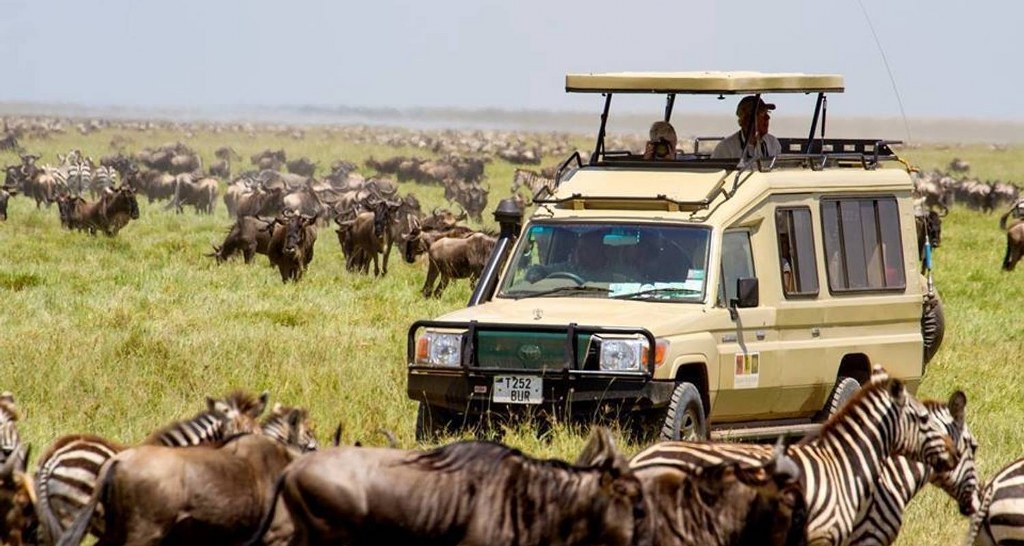
The Great Migration is one of the planet’s most spectacular natural events. Millions of wildebeest, zebras, and gazelles traverse the Serengeti-Mara ecosystem in search of fresh grazing land. The timing and location of the migration are dictated by rainfall, making it a dynamic, year-round phenomenon. Understanding its movements is key to planning an optimal safari in the Serengeti.
| Approximate Time | Location | Key Events |
|---|---|---|
| December – March | Southern Serengeti & Ngorongoro Conservation Area | Calving season. Vast herds graze on the short-grass plains. |
| April – May | Central & Western Serengeti | Herds begin to move northwards as grasslands dry out. Heavy rains can make travel difficult. |
| June – July | Western Corridor & Grumeti River | River crossings of the Grumeti River. Large predators are abundant. |
| August – October | Northern Serengeti & Maasai Mara (Kenya) | Iconic Mara River crossings. Peak season for dramatic predator-wildlife interactions. |
| November | Eastern Serengeti & into Kenya | Herds begin to move southwards, following the rains. |
The Northern Safari Circuit: The Classic Tanzania Experience
For many first-time visitors, the Northern Circuit offers the quintessential Tanzanian safari. It’s easily accessible and packs in several of the country’s most famous parks.
1. Serengeti National Park: The Endless Plains
No discussion of the best places to visit in Tanzania is complete without the Serengeti. Its name, derived from the Maasai word ‘Siringet’ meaning ‘endless plains,’ perfectly describes its vast, sweeping landscapes. This is the stage for the Great Migration and boasts an incredible density of wildlife year-round.
- What to See: The Big Five (lion, leopard, elephant, rhino, buffalo), cheetahs, giraffes, hyenas, and an astonishing array of birds. Witnessing the Great Migration is a primary draw.
- Activities: Game drives (morning, afternoon, full-day), hot air balloon safaris (offering a unique perspective, especially at sunrise), bush walks (in designated areas), and photographic safaris.
- Where to Stay: Options range from luxury tented camps and lodges within the park to more budget-friendly options just outside its borders. Lodges are often strategically placed to follow the migration or offer prime wildlife viewing.
- Traveler Tip: Consider spending at least 3-4 days here to explore different regions and maximize wildlife sighting opportunities. For 2026 or 2027 trips, book accommodations well in advance, especially if you aim for peak migration seasons.
2. Ngorongoro Conservation Area: The Eighth Wonder
Often called the ‘Eighth Wonder of the World,’ the Ngorongoro Crater is a collapsed volcano caldera teeming with wildlife. It’s a unique ecosystem where predators and prey coexist in close proximity.
- What to See: An incredibly high concentration of animals, including the rare black rhino, lions, hyenas, hippos, flamingos, and a vast array of herbivores. It’s one of the best places to see a large number of species in a single day.
- Activities: Game drives within the crater floor (limited to a few hours per vehicle to minimize impact), visits to Maasai villages for cultural interaction, and guided walks on the crater rim.
- Where to Stay: Lodges and tented camps are situated on the crater rim, offering spectacular views, or in the surrounding conservation area.
- Traveler Tip: Due to conservation efforts, vehicle access to the crater floor is restricted. Book your crater tour in advance, especially during peak seasons. Combine it with a visit to the Serengeti for a comprehensive Northern Circuit experience.
3. Tarangire National Park: Land of Giants
Famous for its large elephant herds and ancient baobab trees, Tarangire is a highlight of any Northern Circuit safari.
- What to See: Enormous elephant families, lions often found in trees, leopards, cheetahs, giraffes, zebras, and diverse birdlife. The park is particularly spectacular during the dry season when elephants gather around the Tarangire River.
- Activities: Game drives, walking safaris (offering a more intimate connection with the bush), and night game drives (available at some camps outside the main park gates).
- Where to Stay: Lodges and tented camps are found both inside and just outside the park, offering varying levels of comfort and immersion.
- Traveler Tip: Tarangire is often visited en route to or from the Serengeti/Ngorongoro. Consider an overnight stay to fully appreciate its unique atmosphere and wildlife.
4. Lake Manyara National Park: A Birdwatcher’s Paradise
This relatively small park packs a punch with its diverse habitats, including groundwater forests, acacia woodlands, and the alkaline lake itself.
- What to See: Famous for its tree-climbing lions, large troops of baboons, elephants, hippos, and a remarkable array of bird species, including flamingos, pelicans, and storks.
- Activities: Game drives, canoeing on the lake (seasonal), and walking safaris.
- Where to Stay: Lodges and camps are located both inside and just outside the park.
- Traveler Tip: Often visited as a day trip or a short overnight stay between Arusha and other Northern Circuit destinations. Its compact size makes it ideal for those with limited time.
Beyond the Northern Circuit: Exploring Other Tanzanian Gems
While the Northern Circuit is iconic, Tanzania offers many other incredible destinations for those seeking different experiences or wanting to venture off the beaten path.
5. Mount Kilimanjaro: The Roof of Africa
For adventurers and trekkers, climbing Kilimanjaro is a life-changing achievement. This dormant volcano is the highest peak in Africa and the world’s tallest free-standing mountain.
- What to See: Diverse ecological zones, from rainforests and moorlands to alpine deserts and arctic summit zones. The views from the summit, Uhuru Peak, are unparalleled.
- Routes: Several routes exist, each with varying difficulty, scenery, and acclimatization profiles: Marangu (the ‘Coca-Cola’ route, often done with huts), Machame (the ‘Whiskey’ route, popular for its scenery and success rates), Lemosho (scenic and good for acclimatization), Shira, Rongai, and the Northern Circuit (longest, best acclimatization).
- Best Time to Climb: January-March and June-October offer the clearest skies and driest conditions.
- Preparation: Proper physical fitness, appropriate gear, and choosing a reputable tour operator are crucial. Acclimatization is key to success.
- Traveler Tip: For 2026 or 2027 climbs, start your training early. Select a route that balances scenery with acclimatization. Opt for operators that prioritize safety and guide-to-client ratios.
6. Zanzibar Archipelago: Spice Islands Paradise
Zanzibar, a semi-autonomous part of Tanzania, is famous for its white-sand beaches, turquoise waters, rich history, and fragrant spice plantations.
- Stone Town: A UNESCO World Heritage Site, this historic heart of Zanzibar City is a labyrinth of narrow streets, bustling markets, intricately carved doors, and ancient buildings. Explore its history, culture, and vibrant street life.
- Beaches:
- Nungwi & Kendwa (North): Lively beaches with stunning sunsets, clear waters, and plenty of activities.
- Paje & Jambiani (Southeast): Known for kite surfing, traditional dhow fishing, and beautiful tidal flats.
- Matemwe (Northeast): Quieter, with stunning views of Mnemba Atoll, great for diving and snorkeling.
- Kizimkazi (Southwest): Famous for dolphin tours, though ethical concerns surround some operations.
- Activities: Spice tours, snorkeling and diving (especially around Mnemba Atoll), Jozani Forest (home to the endemic Red Colobus monkey), dhow cruises, visiting historical sites, and simply relaxing on the beach.
- Where to Stay: A wide range of accommodations from budget guesthouses in Stone Town to luxurious beachfront resorts.
- Traveler Tip: Combine a few days in Stone Town with beach relaxation. Consider visiting during the shoulder seasons for fewer crowds and potentially better prices.
7. Selous Game Reserve (Nyerere National Park): Wild and Untamed
As Africa’s largest game reserve, Selous offers a more remote and less crowded safari experience than the Northern Circuit. It was recently renamed Nyerere National Park.
- What to See: Large populations of elephants, buffalo, lions, leopards, wild dogs, hippos, and crocodiles. It’s also a vital sanctuary for endangered species.
- Activities: Game drives, but notably, boat safaris along the Rufiji River (offering unique perspectives of wildlife drinking and bathing) and walking safaris (one of the few places where this is permitted, allowing for an immersive bush experience).
- Where to Stay: Primarily luxury tented camps and lodges, offering an exclusive feel.
- Traveler Tip: Ideal for those seeking a wilder, more adventurous safari. Its vastness means game viewing can be more spread out than in the Ngorongoro Crater.
8. Ruaha National Park: Tanzania’s Wild Heart
Tanzania’s largest national park, Ruaha, is a remote wilderness destination renowned for its dramatic landscapes and significant populations of predators, especially lions and African wild dogs.
- What to See: Exceptional numbers of lions, cheetahs, leopards, and the endangered African wild dog. Also home to large herds of elephants and buffalo. The park’s rugged terrain and dry season waterholes create dramatic wildlife encounters.
- Activities: Game drives and walking safaris.
- Where to Stay: A few exclusive lodges and tented camps, catering to a more discerning traveler.
- Traveler Tip: Best for experienced safari-goers looking for a truly wild and remote experience. It requires more travel time and is often visited as a standalone trip or combined with Selous.
Planning Your Tanzania Adventure: Practical Considerations
A successful trip to Tanzania requires careful planning. Here’s what you need to consider:
Itinerary Logic and Duration
The length of your trip will dictate how many destinations you can realistically visit. For a first-timer, a 7-10 day trip focusing on the Northern Circuit (e.g., Tarangire, Ngorongoro, Serengeti) is common. For a more in-depth experience including Kilimanjaro or Zanzibar, plan for at least 14-21 days. For 2026 and 2027 travel, starting to plan your itinerary now is advisable.
Sample 10-Day Northern Circuit Itinerary:
| Day | Location | Activities |
|---|---|---|
| 1 | Arrive Kilimanjaro International Airport (JRO) > Arusha | Airport transfer, relax, briefing. |
| 2 | Arusha > Tarangire National Park | Full-day game drive in Tarangire, known for elephants and baobabs. Overnight near the park. |
| 3 | Tarangire > Ngorongoro Conservation Area | Morning game drive in Tarangire, then drive to Ngorongoro. Overnight on the crater rim or nearby. |
| 4 | Ngorongoro Crater > Serengeti National Park | Morning game drive into the Ngorongoro Crater. Afternoon transfer to Serengeti, with a game drive en route. Overnight in Central Serengeti. |
| 5 | Serengeti National Park | Full-day game drive in the Serengeti, focusing on areas with good wildlife sightings. Option for hot air balloon safari. |
| 6 | Serengeti National Park | Morning game drive. Transfer to a different region of the Serengeti (e.g., North or West depending on migration). |
| 7 | Serengeti National Park | Full-day game drive in the new Serengeti region. |
| 8 | Serengeti > Lake Manyara / Karatu | Morning game drive in Serengeti, then drive towards Lake Manyara or Karatu. Optional visit to Maasai village. |
| 9 | Lake Manyara / Karatu > Arusha | Morning game drive in Lake Manyara National Park. Drive back to Arusha for overnight or departure preparation. |
| 10 | Arusha > Departure | Optional: Visit local markets or cultural centers. Transfer to JRO for departure. |
Sample 14-Day Northern Circuit & Zanzibar Itinerary:
| Day | Location | Activities |
|---|---|---|
| 1 | Arrive JRO > Arusha | Transfer, briefing. |
| 2 | Arusha > Tarangire National Park | Full-day game drive. Overnight near park. |
| 3 | Tarangire > Ngorongoro Conservation Area | Morning drive, transfer to Ngorongoro. Overnight rim/nearby. |
| 4 | Ngorongoro Crater > Serengeti National Park | Crater game drive, then transfer to Serengeti. Game drive en route. Overnight Central Serengeti. |
| 5-7 | Serengeti National Park | Full-day game drives, explore different regions. Hot air balloon option. |
| 8 | Serengeti > Arusha | Morning game drive, then drive back to Arusha. Overnight. |
| 9 | Arusha > Zanzibar | Fly from Arusha to Zanzibar. Transfer to Stone Town. Explore Stone Town. Overnight Stone Town. |
| 10 | Stone Town > Beach Resort (e.g., Nungwi/Paje) | Morning Stone Town tour (Spice Tour optional). Transfer to beach resort. Relax. |
| 11-12 | Zanzibar Beach Resort | Relax on the beach, water sports (snorkeling, diving, kite surfing), explore local villages. |
| 13 | Zanzibar Beach Resort | Leisure day. Optional: Jozani Forest visit, sunset dhow cruise. |
| 14 | Zanzibar > Departure | Morning at leisure. Transfer to Zanzibar Airport (ZNZ) for departure. |
Visas and Vaccinations
Most nationalities require a visa for Tanzania. This can often be obtained online in advance or upon arrival at major entry points. Check the latest requirements for your country. Recommended vaccinations typically include Hepatitis A, Typhoid, Tetanus, and Yellow Fever (if arriving from a country with risk of Yellow Fever). Consult your doctor or a travel clinic 4-6 weeks before your trip.
Health and Safety
Malaria is present in Tanzania. Consult your doctor about appropriate anti-malarial medication. It’s also essential to use insect repellent, wear long sleeves and trousers at dawn and dusk, and sleep under a mosquito net. Drink bottled or purified water only. Always follow your guide’s instructions in wildlife areas.
Packing Essentials
Packing smart is key for comfort and practicality.
| Category | Items |
|---|---|
| Clothing | Lightweight, neutral-colored clothing (khaki, beige, olive). Long-sleeved shirts and trousers for sun/insect protection. T-shirts, shorts. A warm fleece or jacket for cooler evenings/mornings and Kilimanjaro. Rain jacket (especially during rainy seasons). Swimsuit. Comfortable walking shoes/boots. Sandals or flip-flops. Hiking socks (for Kilimanjaro). |
| Gear | Sun hat with a wide brim. Sunglasses. Binoculars (essential for wildlife viewing). Camera with extra batteries and memory cards. Power adapter/converter. Headlamp or flashlight. Reusable water bottle. Small backpack for day trips. Dry bag (for boat trips/rainy days). |
| Health & Personal | Personal first-aid kit. Prescription medications. Sunscreen (high SPF). Insect repellent (with DEET). Hand sanitizer. Toiletries. Wet wipes. Lip balm with SPF. |
| Documents | Passport (valid for at least 6 months beyond your stay). Visa documentation. Flight tickets. Travel insurance details. Vaccination certificates. Copies of important documents (stored separately). |
Budgeting for Your Trip
Costs in Tanzania can vary significantly based on accommodation style, safari duration, and activities. Generally, safaris and Kilimanjaro climbs are the most significant expenses. Zanzibar can be more budget-friendly or luxurious depending on your choices.
- Safari Costs typically include: Park entrance fees (can be substantial), vehicle hire, guide fees, accommodation, meals, and internal transfers.
- Kilimanjaro Costs typically include: Park fees, camping fees, crew wages (guides, cooks, porters), food, equipment rental (tents, sleeping bags), and transport to/from the mountain.
- Zanzibar Costs typically include: Accommodation, food, activities (tours, diving), and internal transfers. Flights between the mainland and Zanzibar are also a cost.
It’s best to get detailed quotes from tour operators for accurate budgeting. For 2026 and 2027, expect prices to remain competitive but subject to annual adjustments.
Common Mistakes to Avoid
To ensure a smooth and enjoyable trip, be aware of these common pitfalls:
- Underestimating Travel Times: Tanzania is vast. Distances between parks can be long, and road conditions can vary. Factor in travel time realistically.
- Packing Inappropriately: Bright colors can scare wildlife. Blue clothing can attract tsetse flies in some areas. Avoid camouflage.
- Not Booking in Advance: Especially for peak seasons (June-October, December-February) and popular lodges or Kilimanjaro climbs, booking months ahead is essential.
- Choosing the Wrong Kilimanjaro Route: Prioritize acclimatization over speed or scenery alone. Longer routes generally have higher success rates.
- Ignoring Health Precautions: Don’t neglect malaria prevention or drinking safe water.
- Ethical Wildlife Viewing: Maintain a safe distance from animals, never feed them, and choose tour operators who respect wildlife and conservation. Be mindful of ethical dolphin tours in Zanzibar.
- Not Budgeting for Park Fees: These are often a significant part of safari costs and can add up quickly.
Who is Tanzania Best For?
Tanzania appeals to a wide range of travelers:
- Wildlife Enthusiasts: The Serengeti, Ngorongoro, and other parks offer unparalleled game viewing.
- Adventure Seekers: Kilimanjaro climbs, walking safaris, and water sports in Zanzibar.
- Nature Lovers: Diverse ecosystems, from savannas and mountains to tropical islands.
- Culture Explorers: Maasai villages, Stone Town’s history, and local markets.
- Photographers: Dramatic landscapes, abundant wildlife, and vibrant cultures provide endless photographic opportunities.
- Honeymooners & Couples: Romantic lodges, beautiful beaches, and exclusive safari experiences.
- Families: Safaris can be adapted for older children, offering educational and exciting experiences.
Alternatives to Consider
While Tanzania is exceptional, other destinations offer similar experiences:
- Kenya: Neighboring Kenya offers the Maasai Mara (part of the Great Migration ecosystem), Amboseli National Park (iconic elephant and Kilimanjaro views), and diverse landscapes.
- Botswana: Known for its high-end, low-impact tourism model, offering exclusive safari experiences in the Okavango Delta and Chobe National Park.
- South Africa: Offers excellent wildlife viewing in Kruger National Park, alongside well-developed infrastructure, diverse landscapes, and wine regions.
- Uganda/Rwanda: Prime destinations for gorilla trekking and chimpanzee encounters.
Planning for 2026 & 2027: Key Steps
To make your 2026 or 2027 Tanzanian adventure a reality, start planning early:
| Timeframe | Action Items |
|---|---|
| 12-18 Months Prior | Research destinations, travel styles, and best times to visit. Define your budget. Identify potential tour operators. For Kilimanjaro, start assessing fitness levels. |
| 9-12 Months Prior | Contact tour operators for quotes and sample itineraries. Choose your operator and book your safari/Kilimanjaro climb. Secure international flights. |
| 6-9 Months Prior | Book internal flights (e.g., Arusha to Zanzibar). Confirm visa requirements. Start a dedicated savings plan. For Kilimanjaro, begin a structured training program. |
| 3-6 Months Prior | Get necessary vaccinations and malaria prophylaxis. Purchase travel insurance. Start packing and acquire necessary gear (especially for Kilimanjaro). |
| 1-3 Months Prior | Finalize itinerary details with your tour operator. Confirm all bookings. Pack your bags. Learn a few basic Swahili phrases. |
| Week of Departure | Double-check all documents. Inform your bank of travel dates. Ensure all medications are packed. Get plenty of rest. |
Choosing a Tour Operator: What to Look For
Selecting the right tour operator is crucial for a safe and memorable trip. Look for:
- Experience and Reputation: Years in operation, positive reviews, and affiliations with reputable tourism bodies.
- Local Knowledge: A local operator often has deeper insights into logistics, wildlife, and cultural nuances.
- Safety Standards: Especially important for Kilimanjaro climbs (guide qualifications, emergency protocols) and safaris (vehicle maintenance, guide training).
- Customization: Ability to tailor itineraries to your interests and budget.
- Transparency: Clear pricing, detailed inclusions/exclusions, and honest advice.
- Responsiveness: Prompt and helpful communication.
Frequently Asked Questions (FAQs)
Q1: What are the absolute best places to visit in Tanzania for a first-time safari?
A1: For a first-time safari, the Northern Circuit is highly recommended. It includes the Serengeti National Park for its vast plains and the Great Migration, the Ngorongoro Crater for its dense wildlife population, and Tarangire National Park for its elephants and baobabs. Lake Manyara offers a good shorter option.
Q2: Is it safe to travel to Tanzania in 2026?
A2: Tanzania is generally a safe destination for tourists, especially when traveling with reputable tour operators. Standard travel precautions apply. It’s important to stay informed about local conditions, follow your guide’s advice, and be aware of your surroundings, particularly in crowded areas. Health precautions like malaria prevention are also essential.
Q3: How much does a safari in Tanzania typically cost?
A3: Safari costs vary greatly. A mid-range 7-day Northern Circuit safari can range from $250-$450 per person per day, covering park fees, accommodation, meals, and vehicle/guide. Luxury safaris will be higher, and budget options may exist with shared services or camping. Exact prices depend heavily on the operator and inclusions.
Q4: What is the best way to book a Kilimanjaro climb for 2027?
A4: For a Kilimanjaro climb in 2027, it’s best to book with a reputable, experienced tour operator at least 9-12 months in advance. Choose a company that prioritizes safety, uses experienced guides, and offers routes with good acclimatization profiles (like Machame or Lemosho). Ensure you understand what is included in the price, especially park fees and porter support.
Q5: Can I combine a safari with Zanzibar?
A5: Absolutely! Combining a Northern Circuit safari with a few days on Zanzibar is a very popular itinerary. Most tours include a flight from Arusha (near the safari parks) to Zanzibar. A 10-day safari followed by 4-5 days on Zanzibar makes for a fantastic 14-15 day trip.
Q6: What should I pack for a Tanzania safari?
A6: Pack lightweight, neutral-colored clothing, long sleeves and trousers for sun/insect protection, a warm layer for evenings, comfortable walking shoes, a hat, sunglasses, sunscreen, insect repellent, binoculars, and a camera. Avoid bright colors and camouflage. A small backpack for daily essentials is also useful.
Q7: What are the visa requirements for Tanzania?
A7: Most nationalities require a visa for Tanzania. You can often apply online in advance or obtain one on arrival at major airports like Kilimanjaro International Airport (JRO). It’s crucial to check the latest requirements for your specific nationality with the Tanzanian embassy or consulate in your country well before your trip.
Q8: Is it better to go on safari during the dry or wet season?
A8: The dry season (June-October and December-February) is generally preferred for safaris as wildlife congregates around water sources, making them easier to spot. Roads are also in better condition. However, the wet/green season (November-May) offers lush landscapes, fewer crowds, better birdwatching, and lower prices, with the calving season in the southern Serengeti being a highlight.
Q9: What are the main differences between Serengeti and Ngorongoro?
A9: The Serengeti is vast, with rolling plains and is famous for the Great Migration. It offers diverse habitats and is excellent for spotting predators and witnessing large herds. The Ngorongoro Crater is a caldera, a more contained ecosystem with a very high density of animals, including rhinos, and offers incredible game viewing in a shorter time frame. It’s often described as a ‘natural zoo’.
Q10: Can I plan a custom trip for 2026 that includes specific interests?
A10: Yes, custom trips are highly recommended to tailor your experience. Whether you have specific interests like photography, birdwatching, cultural immersion, or a particular pace, a good tour operator can design an itinerary around your preferences. Planning for 2026 allows ample time for customization.
Your Tanzanian Adventure Awaits
Tanzania offers a journey into the heart of Africa, filled with unforgettable sights, sounds, and experiences. Whether you dream of witnessing the Great Migration, standing atop Kilimanjaro, or relaxing on Zanzibar’s idyllic beaches, careful planning ensures your trip is extraordinary. For personalized itineraries and expert advice on planning your best places to visit in Tanzania for 2026 or 2027, connect with us.
Ready to Plan Your Dream Tanzania Trip?
Let us help you craft the perfect Tanzanian adventure. We specialize in creating bespoke safari, Kilimanjaro trekking, and Zanzibar holiday packages tailored to your interests and budget.
Contact us today:
WhatsApp: +255 616 946 642
Email: topguideadventures@gmail.com
Backup Email: info@topguideadventures.com
We look forward to helping you discover the magic of Tanzania!
Plan your Best Places to Visit in Tanzania: Complete Travel Guide with Top Guide Adventures
Tell us your travel dates, group size, comfort level, and dream experience. We will help you shape a clear, realistic, and memorable Tanzania itinerary.







 Veedesigner
 Fatma Kizanga
 Benjamin Waryuba
 Philip Philip
 John jr Itaja
 Antonia Optatus
 Edith Kanyere
 Neema Iddy
 Kelvin Boniphace
 Damari Maiga



