
Updated planning guide for 2026, 2027-2028
Best Quietest Kilimanjaro Route: Expert Trekking Guide 2026-2027-2028
Planning a trek up Kilimanjaro and seeking tranquility? This comprehensive guide explores the quietest routes, offering detailed insights into itineraries, preparation, and what to expect for your 2026-2027 adventure. Find the best path for a less crowded, more serene climb.
WhatsApp +255616946642 | topguideadventures@gmail.com | info@topguideadventures.com
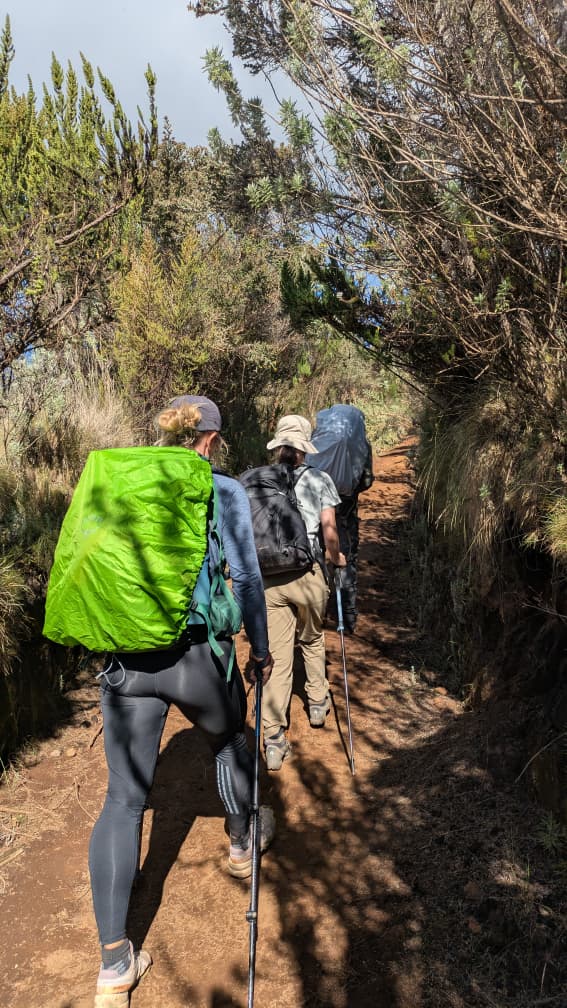

Mount Kilimanjaro, Africa’s highest peak, calls to adventurers worldwide. While the allure of its summit is undeniable, many trekkers also seek a more personal, less crowded experience. If your ideal climb involves fewer people and a deeper connection with nature, identifying the best quietest Kilimanjaro route is paramount. This guide is designed to help you navigate the options, ensuring your journey to Uhuru Peak is as serene as it is successful.
Quick Answer: The Quietest Kilimanjaro Routes
Generally, the Lemosho Route and the Shira Route are considered the quietest Kilimanjaro routes, especially in their early days. They are longer, more scenic, and less popular than the Marangu or Machame routes, offering a more solitary trekking experience. The Northern Circuit is also exceptionally quiet, being the longest and least trafficked.
Quick Facts About Kilimanjaro Routes
| Route Name | Typical Duration (Days) | Success Rate (Approx.) | Scenery | Crowding Level (Early Days) | Accommodation |
|---|---|---|---|---|---|
| Northern Circuit | 9-10 | High (85%+) | Exceptional, diverse, full island circuit | Very Low | Camping |
| Lemosho | 7-8 | High (80%+) | Excellent, varied, remote start | Low to Medium | Camping |
| Shira | 7-8 | High (80%+) | Good, scenic plateau | Low to Medium | Camping |
| Machame | 6-7 | Medium (75%+) | Very good, varied | High | Camping |
| Rongai | 6-7 | Medium (70%+) | Good, drier side | Medium | Camping |
| Marangu | 5-6 | Medium (65%+) | Good, direct | Very High | Huts |
| Umbwe | 5-6 | Lower (60%-) | Steep, challenging, direct | Low | Camping |
Understanding Route Crowding on Kilimanjaro
Kilimanjaro is a popular mountain, and during peak seasons, the more common routes can feel quite busy. Crowding is most noticeable on the Marangu and Machame routes, particularly during the ascent and descent, and at popular campsites. The main summit push on summit night is almost always crowded, regardless of the route, as most climbers aim for the summit between midnight and 2 AM.
Factors influencing crowding include:
- Route Popularity: Shorter, more direct, or more established routes tend to attract more trekkers.
- Seasonality: The dry seasons (January-March and June-October) are peak times, leading to more people on the mountain.
- Day of the Week: Some operators might align their start dates, leading to busier campsites on certain days.
- Summit Night: This is almost universally the busiest part of the climb, with multiple routes converging towards Stella Point and Uhuru Peak.
Choosing a quieter route is about managing expectations for the majority of your trek, especially the initial days. While summit night will likely still involve other climbers, the overall experience can be significantly more peaceful.
The Quietest Kilimanjaro Route Options in Detail
When seeking solitude on Kilimanjaro, three routes stand out for their lower traffic, particularly in the initial stages of the trek. These routes often require more time, are more expensive, and offer exceptional scenery, which naturally filters the number of trekkers.
Northern Circuit Route
The Northern Circuit is undeniably the quietest Kilimanjaro route. It is the longest route on the mountain, circling the peak and offering unparalleled views from the northern slopes, which are rarely seen by other trekkers. This route typically takes 9 or 10 days, allowing for excellent acclimatization.
- Duration: 9-10 days.
- Start Point: Lemosho Gate.
- End Point: Mweka Gate.
- Pros: Extremely low crowding, highest success rates due to excellent acclimatization, diverse and stunning scenery, unique perspective from the northern side.
- Cons: Longest duration, highest cost due to more operational days.
- Accommodation: Camping only.
The extended duration of the Northern Circuit is its greatest asset for acclimatization and for experiencing the mountain with minimal human presence. You’ll traverse diverse landscapes, from rainforest to alpine desert, with far fewer fellow trekkers sharing the trails and campsites.
Lemosho Route
The Lemosho Route is a highly recommended option for those seeking a balance between exceptional scenery and a less crowded experience. It starts in the remote west and crosses the Shira Plateau before joining the Machame route further up. The early days of the Lemosho route are significantly quieter than Machame or Marangu.
- Duration: 7-8 days.
- Start Point: Lemosho Gate.
- End Point: Mweka Gate.
- Pros: Stunning scenery, excellent acclimatization profile, much quieter in the first few days, high success rates, good wildlife viewing potential in the lower rainforest.
- Cons: More expensive than shorter routes, can still merge with Machame trekkers from day 4/5 onwards.
- Accommodation: Camping only.
Starting from the west, Lemosho offers a more pristine introduction to Kilimanjaro. The trails are less trodden, and the campsites are often more spread out, allowing for a more intimate connection with the mountain environment. For those opting for an 8-day Lemosho trek, the acclimatization is further enhanced, boosting chances of reaching the summit comfortably.
Shira Route
Similar to Lemosho, the Shira Route also begins in the west and traverses the Shira Plateau. It is a slightly shorter and higher starting point than Lemosho, meaning acclimatization is more rapid. While it merges with the Lemosho and Machame routes, the initial days are generally less crowded.
- Duration: 7-8 days.
- Start Point: Shira Gate.
- End Point: Mweka Gate.
- Pros: Beautiful scenery, good acclimatization (though less gradual than Lemosho), less crowded in the initial stages.
- Cons: Higher starting altitude can be challenging for some, merges with other routes, camping only.
- Accommodation: Camping only.
The Shira Plateau itself is a spectacular landscape. While the route is not as isolated as the Northern Circuit, it offers a significantly more tranquil experience compared to the main arteries of Kilimanjaro for the first few days of the trek.
Why Choose a Quieter Route?
The decision to opt for a less crowded Kilimanjaro route often stems from a desire for a more profound and personal experience. Beyond simply avoiding crowds, these routes offer several distinct advantages:
- Enhanced Solitude and Reflection: Trekking in relative quiet allows for greater introspection and a deeper connection with the natural environment. The sounds of nature become more prominent, and the sense of accomplishment can feel more personal.
- Better Wildlife Viewing: The initial stages of routes like Lemosho pass through pristine rainforest where wildlife is more likely to be seen when there are fewer people and less noise.
- Superior Scenery: Routes like the Northern Circuit and Lemosho are renowned for their diverse and breathtaking landscapes, offering unique perspectives of Kilimanjaro and the surrounding plains.
- Improved Acclimatization: Longer routes, such as the Northern Circuit and longer Lemosho/Shira options, offer a slower ascent profile, which is crucial for proper acclimatization and significantly increases summit success rates. This gradual approach also means less fatigue and a more enjoyable trek.
- More Relaxed Pace: With fewer trekkers, campsites are often less congested, and the overall pace of the trek can feel more relaxed. This reduces the pressure and allows you to truly savor the journey.
- A More Authentic Experience: For many, the appeal of Kilimanjaro lies in its wild, natural beauty. Quieter routes preserve this sense of wilderness, offering an experience that feels more authentic and less commercialized.
Best Time to Climb for Fewer Crowds
While the best quietest Kilimanjaro route choice significantly impacts crowding, the timing of your trek also plays a crucial role. To maximize your chances of a solitary experience, consider climbing during the shoulder seasons or even the short, less popular dry season.
- Shoulder Seasons:
- March to May (Long Rains): This period is characterized by frequent rainfall, especially in the lower altitudes. While challenging due to mud and reduced visibility, it sees significantly fewer trekkers. The higher alpine zones can still offer clear days.
- November to December (Short Rains): While not as wet as the long rains, this period can still bring intermittent showers. It’s a good time for those who don’t mind a bit of rain and want to avoid the peak season crowds.
- Short Dry Season:
- June: This month marks the beginning of the main dry season but often has fewer crowds than July or August.
- Avoid Peak Seasons: The busiest times, and therefore the most crowded, are the main dry seasons: January to February and June to October. If solitude is your top priority, these months should be avoided.
Climbing during the rainy seasons requires careful preparation for wet weather, but the reward is a much more peaceful mountain. If you choose a naturally quiet route like the Northern Circuit and combine it with a shoulder season, your experience will be exceptionally serene.
Kilimanjaro Route Overview
Understanding the general paths the routes take helps visualize the journey and potential for solitude. Below is a simplified representation of how the main routes traverse the mountain.
| General Direction | Route(s) | Key Characteristics |
|---|---|---|
| South-East | Marangu | Most direct, hut accommodation, very popular. |
| South | Machame, Umbwe | Steep ascent, popular (Machame), challenging (Umbwe). |
| West then South | Lemosho, Shira | Scenic, good acclimatization, quieter start, merges with Machame. |
| North then East/South | Rongai | Drier side, less crowded than southern routes. |
| North then Full Circuit | Northern Circuit | Longest, most scenic, least crowded, excellent acclimatization. |
The Northern Circuit’s full circle means it spends more time on the less-trafficked northern and western slopes. Lemosho and Shira offer this benefit for their initial days before joining the more popular southern approaches. Rongai offers a different perspective from the north, generally less busy than the southern routes but not as isolated as the Northern Circuit.
Sample Itinerary: Northern Circuit (9 Days)
This 9-day itinerary exemplifies the slow, steady ascent that makes the Northern Circuit the best quietest Kilimanjaro route for acclimatization and solitude.
Day 1: Machame Gate to Shira 1 Camp
Trek: 8 km / 5 miles, 4-6 hours.
Altitude Gain: 1,600m / 5,250 ft.
Description: Begin with a drive to Machame Gate (1,800m), then trek through the rainforest to Shira 1 Camp (3,500m). Expect lush vegetation and potential wildlife sightings.
Day 2: Shira 1 Camp to Shira 2 Camp
Trek: 6 km / 4 miles, 3-4 hours.
Altitude Gain: 350m / 1,150 ft.
Description: A shorter day, allowing for acclimatization as you trek across the Shira Plateau to Shira 2 Camp (3,850m). Enjoy expansive views.
Day 3: Shira 2 Camp to Barranco Camp
Trek: 10 km / 6 miles, 5-7 hours.
Altitude Gain: 700m / 2,300 ft.
Description: Traverse the Shira Plateau towards the Lava Tower (4,600m) for acclimatization, then descend to Barranco Camp (3,950m). This is a challenging but rewarding day.
Day 4: Barranco Camp to Karanga Camp
Trek: 5 km / 3 miles, 3-4 hours.
Altitude Gain: 150m / 500 ft.
Description: Tackle the famous Barranco Wall in the morning, a scramble that’s more exciting than difficult. Continue to Karanga Camp (4,050m) with stunning views.
Day 5: Karanga Camp to Barafu Camp
Trek: 4 km / 2.5 miles, 3-4 hours.
Altitude Gain: 600m / 2,000 ft.
Description: A shorter day moving higher to Barafu Camp (4,650m), the base camp for summit night. Rest and prepare for the big push.
Day 6: Barafu Camp to Summit to Mweka Camp
Trek: 12 km / 7.5 miles, 7-8 hours (ascent), 4-6 hours (descent).
Altitude Gain: 1,250m / 4,100 ft (to summit), 2,850m / 9,350 ft (descent).
Description: Begin summit push around midnight. Reach Stella Point (5,756m) by sunrise, then continue to Uhuru Peak (5,895m). Descend to Mweka Camp (3,100m).
Day 7: Mweka Camp to Mweka Gate
Trek: 10 km / 6 miles, 3-5 hours.
Altitude Gain: 1,300m / 4,250 ft (descent).
Description: Descend through the rainforest to Mweka Gate (1,650m). Celebrate your achievement!
Day 8: Buffer Day / Extra Acclimatization
Description: An optional buffer day at Karanga or Barafu Camp for added acclimatization or in case of minor delays. This adds to the safety and success rate.
Day 9: Departure
Description: Transfer from Mweka Gate to your hotel in Arusha.
Sample Itinerary: Lemosho (8 Days)
An 8-day Lemosho trek offers excellent acclimatization and a peaceful start before merging with the Machame route.
Day 1: Londorosi Gate to Mti Mkubwa Camp
Trek: 5 km / 3 miles, 2-3 hours.
Altitude Gain: 600m / 2,000 ft.
Description: Drive to Londorosi Gate (2,100m), register, then trek through the rainforest to Mti Mkubwa Camp (2,700m).
Day 2: Mti Mkubwa Camp to Shira 1 Camp
Trek: 10 km / 6 miles, 4-6 hours.
Altitude Gain: 800m / 2,600 ft.
Description: Continue through the forest, emerging onto the moorland. Reach Shira 1 Camp (3,500m).
Day 3: Shira 1 Camp to Shira 2 Camp
Trek: 6 km / 4 miles, 3-4 hours.
Altitude Gain: 350m / 1,150 ft.
Description: Trek across the Shira Plateau to Shira 2 Camp (3,850m). Enjoy the vastness of the plateau.
Day 4: Shira 2 Camp to Barranco Camp
Trek: 10 km / 6 miles, 5-7 hours.
Altitude Gain: 700m / 2,300 ft.
Description: Ascend to Lava Tower (4,600m) for acclimatization, then descend to Barranco Camp (3,950m).
Day 5: Barranco Camp to Karanga Camp
Trek: 5 km / 3 miles, 3-4 hours.
Altitude Gain: 150m / 500 ft.
Description: Ascend the Barranco Wall and trek to Karanga Camp (4,050m).
Day 6: Karanga Camp to Barafu Camp
Trek: 4 km / 2.5 miles, 3-4 hours.
Altitude Gain: 600m / 2,000 ft.
Description: Reach Barafu Camp (4,650m), the staging point for summit night.
Day 7: Barafu Camp to Summit to Mweka Camp
Trek: 12 km / 7.5 miles, 7-8 hours (ascent), 4-6 hours (descent).
Altitude Gain: 1,250m / 4,100 ft (to summit), 2,850m / 9,350 ft (descent).
Description: Summit attempt via Stella Point (5,756m) to Uhuru Peak (5,895m). Descend to Mweka Camp (3,100m).
Day 8: Mweka Camp to Mweka Gate
Trek: 10 km / 6 miles, 3-5 hours.
Altitude Gain: 1,300m / 4,250 ft (descent).
Description: Final descent to Mweka Gate (1,650m) and transfer to Arusha.
What to Expect on Quieter Routes
Opting for the best quietest Kilimanjaro route means a different kind of trekking experience. While you’ll still have a support crew (guides, cooks, porters), the overall atmosphere is more serene.
- Fewer Fellow Trekkers: You’ll encounter fewer groups on the trail and at campsites. This means more space, less noise, and a greater sense of isolation in the wilderness.
- More Personal Interaction: With fewer people around, you might have more opportunities for meaningful conversations with your guides and crew.
- Wildlife Encounters: The initial stages of Lemosho and Northern Circuit pass through areas with richer biodiversity. You might spot colobus monkeys, various birds, and other forest dwellers with less disturbance.
- Stunning, Uninterrupted Views: Enjoy panoramic vistas without the distraction of numerous other groups. The northern side of Kilimanjaro, explored by the Northern Circuit, offers particularly unique and breathtaking landscapes.
- Focus on Acclimatization: Longer routes naturally promote better acclimatization, reducing the risk of altitude sickness and increasing your chances of summit success. This slower pace allows you to appreciate the journey more.
- Camping Experience: All the quieter routes (Northern Circuit, Lemosho, Shira, Umbwe, Rongai) are camping routes. This means sleeping in tents, with communal dining tents and toilet tents provided. The experience is immersive and closer to nature.
- Summit Night: It’s important to note that even on the quietest routes, summit night can still be busy. Most climbers aim for the summit between midnight and 2 AM, and the paths leading to Stella Point and Uhuru Peak from various routes converge. However, the overall experience leading up to summit night will be far less congested.
Inclusions and Packing Essentials
When booking a trek on the best quietest Kilimanjaro route, it’s vital to understand what your tour operator includes and what you need to pack. Reputable operators will provide:
Typical Inclusions:
- Park fees (Kilimanjaro National Park, conservation fees, rescue fees).
- All meals during the trek (breakfast, lunch, dinner, snacks).
- Tented accommodation on the mountain.
- Professional mountain guides (certified, experienced).
- Assistant guides.
- Cooks and porters to carry group equipment and personal luggage (usually up to 15kg).
- Treated drinking water.
- Camping equipment (tents, sleeping mats, dining tent, table, chairs, cooking gear).
- Transfer to and from Kilimanjaro International Airport (JRO) and the mountain gate.
- Briefing before and after the trek.
- Oxygen cylinders for emergency use.
- First aid kit.
What You Need to Pack (Essentials):
Packing for Kilimanjaro is critical. Layers are key to managing temperature fluctuations.
Clothing:
- Base Layers: Moisture-wicking thermal tops and bottoms (merino wool or synthetic).
- Mid Layers: Fleece jacket or pullover, thermal pants.
- Outer Layer: Waterproof and windproof jacket and pants (Gore-Tex or similar).
- Insulation Layer: Warm down or synthetic insulated jacket (puffy jacket).
- Trekking Shirts: Long-sleeved and short-sleeved moisture-wicking shirts.
- Trekking Trousers: Lightweight, quick-drying hiking pants (2 pairs). Avoid jeans.
- Headwear: Warm beanie/woolen hat, sun hat with a brim, balaclava or neck gaiter for warmth.
- Gloves: Waterproof outer gloves, warm liner gloves.
Footwear:
- Hiking Boots: Waterproof, sturdy, broken-in hiking boots with good ankle support.
- Camp Shoes: Comfortable shoes or sandals for camp.
- Socks: Wool or synthetic hiking socks (4-6 pairs).
- Liner Socks: Optional, to prevent blisters.
Gear:
- Backpack: Daypack (30-40 liters) for essentials during the day.
- Duffel Bag: Large, waterproof duffel bag (80-100 liters) for porters to carry (max 15kg).
- Sleeping Bag: 4-season (-20°C / -4°F comfort rating recommended).
- Trekking Poles: Highly recommended for stability and reducing knee strain.
- Headlamp: With extra batteries.
- Water Bottles/Hydration Reservoir: At least 3 liters capacity. Insulated covers are useful.
- Sunglasses: With UV protection.
- Sunscreen: High SPF.
- Lip Balm: With SPF.
- Insect Repellent: Especially for lower forest sections.
- Personal First Aid Kit: Including blister treatment, pain relievers, personal medications.
- Toiletries: Biodegradable soap, toothbrush, toothpaste, wet wipes.
- Hand Sanitizer.
- Towel: Quick-drying.
- Camera: With extra batteries and memory cards.
- Power Bank: For charging devices.
- Snacks: Energy bars, nuts, dried fruit (optional, as meals are provided).
- Book/Journal: For downtime.
- Passport and Visa: Keep in a waterproof bag.
- Cash: For tips and personal expenses.
Common Mistakes to Avoid
Choosing the best quietest Kilimanjaro route is a great start, but several common pitfalls can detract from your experience. Being aware of these can help ensure a smoother and more successful trek.
- Underestimating Altitude: Altitude sickness is a serious risk. Ignoring symptoms or pushing too hard too soon can lead to evacuation. Always listen to your body and your guides.
- Poor Acclimatization Strategy: Opting for short routes or rushing the ascent significantly reduces your chances of reaching the summit and increases altitude sickness risk. Longer routes like the Northern Circuit or 8-day Lemosho offer superior acclimatization.
- Inadequate Gear: Not packing appropriate clothing, especially for the cold and wind at higher altitudes, can lead to hypothermia and misery. Proper layering is essential.
- Not Breaking in Boots: Wearing new or ill-fitting hiking boots can result in painful blisters, making the trek unbearable. Always break in your boots thoroughly before the climb.
- Dehydration: It’s easy to forget to drink enough water at altitude. Dehydration exacerbates altitude sickness symptoms. Drink 3-4 liters of water daily.
- Poor Nutrition: While meals are provided, ensure you eat well, even when you don’t feel like it. Your body needs fuel. Carry snacks for extra energy.
- Choosing the Cheapest Operator: The cheapest options often cut corners on guide experience, equipment, food, and porter welfare, compromising safety and enjoyment. Invest in a reputable operator.
- Ignoring the Weather: Kilimanjaro’s weather is unpredictable. Be prepared for sun, rain, wind, and cold, sometimes all in one day.
- Not Training Adequately: While you don’t need to be an elite athlete, good cardiovascular fitness and leg strength are crucial.
- Focusing Only on the Summit: Remember that Kilimanjaro is a journey. Appreciate the scenery, the culture, and the experience of being on the mountain, not just the summit goal.
Who is the Best Quietest Kilimanjaro Route Best For?
The best quietest Kilimanjaro route is ideal for a specific type of trekker who prioritizes certain aspects of their mountain experience.
- The Serenity Seeker: Individuals who value peace, quiet, and a more solitary connection with nature will find routes like the Northern Circuit unparalleled.
- The Scenery Enthusiast: Trekkers who want to witness the most diverse and spectacular landscapes Kilimanjaro has to offer will appreciate the unique vistas from the northern and western sides.
- The Acclimatization Prioritizer: Those who want to maximize their chances of summit success through gradual acclimatization will benefit from the longer itineraries of the Northern Circuit or 8-day Lemosho.
- The Photographer: With fewer crowds and more time to soak in the views, photographers will find ample opportunities to capture stunning images without obstruction.
- The Experienced Trekker: While accessible to determined beginners, these longer, more remote routes can be particularly rewarding for those who have trekked before and appreciate a more immersive wilderness experience.
- Those on a Honeymoon or Special Trip: For a once-in-a-lifetime trip where creating intimate memories is key, the solitude offered by these routes is invaluable.
While these routes are generally less crowded, they typically require more time and a higher budget due to the increased number of operational days. If you are on a tight schedule or budget, you might need to compromise on the level of solitude.
Alternatives to Consider
If the ultimate quietest routes like the Northern Circuit are beyond your time or budget, or if you’re looking for other ways to reduce crowds, consider these alternatives:
- Rongai Route: This route approaches Kilimanjaro from the north, making it significantly less crowded than the southern routes, especially in its early days. It’s a good option for those seeking a quieter experience without the extended duration of the Northern Circuit.
- Longer Machame or Lemosho Itineraries: While Machame can be busy, opting for a 7 or 8-day version allows for better acclimatization and a more relaxed pace, which can make the experience feel less rushed and crowded. Similarly, an 8-day Lemosho is quieter than a 7-day one.
- Climbing in Shoulder Seasons: As mentioned, trekking during the rainy seasons (March-May, November-December) dramatically reduces the number of people on any route. Even during the dry season, climbing in June or September can be less crowded than July or August.
- Private Treks: Even on a popular route like Machame, booking a private trek ensures you have your own group, guides, and crew, offering a more personal experience compared to joining a large group departure. This is more about exclusivity than route quietness but contributes to a more intimate journey.
Planning Your 2026-2027 Kilimanjaro Trek
Planning a Kilimanjaro trek requires foresight, especially if you aim for a specific time like 2026 or 2027. Booking in advance is highly recommended, particularly for the quieter routes and peak seasons. Here’s a guide to help you plan effectively for your 2026-2027 adventure.
1. Choose Your Route:
Based on this guide, decide if the Northern Circuit, Lemosho, or Shira best fits your desire for quietness, scenery, and acclimatization needs. Consider the duration and cost implications.
2. Select Your Operator:
Research reputable tour operators. Look for those with excellent safety records, experienced guides, fair porter treatment, and positive reviews. For a personalized and well-managed experience, consider operators like Top Guide Adventures.
3. Determine Your Dates:
Consult the seasonality guide. If maximum solitude is your goal, aim for shoulder seasons (March-May, November-December) or the short dry season (June). For the best weather with potentially fewer crowds than peak months, consider early June or late September/early October.
4. Book in Advance:
Quieter routes are less frequent than popular ones. Booking 6-12 months in advance is advisable for 2026 and 2027, especially if you have specific date requirements or wish to join a small group departure. Early booking also allows more time for preparation.
5. Physical Preparation:
Start a fitness program focusing on cardiovascular endurance (hiking, running, cycling) and leg strength (squats, lunges). Practice hiking with a weighted backpack on varied terrain.
6. Gear Acquisition:
Begin gathering your gear well in advance. Purchase or rent essential items like quality hiking boots, waterproof outer layers, and a warm sleeping bag. Test your gear on training hikes.
7. Health and Vaccinations:
Consult your doctor about necessary vaccinations (e.g., Yellow Fever, Hepatitis A, Typhoid) and malaria prophylaxis. Discuss altitude sickness prevention and treatment options.
8. Visa and Travel Documents:
Ensure your passport is valid for at least six months beyond your travel date and has sufficient blank pages. Apply for your Tanzanian visa online or upon arrival, depending on your nationality.
9. Travel Insurance:
Obtain comprehensive travel insurance that covers high-altitude trekking, emergency medical evacuation, and trip cancellation. This is non-negotiable for Kilimanjaro.
10. Budgeting:
Factor in the cost of the trek, flights, visa, insurance, pre- and post-trek accommodation, tips for the crew, and personal expenses. Quieter routes are generally more expensive due to their longer duration.
Planning ahead for your 2026 or 2027 Kilimanjaro climb ensures a smoother process and allows you to focus on the adventure itself.
Recommended Resources
To further assist in your Kilimanjaro and Tanzania travel planning, we recommend the following resources:
- Kilimanjaro Machame Route Group Departures: If you’re considering Machame and want to join a group, check out our departure dates: Machame Route Group Departures.
- Tanzania Safari Tours Blog: For comprehensive advice on safari planning, wildlife, and other Tanzanian adventures, visit our blog: Tanzania Safari Tours Blog.
- All Tanzania Safaris Group Departures: Explore shared safari tours across Tanzania: All Tanzania Safaris Group Departures.
- Our Other Website: For a broader range of travel services and information, visit Top Guide Adventures.
Traveler Feedback and Social Proof
Hearing from fellow travelers can provide valuable insights into the quality of service and the overall experience. We are proud of the feedback our clients share about their Kilimanjaro treks and safaris.
You can read reviews from past clients on TripAdvisor:
Follow our Instagram for recent photos, updates from the mountain, and glimpses of the incredible landscapes and wildlife our clients experience:
Booking Your Quietest Kilimanjaro Adventure
Selecting the best quietest Kilimanjaro route is a significant step towards a more personal and memorable mountain experience. At Top Guide Adventures, we specialize in crafting safe, successful, and unforgettable Kilimanjaro treks. We understand the importance of proper acclimatization, experienced guides, and excellent support crews, especially when seeking a quieter journey.
Whether you’re drawn to the unparalleled solitude of the Northern Circuit, the scenic beauty of Lemosho, or another option that balances quietness with your schedule, our team is here to help you plan every detail.
Ready to plan your 2026 or 2027 climb?
Contact us today to discuss your ideal Kilimanjaro trek. We can help you choose the perfect route, customize your itinerary, and answer all your questions.
- WhatsApp: +255616946642
- Email: topguideadventures@gmail.com
- Backup Email: info@topguideadventures.com
Let us help you make your dream of climbing Kilimanjaro a reality, with the peace and tranquility you desire. We look forward to guiding you to the Roof of Africa!
Frequently Asked Questions
Q1: Which Kilimanjaro route is the least crowded?
The Northern Circuit is consistently the least crowded route on Kilimanjaro due to its length (9-10 days) and its path around the mountain’s less-trafficked northern slopes. The Lemosho and Shira routes are also significantly less crowded than Marangu or Machame, especially in their initial days.
Q2: Are the quieter routes more difficult?
The difficulty of a Kilimanjaro route is primarily determined by its steepness and duration. Quieter routes like the Northern Circuit are longer, which aids acclimatization but requires more stamina. The Lemosho and Shira routes have similar difficulty profiles to Machame, but their quieter start can make the initial days feel more peaceful.
Q3: How much more expensive are the quietest routes?
Quieter routes, particularly the Northern Circuit, are generally more expensive because they require more days on the mountain, meaning more operational costs for guides, porters, cooks, and park fees. Expect to pay approximately 15-30% more for a 9-10 day Northern Circuit trek compared to a 6-day Machame trek.
Q4: Can I avoid crowds completely on summit night?
It is very difficult to avoid crowds entirely on summit night, as most routes converge on the same path to Uhuru Peak. However, by choosing a quieter route for the ascent, you will experience fewer people on the days leading up to summit night, and the overall experience will be more serene. Some operators might offer slightly different start times for summit night to spread out groups.
Q5: Is the Lemosho route quiet?
The Lemosho Route is considered one of the quieter routes, especially in its first few days. It starts in a remote area and offers stunning scenery. While it eventually merges with the Machame route, the initial solitude makes it a popular choice for trekkers seeking a less crowded experience than Marangu or Machame.
Q6: What is the best time of year to climb Kilimanjaro for fewer crowds in 2026-2027?
To find fewer crowds in 2026-2027, consider climbing during the shoulder seasons: March to May (long rains, but fewer trekkers) or November to December (short rains). June and September also tend to be less crowded than the peak dry months of July and August.
Q7: Are the quietest routes suitable for first-time trekkers?
Yes, routes like the Northern Circuit (9-10 days) and 8-day Lemosho are excellent for first-time trekkers because their longer duration allows for superior acclimatization, significantly increasing the chances of success and reducing the risk of altitude sickness. The slower pace also makes the trek more enjoyable.
Q8: What is the success rate on the Northern Circuit?
The Northern Circuit boasts one of the highest success rates on Kilimanjaro, often exceeding 85-90%. This is primarily due to its longer duration, which allows for excellent acclimatization, and its gradual ascent profile.
Q9: Do I need to book Kilimanjaro treks for 2026-2027 far in advance?
Yes, it is highly recommended to book your Kilimanjaro trek for 2026-2027 at least 6-12 months in advance, especially if you are aiming for the quieter routes or specific dates during the dry season. This secures your spot, allows ample time for preparation, and gives you access to more departure options.
Q10: What is the main difference between Lemosho and Shira routes?
Both Lemosho and Shira routes start in the west and cross the Shira Plateau. The main difference is that Lemosho starts at a lower altitude and takes longer to reach the plateau, offering better acclimatization. Shira starts higher and reaches the plateau more quickly, which can be more challenging for acclimatization but offers a slightly shorter trek to the plateau itself.
Complete Best Quietest Kilimanjaro Route Planning Details for 2026- 2027-2028
Best Quietest Kilimanjaro Route needs more than a quick description because travelers normally want to understand timing, route logic, comfort level, inclusions, local support, safety, and how the trip fits with the rest of a Tanzania journey. For 2026- 2027-2028, the best plan is to compare the route, travel month, daily pace, accommodation style, and transport arrangement before confirming.
A strong plan should explain where the trip starts, what happens each day, how long transfers may take, what travelers should prepare, and which parts can be customized. This makes the page useful for families, couples, solo travelers, private groups, budget travelers, mid-range guests, and luxury travelers.
Important things to confirm before booking
- Exact starting point and pickup time.
- Accommodation level or day-trip timing.
- Transport type and guide arrangement.
- Park fees, activities, meals, drinking water, and transfers.
- Best travel month for weather, wildlife, trekking, beaches, or photography.
- Payment plan, deposit, cancellation terms, and changes if travel dates move.
Best Quietest Kilimanjaro Route Sample Structure and Route Logic
Most travelers choose Best Quietest Kilimanjaro Route because they want a clear experience that is easy to understand and simple to book. The structure should feel practical: arrival or pickup, main activity, important stops, relaxed timing, overnight or return plan, and final drop-off. When the topic involves safari, the route should respect park distance and game drive time. When it involves Kilimanjaro, the route should respect acclimatization and safe pacing. When it involves Zanzibar, the plan should balance ocean activities, culture, relaxation, and transfer time.
| Planning Area | What to Check | Why It Matters |
|---|---|---|
| Timing | Season, pickup time, daily pace, and activity duration | Helps avoid rushed travel and gives better value |
| Comfort | Budget, mid-range, luxury, private, or shared style | Matches the trip with the traveler expectation |
| Logistics | Transfers, vehicle, guide, permits, and entry rules | Prevents surprises during the trip |
| Booking | Deposit, availability, route, inclusions, and final balance | Makes confirmation smooth and transparent |
Top Guide Adventures Recommendation
Best Tanzania Tour operator recommends treating Best Quietest Kilimanjaro Route as a complete travel plan rather than only a title. A good operator should explain the route, guide support, what is included, what is excluded, how timing works, and what can be adjusted. Travelers can also compare Tanzania safari group departures and shared tours, check Machame Route Kilimanjaro group departures, or read more articles in the Tanzania safari tours blog.
For a more personal look at current trips and field updates, travelers may follow Top Guide Adventures on Instagram, review traveler feedback on Tripadvisor, or visit our another website.
Best Quietest Kilimanjaro Route FAQs for 2026- 2027-2028
How early should I book Best Quietest Kilimanjaro Route?
Booking early is better for 2026- 2027-2028, especially for high season, family travel, group departures, Kilimanjaro routes, Serengeti safaris, Zanzibar holidays, and private customized tours.
Can this trip be customized?
Yes. The route, accommodation level, pace, pickup point, and add-ons can usually be adjusted depending on availability and the travel dates.
Is Best Quietest Kilimanjaro Route suitable for first-time travelers?
Yes, when the itinerary is explained clearly and the guide support is reliable. First-time travelers should ask for a simple day-by-day plan, inclusions, exclusions, and preparation notes.
What should I ask before confirming?
Ask about transport, guide, meals, park or activity fees, accommodation, payment plan, cancellation terms, and what happens if weather or travel timing changes.
Best Quietest Kilimanjaro Route Detailed Cost and Value Notes
Cost can change by season, accommodation level, group size, park rules, transfer distance, and activity style. A useful page should explain what usually affects price rather than only giving one short number. Travelers comparing this topic for 2026-2027 should check whether transport, guide, meals, drinking water, accommodation, park fees, permits, and airport transfers are included.
Best Quietest Kilimanjaro Route should be explained with enough detail for a traveler to understand the route, timing, comfort level, inclusions, exclusions, preparation, and booking steps. Repeating the focus topic naturally in helpful planning areas makes the article stronger without stuffing keywords.
Best Quietest Kilimanjaro Route Best Traveler Type for This Plan
This plan can work for different travelers when the details are adjusted correctly. Families may need softer timing and private transport, couples may prefer better rooms and scenic pacing, group travelers may focus on shared departures and value, while photographers may need more time in key locations.
Best Quietest Kilimanjaro Route should be explained with enough detail for a traveler to understand the route, timing, comfort level, inclusions, exclusions, preparation, and booking steps. Repeating the focus topic naturally in helpful planning areas makes the article stronger without stuffing keywords.
Plan your Best Quietest Kilimanjaro Route with Top Guide Adventures
Tell us your travel dates, group size, comfort level, and dream experience. We will help you shape a clear, realistic, and memorable Tanzania itinerary.







 Veedesigner
 Fatma Kizanga
 Benjamin Waryuba
 Philip Philip
 John jr Itaja
 Antonia Optatus
 Edith Kanyere
 Neema Iddy
 Kelvin Boniphace
 Damari Maiga



