
Updated planning guide for 2026, 2027-2028
Best Rongai Vs Marangu Route Guide: Expert Trekking 2026-2027-2028
Deciding between the Rongai and Marangu routes for your Kilimanjaro climb? This comprehensive guide details everything you need to know to make the best choice for your 2026-2027 adventure.
WhatsApp +255616946642 | topguideadventures@gmail.com | info@topguideadventures.com
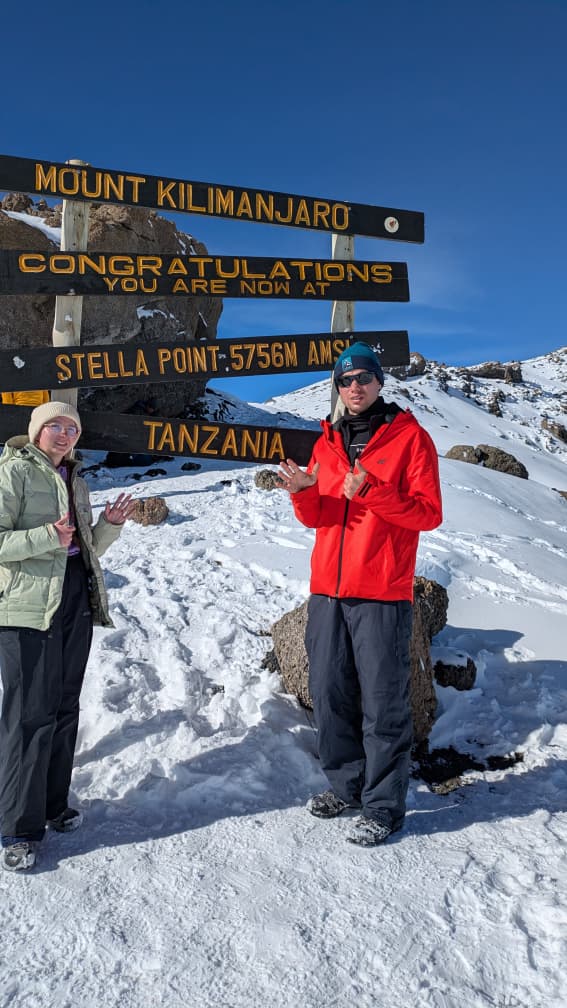
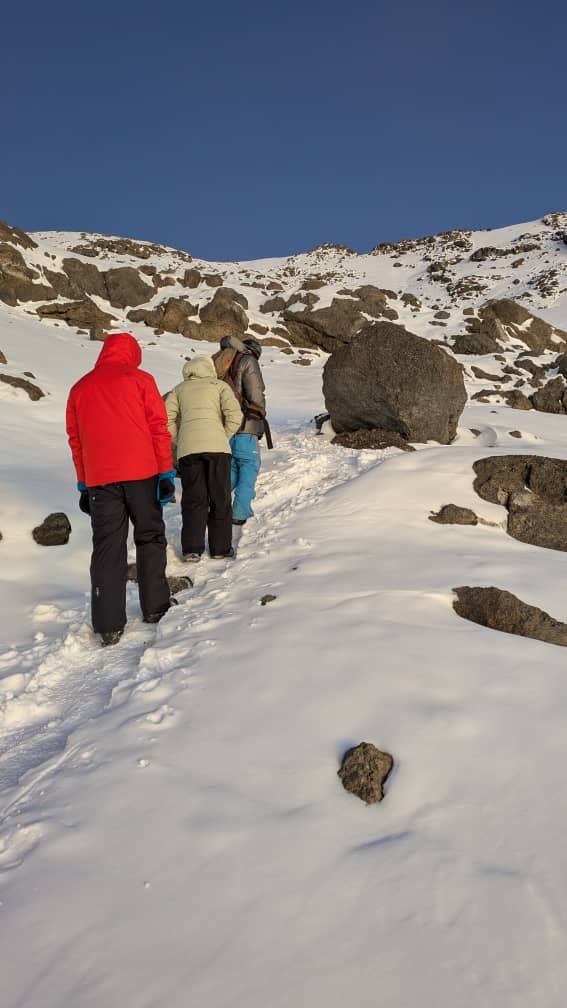
Choosing the right Kilimanjaro route is one of the most significant decisions you’ll make when planning your ascent of Africa’s highest peak. Among the most popular options are the Rongai and Marangu routes. While both lead to Uhuru Peak, they offer distinct experiences, landscapes, and challenges. Understanding the nuances between the Rongai vs Marangu Route is crucial for a successful and enjoyable climb, especially as you plan for expeditions in 2026 and 2027.
This guide provides an in-depth comparison, helping you determine which route best suits your fitness level, acclimatization needs, budget, and desired trekking experience. We’ll cover everything from route profiles and scenery to accommodation and success rates, ensuring you have all the information needed to select your path to the Roof of Africa.
Kilimanjaro Trekking Routes: A Quick Overview
Kilimanjaro offers several trekking routes, each with its own characteristics:
- Marangu Route: The oldest and most established route, often called the ‘Coca-Cola’ route due to its popularity. It’s known for its gradual ascent and hut accommodation.
- Rongai Route: The only route approaching from the north, offering a unique perspective and generally drier conditions. It’s less crowded than Marangu.
- Machame Route: Highly popular for its scenic beauty and excellent acclimatization profile, leading to higher success rates. It uses camping accommodation.
- Lemosho Route: Considered one of the most beautiful routes, offering great acclimatization and stunning views. It’s longer and more expensive.
- Northern Circuit: The longest route, circling the mountain and offering the best acclimatization and highest success rates.
- Shira Route: Similar to Lemosho but starts at a higher altitude.
This article focuses specifically on comparing the Rongai and Marangu routes, two distinct choices for Kilimanjaro trekkers.
Rongai vs Marangu Route: Quick Facts
| Feature | Rongai Route | Marangu Route |
|---|---|---|
| Starting Point | Loitokitok (North side) | Marangu Gate (South-east side) |
| Ending Point | Mweka Gate (South) | Mweka Gate (South) |
| Duration Options | 6 or 7 days | 5 or 6 days |
| Accommodation | Camping | Huts |
| Scenery | Arid northern slopes, then rainforest, moorland, alpine desert, arctic zone. Less varied than southern routes. | Rainforest, moorland, alpine desert, arctic zone. Can be less scenic in lower sections. |
| Acclimatization | Moderate. Shorter options can be challenging. | Poorer. Shorter options have very low success rates due to rapid ascent. |
| Crowds | Less crowded, especially on longer itineraries. | Most crowded route. |
| Difficulty | Moderate. 7-day option is recommended for better acclimatization. | Moderate to difficult due to poor acclimatization on shorter options. |
| Success Rate | Good, especially on 7-day itineraries. | Lower, particularly on the 5-day option. Higher on the 6-day option. |
| Best For | Beginners, those seeking fewer crowds, drier conditions, and a unique approach. | Budget travelers, those who prefer hut accommodation, and those seeking a shorter, classic climb. |
Rongai vs Marangu Route: Detailed Comparison
When pitting the Rongai vs Marangu Route against each other, several key differences emerge that can significantly impact your trekking experience. Let’s break them down.
Scenery and Terrain
Rongai Route:
This route approaches Kilimanjaro from the north, near the Kenyan border. The initial days are trekked across relatively arid, agricultural land and then sparse moorland. The scenery is less lush and varied compared to the southern routes, particularly in the early stages. However, it offers a unique perspective of the mountain and often experiences drier weather, especially during the rainy seasons. As you ascend, you’ll encounter the familiar moorland, alpine desert, and arctic zones. The descent is typically via the southern circuit, offering glimpses of the more verdant southern slopes.
Marangu Route:
The Marangu route starts on the southeastern side of the mountain and immediately enters the dense rainforest. This section is known for its beauty, with giant ferns, moss-covered trees, and the possibility of spotting colobus monkeys. As you climb higher, the landscape transitions through moorland and alpine desert to the stark, rocky arctic zone. While the rainforest section is lovely, some trekkers find the higher altitude stages less visually diverse than other routes. Marangu is also the only route that offers a ‘down and back up’ ascent profile for its final push to the summit, which can be less ideal for acclimatization.
Accommodation
Rongai Route:
The Rongai route is a camping route. This means you will sleep in tents throughout your trek. While this might sound basic, it’s a comfortable experience with experienced guides and porters setting up spacious tents, providing sleeping mats, and preparing hot meals. Camping offers a more immersive experience in nature, and the sounds of the African wilderness at night can be quite special. It also typically allows for more flexibility in camp locations.
Marangu Route:
The Marangu route is unique in that it offers dormitory-style hut accommodation. These huts are basic but provide shelter from the elements, beds with mattresses, and communal dining areas. For trekkers who prefer not to camp or want a bit more comfort, the huts are a significant advantage. However, they can be crowded, and the communal sleeping arrangements mean that if someone gets sick, it can spread quickly. The huts are positioned along the route, offering a predictable rhythm to the trek.
Duration and Itinerary
Rongai Route:
Rongai is typically offered as a 6-day or 7-day trek. The 6-day itinerary is the shortest option and can be challenging for acclimatization. The 7-day itinerary includes an extra acclimatization day, significantly increasing your chances of reaching the summit and making the climb more comfortable. The route’s profile generally involves a steady ascent, with the 7-day version allowing for a more gradual climb.
Marangu Route:
Marangu is most commonly offered as a 5-day or 6-day trek. The 5-day option is the shortest and fastest way to the summit, but it has a notoriously low success rate due to inadequate acclimatization. The 6-day itinerary adds an extra day, usually by trekking a slightly different path on one of the days, which aids acclimatization and improves success rates. However, even the 6-day Marangu itinerary is considered to have a poorer acclimatization profile compared to similar-length treks on other routes like Machame or Lemosho.
Acclimatization and Success Rates
Rongai Route:
The Rongai route’s acclimatization is considered moderate. The 7-day itinerary offers a good balance, allowing your body to adjust to the altitude. While not as optimal as routes like Lemosho or Machame which ‘go high, sleep low’, it is significantly better than the 5-day Marangu. Success rates on the 7-day Rongai are generally good, often in the range of 70-85% for well-prepared trekkers. The 6-day option sees a drop in success rates.
Marangu Route:
Marangu is infamous for its challenging acclimatization, especially on the 5-day itinerary. The rapid ascent and the ‘up and back’ nature of the final summit push mean many trekkers struggle with altitude sickness. Success rates on the 5-day Marangu are often cited as being as low as 30-50%. The 6-day Marangu offers a slight improvement, with success rates typically in the 50-65% range. For better acclimatization and higher success rates, most operators and experienced trekkers recommend longer routes or routes with better acclimatization profiles.
Crowds
Rongai Route:
As the Rongai route approaches from the less-traveled northern side, it is significantly less crowded than Marangu. You’ll encounter fewer trekkers on the path, making for a more serene and personal experience. This can be a major draw for those seeking solitude and a more intimate connection with the mountain’s environment.
Marangu Route:
The Marangu route is the busiest and most popular route on Kilimanjaro. You will likely encounter many other trekkers, especially during peak seasons. While this can create a sense of camaraderie, it also means the paths and campsites can be crowded. If you prefer a quieter trek, Marangu might not be the best choice.
Cost Considerations
Generally, the Marangu route is often considered the most budget-friendly option, primarily because it uses huts which can sometimes be cheaper to operate than full camping setups, and its shorter itineraries mean fewer days of service. The Rongai route, being a camping route and often recommended with a 7-day itinerary for better success, can be slightly more expensive. However, the difference in cost between the two is usually not substantial, especially when comparing operators. It’s crucial to look at what is included in the price, as the quality of guides, equipment, food, and park fees can vary widely and impact the overall value.
Who is Each Route Best For?
Rongai Route:
- Beginner trekkers who want a less crowded experience.
- Those who prefer camping and sleeping in tents.
- Trekkers concerned about potential rain, as the northern side can be drier.
- Anyone looking for a unique approach to Kilimanjaro.
- Climbers who want a good balance of acclimatization and scenery (especially on the 7-day option).
Marangu Route:
- Trekkers who prefer sleeping in basic huts over tents.
- Budget-conscious travelers looking for the most economical option.
- Those seeking a shorter, more direct climb (though with lower success rates).
- People who don’t mind crowds and enjoy a more social trekking atmosphere.
- Individuals who have previously trekked at altitude and are confident in their acclimatization abilities.
Sample Itineraries: Rongai vs Marangu
Here are sample itineraries for both the Rongai and Marangu routes, highlighting their structure. Remember that actual itineraries can vary slightly between tour operators.
Sample Rongai 7-Day Itinerary
This is a popular and recommended itinerary for the Rongai route, offering good acclimatization.
- Day 1: Marangu/Nairobi to Rongai Gate to First Cave Camp
- Drive from Marangu or Nairobi to Rongai Gate (approx. 1,700m / 5,577 ft).
- Begin trek through maize and coffee plantations, then into pine forest.
- Camp at First Cave (approx. 2,600m / 8,530 ft).
- Trekking time: 3-4 hours.
- Distance: approx. 7 km / 4.3 miles.
- Day 2: First Cave Camp to Kikelewa Cave Camp
- Trek through moorland, passing Second Cave.
- Scenery becomes more open.
- Camp at Kikelewa Cave (approx. 3,600m / 11,811 ft).
- Trekking time: 6-7 hours.
- Distance: approx. 10 km / 6.2 miles.
- Day 3: Kikelewa Cave Camp to Mawenzi Tarn Camp
- A shorter but steeper day, climbing towards the stark beauty of Mawenzi Peak.
- Camp at Mawenzi Tarn (approx. 4,300m / 14,107 ft).
- Trekking time: 4-5 hours.
- Distance: approx. 7 km / 4.3 miles.
- Day 4: Mawenzi Tarn Camp to Kibo Camp (via Saddle)
- Cross the ‘Saddle’, the alpine desert connecting Mawenzi and Kibo peaks.
- Arrive at Kibo Camp (approx. 4,700m / 15,419 ft), the base for the summit push.
- Trekking time: 5-6 hours.
- Distance: approx. 10 km / 6.2 miles.
- Day 5: Kibo Camp to Uhuru Peak to Horombo Huts
- Early morning summit attempt (around midnight).
- Reach Stella Point (5,756m / 18,885 ft) for sunrise, then Uhuru Peak (5,895m / 19,341 ft).
- Descend back to Kibo Camp for rest, then continue down to Horombo Huts (approx. 3,700m / 12,139 ft).
- Trekking time: 10-12 hours.
- Distance: approx. 18 km / 11.2 miles.
- Day 6: Horombo Huts to Marangu Gate
- Descend through moorland and rainforest.
- Reach Marangu Gate (approx. 1,800m / 5,905 ft).
- Transfer to your hotel in Moshi.
- Trekking time: 5-6 hours.
- Distance: approx. 20 km / 12.4 miles.
- Day 7: Departure
- Optional: Further safari or transfer to airport.
Sample Marangu 6-Day Itinerary
This is a common itinerary for the Marangu route, offering a slightly better chance than the 5-day option.
- Day 1: Marangu Gate to Mandara Huts
- Drive to Marangu Gate (approx. 1,800m / 5,905 ft).
- Begin trek through the rainforest to Mandara Huts (approx. 2,700m / 8,858 ft).
- Trekking time: 3-4 hours.
- Distance: approx. 8 km / 5 miles.
- Day 2: Mandara Huts to Horombo Huts
- Ascend through the rainforest and into the moorland zone.
- Reach Horombo Huts (approx. 3,700m / 12,139 ft).
- Trekking time: 5-7 hours.
- Distance: approx. 12 km / 7.5 miles.
- Day 3: Horombo Huts to Mawenzi Tarn Huts (Optional Acclimatization Day)
- Trek to Mawenzi Tarn (approx. 4,300m / 14,107 ft) and back to Horombo Huts. This is an optional day that improves acclimatization.
- Trekking time: 5-6 hours round trip.
- Distance: approx. 10 km / 6.2 miles round trip.
- Day 4: Horombo Huts to Kibo Huts
- Trek across the alpine desert to Kibo Huts (approx. 4,700m / 15,419 ft), the base for the summit push.
- Trekking time: 5-7 hours.
- Distance: approx. 10 km / 6.2 miles.
- Day 5: Kibo Huts to Uhuru Peak to Horombo Huts
- Summit attempt starting around midnight.
- Reach Stella Point (5,756m / 18,885 ft) then Uhuru Peak (5,895m / 19,341 ft).
- Descend back to Kibo Huts for a short rest, then continue down to Horombo Huts.
- Trekking time: 10-12 hours.
- Distance: approx. 18 km / 11.2 miles.
- Day 6: Horombo Huts to Marangu Gate
- Descend through moorland and rainforest to Marangu Gate.
- Transfer to your hotel in Moshi.
- Trekking time: 5-7 hours.
- Distance: approx. 20 km / 12.4 miles.
Preparation and Packing for Rongai vs Marangu
Whether you choose Rongai or Marangu, thorough preparation and the right gear are essential. While some items are route-specific (like tent vs. hut preference), most packing lists are similar. The key is layering for changing conditions.
Physical Preparation
Both routes require good physical fitness. Focus on cardiovascular exercises like hiking, running, cycling, and swimming. Practice hiking with a weighted backpack on varied terrain. Strength training for legs and core is also beneficial. Aim to be comfortable hiking for 6-8 hours a day with significant elevation changes.
Mental Preparation
Kilimanjaro is a mental challenge as much as a physical one. Be prepared for long days, cold temperatures, potential altitude sickness, and basic living conditions. A positive attitude and determination are vital.
Packing Essentials (Applicable to both routes)
Clothing:
- Base Layers: Moisture-wicking thermal tops and bottoms (merino wool or synthetic).
- Mid Layers: Fleece jacket or pullover, down vest for warmth.
- Outer Layer: Waterproof and windproof jacket (Gore-Tex or similar) and trousers.
- Trekking Trousers: Lightweight, quick-drying, comfortable trousers (avoid jeans).
- Trekking Shirts: Moisture-wicking short and long-sleeved shirts.
- Insulated Jacket: A warm, puffy jacket (down or synthetic) for summit night and cold evenings.
- Headwear: Warm woolen hat or beanie, sun hat with a wide brim, balaclava or neck gaiter for summit night.
- Gloves: Warm waterproof gloves or mittens, plus liner gloves.
Footwear:
- Hiking Boots: Broken-in, waterproof, sturdy hiking boots with good ankle support.
- Camp Shoes: Comfortable shoes (e.g., trainers or sandals) for wearing at camp.
- Socks: Several pairs of warm hiking socks (wool or synthetic), plus liner socks.
Equipment:
- Backpack: A comfortable daypack (30-40 liters) for essentials on the trail.
- Duffel Bag: A large, waterproof duffel bag (80-100 liters) for your main gear, carried by porters.
- Sleeping Bag: A 4-season sleeping bag rated to at least -10°C (15°F).
- Trekking Poles: Highly recommended for stability and reducing strain on knees.
- Headlamp: With extra batteries for summit night and around camp.
- Water Bottles/Hydration Reservoir: Capacity for at least 2-3 liters.
- Sunglasses: High UV protection.
- Sunscreen: High SPF.
- Lip Balm: With SPF.
- Insect Repellent: Especially for the lower rainforest sections.
- Personal First-Aid Kit: Including blister treatment, pain relievers, personal medications.
- Toiletries: Biodegradable soap, toothbrush, toothpaste, wet wipes, hand sanitizer.
- Camera and Batteries/Power Bank.
- Snacks: Energy bars, nuts, dried fruit, chocolate.
- Book/Journal: For downtime.
- Passport and Visa.
- Travel Insurance Details.
- Cash: For tips and personal expenses.
Specifics for Rongai (Camping):
While your operator will provide tents, sleeping mats, and cooking equipment, ensure your sleeping bag is warm enough for camping at altitude.
Specifics for Marangu (Huts):
You’ll still need a warm sleeping bag as huts can be cool, but you won’t need a tent. You might also appreciate a small pillow or inflatable pillow for added comfort.
Common Mistakes to Avoid When Choosing Rongai vs Marangu
Many trekkers make similar errors when planning their Kilimanjaro climb. Being aware of these can help you make a better decision and have a safer, more successful trek.
- Choosing the Shortest Itinerary: This is the most common mistake. The 5-day Marangu and 6-day Rongai itineraries offer poor acclimatization and significantly lower success rates. Prioritize acclimatization by choosing longer routes (6-7 days for Marangu, 7 days for Rongai, or longer routes like Machame/Lemosho).
- Underestimating the Altitude: Kilimanjaro is a serious climb. Altitude sickness is a real risk. Don’t push yourself too hard, and listen to your body and your guide. Proper acclimatization is key.
- Inadequate Gear: Not packing warm enough clothing or proper waterproofs can lead to a miserable experience or even necessitate an early descent. Renting gear is an option, but ensure it’s in good condition.
- Poor Physical Preparation: Assuming you can ‘wing it’ physically is a recipe for disaster. Regular training is crucial for endurance and enjoyment.
- Ignoring Acclimatization Profiles: Understanding how each route ascends is vital. Routes that follow the ‘go high, sleep low’ principle are generally better for acclimatization than those that ascend rapidly and descend minimally.
- Choosing the Cheapest Operator: While budget is a factor, the cheapest operators may cut corners on safety, guide training, equipment quality, or food. This can compromise your safety and overall experience. Research operators thoroughly.
- Not Staying Hydrated: Dehydration exacerbates altitude sickness. Drink plenty of water throughout the day, even when you don’t feel thirsty.
- Relying Solely on Summit Night Success: The summit is a major achievement, but the entire trek is an experience. Don’t let the focus on summit night overshadow the journey. Enjoy the views and the process.
- Not Considering Personal Preferences: If you strongly dislike camping, choosing a camping route like Rongai might be a mistake, and vice versa for those who prefer the wilderness feel of camping over huts.
Best Time to Climb Kilimanjaro (Rongai vs Marangu)
Both Rongai and Marangu can be climbed year-round, but certain periods offer better weather conditions. The best times generally coincide with the dry seasons.
| Period | Description | Best For Rongai/Marangu? |
|---|---|---|
| January – March | Dry, clear skies, but can be cold. This is peak season. Short rains may occur late March. | Excellent for both. Marangu is very busy. Rongai is less crowded. |
| April – May | Long rains. Heavy rainfall, cloudy skies, poor visibility. Generally avoided. | Avoid if possible. Rongai’s northern side might be slightly drier but still affected. |
| June – October | Dry season. Cooler temperatures, clear skies. This is another peak season. | Excellent for both. Marangu is busy. Rongai offers a less crowded alternative. |
| November – December | Short rains. Intermittent showers, but often clear skies in between. Temperatures are milder. | Good, but be prepared for rain. Rongai might offer slightly better conditions than Marangu. |
Rongai Route Specifics: The Rongai route’s northern position can make it a slightly better option during the shoulder months or even the rainy seasons, as it tends to be drier than the southern routes. However, heavy rains can still impact visibility and trail conditions.
Marangu Route Specifics: Marangu is heavily impacted by rain during the wet seasons, making the rainforest section muddy and the upper slopes potentially slippery and cold.
For planning your expeditions in 2026 and 2027, aim for the dry seasons (June-October and December-February) for the most pleasant conditions.
Kilimanjaro Route Map Area Overview
While a visual map is best, here’s a textual representation of the general areas and approaches for the Rongai and Marangu routes.
Marangu Route Area:
Marangu Gate (1,800m) -> Rainforest -> Mandara Huts (2,700m) -> Moorland -> Horombo Huts (3,700m) -> Alpine Desert -> Kibo Huts (4,700m) -> Summit (Uhuru Peak, 5,895m)
Rongai Route Area:
Rongai Gate (1,700m) -> Arid/Pine Forest -> First Cave (2,600m) -> Moorland -> Kikelewa Cave (3,600m) -> Mawenzi Tarn (4,300m) -> Saddle -> Kibo Camp (4,700m) -> Summit (Uhuru Peak, 5,895m)
  (Descent typically via Marangu or Mweka route)
Notice how Marangu stays on the southern/southeastern side, while Rongai approaches from the north and then traverses towards the Kibo massif on the southern side for the summit push.
What to Expect on the Trail: Rongai vs Marangu
The daily experience on the mountain differs significantly between these two routes.
On the Rongai Route
The initial days on Rongai are characterized by drier landscapes. You’ll trek through agricultural land and then enter pine forests before reaching the moorland. The camps are typically well-situated, offering expansive views. The terrain is generally less steep in the early stages compared to Marangu’s initial rainforest climb. The crossing of the Saddle between Mawenzi and Kibo offers a unique, high-altitude desert experience. The descent via the southern side allows you to see parts of the mountain you didn’t ascend.
On the Marangu Route
The Marangu route immediately immerses you in the lush rainforest, which is beautiful but can be muddy and slippery, especially during the wet seasons. The climb is steady, but the lack of ‘go high, sleep low’ opportunities means acclimatization is a constant challenge. The huts provide shelter but can be noisy and crowded. The final ascent from Kibo Huts is a relentless climb, often in the dark, and the descent follows the same path down to Horombo and then Marangu Gate. It’s a more ‘up and down’ experience.
Summit Night
Summit night is challenging on any route. You’ll start climbing around midnight, in the cold and dark, aiming to reach Uhuru Peak by sunrise. Both Rongai and Marangu routes converge at Stella Point before the final push to Uhuru Peak. The conditions on summit night (temperature, wind, visibility) will be similar regardless of your ascent route, as you’re all on the same final approach.
Planning Your Kilimanjaro Climb in 2026-2027
When planning for 2026 and 2027, consider these factors to make the best choice between Rongai and Marangu:
- Book in Advance: Especially if you are planning for peak seasons in 2026 or 2027, book your trip well in advance. Popular operators and specific dates fill up quickly.
- Operator Choice: Research reputable tour operators. Look for those that prioritize safety, employ experienced guides, use quality equipment, and have good acclimatization protocols. Companies like Top Guide Adventures are known for their commitment to client safety and success. You can check out their safari group departures at our safari group departures for an idea of their operational standards.
- Itinerary Length: For Rongai, a 7-day itinerary is highly recommended. For Marangu, a 6-day itinerary is the minimum advisable length. Longer is always better for acclimatization.
- Budget: While Marangu can be slightly cheaper, the difference might not be worth the compromised acclimatization and success rate. Factor in the cost of tips, gear rental, and personal expenses.
- Personal Comfort: If you dislike camping, Marangu is your only option between these two. If you prefer a more remote feel, Rongai is better.
- Flexibility: Consider operators who offer flexible booking or itinerary adjustments if needed.
- Travel Insurance: Ensure your travel insurance covers high-altitude trekking and emergency evacuation.
More Resources for Your Tanzania Adventure
Planning a trip to Tanzania involves more than just Kilimanjaro. If you’re looking to combine your trek with a safari or explore other parts of the country, here are some helpful links:
- Tanzania Safari Planning: For tips on choosing the best safari, destinations, and itineraries, explore our Tanzania safari planning articles.
- Machame Route Information: If you’re considering another popular route, learn more about the Machame route and its group departure dates.
- Custom Trips: For bespoke travel experiences, contact us to design your perfect Tanzanian holiday.
Booking Your Kilimanjaro Trek: Rongai vs Marangu Decision
Making the final decision between the Rongai vs Marangu Route is personal, but based on safety, acclimatization, and overall experience, the 7-day Rongai route is generally recommended over the 5 or 6-day Marangu routes for most trekkers aiming for success and enjoyment. If hut accommodation is a must, Marangu is the only choice between these two, but be prepared for the challenges.
When booking with Top Guide Adventures for your 2026 or 2027 climb:
- Contact Us: Reach out to our expert team to discuss your preferences, fitness level, and goals. We can help you choose the best route and itinerary.
- WhatsApp: +255616946642
- Email: topguideadventures@gmail.com
- Backup Email: info@topguideadventures.com
- Discuss Itinerary: We offer detailed itineraries for both Rongai and Marangu, along with other popular routes like Machame and Lemosho. We strongly advise the 7-day Rongai for a balanced experience.
- What’s Included: Our packages typically include park fees, professional guides and crew, all meals on the mountain, camping equipment (for camping routes), and transfers. We are transparent about inclusions and exclusions.
- Safety First: Your safety is our top priority. We carry oxygen, pulse oximeters, and have strict safety protocols.
- Customization: While we have standard itineraries, we can tailor your trek to suit your needs.
Visit our other website for more information: www.topguideadventures.com
Choosing the right route is the first step to an unforgettable adventure. Let us guide you every step of the way to Uhuru Peak.
Frequently Asked Questions: Rongai vs Marangu Route
Q1: Which route, Rongai or Marangu, has a higher success rate?
A: Generally, the 7-day Rongai route offers a higher success rate than the 5 or 6-day Marangu routes due to its better acclimatization profile. While exact percentages vary by operator and individual factors, Rongai (7-day) is typically in the 70-85% range, whereas Marangu (5-day) can be as low as 30-50%, and Marangu (6-day) around 50-65%.
Q2: Can I do the Rongai route with hut accommodation?
A: No, the Rongai route is a camping route, meaning you will sleep in tents. The Marangu route is the only route on Kilimanjaro that offers hut accommodation.
Q3: Is the Rongai route or Marangu route less crowded?
A: The Rongai route is significantly less crowded than the Marangu route. Marangu is the busiest and most popular route on the mountain.
Q4: Which route is better for beginners: Rongai or Marangu?
A: For beginners, the 7-day Rongai route is often recommended over the Marangu route. It offers better acclimatization, is less crowded, and provides a good introduction to camping if you’re comfortable with it. If you strongly prefer huts, Marangu is an option, but the 5-day itinerary should be avoided; opt for 6 days and be prepared for the altitude.
Q5: What is the best time of year to climb Rongai vs Marangu in 2026-2027?
A: Both routes are best climbed during the dry seasons: June to October and December to February. The Rongai route can sometimes be a slightly better choice during shoulder seasons or even light rains due to its northern approach, which tends to be drier.
Q6: Are there any specific safety concerns for Rongai vs Marangu?
A: The primary safety concern on both routes is altitude sickness. The Marangu route’s shorter itineraries pose a higher risk due to poor acclimatization. Reputable operators on both routes employ experienced guides trained to manage altitude sickness, carry safety equipment like oxygen, and prioritize climber well-being. Choosing a longer itinerary on either route enhances safety.
Q7: How does the scenery compare between Rongai and Marangu?
A: The Marangu route starts with beautiful, dense rainforest. The Rongai route’s initial stages are more arid and less lush, passing through agricultural land and pine forests before reaching the moorland. As you ascend higher, both routes transition through similar zones (moorland, alpine desert, arctic zone), but the overall variety and perspective differ.
Q8: Which route is more expensive, Rongai or Marangu?
A: Typically, the Marangu route is slightly less expensive, often due to its shorter itineraries and hut accommodation. However, the difference is not always significant, and it’s crucial to compare what is included in the package price from different operators, as quality and services can vary greatly.
Q9: What are the main advantages of the Marangu route?
A: The main advantages of the Marangu route are the hut accommodation (preferred by some for comfort and shelter) and its status as the most budget-friendly and classic route. It’s also the only route that allows for an ‘up and back’ descent, meaning you can potentially rent equipment at the start and return it at the end without needing to carry it down.
Q10: What are the main advantages of the Rongai route?
A: The primary advantages of the Rongai route include its less crowded paths, better acclimatization (especially on the 7-day itinerary), generally good success rates, and a unique approach from the north. It’s a great option for those seeking a quieter, more serene trekking experience.
Ready to Choose Your Kilimanjaro Route? Let’s Plan Your 2026-2027 Adventure!
Deciding between the Rongai vs Marangu Route is a crucial step towards your Kilimanjaro summit dream. While Marangu offers huts and a classic, albeit crowded, experience, the 7-day Rongai route stands out for its better acclimatization, fewer crowds, and excellent success rates, making it a top choice for many trekkers planning their climb for 2026 and 2027.
At Top Guide Adventures, we are dedicated to providing safe, memorable, and successful Kilimanjaro climbs. Our experienced guides, quality equipment, and focus on client well-being ensure you have the best possible experience on the mountain.
Contact us today to discuss your ideal Kilimanjaro trek:
- WhatsApp: +255616946642
- Email: topguideadventures@gmail.com
- Backup Email: info@topguideadventures.com
Let us help you choose the path that leads to your summit success!
Complete Best Rongai vs Marangu Route Guide Planning Details for 2026- 2027-2028
Best Rongai vs Marangu Route Guide needs more than a quick description because travelers normally want to understand timing, route logic, comfort level, inclusions, local support, safety, and how the trip fits with the rest of a Tanzania journey. For 2026- 2027-2028, the best plan is to compare the route, travel month, daily pace, accommodation style, and transport arrangement before confirming.
A strong plan should explain where the trip starts, what happens each day, how long transfers may take, what travelers should prepare, and which parts can be customized. This makes the page useful for families, couples, solo travelers, private groups, budget travelers, mid-range guests, and luxury travelers.
Important things to confirm before booking
- Exact starting point and pickup time.
- Accommodation level or day-trip timing.
- Transport type and guide arrangement.
- Park fees, activities, meals, drinking water, and transfers.
- Best travel month for weather, wildlife, trekking, beaches, or photography.
- Payment plan, deposit, cancellation terms, and changes if travel dates move.
Best Rongai vs Marangu Route Guide Sample Structure and Route Logic
Most travelers choose Best Rongai vs Marangu Route Guide because they want a clear experience that is easy to understand and simple to book. The structure should feel practical: arrival or pickup, main activity, important stops, relaxed timing, overnight or return plan, and final drop-off. When the topic involves safari, the route should respect park distance and game drive time. When it involves Kilimanjaro, the route should respect acclimatization and safe pacing. When it involves Zanzibar, the plan should balance ocean activities, culture, relaxation, and transfer time.
| Planning Area | What to Check | Why It Matters |
|---|---|---|
| Timing | Season, pickup time, daily pace, and activity duration | Helps avoid rushed travel and gives better value |
| Comfort | Budget, mid-range, luxury, private, or shared style | Matches the trip with the traveler expectation |
| Logistics | Transfers, vehicle, guide, permits, and entry rules | Prevents surprises during the trip |
| Booking | Deposit, availability, route, inclusions, and final balance | Makes confirmation smooth and transparent |
Top Guide Adventures Recommendation
Best Tanzania Tour operator recommends treating Best Rongai vs Marangu Route Guide as a complete travel plan rather than only a title. A good operator should explain the route, guide support, what is included, what is excluded, how timing works, and what can be adjusted. Travelers can also compare Tanzania safari group departures and shared tours, check Machame Route Kilimanjaro group departures, or read more articles in the Tanzania safari tours blog.
For a more personal look at current trips and field updates, travelers may follow Top Guide Adventures on Instagram, review traveler feedback on Tripadvisor, or visit our another website.
Best Rongai vs Marangu Route Guide FAQs for 2026- 2027-2028
How early should I book Best Rongai vs Marangu Route Guide?
Booking early is better for 2026- 2027-2028, especially for high season, family travel, group departures, Kilimanjaro routes, Serengeti safaris, Zanzibar holidays, and private customized tours.
Can this trip be customized?
Yes. The route, accommodation level, pace, pickup point, and add-ons can usually be adjusted depending on availability and the travel dates.
Is Best Rongai vs Marangu Route Guide suitable for first-time travelers?
Yes, when the itinerary is explained clearly and the guide support is reliable. First-time travelers should ask for a simple day-by-day plan, inclusions, exclusions, and preparation notes.
What should I ask before confirming?
Ask about transport, guide, meals, park or activity fees, accommodation, payment plan, cancellation terms, and what happens if weather or travel timing changes.
Best Rongai vs Marangu Route Guide Detailed Cost and Value Notes
Cost can change by season, accommodation level, group size, park rules, transfer distance, and activity style. A useful page should explain what usually affects price rather than only giving one short number. Travelers comparing this topic for 2026-2027 should check whether transport, guide, meals, drinking water, accommodation, park fees, permits, and airport transfers are included.
Best Rongai vs Marangu Route Guide should be explained with enough detail for a traveler to understand the route, timing, comfort level, inclusions, exclusions, preparation, and booking steps. Repeating the focus topic naturally in helpful planning areas makes the article stronger without stuffing keywords.
Best Rongai vs Marangu Route Guide Best Traveler Type for This Plan
This plan can work for different travelers when the details are adjusted correctly. Families may need softer timing and private transport, couples may prefer better rooms and scenic pacing, group travelers may focus on shared departures and value, while photographers may need more time in key locations.
Best Rongai vs Marangu Route Guide should be explained with enough detail for a traveler to understand the route, timing, comfort level, inclusions, exclusions, preparation, and booking steps. Repeating the focus topic naturally in helpful planning areas makes the article stronger without stuffing keywords.
Best Rongai vs Marangu Route Guide Common Booking Mistakes to Avoid
Common mistakes include choosing only by the cheapest price, ignoring transfer time, booking without checking inclusions, using a rushed itinerary, not confirming accommodation names, and failing to ask how changes are handled if flights, weather, or park timing changes.
Best Rongai vs Marangu Route Guide should be explained with enough detail for a traveler to understand the route, timing, comfort level, inclusions, exclusions, preparation, and booking steps. Repeating the focus topic naturally in helpful planning areas makes the article stronger without stuffing keywords.
Best Rongai vs Marangu Route Guide What Makes a Strong Itinerary
A strong itinerary has a clear start point, realistic daily timing, enough activity time, transparent inclusions, simple communication, and a guide or operations team that understands local routes. It should also leave space for comfort, photos, meals, and unexpected delays.
Best Rongai vs Marangu Route Guide should be explained with enough detail for a traveler to understand the route, timing, comfort level, inclusions, exclusions, preparation, and booking steps. Repeating the focus topic naturally in helpful planning areas makes the article stronger without stuffing keywords.
Plan your Best Rongai vs Marangu Route Guide with Top Guide Adventures
Tell us your travel dates, group size, comfort level, and dream experience. We will help you shape a clear, realistic, and memorable Tanzania itinerary.







 Veedesigner
 Fatma Kizanga
 Benjamin Waryuba
 Philip Philip
 John jr Itaja
 Antonia Optatus
 Edith Kanyere
 Neema Iddy
 Kelvin Boniphace
 Damari Maiga




Hear From Our Trekkers
Don’t just take our word for it. See what other adventurers have experienced on Kilimanjaro with us. Follow our journey and see recent updates on our Instagram page:
Recent Photos and Updates: Follow us on Instagram @top_guide_adventures
Traveler Feedback: Read reviews from fellow trekkers on TripAdvisor:
Read our TripAdvisor Reviews