
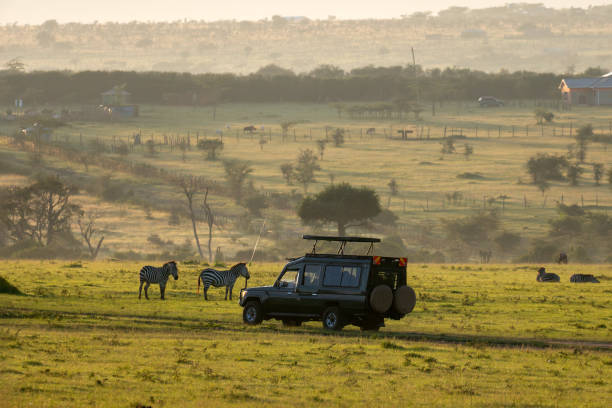
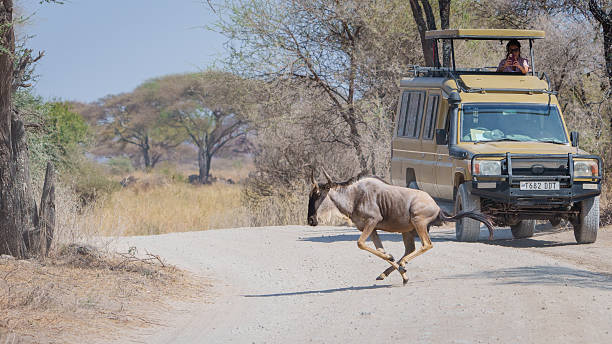
When considering a Tanzania safari, many travelers immediately picture the iconic Serengeti or the Ngorongoro Crater. However, for those seeking an authentic, wild, and less crowded experience, the best Ruaha National Park safari offers an unparalleled adventure. Ruaha, Tanzania’s largest national park, is a realm of dramatic landscapes, immense elephant herds, and a truly wild spirit that captivates every visitor.
This guide is crafted for travelers looking to plan their 2026 or 2027 safari to Ruaha. We will explore why Ruaha stands out, what wildlife you can expect to see, the best times to visit, accommodation options, and essential tips for making your trip extraordinary. Whether you’re a seasoned safari-goer or a first-time visitor to Tanzania, understanding the unique appeal of Ruaha is key to an unforgettable journey.
Why Ruaha National Park Deserves a Spot on Your Safari Itinerary
Ruaha is not just another park; it’s a destination that delivers a profound sense of wilderness. Unlike some of its more famous northern counterparts, Ruaha’s sheer size and relative remoteness mean that visitor numbers are significantly lower. This translates into a more intimate and exclusive safari experience, where you often feel like you have the vast plains all to yourself. The park is a critical elephant sanctuary and boasts one of the highest concentrations of elephants in Tanzania, alongside impressive populations of lions, leopards, cheetahs, wild dogs, and an astonishing array of birdlife. The rugged terrain, characterized by the Great Rift Valley escarpment, baobab trees, and the mighty Ruaha River, creates a visually stunning backdrop for wildlife viewing.
The Unrivaled Wildlife Spectacle of Ruaha
The primary draw for any safari is, of course, the wildlife, and Ruaha does not disappoint. Its ecosystem supports a remarkable diversity of species, many of which are found in exceptional numbers.
Mammals: A King’s Ransom of Fauna
Ruaha is particularly renowned for its large mammal populations. Planning your best Ruaha National Park safari in 2026 or 2027 means anticipating encounters with:
- Elephants: Ruaha is a stronghold for elephants, with herds often numbering in the hundreds. You’ll witness their social dynamics, their impressive size, and their vital role in shaping the landscape.
- Lions: The park is home to a healthy lion population, and Ruaha is famous for its large prides, including the male lions, which are among the biggest in Africa. Their territorial roars echoing across the plains are an unforgettable sound.
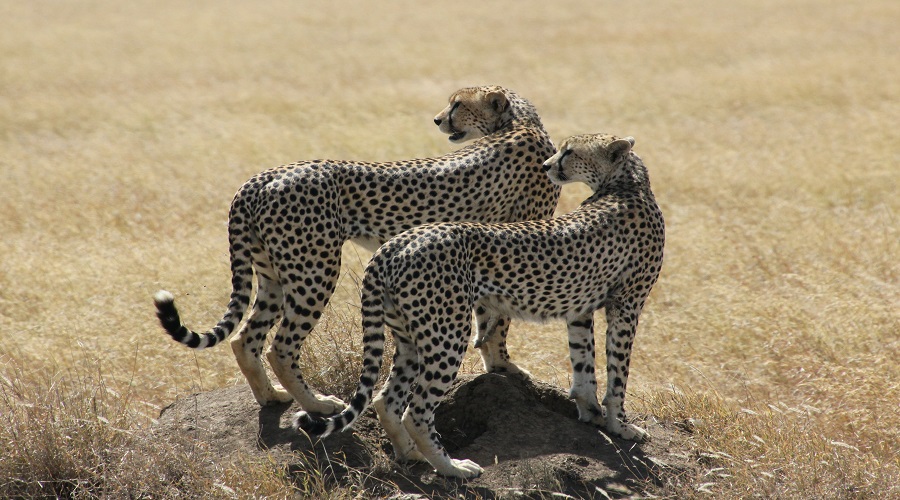
- Cheetahs and Leopards: While elusive, both cheetahs and leopards thrive in Ruaha’s varied habitats. Tracking them requires patience and a skilled guide, but the reward of spotting these magnificent cats is immense.
- African Wild Dogs: Ruaha is one of the best places in East Africa to see these endangered predators. Witnessing a pack on the hunt is a truly thrilling and rare privilege.
- Buffalo: Large herds of buffalo are a common sight, often found near water sources.
- Giraffes: Maasai giraffes, with their distinct coat patterns, are a frequent and graceful presence.
- Zebras and Antelopes: Various species of antelope, including greater and lesser kudu, sable antelope, roan antelope, impala, Grant’s gazelles, and dik-diks, graze across the savannas.
- Hippos and Crocodiles: The Ruaha River and its tributaries are teeming with hippos and crocodiles, especially visible during the dry season when they congregate in shrinking waterholes.
- Other Notable Species: Keep an eye out for cheetahs, wild dogs, jackals, hyenas, bat-eared foxes, warthogs, baboons, and various monkey species.
Birdlife: A Paradise for Ornithologists
With over 570 recorded bird species, Ruaha is a birdwatcher’s paradise. The park’s diverse habitats support a rich avian population, including endemic species and migratory birds. During the wet season (typically November to April), the birdlife is particularly vibrant. Look for the striking Crested Barbet, the impressive Secretary Bird, the magnificent Fish Eagle, various hornbill species, kingfishers, bee-eaters, and numerous raptors.
When is the Best Time for a Ruaha National Park Safari?
The timing of your safari significantly impacts the experience. Ruaha’s climate is characterized by a distinct wet and dry season, each offering unique advantages for wildlife viewing.
The Dry Season (June to October): Peak Wildlife Viewing
This is widely considered the prime time for the best Ruaha National Park safari. During these months:
- Wildlife Concentration: As water sources become scarce, animals congregate around the remaining rivers and waterholes, making them easier to spot.
- Vegetation: The bush thins out, improving visibility across the plains.
- Predator Activity: Predators are often more active and visible as they hunt near water sources.
- Pleasant Weather: Days are generally sunny and warm, with cooler evenings and mornings.
- Considerations: This is the peak tourist season, so lodges can be busier, and prices might be higher. Booking your 2026 or 2027 safari well in advance is crucial.
The Wet Season (November to May): Lush Landscapes and Birdlife
The wet season, particularly from November to April, offers a different, yet equally rewarding, experience:
- Lush Scenery: The landscape transforms into a vibrant green paradise, offering stunning photographic opportunities.
- Birdwatching: This is the best time for bird enthusiasts, with resident birds in breeding plumage and migratory species present.
- Fewer Crowds: Most lodges offer lower rates during this period, and you’ll encounter fewer tourists.
- Calving Season: Many herbivores give birth during the early wet season, leading to increased predator activity as they hunt vulnerable newborns.
- Considerations: Some roads may become impassable due to heavy rains, potentially limiting access to certain areas. Game viewing can be more challenging due to thicker vegetation and animals dispersing to find water.
For a balanced experience, the shoulder months of May/June and October/November often provide a good mix of decent wildlife viewing, fewer crowds, and more moderate prices for your 2026-2027 safari planning.
Navigating Ruaha: Getting There and Getting Around
Ruaha’s remoteness is part of its charm, but it requires careful planning for access.
Getting to Ruaha National Park
The most common way to reach Ruaha is by air:
- Scheduled Flights: Light aircraft flights operate from Arusha Airport (ARK) and Kilimanjaro International Airport (JRO) to various airstrips within Ruaha, such as Msembe. These flights are operated by companies like Safari Air Link (SAL) and Coastal Aviation. The flight duration is approximately 1.5 to 2 hours. Booking these flights as part of your safari package is highly recommended.
- Driving: While possible, driving to Ruaha is a very long and arduous journey, typically taking two full days from Arusha or Dar es Salaam. It requires a sturdy 4×4 vehicle and experienced driver-guides. This option is generally only considered by those on extensive overland expeditions.
Getting Around within the Park
Once inside Ruaha, game drives are the primary mode of exploration. Safari vehicles, typically open-sided 4x4s, are essential for navigating the park’s terrain and providing optimal wildlife viewing opportunities. Most safari packages include game drives with experienced guides. Walking safaris are also available in certain areas outside the main park boundaries or in designated zones, offering a more immersive bush experience.
Choosing Your Ruaha Accommodation: From Luxury Lodges to Tented Camps
Ruaha offers a range of accommodation options, catering to different preferences and budgets. When planning your best Ruaha National Park safari for 2026 or 2027, consider the type of experience you desire:
Luxury Lodges and Camps
These establishments offer the highest standards of comfort, service, and cuisine, often in stunning locations. Expect spacious rooms or tents, private verandas, swimming pools, and excellent dining. Examples include:
- Kigelia Ruaha: Known for its stylish design and prime location.
- Mdonya Old River Camp: Offers a classic safari tented experience with excellent guiding.
- Asilia Kwihala Camp: A renowned camp offering exceptional wildlife viewing opportunities.
Mid-Range Tented Camps
These camps provide a comfortable and authentic safari experience without the ultra-luxury price tag. They typically feature well-appointed tents with en-suite bathrooms and offer delicious meals in a communal setting.
Budget-Friendly Options
While Ruaha is generally a more exclusive destination, some more basic camps and the park’s own bandas (simple cabins) offer more affordable accommodation. These are often favored by self-drive tourists or those on a tighter budget.
Key Considerations when booking accommodation:
- Location: Some camps are situated in prime wildlife areas, offering better chances of sightings directly from your lodge.
- Activities: Does the lodge offer walking safaris, night drives (where permitted), or fly-camping options?
- Exclusivity: Smaller camps often provide a more personal and intimate experience.
- Inclusions: Most safari lodges include meals, standard drinks, and game drives in their rates. Clarify what is included when booking for 2026 or 2027.
To get the most accurate pricing and availability for your chosen dates, it’s best to contact tour operators directly. For a personalized quote for your 2026 or 2027 Ruaha safari, reach out to us via WhatsApp at +255616946642 or email at topguideadventures@gmail.com.
Crafting Your Perfect Ruaha Safari Itinerary
A typical Ruaha safari itinerary ranges from 3 to 5 days, allowing ample time to explore the park’s diverse ecosystems and wildlife. Here’s a sample itinerary structure you might consider for your 2026-2027 adventure:
Sample 4-Day Ruaha Safari Itinerary
Day 1: Arrival in Ruaha & First Game Drive
- Morning flight from Arusha or Kilimanjaro to Ruaha airstrip.
- Meet your guide and transfer to your chosen lodge/camp, with a game drive en route.
- Check-in, have lunch, and relax.
- Afternoon game drive exploring the Msembe area, focusing on the Ruaha River.
- Dinner and overnight at your lodge.
Day 2: Exploring Ruaha’s Southern Plains
- Early morning game drive, perhaps focusing on predator sightings.
- Return to camp for breakfast or brunch.
- Optional: A guided walking safari (if available and booked in advance).
- Afternoon game drive, venturing further into the park to explore different habitats.
- Sundowners in a scenic spot followed by dinner.
Day 3: Deeper Exploration and Riverine Areas
- Full-day game drive with a packed lunch, heading towards areas like the Mwagusi River or Jongomero.
- Focus on spotting elephants, buffalo, and other large mammals.
- Enjoy the vastness and solitude of Ruaha’s wilderness.
- Return to camp in the late afternoon for relaxation and dinner.
Day 4: Final Game Drive & Departure
- Early morning game drive to catch any last-minute sightings.
- Return to camp for breakfast.
- Transfer to the airstrip for your scheduled flight back to Arusha or Kilimanjaro, filled with memories of your best Ruaha National Park safari.
This is a flexible framework. We can customize your 2026 or 2027 itinerary based on your interests, duration, and budget. Whether you prefer more time for walking safaris, birdwatching, or photography, we can tailor the perfect trip.
Beyond the Game Drive: Unique Ruaha Experiences
While game drives are the heart of any safari, Ruaha offers additional activities that enhance the experience:
- Walking Safaris: Accompanied by an armed ranger and a knowledgeable guide, walking safaris offer a ground-level perspective of the bush. You’ll learn about tracking, flora, and the smaller details of the ecosystem often missed from a vehicle. These are usually offered by specific camps and require advance booking.
- Night Game Drives: Some camps offer night drives (where permitted by park regulations), providing an opportunity to spot nocturnal animals like civets, genets, bushbabies, and possibly even leopards or lions on the hunt.
- Photographic Safaris: Ruaha’s dramatic landscapes and abundant wildlife make it a photographer’s dream. Dedicated photographic vehicles with specialized equipment can be arranged for serious photographers.
- Cultural Encounters: While Ruaha is primarily about wildlife, some tours may incorporate visits to nearby Maasai or other local communities, offering insights into traditional life (ensure these are ethically conducted and add genuine value).
Planning Your 2026-2027 Ruaha Safari: Essential Tips
To ensure your trip is as smooth and enjoyable as possible, keep these tips in mind when planning your 2026 or 2027 safari:
- Book in Advance: Ruaha is becoming increasingly popular. For the best Ruaha National Park safari experience, especially during peak season (June-October), booking your accommodation and flights at least 6-12 months in advance is highly recommended.
- Choose a Reputable Tour Operator: Working with an experienced operator like Top Guide Adventures is crucial. We handle flight bookings, lodge reservations, park fees, and can craft a perfectly tailored itinerary. Contact us via WhatsApp +255616946642 or info@topguideadventures.com.
- Pack Appropriately: Lightweight, neutral-colored clothing is best. Include layers for cooler mornings and evenings, a wide-brimmed hat, sunglasses, sunscreen, insect repellent, and comfortable walking shoes. Binoculars are essential for wildlife viewing.
- Health Precautions: Consult your doctor about necessary vaccinations and malaria prophylaxis well in advance of your travel dates.
- Stay Hydrated: Drink plenty of water, especially during game drives.
- Respect Wildlife: Always follow your guide’s instructions. Maintain a safe distance from animals and avoid feeding them.
- Be Patient: Wildlife sightings are not guaranteed. Enjoy the journey, the landscapes, and the unique atmosphere of Ruaha.
- Understand Park Fees: Park entrance fees are substantial and are typically included in safari package costs. Ensure you understand what is covered.
Ruaha vs. Other Tanzanian Parks: Making the Right Choice
While the Serengeti and Ngorongoro offer incredible wildlife viewing, Ruaha provides a distinct experience:
- Serengeti: Famous for the Great Migration, vast open plains, and high predator numbers. It can be very busy, especially during migration season.
- Ngorongoro Crater: A unique caldera with dense wildlife populations, offering excellent Big Five viewing. However, visitor numbers are strictly controlled, and it can feel crowded.
- Tarangire National Park: Known for its large elephant herds and baobab trees, especially in the dry season. It’s often combined with the northern circuit parks.
- Ruaha: Offers a wilder, more remote, and less crowded experience with a unique landscape and impressive elephant and predator populations. It’s ideal for those seeking solitude and a true sense of adventure.
For travelers prioritizing an authentic, wild, and less commercialized safari, Ruaha often emerges as the best Ruaha National Park safari destination. It complements a northern circuit safari or can be a standalone destination for an in-depth wilderness experience.
Budgeting for Your Ruaha Safari in 2026-2027
The cost of a Ruaha safari can vary significantly based on accommodation choice, duration, mode of transport, and the level of service. Generally, Ruaha safaris tend to be at the higher end of the price spectrum due to its remoteness and the associated flight costs.
Key Cost Components:
- Flights: Internal flights to Ruaha are a significant expense.
- Accommodation: Luxury lodges are considerably more expensive than mid-range or budget options.
- Park Fees: Daily park entrance fees are a fixed cost.
- Vehicle and Guide: Private safari vehicles and guides are standard.
- Activities: Special activities like walking safaris or night drives may incur extra charges.
Estimated Price Ranges (per person, per night, based on 2024/2025 rates, subject to change for 2026-2027):
- Budget: USD $300 – $500 (basic camps, potentially including some meals/activities, but flights will be extra)
- Mid-Range: USD $500 – $800 (comfortable tented camps, all-inclusive of meals, standard drinks, and game drives)
- Luxury: USD $800 – $1500+ (high-end lodges, premium service, exclusive locations, all-inclusive)
Important Note: These are rough estimates. The total cost of your best Ruaha National Park safari will also include international flights, visa fees, travel insurance, tips, and personal expenses. For a precise quote tailored to your 2026 or 2027 travel plans, please contact us directly. We can provide detailed breakdowns and help you find the best value for your budget.
Why Choose Top Guide Adventures for Your Ruaha Safari?
As a leading Tanzania tour operator, Top Guide Adventures specializes in creating unforgettable safari experiences. We have in-depth knowledge of Ruaha National Park and its surrounding areas. Our team is dedicated to providing personalized service, expert guidance, and ensuring every aspect of your trip is meticulously planned.
- Local Expertise: We live and breathe Tanzania safaris. Our guides are among the best in the industry, with extensive knowledge of wildlife, tracking, and conservation.
- Customized Itineraries: We don’t offer one-size-fits-all packages. We work with you to design a safari that matches your interests, pace, and budget for 2026 or 2027.
- Quality Accommodation: We partner with a carefully selected range of lodges and camps to ensure comfort and authenticity.
- smooth Logistics: From flights and transfers to park permits and meals, we handle all the details so you can focus on enjoying your adventure.
- Commitment to Conservation: We are passionate about responsible tourism and work with partners who share our commitment to preserving Tanzania’s natural heritage.
Ready to plan your best Ruaha National Park safari? Let us help you create the adventure of a lifetime. Get in touch today for a free consultation and quote. You can reach us via WhatsApp at +255616946642, email at topguideadventures@gmail.com, or our backup email info@topguideadventures.com. You can also explore our Instagram page at @top_guide_adventures for inspiration.
We look forward to helping you discover the magic of Ruaha National Park in 2026 or 2027!



