
Updated planning guide for 2026-2027
Best Souvenirs To Buy In Tanzania: Complete Guide 2026-2027
Planning a trip to Tanzania and wondering what authentic souvenirs to bring back? This comprehensive guide details the best gifts and mementos, from intricate wood carvings to vibrant textiles and aromatic spices, ensuring you find unique treasures.
WhatsApp +255616946642 | topguideadventures@gmail.com | info@topguideadventures.com


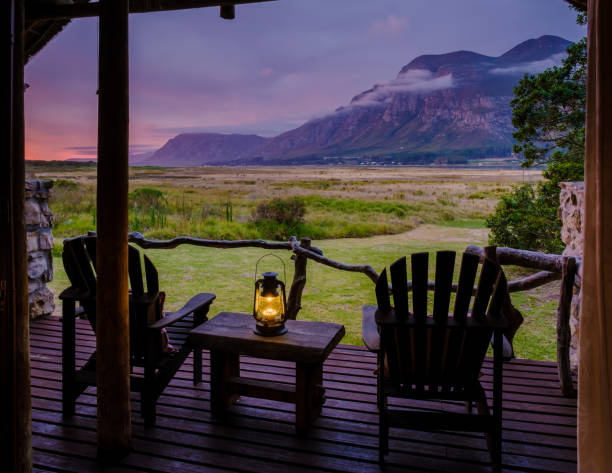
Your Essential Guide to the Best Souvenirs to Buy in Tanzania
Tanzania, a land of breathtaking landscapes, diverse wildlife, and rich cultural heritage, offers more than just unforgettable safari memories and stunning beach getaways. It’s also a treasure trove for unique and meaningful souvenirs. Finding the best souvenirs to buy in Tanzania can enhance your travel experience, providing tangible reminders of your adventures and supporting local artisans. Whether you’re exploring the Serengeti, trekking Mount Kilimanjaro, or relaxing on Zanzibar’s beaches, there are countless authentic items waiting to be discovered.
This guide aims to help you navigate the vibrant markets and craft centers, identifying genuine, high-quality items that reflect Tanzania’s spirit. We’ll cover everything from traditional artwork and textiles to local delicacies and practical items, offering insights into their origins, value, and how to find them. By the end, you’ll be well-equipped to select the perfect mementos to cherish or gift, ensuring your Tanzanian journey continues long after you return home.
Table of Contents
- Quick Facts About Tanzanian Souvenirs
- Overview: The Art of Souvenir Shopping in Tanzania
- Why Bring Home Tanzanian Souvenirs?
- Best Time to Shop for Souvenirs
- Where to Find Souvenirs in Tanzania
- Top Categories of the Best Souvenirs to Buy in Tanzania
- Integrating Souvenir Shopping into Your Tanzania Itinerary
- What to Expect When Shopping
- Packing for Souvenir Shopping
- Common Mistakes to Avoid
- Who is This Souvenir Guide Best For?
- Alternatives to Traditional Souvenirs
- Planning Your Souvenir Strategy for 2026-2027
- Booking Advice for Your Trip and Souvenir Shopping
- Frequently Asked Questions
- Ready to Explore Tanzania and Find Your Perfect Souvenirs?
Quick Facts About Tanzanian Souvenirs
| Aspect | Details |
|---|---|
| Authenticity | Look for locally made items. Avoid mass-produced goods that may be imported. |
| Key Locations | Arusha, Dar es Salaam, Zanzibar (Stone Town), local markets, craft villages, national parks gift shops. |
| Bargaining | Expected in most markets, but not in fixed-price shops or high-end galleries. Be polite and reasonable. |
| Payment | Cash is widely preferred in markets. Some larger shops accept cards. ATMs are available in major towns. |
| Popular Items | Wood carvings, textiles (Khanga, Kitenge), beadwork, Maasai crafts, spices, coffee, paintings. |
| Supporting Locals | Purchasing directly from artisans or cooperatives ensures your money benefits the community. |
Overview: The Art of Souvenir Shopping in Tanzania
Tanzania is a country that captivates the senses. Its landscapes range from the vast plains of the Serengeti teeming with wildlife to the spice-scented air of Zanzibar and the majestic peaks of Kilimanjaro. The cultural tapestry is equally rich, woven from the traditions of over 120 ethnic groups. When it comes to souvenirs, Tanzania offers a diverse array that reflects this vibrancy. The best souvenirs to buy in Tanzania are those that carry a story, a piece of its culture, or a touch of its natural beauty.
Shopping for souvenirs here is an experience in itself. It involves exploring bustling local markets, visiting artisan cooperatives, browsing through small galleries, and even finding unique items in the gift shops of lodges and national parks. Each location offers a different perspective and a distinct range of products. Understanding what to look for, where to find it, and how to approach the transaction will help you find authentic treasures that resonate with your journey.
This guide is designed to be your compass in this exciting pursuit. We aim to provide detailed information on the most sought-after items, tips for identifying quality, advice on ethical purchasing, and practicalities for your trip, whether you’re planning for 2026 or 2027. We want to ensure your souvenir hunting is as rewarding as your safari or trek.
Why Bring Home Tanzanian Souvenirs?
Souvenirs are more than just trinkets; they are tangible connections to places and experiences. In Tanzania, they offer several layers of value:
- Memory Keepers: A well-chosen souvenir can instantly transport you back to a specific moment – the thrill of seeing a lion on the savanna, the peace of a Zanzibar sunset, or the camaraderie of a trek group.
- Cultural Connection: Many Tanzanian crafts are deeply rooted in tradition, passed down through generations. Purchasing these items supports the preservation of cultural heritage and artistry.
- Economic Support: Buying directly from local artisans, cooperatives, and small businesses ensures that your money directly benefits the communities you visit. This is a form of responsible tourism that can make a real difference.
- Unique Gifts: Tanzania offers a wealth of distinctive gifts that are far more memorable than generic items. Think of a beautifully carved wooden bowl or a vibrant Kanga wrap – these are conversation starters and cherished presents.
- Appreciation of Craftsmanship: The skill and dedication involved in creating many Tanzanian crafts, from intricate beadwork to detailed carvings, are remarkable. Owning such an item is a way to appreciate this artistry.
Best Time to Shop for Souvenirs
While souvenir shops and markets are generally open year-round, certain times might offer a slightly different experience:
- During Your Travels: The most convenient time is often during your planned activities. Many lodges and camps have gift shops with curated selections. Markets in towns like Arusha or Stone Town are best visited during daylight hours.
- Post-Safari/Trek: Many travelers find it easiest to do their main souvenir shopping in the larger towns like Arusha or Moshi at the beginning or end of their safari or Kilimanjaro climb. This is when you might have more time and access to a wider variety of goods.
- Zanzibar: Stone Town in Zanzibar is a hub for shopping. Exploring its winding alleys and markets is a daily activity for visitors, offering a constant supply of crafts and spices.
- Festive Seasons: While not a primary shopping season, local festivals or cultural events might present unique opportunities to find special items. However, these are often less predictable and might require specific timing.
For travelers planning for 2026-2027, consider building souvenir shopping into the transition days of your itinerary – perhaps upon arrival in Arusha before your safari or before departing from Zanzibar.
Where to Find the Best Souvenirs to Buy in Tanzania
Tanzania offers diverse shopping experiences across its regions. Here’s a breakdown of key locations:
| Region/City | Key Shopping Areas | Typical Souvenirs Found | Notes |
|---|---|---|---|
| Arusha | Central Market, Sopa Market, Cultural Heritage Centre, various craft shops. | Wood carvings, paintings, Maasai crafts, jewelry, textiles, coffee. | Gateway to Northern Circuit safaris. Good place for initial shopping. |
| Moshi | Local markets, shops near the clock tower. | Similar to Arusha, with a focus on Kilimanjaro-themed items. | Base for Kilimanjaro climbs. |
| Dar es Salaam | Kariakoo Market, Mwenge Woodcarvers Village, various galleries and boutiques. | Wide variety including large carvings, art, textiles, furniture pieces. | Major port city, offering a broad selection. Mwenge is a must-visit for carvings. |
| Zanzibar (Stone Town) | Darajani Market, Forodhani Gardens area, Shangani Street, various small shops and galleries. | Spices, Zanzibar chests, carved doors, textiles, art, jewelry, perfumes. | Historic heart, ideal for spices and unique island crafts. |
| National Parks & Reserves | Lodge gift shops, park entry gate shops. | T-shirts, hats, books, small carvings, wildlife-themed items. | Convenient but often more expensive and less variety. |
| Artisan Villages | Various cooperatives and villages focusing on specific crafts (e.g., Tinga Tinga art). | Specialized crafts, direct from makers. | Requires specific arrangements or recommendations. |
Top Categories of the Best Souvenirs to Buy in Tanzania
Tanzania’s artistic and cultural output is diverse. Here are the most popular and meaningful categories of souvenirs you can find:
Wood Carvings
Tanzania is renowned for its intricate wood carvings, often made from ebony, mahogany, or mvule wood. These pieces showcase incredible craftsmanship and are a significant part of the country’s artistic heritage.
- What to Look For:
- Makonde Carvings: Originating from the Makonde people in southern Tanzania, these are famous for their “spirit carvings” or “shetanis.” They often feature abstract, intertwined figures, families, or satirical themes, reflecting social commentary. Look for the signature “Makonde” inscribed on the base.
- Animals: Elephants, giraffes, lions, and other wildlife are popular subjects, carved with remarkable detail.
- Tribal Figures: Representations of various ethnic groups, often depicting daily life or traditional attire.
- Functional Items: Bowls, platters, salad servers, walking sticks, masks, and decorative panels.
- Quality Indicators: Smooth finish, intricate details, solid wood (not hollow or glued pieces), and a well-balanced weight.
- Where to Buy: Mwenge Woodcarvers Village in Dar es Salaam is a dedicated center. Arusha and Moshi also have excellent shops. Many lodges and markets offer carvings, but quality can vary significantly.
Tanzanian Textiles and Clothing
Vibrant fabrics are a staple of Tanzanian life and make for beautiful and practical souvenirs.
- Khanga: A single, rectangular piece of printed cotton cloth, usually with a border, an illustration, and a Swahili proverb or message printed in the center. They are incredibly versatile, worn as skirts, dresses, headscarves, or used as baby carriers. Each Kanga tells a story.
- Kitenge (Ankara): Similar to Kanga but often larger and without the central proverb. These are colorful, bold wax-print fabrics used for dresses, shirts, skirts, and home decor. You can buy them by the meter or as ready-made garments.
- Tanzania National Shirt/Safari Clothes: Comfortable cotton shirts, often in earthy tones or featuring wildlife prints, are popular.
- Quality Indicators: 100% cotton, vibrant and consistent prints, good stitching on garments.
- Where to Buy: Local markets in Arusha, Dar es Salaam, and Zanzibar are the best places. Fabric shops sell fabric by the meter. Ready-made garments are available in boutiques and market stalls.
Beadwork
Tanzania, particularly associated with the Maasai culture, is famous for its intricate beadwork.
- What to Look For:
- Maasai Jewelry: Necklaces, bracelets, earrings, anklets, and headbands made from tiny glass beads in traditional colors (red, blue, yellow, green, black, white). Each color often holds symbolic meaning.
- Decorative Items: Beaded calabashes, picture frames, keychains, and even beaded wall hangings.
- Quality Indicators: Evenly spaced beads, strong threading (often nylon), intricate patterns, and secure fastenings.
- Where to Buy: Maasai markets, craft stalls, and shops specializing in tribal crafts. The Cultural Heritage Centre in Arusha is a good place to find high-quality, often more expensive, pieces.
Art and Paintings
Tanzania has a thriving art scene, with several distinct styles producing captivating works.
- Tinga Tinga Art: A colorful, graphic style originating from Tanzania, characterized by vibrant depictions of wildlife, daily life, and abstract designs. It’s named after its founder, Edward Tingatinga. These are typically painted on enamel or canvas.
- Other Styles: You’ll find various other forms of painting, including realistic wildlife scenes, abstract pieces, and portraits, often executed in oil, acrylic, or watercolor.
- Quality Indicators: Look for well-executed brushstrokes, good composition, vibrant and lasting colors, and a signature.
- Where to Buy: Tinga Tinga Art Cooperative in Dar es Salaam is the original home of this style. Art galleries in Arusha, Dar es Salaam, and Zanzibar display a wide range of works.
Maasai Cultural Items
Beyond beadwork, the Maasai people create other distinctive items that represent their nomadic pastoralist lifestyle.
- Shuka: The iconic red-and-white checkered blankets worn by Maasai warriors and women. These are warm and make for striking throws or blankets.
- Spears and Shields: Small, decorative replicas of traditional Maasai spears and shields. (Note: Full-sized spears may have export restrictions).
- Wooden Utensils: Hand-carved wooden milk pots (calabashes) and other traditional tools.
- Where to Buy: Maasai villages (often visited on cultural tours), Maasai markets, and specialized craft shops.
Spices and Food Items
Zanzibar, the “Spice Island,” is famous for its aromatic spices, which make for wonderful culinary souvenirs.
- What to Look For:
- Cloves: The signature spice of Zanzibar.
- Cardamom, Cinnamon, Nutmeg, Black Pepper, Vanilla: High-quality, fragrant spices.
- Spice Blends: Curry powders and other local mixes.
- Spice Jars/Packs: Often beautifully presented in small jars or woven baskets.
- Quality Indicators: Fresh aroma, vibrant color, and proper sealing.
- Where to Buy: Spice farms in Zanzibar offer tours and have shops. Stone Town markets (Darajani) and dedicated spice shops are excellent sources.
Tanzanian Coffee and Tea
Tanzania produces some of the world’s finest coffee and tea.
- Coffee: Look for beans from Kilimanjaro (Peaberry is a popular variety), Arusha, or the Southern Highlands. Many local roasters offer freshly ground or whole beans.
- Tea: Tanzania also produces excellent black tea, particularly from the Usambara Mountains.
- Quality Indicators: Freshness, origin, and reputable brands.
- Where to Buy: Supermarkets in larger towns, specialty food stores, and some lodge gift shops.
Jewelry
Beyond Maasai beadwork, you can find other unique jewelry pieces.
- Silver and Gemstones: Tanzania is known for Tanzanite, a rare blue gemstone found only in this country. Look for certified Tanzanite jewelry in reputable dealers. Other local gemstones may also be available.
- Recycled Materials: Some artisans create jewelry from recycled glass, seeds, or other natural materials.
- Where to Buy: Specialized jewelry stores (especially for Tanzanite), craft markets, and galleries.
Musical Instruments
For those interested in sound and rhythm, traditional instruments can be fascinating souvenirs.
- Drums: Various types of hand drums are common.
- Marimbas/Xylophones: Smaller, portable versions might be available.
- String Instruments: Traditional lutes or lyres.
- Where to Buy: Local music shops, markets, or directly from artisans if you find them. (Note: Large instruments may be difficult to transport).
Books and Maps
For the intellectually inclined, books and maps can be wonderful souvenirs.
- Wildlife Guides: Field guides for birds, mammals, or plants of East Africa.
- Cultural Books: Books on Tanzanian history, art, or traditions.
- Maps: Detailed maps of national parks or regions.
- Where to Buy: Bookstores in major towns, museum gift shops, and some lodge book collections.
Practical Souvenirs
Sometimes, the best souvenirs are items you can actually use back home.
- Canvas Bags/Tote Bags: Often printed with wildlife or cultural motifs.
- Wooden Utensils: As mentioned, practical for the kitchen.
- Ceramics: Hand-painted pottery or decorative tiles.
- Safari Gear: While you might buy essentials before, local T-shirts or hats can be good keepsakes.
Integrating Souvenir Shopping into Your Tanzania Itinerary
To make the most of your souvenir hunting, plan it strategically within your trip. Here’s a sample approach for a typical 10-day Northern Circuit safari combined with Zanzibar:
Sample 10-Day Tanzania Itinerary with Souvenir Shopping
| Day | Location | Activities | Souvenir Opportunities |
|---|---|---|---|
| 1 | Arrive Kilimanjaro Int. Airport (JRO), transfer to Arusha | Rest, acclimatize. | Arusha: Visit Cultural Heritage Centre or local craft shops for initial browsing. Get a feel for prices and quality. Purchase any immediate needs like a light jacket or hat if forgotten. |
| 2 | Arusha to Tarangire National Park | Full day game drive in Tarangire. | Lodge: Gift shop for basic items, wildlife books. |
| 3 | Tarangire to Serengeti National Park | Morning game drive, transfer to Serengeti. | Lodge: Gift shop. |
| 4-5 | Serengeti National Park | Full days of game drives. | Lodge: Gift shop. |
| 6 | Serengeti to Ngorongoro Conservation Area | Morning game drive, descend into Ngorongoro Crater for game drive. | Lodge/Crater Rim: Limited gift shops. |
| 7 | Ngorongoro to Arusha | Morning optional Maasai village visit (if arranged), drive back to Arusha. | Maasai Village: Direct purchase of beadwork, shukas (be prepared to bargain respectfully). Arusha: Sopa Market or other craft centers for more substantial purchases before heading to Zanzibar. |
| 8 | Arusha to Zanzibar (Stone Town) | Flight to Zanzibar, check into hotel in Stone Town. Afternoon walking tour. | Stone Town: Begin exploring markets. Purchase small spices, local sweets. Get a feel for the spice market. |
| 9 | Zanzibar (Stone Town & Spice Tour) | Morning Stone Town exploration, afternoon Spice Tour. | Stone Town: Focus on spices, Zanzibar chests, textiles, carvings. Spice Farm: Buy fresh spices, vanilla, oils, and local fruit products. |
| 10 | Zanzibar Departure | Last-minute souvenir shopping if time permits, transfer to Zanzibar Airport (ZNZ). | Stone Town: Final purchases of spices or small crafts. |
What to Expect When Shopping
Shopping in Tanzania is an adventure. Be prepared for:
- Vibrant Markets: Expect bustling environments filled with colors, sounds, and friendly vendors.
- Haggling: In most local markets, bargaining is part of the culture. Start at about 50% of the asking price and negotiate respectfully towards a price you’re both happy with. Fixed-price shops and reputable galleries do not typically haggle.
- Quality Variation: Items can range from mass-produced trinkets to exquisite handmade pieces. Take your time to examine items closely.
- Payment Methods: Cash (Tanzanian Shillings or USD for larger purchases) is king in markets. Larger shops and hotels may accept credit cards, but be aware of potential fees or minimum spend requirements. ATMs are available in major towns.
- Authenticity: Be discerning. Some items sold as local crafts might be imported. Look for signs of genuine craftsmanship and ask questions about the origin.
Packing for Souvenir Shopping
Consider these items to make your shopping experience smoother:
- Comfortable Walking Shoes: You’ll be doing a lot of exploring.
- Daypack: To carry your purchases throughout the day.
- Reusable Shopping Bag: Many vendors may not provide bags, and it’s eco-friendly.
- Small Bills (USD/TZS): For easier transactions and bargaining.
- Camera: To document your finds and the vibrant scenes.
- Patience and a Smile: Essential for positive interactions.
- A List: To keep track of what you want to buy and for whom.
Common Mistakes to Avoid
To ensure you find the best souvenirs and have a positive shopping experience, be aware of these common pitfalls:
- Buying the First Thing You See: Prices and quality can vary significantly. It’s often better to browse a few places before making a decision.
- Not Bargaining (When Appropriate): If you don’t attempt to bargain in a market, you’ll likely overpay.
- Bargaining Too Aggressively: Be respectful. The goal is a fair price for both parties, not to ‘win’ a negotiation.
- Assuming Everything is Authentic: Some items may be imported or mass-produced. Look for signs of handmade quality.
- Overspending on Day One: Resist the urge to buy everything immediately. You might find better deals or more suitable items later.
- Ignoring Export Restrictions: Be aware of rules regarding the export of certain items, especially those made from endangered species or antique artifacts. Stick to reputable dealers for items like Tanzanite.
- Not Budgeting for Souvenirs: Set a budget beforehand to avoid overspending.
- Buying Everything at Lodges: While convenient, lodge gift shops are often the most expensive option and may have limited selections.
Who is This Souvenir Guide Best For?
This guide is designed for a wide range of travelers planning a trip to Tanzania:
- First-time Visitors: Those new to Tanzania who want to understand the types of souvenirs available and where to find them.
- Safari Enthusiasts: Travelers looking for unique mementos from their wildlife adventures.
- Culture Seekers: Individuals interested in authentic crafts, textiles, and art that represent Tanzania’s diverse ethnic groups.
- Trekking Groups: Climbers of Mount Kilimanjaro or Meru seeking meaningful gifts or personal keepsakes.
- Zanzibar Visitors: Those exploring the Spice Island and looking for its unique aromatic and artisanal products.
- Budget-Conscious Travelers: Those who want to know how to find good value and avoid overpaying.
- Responsible Tourists: Travelers who want to ensure their purchases support local communities and artisans.
Alternatives to Traditional Souvenirs
If traditional crafts aren’t your style, consider these alternatives:
- Experiences: Instead of a physical item, consider a cooking class in Zanzibar, a guided cultural walk, or a special wildlife viewing excursion that you can remember through photos and stories.
- Donations: Support local schools, orphanages, or conservation projects directly. Your tour operator can often facilitate this.
- Photographs: High-quality prints of your own safari or trek photos can be incredibly personal souvenirs.
- Local Music: CDs or digital downloads of traditional or contemporary Tanzanian music.
Planning Your Souvenir Strategy for 2026-2027
When planning your 2026-2027 Tanzanian adventure, integrate souvenir shopping into your overall itinerary:
- Research: Read guides like this one to understand what you’re interested in.
- Budget: Allocate a specific amount for souvenirs. Consider whether you want high-end pieces or smaller, more numerous items.
- Timing: Plan your main shopping days for arrival/departure cities (Arusha, Dar es Salaam) or strategically in Zanzibar.
- Logistics: Think about how you’ll transport your purchases. Large carvings or textiles might require extra luggage or shipping.
- Ethical Considerations: Prioritize buying from cooperatives or directly from artisans to ensure fair trade practices.
- Consult Your Operator: Your tour operator can often arrange visits to reputable craft centers or provide guidance on authentic shopping experiences.
Booking Advice for Your Trip and Souvenir Shopping
When booking your Tanzanian adventure for 2026 or 2027, consider how your tour operator can enhance your souvenir hunting experience:
- Custom Itineraries: Work with a tour operator to build in time for shopping in key locations like Arusha or Stone Town.
- Guided Shopping: Some operators can arrange guided shopping tours or visits to specific artisan villages, ensuring you find authentic items and fair prices.
- Logistical Support: If you plan to buy larger items, discuss shipping options with your operator.
- Ethical Sourcing: Reputable operators often partner with communities and can guide you towards ethical purchasing opportunities.
- Clear Communication: Discuss your interest in souvenirs when you book. This allows the operator to tailor your itinerary accordingly.
For a personalized trip that includes opportunities to find the best souvenirs to buy in Tanzania, contact us. We can help you craft an itinerary that balances incredible adventures with meaningful shopping experiences.
Frequently Asked Questions
What are the most popular souvenirs from Tanzania?
The most popular souvenirs include wood carvings (especially Makonde art), Tanzanian textiles like Khanga and Kitenge, Maasai beadwork, Tinga Tinga paintings, spices from Zanzibar, and locally grown coffee and tea. These items reflect the country’s rich culture, art, and natural resources.
Where can I buy authentic Tanzanian crafts?
Authentic crafts can be found in various places: the Cultural Heritage Centre in Arusha, Mwenge Woodcarvers Village in Dar es Salaam, local markets in Arusha, Moshi, and Stone Town (Zanzibar), and artisan cooperatives. Look for items that show clear signs of handmade quality and ask about their origin.
Is bargaining expected in Tanzania?
Yes, bargaining is generally expected in local markets and with street vendors. However, it is not practiced in fixed-price shops, galleries, or major hotel gift shops. Approach bargaining with a smile and a respectful attitude.
What is Tanzanite and where can I buy it?
Tanzanite is a rare, beautiful blue gemstone found only in Tanzania. It’s a popular, though expensive, souvenir. For authentic Tanzanite, it’s crucial to buy from reputable, certified dealers in major towns like Arusha or Dar es Salaam to avoid fakes and ensure fair pricing. Your tour operator can often recommend trusted jewelers.
Can I bring spices back home from Zanzibar?
Yes, spices are excellent souvenirs from Zanzibar. They are typically well-packaged and are generally allowed through customs in most countries. Ensure they are properly sealed and declare them if required by your destination country’s regulations.
Are there any items I should avoid buying as souvenirs?
Avoid purchasing items made from endangered species (like ivory, certain animal skins, or coral). Also, be cautious with antique items, as they may have export restrictions or require special permits. Stick to contemporary crafts and art.
What currency should I use for souvenir shopping?
For local markets and smaller purchases, Tanzanian Shillings (TZS) are preferred. For larger purchases like expensive crafts or Tanzanite, US Dollars (USD) are often accepted, but always confirm the exchange rate and ensure you’re getting a fair price. Carrying smaller denominations of both currencies is advisable.
How can I ensure my souvenir purchases support local communities?
Buy directly from artisans or from registered cooperatives and community-based tourism projects. Avoid mass-produced items that may be imported. Your tour operator can often guide you to ethical shopping locations.
What are the best souvenirs to buy in Tanzania for kids?
Colorful Tinga Tinga paintings, small wooden animal carvings, beaded bracelets or keychains, and vibrant Khanga fabrics are often popular with children. Animal-themed toys or books about Tanzanian wildlife can also be great choices.
How much should I budget for souvenirs for a 2026-2027 trip?
This varies greatly depending on your interests. A few small items like spices or keychains might cost $50-$100 USD. For mid-range items like a nice carving or textile, budget $200-$500 USD. For significant pieces like Tanzanite jewelry or large artworks, the budget could be $1000+ USD. It’s best to set a personal budget based on your priorities.
Ready to Explore Tanzania and Find Your Perfect Souvenirs?
Discovering the best souvenirs to buy in Tanzania is an integral part of experiencing its rich culture and vibrant artistry. From the intricate details of Makonde carvings to the aromatic spices of Zanzibar and the colorful textiles that tell stories, each item holds a piece of this magnificent country.
Let us help you plan an unforgettable journey through Tanzania in 2026-2027. Whether you dream of safaris in the Serengeti, conquering Kilimanjaro, or relaxing on Zanzibar’s beaches, we craft personalized itineraries that include opportunities for authentic cultural experiences and souvenir shopping. We ensure your trip is not only adventurous but also deeply rewarding.
Contact us today to start planning your dream Tanzanian adventure:
WhatsApp: +255616946642
Email: topguideadventures@gmail.com
Backup Email: info@topguideadventures.com
We look forward to helping you find treasures that will last a lifetime!
Plan your Best Souvenirs to Buy in Tanzania with Top Guide Adventures
Tell us your travel dates, group size, comfort level, and dream experience. We will help you shape a clear, realistic, and memorable Tanzania itinerary.







 Veedesigner
 Fatma Kizanga
 Benjamin Waryuba
 Philip Philip
 John jr Itaja
 Antonia Optatus
 Edith Kanyere
 Neema Iddy
 Kelvin Boniphace
 Damari Maiga



