
Updated planning guide for 2026, 2027
Best Tanzania Safari Companies: How To Choose A Tour Operator: Guide
Choosing the right safari company is crucial for an incredible Tanzania adventure. This comprehensive guide details how to select the best Tanzania safari companies, covering everything from itinerary planning and costs to safety and booking advice for 2026 and 2027 trips.
WhatsApp +255616946642 | topguideadventures@gmail.com | info@topguideadventures.com
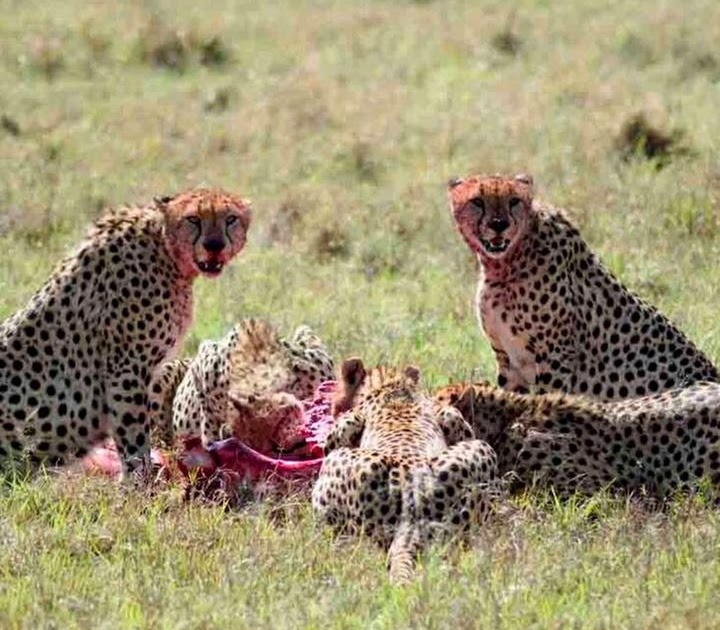
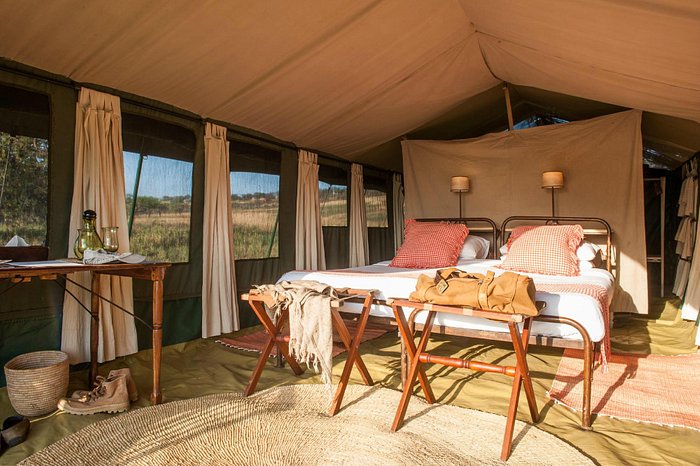
Best Tanzania Safari Companies: How to Choose a Tour Operator
Planning a safari in Tanzania is a dream for many, promising encounters with the Big Five, vast plains, and breathtaking landscapes. However, the sheer number of tour operators can make choosing the best Tanzania safari companies feel overwhelming. A well-selected tour operator is your key to a safe, enjoyable, and authentic experience. This guide provides an in-depth look at how to make that crucial decision, ensuring your 2026 or 2027 adventure is everything you hoped for.
Quick Answer: The best Tanzania safari companies are those that offer transparent pricing, clear communication, experienced guides, sustainable practices, and tailor-made itineraries. Look for operators with strong reviews, local expertise, and comprehensive safety protocols. It’s vital to research, compare options, and ask detailed questions before booking.
Table of Contents
- Why Choose a Tanzania Tour Operator?
- Key Factors When Selecting Safari Companies
- Understanding Safari Styles and Your Preferences
- Researching and Shortlisting Potential Operators
- Essential Questions to Ask Tour Operators
- Understanding Safari Costs and Inclusions
- Popular Tanzania Safari Destinations
- Sample Tanzania Safari Itinerary (7 Days)
- What to Expect on a Tanzania Safari
- Packing and Preparation for Your Safari
- Common Mistakes to Avoid When Choosing a Company
- Who is a Tanzania Safari Best For?
- Alternatives to Traditional Safaris
- Planning Your 2026-2027 Tanzania Safari
- Booking Advice and Next Steps
- Frequently Asked Questions
Why Choose a Tanzania Tour Operator?
While independent travel is possible, partnering with a reputable tour operator for your Tanzania safari offers significant advantages. They possess invaluable local knowledge, navigate complex logistics, and ensure your safety and comfort. For many, the primary reasons to use an operator include:
- Expertise and Logistics: They handle park permits, vehicle arrangements, accommodation bookings, and route planning, saving you considerable time and stress.
- Local Knowledge: Experienced guides know the best times and locations to spot wildlife, understand animal behavior, and can share rich cultural insights.
- Safety and Support: Reputable companies prioritize safety, have emergency protocols in place, and provide support throughout your trip.
- Customization: Many operators can craft bespoke itineraries tailored to your interests, budget, and travel style, offering a truly personalized experience.
- Value for Money: While not always the cheapest, good operators often provide better value by optimizing routes, securing better rates, and ensuring a higher quality experience.
Key Factors When Selecting Safari Companies
When evaluating potential Tanzania safari tour operators, consider these critical aspects:
| Factor | What to Look For | Why It Matters |
|---|---|---|
| Local vs. International Operator | Local operators often have deeper knowledge and better connections. International operators may offer more structured booking processes. | Local knowledge translates to better wildlife spotting and cultural understanding. |
| Reputation and Reviews | Check independent review sites (TripAdvisor, Google Reviews), testimonials, and ask for references. | Past client experiences are the best indicator of service quality and reliability. |
| Customization Options | Do they offer tailor-made itineraries or only fixed packages? | Ensures your safari aligns with your specific interests, pace, and budget. |
| Guide Quality | Inquire about guide qualifications, experience, and language proficiency. | A good guide significantly enhances the safari experience through knowledge and storytelling. |
| Vehicle and Equipment | Are vehicles well-maintained, comfortable, and equipped for safari (e.g., pop-up roofs, charging ports)? | Reliable vehicles prevent breakdowns and ensure comfort during long game drives. |
| Sustainability and Ethics | Do they support local communities, employ local staff, and practice responsible tourism? | Contributes to conservation efforts and ensures your tourism benefits Tanzania. |
| Communication and Transparency | Are they responsive, clear about inclusions/exclusions, and upfront about pricing? | Builds trust and avoids misunderstandings or hidden costs. |
| Safety Protocols | What are their emergency procedures? Do they have communication devices? | Crucial for peace of mind, especially in remote areas. |
Understanding Safari Styles and Your Preferences
Tanzania offers diverse safari experiences. Your chosen company should cater to your preferred style:
- Budget Safaris: Often involve camping (non-permanent camps), shared vehicles, and simpler accommodations. Look for operators specializing in affordable, yet well-organized, trips.
- Mid-Range Safaris: Balance comfort and cost, typically using comfortable lodges or tented camps with private vehicles and experienced guides.
- Luxury Safaris: Feature high-end lodges, exclusive camps, private charter flights, gourmet dining, and personalized service.
- Family Safaris: Companies should offer child-friendly activities, accommodations, and vehicles, with guides experienced in managing family dynamics.
- Walking Safaris: For the adventurous, these focus on experiencing the bush on foot, often accompanied by armed rangers and expert guides. Requires specific operator expertise.
- Photography Safaris: Tailored for photographers, often with modified vehicles for better angles, longer stays in prime locations, and guides knowledgeable about wildlife behavior for optimal photo opportunities.
When contacting potential operators, clearly state your desired safari style. The best Tanzania safari companies will guide you based on this.
Researching and Shortlisting Potential Operators
Start your research early, especially if planning for 2026 or 2027. Here’s a systematic approach:
- Online Search: Use targeted keywords like “Tanzania safari companies,” “Serengeti tour operators,” “Kilimanjaro trekking companies,” etc.
- Review Sites: Scour TripAdvisor, Google Reviews, and safari-specific forums. Look for patterns in feedback, both positive and negative. Pay attention to how operators respond to criticism.
- Recommendations: Ask friends, family, or travel agents who have recently visited Tanzania.
- Industry Associations: Check if operators are members of reputable tourism bodies.
- Shortlist: Aim for a shortlist of 3-5 companies that seem to fit your criteria.
Focus on companies that prominently feature their Tanzanian roots or have a strong local presence. Companies like Top Guide Adventures, for instance, are known for their deep understanding of the local landscape and culture.
Essential Questions to Ask Tour Operators
Once you have your shortlist, it’s time to engage. Prepare a list of questions to gauge their professionalism, knowledge, and suitability:
About the Company:
- How long have you been operating safaris in Tanzania?
- Are you a local Tanzanian company, or an international agent representing local operators?
- What is your company’s policy on sustainability and community involvement?
- What are your safety protocols and emergency procedures?
About Your Safari:
- Can you design a custom itinerary based on my interests (e.g., specific wildlife, photography, culture)?
- What is the typical group size for your safaris? Do you offer private options?
- What type of vehicles do you use? Are they 4x4s? What is the roof type (pop-up is best)?
- What are the qualifications and experience of your guides? Can I request a specific guide?
- What is included in the safari price (accommodation, meals, park fees, activities, water)? What is excluded?
- What are the accommodation options for my chosen budget and style? Can I see photos or details?
- What is your cancellation and refund policy?
- What is the payment schedule?
Pay close attention to how clearly and promptly they answer. A good operator will be happy to provide detailed information.
Understanding Safari Costs and Inclusions
Safari costs in Tanzania can vary significantly. The best Tanzania safari companies will be transparent about what’s included. Generally, prices cover:
- Park Entrance Fees: These are substantial and vary by park.
- Vehicle and Fuel: A 4×4 safari vehicle with a driver/guide.
- Guide Fees: The salary and expenses for your driver-guide.
- Accommodation: Lodges, tented camps, or campsites as per your itinerary.
- Meals: Usually all meals (breakfast, lunch, dinner) during the safari.
- Water: Bottled drinking water in the vehicle.
Common exclusions include:
- Flights: International flights to Kilimanjaro (JRO) or Zanzibar (ZNZ), and internal flights if applicable.
- Visas: Tanzania visa fees.
- Tips: For guides and lodge staff.
- Drinks: Alcoholic beverages and sometimes soft drinks at lodges.
- Personal Expenses: Souvenirs, laundry, etc.
- Travel Insurance: Essential for any safari.
- Optional Activities: Hot air balloon safaris, cultural visits, etc.
Be wary of prices that seem too good to be true. They often indicate compromises on accommodation quality, vehicle maintenance, guide experience, or hidden fees.
Popular Tanzania Safari Destinations
Your chosen operator should be knowledgeable about these key areas:
Northern Circuit (Most Popular):
- Serengeti National Park: Famous for the Great Migration and vast plains.
- Ngorongoro Conservation Area: A caldera with high wildlife density, including the Big Five.
- Tarangire National Park: Known for its large elephant herds and baobab trees.
- Lake Manyara National Park: Home to tree-climbing lions and diverse birdlife.
- Arusha National Park: Accessible, good for day trips, Mount Meru trekking.
Southern Circuit (Less Crowded):
- Selous Game Reserve (Nyerere National Park): Large, wild, offers boat safaris.
- Ruaha National Park: Tanzania’s largest park, known for predators and rugged landscapes.
Western Circuit (Gorillas – Less Common in Tanzania):
- Gombe Stream National Park: Famous for chimpanzee trekking (Jane Goodall’s research site).
- Mahale Mountains National Park: Another prime chimpanzee trekking destination.
Sample Tanzania Safari Itinerary (7 Days Northern Circuit)
This is a typical itinerary that a good operator can customize:
Day 1: Arrival in Arusha
Arrive at Kilimanjaro International Airport (JRO), meet your guide, and transfer to your lodge in Arusha. Briefing for your safari.
Day 2: Arusha to Tarangire National Park
Drive to Tarangire, famous for its large elephant herds and baobab trees. Full day game drive.
Day 3: Tarangire to Serengeti National Park
Morning game drive in Tarangire, then drive to the Serengeti, entering via the Naabi Hill Gate. Afternoon game drive.
Day 4: Serengeti National Park
Full day exploring the Serengeti. If timed correctly (typically July-October), you might witness the Great Migration river crossings. Options for balloon safaris.
Day 5: Serengeti to Ngorongoro Conservation Area
Morning game drive in the Serengeti. Drive towards the Ngorongoro Crater, stopping at Olduvai Gorge if interested.
Day 6: Ngorongoro Crater Tour
Descend into the Ngorongoro Crater for a full day game drive. High chance of seeing the Big Five.
Day 7: Ngorongoro to Arusha & Departure
Morning game drive or cultural visit near Karatu. Drive back to Arusha for your onward flight or overnight stay.
What to Expect on a Tanzania Safari
A Tanzania safari is an immersive experience. Expect:
- Early mornings: Game drives often start at dawn to catch animals when they are most active.
- Long drives: Travel between parks can be lengthy, but scenic. Your operator should break these up effectively.
- Unpredictable wildlife sightings: While guides are skilled, wildlife is wild. Patience is key.
- Varying accommodation: From basic campsites to luxury lodges, ensure your choice matches your comfort level.
- Dust and heat: Tanzania can be hot and dusty, especially during the dry seasons.
- Incredible scenery: Vast savannas, acacia trees, dramatic mountains, and stunning sunsets.
- Cultural interactions: Opportunities to visit local villages or interact with Maasai communities, if arranged by your operator.
Packing and Preparation for Your Safari
Your tour operator will provide a detailed packing list, but here are essentials:
Clothing:
- Lightweight, neutral-colored clothing (khaki, beige, green). Avoid bright colors and dark blue/black (can attract insects).
- Long-sleeved shirts and trousers for sun and insect protection, especially in the evenings.
- A warm fleece or jacket for cool mornings and evenings.
- Comfortable walking shoes or hiking boots (if applicable).
- Sandals or flip-flops for relaxing at camps/lodges.
- Hat with a wide brim for sun protection.
- Swimsuit for lodges with pools.
Gear:
- Binoculars (essential for wildlife viewing).
- Camera with extra batteries and memory cards.
- Sunscreen (high SPF).
- Insect repellent (with DEET).
- Personal first-aid kit.
- Headlamp or flashlight.
- Reusable water bottle.
- Power bank or travel adapter.
Documents:
- Passport (valid for at least 6 months).
- Visa (check requirements for your nationality).
- Yellow Fever certificate (if arriving from an endemic country).
- Travel insurance details.
- Copies of important documents.
Common Mistakes to Avoid When Choosing a Company
Avoid these pitfalls when selecting your safari provider:
- Not reading reviews: Skipping this step can lead to disappointment.
- Focusing only on price: The cheapest option is rarely the best. Prioritize value and quality.
- Not asking enough questions: Assume nothing. Clarify all doubts about inclusions, exclusions, and logistics.
- Booking with a company that doesn’t specialize in Tanzania: Local expertise is invaluable.
- Ignoring sustainability: Choose operators who respect the environment and local communities.
- Not checking cancellation policies: Essential for peace of mind, especially with future travel uncertainties.
- Overlooking guide quality: The guide is central to your safari experience.
Who is a Tanzania Safari Best For?
Tanzania safaris appeal to a wide range of travelers:
- Nature Enthusiasts: Those who want to witness diverse wildlife and stunning natural landscapes.
- Photographers: The photographic opportunities are unparalleled.
- Adventure Seekers: From game drives to potential walking safaris or Kilimanjaro climbs.
- Families: Offers educational and exciting experiences for all ages.
- Honeymooners: Romantic lodges and secluded settings provide an unforgettable start to married life.
- Solo Travelers: Reputable companies ensure safety and good company.
- Culture Enthusiasts: Opportunities to learn about local tribes like the Maasai.
Alternatives to Traditional Safaris
If a classic game drive isn’t your sole focus, consider these options:
- Kilimanjaro Trekking: Combine a safari with climbing Africa’s highest peak. Many operators offer both.
- Zanzibar Holidays: After a safari, relax on the pristine beaches of Zanzibar, explore Stone Town, or go diving.
- Cultural Tours: Focus on visiting local villages, interacting with communities, and learning about traditions.
- Day Trips: If time is limited, operators offer day trips from Arusha to nearby parks like Arusha National Park or Lake Manyara.
The best Tanzania safari companies will offer a blend of these experiences.
Planning Your 2026-2027 Tanzania Safari
Booking your safari for 2026 or 2027 requires early planning, especially for peak seasons.
When to Book:
For 2026/2027:
- Peak Season (June-October, December-February): Book 9-12 months in advance, especially if you want specific lodges or dates. This is also when the Great Migration is often in the Serengeti.
- Shoulder Season (March-May, November): Book 6-9 months in advance. This is the green season, offering lower prices and fewer crowds, though some roads may be challenging.
Best Time to Visit:
The dry season (June to October) is generally considered the best for wildlife viewing as animals congregate around water sources. However, the green season (November to May) offers lush landscapes and is ideal for birdwatching and photography, with fewer tourists.
Budgeting:
Factor in all costs. While operators provide quotes, remember to budget for flights, visas, insurance, tips, and personal expenses. For 2026/2027, expect prices to remain relatively stable but always confirm current rates.
Health and Safety:
Consult your doctor about necessary vaccinations (e.g., Yellow Fever, Hepatitis A/B, Typhoid) and malaria precautions well in advance of your 2026 or 2027 trip.
Booking Advice and Next Steps
Once you’ve chosen your operator:
- Review the Proposal: Carefully read the detailed itinerary, inclusions, exclusions, and terms and conditions.
- Confirm Details: Double-check dates, accommodation names, and any special requests.
- Sign the Contract: Ensure you understand the payment schedule and cancellation policy.
- Make the Deposit: Typically 20-50% of the total cost.
- Prepare for Departure: Follow your operator’s advice on packing, health, and visas.
- Final Payment: Usually due 30-60 days before departure.
When you’re ready to connect with a trusted local operator for your Tanzania safari tour operator needs, consider reaching out to experienced providers. For expert planning and a personalized safari experience, you can contact:
WhatsApp: +255616946642
Email: topguideadventures@gmail.com
Backup Email: info@topguideadventures.com
They can assist with crafting your dream safari, whether it’s for 2026, 2027, or beyond.
Frequently Asked Questions
Q1: How far in advance should I book my Tanzania safari for 2026/2027?
For peak seasons (June-Oct, Dec-Feb), book 9-12 months in advance. For the green season (Nov-May), 6-9 months is usually sufficient. Early booking secures better lodges and availability.
Q2: What is the difference between a local and an international tour operator?
Local operators are based in Tanzania, offering deep on-the-ground knowledge and potentially better pricing. International operators are based abroad, sometimes offering more structured booking processes and consumer protection, but may work with local ground handlers.
Q3: Are Tanzania safari companies safe?
Reputable companies prioritize safety with experienced guides, well-maintained vehicles, and emergency protocols. Thorough research and choosing accredited operators significantly enhance safety.
Q4: What are the average costs for a Tanzania safari?
Costs vary widely. Budget camping safaris might start around $150-$200 per person per day, mid-range $250-$400, and luxury $500+. This excludes flights and park fees, which are significant.
Q5: Can I do a solo safari in Tanzania?
Yes, many operators cater to solo travelers. You can join a small group for cost-sharing or opt for a private safari, though the latter is more expensive.
Q6: What is the Great Migration, and when can I see it?
The Great Migration is the annual movement of millions of wildebeest, zebras, and other herbivores across the Serengeti ecosystem. The timing varies, but major river crossings often occur between July and October in the northern Serengeti.
Q7: Do I need a visa for Tanzania?
Most nationalities require a visa. You can often obtain one on arrival or apply online in advance. Check your country’s specific requirements.
Q8: What currency is used in Tanzania for tips and souvenirs?
The Tanzanian Shilling (TZS) is the local currency. US Dollars are widely accepted for park fees, visas, and often for larger payments. It’s good to have both, and smaller USD bills are useful for tips.
Q9: What are the best months for seeing wildlife in Tanzania?
The dry season (June to October) offers the best game viewing as animals gather around waterholes. However, wildlife is present year-round.
Q10: How much should I tip my safari guide?
Tipping is customary. A common guideline is $20-$30 per day per client for the driver-guide, paid at the end of the safari. Your operator can provide specific recommendations.
Q11: Can I combine a safari with a trip to Zanzibar?
Absolutely! It’s a very popular combination. Many operators can arrange both the safari portion and your Zanzibar holiday, including flights between the mainland and the island.
Q12: Are there any age restrictions for safaris?
Generally, no strict age restrictions for standard safaris, but children under 6 might not be recommended for certain parks or accommodations due to safety and remoteness. Kilimanjaro treks have minimum age requirements.
Choose Wisely for Your Unforgettable Tanzania Adventure
Selecting the best Tanzania safari companies is a critical step towards a successful and memorable journey. By understanding your needs, conducting thorough research, asking the right questions, and prioritizing transparency and safety, you can find a tour operator that aligns perfectly with your vision. Whether you are planning for 2026, 2027, or a future year, a well-chosen partner will ensure your Tanzanian adventure is filled with wonder, discovery, and cherished memories.
Ready to start planning your dream safari? For personalized service and expert guidance from a trusted local operator, reach out today:
WhatsApp: +255616946642
Email: topguideadventures@gmail.com
Backup Email: info@topguideadventures.com
Plan your Best Tanzania Safari Companies: How to Choose a Tour Operator with Top Guide Adventures
Tell us your travel dates, group size, comfort level, and dream experience. We will help you shape a clear, realistic, and memorable Tanzania itinerary.







 Veedesigner
 Fatma Kizanga
 Benjamin Waryuba
 Philip Philip
 John jr Itaja
 Antonia Optatus
 Edith Kanyere
 Neema Iddy
 Kelvin Boniphace
 Damari Maiga



