
Updated planning guide for 2026-2027
Best Time To Visit South Africa: Essential Travel Guide
Planning a trip to South Africa? Our comprehensive guide details the best times to visit across its diverse regions, focusing on wildlife viewing, weather patterns, and key events to help you plan your perfect 2026 or 2027 adventure.
WhatsApp +255616946642 | topguideadventures@gmail.com | info@topguideadventures.com
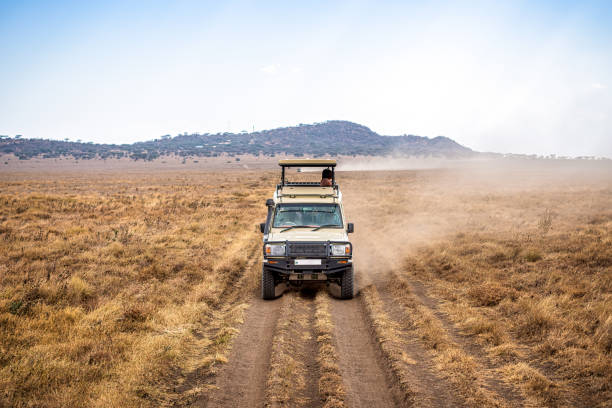

Best Time to Visit South Africa: Your Complete Planning Guide
South Africa, a land of incredible diversity, offers a compelling travel experience year-round. From the iconic wildlife of Kruger National Park to the dramatic coastline of the Garden Route and the vibrant culture of Cape Town, this country captivates every traveler. Deciding on the best time to visit South Africa is crucial for maximizing your enjoyment, whether you’re dreaming of a thrilling safari, a scenic road trip, or a relaxing beach holiday. This guide provides an in-depth look at seasonality, regional differences, and essential planning details to help you craft an unforgettable journey for 2026-2027.
Quick Answers: When is the Best Time to Visit South Africa?
The best time to visit South Africa largely depends on your priorities. For optimal wildlife viewing, particularly in the northern reserves like Kruger, the dry winter months (May to October) are ideal. For pleasant weather in Cape Town and along the Garden Route, the summer and shoulder seasons (October to April) are preferable. If you seek fewer crowds and lower prices, consider the shoulder months of April-May and September-October.
| Aspect | Details |
|---|---|
| Best Overall Time (Wildlife) | May – October (Dry Season) |
| Best Time (Cape Town & Garden Route) | October – April (Summer/Shoulder) |
| Shoulder Seasons (Fewer Crowds, Good Weather) | April-May & September-October |
| Peak Season (Hottest, Busiest) | December – February |
| Rainy Season (Northern Reserves) | November – March |
| Main Airports | OR Tambo (JNB), Cape Town (CPT), King Shaka (DUR) |
| Currency | South African Rand (ZAR) |
Understanding South Africa’s Diverse Climates
South Africa boasts a varied geography, leading to distinct climate zones. This means the best time to visit South Africa can differ significantly depending on whether you’re heading to the bushveld, the coast, or the wine regions. Understanding these regional variations is key to planning your itinerary.
The Bushveld: Kruger National Park and Surrounds
The prime safari destinations, including Kruger National Park and private reserves like Sabi Sands, have a subtropical climate characterized by distinct wet and dry seasons.
- Dry Season (May to October): This is widely considered the best time to visit South Africa for wildlife viewing. Temperatures are cooler and more pleasant, especially in the mornings and evenings. Crucially, vegetation thins out, and animals congregate around permanent water sources, making them easier to spot. You’ll experience sunny days with minimal rain. This period is also excellent for birdwatching as migratory birds have not yet arrived, and resident birds are more visible.
- Wet Season (November to April): This is summer in the bushveld. It’s hotter and more humid, with frequent afternoon thunderstorms. While the lush greenery can be beautiful, it can also make spotting wildlife more challenging. However, this season is ideal for birdwatchers as migratory species return, and it’s also the calving season for many antelope species, offering opportunities to see newborns. Prices might be lower during this period, and there are fewer visitors.
The Cape Region: Cape Town, Garden Route, and Winelands
The southwestern tip of South Africa experiences a Mediterranean climate, meaning its seasons are opposite to those in the bushveld.
- Summer (December to February): This is the peak tourist season for Cape Town and the Garden Route. Expect warm, dry, and sunny weather, perfect for exploring beaches, hiking, and enjoying outdoor activities. It’s also prime whale-watching season along the coast. However, this is also the busiest and most expensive time to visit.
- Autumn (March to May): This is a fantastic time to visit. The summer crowds dissipate, temperatures remain pleasant, and the autumn colors in the Winelands are spectacular. It’s still a great time for outdoor activities and wine tasting.
- Winter (June to August): This is Cape Town’s rainy season. While you can expect cooler temperatures and more rainfall, it’s not constant. Days can still be sunny and crisp, ideal for exploring museums, galleries, and enjoying cozy restaurants. It’s also the best time for seeing southern right whales, which migrate to the coast to breed and calve.
- Spring (September to November): The weather starts to warm up, and wildflowers bloom spectacularly, especially along the West Coast. It’s a beautiful time for sightseeing before the summer heat and crowds arrive. Whale watching continues into October.
The KwaZulu-Natal Coast: Durban and the Indian Ocean
This region has a subtropical to tropical climate with warm temperatures and humidity year-round, moderated by the Indian Ocean. It doesn’t have extreme temperature variations but does experience wet and dry periods.
- Dry Season (May to September): This period offers warm, sunny days with lower humidity and less rain, making it ideal for beach activities and exploring the Drakensberg Mountains. It’s a comfortable time for travel.
- Wet Season (October to April): This is the warmer, more humid period with higher rainfall, often in the form of heavy afternoon showers. The ocean is warmer, making it perfect for swimming and diving. This is also a good time for game viewing in reserves like Hluhluwe-iMfolozi, as animals are more dispersed.
Why the Best Time to Visit South Africa Matters
Choosing the right time for your trip can profoundly impact your experience. Factors like weather, wildlife visibility, crowds, and prices all fluctuate with the seasons. For instance, if your primary goal is to see the Big Five in Kruger, visiting during the dry season (May-October) will dramatically increase your chances. Conversely, if you dream of exploring Cape Town’s beaches and vineyards under sunny skies, summer (December-February) or the shoulder months of spring (September-November) and autumn (March-May) are superior.
For travelers looking to plan for 2026 or 2027, understanding these nuances allows for strategic booking. You can aim for periods that align with your interests while potentially avoiding peak season prices or crowds.
| Region/Activity | Best Time | Why |
|---|---|---|
| Kruger Safari (Big Five) | May – October | Dry season, less vegetation, animals gather at waterholes, pleasant temperatures. |
| Cape Town (City & Beaches) | October – April | Warm, sunny, dry weather, ideal for outdoor exploration. |
| Garden Route (Scenic Drive) | October – April | Pleasant temperatures, good for coastal drives and activities. |
| Winelands (Wine Tasting) | March – May (Autumn Colours) or September – November (Spring Bloom) | Spectacular scenery, harvest season (March-May), pleasant weather. |
| Whale Watching (Hermanus) | June – November | Southern Right Whales migrate to the coast. Peak is August-October. |
| Drakensberg Mountains (Hiking) | April – May (Autumn) or September – October (Spring) | Clear skies, moderate temperatures, beautiful scenery. Winter can be cold. |
| KwaZulu-Natal Coast (Beaches) | May – September | Warm days, lower humidity, less rain, pleasant for beach activities. |
| Birdwatching (General) | November – March (Wet Season in Bushveld) | Migratory birds arrive, breeding plumage. |
| Budget Travel / Fewer Crowds | April-May & September-October | Shoulder seasons offer good weather and lower prices/crowds. |
Seasonal Highlights & What to Expect
Each season brings its unique charm and specific experiences. Knowing these can help you pinpoint the best time to visit South Africa for your interests.
Spring (September – November): Nature Awakens
- Wildlife: In the northern reserves, the end of the dry season means animals are still concentrated around water. As the first rains arrive in late November, the landscape begins to green, and the calving season starts for many antelope species. Baby animals are a common sight.
- Cape Region: Wildflowers bloom in spectacular fashion, particularly along the West Coast and in Namaqualand. Temperatures become warmer, perfect for exploring the Cape Peninsula and the Winelands. Whale watching is still excellent in September and October.
- Weather: Generally pleasant across the country, with warmer days and cooler nights. Rain is infrequent in most areas, except for the very start of the summer wet season in the north.
- Crowds & Costs: Shoulder season, so fewer crowds than summer, and prices may be slightly lower.
Summer (December – February): Sunshine and Activity
- Wildlife: This is the wet season in Kruger, meaning lush vegetation and scattered wildlife. Afternoon thunderstorms are common. It’s a good time for birding and seeing young animals.
- Cape Region: This is peak season. Expect hot, dry, and sunny weather ideal for beaches, water sports, and exploring Cape Town. The Garden Route is also at its best for outdoor activities.
- Weather: Hot across most of the country, especially inland. The Cape experiences its best weather. KwaZulu-Natal is warm and humid.
- Crowds & Costs: Peak tourist season, especially around Christmas and New Year. Expect the highest prices and largest crowds. Booking well in advance for 2026-2027 is highly recommended.
Autumn (March – May): Golden Hues and Mild Temperatures
- Wildlife: The end of the wet season means the landscape is still green. As the dry season approaches, animals begin to gather more around water sources. Temperatures start to cool, making for comfortable game drives.
- Cape Region: This is a beautiful time. The summer heat subsides, the light is golden, and the Winelands display stunning autumn colors. It’s excellent for wine tasting and exploring the coast.
- Weather: Generally mild and pleasant across much of the country. The Cape experiences beautiful, crisp days. The bushveld starts to dry out.
- Crowds & Costs: Shoulder season. Crowds thin out significantly after Easter, and prices can drop. This is an excellent period for value and a more relaxed experience.
Winter (June – August): Prime Safari and Crisp Coasts
- Wildlife: This is the peak dry season for Kruger and other northern reserves. Vegetation is sparse, water is scarce, and animals are easily spotted as they frequent waterholes. It’s arguably the best time to visit South Africa for pure safari enthusiasts. Nights and early mornings can be cold, requiring warm clothing.
- Cape Region: This is winter, bringing cooler temperatures and the highest chance of rain. However, it’s also the prime whale-watching season, with Southern Right Whales frequenting the bays. Days can still be bright and clear, perfect for exploring the city’s cultural attractions.
- Weather: Cold in the interior and the Cape, especially at night. The north is generally dry and sunny with cooler daytime temperatures. KwaZulu-Natal remains mild.
- Crowds & Costs: Generally lower tourist numbers outside of school holidays (late June/early July). Prices can be more affordable, especially in the Cape. Safari lodges often have good deals.
Planning Your South Africa Itinerary: Regional Focus
When planning your trip, consider how you want to combine different regions and what activities are most important to you. This will directly influence the best time to visit South Africa for your specific itinerary.
Safari Focus (Kruger & Beyond)
If your primary goal is a safari, aim for the dry season: May to October. This period offers the highest chances of exceptional wildlife sightings. Consider visiting private reserves adjacent to Kruger (like Sabi Sands, Timbavati) for an enhanced experience with off-road driving and walking safaris. For 2026-2027 planning, book safaris and lodges well in advance, especially for the popular dry months.
Cape Town & Garden Route Adventure
For exploring the stunning coastlines, vineyards, and the city of Cape Town, the summer and shoulder seasons are best: October to April. Summer (Dec-Feb) offers the warmest, driest weather but is also the busiest. Autumn (Mar-May) and Spring (Sep-Nov) provide a wonderful balance of good weather, fewer crowds, and beautiful scenery. Whale watching is a major draw from June to November.
Combining Safari and Cape Town
This is a very popular combination. The ideal time to do this is during the shoulder seasons: September-October or April-May. In September-October, you get the tail end of the dry safari season and the beginning of pleasant weather in the Cape with spring blooms and whale watching. In April-May, you catch the end of the Cape’s pleasant autumn and the beginning of the dry, cooler safari season. This combination offers a good overview of South Africa’s diverse offerings.
Drakensberg Hiking and KwaZulu-Natal
For hiking in the Drakensberg Mountains, the dry winter months (May to August) offer clear skies and stable weather, though it can be very cold. Spring and autumn (September-October and April-May) are also excellent, with milder temperatures and beautiful scenery. For coastal KwaZulu-Natal, the dry winter (May-September) offers the most comfortable beach weather.
South Africa Key Travel Regions Overview
A simplified geographical overview to help understand climate influences:
North-East (Bushveld): Kruger, Limpopo, Mpumalanga – Subtropical, distinct wet/dry seasons. Best for safari May-Oct.
South-West (Cape): Cape Town, Winelands, Garden Route – Mediterranean climate, opposite seasons to the north. Best for city/coast Oct-Apr.
East Coast (Subtropical): KwaZulu-Natal, Durban – Warm year-round, humid wet season, pleasant dry season. Good for beaches May-Sep.
Sample Itinerary Logic: Tailoring to the Best Time
Here’s how you might structure a trip based on the best time to visit South Africa for different interests. These are conceptual outlines and can be customized.
Sample 1: The Ultimate Safari (10 Days) – Targeting Dry Season (e.g., August 2026)
Days 1-2: Arrival in Johannesburg & Transfer to Safari Lodge
- Arrive at O.R. Tambo International Airport (JNB).
- Transfer to a lodge in a private game reserve bordering Kruger (e.g., Sabi Sands, Timbavati). This often involves a short internal flight or a road transfer.
- Settle in, evening game drive.
Days 3-7: Full Safari Experience
- Morning and afternoon/evening game drives in open 4×4 vehicles.
- Opportunities for guided bush walks.
- Focus on tracking the Big Five and other diverse wildlife.
- Enjoy lodge amenities and sundowners in the bush.
Days 8-9: Kruger National Park (Self-Drive or Guided)
- Transfer to a rest camp within Kruger National Park for a different safari perspective.
- Self-drive or guided drives along the main roads, stopping at waterholes and viewpoints.
- Explore different sections of the park.
Day 10: Departure
- Final morning game drive or activity.
- Transfer back to Johannesburg for your international flight.
Sample 2: Cape Town & Garden Route Discovery (14 Days) – Targeting Shoulder Season (e.g., October 2026)
Days 1-4: Cape Town Exploration
- Arrive at Cape Town International Airport (CPT).
- Explore the V&A Waterfront, Table Mountain (weather permitting), Robben Island, Bo-Kaap.
- Day trip to Cape Point and the Cape Peninsula, visiting Boulders Beach penguins.
- Explore Kirstenbosch Botanical Gardens.
- Wine tasting in Stellenbosch or Franschhoek.
Days 5-7: West Coast & Overberg
- Drive towards the West Coast for spring wildflowers (if early Oct) or head east towards the Overberg region.
- Whale watching in Hermanus (peak season).
- Explore coastal towns like Gansbaai for shark cage diving (optional).
Days 8-12: Garden Route Road Trip
- Begin the scenic Garden Route drive.
- Stop in towns like Mossel Bay, Wilderness, Knysna.
- Activities: Tsitsikamma National Park (hiking, canopy tours), Oudtshoorn (ostrich farms, Cango Caves), Plettenberg Bay (beaches, marine life).
Days 13-14: Return & Departure
- Drive back towards Cape Town, perhaps stopping in Swellendam.
- Final night in Cape Town.
- Depart from CPT.
Sample 3: The Best of Both Worlds (14 Days) – Targeting Shoulder Season (e.g., May 2027)
Days 1-5: Safari in the Bushveld
- Arrive JNB, transfer to a private reserve near Kruger.
- Enjoy morning and afternoon game drives during the start of the dry season.
- Experience the cooler, clearer air and thinning vegetation.
Day 6: Travel to Cape Town
- Fly from a local airstrip (e.g., Hoedspruit, Kruger Mpumalanga) or drive back to JNB for a flight to Cape Town (CPT).
- Check into your Cape Town accommodation.
Days 7-10: Cape Town Highlights
- Explore the city, Table Mountain, Robben Island.
- Day trip to the Cape Peninsula and Cape Point.
- Visit the Cape Winelands for wine tasting amidst autumn colors.
Days 11-13: Garden Route Exploration
- Drive along the Garden Route, stopping at key attractions like Knysna and Tsitsikamma.
- Enjoy coastal scenery and light outdoor activities.
Day 14: Departure
- Drive back to Cape Town for your international departure.
What to Pack: Seasonally and Regionally
Packing appropriately is essential for comfort and enjoyment. The best time to visit South Africa will dictate your wardrobe needs.
General Packing Essentials (Year-Round)
- Lightweight, neutral-colored clothing for safaris (avoid bright colors and white).
- Comfortable walking shoes.
- Sunscreen, hat, and sunglasses.
- Insect repellent.
- Basic first-aid kit.
- Camera and binoculars.
- Adapter for South African outlets (Type M).
- Swimsuit (even for cooler months, for heated pools).
- Personal medications.
Seasonal Adjustments
- Dry Season (May – Oct – Safari Focus): Pack warm layers for cold mornings/evenings (fleece, jacket, hat, gloves). Daytime temperatures can be pleasant, so light clothing is still needed.
- Wet Season (Nov – Apr – Safari Focus): Lightweight, breathable clothing. A light waterproof jacket or poncho is advisable for afternoon showers. Humidity can be high.
- Cape Summer (Dec – Feb): Light summer clothing, swimwear, sandals. Sun protection is paramount.
- Cape Winter (Jun – Aug): Waterproof jacket, umbrella, warmer layers (sweaters, trousers), closed shoes. Days can be mild enough for light jackets.
Common Mistakes to Avoid When Planning
To ensure your trip is as smooth as possible, be aware of these common pitfalls when planning your visit, regardless of the best time to visit South Africa for you.
- Ignoring Regional Climates: Assuming the weather is the same everywhere. Packing summer clothes for Kruger in July or winter gear for Cape Town in January is a mistake.
- Underestimating Travel Times: South Africa is vast. Distances between major attractions can be significant, and road travel can be slow. Factor in sufficient travel time, especially if combining regions.
- Not Booking in Advance: Especially for peak seasons (Dec-Feb) and popular safari lodges, booking accommodation, flights, and popular tours months, if not a year, ahead is essential for 2026-2027.
- Over-scheduling: Trying to cram too much into a short trip. South Africa rewards a more relaxed pace. Allow time for spontaneous moments and relaxation.
- Ignoring Safety Advice: While generally safe for tourists who take sensible precautions, it’s important to be aware of your surroundings, especially in urban areas. Avoid displaying valuables and walking alone at night in unfamiliar places.
- Not Considering Internal Flights: For longer distances (e.g., Kruger to Cape Town), flying is often more time-efficient than driving. Factor these into your budget and schedule.
- Focusing Only on the Big Five: South Africa offers incredible biodiversity beyond the Big Five. Keep an open mind to smaller creatures, diverse birdlife, and unique flora.
Who is South Africa Best For?
South Africa is a destination that appeals to a wide range of travelers. The best time to visit South Africa can be tailored to suit different interests:
- Adventure Seekers: Bungee jumping, shark cage diving, hiking, surfing, kayaking.
- Wildlife Enthusiasts: Safari-goers looking for the Big Five and diverse ecosystems.
- Nature Lovers: Hikers, birdwatchers, those appreciating stunning landscapes from mountains to coastlines.
- Culture & History Buffs: Exploring vibrant cities, museums, historical sites, and diverse cultural heritage.
- Food & Wine Aficionados: Renowned culinary scene and world-class wine regions.
- Families: Many lodges and activities are family-friendly, offering educational and exciting experiences.
- Honeymooners & Couples: Romantic lodges, beautiful scenery, and luxurious experiences.
Alternatives to Consider
While South Africa is a fantastic destination, other African countries offer similar experiences, each with its unique advantages. If your travel dates don’t align perfectly with the best time to visit South Africa, or if you’re looking for a different flavor of Africa:
- Tanzania: Famous for the Serengeti’s Great Migration, Ngorongoro Crater, and Mount Kilimanjaro. The best time for the migration varies by month and location within the Serengeti, but generally, June-October and January-February are excellent for wildlife.
- Botswana: Known for its exclusive, high-end safaris in the Okavango Delta and Chobe National Park. The dry season (May-October) is prime for game viewing.
- Kenya: Home to the Maasai Mara, another prime location for the Great Migration (July-October). Offers classic safari experiences.
- Namibia: Offers dramatic desert landscapes, unique wildlife adapted to arid conditions (Etosha National Park), and stunning coastal scenery. The dry season (May-October) is best for wildlife viewing in Etosha.
These destinations might have different peak seasons and offer distinct experiences. For example, if you’re seeking the Great Migration, Tanzania or Kenya might be more aligned with specific months than South Africa.
Planning for 2026-2027: Key Considerations
Planning your trip for 2026 or 2027 requires foresight, especially if you’re aiming for the best time to visit South Africa during popular periods. Here’s a breakdown:
2026-2027 Planning Checklist
- Define Your Priorities: Safari? City? Beaches? Wine? A mix? This determines your ideal season.
- Select Your Travel Dates: Based on priorities and climate research. For 2026-2027, start researching availability now for peak seasons.
- Budget Allocation: South Africa can cater to various budgets, but factor in flights, accommodation, activities, internal travel, and daily expenses. Peak seasons are more expensive.
- Research Regions: Decide which areas you want to visit. Consider travel times between them.
- Book Flights: International flights are usually best booked 6-9 months in advance for better prices.
- Book Accommodation & Safaris: For popular lodges and prime safari times (dry season), book 9-12 months ahead for 2026-2027. Cape Town accommodation during summer also requires early booking.
- Internal Travel: Plan and book any necessary internal flights or car rentals.
- Visas & Passports: Check passport validity (at least 6 months beyond your stay) and visa requirements for your nationality well in advance.
- Vaccinations & Health: Consult your doctor or a travel clinic regarding recommended vaccinations and malaria precautions (especially for Kruger and surrounding areas).
- Travel Insurance: Essential for covering unforeseen circumstances.
- Itinerary Finalization: Work with a tour operator to fine-tune your daily schedule.
Booking Your South Africa Adventure
Choosing the right tour operator can make all the difference in crafting your ideal trip. When booking for 2026-2027, look for operators who:
- Have in-depth knowledge of South Africa’s diverse regions and seasonality.
- Can tailor itineraries to your specific interests and budget.
- Provide clear information on what is included and excluded in their packages.
- Offer excellent customer service and support throughout the planning process and your trip.
- Are transparent about pricing and booking terms.
For a personalized South African experience, consider working with experts who understand the nuances of this incredible country. Whether you’re aiming for the prime safari season or the best time for coastal exploration, expert guidance ensures you make the most of your journey.
We specialize in creating unforgettable African adventures, including safaris, Kilimanjaro treks, and Zanzibar holidays. If you’re planning your best time to visit South Africa or any other East African destination for 2026-2027, we can help you craft the perfect itinerary.
Ready to Plan Your Dream Trip?
Contact us today to discuss your travel plans and discover how we can help you experience the magic of South Africa or other incredible African destinations.
WhatsApp: +255616946642
Email: topguideadventures@gmail.com
Backup Email: info@topguideadventures.com
Frequently Asked Questions (FAQs)
Q1: When is the absolute best time for wildlife viewing in Kruger National Park?
The absolute best time for wildlife viewing in Kruger National Park is during the dry winter months, from May to October. During this period, vegetation is sparser, and animals tend to congregate around permanent water sources, making them easier to spot. The weather is also more pleasant, with cooler temperatures.
Q2: Is it safe to visit South Africa?
South Africa is generally safe for tourists who take sensible precautions. Like any country, it has areas with higher crime rates, but major tourist destinations and popular routes are well-trafficked and monitored. It’s advisable to be aware of your surroundings, avoid displaying expensive valuables, and not walk alone at night in unfamiliar areas. Using reputable tour operators and guided tours significantly enhances safety.
Q3: What is the best time to visit Cape Town?
The best time to visit Cape Town is during its summer and shoulder seasons, from October to April. This period offers warm, dry, and sunny weather ideal for exploring the city, its beaches, and the surrounding Winelands. The peak summer months (December-February) are the warmest but also the busiest and most expensive.
Q4: Should I worry about malaria when visiting South Africa?
Malaria is a risk in certain parts of South Africa, primarily in the Kruger National Park and surrounding lowveld areas, especially during the warmer, wetter months (November to April). Cape Town, the Garden Route, and the Winelands are considered malaria-free. If you plan to visit the Kruger region during the risk period, consult your doctor about malaria prophylaxis and take precautions against mosquito bites.
Q5: What are the shoulder seasons in South Africa and why are they good?
The shoulder seasons in South Africa are typically April-May (autumn) and September-October (spring). These periods are excellent for visiting because they offer a great balance: the weather is generally pleasant across most regions, crowds are smaller than in peak summer or winter safari seasons, and prices for accommodation and flights can be more affordable. It’s often considered the best time to visit South Africa for a combination of good weather and value.
Q6: Can I visit South Africa in December or January?
Yes, you can visit South Africa in December and January. This is the peak summer season, especially in the Cape region, offering hot, sunny weather perfect for beaches and outdoor activities. However, it’s also the busiest and most expensive time, particularly around the Christmas and New Year holidays. In the Kruger area, it’s the wet season, which means lush landscapes but potentially more challenging wildlife viewing due to scattered animals and rain.
Q7: How much should I budget for a trip to South Africa in 2026-2027?
Budgeting for South Africa varies significantly based on your travel style, the length of your stay, and the regions you visit. A mid-range trip might cost approximately $150-$250 USD per person per day, excluding international flights. This includes accommodation, activities, food, and local transport. Luxury travel can easily double or triple this, while budget travel might be possible for under $100 USD per day. It’s best to get personalized quotes for 2026-2027 travel.
Q8: What is the best time to see whales in South Africa?
The best time to see Southern Right Whales in South Africa is generally from June to November, with the peak season being August to October. The prime location for whale watching is Hermanus, along the Western Cape coast, which is renowned for having one of the best land-based whale-watching experiences in the world.
Q9: Do I need a visa to visit South Africa?
Visa requirements for South Africa depend on your nationality. Many nationalities can enter visa-free for short stays (typically up to 90 days). However, it is crucial to check the latest visa regulations with the South African Department of Home Affairs or your local embassy well in advance of your planned travel for 2026-2027, as rules can change.
Q10: Is it better to do a self-drive safari or a guided safari in Kruger?
Both self-drive and guided safaris in Kruger offer distinct advantages. A self-drive safari offers flexibility and can be more budget-friendly, allowing you to explore at your own pace. Guided safaris, especially in private reserves or with specialized guides in Kruger, often provide deeper insights, access to off-road areas, and a higher chance of spotting elusive wildlife due to the guides’ expertise. For first-time visitors or those prioritizing maximizing sightings, a guided safari is often recommended.
Plan Your Perfect South African Adventure for 2026-2027!
Understanding the best time to visit South Africa is the first step to an incredible journey. Whether you’re drawn to the wildlife spectacles of the dry season or the coastal beauty of the warmer months, we can help you create a personalized itinerary that fits your dreams and budget.
Get in touch with our travel experts to start planning your unforgettable trip:
WhatsApp: +255616946642
Email: topguideadventures@gmail.com
Backup Email: info@topguideadventures.com
Plan your best time to visit South Africa with Top Guide Adventures
Tell us your travel dates, group size, comfort level, and dream experience. We will help you shape a clear, realistic, and memorable Tanzania itinerary.







 Veedesigner
 Fatma Kizanga
 Benjamin Waryuba
 Philip Philip
 John jr Itaja
 Antonia Optatus
 Edith Kanyere
 Neema Iddy
 Kelvin Boniphace
 Damari Maiga



