
Updated planning guide for 2026, 2027-2028
Best Zanzibar Holiday Planner — Top Guide Adventures: Complete Travel
Your comprehensive guide to planning an unforgettable Zanzibar holiday. Top Guide Adventures provides expert insights on choosing the best beaches, activities, accommodations, and creating a personalized itinerary for your 2026-2027 trip.
WhatsApp +255616946642 | topguideadventures@gmail.com | info@topguideadventures.com


Choosing Your Zanzibar Paradise: Beach Area Guide
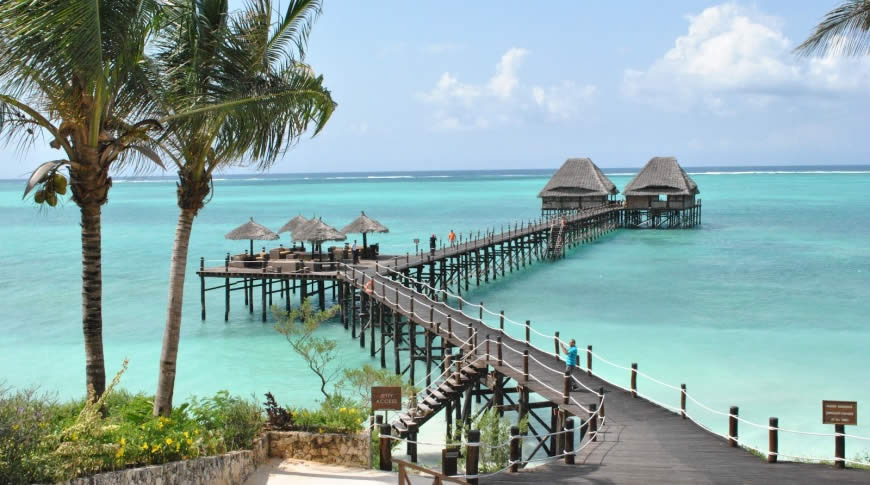
Zanzibar, the “Spice Island,” is synonymous with pristine white-sand beaches, turquoise waters, and swaying palm trees. But not all beaches are created equal, and choosing the right one is crucial for your ideal holiday. Each area offers a distinct vibe, from tranquil retreats perfect for couples to lively spots ideal for families and adventurers. Understanding the nuances of each coastline will help you tailor your Zanzibar holiday planner to your specific desires for 2026 and 2027.
The island’s geography means the east coast experiences strong tides, which can dramatically change the beach landscape throughout the day. While this creates stunning sandbanks at low tide and vibrant marine life for snorkeling at high tide, it might not suit those looking for constant swimming access. The north and west coasts generally offer more consistent swimming conditions.
North Coast: Nungwi and Kendwa
Often topping lists for the best beaches, Nungwi and Kendwa in the north offer powdery white sands and incredibly clear, calm waters. These areas are less affected by tides, making them excellent for swimming and water sports at any time of day. Nungwi is known for its vibrant atmosphere, with a good selection of restaurants, bars, and water sports centers. Kendwa, just a short distance south, offers a slightly more relaxed feel while still providing beautiful beaches and stunning sunset views.
- Best for: Swimming, snorkeling, water sports, vibrant nightlife, sunset lovers.
- Tide Impact: Minimal tide fluctuation, ideal for constant beach access.
- Atmosphere: Lively in Nungwi, more relaxed in Kendwa.
East Coast: Matemwe, Paje, and Jambiani
The east coast is famous for its breathtaking Indian Ocean views and traditional Zanzibari villages. Matemwe, in the northeast, is a quieter option, known for its beautiful, uncrowded beaches and proximity to Mnemba Atoll, a prime spot for diving and snorkeling. Paje, further south, has become a global hub for kitesurfing due to its consistent winds and shallow, flat waters. Jambiani, a traditional fishing village, offers a more authentic cultural experience alongside its picturesque coastline.
- Best for: Kitesurfing (Paje), snorkeling/diving (Matemwe), cultural immersion (Jambiani), stunning sunrises.
- Tide Impact: Significant tidal movements; best for exploring sandbanks at low tide and swimming/snorkeling at high tide.
- Atmosphere: Varies from laid-back (Matemwe) to energetic (Paje) to authentic village life (Jambiani).
West Coast: Stone Town and Beyond
While Stone Town itself is a UNESCO World Heritage site and not a beach destination, the western coastline south of the capital offers different experiences. Areas like Fumba offer a more secluded, authentic feel, often used as a base for exploring the Menai Bay Conservation Area. Further south, Kizimkazi is known for dolphin tours.
- Best for: Cultural tours, dolphin watching (Kizimkazi), secluded stays (Fumba).
- Tide Impact: Varies; generally less extreme than the east coast.
- Atmosphere: Historical and bustling in Stone Town, tranquil and remote in Fumba.
When planning your Zanzibar holiday for 2026 or 2027, consider how much time you want to spend swimming versus exploring. If constant swimming is a priority, focus on the north. If you’re drawn to kitesurfing or a more traditional vibe with dramatic tides, the east coast is appealing. For a blend of culture and nature, the west coast offers unique opportunities.
Stone Town: A Journey Through History and Culture
No Zanzibar holiday planner is complete without dedicating time to Stone Town, the island’s historic heart and a UNESCO World Heritage site. This ancient city is a captivating labyrinth of narrow alleyways, bustling bazaars, intricately carved wooden doors, and coral stone buildings that tell tales of Omani sultans, Arab traders, Indian merchants, and European explorers. It’s a place where history whispers from every corner, offering a stark yet fascinating contrast to the island’s serene beaches.
Exploring the Historic Core
Wandering through Stone Town is an adventure in itself. Getting lost is part of the experience, leading you to hidden courtyards, local markets, and charming cafes. Key sights include:
- House of Wonders (Beit-al-Ajaib): Once the largest and grandest building in Stone Town, it served as a ceremonial palace for the Sultan. Though undergoing restoration, its imposing facade is a landmark.
- Old Fort (Ngome Kongwe): Adjacent to the House of Wonders, this is the oldest building in Stone Town, dating back to the 17th century. It now hosts a cultural center, shops, and an amphitheater that sometimes hosts performances.
- Sultan’s Palace Museum (Beit-el-Sahel): This museum offers a glimpse into the lives of Zanzibari sultans, displaying furniture, clothing, and artifacts.
- Forodhani Gardens: By day, a pleasant park; by night, it transforms into a vibrant open-air food market. This is a must-visit to sample local delicacies like Zanzibar pizza, grilled seafood, and fresh sugarcane juice.
- Anglican Cathedral and Slave Market Memorial: A poignant reminder of Zanzibar’s history as a major slave trading center. The site now houses a museum and memorial.
- Darajani Market: A bustling local market where you can experience the daily life of Zanzibaris, from fresh produce and spices to textiles and local crafts.
The Art of the Carved Door
One of the most distinctive features of Stone Town are its magnificent wooden doors. Intricately carved, these doors are more than just entrances; they are status symbols and artistic expressions. Look for designs incorporating:
- Koranic verses: Often found on doors of Muslim households.
- Vine and floral motifs: Symbolizing prosperity and life.
- Rosettes and geometric patterns: Common in Indian-influenced designs.
- A central brass knob or a large, studded boss: Historically, these indicated the owner’s wealth and status, with the studs meant to deter elephants in India, though not relevant in Zanzibar.
Getting Around Stone Town
Stone Town is best explored on foot. Hiring a local guide for a few hours can significantly enhance your understanding of its complex history and hidden gems. They can point out architectural details, explain cultural nuances, and navigate you through the maze-like streets safely.
Allocate at least one full day, ideally two, to immerse yourself in Stone Town’s atmosphere. It’s a place that rewards slow exploration and curiosity, making it a vital component of any comprehensive Zanzibar holiday planner.
Zanzibar Activities and Adventures: Beyond the Beach
While Zanzibar’s beaches are legendary, the island offers a wealth of activities and adventures that cater to diverse interests. Integrating these into your Zanzibar holiday planner will ensure a dynamic and memorable experience, moving beyond simple relaxation to true exploration.
Spice Tours: A Sensory Journey
Zanzibar is historically known as the “Spice Island,” and a spice tour is an essential experience. You’ll visit a local farm where guides identify and explain the uses of various spices, herbs, and tropical fruits. It’s a fascinating journey for the senses, often including tasting fresh produce and learning about traditional medicine. Many tours also incorporate a visit to a local village or a traditional lunch.
- What to expect: Seeing, smelling, and tasting spices like cloves, nutmeg, cinnamon, vanilla, and cardamom.
- Educational aspect: Learning about their cultivation, historical significance, and medicinal properties.
- Tip: Some tours offer opportunities to buy fresh spices directly from the farm.
Jozani Forest Reserve: Home of the Red Colobus Monkey
Located in the south of the island, Jozani Forest is Zanzibar’s only national park and a crucial habitat for the endemic Zanzibar red colobus monkey. These playful primates are found nowhere else in the world. The reserve also features a beautiful mangrove boardwalk, offering a chance to explore the unique coastal ecosystem.
- Key attraction: Spotting the endangered red colobus monkeys in their natural environment.
- Other features: Mangrove boardwalk, diverse plant life, other wildlife like bush babies.
- Logistics: Easily accessible as a half-day trip from many beach resorts.
Snorkeling and Diving: Underwater Wonders
The waters surrounding Zanzibar teem with marine life, making it a fantastic destination for snorkeling and diving. The most renowned spot is Mnemba Atoll, a private marine conservation area off the northeast coast. Here, you can expect to see vibrant coral reefs, a kaleidoscope of tropical fish, dolphins, and sometimes even whalesharks (seasonally).
- Mnemba Atoll: Offers crystal-clear waters and abundant marine biodiversity. Boat trips typically include snorkeling gear, lunch, and drinks.
- Other spots: Chumbe Island Coral Park offers excellent, well-managed snorkeling and diving opportunities.
- Best time: Generally during the dry seasons when visibility is highest.
Dolphin Tours: Encounters in the Wild
Kizimkazi, on the southern tip of the island, is famous for its dolphin tours. While the opportunity to swim with dolphins is a major draw, it’s important to choose ethical operators who prioritize the dolphins’ well-being. Responsible tours maintain a respectful distance and avoid chasing or disturbing the pods.
- Location: Kizimkazi, southern Zanzibar.
- Ethical considerations: Research operators to ensure they follow responsible tourism practices.
- Alternative: Sometimes dolphins can be spotted on boat trips to Mnemba Atoll.
Sunset Dhow Cruises
Experience the magic of a traditional wooden dhow sailing across the Indian Ocean as the sun dips below the horizon. These cruises often depart from Stone Town or various beach locations and offer a romantic and picturesque way to end the day, usually accompanied by drinks and light snacks.
- What to expect: Relaxing sail, stunning sunset views, often includes drinks and appetizers.
- Departure points: Stone Town, Nungwi, Kendwa, and other coastal areas.
Integrating these diverse activities into your Zanzibar holiday planner will create a rich and engaging journey, showcasing the island’s multifaceted beauty and charm for your 2026-2027 travels.
Crafting Your Zanzibar Itinerary
Designing a Zanzibar itinerary requires balancing relaxation with exploration, ensuring you experience the best the island has to offer without feeling rushed. Whether you have a week or two, a well-structured plan is key. Here are sample itinerary ideas that can be customized for your Zanzibar holiday in 2026 or 2027.
Sample Itinerary 1: The Classic Zanzibar Experience (7 Days)
This itinerary focuses on the highlights, perfect for a first-time visitor.
Day 1-3: Stone Town Immersion
Arrive at Zanzibar Airport (ZNZ), transfer to your hotel in Stone Town. Spend these days exploring the historic alleys, markets, and cultural sites. Visit the House of Wonders, Old Fort, and Slave Market Memorial. Enjoy the bustling atmosphere of Forodhani Gardens at night.
Day 3: Spice Tour & Transfer to Beach
After breakfast, take a guided spice tour to learn about the island’s aromatic heritage. In the afternoon, transfer to your chosen beach destination on the north or east coast (e.g., Nungwi, Paje).
Day 4-6: Beach Relaxation & Activities
Enjoy your chosen beach. Options include swimming, sunbathing, water sports (kitesurfing in Paje, diving/snorkeling), or simply relaxing. Consider a sunset dhow cruise from your resort area.
Day 7: Departure
Enjoy a final morning by the sea before transferring to Zanzibar Airport for your departure.
Sample Itinerary 2: The Explorer’s Zanzibar (10 Days)
For those who want a deeper dive into Zanzibar’s culture and nature.
Day 1-3: Stone Town Exploration
Arrive in Stone Town, explore its historical depth, markets, and culinary scene. Consider a guided history walk and a visit to a local art gallery.
Day 4: Spice Tour & Jozani Forest
Morning spice tour, followed by an afternoon visit to Jozani Forest Reserve to see the red colobus monkeys and mangrove boardwalk.
Day 5-7: Northern Beaches (Nungwi/Kendwa)
Transfer to the northern coast for pristine beaches and excellent swimming conditions. Enjoy water sports, relax, and witness spectacular sunsets. Consider a day trip for snorkeling at Mnemba Atoll.
Day 8-9: Eastern Coast Charm (Paje/Jambiani)
Move to the east coast. If you’re adventurous, try kitesurfing in Paje. If you seek cultural immersion, enjoy the village life in Jambiani. Experience the dramatic tides and explore sandbanks.
Day 10: Departure
Transfer back to Zanzibar Airport (ZNZ) for your flight home.
Sample Itinerary 3: The Romantic Zanzibar Honeymoon (10 Days)
Focuses on relaxation, beautiful scenery, and romantic experiences.
Day 1-2: Stone Town Charm
Arrive in Stone Town, stay in a boutique hotel. Enjoy a guided tour, a romantic dinner, and explore the unique atmosphere.
Day 3-6: Serene Northern Beach (e.g., Kendwa/Nungwi)
Transfer to a tranquil resort in the north. Focus on relaxation, couples’ spa treatments, swimming in calm waters, and enjoying stunning sunsets. A private sunset dhow cruise is a must.
Day 7-9: Exclusive East Coast Escape (e.g., Matemwe)
Move to a more secluded resort on the east coast. Enjoy private beach time, snorkeling trips to Mnemba Atoll, and perhaps a private cooking class featuring local spices. Enjoy romantic dinners on the beach.
Day 10: Departure
Leisurely breakfast and transfer to Zanzibar Airport.
When planning your itinerary for 2026 or 2027, consider travel times between locations. Transfers can take 1-2 hours depending on the distance and road conditions. Top Guide Adventures can help arrange seamless transfers and tailor these sample itineraries to your specific interests and pace.
Zanzibar Holiday Planning Essentials: What You Need to Know
Successful Zanzibar holiday planning involves understanding practicalities that can significantly impact your trip. From visa requirements and currency to health precautions and packing, being prepared ensures a smoother and more enjoyable experience for your 2026-2027 travels.
Visas and Entry Requirements
Most nationalities require a visa to enter Tanzania, which includes Zanzibar. Visas can often be obtained upon arrival at Zanzibar International Airport (ZNZ) or in advance online through the Tanzanian immigration website. Always check the latest requirements with your local Tanzanian embassy or consulate well before your travel dates.
Currency and Payments
The official currency is the Tanzanian Shilling (TZS). However, US Dollars are widely accepted, especially in tourist areas, hotels, and for larger purchases. It’s advisable to carry a mix of both. ATMs are available in Stone Town and larger towns, but can be unreliable. Credit cards are accepted in most hotels and larger restaurants, but often with a surcharge. Smaller establishments and local markets will require cash.
Health and Vaccinations
Consult your doctor or a travel clinic at least 4-6 weeks before your trip regarding recommended vaccinations and malaria precautions. Malaria is present in Zanzibar, and prophylactic medication is often advised. Mosquito repellent is essential, especially during dawn and dusk. Drink bottled or purified water only. Travel insurance is highly recommended to cover medical emergencies and other unforeseen events.
What to Pack
Zanzibar has a tropical climate, so light, breathable clothing is key. Consider the following:
- Lightweight clothing: Cotton or linen shirts, t-shirts, shorts, skirts, and dresses.
- Swimwear: Essential for beach and pool time.
- Modest clothing: When visiting Stone Town or local villages, it’s respectful to cover shoulders and knees. A light scarf is versatile.
- Sun protection: High SPF sunscreen, wide-brimmed hat, sunglasses.
- Footwear: Sandals, flip-flops for the beach; comfortable walking shoes for Stone Town.
- Insect repellent: Containing DEET or picaridin.
- Basic first-aid kit: Including any personal medications.
- Adapter: Tanzania uses Type D and Type G sockets (230V).
Connectivity and Communication
Wi-Fi is available in most hotels and many cafes, though speeds can vary. Purchasing a local SIM card upon arrival is a cost-effective way to stay connected for calls and data. Top Guide Adventures can assist with local SIM recommendations if needed.
Respecting Local Culture
Zanzibar is a predominantly Muslim island. While tourist areas are generally relaxed, dressing modestly when away from the beach or resorts is appreciated. Be mindful of local customs, such as avoiding public displays of affection and asking permission before photographing people.
Thorough preparation for these essential elements will ensure your Zanzibar holiday planner translates into a truly stress-free and rewarding journey for 2026-2027.
Seasonal Guide to Zanzibar: When to Visit for Your Best Holiday
Understanding Zanzibar’s climate and seasonal patterns is vital for planning the best possible holiday. The island experiences two main rainy seasons and two dry seasons, influencing everything from beach conditions to wildlife viewing and prices. For your 2026-2027 Zanzibar holiday planner, consider these periods:
The Long Dry Season (June to October)
This is widely considered the prime time to visit Zanzibar. The weather is typically sunny, dry, and pleasant, with lower humidity and cooler temperatures compared to other times of the year. Skies are often clear, making it ideal for beach activities, water sports, and exploring Stone Town.
- Pros: Excellent beach weather, ideal for swimming and sunbathing, low humidity, great visibility for snorkeling and diving.
- Cons: Peak tourist season, meaning higher prices for accommodation and flights, and potentially more crowded beaches.
The Short Rains (November to December)
This period can see brief, localized showers, often in the afternoon or evening. The rain is usually not continuous, and there are still plenty of sunny hours. The landscape becomes greener, and tourist numbers are lower than in the peak season.
- Pros: Fewer crowds, potentially lower prices, lush scenery.
- Cons: Possibility of short, unpredictable rain showers.
The Long Rains (March to May)
This is Zanzibar’s wettest season, characterized by heavy, persistent rainfall, often accompanied by high humidity and strong winds. This period is generally not recommended for a typical beach holiday, as many resorts might close or operate with reduced services.
- Pros: Lowest prices, very few tourists, lush vegetation.
- Cons: Heavy rainfall, high humidity, rough seas, many activities and facilities may be limited.
The Short Dry Season / “Kusi” Season (January to February)
Following the long rains, January and February offer warm, dry, and sunny weather. This is a shoulder season, offering a good balance between pleasant conditions and fewer crowds than the peak June-October period. It’s a great time for those seeking sunshine without the highest prices.
- Pros: Warm and sunny, good for beach activities, fewer crowds than peak season, good value.
- Cons: Can be very hot and humid.
Tides and Their Impact
Remember that Zanzibar’s east coast experiences significant tidal changes. High tide offers excellent conditions for swimming and snorkeling, while low tide reveals vast sandbanks and exposes coral. If constant swimming access is crucial, opt for the north coast (Nungwi, Kendwa) which is less affected by tides. This is an important consideration for your Zanzibar holiday planner, especially when booking accommodation on the east coast.
For planning your 2026 and 2027 trips, the June-October period offers the most reliable weather. However, January-February and the shoulder months of November-December can provide excellent value and enjoyable weather with fewer people.
Zanzibar Accommodation Options: From Luxury Resorts to Boutique Stays
Zanzibar offers a diverse range of accommodation to suit every budget and travel style, from ultra-luxury private villas to charming guesthouses and budget-friendly hostels. Choosing the right place to stay is a cornerstone of your Zanzibar holiday planner, significantly influencing your overall experience. When planning for 2026 and 2027, consider these categories:
Luxury Resorts and Private Villas
For those seeking ultimate comfort, privacy, and premium amenities, Zanzibar boasts world-class luxury resorts and exclusive private villas. These properties often feature private beaches, infinity pools, gourmet dining, spas, and personalized service.
- Locations: Commonly found in secluded areas on the north and east coasts, such as Matemwe, Nungwi, and exclusive pockets of the south.
- Features: All-inclusive options, private plunge pools, butler service, fine dining restaurants, water sports centers, and spa facilities.
- Ideal for: Honeymooners, luxury travelers, those seeking a pampered escape.
Boutique Hotels and Guesthouses
These offer a more intimate and personalized experience, often blending local charm with stylish design. Boutique hotels in Stone Town are particularly atmospheric, housed in beautifully restored historic buildings. Beachfront guesthouses provide a comfortable and authentic stay.
- Locations: Abundant in Stone Town, offering a unique cultural immersion. Beachfront options are scattered along the coast, providing a balance of comfort and local feel.
- Features: Unique decor, personalized service, often include breakfast, may have small pools or direct beach access.
- Ideal for: Couples, independent travelers, those who appreciate character and personalized service.
Mid-Range Hotels and Beach Bungalows
This category offers a good balance of comfort, amenities, and value. You’ll find comfortable rooms, swimming pools, on-site restaurants, and easy access to beaches. Many resorts in areas like Nungwi, Paje, and Kendwa fall into this bracket.
- Locations: Widely available across popular beach destinations like Nungwi, Kendwa, Paje, and Jambiani.
- Features: En-suite bathrooms, air conditioning, swimming pools, restaurants, bars, organized excursions.
- Ideal for: Families, couples, and groups looking for comfortable facilities and good value.
Budget-Friendly Options and Hostels
For travelers on a tighter budget, Zanzibar offers hostels and simpler guesthouses, particularly in Stone Town and some backpacker-friendly beach areas like Paje. These provide basic but clean accommodation, often with shared facilities and opportunities to meet other travelers.
- Locations: More common in Stone Town and certain parts of Paje.
- Features: Dormitory beds or basic private rooms, shared bathrooms, common areas, budget-friendly meals.
- Ideal for: Backpackers, solo travelers, budget-conscious individuals.
Eco-Lodges and Sustainable Stays
Zanzibar is increasingly offering eco-friendly accommodation that focuses on sustainability and minimal environmental impact. These lodges often blend into their natural surroundings and promote conservation efforts.
- Locations: Often in more remote or natural settings, like Chumbe Island or smaller coastal enclaves.
- Features: Sustainable practices, locally sourced materials, conservation focus, connection with nature.
- Ideal for: Environmentally conscious travelers, nature lovers.
When selecting your accommodation for 2026 or 2027, consider its location relative to the activities you plan to do. Top Guide Adventures can recommend and book accommodation that perfectly matches your preferences and budget, ensuring your Zanzibar holiday is comfortable and memorable.
Combining Zanzibar with Safari or Kilimanjaro
Many travelers choose to combine the tropical allure of Zanzibar with the wildlife spectacles of a Tanzanian safari or the challenge of climbing Mount Kilimanjaro. This multi-faceted approach offers an incredible diversity of experiences within a single trip. Your Zanzibar holiday planner can integrate seamlessly with these adventures, creating a truly epic Tanzanian journey for 2026-2027.
Zanzibar and Northern Circuit Safaris
This is a classic combination. Most international flights arrive in Kilimanjaro International Airport (JRO) or Julius Nyerere International Airport (DAR) in Dar es Salaam, making it easy to transition to a safari before heading to Zanzibar. Alternatively, you can fly directly to Zanzibar and then take a short domestic flight to the safari starting points.
Typical Route:
Option 1 (Fly to JRO/Arusha): Arrive JRO → Safari (Serengeti, Ngorongoro, Tarangire, Lake Manyara) → Fly from Arusha (ARK) or Kilimanjaro (JRO) to Zanzibar (ZNZ).
Option 2 (Fly to ZNZ first): Arrive ZNZ → Fly from Zanzibar (ZNZ) to Arusha (ARK) or Kilimanjaro (JRO) → Safari.
Safari Considerations:
- Duration: Safaris typically range from 3 to 7 days.
- Parks: The Northern Circuit, including Serengeti National Park and the Ngorongoro Crater, is world-renowned for its wildlife density.
- Logistics: Top Guide Adventures specializes in crafting these combined itineraries. We manage all internal flights, transfers, and accommodation for both safari and Zanzibar portions. See our Tanzania Safari Group Departures for shared tour options.
Zanzibar and Mount Kilimanjaro Trekking
For the adventurous, climbing Kilimanjaro followed by relaxation on Zanzibar’s beaches is an unforgettable experience. Treks usually take 5-9 days, depending on the route chosen.
Typical Route:
Arrive JRO → Kilimanjaro Trek (e.g., Machame Route) → Recover in Moshi/Arusha → Fly from Kilimanjaro (JRO) or Arusha (ARK) to Zanzibar (ZNZ).
Trekking Considerations:
- Routes: The Machame Route is popular for its scenic beauty and acclimatization profile. See our Machame Route Kilimanjaro Group Departures.
- Post-Trek: Allow at least 1-2 days for recovery after the climb before flying to Zanzibar.
- Physical Fitness: Kilimanjaro requires good physical condition and mental fortitude.
- Logistics: Top Guide Adventures handles all aspects of your Kilimanjaro climb, including guides, porters, equipment, and park fees, as well as your onward travel to Zanzibar.
Planning Your Combined Trip
When planning your combined 2026-2027 adventure:
- Order: Most people prefer safari or Kilimanjaro first, followed by Zanzibar for relaxation.
- Flights: Internal flights between mainland Tanzania and Zanzibar are readily available and can be booked through us.
- Visas: Ensure your visa covers your entire stay in Tanzania.
- Time: Allow ample time for each activity. A minimum of 10-14 days is recommended for a safari-Zanzibar combination, and at least 12-15 days for a Kilimanjaro-Zanzibar trip.
Combining these experiences offers a profound exploration of Tanzania’s diverse offerings. Let Top Guide Adventures help you craft the perfect multi-destination itinerary for your 2026 or 2027 journey.
Booking Your Zanzibar Holiday with Top Guide Adventures
Choosing the right tour operator is paramount for a stress-free and memorable Zanzibar holiday. Top Guide Adventures is dedicated to providing exceptional travel experiences, combining local expertise with personalized service. We understand the intricacies of planning a trip to Zanzibar, whether it’s a standalone beach escape or part of a larger Tanzanian adventure.
Why Choose Top Guide Adventures?
- Local Expertise: As a Tanzanian-based company, we have intimate knowledge of Zanzibar and the surrounding region. We work with trusted local partners to ensure authentic experiences.
- Personalized Service: We believe in crafting tailor-made itineraries. Your Zanzibar holiday planner will be developed collaboratively, ensuring it aligns perfectly with your interests, budget, and pace.
- Comprehensive Planning: From accommodation and transfers to activities and guided tours, we handle all the details. This allows you to relax and anticipate your trip.
- Safety and Support: Your safety is our priority. We ensure all arrangements meet high standards, and our team is available to assist you throughout your journey.
- Value for Money: We offer competitive pricing without compromising on quality, ensuring you get the best possible value for your Zanzibar holiday in 2026 or 2027.
Our Booking Process
Booking your Zanzibar holiday with us is straightforward:
- Initial Inquiry: Contact us via WhatsApp, email, or our website. Share your desired travel dates, number of travelers, interests, and any specific requirements for your 2026-2027 trip.
- Itinerary Customization: We will work with you to design a draft itinerary, suggesting suitable accommodations, activities, and transfers.
- Quotation: Once the itinerary is finalized, we will provide a detailed quotation outlining all costs and inclusions.
- Confirmation and Deposit: Upon your agreement, a deposit is required to secure your bookings.
- Pre-Trip Information: We provide comprehensive pre-departure information, including packing lists, visa guidance, and contact details.
- During Your Trip: Our team remains accessible for any support needed while you are in Zanzibar.
Contact Us to Start Planning
Ready to plan your dream Zanzibar holiday for 2026 or 2027? Get in touch with our expert travel consultants today:
- WhatsApp: +255616946642
- Email: topguideadventures@gmail.com
- Backup Email: info@topguideadventures.com
You can also explore our other services and get inspiration from our latest updates on Instagram: @top_guide_adventures. Read what other travelers say about their experiences with us on TripAdvisor: Top Guide Adventures Reviews.
Let us be your trusted partner in creating an unforgettable Zanzibar holiday. Visit our other website for more information: www.topguideadventures.com.
Zanzibar Holiday Frequently Asked Questions
What is the best time of year for a Zanzibar holiday in 2026-2027?
The best time to visit Zanzibar is during the dry seasons: June to October and January to February. These periods offer sunny days, low humidity, and ideal conditions for beach activities and exploring. The shoulder months of November and early December can also be pleasant with fewer crowds.
How long should a typical Zanzibar holiday be?
For a good balance of relaxation and exploration, a Zanzibar holiday of 7 to 10 days is recommended. This allows enough time to experience Stone Town, enjoy the beaches, and participate in a few key activities without feeling rushed. Longer stays of 14 days or more are ideal for a more in-depth experience or for combining with other Tanzanian adventures.
Is Zanzibar safe for tourists?
Zanzibar is generally considered a safe destination for tourists. However, like any popular tourist spot, petty theft can occur. It’s important to be aware of your surroundings, avoid displaying valuables, and use reputable tour operators and transportation. Respecting local customs and dressing modestly, especially in Stone Town, is also advised. Always ensure you have travel insurance.
What currency is used in Zanzibar?
The official currency is the Tanzanian Shilling (TZS). However, US Dollars are widely accepted in tourist areas, hotels, and for larger purchases. It is advisable to carry a mix of both. ATMs are available in Stone Town, but it’s wise to have some cash on hand for smaller purchases or when traveling to more remote areas.
Do I need a visa for Zanzibar?
Zanzibar is part of Tanzania, so you will need a Tanzanian visa. Many nationalities can obtain a visa on arrival at Zanzibar International Airport (ZNZ) or can apply online in advance. It’s crucial to check the latest visa requirements for your specific nationality with the Tanzanian embassy or consulate in your country before your travel dates in 2026 or 2027.
What are the must-do activities in Zanzibar?
Key activities include exploring the historic Stone Town, taking a spice tour, visiting Jozani Forest to see the red colobus monkeys, snorkeling or diving at Mnemba Atoll, enjoying a sunset dhow cruise, and relaxing on the beautiful beaches. For those interested in marine life, dolphin tours from Kizimkazi are popular, though ethical operators should be chosen.
Can I combine a Zanzibar holiday with a safari or Kilimanjaro climb?
Absolutely! This is a very popular combination. You can undertake a safari in Tanzania’s northern parks (Serengeti, Ngorongoro) or climb Mount Kilimanjaro before flying to Zanzibar for relaxation. Top Guide Adventures specializes in crafting these multi-destination itineraries for 2026 and 2027. We manage all transfers and internal flights.
What should I pack for a Zanzibar holiday?
Pack light, breathable clothing (cotton, linen), swimwear, sun protection (hat, sunglasses, high SPF sunscreen), insect repellent, comfortable walking shoes for Stone Town, sandals, and modest clothing for visiting cultural sites. A light rain jacket is advisable during the shoulder seasons.
What is the difference between the East and North coasts of Zanzibar regarding tides?
The East Coast (e.g., Paje, Jambiani, Matemwe) experiences significant tidal fluctuations. At low tide, the sea can recede far from the shore, exposing sandbanks and coral. At high tide, it’s perfect for swimming and snorkeling. The North Coast (e.g., Nungwi, Kendwa) has minimal tidal changes, offering consistent swimming conditions throughout the day.
How do I book a Zanzibar holiday with Top Guide Adventures for 2026 or 2027?
To book your Zanzibar holiday, contact us directly via WhatsApp at +255616946642 or email us at topguideadventures@gmail.com or info@topguideadventures.com. We will discuss your preferences and create a personalized itinerary and quote for your 2026-2027 trip.
Plan your Best Zanzibar holiday planner — Top Guide Adventures with Top Guide Adventures
Tell us your travel dates, group size, comfort level, and dream experience. We will help you shape a clear, realistic, and memorable Tanzania itinerary.




 Veedesigner
 Fatma Kizanga
 Benjamin Waryuba
 Philip Philip
 John jr Itaja
 Antonia Optatus
 Edith Kanyere
 Neema Iddy
 Kelvin Boniphace
 Damari Maiga



