
Updated planning guide for 2026-2027
Border Travel From Arusha: Complete Guide 2026-2027
Discover everything you need to know for border travel from Arusha, Tanzania. This comprehensive guide details routes to Kenya and Uganda, visa requirements, essential packing, safety tips, and planning for 2026-2027.
WhatsApp +255616946642 | topguideadventures@gmail.com | info@topguideadventures.com
Border Travel from Arusha: Your Essential Tanzania Guide
Arusha, Tanzania, serves as a crucial gateway for many travelers exploring East Africa. Its strategic location makes border travel from Arusha a popular option for those looking to extend their safari adventures into neighboring countries like Kenya and Uganda, or to simply experience more of the region’s diverse landscapes and cultures. Whether you’re planning a multi-country safari, a gorilla trekking expedition, or a visit to iconic landmarks just across the frontier, understanding the logistics is key. This guide provides in-depth information to help you navigate border crossings smoothly and make the most of your journey in 2026 and 2027.
This extensive guide will cover everything from initial planning and route options to visa requirements, essential packing, safety considerations, and how to book your cross-border excursions with confidence. We aim to provide practical, actionable advice for every step of your journey.
Quick Facts: Border Travel from Arusha
| Aspect | Details |
|---|---|
| Primary Border Crossings | Namanga (to Kenya), Mutukula (to Uganda, via Kagera region) |
| Common Destinations from Arusha | Nairobi (Kenya), Masai Mara (Kenya), Kampala (Uganda), Bwindi Impenetrable National Park (Uganda), Queen Elizabeth National Park (Uganda) |
| Key Travel Documents | Valid Passport (at least 6 months validity), Visas (check requirements for each country), Yellow Fever Certificate (often required) |
| Currency | Tanzanian Shilling (TZS), Kenyan Shilling (KES), Ugandan Shilling (UGX). USD widely accepted for tourist services. |
| Language | Swahili (Tanzania/Kenya), English (official in all three countries), Luganda (Uganda) |
| Best Time to Travel | Dry seasons (June-October, December-February) for optimal road conditions and wildlife viewing. |
Understanding Your Border Travel Options from Arusha
Arusha’s position in northern Tanzania makes it an ideal starting point for exploring two of East Africa’s most popular safari and adventure destinations: Kenya and Uganda. The most common border crossings involve traveling north towards Kenya or west/northwest towards Uganda.
1. Border Travel to Kenya from Arusha
The most direct and frequently used route from Arusha to Kenya is via the Namanga border crossing. This route is popular for travelers wishing to combine a Tanzanian safari (like Serengeti or Ngorongoro) with a Kenyan safari (such as the Masai Mara).
- Route: Arusha to Namanga town (Tanzania side), cross the border, and continue to Kajiado, then to Nairobi or other Kenyan destinations.
- Distance: Approximately 200-250 km to the border, then another 150-200 km to Nairobi.
- Travel Time: Typically 5-7 hours by road, depending on traffic, border crossing speed, and onward destination.
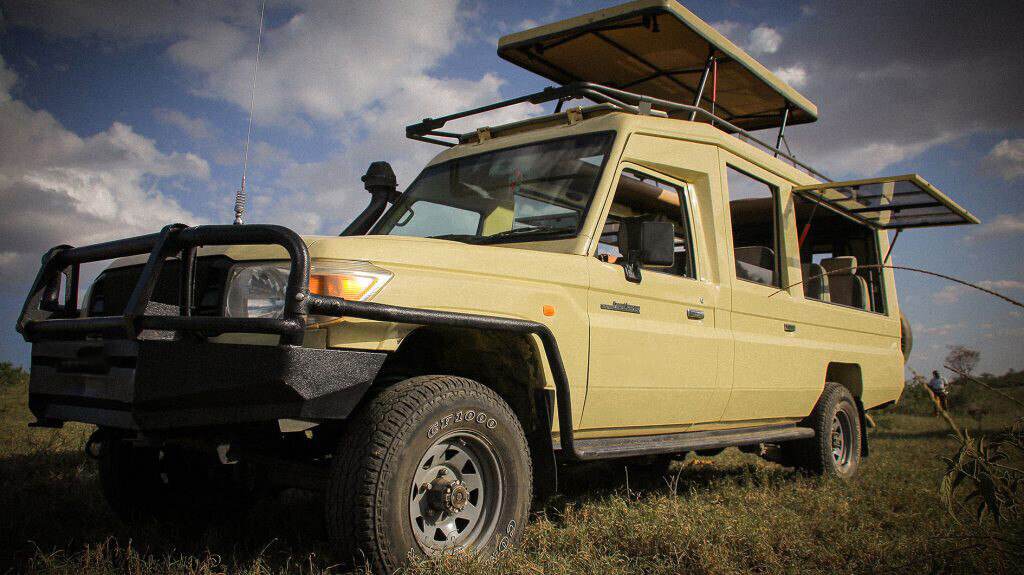
- Transport Options: Private 4×4 safari vehicles, shuttle buses, and public transport. Private transfers offer the most comfort and flexibility.
- Key Attractions: Access to Nairobi National Park, Amboseli National Park (often visited before or after crossing), and onward to the famous Masai Mara National Reserve.
2. Border Travel to Uganda from Arusha
Traveling from Arusha to Uganda is a longer journey, often involving a drive through western Tanzania before crossing into Uganda. This route is typically chosen by travelers specifically interested in gorilla trekking or chimpanzee tracking in Uganda’s national parks.
- Route: Arusha to Mwanza, then towards the Kagera region and the Mutukula border crossing into Uganda. From Mutukula, the journey continues towards Kampala or directly to gorilla trekking regions like Bwindi.
- Distance: Significantly longer, often exceeding 1,000 km.
- Travel Time: This is a multi-day journey, typically taking 2-3 days of driving to reach key Ugandan destinations from Arusha.
- Transport Options: Primarily private 4×4 vehicles are recommended due to road conditions and the long distances.
- Key Attractions: Access to Uganda’s renowned national parks for gorilla and chimpanzee trekking (Bwindi, Kibale), Queen Elizabeth National Park, and Murchison Falls National Park.
Essential Planning Steps for Border Travel
Successful border travel hinges on meticulous planning. Here’s a breakdown of critical elements to consider for your 2026-2027 trips.
Visa Requirements
Visa policies can change, so always verify the latest requirements with the respective embassies or consulates well in advance of your travel dates.
- Tanzania: Most nationalities can obtain a visa on arrival or electronically in advance.
- Kenya: Most nationalities require an e-visa, applied for online before arrival.
- Uganda: Visas can often be obtained on arrival or applied for online. East African Tourist Visas are available for those visiting multiple East African countries (Tanzania, Kenya, Uganda) under specific conditions, which can simplify travel and costs. Check eligibility with your tour operator.
Travel Insurance
Comprehensive travel insurance is non-negotiable. Ensure it covers:
- Medical emergencies and evacuation (including remote areas).
- Trip cancellation and interruption.
- Lost or stolen baggage and personal effects.
- Activities planned, such as safaris and trekking.
Health Precautions
Consult your doctor or a travel clinic at least 4-6 weeks before your trip.
- Vaccinations: Routine vaccinations should be up-to-date. Yellow Fever vaccination is often mandatory for entry into Uganda and sometimes Kenya, especially if arriving from a country with a risk of Yellow Fever transmission. Carry your vaccination certificate.
- Malaria: Tanzania, Kenya, and Uganda are malaria-endemic areas. Discuss appropriate antimalarial medication with your doctor.
- Other: Pack a personal first-aid kit, insect repellent (with DEET), and any personal medications.
Currency and Budgeting
While US Dollars are widely accepted for tourist services and park fees in all three countries, it’s wise to have local currency for smaller purchases, tips, and local markets.
- Exchange: Exchange facilities are available at borders and in major towns. ATMs are common in cities but can be unreliable in remote areas.
- Budgeting: Factor in costs for visas, transport, accommodation, park entry fees (which can be substantial), activities (like gorilla permits), food, and tips.
Sample Itinerary Logic: Arusha to Masai Mara (Kenya)
This is a common overland route for a combined Tanzania-Kenya safari.
| Day | From | To | Activity/Notes |
|---|---|---|---|
| 1 | Arusha | Namanga Border | Morning departure from Arusha. Drive to Namanga (approx. 3-4 hours). Complete border formalities. Continue to Amboseli National Park (Kenya) for afternoon game drive. Overnight in Amboseli. |
| 2 | Amboseli | Masai Mara | Morning game drive in Amboseli. Drive to the Masai Mara (approx. 5-6 hours). Check into your lodge/camp. Afternoon game drive in the Mara. |
| 3-4 | Masai Mara | Masai Mara | Full days of game drives in the Masai Mara, searching for the Big Five and experiencing the vast plains. Optional hot air balloon safari. |
| 5 | Masai Mara | Nairobi | Morning game drive. Drive to Nairobi (approx. 5-6 hours). Overnight in Nairobi or transfer to the airport for onward travel. |
Navigating the Border Crossing Itself
Border crossings can be a point of stress if not approached with the right mindset and preparation. Here’s what to expect and how to manage it.
At Namanga Border Crossing (Tanzania-Kenya)
- Process: You will typically disembark from your vehicle and proceed to immigration offices on both the Tanzanian and Kenyan sides.
- Documents: Have your passport, visa confirmation (if applicable), and Yellow Fever certificate ready. Your driver or tour operator representative will guide you.
- Customs: Declare any goods as required. Personal effects are usually exempt.
- Time: Allow at least 1-3 hours for the crossing. This can vary significantly based on the number of people, time of day, and efficiency of officials.
- Scams/Touts: Be aware of unofficial individuals offering assistance. It’s best to rely on your designated tour operator guide or follow official signage.
At Mutukula Border Crossing (Tanzania-Uganda)
- Process: Similar to Namanga, involving immigration procedures on both sides. This crossing is often less busy than Namanga but can be more remote.
- Documents: Passport, visa details, Yellow Fever certificate are essential.
- Time: Can take 1-3 hours, potentially longer if less organized. Road conditions leading to and from Mutukula can also impact overall travel time.
- Support: Having a reliable local guide or driver is crucial for navigating this crossing efficiently.
What to Expect on the Road
Road conditions can vary dramatically. While main routes between major towns are often paved, secondary roads and those within national parks can be rough, dusty, or muddy, especially during the rainy season.
- Vehicle Choice: A 4×4 vehicle is highly recommended, especially for travel to Uganda or for accessing more remote areas in Kenya. It offers better clearance, traction, and comfort on challenging terrain.
- Driving Style: Drivers in East Africa often have a different driving style than what you might be accustomed to. Patience and awareness are key.
- Breaks: Plan for frequent stops for stretching, refreshments, and using restrooms, which might be basic at times.
- Scenery: The journeys offer incredible opportunities to see rural life, diverse landscapes, and local communities. Embrace the journey as part of the experience.
Packing Essentials for Border Travel
Beyond your standard safari packing list, consider these items specifically for cross-border journeys:
- Copies of Documents: Keep physical and digital copies of your passport, visas, and travel insurance separate from the originals.
- Snacks and Water: Especially for longer stretches between towns or if traveling independently.
- Entertainment: Books, downloaded music, or podcasts for longer drives.
- Comfortable Travel Clothes: Lightweight, breathable clothing is essential.
- Camera and Power Bank: To capture the journey and keep devices charged.
- Small Backpack: For essentials during day trips or border crossings.
Common Mistakes to Avoid
Learning from others’ experiences can save you time, money, and frustration.
- Underestimating Travel Times: Distances can be deceiving, and road conditions, border delays, and vehicle issues can add significant time. Always build in buffer time.
- Not Verifying Visa Requirements: Relying on outdated information can lead to denied entry or significant delays at the border.
- Ignoring Health Advice: Skipping vaccinations or antimalarials can have serious health consequences.
- Not Having Enough Local Currency: While USD is accepted, having local currency is useful for smaller vendors, tips, and places that don’t accept cards or USD.
- Booking Unreliable Transport: Especially for longer journeys, opt for reputable tour operators or transport providers. Public transport can be challenging for border crossings with luggage and tight schedules.
- Not Informing Your Bank: Let your bank know your travel dates and destinations to avoid your cards being blocked.
Who is Border Travel from Arusha Best For?
Border travel from Arusha is ideal for several types of travelers:
- Adventurous Explorers: Those who want to experience multiple countries and diverse ecosystems within a single trip.
- Safari Enthusiasts: Travelers looking to combine the iconic wildlife viewing of Tanzania with the unique experiences of Kenya (e.g., Great Migration) or Uganda (gorilla trekking).
- Culture Seekers: Individuals interested in understanding the broader East African cultural landscape and the connections between neighboring nations.
- Budget-Conscious Travelers (with caveats): Overland travel can sometimes be more economical than flying between countries, but requires careful planning and often longer travel times.
- Independent Travelers: Those comfortable with longer drives and potentially more basic amenities along the way, or those who prefer to arrange their own logistics (though using a tour operator is highly recommended for border crossings).
Alternatives to Direct Border Travel
If overland border crossings seem too daunting or time-consuming, consider these alternatives:
- Flying Between Countries: Most major cities (Arusha, Nairobi, Kampala) have airports. Flying is significantly faster but more expensive. This is ideal if your time is limited.
- Focusing on One Country: Tanzania offers incredible diversity. You could spend your entire trip exploring the Northern Circuit, Southern Circuit, and Zanzibar without needing to cross a border.
- Shorter Day Trips from Arusha: If you’re based in Arusha and want a taste of something different without a major border crossing, consider day trips to nearby attractions like Materuni Waterfalls, or cultural tours within the Arusha region.
Traveler Type Comparison
| Traveler Type | Best For | Considerations |
|---|---|---|
| The Time-Pressed Tourist | Flying between countries. | Higher cost, less overland experience. |
| The Dedicated Safari Goer | Overland travel to Kenya (Masai Mara) or Uganda (gorillas). | Requires more travel days, potentially rough roads. |
| The Cultural Explorer | Overland travel, experiencing local life en route. | Embrace slower pace, potential for basic facilities. |
| The Budget Traveler | Carefully planned overland routes, potentially using public transport for shorter segments. | Requires significant research, can be more complex. |
Planning Your 2026-2027 Border Travel
Planning for trips in 2026 and 2027 allows ample time for research and booking, especially for popular activities like gorilla trekking permits which can sell out months in advance.
- Book Early: For gorilla permits (Uganda/Rwanda) and popular accommodations, especially during peak seasons (June-October, December-February), book 6-12 months ahead.
- Visa Applications: Start your visa applications as soon as they become available, typically 3-6 months before departure.
- Consult Experts: Work with a reputable tour operator. They have up-to-date knowledge on border procedures, visa requirements, and reliable transport.
- Flexibility: While planning is crucial, maintain some flexibility. Road conditions, weather, or border delays can occur.
- Peak Seasons: Consider shoulder seasons (e.g., March-May, November) for potentially fewer crowds and lower prices, though weather can be more unpredictable.
Pre-Trip Checklist for Border Travel
- [ ] Confirm passport validity (at least 6 months beyond travel dates).
- [ ] Research and apply for necessary visas for Kenya and Uganda.
- [ ] Obtain Yellow Fever vaccination certificate (if required).
- [ ] Purchase comprehensive travel insurance.
- [ ] Consult doctor for malaria prophylaxis and other health advice.
- [ ] Book flights and accommodation well in advance.
- [ ] Secure gorilla/chimpanzee permits if applicable.
- [ ] Arrange reliable transportation (private 4×4 recommended).
- [ ] Inform your bank of travel dates.
- [ ] Pack essential medications and a first-aid kit.
- [ ] Prepare copies of all important documents.
- [ ] Exchange some currency for local use.
Safety Considerations for Border Travel
Safety is paramount. While East Africa is generally welcoming to tourists, being informed and prepared is essential.
- Trust Your Guide: If traveling with a tour operator, your guide is your primary resource for safety information and navigating local customs and conditions.
- Awareness in Towns: Be vigilant in busy towns and markets. Keep valuables secure and avoid displaying expensive items.
- Night Travel: Avoid traveling at night, especially on rural roads. This is when risks are generally higher due to poor lighting and road conditions.
- Health: Stick to bottled or purified water. Be cautious with street food if you have a sensitive stomach.
- Border Areas: Remain with your group and guide at border crossings. Avoid engaging with unsolicited individuals offering services.
Booking Your Border Travel Experience
Choosing the right partner for your border travel can make all the difference. A reputable tour operator can handle the complex logistics, ensuring a smoother and more enjoyable experience.
At Top Guide Adventures, we specialize in creating seamless cross-border itineraries that connect the best of Tanzania with Kenya and Uganda. We understand the nuances of border crossings, visa requirements, and the best routes for maximizing your wildlife viewing and adventure experiences.
Whether you’re planning a safari extension into the Masai Mara, a thrilling gorilla trekking adventure in Bwindi, or a multi-country East African exploration for 2026 or 2027, we can craft a custom itinerary tailored to your interests and budget.
Contact us to discuss your border travel plans:
- WhatsApp: +255616946642
- Email: topguideadventures@gmail.com
- Backup Email: info@topguideadventures.com
We are committed to providing expert advice and unforgettable travel experiences. Let us help you navigate the complexities of border travel from Arusha and discover the wonders of East Africa.
Frequently Asked Questions About Border Travel from Arusha
Q1: What is the easiest border to cross from Arusha?
The Namanga border crossing to Kenya is generally considered the most straightforward and frequently used border for travel from Arusha. It’s well-established, and most tour operators are very familiar with the process.
Q2: Can I get a visa on arrival at the Tanzania-Kenya border?
For Kenya, most nationalities are required to obtain an e-visa in advance. While some visas can be obtained on arrival in Tanzania and Uganda, relying on this for Kenya is not recommended. Always check the latest visa regulations for each country before your trip.
Q3: How long does it take to cross the border at Namanga?
The actual time spent at the border crossing can vary from 1 to 3 hours, depending on the number of travelers, the efficiency of immigration and customs officials, and any specific checks required. It’s wise to allocate extra time for potential delays.
Q4: Is it safe to travel between Tanzania and Uganda by road?
Traveling between Tanzania and Uganda by road is generally safe when using reputable tour operators and 4×4 vehicles, especially for the longer routes. It’s advisable to avoid nighttime travel and to be aware of your surroundings. The Mutukula crossing is more remote, making a trusted guide essential.
Q5: What is the best way to travel from Arusha to the Masai Mara?
The most popular and recommended way to travel from Arusha to the Masai Mara is by private 4×4 safari vehicle. This allows for flexibility, comfort, and the ability to stop for wildlife sightings along the way. It also includes crossing the border at Namanga and often a stop at Amboseli National Park.
Q6: Can I use my credit card at the border for visa fees?
While some border posts might accept credit cards for visa fees, it is not always reliable. It’s best to have US Dollars (in crisp, new bills) or the local currency readily available for visa payments and any other border-related expenses to avoid issues.
Q7: What are the recommended travel dates for border travel in 2026-2027?
For optimal wildlife viewing and road conditions, the dry seasons are best: June to October and December to February. However, these are also peak tourist seasons. Shoulder seasons like March-May or November can offer good experiences with fewer crowds and potentially lower prices, though weather can be more variable.
Q8: Do I need a Yellow Fever certificate for border travel?
A Yellow Fever vaccination certificate is often required for entry into Uganda, and sometimes for Kenya, especially if you are arriving from a country with a risk of Yellow Fever transmission. It’s crucial to check the specific entry requirements for each country you plan to visit and carry your certificate with you.
Q9: What is an East African Tourist Visa?
The East African Tourist Visa is a multiple-entry visa that allows you to travel between Kenya, Uganda, and Rwanda (if applicable to your itinerary) for tourism purposes with a single visa. It simplifies border crossings and can be more cost-effective than obtaining individual visas. You typically apply for it through the immigration authority of the first country you visit. Check current eligibility and application procedures.
Q10: How can a tour operator help with border travel from Arusha?
A good tour operator like Top Guide Adventures manages all the complex logistics. This includes arranging reliable transport (like 4×4 vehicles), understanding and assisting with visa applications, booking accommodations, securing permits (e.g., gorilla permits), providing experienced guides knowledgeable about border procedures, and offering support throughout the journey, significantly reducing stress and potential problems.
Ready to Plan Your East African Adventure?
Border travel from Arusha opens up a world of possibilities for experiencing the incredible diversity of East Africa. Whether your dream is to witness the Great Migration in the Masai Mara, trek with gorillas in Uganda, or explore multiple countries, Top Guide Adventures is here to make it happen.
We offer expert planning, reliable logistics, and personalized itineraries for 2026 and 2027. Let us handle the details so you can focus on the adventure.
Get in touch today:
- WhatsApp: +255616946642
- Email: topguideadventures@gmail.com
- Backup Email: info@topguideadventures.com
Your unforgettable East African journey begins with a conversation. Contact us to start planning!
Plan your Border Travel from Arusha with Top Guide Adventures
Tell us your travel dates, group size, comfort level, and dream experience. We will help you shape a clear, realistic, and memorable Tanzania itinerary.







 Veedesigner
 Fatma Kizanga
 Benjamin Waryuba
 Philip Philip
 John jr Itaja
 Antonia Optatus
 Edith Kanyere
 Neema Iddy
 Kelvin Boniphace
 Damari Maiga



