
Updated planning guide for 2026, 2027
Budget Tanzania Safari: How To Save Money: Best Guide
Dreaming of a Tanzania safari without breaking the bank? This in-depth guide reveals expert strategies for a budget-friendly adventure in 2026-2027. Learn how to choose destinations, accommodations, and timing to maximize your savings and experience the magic of the Serengeti, Ngorongoro, and beyond.
WhatsApp +255616946642 | topguideadventures@gmail.com | info@topguideadventures.com
Budget Tanzania Safari: How to Save Money
A Tanzania safari is often seen as a once-in-a-lifetime experience, a chance to witness the Great Migration, encounter the Big Five, and explore landscapes that stir the soul. However, the perceived high cost can deter many eager travelers. The good news is that with smart planning and informed choices, a memorable budget Tanzania safari is well within reach. This comprehensive guide is designed to help you navigate the options, understand the cost factors, and implement strategies to significantly reduce expenses without compromising the quality of your African adventure in 2026 and 2027.
Many travelers believe that Tanzania is exclusively for luxury travelers, but this is a misconception. While high-end options abound, there are numerous ways to experience the country’s unparalleled wildlife and natural beauty affordably. This guide will walk you through everything from selecting the right parks and accommodations to timing your visit and choosing a reputable, cost-effective tour operator.
Quick Facts: Budget Tanzania Safari Essentials
| Aspect | Budget Considerations |
|---|---|
| Best Time to Visit (Budget) | Shoulder seasons (March-May, November-early December) offer lower prices and fewer crowds. The dry season (June-October) is peak but offers excellent wildlife viewing. |
| Key Parks for Budget Safaris | Tarangire, Lake Manyara, Arusha National Park, Ruaha, Selous (Nyerere National Park). Serengeti and Ngorongoro can be done on a budget with careful planning. |
| Accommodation Options | Budget lodges, tented camps (mid-range), public campsites, and community-run guesthouses. |
| Transportation | Shared safari vehicles (Land Cruisers/Land Rovers), overland trucks for multi-day trips. Group travel is more economical. |
| Tour Operator Choice | Local, owner-operated companies often offer better value than international operators. Look for transparency in pricing. |
| Safari Duration | Shorter safaris (3-5 days) are naturally cheaper. Longer trips can sometimes offer better per-day value if planned strategically. |
Understanding Safari Costs in Tanzania
Before you can save money, it’s crucial to understand where your safari budget typically goes. The major cost components of a Tanzanian safari include:
- Park Entrance Fees: These are fixed daily fees set by the Tanzanian government for each national park and conservation area. They are non-negotiable and can be a significant portion of the total cost, especially for popular parks like the Serengeti and Ngorongoro Crater.
- Accommodation: Lodges, tented camps, and campsites vary dramatically in price. Luxury lodges are the most expensive, while public campsites are the most affordable.
- Transportation: The cost of a 4×4 safari vehicle (usually a Land Cruiser or Land Rover) with a professional driver/guide is a daily expense. Fuel, vehicle maintenance, and the guide’s salary all contribute.
- Food: Meals are typically included in safari packages, with costs varying based on the type of accommodation and dining arrangements.
- Tour Operator’s Margin: This covers their operational costs, office staff, marketing, and profit. Local operators often have lower overheads.
- Activities: Optional activities like walking safaris, night game drives (where permitted), or cultural visits may incur extra charges.
- Tips: Gratuities for guides, cooks, and camp staff are customary and should be factored into your budget.
- Miscellaneous: This includes things like bottled water, souvenirs, travel insurance, and visa fees.
By identifying these components, you can pinpoint areas where savings are most achievable. For instance, while park fees are fixed, your choices regarding accommodation, transportation, and tour operator can greatly influence the overall price.
Choosing the Right Parks for a Budget Tanzania Safari
Tanzania boasts an incredible array of national parks and game reserves, each offering unique wildlife viewing experiences. While the Serengeti and Ngorongoro Crater are world-renowned, they also tend to be the most expensive due to high demand and associated park fees. To make a budget Tanzania safari work, consider including or focusing on parks that offer excellent game viewing at a lower cost.
Affordable Park Alternatives
- Tarangire National Park: Known for its large elephant herds and iconic baobab trees, Tarangire is often included in Northern Circuit itineraries. Its park fees are lower than the Serengeti’s, and it offers fantastic game viewing, especially during the dry season when animals congregate around the Tarangire River.
- Lake Manyara National Park: This smaller park is famous for its tree-climbing lions, large troops of baboons, and diverse birdlife. It’s a beautiful park, and its manageable size makes it ideal for a shorter, more affordable safari day or two.
- Arusha National Park: Easily accessible from Arusha town, this park offers stunning views of Mount Kilimanjaro and Mount Meru. It’s home to diverse habitats, including the Momella Lakes and the Ngurdoto Crater. While not as famous for big game as other parks, it’s excellent for birdwatching, seeing giraffes, zebras, and buffaloes, and offers opportunities for walking safaris. It has some of the lowest park fees in the region.
- Ruaha National Park: Located in the south, Ruaha is Tanzania’s largest national park. It’s less visited than the Northern Circuit parks, meaning fewer crowds and a more wild, remote feel. While getting there can be more expensive (often involving a flight), the overall safari experience can be more affordable due to lower park fees and a wider range of accommodation options, including budget camps. It’s renowned for its large predator populations, especially lions and wild dogs.
- Nyerere National Park (formerly Selous Game Reserve): This vast protected area in southern Tanzania offers a different safari experience, with boat safaris on the Rufiji River being a highlight. It’s known for its elephants, hippos, crocodiles, and wild dogs. Like Ruaha, it can be accessed by flight, but offers a unique and often more affordable safari compared to the Northern Circuit’s prime parks.
Incorporating Serengeti and Ngorongoro on a Budget
It’s possible to visit the Serengeti and Ngorongoro Crater on a budget, but it requires careful planning:
- Travel during the shoulder or low season: Prices for accommodation and sometimes even park fees can be lower.
- Choose public campsites in the Serengeti: These are the most basic but significantly cheaper than lodges or permanent tented camps. They offer a true bush experience.
- Limit your time in these parks: Spend fewer days in the Serengeti and Ngorongoro and more time in more affordable parks.
- Opt for group tours: Sharing costs with other travelers dramatically reduces per-person expenses.
- Consider overland tours: These often use more basic but still comfortable camping facilities and are designed for budget-conscious travelers.
Example Itinerary Logic: A common budget Northern Circuit approach might involve 1-2 days in Tarangire, 1 day in Lake Manyara, 1 day for Ngorongoro Crater descent, and then perhaps 2-3 days in the Serengeti, focusing on areas accessible from public campsites.
Sample Budget Northern Circuit Route (6 Days)
Route Overview: Arusha -> Tarangire NP -> Lake Manyara NP -> Karatu (for Ngorongoro) -> Serengeti NP (Central/South) -> Arusha
- Day 1: Arusha to Tarangire National Park. Morning pick-up in Arusha, drive to Tarangire for a full-day game drive. Overnight at a public campsite or budget lodge near the park.
- Day 2: Tarangire to Lake Manyara National Park. Morning game drive in Tarangire, then drive to Lake Manyara for an afternoon game drive. Overnight in Karatu or Mto wa Mbu.
- Day 3: Ngorongoro Crater Descent. Early morning drive to the Ngorongoro Conservation Area. Descend into the Crater for a half-day game drive. Ascend and drive towards the Serengeti. Overnight at a campsite near the Naabi Hill gate or in the Serengeti.
- Day 4: Serengeti National Park. Full-day game drive in the central or southern Serengeti, focusing on areas with good game viewing. Overnight at a public campsite within the Serengeti.
- Day 5: Serengeti National Park. Morning game drive in the Serengeti. Depending on flight schedules or further driving plans, you might have another game drive. Drive towards the park exit or to a campsite closer to Arusha depending on the itinerary.
- Day 6: Serengeti to Arusha. Morning game drive (if time permits) or drive back to Arusha, arriving in the afternoon.
Note: This is a sample. Itineraries can be customized. Flying out from a Serengeti airstrip is an option to save driving time but adds cost.
Accommodation: Your Biggest Savings Opportunity
Accommodation choices significantly impact the cost of your safari. For a budget Tanzania safari, you need to look beyond luxury lodges and embrace more economical options.
Budget Accommodation Types
- Public Campsites: These are the most basic and cheapest form of accommodation. They usually have shared ablution blocks (toilets and showers) and a communal area for dining. You’ll often sleep in your own tent or a provided safari tent. They offer a true, raw bush experience and are popular with overland tour companies.
- Budget Lodges/Guesthouses: Found in towns like Arusha, Karatu, or near park entrances, these offer private rooms with en-suite bathrooms. They are simpler than mid-range or luxury lodges but provide comfort and a good base.
- Tented Camps (Budget/Mid-Range): These can range from basic canvas tents with shared facilities to more comfortable tents with private bathrooms and beds. Some operators offer budget-friendly tented camps that are more comfortable than public campsites but still cost-effective.
- Community-Run Campsites/Lodges: Some areas have lodges or campsites managed by local communities. These can offer a unique cultural experience and good value while supporting local development.
Tip: When comparing prices, always check what is included. Some budget accommodations might not include meals, or they might be very basic. Ensure you understand the full picture.
Transportation and Logistics on a Budget
How you get around Tanzania and within the parks is another major cost determinant.
Choosing Your Safari Vehicle
- 4×4 Safari Vehicle (Land Cruiser/Land Rover): These are standard for Tanzanian safaris due to their durability and ability to navigate rough terrain. The cost is usually per vehicle per day, including the driver/guide. To save money, travel in a group to share this cost. A full vehicle (e.g., 6 people) will be cheaper per person than a half-empty one.
- Overland Trucks: For the most budget-conscious travelers, overland tours utilize larger trucks that carry more people. They often include camping and provide a more social, group-oriented experience. While less private than a 4×4, they are significantly cheaper.
Internal Travel
- Driving vs. Flying: Internal flights to remote parks like Ruaha or Serengeti airstrips can save significant travel time but are expensive. For a budget safari, long-distance driving is the norm.
- Shared Transfers: If you need transfers from the airport to your hotel in Arusha, opt for shared shuttle services rather than private taxis.
Timing Your Safari for Maximum Savings
The season dramatically influences safari prices in Tanzania. Traveling during the right time can lead to substantial savings.
Peak Season (June to October)
This is the dry season, offering the best wildlife viewing conditions as animals congregate around water sources. It’s also the peak tourist season, meaning higher prices for accommodation, flights, and tours. The Great Migration is typically in the central/western Serengeti during these months.
Shoulder Seasons (November to early December, March to May)
These periods offer a sweet spot for budget travelers. The weather is generally good (though March-May can see some rain), wildlife viewing is still excellent, and prices are noticeably lower than in the peak season. Crowds are also smaller.
- November: Often sees the start of the short rains, but can still offer good game viewing. Prices start to drop.
- December to February: This is a mixed season. Prices might be slightly higher around Christmas and New Year but can be more reasonable in January/February. The calving season of the Great Migration begins in the southern Serengeti around February.
- March to May: This is the long rainy season. While game viewing can be more challenging due to dispersed animals and wet conditions, it’s the best time for birdwatchers and offers the lowest prices. The landscape is lush and green. Many lodges offer significant discounts.
For a 2026 or 2027 budget Tanzania safari, targeting the shoulder months of November, March, April, or May will yield the best savings.
Choosing a Tour Operator Wisely
The tour operator you choose plays a critical role in the cost and quality of your safari. For budget travel, local operators are often the best bet.
Local vs. International Operators
- Local Operators: Based in Tanzania (e.g., Arusha), these companies generally have lower overheads and a deeper understanding of local conditions. They often build their own safari packages, allowing for more flexibility and better pricing. They can offer more authentic experiences and direct support.
- International Operators: These companies are based outside Tanzania and often use local ground handlers. They tend to have higher markups to cover their international operations, marketing, and staff. While they can offer convenience for booking from abroad, they are typically more expensive.
What to Look For in a Budget-Friendly Operator
- Transparency: A good operator will clearly break down costs and explain what is included and excluded.
- Customization: They should be willing to tailor itineraries to your budget, suggesting affordable accommodation and park combinations.
- Reputation: Look for reviews and testimonials, but be discerning. A mix of positive and constructive feedback is more credible than a perfect score.
- Responsiveness: How quickly and thoroughly do they answer your questions? This is a good indicator of their professionalism.
- Inclusions: Ensure you understand what’s covered. Basic safaris often include park fees, accommodation (camping or budget lodges), a vehicle with a driver/guide, and meals.
Consider Top Guide Adventures: We are a local Tanzanian tour operator committed to providing exceptional safari experiences at competitive prices. We work closely with our clients to craft personalized itineraries that fit their budget, ensuring value without compromising on the magic of Tanzania. You can reach us on WhatsApp at +255616946642 or email us at topguideadventures@gmail.com or info@topguideadventures.com to discuss your budget-friendly safari plans.
Activities and Extras: Where to Save
While the core safari experience is the priority, optional activities and extras can add up. Be selective.
- Walking Safaris: These can be a fantastic addition, offering a different perspective on the bush. They are usually offered in specific areas (like Ngorongoro Conservation Area buffer zones or private reserves) and incur an extra fee. Decide if this is a must-do for you.
- Night Game Drives: These are restricted in national parks but sometimes available in adjacent private concessions or reserves. They offer a chance to see nocturnal animals but come at an additional cost.
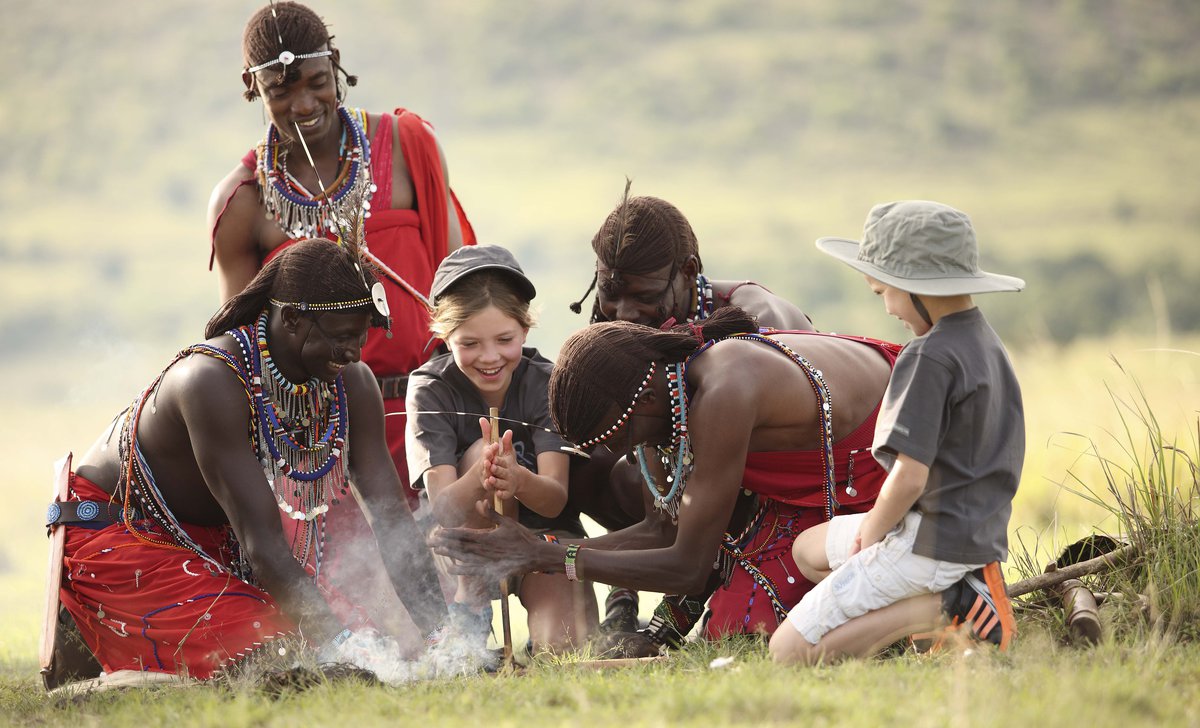
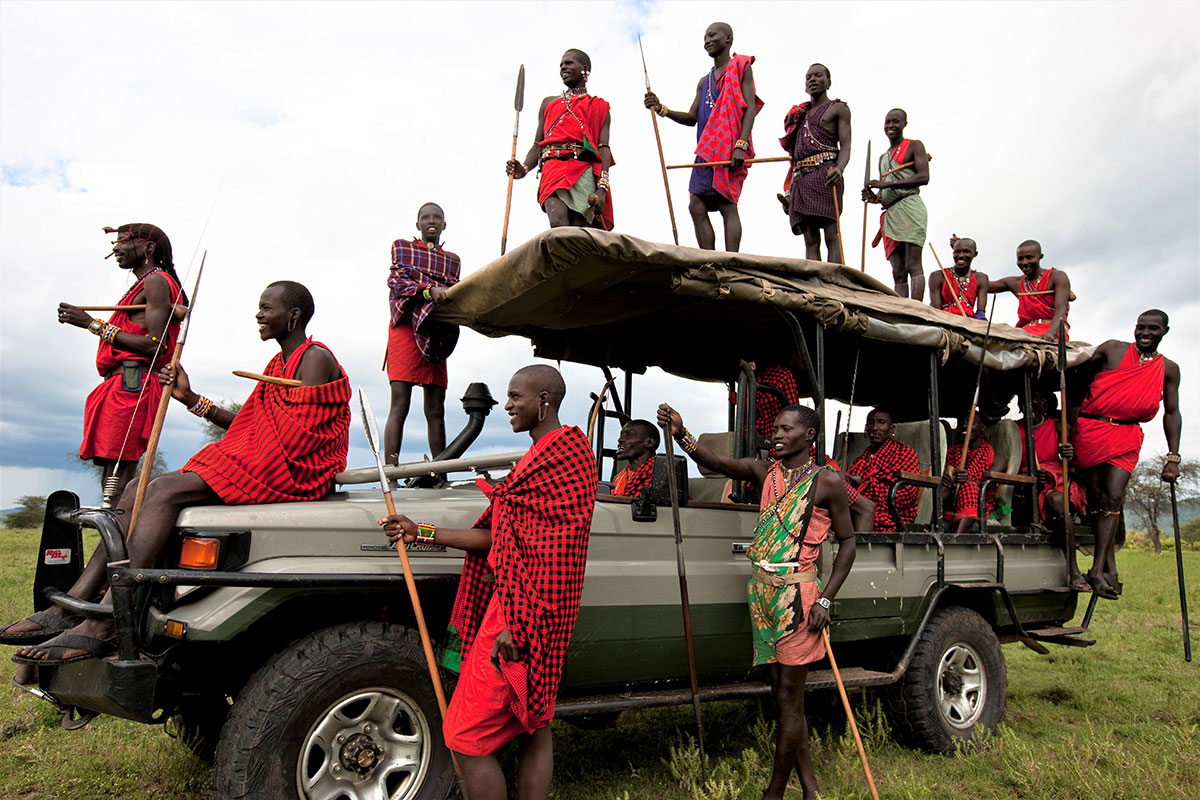
- Cultural Visits: Visiting Maasai villages or other local communities can be enriching but often involves a fee. Ensure the visit is respectful and benefits the community.
- Souvenirs: Set a strict budget for souvenirs. Prices in tourist areas can be inflated.
- Drinks and Snacks: While meals are usually included, bottled water, sodas, and alcoholic beverages can add up. Bring a reusable water bottle and refill it where possible (check with your operator about water sources).
Packing for a Budget Safari
Smart packing can prevent you from having to buy expensive items at the last minute. While you don’t need specialized gear for a budget safari, the right items enhance comfort and practicality.
Essential Items
- Lightweight Clothing: Neutral colors (khaki, green, brown) are best. Avoid bright colors and dark blue/black, which can attract tsetse flies. Pack layers for cooler mornings and evenings.
- Comfortable Shoes: Closed-toe walking shoes or hiking boots if you plan on any walking safaris, otherwise comfortable trainers are fine.
- Sun Protection: Wide-brimmed hat, sunglasses, high SPF sunscreen.
- Insect Repellent: With DEET or Picaridin.
- Camera and Binoculars: Essential for wildlife viewing. Bring extra batteries and memory cards.
- Headlamp or Small Flashlight: Useful for navigating campsites at night.
- Personal First-Aid Kit: Including any personal medications.
- Reusable Water Bottle: To reduce plastic waste and save on bottled water costs.
- Small Backpack: For day trips and carrying essentials in the vehicle.
- Adapter: For charging electronics (most safari vehicles have USB ports or 12V sockets).
Tip: Most budget accommodations provide basic toiletries, but it’s wise to bring your own preferred brands. Pack light; excess luggage can sometimes incur fees on internal flights if you choose that option.
Common Mistakes to Avoid on a Budget Tanzania Safari
Even with the best intentions, travelers can make mistakes that inflate their safari costs.
- Booking Too Late: Last-minute bookings often mean fewer options and higher prices, especially for budget accommodations which fill up quickly. Plan at least 6-12 months in advance for 2026/2027 travel, especially for peak season.
- Not Comparing Operators: Accepting the first quote you receive can mean missing out on better deals. Get multiple quotes from reputable local operators.
- Ignoring Shoulder Seasons: Sticking rigidly to the peak season (June-October) means paying premium prices. Consider the benefits of shoulder seasons.
- Over-scheduling: Trying to cram too many parks into a short, budget trip can lead to excessive driving and rushed experiences. Focus on quality over quantity.
- Not Reading Inclusions/Exclusions: Assume nothing. Clearly understand what your package covers (park fees, meals, accommodation type, guide, vehicle) and what it doesn’t.
- Underestimating Tips: While you’re on a budget, tips are a crucial part of the income for guides and staff. Factor a reasonable amount into your budget.
- Focusing Solely on Price: The absolute cheapest option might come with compromises on safety, vehicle quality, or guide experience. Find a balance between cost and value.
Who is a Budget Tanzania Safari Best For?
A budget Tanzania safari is ideal for:
- Young Travelers & Backpackers: Those with less disposable income but a strong desire for adventure.
- Students: Looking for an incredible experience that fits within a student budget.
- Solo Travelers: Group tours and overland safaris are excellent for meeting people and sharing costs.
- Long-Term Travelers: Those on extended trips who need to manage their expenses carefully.
- Adventurous Couples/Friends: Willing to trade some luxury for authentic experiences and significant savings.
- Repeat Visitors: Those who have experienced luxury safaris and want a more down-to-earth, cost-effective way to revisit Tanzania’s wonders.
It suits travelers who prioritize wildlife encounters and the natural experience over opulent accommodations. They are comfortable with basic amenities and enjoy the camaraderie of group travel or the simplicity of camping.
Alternatives to a Traditional Tanzania Safari
If even a budget Tanzania safari feels out of reach, consider these alternatives:
- Other East African Countries: Kenya, Uganda, and Rwanda can sometimes offer more budget-friendly safari options, especially for specific wildlife (e.g., gorilla trekking in Uganda).
- Southern Africa: Countries like Botswana, Namibia, or South Africa offer diverse safari experiences, with some regions being more affordable than Tanzania.
- Shorter Safari Packages: Focus on just one or two parks for a 3-4 day trip. This significantly reduces overall cost.
- Self-Drive Safaris (where feasible): While less common and more challenging in Tanzania, in some other African countries, self-driving can save on guide costs, but requires confidence and a suitable vehicle.
Planning Your Budget Tanzania Safari for 2026-2027
Proactive planning is key to securing the best deals and ensuring a smooth trip.
Timeline for Booking
- 12-18 Months Out: Research destinations, safari styles, and potential tour operators. Start getting quotes. Book flights if you find good deals.
- 9-12 Months Out: Finalize your itinerary and tour operator. Pay your deposit. Book any necessary internal flights.
- 6-9 Months Out: Confirm visa requirements and apply if necessary. Start thinking about travel insurance.
- 3-6 Months Out: Book any pre/post-safari accommodation. Plan your packing list.
- 1-3 Months Out: Final payment to your tour operator. Get any necessary vaccinations or malaria prophylactics.
- 2-4 Weeks Out: Confirm all arrangements. Pack your bags.
For 2026 and 2027 travel, starting your research and booking process as early as possible, ideally 12-18 months in advance, will give you the widest choice of budget accommodations and operators.
Budget Planning Checklist
Booking Your Budget Tanzania Safari
Once you’ve done your research, it’s time to book. Here’s how to approach it:
- Contact Your Chosen Operator: Reach out to your preferred local operator with your itinerary ideas, budget, and desired dates.
- Discuss Customization: Be clear about your budget constraints. Ask them to suggest the most cost-effective options for accommodation, park choices, and vehicle sharing.
- Review the Detailed Itinerary and Quote: Ensure everything is clearly laid out. Ask questions about anything you don’t understand.
- Secure Your Booking: Most operators will require a deposit (typically 20-50%) to confirm your booking and reserve accommodations and vehicles.
- Make Final Payment: The remaining balance is usually due 30-60 days before your safari start date.
Ready to plan your affordable adventure? Contact Top Guide Adventures today. We specialize in creating unforgettable budget Tanzania safari experiences tailored to your needs. Let us help you see the magic of Tanzania without the premium price tag. Reach us via WhatsApp at +255616946642 or email us at topguideadventures@gmail.com or info@topguideadventures.com.
Frequently Asked Questions (FAQs)
Q1: How much does a budget Tanzania safari typically cost per day?
A: It’s difficult to give an exact figure as costs vary greatly based on the season, parks visited, accommodation, and group size. However, a very basic budget safari using public campsites and group transport could range from $150-$250 per person per day. Mid-range budget safaris, perhaps using more comfortable tented camps or budget lodges, might fall between $250-$400 per person per day. This typically includes park fees, accommodation, a vehicle and guide, and meals. It excludes international flights, tips, and personal expenses.
Q2: Is it cheaper to book a safari in Tanzania or from abroad?
A: Generally, booking directly with a local Tanzanian tour operator is more cost-effective than booking through an international agent. Local operators have lower overheads and can offer more competitive pricing. Always get quotes from several reputable local companies.
Q3: What are the cheapest months to visit Tanzania for a safari?
A: The cheapest months are typically during the long rainy season (March to May). However, the shoulder months (November and March-May) also offer good value with fewer crowds and lower prices than the peak dry season (June-October).
Q4: Can I do a safari in Tanzania for under $2000 per person for a week?
A: Yes, it is possible for a week-long safari for under $2000 per person if you are very budget-conscious, travel in the low season, opt for public campsites, join a group tour, and focus on more affordable parks. This would likely be a 5-6 day safari. This excludes international flights and tips.
Q5: Is camping on safari safe?
A: Yes, camping on safari in designated campsites within national parks or reserves is generally safe when done with a reputable tour operator. Campsites are usually managed by park authorities or the tour operator, and guides are experienced in managing the environment and wildlife. Always follow your guide’s instructions.
Q6: What is the difference between a national park and a game reserve in Tanzania?
A: National Parks are managed by the Tanzania National Parks Authority (TANAPA) and have stricter regulations, including no human habitation and limited off-road driving. Game Reserves, like the former Selous (now Nyerere National Park), are managed by the Wildlife Division and can sometimes offer more flexibility (e.g., night drives, walking safaris in certain areas) and potentially different fee structures. Nyerere National Park is a prime example of a former reserve now managed with park-like regulations.
Q7: How much should I budget for tips on a budget safari?
A: Tipping is customary and appreciated. For a 7-day safari, a general guideline might be $10-$15 per day for your driver/guide, and $5-$10 per day for a cook or camp assistant if applicable. This can be pooled at the end of the safari or given directly. Your operator can provide specific recommendations for 2026 or 2027 travel.
Q8: Do I need to be vaccinated for a safari in Tanzania?
A: Yellow Fever vaccination is often required if you are arriving from or transiting through a country with a risk of Yellow Fever. It’s recommended to consult with your doctor or a travel clinic about other recommended vaccinations (like Hepatitis A, Typhoid) and malaria prophylaxis well in advance of your trip.
Q9: Can I do a safari in Tanzania in 2026 or 2027 on a tight budget?
A: Absolutely. The strategies outlined in this guide, such as choosing shoulder seasons, opting for public campsites, traveling in a group, and selecting local tour operators, are specifically designed to make a budget Tanzania safari feasible for 2026 and 2027. Early planning is key.
Q10: What is the Great Migration and how does it affect safari costs?
A: The Great Migration is the annual movement of over 1.5 million wildebeest, zebras, and gazelles across the Serengeti-Mara ecosystem. While witnessing it is a highlight, safaris during peak migration viewing times (e.g., river crossings in July-August) are in highest demand, leading to the highest prices. Visiting during calving season in the southern Serengeti (Jan-Feb) can be more affordable and still offers incredible wildlife viewing.
Your Affordable Tanzania Safari Awaits
A budget Tanzania safari is not a compromise; it’s a smart way to experience the raw, untamed beauty of East Africa. By understanding the cost drivers, choosing your parks and accommodations wisely, timing your trip effectively, and working with a trusted local operator, you can create an unforgettable adventure that fits your financial plan. Tanzania’s wildlife spectacles, from the vast plains of the Serengeti to the unique ecosystem of the Ngorongoro Crater, are accessible to more travelers than you might think.
Don’t let budget concerns hold you back from experiencing the magic of Tanzania. With careful planning and the right partner, your dream safari is within reach for 2026, 2027, and beyond.
Ready to plan your budget-friendly Tanzanian adventure? Let Top Guide Adventures craft a personalized safari experience that meets your expectations and your budget. We are a local Tanzanian tour operator dedicated to providing exceptional value and authentic wildlife encounters.
Contact us today:
- WhatsApp: +255616946642
- Email: topguideadventures@gmail.com
- Backup Email: info@topguideadventures.com
Plan your Budget Tanzania Safari: How to Save Money with Top Guide Adventures
Tell us your travel dates, group size, comfort level, and dream experience. We will help you shape a clear, realistic, and memorable Tanzania itinerary.







 Veedesigner
 Fatma Kizanga
 Benjamin Waryuba
 Philip Philip
 John jr Itaja
 Antonia Optatus
 Edith Kanyere
 Neema Iddy
 Kelvin Boniphace
 Damari Maiga



