
Updated planning guide for 2026-2027
Cape Town And Kruger Itinerary: Complete Tour Guide
Discover how to craft the perfect Cape Town and Kruger itinerary for your 2026-2027 adventure. This comprehensive guide offers expert insights into planning, logistics, and making the most of South Africa's iconic destinations.
WhatsApp +255616946642 | topguideadventures@gmail.com | info@topguideadventures.com
The Ultimate Cape Town and Kruger Itinerary: Your 2026-2027 South Africa Adventure Planner
Planning a trip that combines the vibrant urban energy of Cape Town with the unparalleled wildlife encounters of Kruger National Park is a dream for many travelers. This comprehensive guide is designed to help you create a memorable Cape Town and Kruger itinerary for your 2026-2027 journey. We’ll cover everything from understanding the logistics and seasonality to choosing the right accommodations and activities, ensuring your South African experience is nothing short of spectacular.
This isn’t just about visiting two iconic locations; it’s about weaving them into a cohesive and enriching travel narrative. Whether you’re seeking thrilling safari drives, exploring world-class vineyards, marveling at breathtaking natural landscapes, or immersing yourself in a rich cultural scene, this guide will equip you with the knowledge to build an itinerary that perfectly matches your interests and travel style.
Quick Overview: Cape Town & Kruger
| Aspect | Cape Town | Kruger National Park |
|---|---|---|
| Primary Appeal | City life, culture, history, wine, beaches, scenery | Wildlife viewing (Big Five), vast wilderness, birdwatching |
| Location | Southwestern tip of South Africa | Northeastern South Africa |
| Travel Time Between | Approx. 1.5-hour flight | N/A (focus is within the park/surrounding reserves) |
| Typical Duration | 3-5 days | 3-5 days (minimum recommended) |
| Best Time to Visit (Combined) | September – May (Spring/Summer/Autumn) | May – October (Dry Season for wildlife viewing) |
Why Combine Cape Town and Kruger?
South Africa offers an incredible diversity of experiences, and the combination of Cape Town and Kruger National Park represents the pinnacle of this variety. This pairing allows travelers to experience two vastly different, yet equally compelling, facets of the country:
- Contrast in Experiences: Cape Town provides a sophisticated urban adventure with a stunning natural backdrop. Think Table Mountain, the V&A Waterfront, Robben Island, and the Cape Winelands. Kruger, on the other hand, immerses you in raw, untamed nature, offering the thrill of spotting lions, elephants, rhinos, leopards, and buffalo in their natural habitat.
- Logistical Feasibility: While geographically distinct, the two destinations are well-connected by regular domestic flights. This makes combining them straightforward and efficient for travelers planning their 2026-2027 trips.
- Cultural and Natural Immersion: From the historical significance and vibrant arts scene of Cape Town to the ancient ecosystems and remarkable biodiversity of Kruger, this itinerary offers deep dives into both human history and the natural world.
- Iconic South African Experiences: Together, these destinations tick many boxes for an ultimate South African holiday. You get the iconic cityscapes and the iconic wildlife.
Understanding the Seasons for Your 2026-2027 Trip
The best time to plan your Cape Town and Kruger itinerary significantly depends on what you want to experience, especially considering the distinct climates and wildlife patterns of each region. South Africa experiences opposite seasons to the Northern Hemisphere.
Cape Town Seasons:
- Summer (December – February): Warmest months, ideal for beaches, outdoor activities, and exploring the city. Can be very busy and prices may be higher.
- Autumn (March – May): Pleasant temperatures, beautiful autumn colors in the Winelands, and fewer crowds than summer. A great time for hiking and wine tasting.
- Winter (June – August): Cooler and wetter, but also the best time for whale watching along the coast. The landscape is lush and green. Fewer tourists mean lower prices.
- Spring (September – November): Mild temperatures, wildflowers bloom spectacularly, especially in the Western Cape. Whale watching is still possible. A very popular time to visit.
Kruger National Park Seasons:
- Dry Season (May – October): This is generally considered the prime time for game viewing. Vegetation thins out, and animals congregate around water sources, making them easier to spot. Mornings and evenings can be cool to cold, especially in May, June, and July. This is also a popular time, so booking in advance for 2026-2027 is advised.
- Wet Season (November – April): Lush green landscapes, excellent for birdwatching with migratory birds present. Calving season for many antelope species occurs, meaning more predator activity. Higher temperatures and humidity, with afternoon thunderstorms. Less ideal for spotting large mammals due to thicker vegetation and scattered water.
Best Combined Timing (2026-2027):
For a balanced experience, aiming for the shoulder seasons often provides the best of both worlds:
- September – October: This period offers pleasant weather in Cape Town, good for exploring the city and winelands, while Kruger’s dry season is in full swing, ensuring excellent wildlife viewing. Spring wildflowers can add an extra layer of beauty to the Cape.
- March – April: Cape Town experiences beautiful autumn weather, perfect for outdoor activities and wine tasting. Kruger is transitioning into its dry season, with game viewing still very good and vegetation starting to thin.
Avoid the peak of the South African summer (December-January) if you prefer fewer crowds and lower prices, and the height of the wet season in Kruger (November-December) if your primary focus is spotting large mammals easily.
Sample Cape Town and Kruger Itinerary (10 Days)
This is a suggested 10-day itinerary that balances iconic experiences in both destinations. It assumes you’re flying between Cape Town and Kruger’s nearest airports. This can be adjusted for longer or shorter trips in 2026 or 2027.
| Day | Location | Morning | Afternoon | Evening |
|---|---|---|---|---|
| 1 | Cape Town | Arrive at Cape Town International Airport (CPT). Transfer to your hotel. Settle in and take a leisurely stroll around the V&A Waterfront. | Explore the V&A Waterfront shops, enjoy a harbor cruise, or visit the Zeitz MOCAA museum. | Welcome dinner at a restaurant overlooking the harbor. |
| 2 | Cape Town | Ascend Table Mountain via cable car (weather permitting) for panoramic views. | Visit Robben Island for a historical tour. Alternatively, explore the colourful Bo-Kaap neighbourhood. | Dinner in the trendy Bree Street or Kloof Street area. |
| 3 | Cape Town (Day Trip) | Drive along the scenic Cape Peninsula. Stop at Hout Bay for a boat trip to Duiker Island (seals). | Visit Cape Point Nature Reserve and the Cape of Good Hope. See penguins at Boulders Beach. | Return to Cape Town. Relax or explore more of the city. |
| 4 | Cape Town (Winelands) | Full-day excursion to the Cape Winelands (Stellenbosch, Franschhoek, or Paarl). Enjoy wine tastings and cellar tours. | Continue wine tasting, enjoy a gourmet lunch amidst the vineyards. | Return to Cape Town. Pack for your safari trip. |
| 5 | Travel to Kruger Area | Morning flight from Cape Town (CPT) to Kruger Mpumalanga International Airport (MQP) or Hoedspruit Eastgate Airport (HDS). | Transfer to your chosen lodge or camp in the Greater Kruger area (e.g., Sabi Sands, Timbavati, Klaserie) or a southern Kruger gate. Check in and have lunch. | First afternoon/evening game drive in an open safari vehicle. Sundowners in the bush. |
| 6 | Kruger Area | Early morning game drive, searching for wildlife. | Return to camp for breakfast/brunch. Relax by the pool, perhaps a guided bush walk (depending on lodge). | Afternoon/evening game drive, continuing your wildlife search. Night drive to spot nocturnal animals. |
| 7 | Kruger Area | Another early morning game drive. Focus on specific animals or areas you haven’t seen. | Leisure time at the lodge. Enjoy the sounds of the bush. | Late afternoon/evening game drive, perhaps tracking a pride of lions or a leopard. |
| 8 | Kruger Area | Final early morning game drive. Opportunity for last-minute sightings. | Enjoy a final bush breakfast. Check out from your lodge. | Transfer to your departure airport (MQP or HDS) for your flight to Johannesburg (JNB) to connect to your international flight, or spend an additional night in Johannesburg. |
| 9 | Optional: Johannesburg | If you have an extra day, explore Johannesburg. Visit the Apartheid Museum or Constitution Hill. | Explore Soweto, visit the Hector Pieterson Memorial. | Farewell dinner in Johannesburg. |
| 10 | Departure | Transfer to O.R. Tambo International Airport (JNB) for your international flight home. | N/A | N/A |
Variations and Customization for 2026-2027
The 10-day itinerary is a starting point. You can easily extend or shorten it:
- For Longer Trips (14+ Days):
- Cape Town: Add days for exploring the Constantia Winelands, visiting Kirstenbosch Botanical Gardens, hiking Lion’s Head, or taking a surfing lesson. Consider a day trip to Hermanus for whale watching (June-November).
- Kruger: Spend more time in Kruger itself (self-drive or guided), or explore private concessions like Sabi Sands for more exclusive game viewing. Consider adding a visit to the Panorama Route (Blyde River Canyon) on your way to or from Kruger.
- For Shorter Trips (7 Days):
- Focus on Highlights: Dedicate 3 full days to Cape Town (Table Mountain, Peninsula, City) and 3 full days to Kruger (game drives). This will be fast-paced but achievable.
- Reduce Day Trips: Skip the full-day Winelands trip or combine Peninsula highlights into one longer day to save time.
Choosing Your Kruger Accommodation/Area
Kruger National Park and its surrounding private reserves offer a spectrum of accommodation and safari experiences. Your choice will significantly impact your Cape Town and Kruger itinerary and budget for 2026-2027.
- Kruger National Park (SANParks):
- Pros: More affordable, self-drive options available, diverse range of camps (from basic to more comfortable). You can explore vast areas yourself.
- Cons: Can be more crowded, especially during peak season. Game viewing can be less intimate as you share sightings with other vehicles. Self-drive requires more planning and navigation.
- Areas: Southern Kruger (Malelane, Berg-en-Dal, Skukuza, Lower Sabie) is known for good Big Five sightings and accessibility. Central Kruger (Olifants, Letaba) offers beautiful riverine landscapes. Northern Kruger (Punda Maria) is wilder and less visited.
- Private Game Reserves (e.g., Sabi Sands, Timbavati, Klaserie, Balule):
- Pros: Exclusive game viewing, off-road driving allowed, guided night drives are standard, expert trackers and rangers, often more luxurious lodges, higher chance of leopard sightings (especially Sabi Sands).
- Cons: Significantly more expensive than SANParks.
- Experience: These reserves border Kruger and offer a more intimate and guided safari experience. You’ll typically stay in a lodge and go on scheduled game drives.
Recommendation for a balanced itinerary: Consider staying in a private reserve for the quintessential guided safari experience and then perhaps spending a day or two exploring a section of Kruger National Park independently if you have a rental car, or vice-versa. For many, a lodge in a private reserve offers the most sought-after safari experience.
Getting Between Cape Town and Kruger
The most efficient way to travel between Cape Town and Kruger is by air. The flight duration is approximately 1.5 to 2 hours.
- Cape Town International Airport (CPT): The main international gateway for Cape Town.
- Kruger Airports:
- Kruger Mpumalanga International Airport (MQP): Located near Nelspruit, it’s convenient for lodges in southern and central Kruger, as well as the Panorama Route.
- Hoedspruit Eastgate Airport (HDS): Closer to lodges in the northern parts of the Sabi Sands, Timbavati, Klaserie, and Balule reserves.
- Skukuza Airport (SZK): Located within Kruger National Park, offering very convenient access to southern Kruger and some lodges. Often more expensive.
Booking Flights: Book domestic flights between CPT and MQP/HDS/SZK well in advance, especially for 2026-2027 travel, as they can fill up. Major airlines operating these routes include Airlink and CemAir.
Transfers: From the airport (MQP or HDS), you will typically need a pre-booked transfer to your lodge. This can be arranged by your lodge or tour operator. Driving distances can be significant (1-3 hours depending on the lodge location).
What to Expect in Cape Town
Cape Town is a dynamic city offering a wealth of activities and sights:
- Iconic Landmarks: Table Mountain, Robben Island, the V&A Waterfront, Cape Point, Boulders Beach.
- Culture & History: Bo-Kaap, District Six Museum, Castle of Good Hope, District Six Museum.
- Food & Drink: World-class restaurants, vibrant cafe culture, craft breweries, and of course, the Cape Winelands.
- Outdoor Activities: Hiking, surfing, kayaking, cycling, whale watching (seasonal), shark cage diving (seasonal).
- Beaches: Camps Bay, Clifton, Muizenberg (for surfing).
Getting Around: Ride-sharing apps (Uber/Bolt) are readily available and convenient for getting around the city. For day trips like the Peninsula or Winelands, hiring a private driver or joining a guided tour is recommended.
What to Expect on Safari in Kruger
A safari in Kruger is an experience of a lifetime:
- Wildlife: The chance to see the Big Five (lion, leopard, elephant, rhino, buffalo) is high, along with a vast array of other mammals, birds, and reptiles.
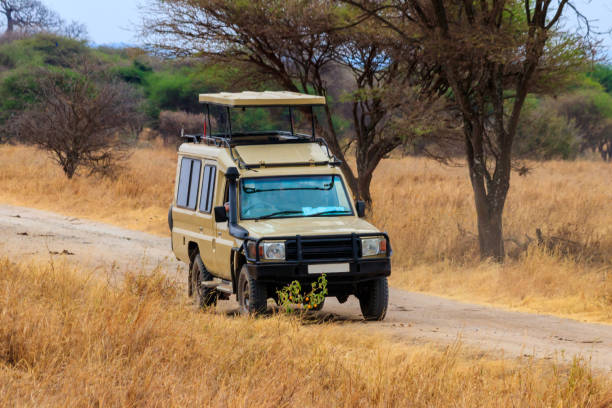
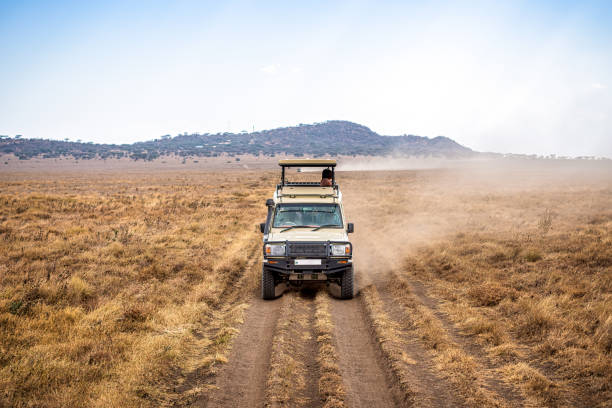
- Game Drives: Typically conducted in open 4×4 safari vehicles with experienced guides and trackers. Morning drives start before sunrise, and afternoon/evening drives continue after sunset.
- Accommodation: Ranges from rustic tented camps and self-catering bungalows within SANParks to luxurious lodges with private plunge pools and gourmet dining in private reserves.
- Pace: Safaris are about patience and observation. There will be moments of intense excitement and long periods of quiet observation.
- Safety: Always follow your guide’s instructions. Stay within designated areas and vehicles unless explicitly told otherwise.
Packing Essentials for Your 2026-2027 Trip
Packing smart is crucial for comfort and enjoyment. Layers are key, especially for Kruger where mornings and evenings can be cool, even in summer.
For Cape Town:
- Lightweight clothing for warm days (t-shirts, shorts, dresses).
- Warmer layers for evenings or cooler days (sweaters, light jacket, scarf).
- Comfortable walking shoes.
- Sandals or flip-flops.
- Swimsuit.
- Sunscreen, hat, sunglasses.
- A light rain jacket (especially for winter/spring).
- Smart casual wear for dinners.
For Kruger Safari:
- Neutral-colored clothing: Khaki, olive green, beige, brown. Avoid bright colors and white, which can scare animals.
- Layers: T-shirts, long-sleeved shirts (for sun protection and cooler mornings/evenings), fleece or warm jacket for early morning drives.
- Comfortable trousers or safari pants.
- Closed-toe walking shoes or sturdy sneakers.
- Sandals or flip-flops for around the lodge.
- Sunscreen, wide-brimmed hat, sunglasses.
- Insect repellent.
- Binoculars (highly recommended).
- Camera with extra batteries and memory cards.
- A small backpack for day trips or game drives.
- Headlamp or flashlight (useful for moving around camps at night).
- Personal toiletries and any necessary medications.
General Essentials:
- Passport and necessary visas.
- Copies of important documents (flights, bookings, insurance).
- Travel adapter (South Africa uses Type M sockets).
- Portable power bank.
- Basic first-aid kit.
Common Mistakes to Avoid When Planning
To ensure your Cape Town and Kruger itinerary runs smoothly in 2026-2027, be aware of these common pitfalls:
- Underestimating Travel Time: South Africa is vast. Factor in travel time between destinations, airport transfers, and check-in/security. Don’t pack too much into one day.
- Not Booking in Advance: Especially for popular times (like school holidays or peak safari season), flights, accommodation, and popular tours (like Robben Island) book up months, sometimes a year, ahead.
- Ignoring Seasonality: Trying to visit Cape Town in its rainy winter and expecting peak game viewing in Kruger’s wet season might lead to disappointment. Plan according to the best seasons for each.
- Not Budgeting for Everything: Beyond flights and accommodation, factor in park entrance fees, activities, meals, drinks, tips, and souvenirs. Safari lodges often have all-inclusive rates, but confirm what’s included.
- Packing Inappropriately: Bringing only bright clothes for safari or neglecting warm layers for Kruger mornings can detract from the experience.
- Overpacking for Safari: Most lodges have laundry services, so you don’t need to pack an outfit for every single activity.
- Not Considering Internal Flights: Trying to drive between Cape Town and Kruger is not feasible for a typical holiday. Factor in the cost and time for domestic flights.
- Failing to Get Travel Insurance: Essential for covering unexpected medical emergencies, trip cancellations, or lost luggage.
Who is This Itinerary Best Suited For?
A combined Cape Town and Kruger itinerary is incredibly versatile and can be tailored to suit various traveler types:
- First-Time Visitors to South Africa: It covers the most iconic and diverse experiences the country has to offer.
- Couples & Honeymooners: Cape Town offers romance, fine dining, and stunning scenery, while Kruger provides unforgettable, intimate wildlife encounters.
- Families: Cape Town has plenty of child-friendly activities, and Kruger is a fantastic educational experience for children, introducing them to wildlife and nature. Choose family-friendly lodges or camps.
- Adventure Seekers: Beyond the standard activities, Cape Town offers opportunities for paragliding, abseiling, and surfing. Kruger can involve bush walks and more rugged exploration.
- Nature & Wildlife Enthusiasts: This is the core appeal of Kruger, combined with the natural beauty of the Cape Peninsula and Winelands.
- Culture & History Buffs: Cape Town’s rich history, museums, and diverse communities provide ample exploration.
Alternatives to Consider
While Cape Town and Kruger are a classic pairing, other South African or nearby destinations could be considered for your 2026-2027 travels:
- Cape Town & Garden Route: If you prefer coastal scenery and charming towns over safari, combine Cape Town with the scenic Garden Route (Knysna, Plettenberg Bay, Wilderness).
- Cape Town & the Winelands: For a more relaxed trip focused on wine, food, and scenery, dedicate more time to the Cape Peninsula and the various wine regions.
- Kruger & Other Safari Destinations:
- Madikwe Game Reserve: A malaria-free option, excellent for Big Five sightings and family-friendly.
- Phinda Private Game Reserve (KwaZulu-Natal): Offers diverse wildlife and beautiful landscapes, including coastal areas.
- Botswana (Chobe, Okavango Delta): For a more exclusive and water-based safari experience, consider adding Botswana. This would typically require more time and a higher budget.
- Namibia (Etosha National Park): Known for its unique desert landscapes and large elephant populations.
- Johannesburg & Kruger: For those primarily interested in safari and a taste of South Africa’s history, a combination of Johannesburg (for museums and Soweto) and Kruger is a good option.
Planning Your 2026-2027 Cape Town and Kruger Itinerary: A Checklist
Use this checklist to stay organized as you plan your dream trip for 2026 or 2027.
| Task | Timeline (Months Before Travel) | Status |
|---|---|---|
| Define travel dates and duration. | 12-18 months | |
| Set your budget. | 12-18 months | |
| Research and choose your safari lodge/area in Kruger. | 10-14 months | |
| Research and book Cape Town accommodation. | 10-12 months | |
| Book international flights. | 9-12 months | |
| Book domestic flights (CPT to Kruger airport). | 8-10 months | |
| Book key Cape Town tours (e.g., Robben Island). | 6-8 months | |
| Arrange airport transfers and lodge transfers. | 4-6 months | |
| Check passport validity (must be valid for 6 months beyond your stay). | 6 months | |
| Check visa requirements for your nationality. | 6 months | |
| Purchase travel insurance. | 4-6 months | |
| Plan detailed daily activities for Cape Town. | 2-3 months | |
| Start packing and shopping for necessary gear. | 1-2 months | |
| Confirm all bookings and arrangements. | 1 month | |
| Get necessary vaccinations or malaria precautions (consult your doctor). | 4-6 weeks | |
| Inform your bank of travel dates. | 1-2 weeks | |
| Pack final items and prepare travel documents. | 1 week |
Booking Your Cape Town and Kruger Adventure
Deciding how to book your trip is a key step. You have several options, each with pros and cons:
- Independent Booking: Booking flights, accommodations, and tours yourself. This can offer flexibility and potentially save money if you find good deals. However, it requires significant research, time, and organization. You’ll need to manage multiple bookings and coordinate transfers.
- Using a Local Tour Operator (like us!): This is often the most efficient and stress-free way to plan a complex itinerary like Cape Town and Kruger. A reputable operator will:
- Offer expert advice based on local knowledge.
- Have established relationships with lodges and airlines, potentially securing better rates or availability.
- Handle all bookings and confirmations, saving you time and effort.
- Provide seamless transfers between locations.
- Offer support during your trip should any issues arise.
- Help craft a tailor-made itinerary that perfectly fits your interests, budget, and timeframe for 2026-2027.
- Using an International Travel Agent: Similar benefits to a local operator, but they may have less specific knowledge of the ground realities in South Africa.
When to Book: For 2026-2027 travel, especially if you’re looking at peak seasons or specific popular lodges, booking 9-12 months in advance is highly recommended. For custom itineraries, starting the conversation with a tour operator earlier is always better.
Our Expertise: As specialists in East African travel, we also have extensive knowledge and partnerships within South Africa, allowing us to design incredible combined experiences. We understand the nuances of creating a smooth transition from city exploration to the wild heart of Africa.
Ready to Plan Your 2026-2027 Cape Town and Kruger Itinerary?
Let us help you craft an unforgettable South African adventure. We specialize in creating personalized safari and travel experiences that capture the essence of this incredible country.
Contact us today:
- WhatsApp: +255616946642
- Email: topguideadventures@gmail.com
- Backup Email: info@topguideadventures.com
We look forward to helping you create your dream Cape Town and Kruger itinerary!
Frequently Asked Questions (FAQs)
1. How many days are ideal for a Cape Town and Kruger itinerary?
For a comprehensive experience that allows you to see the highlights of both destinations without feeling rushed, we recommend a minimum of 8-10 days. This typically allows for 3-4 full days in Cape Town and 3-4 full days on safari in the Kruger area.
2. Is it safe to travel to Cape Town and Kruger?
South Africa is generally safe for tourists when standard precautions are taken. In Cape Town, be aware of your surroundings, avoid displaying valuables, and use reputable transport. In Kruger, the primary safety concern is wildlife, and following your guide’s instructions implicitly is paramount. Tourist areas and reputable safari lodges maintain high safety standards.
3. What is the best way to get between Cape Town and Kruger?
The most efficient method is flying. You’ll take a domestic flight from Cape Town International Airport (CPT) to Kruger Mpumalanga International Airport (MQP) or Hoedspruit Eastgate Airport (HDS). The flight is approximately 1.5 to 2 hours. From the airport, you’ll typically arrange a transfer to your safari lodge.
4. Can I do a self-drive safari in Kruger?
Yes, self-driving is possible within Kruger National Park itself. It’s a more budget-friendly option and offers flexibility. However, for private reserves bordering Kruger (like Sabi Sands), self-driving is not permitted; guided safaris in open vehicles are the standard and often offer better game viewing opportunities, especially for elusive animals like leopards. For a combined itinerary, many opt for guided safaris in private reserves.
5. What is the cost of a Cape Town and Kruger trip?
Costs vary significantly based on accommodation choices (budget guesthouses vs. luxury lodges), the time of year, activities chosen, and flight classes. A comfortable mid-range trip for 10 days might range from $2,500 to $5,000+ per person, excluding international flights. Luxury options can easily exceed $8,000+ per person. Booking in advance and considering shoulder seasons can help manage costs for your 2026-2027 travel.
6. Do I need malaria precautions for Kruger?
Kruger National Park and its surrounding areas are considered malaria-risk areas, particularly during the warmer, wetter months (November to April). It’s advisable to consult your doctor or a travel clinic about malaria prophylaxis and other recommended vaccinations well in advance of your 2026-2027 trip. Using insect repellent and wearing long sleeves/trousers in the evenings also helps.
7. What’s the difference between Kruger National Park and private reserves like Sabi Sands?
Kruger National Park is a vast, government-run reserve where self-driving is common, and game viewing can be shared. Private reserves, like the adjacent Sabi Sands, are privately owned, offer exclusive game drives (including off-road and night drives), expert trackers, and often more luxurious accommodation. They typically have higher leopard sighting rates. Your Cape Town and Kruger itinerary can include either or both.
8. What currency is used in South Africa?
The currency is the South African Rand (ZAR). Credit cards are widely accepted in cities and at most lodges, but it’s good to carry some cash for smaller purchases, tips, or markets.
9. When is the best time to visit for wildlife viewing in Kruger?
The dry season, from May to October, is generally considered the best time for game viewing in Kruger. The vegetation thins out, and animals tend to congregate around water sources, making them easier to spot. Mornings and evenings can be cool, so pack warm layers.
10. Can I customize my Cape Town and Kruger itinerary for 2026-2027?
Absolutely! Customization is key to a perfect trip. Whether you want to add more days for wine tasting, focus on specific wildlife interests, or prefer a more adventurous pace, a good tour operator can tailor every aspect of your Cape Town and Kruger itinerary to your preferences.
Conclusion: Craft Your Perfect South African Journey
A Cape Town and Kruger itinerary offers an unparalleled South African experience, blending the sophistication and natural beauty of a world-class city with the raw, thrilling adventure of an iconic safari. By carefully considering the seasonality, logistics, accommodation options, and your personal interests, you can design a trip for 2026-2027 that will create memories to last a lifetime.
From the vibrant streets and stunning vistas of Cape Town to the life-changing wildlife encounters in Kruger, this journey promises diversity, excitement, and a deep connection with nature and culture. Planning is essential, and we are here to guide you every step of the way.
Start Planning Your Dream South African Safari Today!
Ready to turn your dream Cape Town and Kruger itinerary into reality? Our expert team can help you design a bespoke adventure tailored to your interests and budget for 2026-2027.
Get in touch with us:
- WhatsApp: +255616946642
- Email: topguideadventures@gmail.com
- Backup Email: info@topguideadventures.com
Let’s create your perfect South African escape!
Plan your Cape Town and Kruger itinerary with Top Guide Adventures
Tell us your travel dates, group size, comfort level, and dream experience. We will help you shape a clear, realistic, and memorable Tanzania itinerary.







 Veedesigner
 Fatma Kizanga
 Benjamin Waryuba
 Philip Philip
 John jr Itaja
 Antonia Optatus
 Edith Kanyere
 Neema Iddy
 Kelvin Boniphace
 Damari Maiga



