
The Central Serengeti, often called Seronera, is the most popular and accessible region of the Serengeti National Park, renowned for its year-round abundant wildlife, particularly big cats like lions and leopards, and its iconic acacia-dotted plains, making it an ideal destination for a classic Tanzanian safari in 2026-2027.
Why Central Serengeti is the Heartbeat of the Serengeti Experience
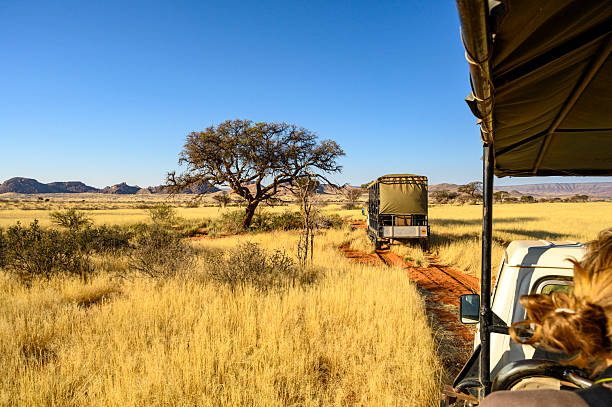
When people picture a quintessential African safari, images of vast, sun-drenched plains dotted with acacia trees, herds of wildebeest, and elusive predators often come to mind. For many, this iconic vision is most vividly realized in the Central Serengeti, specifically the Seronera Valley. This region is the permanent home to an astonishing concentration of wildlife, offering incredible game viewing opportunities throughout the year. Unlike other parts of the Serengeti that experience dramatic seasonal shifts due to the Great Migration, the Central Serengeti provides consistent action, making it a prime choice for travelers planning their safaris for 2026 and 2027.
At Top Guide Adventures, we understand the allure of the Central Serengeti. It’s a place where the raw beauty of the African wilderness meets the thrilling possibility of encountering almost any animal on your safari wish list. Whether you’re a first-time visitor or a seasoned safari-goer, the Central Serengeti promises an unforgettable experience, characterized by its accessibility, diverse habitats, and the sheer abundance of wildlife that roams its landscapes.
The Allure of Seronera: A Wildlife Hotspot
The Seronera Valley, the administrative and tourism heart of the Central Serengeti, is named after the Seronera River, a vital water source that sustains a rich ecosystem. This river and its tributaries act as a magnet for wildlife, especially during the dry seasons when other water sources diminish. The presence of permanent water means that predators are never far away, as they follow the prey that congregates along the riverbanks.
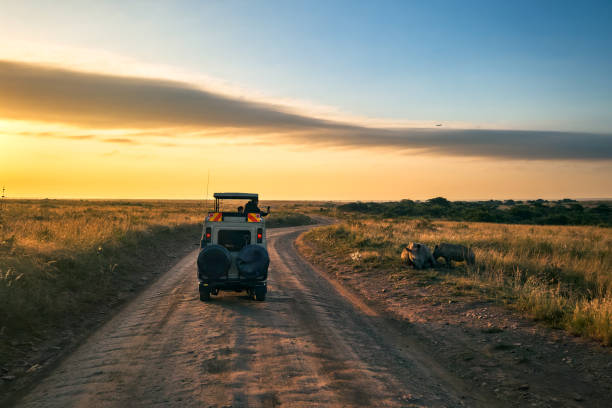
This concentration of predators is what truly sets the Central Serengeti apart. It is arguably the best place in Africa to see lions, with numerous prides often found lounging in the shade of trees or on kopjes (rocky outcrops). Leopards, known for their elusive nature, are also frequently spotted here, often draped over tree branches along the river. Cheetahs, though more often found on the open plains, also patrol the grasslands of Seronera. The abundance of prey, including gazelles, impalas, and even larger animals like giraffes and buffalo, ensures a constant drama of life and survival unfolds before your eyes.
For travelers looking to plan their 2026-2027 safari, the Central Serengeti offers a reliable and spectacular wildlife viewing experience. You don’t need to time your visit with the Great Migration’s exact movements to witness incredible sights; Seronera delivers consistently.
Key Wildlife Species to Spot in Central Serengeti
The Central Serengeti is a biodiversity hotspot, home to an incredible array of animals. While the big cats often steal the spotlight, there is so much more to discover:
- Lions: The undisputed kings of Seronera. You’ll find large prides often resting, hunting, or interacting, providing endless photographic opportunities.
- Leopards: Masterful climbers, leopards are frequently seen in the trees along the Seronera River, a testament to their opportunistic hunting strategies.
- Cheetahs: These speed demons are most often spotted on the open grasslands, stalking their prey with incredible agility.
- Elephants: While not as numerous as in other parks, herds of elephants are a common sight, particularly near water sources.
- Giraffes: Maasai giraffes, with their distinctive coat patterns, are abundant and often seen browsing from acacia trees.
- Buffalo: Large herds of Cape buffalo can be found grazing in the grasslands and near water, showcasing their powerful presence.
- Wildebeest and Zebras: Even outside the main migration period, resident herds of wildebeest and zebras are a constant feature of the landscape, forming the base of the food chain.
- Hyenas: Both spotted and striped hyenas are common, often seen scavenging or hunting in their own formidable packs.
- Various Antelope Species: Including Thomson’s gazelles, Grant’s gazelles, impalas, dik-diks, waterbucks, and topi.
- Birds: The Serengeti is a birdwatcher’s paradise, with over 500 species recorded. In Seronera, look out for ostriches, secretary birds, kori bustards, various eagles, vultures, and numerous smaller bird species.
The sheer diversity ensures that every game drive in the Central Serengeti is unique and filled with potential discoveries, making it a cornerstone of any well-planned 2026-2027 Tanzanian safari itinerary.
When to Visit Central Serengeti: Year-Round Wonders
One of the most significant advantages of choosing the Central Serengeti for your safari is its year-round appeal. Unlike regions that are best visited only during specific months to witness the Great Migration river crossings or calving seasons, Seronera offers consistently excellent game viewing regardless of the time of year.
The Dry Seasons (June to October & December to February)
These are generally considered peak safari seasons across Tanzania. In the Central Serengeti:
- June to October: This is the heart of the dry season. The weather is typically sunny and pleasant, with cooler mornings and evenings. Vegetation is sparser, making wildlife easier to spot. Animals congregate around the permanent water sources like the Seronera River, leading to very high concentrations of predators and prey. This is an excellent time for photographers and those seeking guaranteed wildlife sightings.
- December to February: This period often coincides with the southern Serengeti’s calving season, but the Central Serengeti remains a fantastic destination. While there might be short rains, the landscape becomes greener, and birdlife is more active. Wildlife remains abundant, and the occasional rains can lead to dramatic skies for photography.
The Wet Seasons (March to May & November)
While often referred to as the “low season” or “green season,” these months offer a different kind of beauty and unique safari experiences:
- March to May: This is the peak of the long rains. While game viewing can be more challenging due to denser vegetation and potential road conditions, the landscape transforms into a lush, vibrant green. It’s a photographer’s dream for dramatic landscapes. Wildlife is more dispersed, but predators are still present, and the birdlife is spectacular. This is also a more budget-friendly time to travel, with fewer crowds.
- November: The short rains typically occur during this month. They are usually brief showers, often in the afternoon, followed by sunshine. The landscape starts to green up, and the air is fresh. It offers a good balance of wildlife viewing and beautiful scenery, often with fewer tourists than the peak dry season.
For planning your 2026-2027 safari, any time of year offers a compelling reason to visit the Central Serengeti. The choice largely depends on your preferences for weather, crowds, and budget. Contact Top Guide Adventures to discuss the best timing for your specific interests.
Getting to Central Serengeti: Accessibility and Logistics
The Central Serengeti is one of the most accessible regions within the vast national park, which is a significant draw for many travelers. Its relatively easy access makes it a logical starting point or a core component of most Serengeti itineraries.
By Air: The Fastest Route
The most common and efficient way to reach the Central Serengeti is by flying into the Seronera Airstrip (SEU). Several local airlines operate daily scheduled flights from Arusha (ARK) and Kilimanjaro International Airport (JRO) directly to Seronera. These flights typically take around 1 to 1.5 hours.
- Benefits: Saves significant travel time compared to driving, offers scenic aerial views of the park, and gets you straight to the heart of the wildlife action.
- Considerations: This option is generally more expensive than driving. Luggage restrictions apply to light aircraft, so packing efficiently is key.
By Road: The Scenic Journey
Driving to the Central Serengeti is a classic safari experience, offering a gradual introduction to the park’s landscapes and potential wildlife sightings along the way. The journey typically starts from Arusha or Karatu.
- Route from Arusha: The drive typically involves passing through the Ngorongoro Conservation Area (often with a brief stop at the crater rim) and then entering the Serengeti via the Naabi Hill Gate. The drive from Arusha to Seronera can take 5-7 hours, depending on road conditions and stops.
- Route from Karatu: If you are staying in Karatu (near Ngorongoro), the drive to Seronera is shorter, typically 3-4 hours.
- Vehicle Type: A 4×4 safari vehicle is essential for navigating the Serengeti’s often unpaved roads, especially during the wet seasons.
- Benefits: More economical than flying, allows for stops at points of interest, and offers a more grounded safari experience.
- Considerations: The journey can be long and bumpy. It requires an early start to maximize daylight hours for game viewing upon arrival.
Top Guide Adventures specializes in both flight and road safaris. We can tailor your journey to Central Serengeti based on your budget, time constraints, and preferred travel style for your 2026-2027 adventure.
Accommodation Options in Central Serengeti
Central Serengeti offers a diverse range of accommodation to suit various budgets and preferences, from luxurious lodges to comfortable tented camps. Staying within or very close to the Seronera Valley ensures you are right in the middle of the prime wildlife viewing areas.
Luxury Lodges and Camps
These offer the highest level of comfort, service, and amenities, often including fine dining, swimming pools, and spacious suites with private verandas. Examples include:
- Four Seasons Safari Lodge Serengeti: Offers unparalleled luxury with stunning infinity pools overlooking an active waterhole.
- Singita Sasakwa Lodge: While technically in the western corridor, its proximity and exclusive feel set a benchmark for luxury. (Note: Singita also has properties closer to Seronera).
- Serengeti Serena Safari Lodge: A well-established lodge with spectacular views and comfortable facilities.
- Sanctuary Kichakani Serengeti Camp: Offers a mobile camp experience with luxurious tents that move seasonally, ensuring optimal wildlife viewing.
Mid-Range Lodges and Tented Camps
These options provide a comfortable and authentic safari experience without the premium price tag of luxury accommodations. They typically feature well-appointed en-suite rooms or canvas tents with essential amenities.
- Seronera Wildlife Lodge: A popular choice with a prime location and good facilities.
- Kubukubu Tented Lodge: Offers a stylish and comfortable stay with a blend of traditional and modern design.
- Tanzania Bush Camp – Seronera: Provides a classic tented camp experience with comfortable facilities.
Budget-Friendly Options and Public Campsites
For the more adventurous traveler or those on a tighter budget, the Central Serengeti has options including:
- Public Campsites: Managed by TANAPA (Tanzania National Parks Authority), these offer basic facilities (toilets, showers) and a chance to sleep under the stars. They are often shared and require booking well in advance.
- Budget Tented Camps: Some operators offer more basic tented camps that provide essential shelter and meals at a lower cost.
When planning your 2026-2027 safari, Top Guide Adventures can help you select accommodation that aligns perfectly with your expectations and budget. We work with a wide network of partners to ensure quality and value.
Sample Itinerary: A 5-Day Central Serengeti Safari
This sample itinerary provides a taste of what a safari focused on the Central Serengeti could look like. It balances game drives with relaxation and allows for flexibility based on wildlife movements.
Day 1: Arrival in Arusha & Transfer to Central Serengeti
Arrive at Kilimanjaro International Airport (JRO) or Arusha Airport (ARK). Meet your Top Guide Adventures representative and transfer to your hotel in Arusha for an overnight stay or take a scenic flight directly to Seronera Airstrip (SEU). Upon arrival at Seronera, you’ll be met by your dedicated safari guide and vehicle. Enjoy your first thrilling game drive en route to your chosen lodge or camp in the Central Serengeti. After settling in, start an afternoon game drive as the sun begins to dip, casting a golden glow over the plains.
Accommodation: Central Serengeti Lodge/Camp
Day 2: Full Day Game Drives in Seronera Valley
Spend the entire day exploring the rich wildlife habitats of the Seronera Valley. Your experienced guide will lead you to areas known for lion prides, elusive leopards, and cheetahs. Focus on tracking predators and observing the interactions within the ecosystem. Enjoy a picnic lunch amidst the wilderness. Continue your game drive into the late afternoon, returning to your lodge as dusk settles.
Accommodation: Central Serengeti Lodge/Camp
Day 3: Exploring Further into Central Serengeti
Venture out to explore different areas within the Central Serengeti, perhaps heading towards the Moru Kopjes, known for their resident lions and the chance to spot black rhinos (though sightings are rare). Alternatively, focus on areas with abundant herbivores and the predators that hunt them. Your guide will tailor the day’s activities based on recent wildlife sightings and your specific interests. Enjoy another spectacular sunset over the Serengeti plains.
Accommodation: Central Serengeti Lodge/Camp
Day 4: Morning Game Drive & Optional Activities
Enjoy a final morning game drive in Central Serengeti, perhaps seeking out any species you haven’t yet seen or revisiting a favorite sighting. After breakfast, you might have the option to participate in a hot air balloon safari (additional cost), offering a unique aerial perspective of the Serengeti at sunrise – a truly unforgettable experience. Alternatively, enjoy a leisurely morning at your lodge or camp before your transfer.
Accommodation: Central Serengeti Lodge/Camp
Day 5: Departure from Seronera
After breakfast, depending on your flight schedule, you may have time for a short final game drive. Transfer to Seronera Airstrip (SEU) for your scheduled flight back to Arusha or Kilimanjaro International Airport (JRO), connecting to your onward journey or international flight. Reflect on the incredible wildlife encounters and memories made in the heart of the Serengeti.
This is just a template. Top Guide Adventures can customize any itinerary for 2026-2027, adjusting durations, incorporating other parks like Ngorongoro Crater or Tarangire, and selecting accommodations that perfectly match your safari dreams.
The Great Migration and Central Serengeti
While the Great Migration is famously associated with the dramatic river crossings in the Grumeti (western corridor) and Mara (northern Serengeti) rivers, the Central Serengeti plays a crucial role in the migration’s annual cycle, especially outside the peak migration months.
From roughly December to March, the vast herds of wildebeest and zebras are typically found in the southern plains of the Serengeti, including areas south of Seronera, for the calving season. As the dry season approaches and grazing becomes scarce, the herds begin their northward journey.
During the months of April, May, and June, the herds often pass through or congregate in the Central Serengeti. While you might not witness the massive river crossings, you can still see enormous numbers of wildebeest and zebras moving across the plains, creating spectacular scenes of movement and activity. This period offers a chance to see the migration in a less crowded environment than the northern or western corridors.
Even when the main herds have moved on, the Central Serengeti retains a significant population of resident wildlife, including lions, leopards, cheetahs, elephants, giraffes, and numerous antelope species. This resident population ensures that game viewing remains exceptional throughout the year, making it a reliable choice for your 2026-2027 safari.
Conservation Efforts and Responsible Tourism in Central Serengeti
The Serengeti National Park, including its Central region, is a UNESCO World Heritage site and a testament to successful conservation efforts. The park’s vastness and the establishment of strict regulations help protect its incredible biodiversity.
Key Conservation Aspects:
- Anti-Poaching Patrols: Rangers work tirelessly to protect wildlife from illegal hunting.
- Habitat Protection: TANAPA manages the park to maintain the natural habitats essential for wildlife survival.
- Visitor Management: Designated roads and rules for game drives minimize human impact on wildlife and their environment.
- Community Involvement: Efforts are made to involve local communities in conservation initiatives and ensure they benefit from tourism.
As a responsible tour operator, Top Guide Adventures is committed to promoting sustainable tourism practices. We encourage our clients to:
- Respect Wildlife: Maintain a safe distance, never feed animals, and avoid disturbing their natural behavior.
- Stay on Designated Roads: This prevents habitat degradation and minimizes stress on animals.
- Minimize Waste: Pack out everything you pack in, especially plastics.
- Support Local Communities: Purchase locally made crafts and support community-based tourism initiatives where possible.
By choosing Top Guide Adventures for your 2026-2027 Central Serengeti safari, you are supporting a company dedicated to preserving this precious ecosystem for future generations.
What to Pack for Your Central Serengeti Safari
Packing for a Serengeti safari requires balancing comfort, practicality, and the specific needs of wildlife viewing. Layering is key, as temperatures can vary significantly between early mornings, midday heat, and cooler evenings.
Clothing Essentials:
- Neutral-colored clothing: Khaki, beige, olive green, or light brown are ideal. Avoid bright colors (like red) which can disturb wildlife, and dark colors (like navy or black) which attract tsetse flies and can be hot.
- Long-sleeved shirts and trousers: Protect against the sun, insects, and scratches.
- T-shirts and shorts: For warmer daytime temperatures.
- Fleece jacket or warm sweater: Essential for cool mornings and evenings.
- Lightweight waterproof jacket or poncho: For unexpected rain showers, especially during the wet seasons.
- Comfortable walking shoes or hiking boots: If you plan on any light walking or nature trails.
- Sandals or flip-flops: For relaxing at the lodge/camp.
- Hat with a wide brim: For sun protection.
- Swimsuit: If your lodge has a pool.
Footwear:
- Comfortable, closed-toe walking shoes are essential.
- Sandals or flip-flops for downtime.
Accessories:
- Sunglasses: Protect your eyes from the strong African sun.
- Sunscreen: High SPF is recommended.
- Insect repellent: Especially for evenings.
- Camera and extra batteries/memory cards: You’ll want to capture every moment! Consider a zoom lens.
- Binoculars: Crucial for spotting distant wildlife.
- Headlamp or flashlight: Useful for navigating around camp at night.
- Personal medications and a basic first-aid kit.
- Adapter for electronics: Most lodges have charging facilities, but an adapter might be needed.
- Reusable water bottle: To stay hydrated and reduce plastic waste.
Documents:
- Passport (with at least 6 months validity).
- Visa (if required).
- Yellow fever vaccination certificate (if arriving from an endemic country).
- Travel insurance details.
- Flight tickets and booking confirmations.
Remember that luggage on light aircraft flights is restricted, typically to 15-20 kg (33-44 lbs) in soft-sided duffel bags. Top Guide Adventures can provide more detailed packing lists tailored to your specific safari plans for 2026-2027.
Cost Considerations for a Central Serengeti Safari
The cost of a Central Serengeti safari can vary significantly based on several factors, including the time of year, accommodation level, duration of stay, mode of transport (flying vs. driving), and the type of safari (private vs. group). For 2026-2027, expect costs to be in a similar range to previous years, with potential adjustments for inflation.
Here’s a breakdown of typical cost components:
- Park Fees: These are set by TANAPA and are per person, per day. For the Serengeti, expect fees to be around $70-80 USD per person per 24 hours. These are mandatory and non-negotiable.
- Accommodation: This is often the largest cost component. Budget campsites might range from $50-100 USD per person per night (including park fees), mid-range lodges/camps from $250-500 USD per person per night, and luxury lodges from $600-1500+ USD per person per night. Prices are usually on a full-board basis (breakfast, lunch, dinner).
- Vehicle and Guide: A private 4×4 safari vehicle with a professional guide is essential. Costs can range from $250-400 USD per day for the vehicle and guide, shared among the group. Group tours will divide this cost, making them more economical.
- Flights: Internal flights to Seronera Airstrip (SEU) from Arusha or Kilimanjaro typically cost between $350-500 USD per person round trip.
- Meals: Usually included in lodge/camp rates (full board). Picnic lunches are common during game drives. Drinks (sodas, alcohol) are often extra.
- Activities: Optional activities like hot air balloon safaris are significant additional costs, usually around $500-600 USD per person.
- Tips: While not mandatory, tipping guides and lodge staff is customary and appreciated.
- Visas and Insurance: Factor in costs for Tanzanian visas and comprehensive travel insurance.
Estimated Safari Costs (per person for a 5-day/4-night safari):
- Budget (Camping): Approximately $1,200 – $1,800 USD.
- Mid-Range (Tented Camps/Lodges): Approximately $2,000 – $3,500 USD.
- Luxury (High-End Lodges): Approximately $4,000 – $7,000+ USD.
These are estimates for 2026-2027 and can vary. Contact Top Guide Adventures for a personalized quote.
Factors influencing 2026-2027 pricing:
- High Season (June-Oct, Dec-Feb): Expect higher prices due to demand.
- Low Season (Mar-May): Generally more affordable, but with potential for rain.
- Private vs. Group Safari: Private safaris offer more flexibility but are more expensive per person than shared group departures.
Top Guide Adventures is transparent with its pricing. We offer various safari packages that can be customized to fit your budget. Reach out to us via WhatsApp +255616946642 or Email topguideadventures@gmail.com to get a detailed quote for your 2026-2027 trip.
Why Choose Top Guide Adventures for Your Central Serengeti Safari?
Planning a safari to a destination as iconic as the Central Serengeti requires expertise and local knowledge. Top Guide Adventures has been crafting unforgettable Tanzanian safari experiences for years, and we pride ourselves on:
- Local Expertise: We are a Tanzanian-owned and operated company, giving us intimate knowledge of the parks, wildlife, and best times to visit.
- Experienced Guides: Our guides are highly trained, passionate about wildlife, and dedicated to ensuring you have the best possible game viewing experience. They know the Serengeti intimately.
- Customizable Itineraries: We don’t believe in one-size-fits-all. We work closely with you to design a safari that matches your interests, budget, and travel style for 2026-2027.
- Quality Accommodation: We partner with a range of carefully selected lodges and camps to ensure comfort and authenticity.
- Commitment to Conservation: We operate responsibly and promote sustainable tourism practices.
- Excellent Value: We strive to offer competitive pricing without compromising on quality or the safari experience.
We understand that planning a safari is a significant undertaking. Our team is here to guide you through every step, from initial inquiry to your return home. We aim to make your journey to the Central Serengeti as smooth and memorable as possible.
Booking Your 2026-2027 Central Serengeti Safari
The Central Serengeti is a premier safari destination, and booking in advance is highly recommended, especially for peak seasons in 2026 and 2027. Popular lodges and camps fill up quickly, and securing your preferred accommodation and guide is crucial for a smooth experience.
Recommended Booking Window:
- Peak Season (June-Oct, Dec-Feb): Book at least 6-12 months in advance.
- Shoulder/Low Season (Mar-May, Nov): Booking 3-6 months in advance is generally sufficient, but early booking is always wise.
Don’t miss the opportunity to witness the magic of the Central Serengeti. Whether you dream of witnessing the Great Migration, tracking big cats, or simply soaking in the impressive landscapes, we are ready to help you plan the adventure of a lifetime.
Contact Top Guide Adventures today to start planning your unforgettable Central Serengeti safari for 2026 or 2027. Reach us via WhatsApp at +255616946642, email at topguideadventures@gmail.com, or our website. Let us craft your perfect Tanzanian adventure!
Check Availability for Central Serengeti Safari: Your Ultimate Guide For Adventures 2026-2027
Ready to compare dates, prices, and the best option for your group? Send the package name and travel month so the team can reply with a clear quote, availability, and what is included.
14-Day Selous, Mikumi, Ruaha And Beach Holiday In Tanzania 2026-2027
This 14-day itinerary combines the incredible wildlife viewing of Southern Tanzania's parks – Selous Game Reserve, Mikumi National Park, and Ruaha National Park – with a relaxing beach...
View package details
12-Day Nyerere Safari And Zanzibar Honeymoon: The Ultimate Romantic Escape
A 12-day Nyerere Safari and Zanzibar Honeymoon offers an unparalleled blend of thrilling wildlife encounters in one of Africa's largest game reserves and serene relaxation on the exotic...
View package details
12-Day Southern Tanzania Grand Safari: An Unforgettable Adventure In 2026-2027
Discover the untamed beauty of Southern Tanzania on an epic 12-day safari. This journey explores the vast wilderness of Selous Game Reserve, the dramatic landscapes of Ruaha National Park...
View package details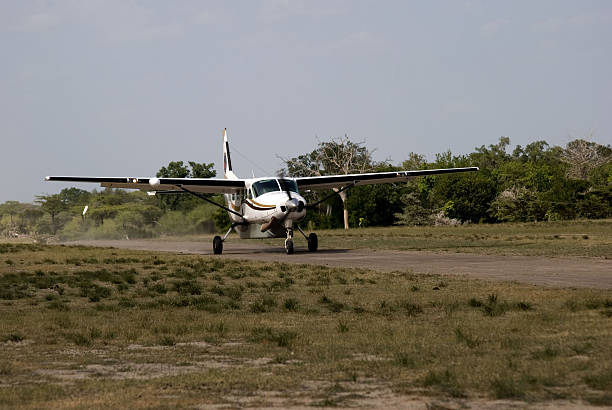
10-Day Selous, Mikumi And Ruaha Safari Guide
Discover the untamed beauty of southern Tanzania with a 10-day safari combining Selous Game Reserve, Mikumi National Park, and Ruaha National Park. This itinerary offers a comprehensive...
View package details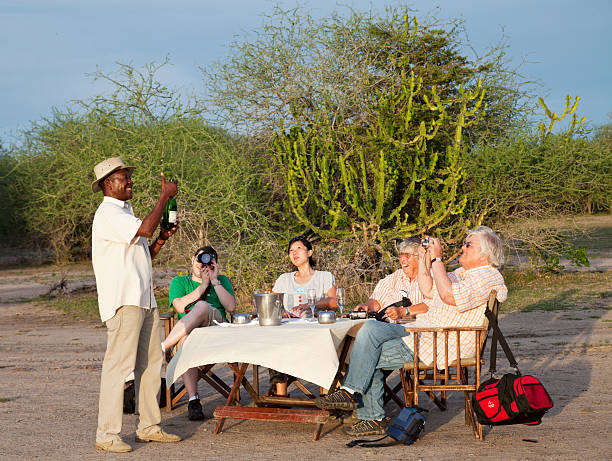
10-Day Nyerere, Ruaha & Zanzibar Package: Ultimate Southern Tanzania Adventure
Discover the best of Southern Tanzania with a meticulously crafted 10-day package combining the vast wilderness of Nyerere National Park (formerly Selous) and Ruaha National Park with the...
View package details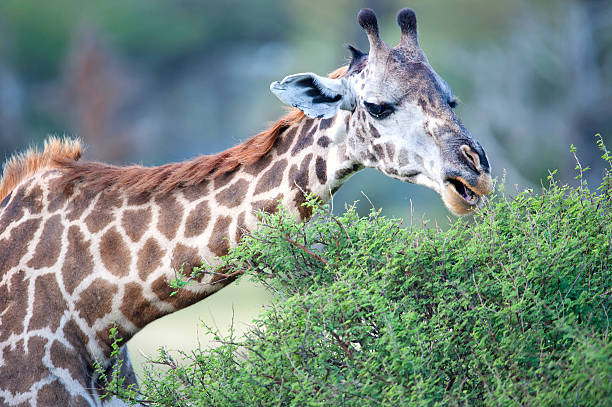
10-Day Southern Tanzania Safari And Beach Holiday 2026-2027
Discover the ultimate 10-day Southern Tanzania safari and beach holiday, blending the wild wonders of Selous and Ruaha with the serene shores of Zanzibar or Mafia Island. Perfect for...
View package details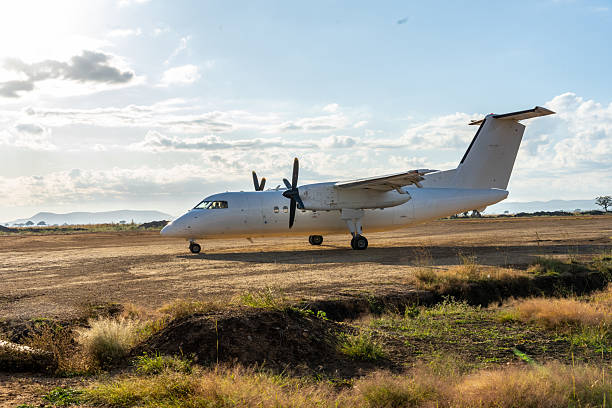
9-Day Mikumi, Nyerere And Zanzibar Tour: The Ultimate Southern Tanzania
Discover the magic of Southern Tanzania with a 9-day journey through Mikumi National Park, Nyerere National Park (formerly Selous Game Reserve), and the spice island of Zanzibar. This tour...
View package details
9-Day Selous Glamping And Spice Island Holiday: Your Ultimate Tanzania Escape
Combine the thrill of a luxury glamping safari in Selous Game Reserve with the serene beauty of Zanzibar's Spice Islands on this 9-day Tanzania adventure. Perfect for 2026-2027 planning.
View package details9-Day Nyerere Safari And Zanzibar Package: Ultimate Southern Tanzania
Discover the best of Tanzania's southern circuit with a 9-day Nyerere Safari and Zanzibar package. Experience thrilling game drives in Nyerere National Park, once known as Selous, followed...
View package details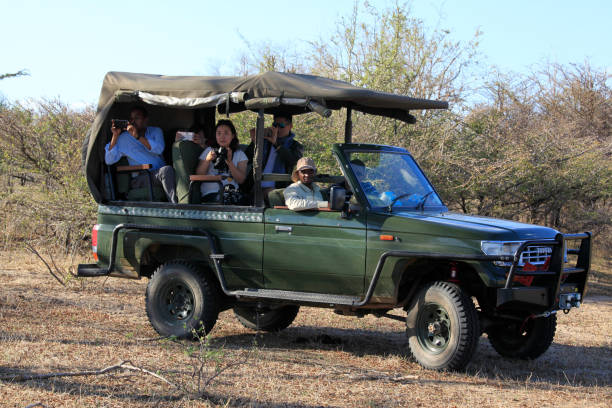
8-Day Nyerere Family Safari: The Ultimate Tanzania Adventure 2026-2027
Experience an unforgettable 8-day Nyerere Family Safari in Tanzania with Top Guide Adventures. This itinerary focuses on diverse wildlife, stunning landscapes, and family-friendly...
View package details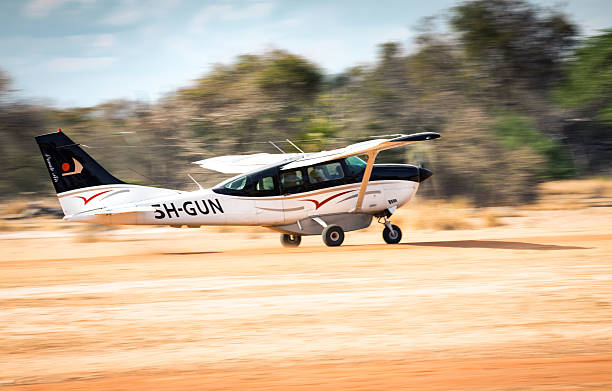
8-Day Selous Safari And Zanzibar Holiday: Your Ultimate Tanzania Adventure
An 8-day adventure perfectly blending the wild heart of Selous Game Reserve with the tropical allure of Zanzibar. This itinerary offers an unforgettable Tanzanian experience, combining...
View package details
8-Day Southern Tanzania Luxury Safari: Selous & Ruaha 2026-2027
An 8-day luxury safari through Southern Tanzania's Selous Game Reserve and Ruaha National Park offers an unparalleled wildlife experience. This itinerary focuses on exclusive lodges...
View package detailsNo related package matches those filters. Clear one or more filters to see the other topic-matched options.



